SCIENCE
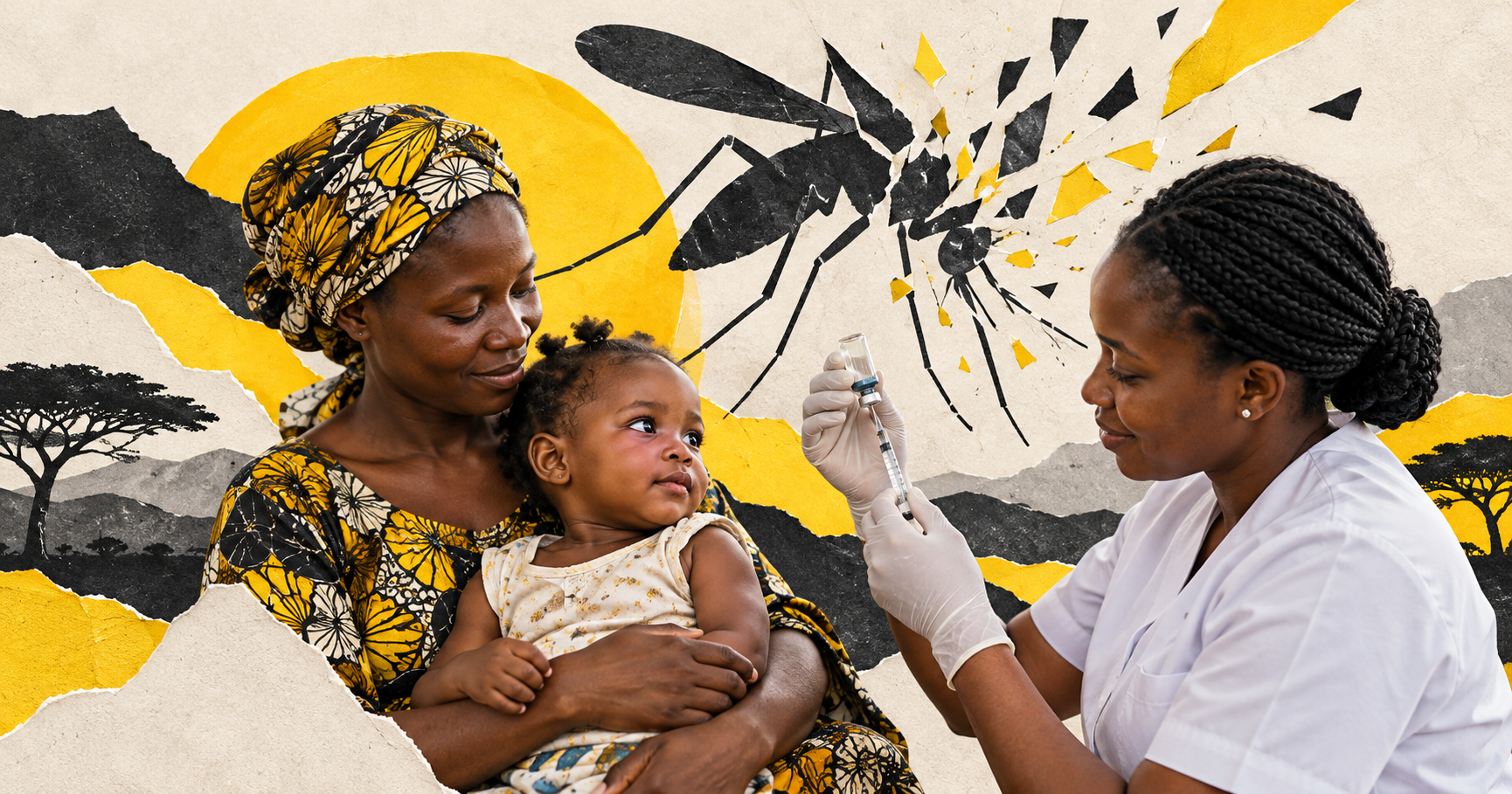
A malaria vaccine price deal could protect up to one million more children.
The planned 40% price cut could save about $50 million over three years.
SOURCEGavi / UNICEF
—
Every serving. No expiration date.
The planned 40% price cut could save about $50 million over three years.
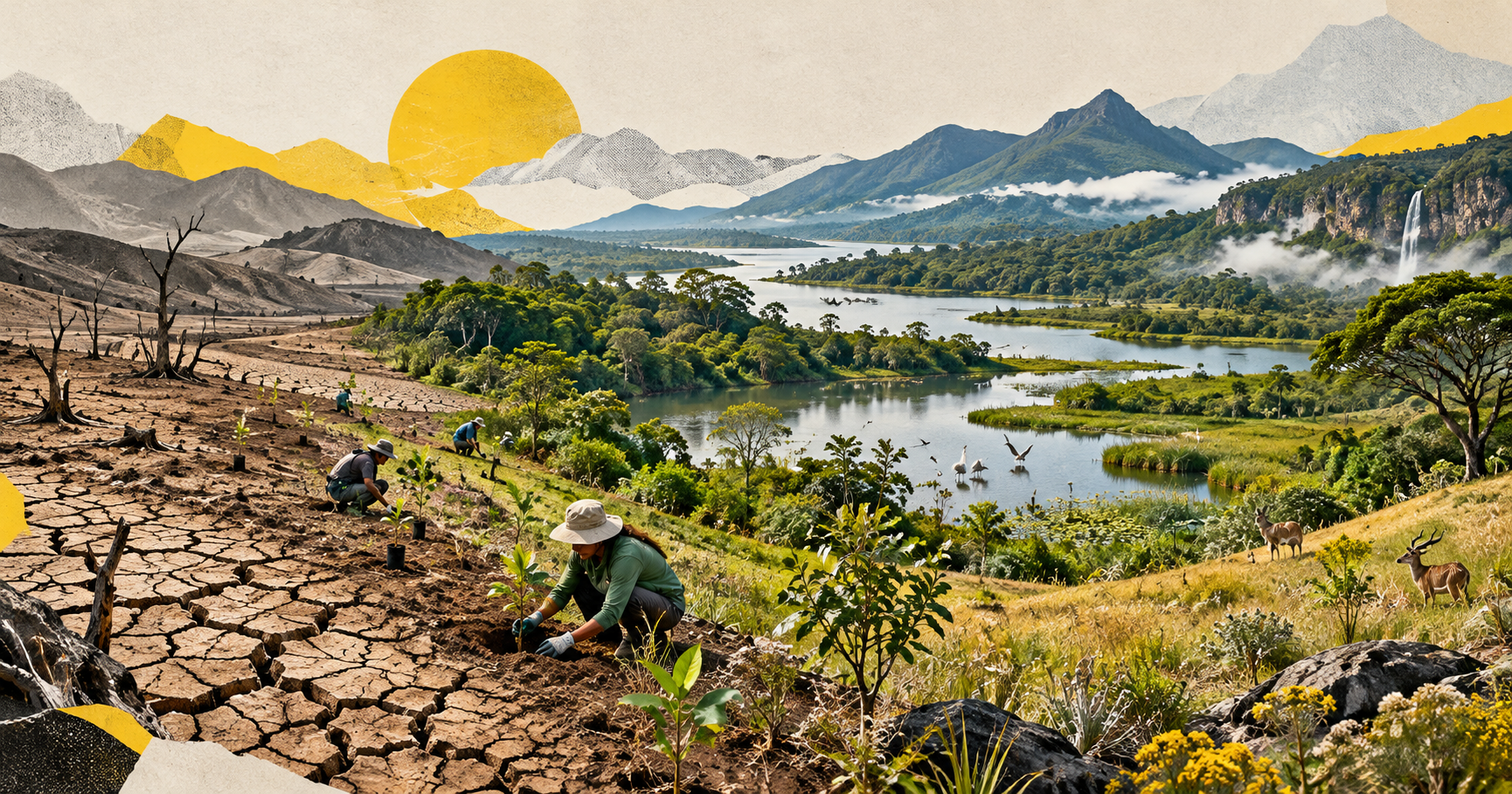
Nature restoration is scaling—and already supporting more than one million green jobs.
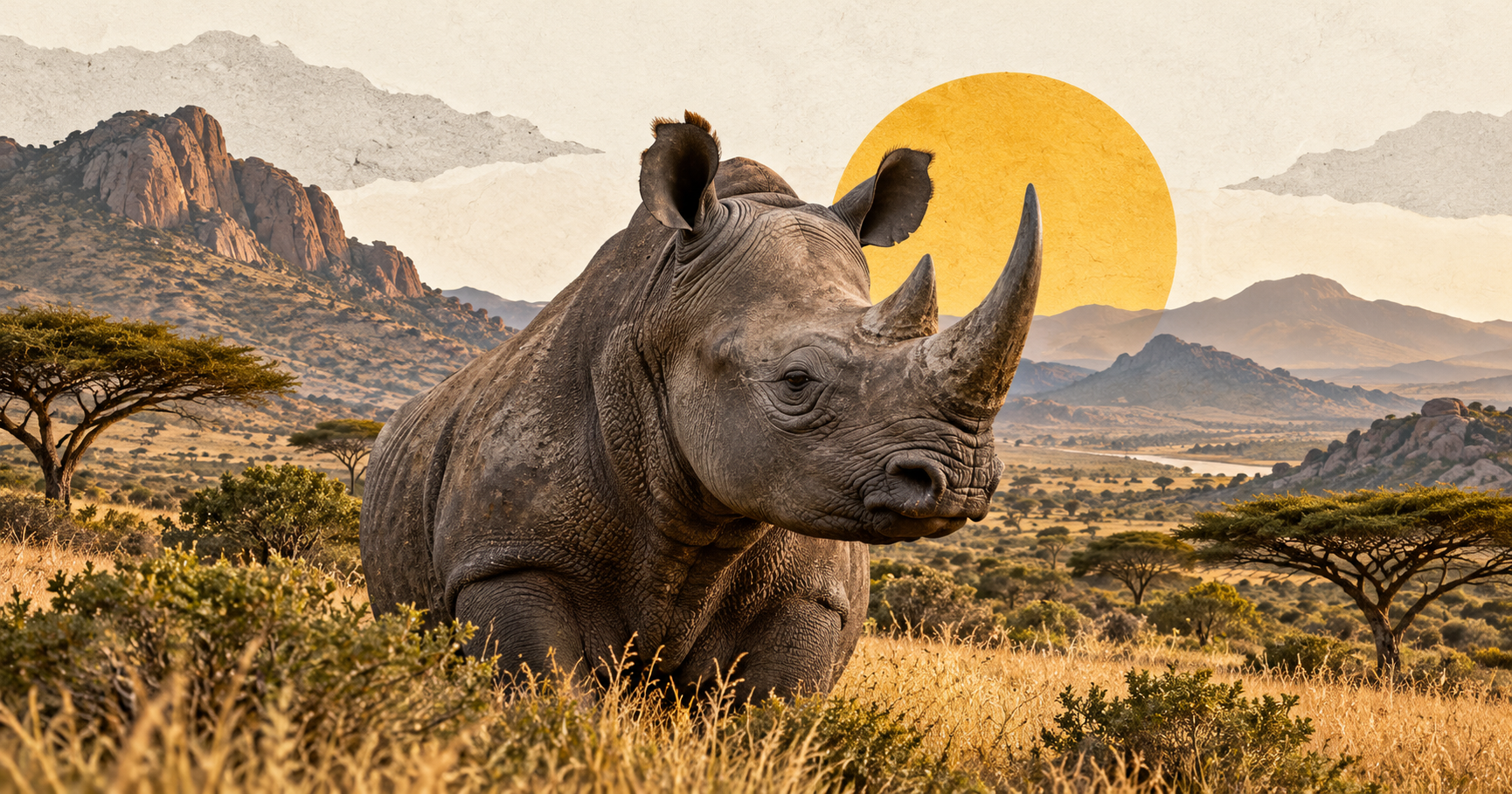
The 3,200 km² sanctuary was officially opened in December 2025. An October 2026 report describes subsequent fence removal and wider habitat work.

The rule targets excessive distribution markups while requiring manufacturers to maintain supply.
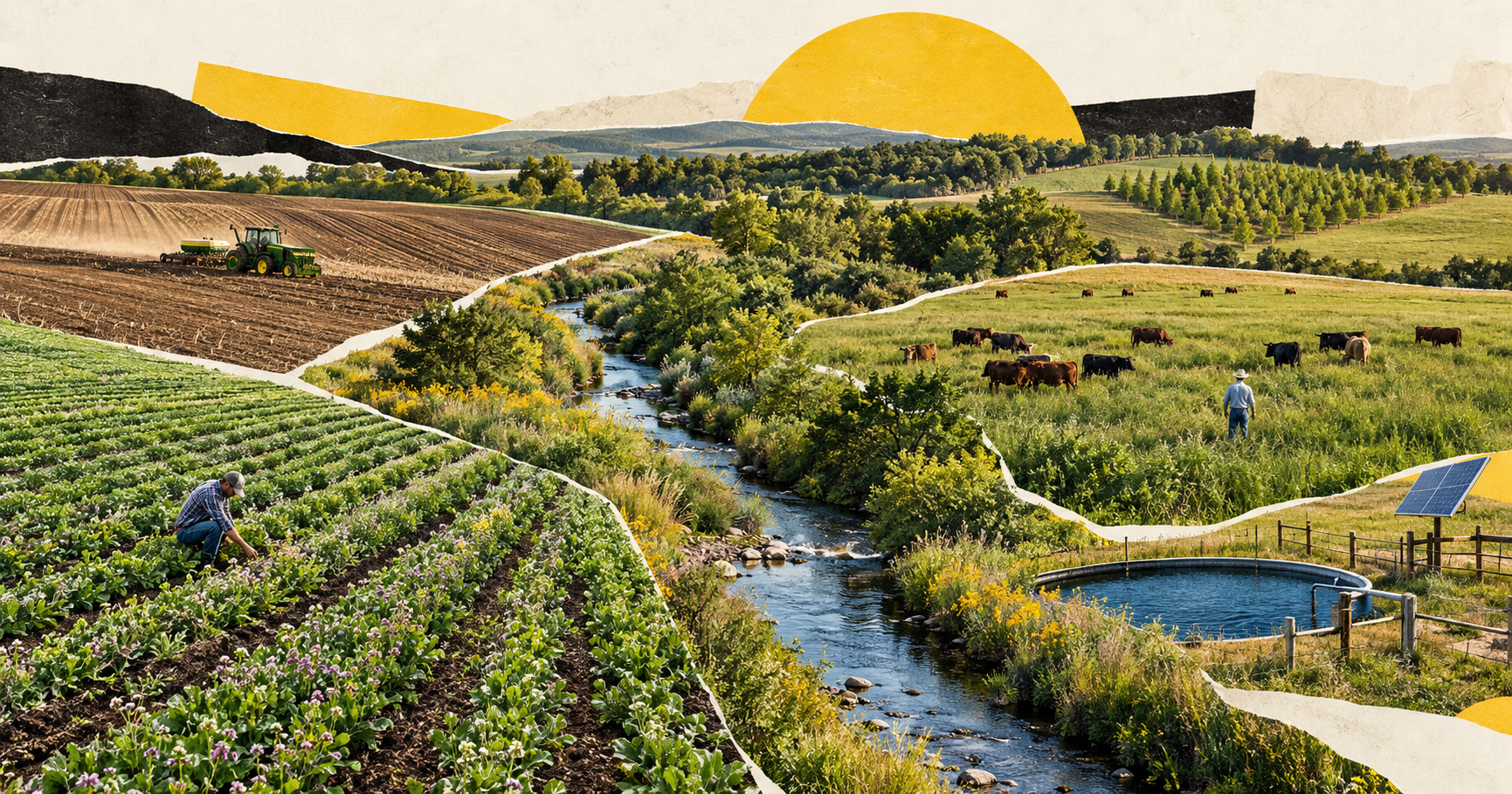
Conservation funding is moving onto farms with producer contracts attached.

A few strategically bare loops replaced a forest of compromises.

A school-leaving law became rare causal evidence that social policy can shape brain health decades later.
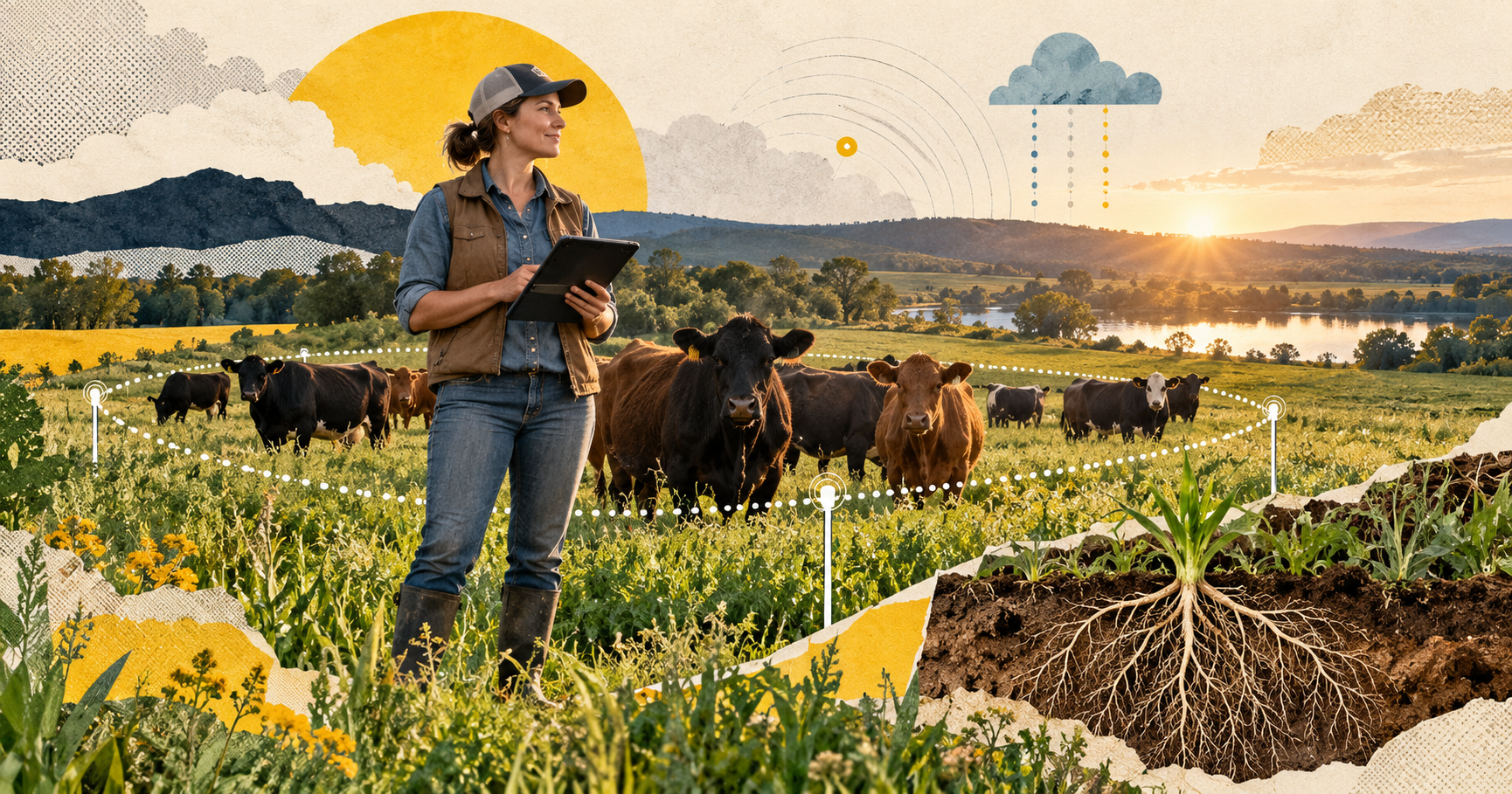
The lab bench is moving onto working farms.
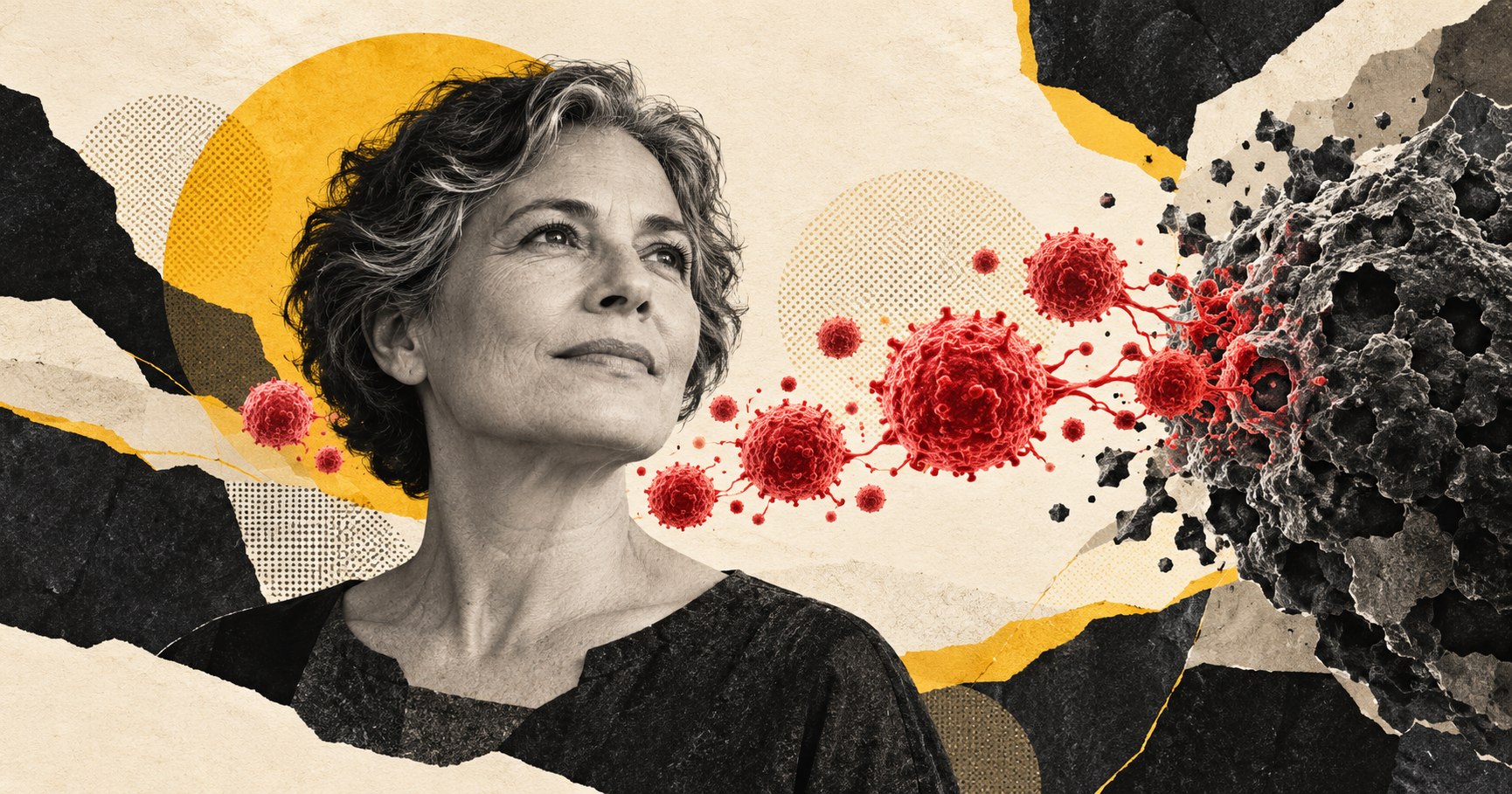
A more precise signal gave exhausted treatment paths one more opening.

A bridge for wildlife became a safety system for everyone.
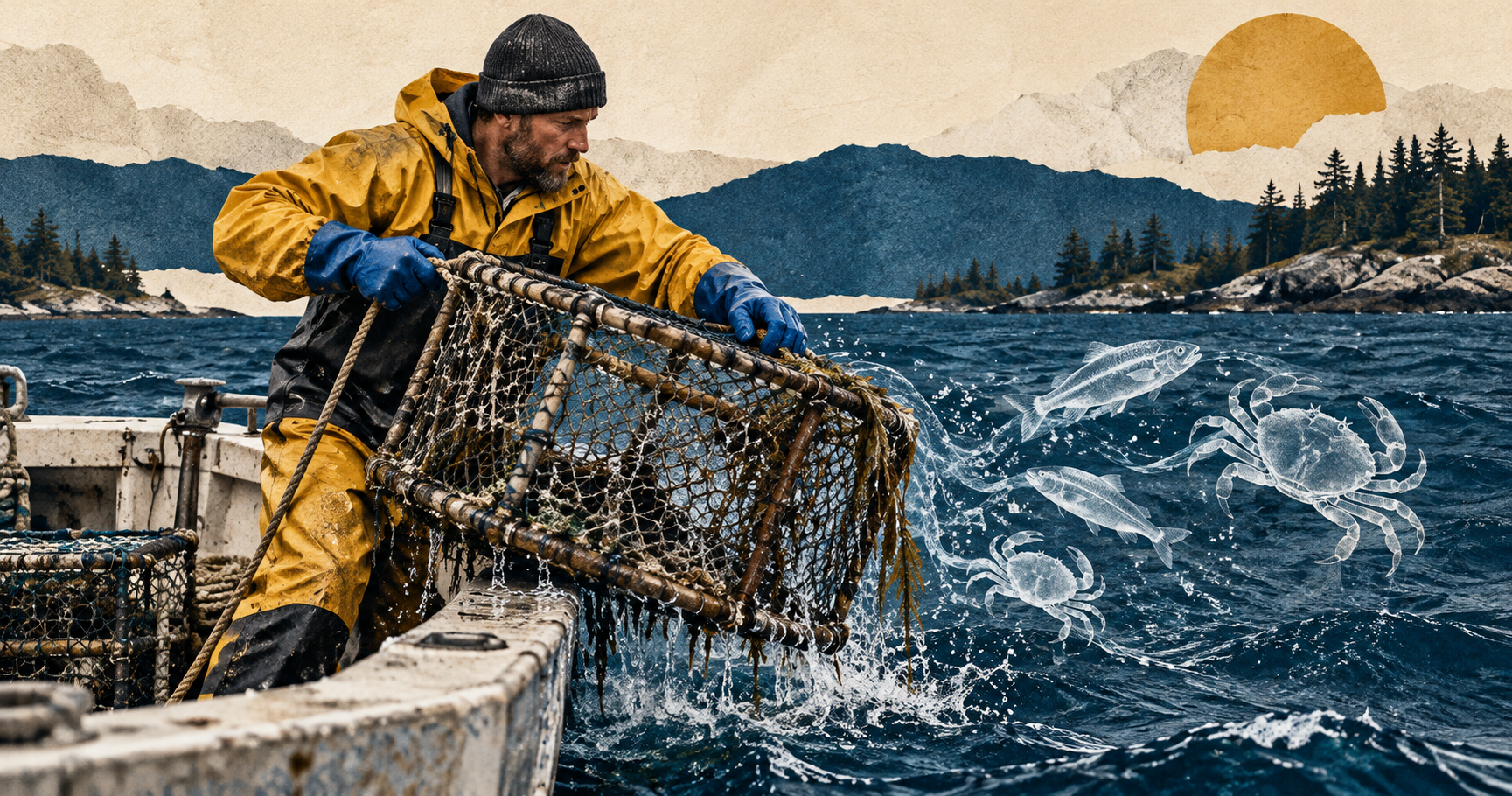
Old fishing gear came out. Data, habitat and coastal jobs moved in.
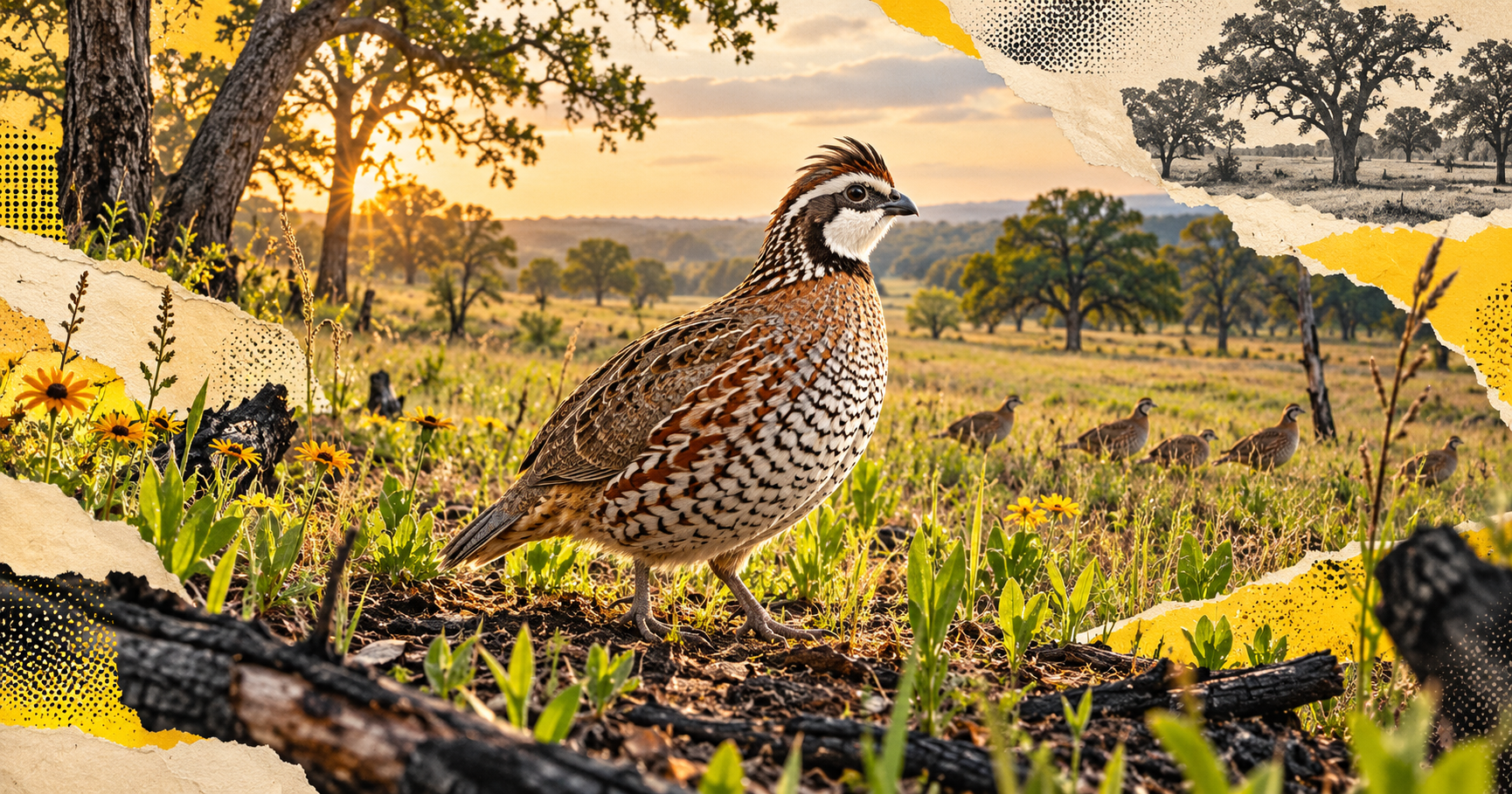
Multiple coveys are an early sign that open-savanna restoration is rebuilding room for a long-declining bird.

The system reasoned through 304 difficult cases step by step, but the result is still a benchmark—not patient care.

One positron. Months of control. A new precision tool for fundamental physics.
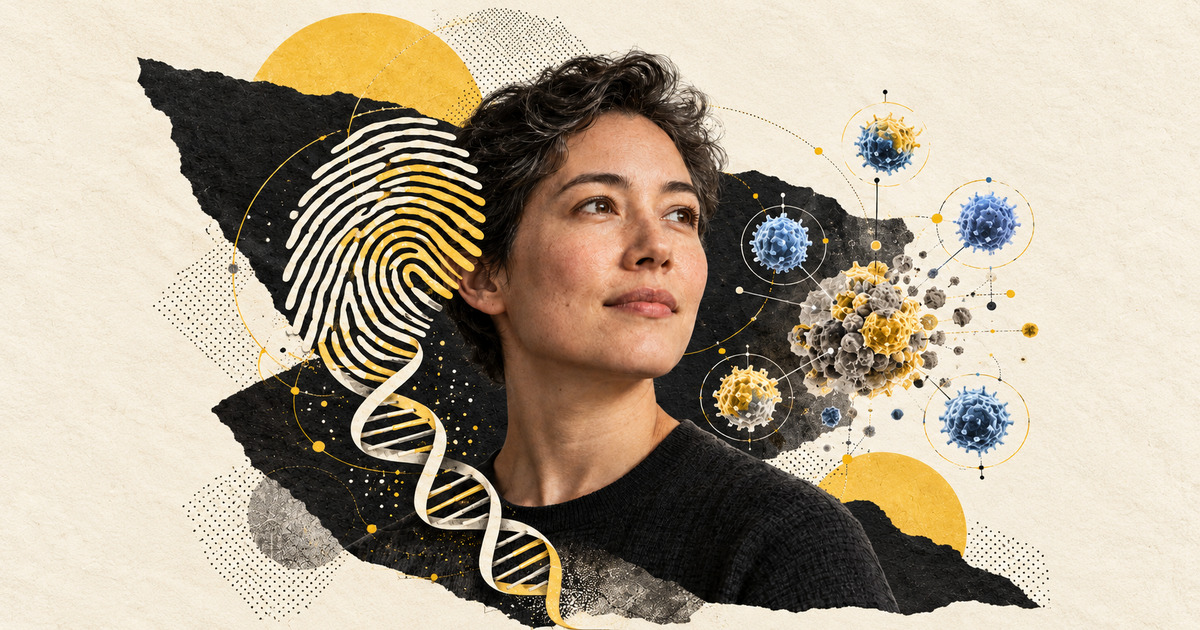
One tumor. One recipe. A 42% lower relative risk.
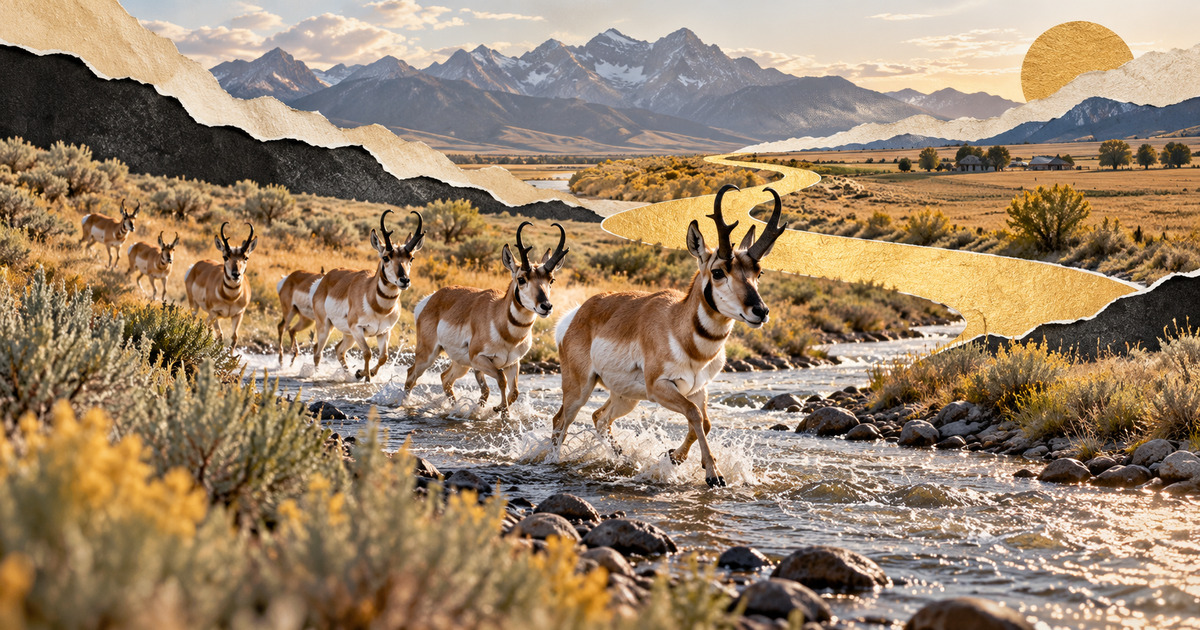
A narrow passage in a 150-mile migration just got durable protection.
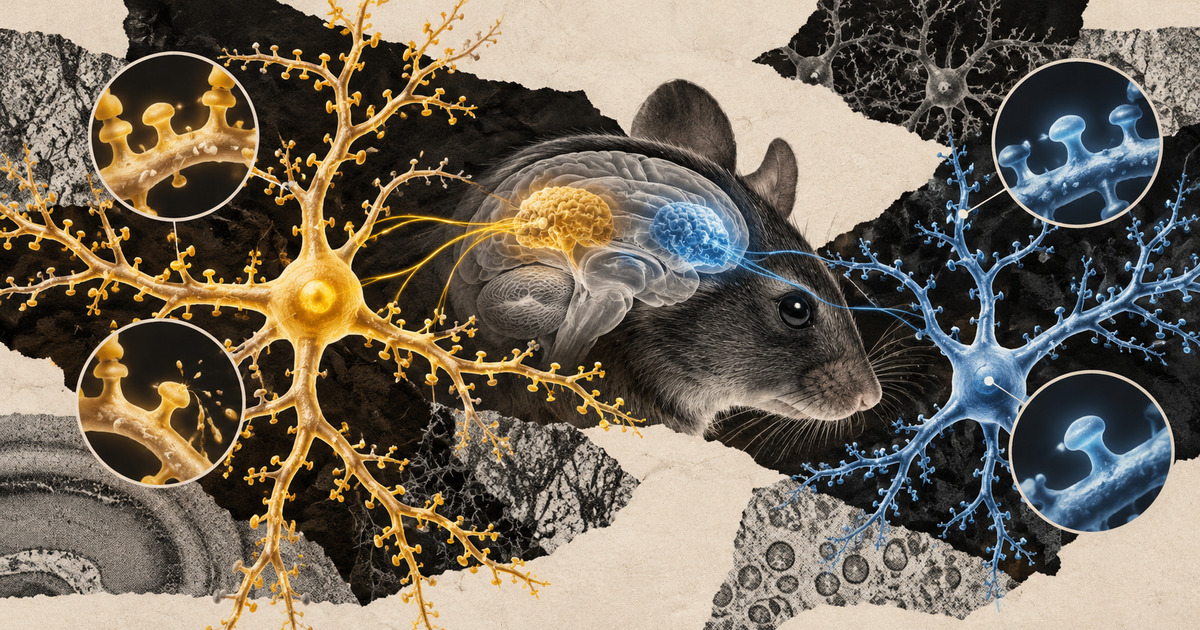
A circuit map hints that plasticity and hallucination may not be inseparable.

A new name for a landscape protected since 1924.

Exercise kept the heart inside the Mars envelope.
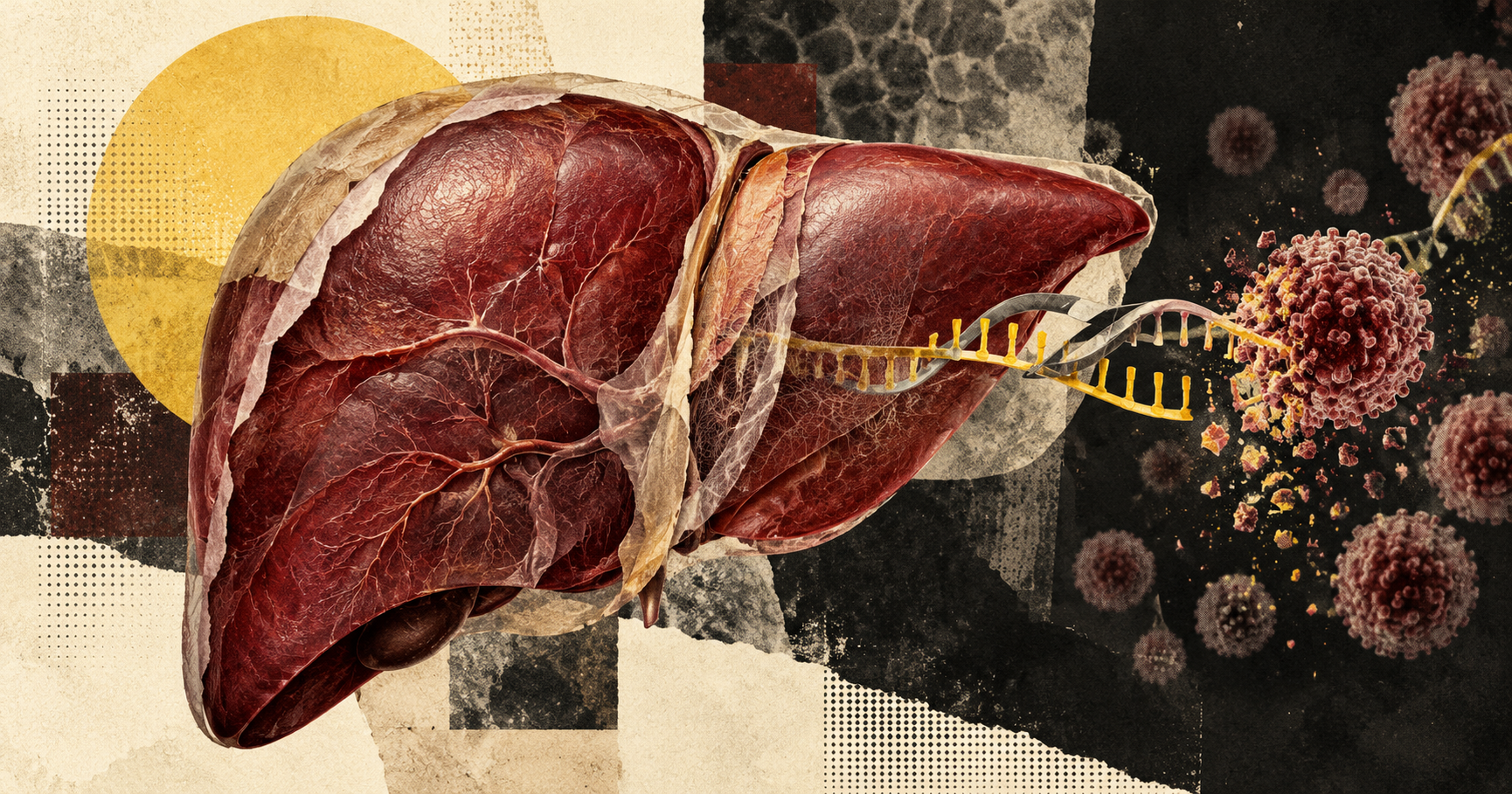
In trials, 24% met treatment-stopping criteria versus none on placebo; 19% stayed controlled 24 weeks after stopping all therapy.

In an ongoing trial, nearly three-quarters had not needed the usual treatments after a median of more than two years.

Local rescuers documented more than 90 Bangka slow lorises—and returned 86 to protected forest.

The long pattern—not one day's reading—may help clinicians spot who needs earlier attention.

Native plants now shelter fish, pollinators and nesting birds in the middle of the city.