NATURE
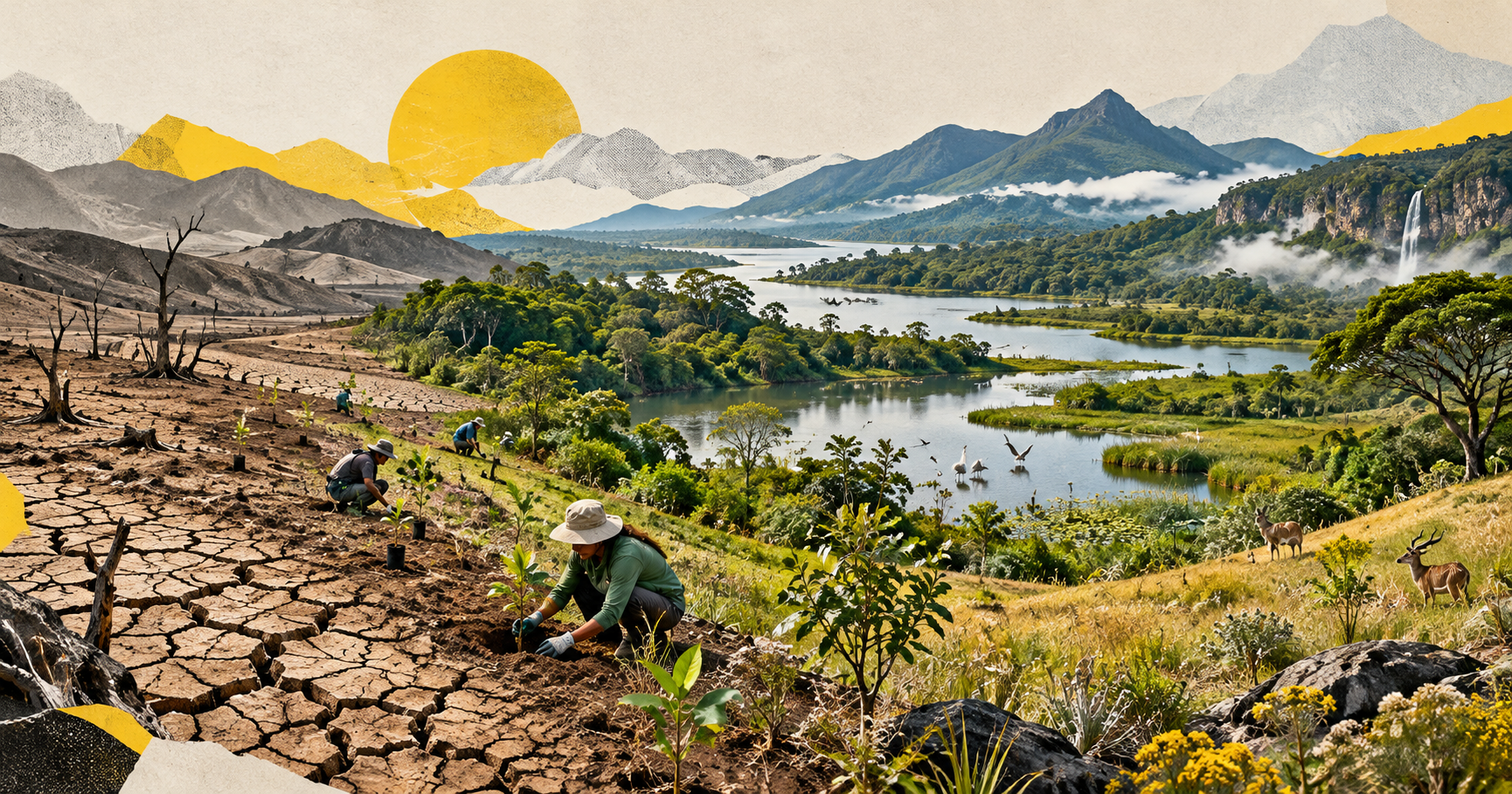
252 million hectares are now under restoration across 149 countries.
Nature restoration is scaling—and already supporting more than one million green jobs.
SOURCEUnited Nations Environment Programme
—
Every serving. No expiration date.
Nature restoration is scaling—and already supporting more than one million green jobs.
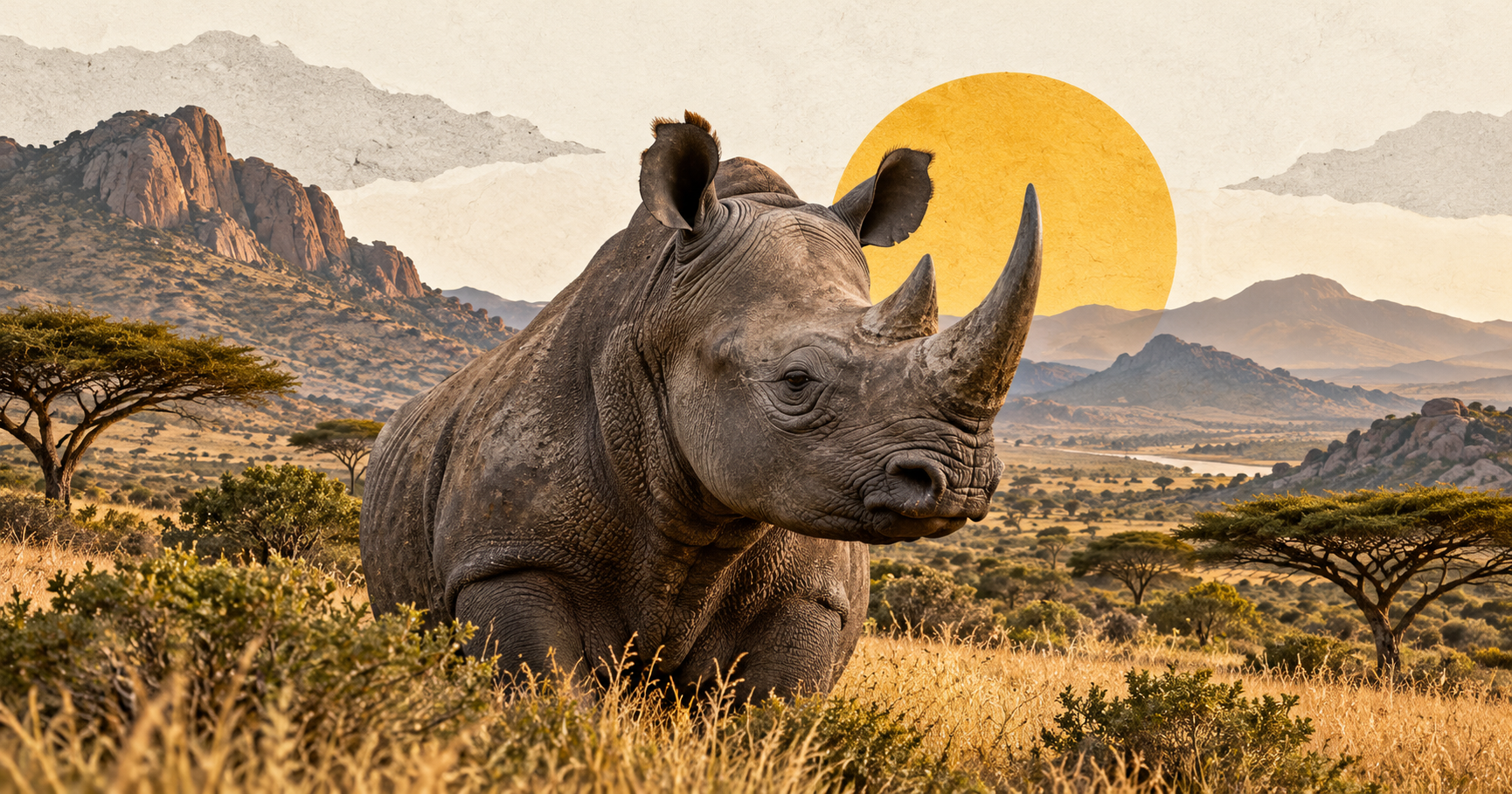
The 3,200 km² sanctuary was officially opened in December 2025. An October 2026 report describes subsequent fence removal and wider habitat work.
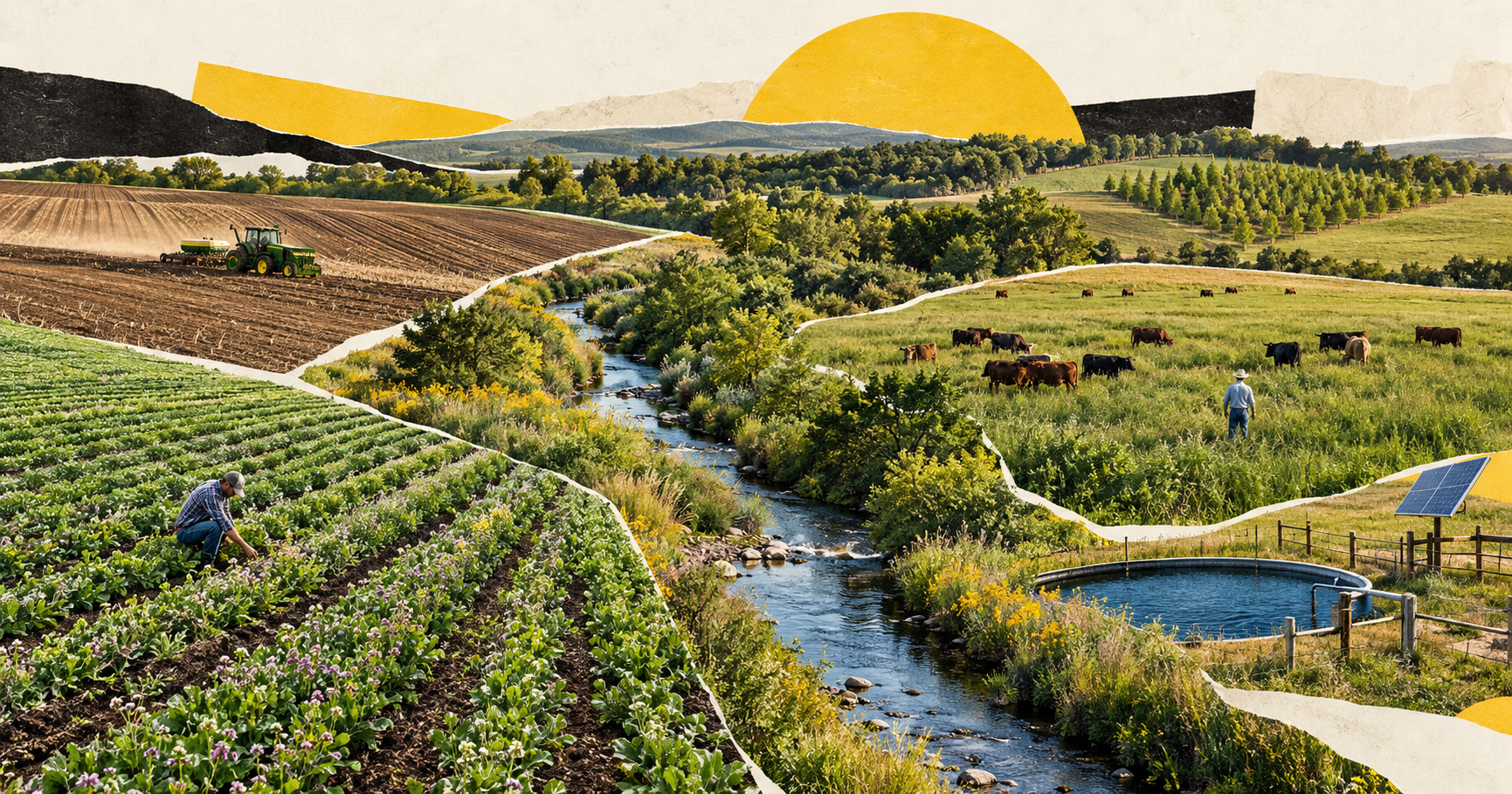
Conservation funding is moving onto farms with producer contracts attached.
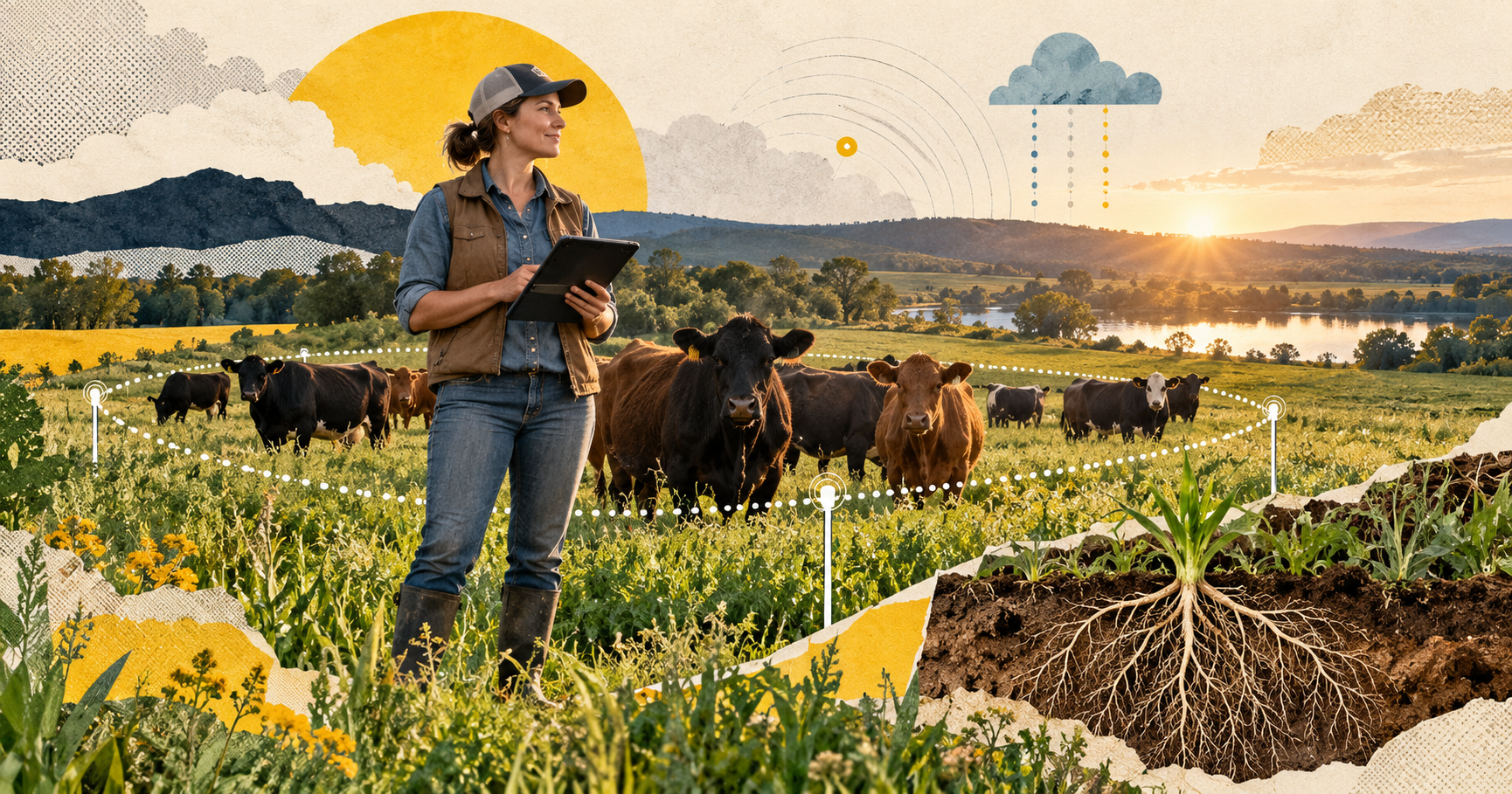
The lab bench is moving onto working farms.
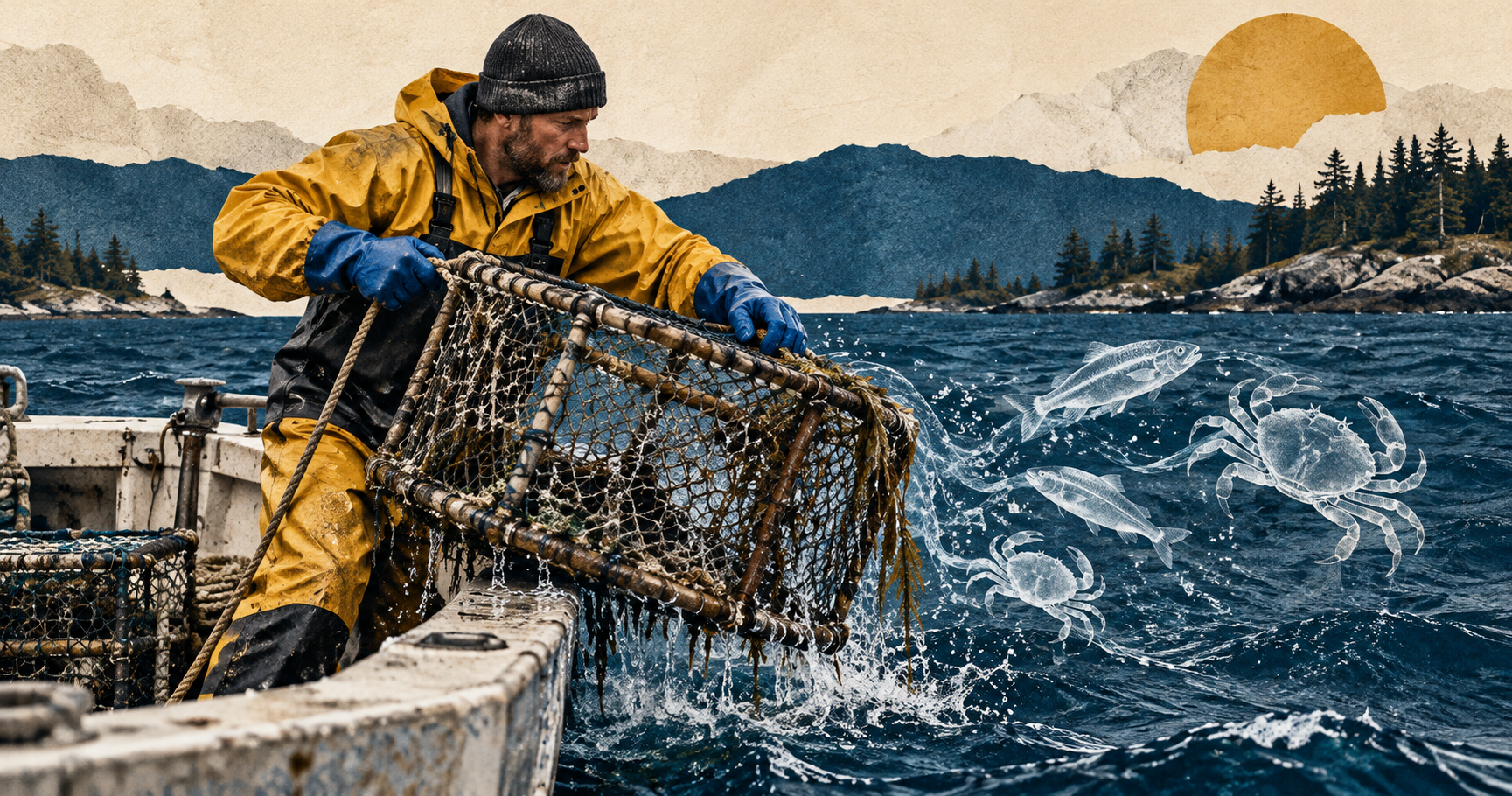
Old fishing gear came out. Data, habitat and coastal jobs moved in.
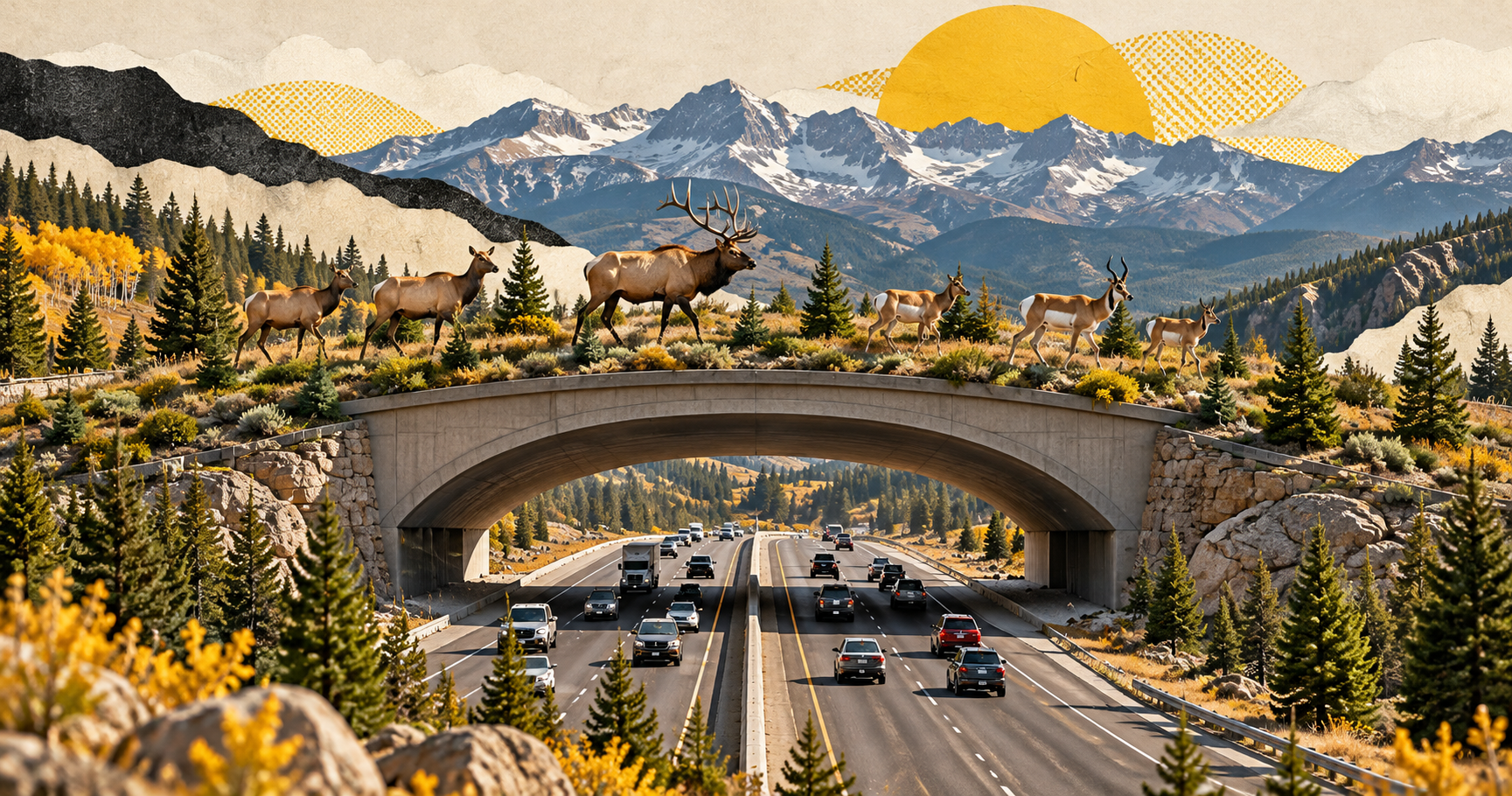
A bridge for wildlife became a safety system for everyone.
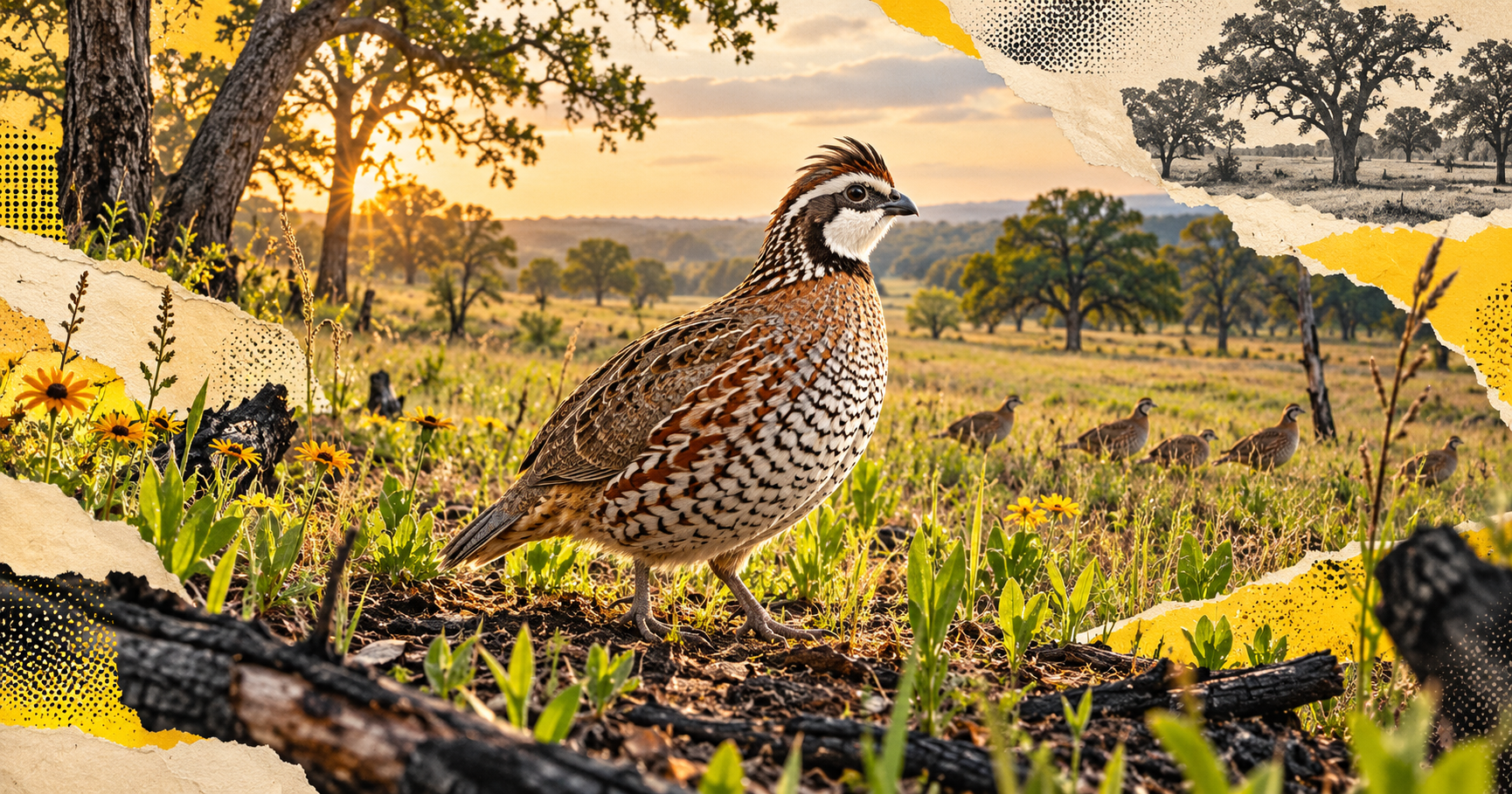
Multiple coveys are an early sign that open-savanna restoration is rebuilding room for a long-declining bird.
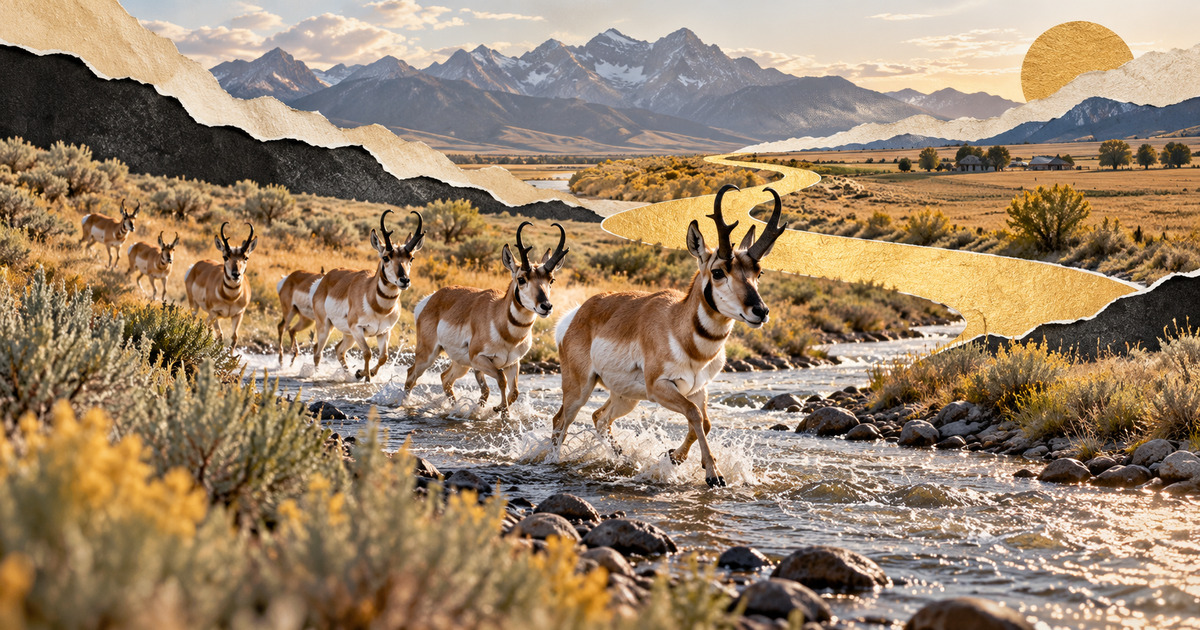
A narrow passage in a 150-mile migration just got durable protection.
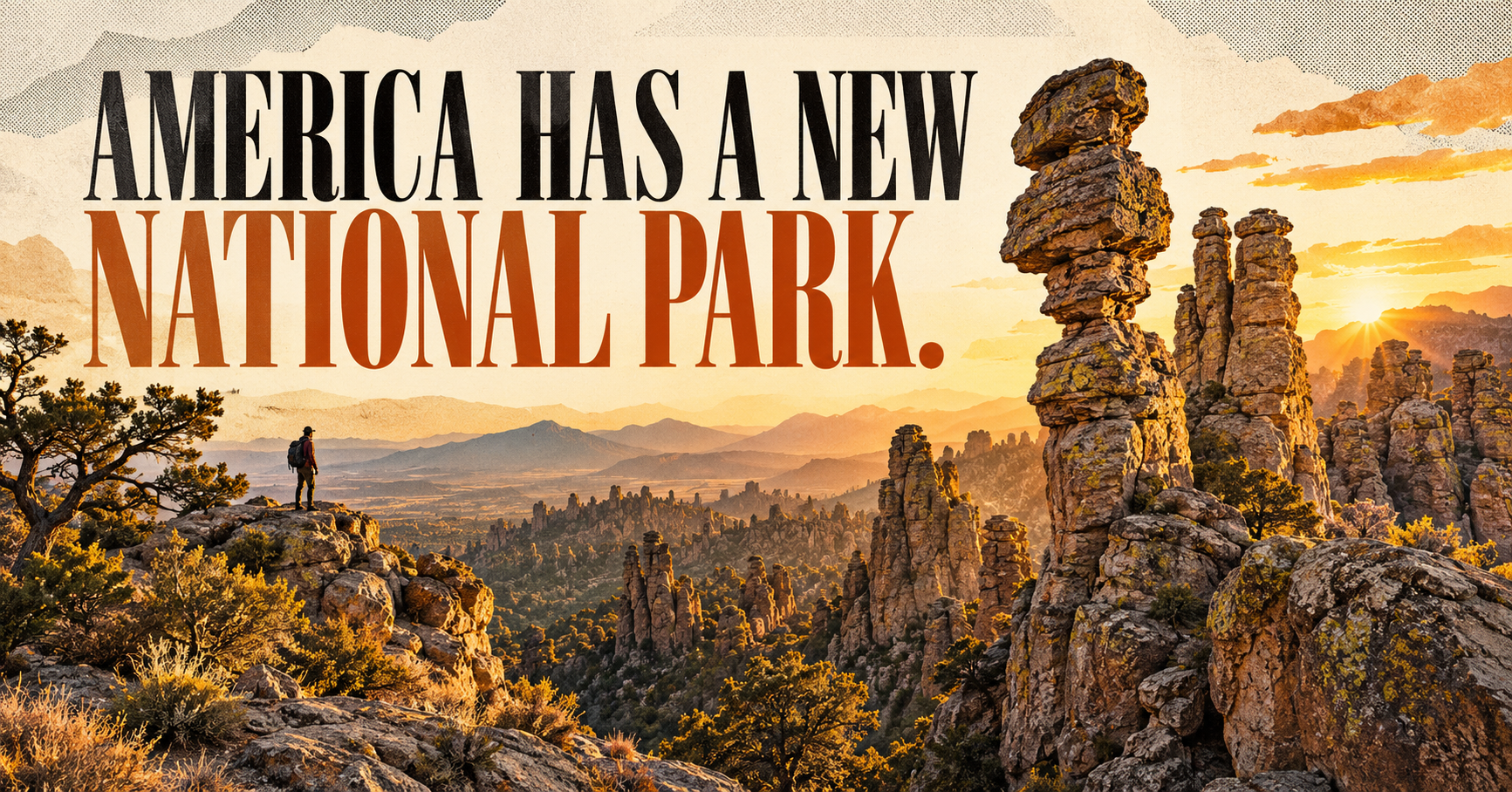
A new name for a landscape protected since 1924.
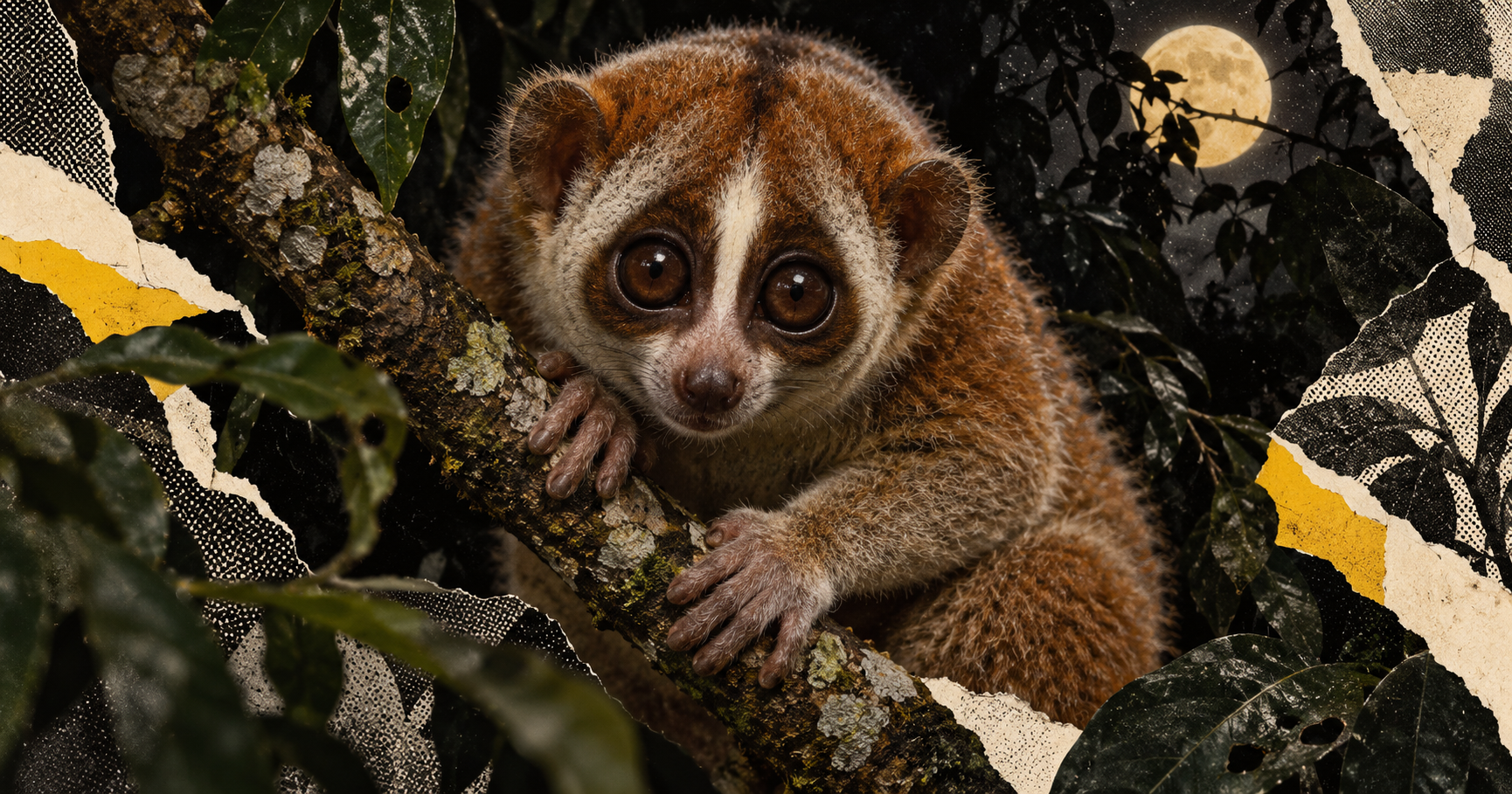
Local rescuers documented more than 90 Bangka slow lorises—and returned 86 to protected forest.
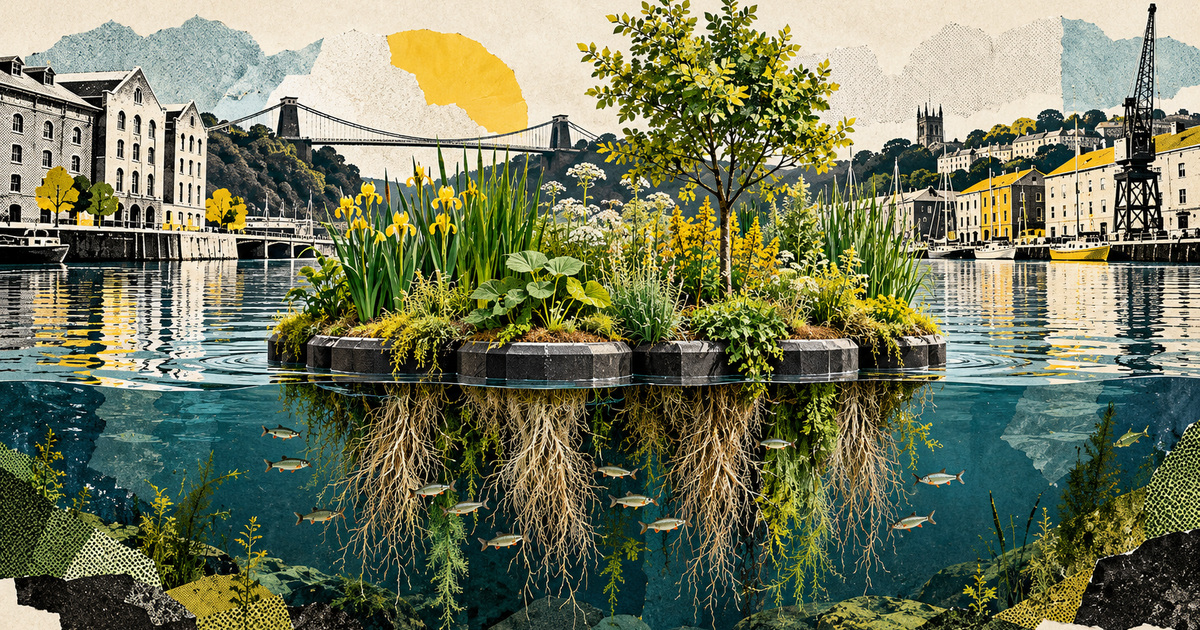
Native plants now shelter fish, pollinators and nesting birds in the middle of the city.

A brief tissue bridge moved helpful algae within three days—and recovery continued after the corals were separated.
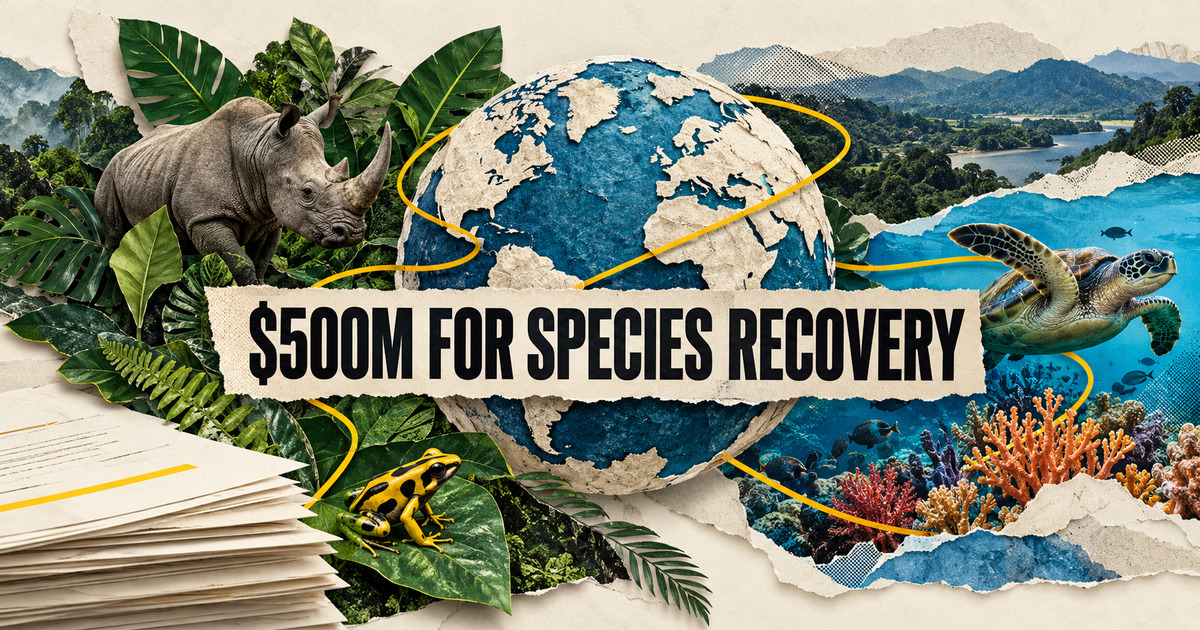
A new alliance is coordinating five years of targeted recovery funding.
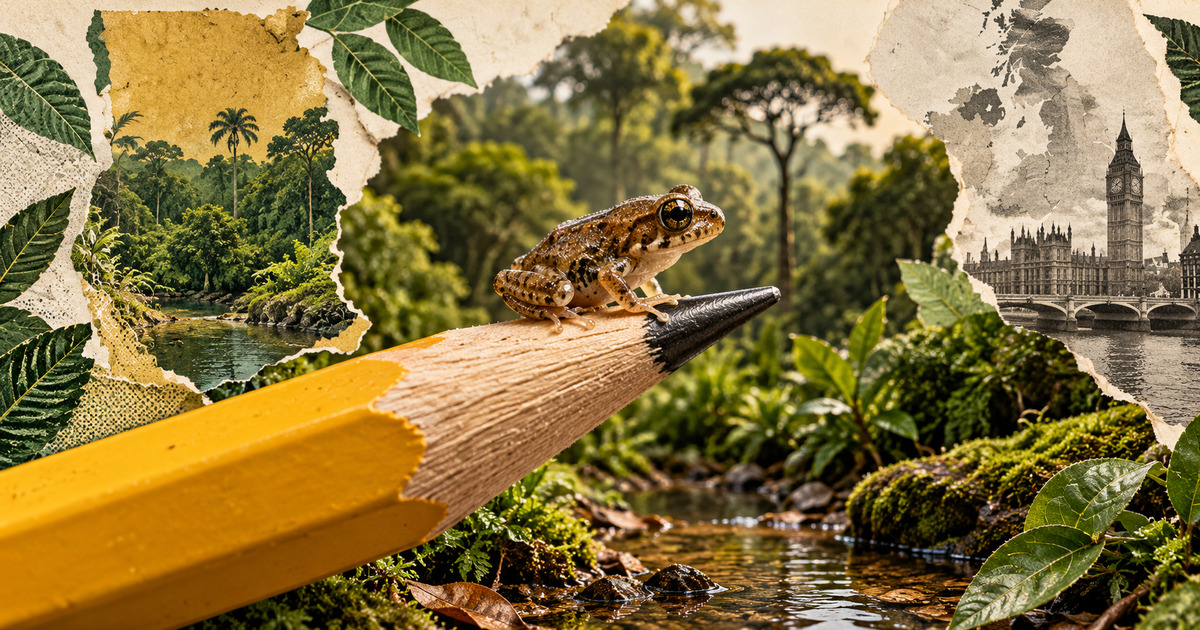
The first Afia Birago's puddle frogs ever born under human care are now hopping at London Zoo.
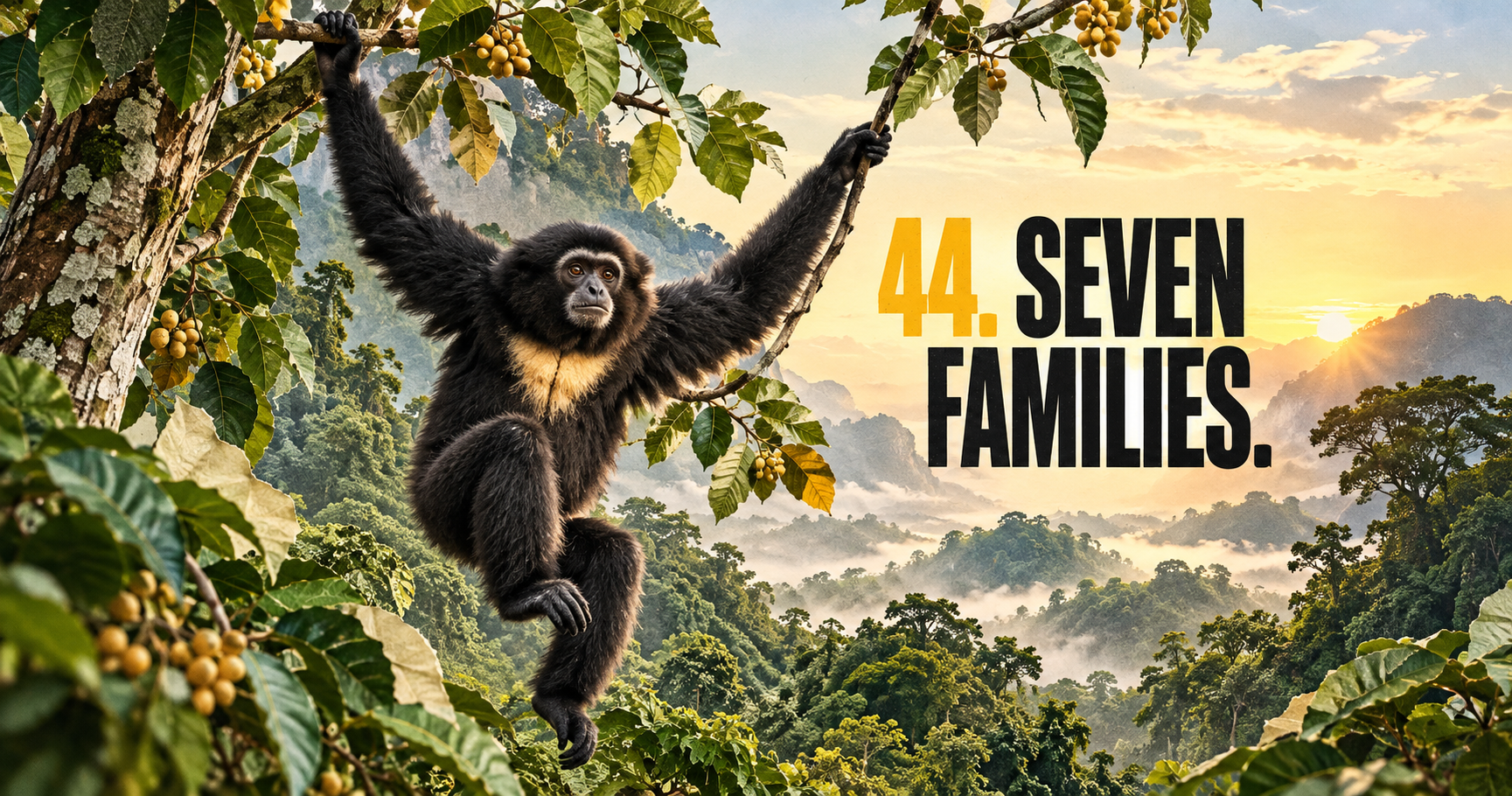
Forty-four, from the brink.
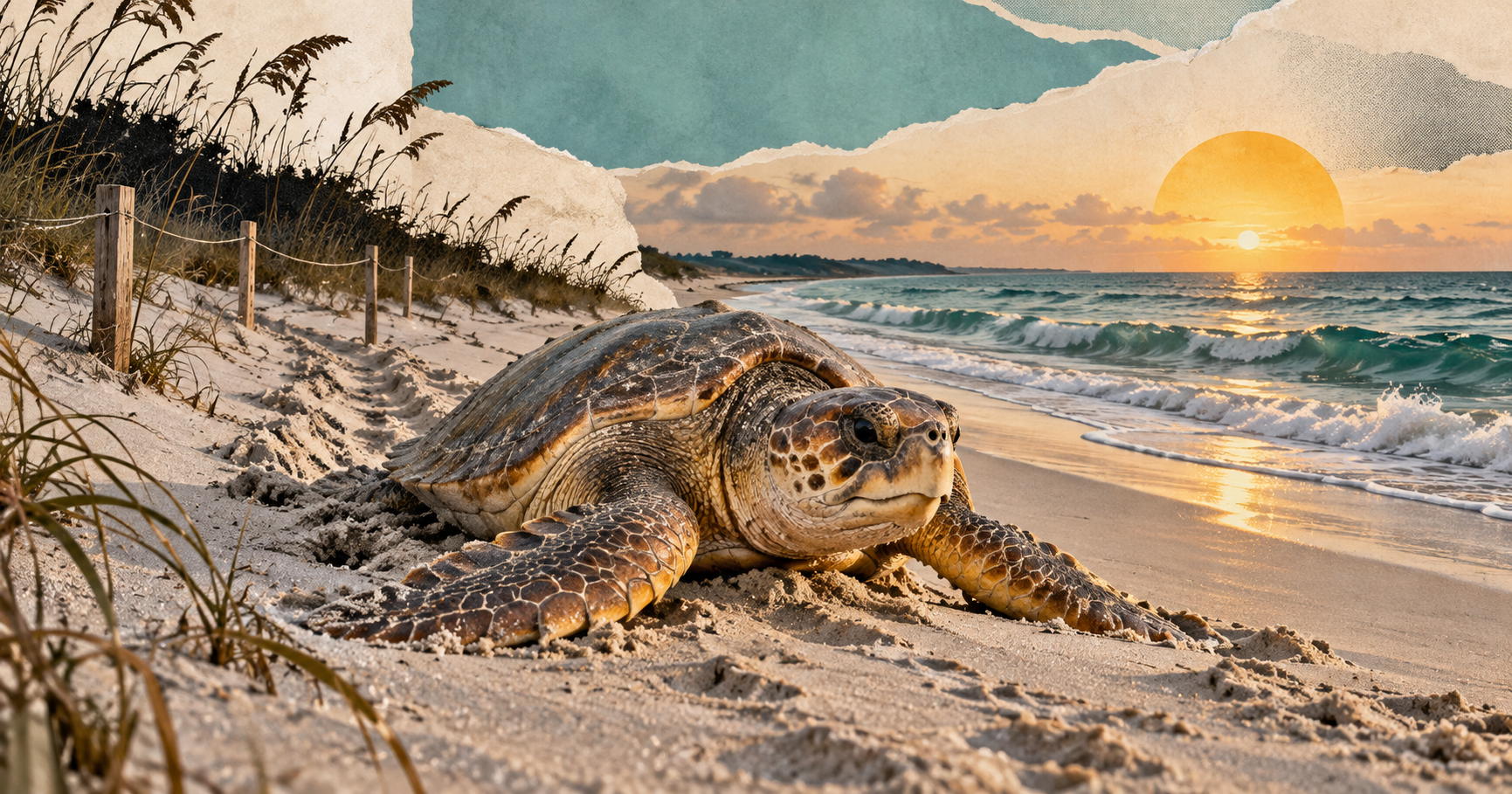
The 2026 count was the highest in Georgia’s statewide record. The long-run nesting trend has risen about 4% a year since the early 1990s.
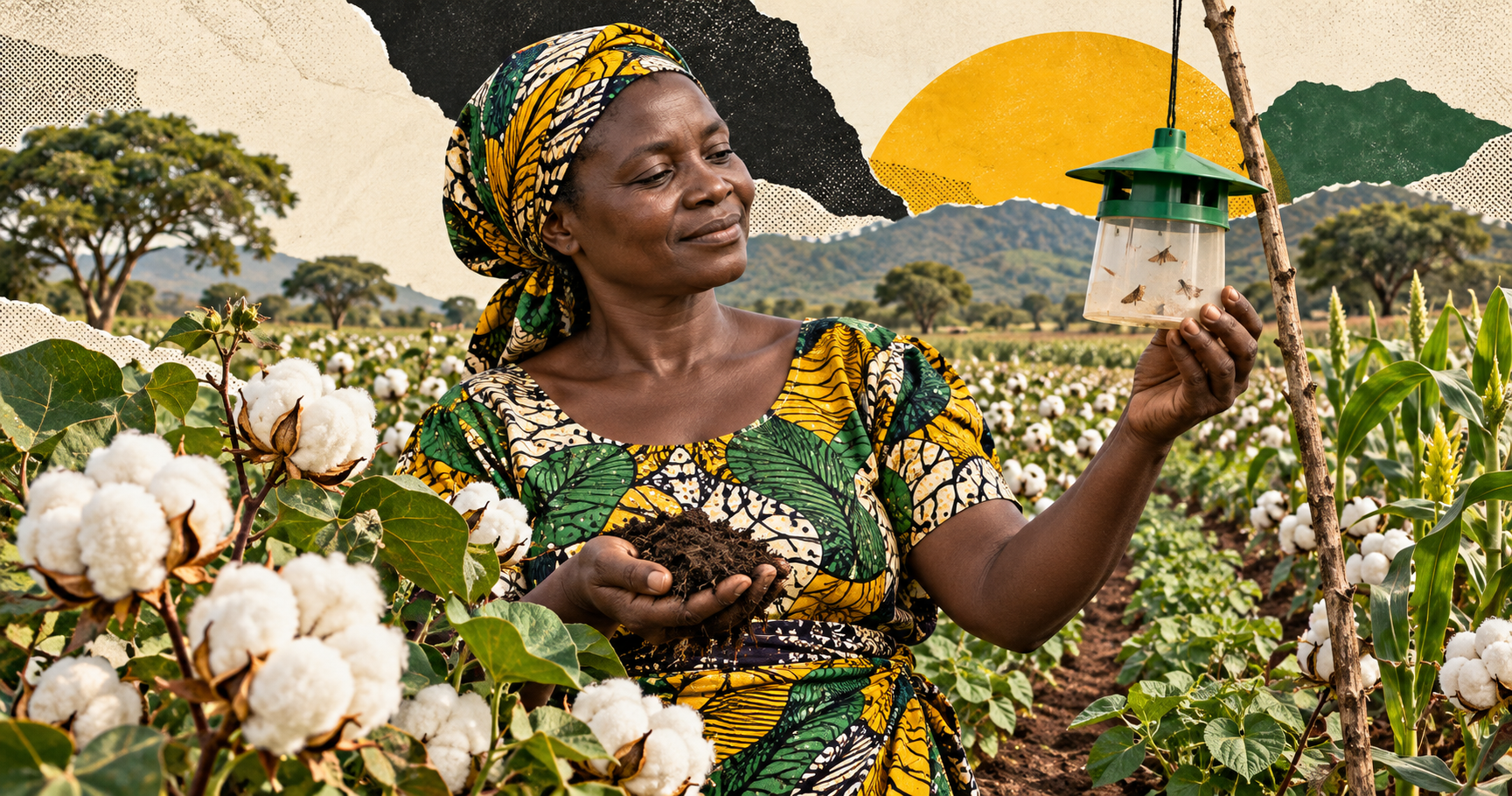
The national average rose above one tonne per hectare in 2025–26; some farmer-field-school groups reached 1.4 to 2 tonnes while cutting pest treatments.
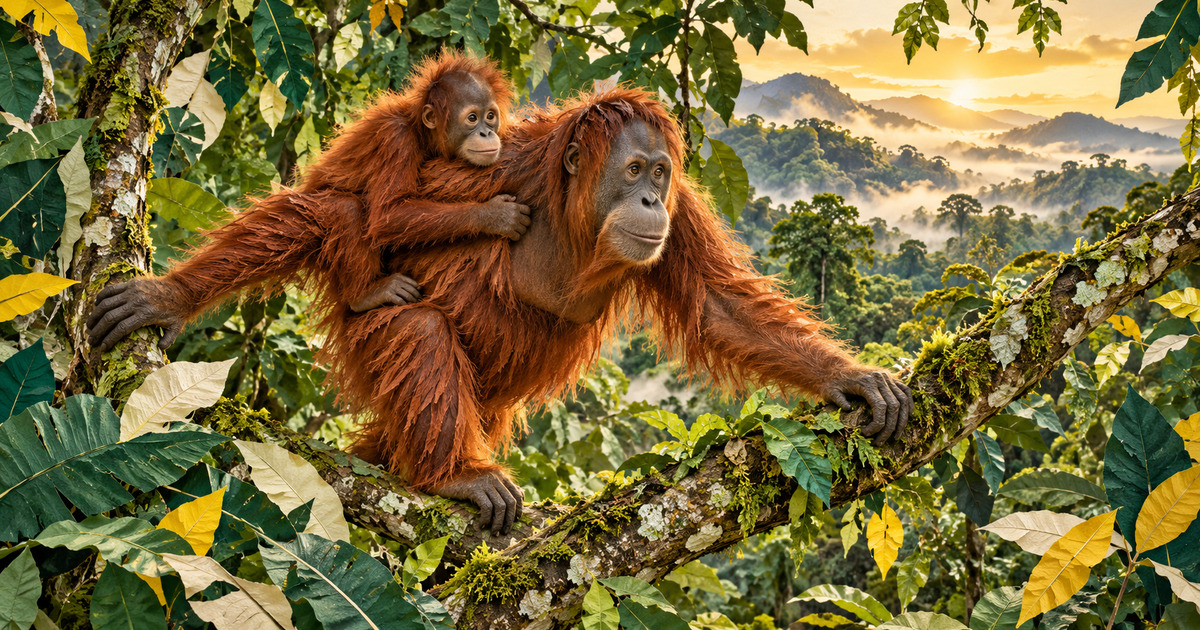
Three mother-and-young pairs and two adolescent males passed health checks before being released into a protected 23,000-hectare forest.
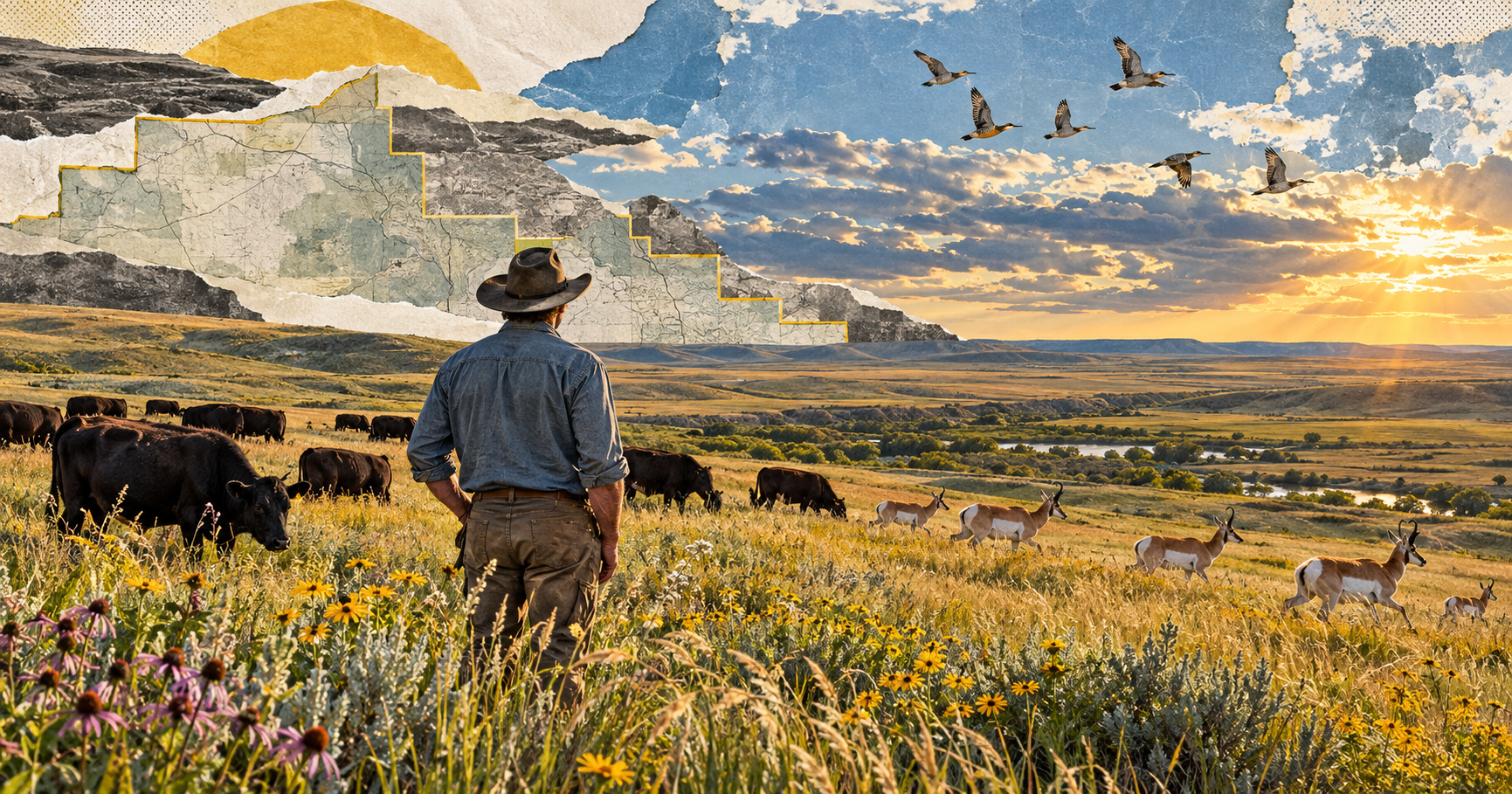
The fund starts with $9 million from Walmart Foundation and $9 million in aligned investment from McDonald’s USA and suppliers.
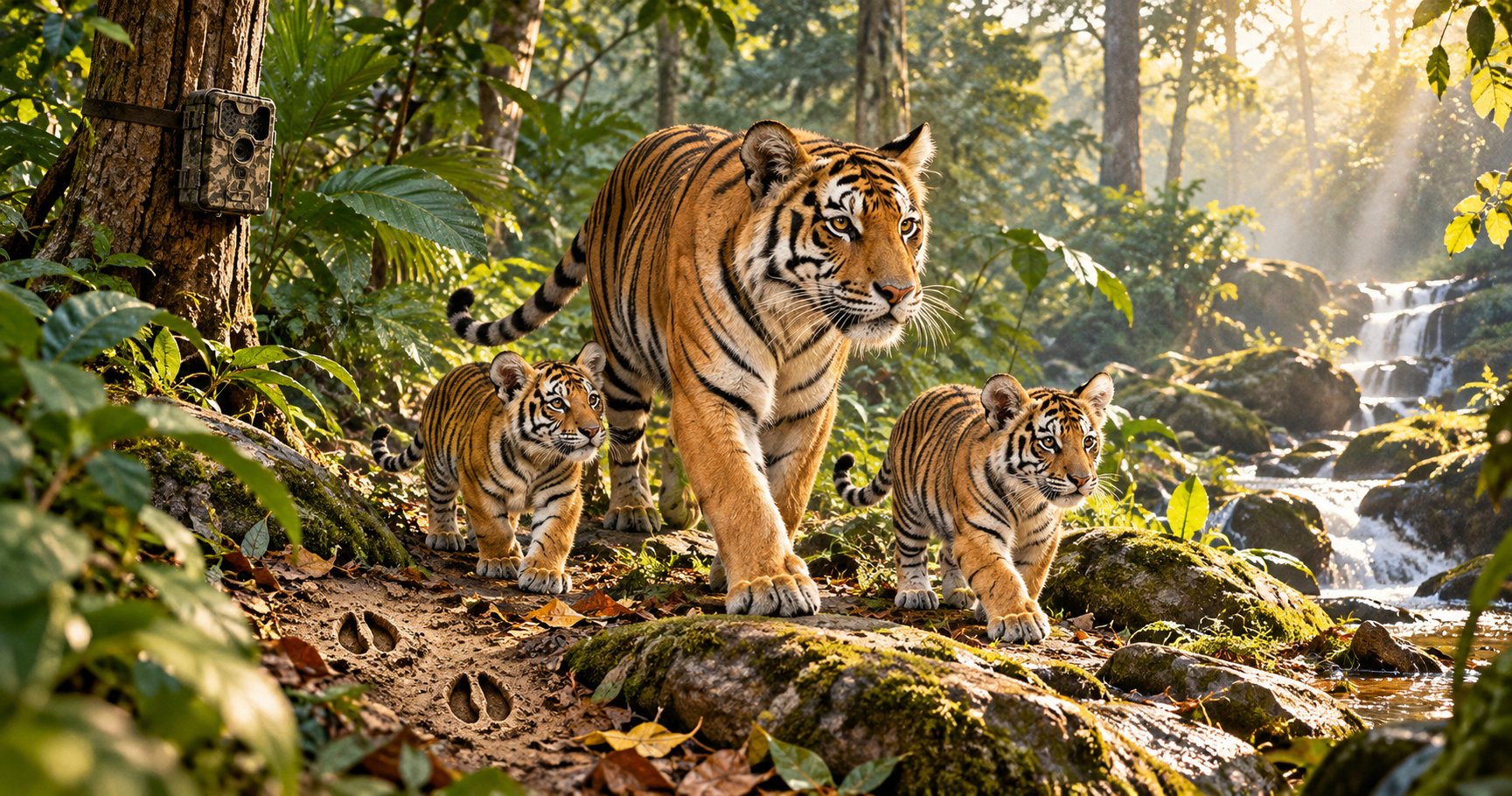
The national estimate is up from 148–189 in 2022. A monitored tigress has raised three litters—nine cubs—and one daughter is already breeding.
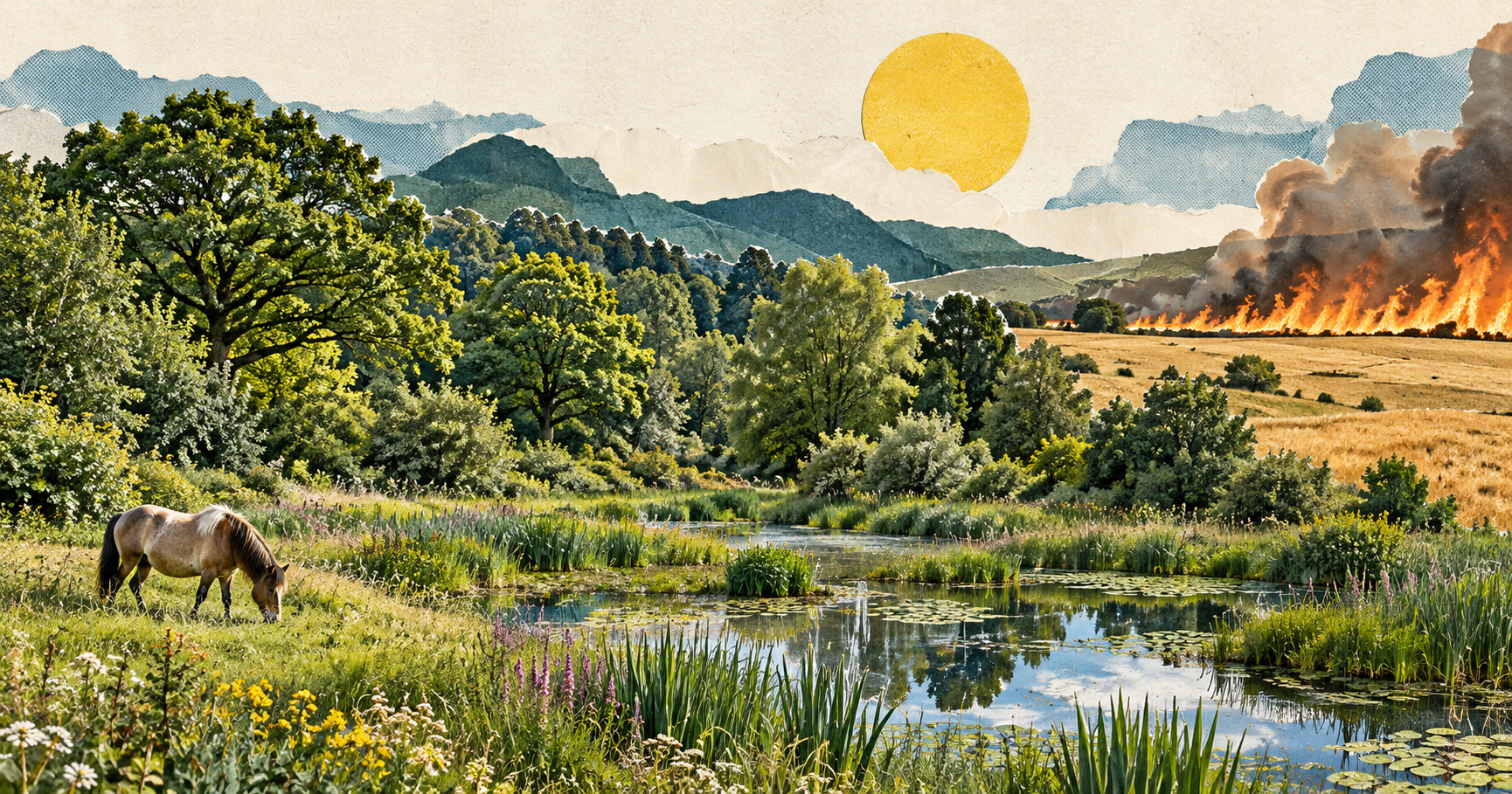
The advocacy-group analysis also found burned areas from 2016–2026 were concentrated in acid grassland, heather, bog and other simplified landscapes rather than restored habitat.
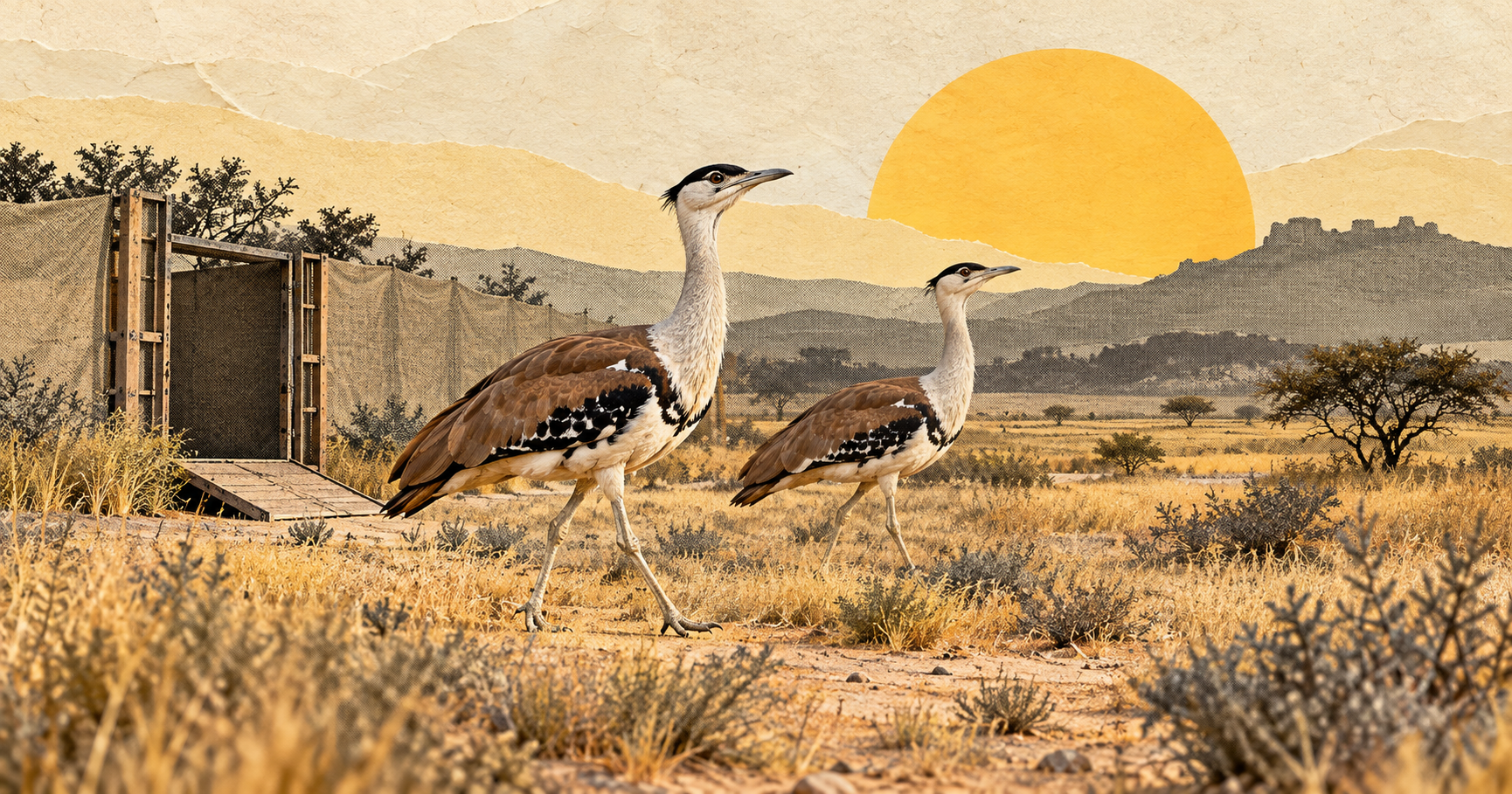
Two captive-bred males are now walking free in the Thar Desert. The release is a test, not a declaration of recovery.
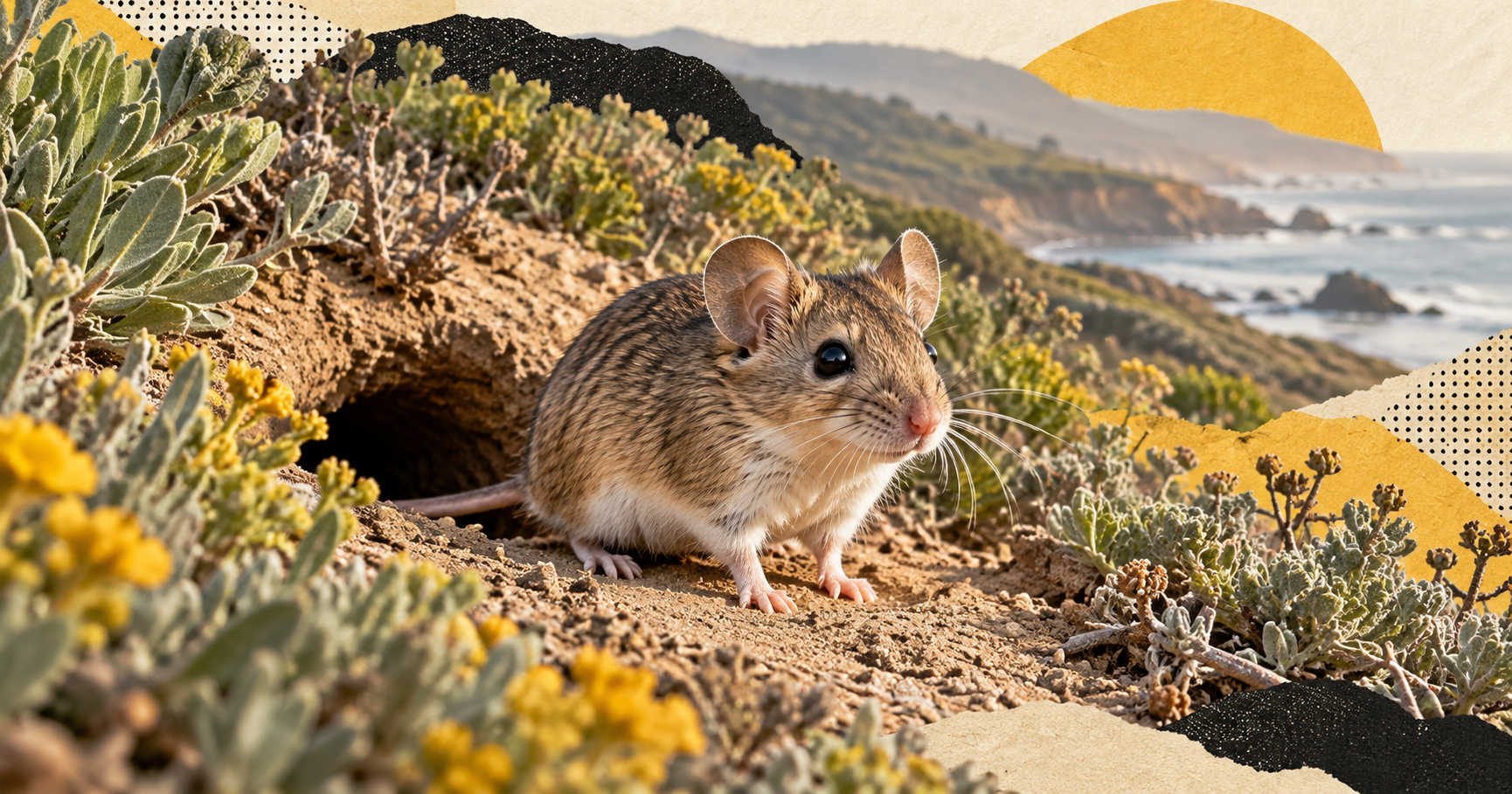
More than 500 pocket mice have been released over 20 years. North San Mateo is now the third reintroduced population.
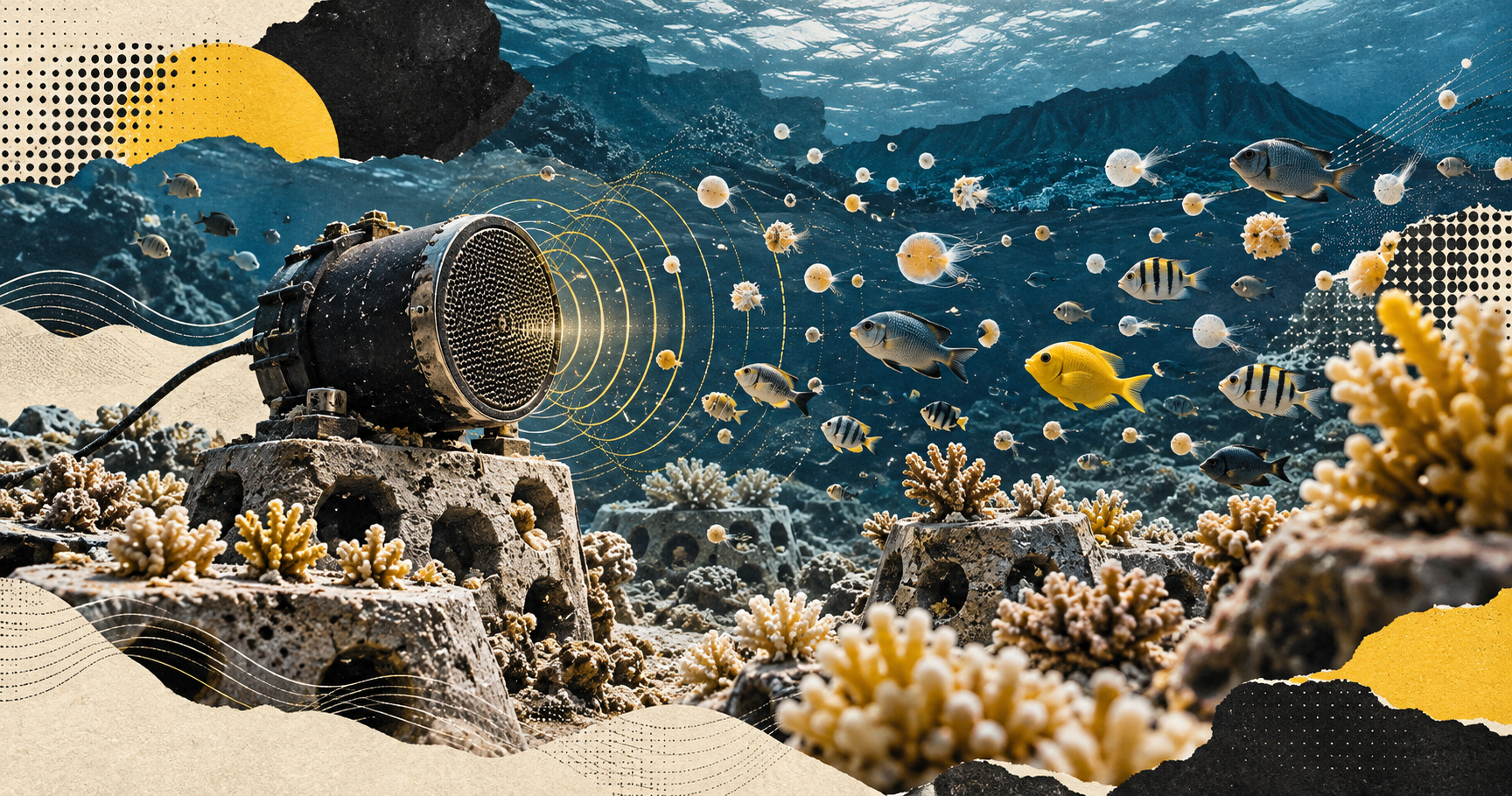
Underwater playback helped young corals and fish find experimental reef structures in field trials off Oʻahu.