BRISTOL ADDED TWO MORE FLOATING ECOSYSTEMS TO ITS HARBOUR.
Native plants now shelter fish, pollinators and nesting birds in the middle of the city.
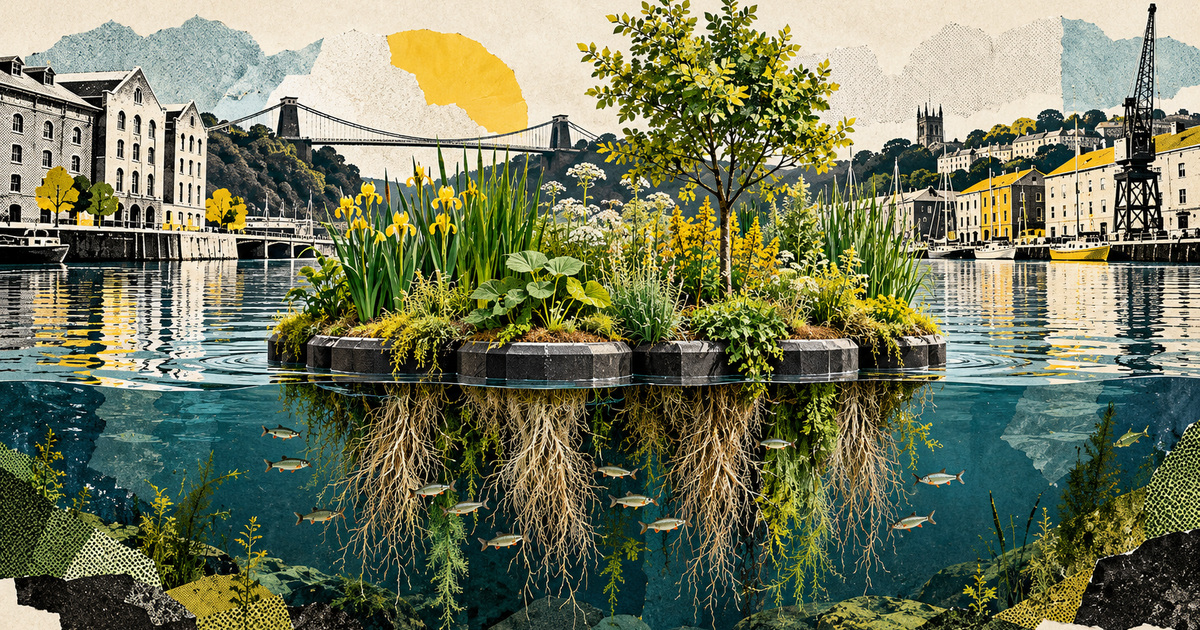
Two newly installed floating ecosystems at Bristol Harbour's Redcliffe Quay brought the city's 2026 total to six. The islands are part of a wider effort to create a 5,000-square-metre network of urban wetland habitat.
WHAT HAPPENED
The planted rafts use native aquatic species whose root networks extend below the water, creating shelter for fish and microorganisms while providing above-water habitat for pollinators and nesting birds. More than 1,300 plants supplied the first two 2026 ecospaces, and young people joined local businesses and conservation groups in construction and installation.
WHY THIS IS HOPESLOP
The project treats a working harbour as habitat instead of accepting concrete water edges as ecologically empty. It is a practical, visible prototype cities can measure, refine and repeat—and a reminder that nature recovery can fit inside infrastructure.
ORIGINAL SOURCEWest of England Mayoral Combined Authority / Bristol City CouncilRead the original report
A DAILY ALLEGATION OF PROGRESS.
One good thing from the internet, every day. Nothing else.