NATURE
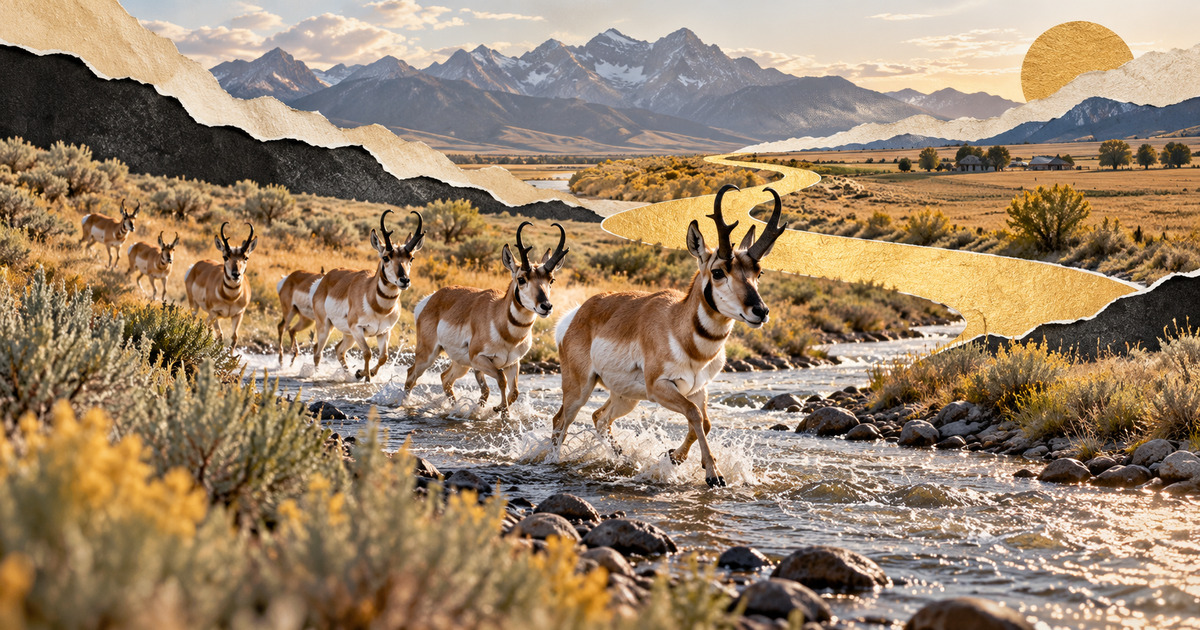
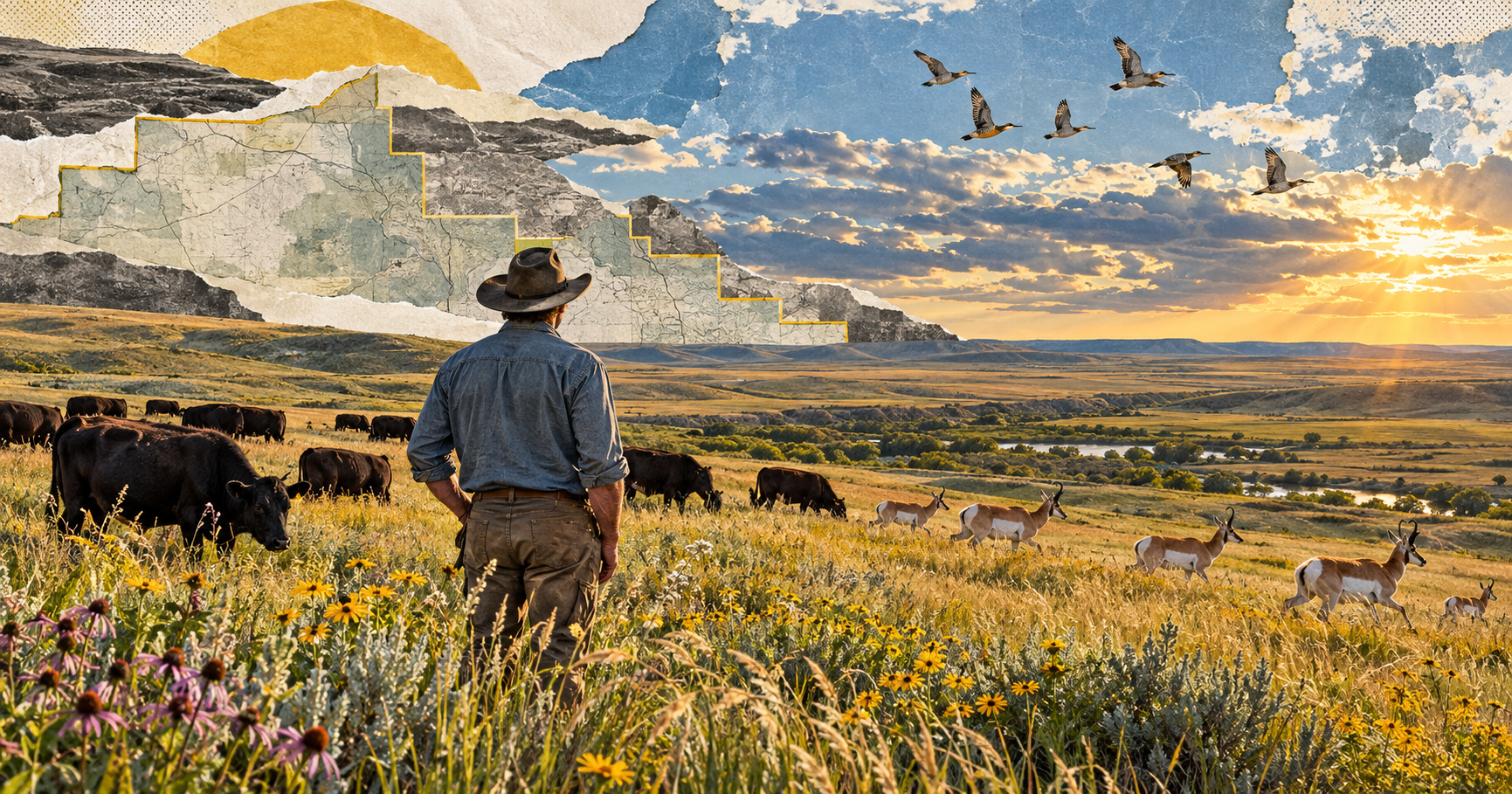
A CRITICAL PRONGHORN BOTTLENECK IS NOW PROTECTED FOR THE LONG HAUL.
A narrow passage in a 150-mile migration just got durable protection.
SOURCEAssociated Press / WyoFile
—
Land and water getting a second chance. Restoration that takes decades and still counts as news.
A narrow passage in a 150-mile migration just got durable protection.
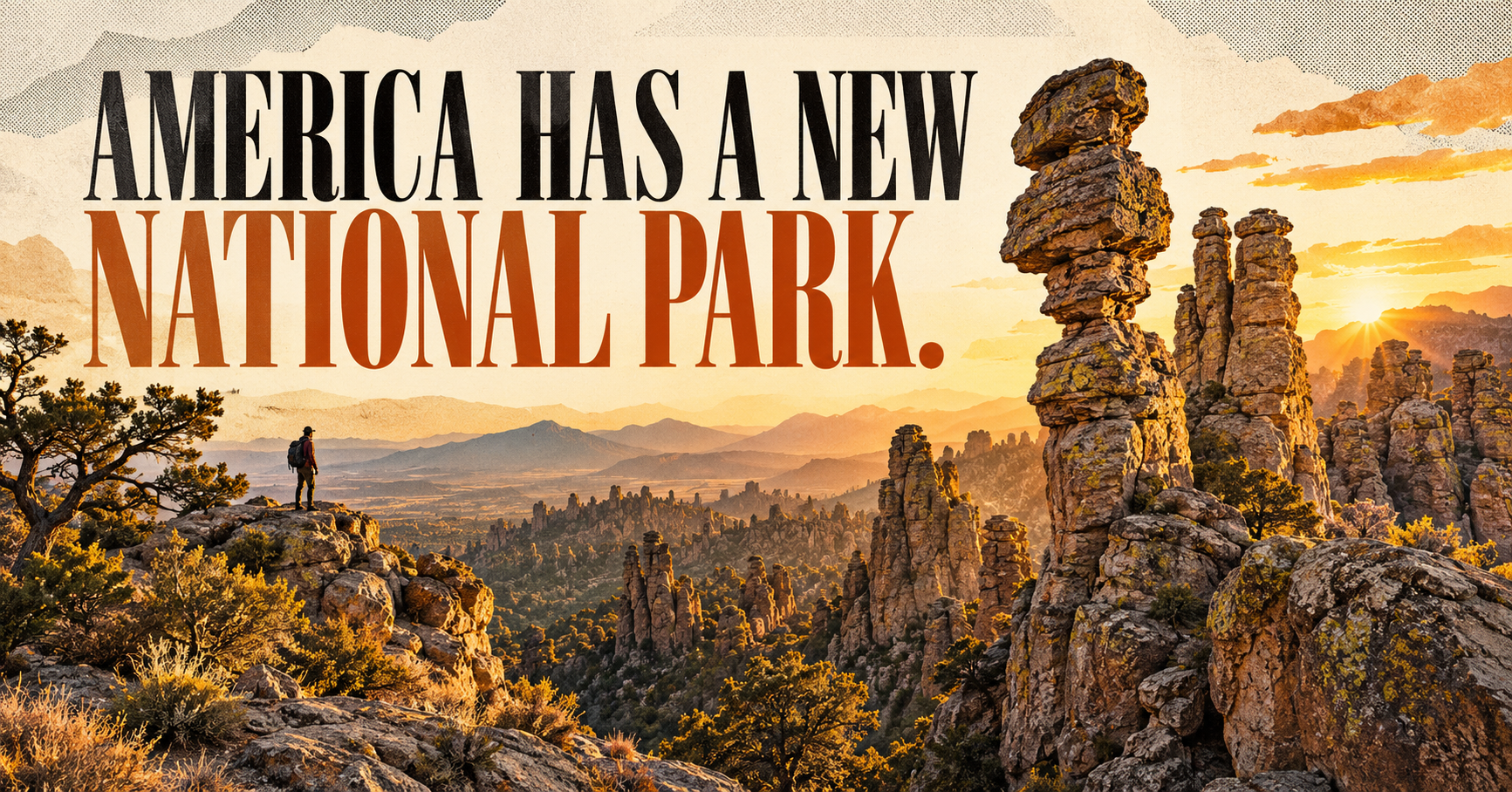
A new name for a landscape protected since 1924.
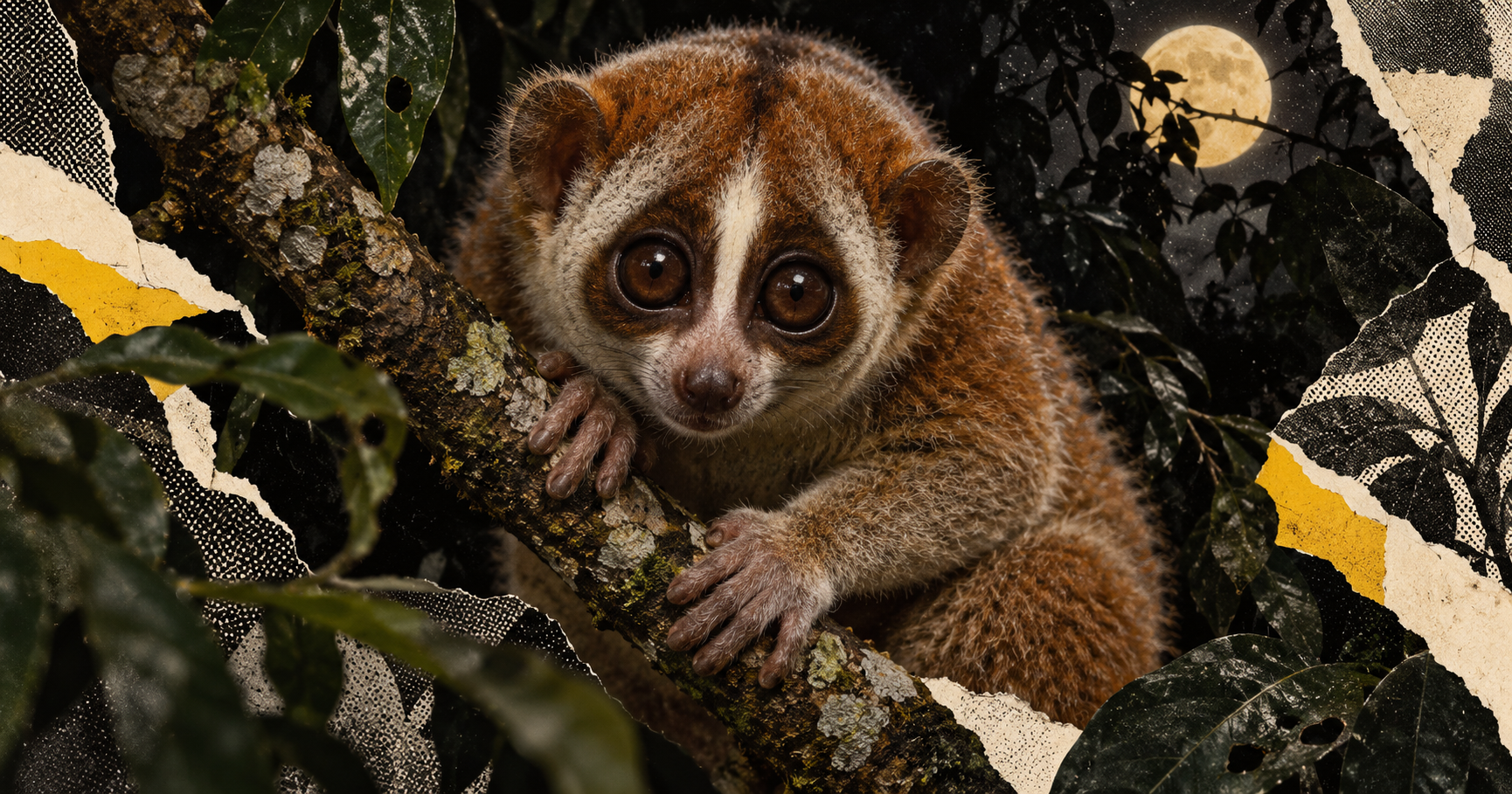
Local rescuers documented more than 90 Bangka slow lorises—and returned 86 to protected forest.
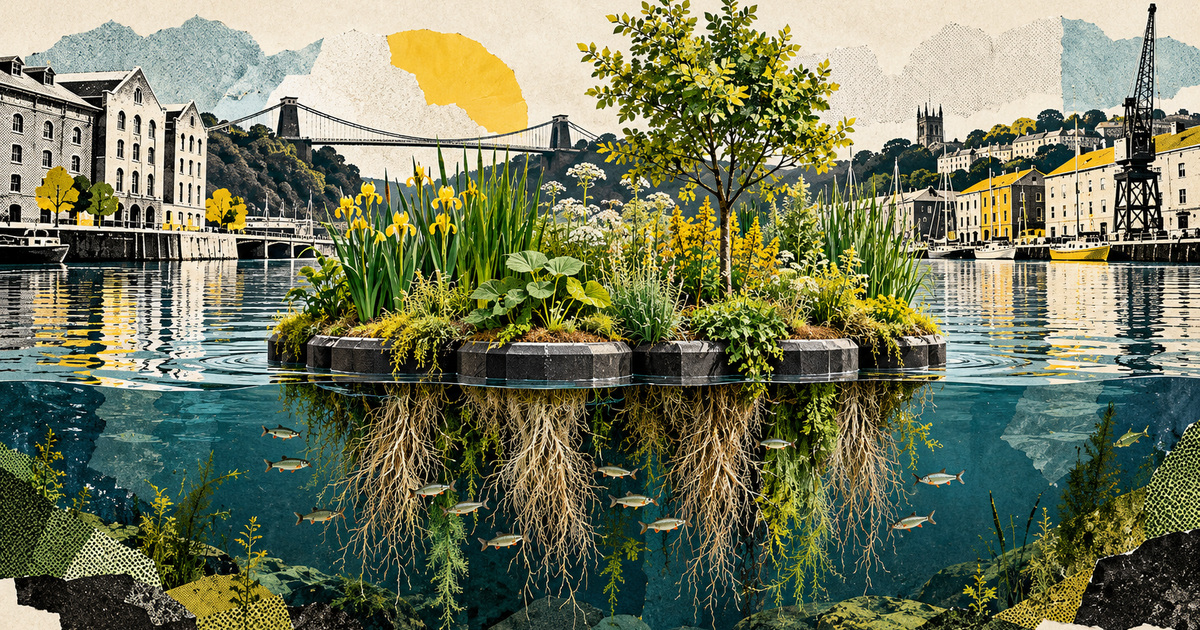
Native plants now shelter fish, pollinators and nesting birds in the middle of the city.
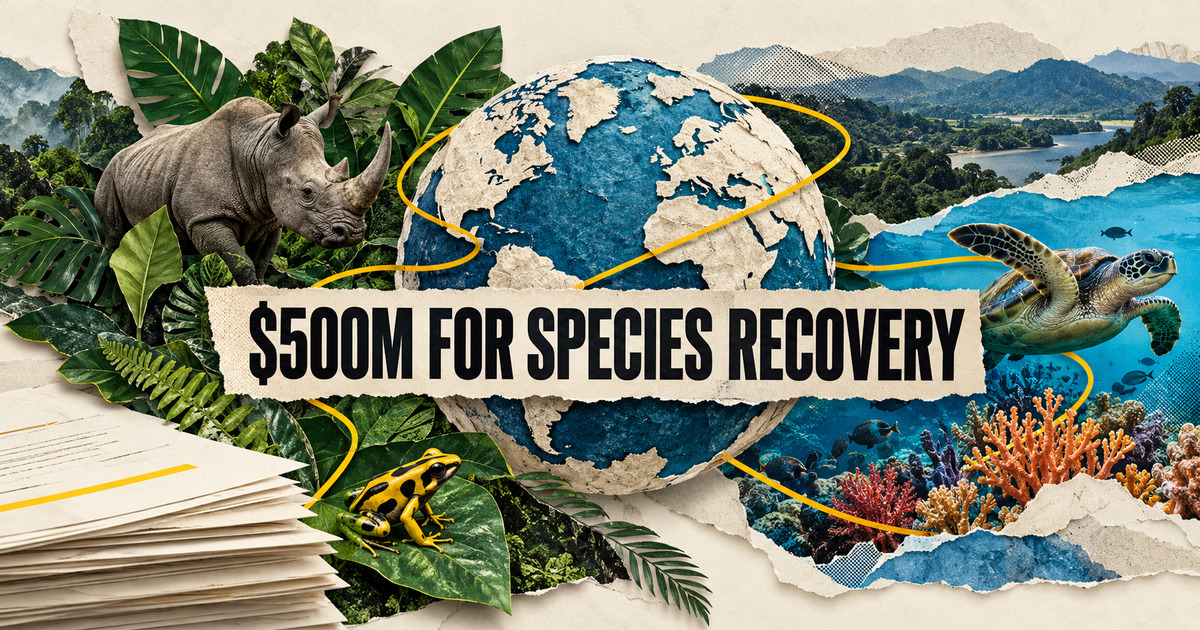
A new alliance is coordinating five years of targeted recovery funding.
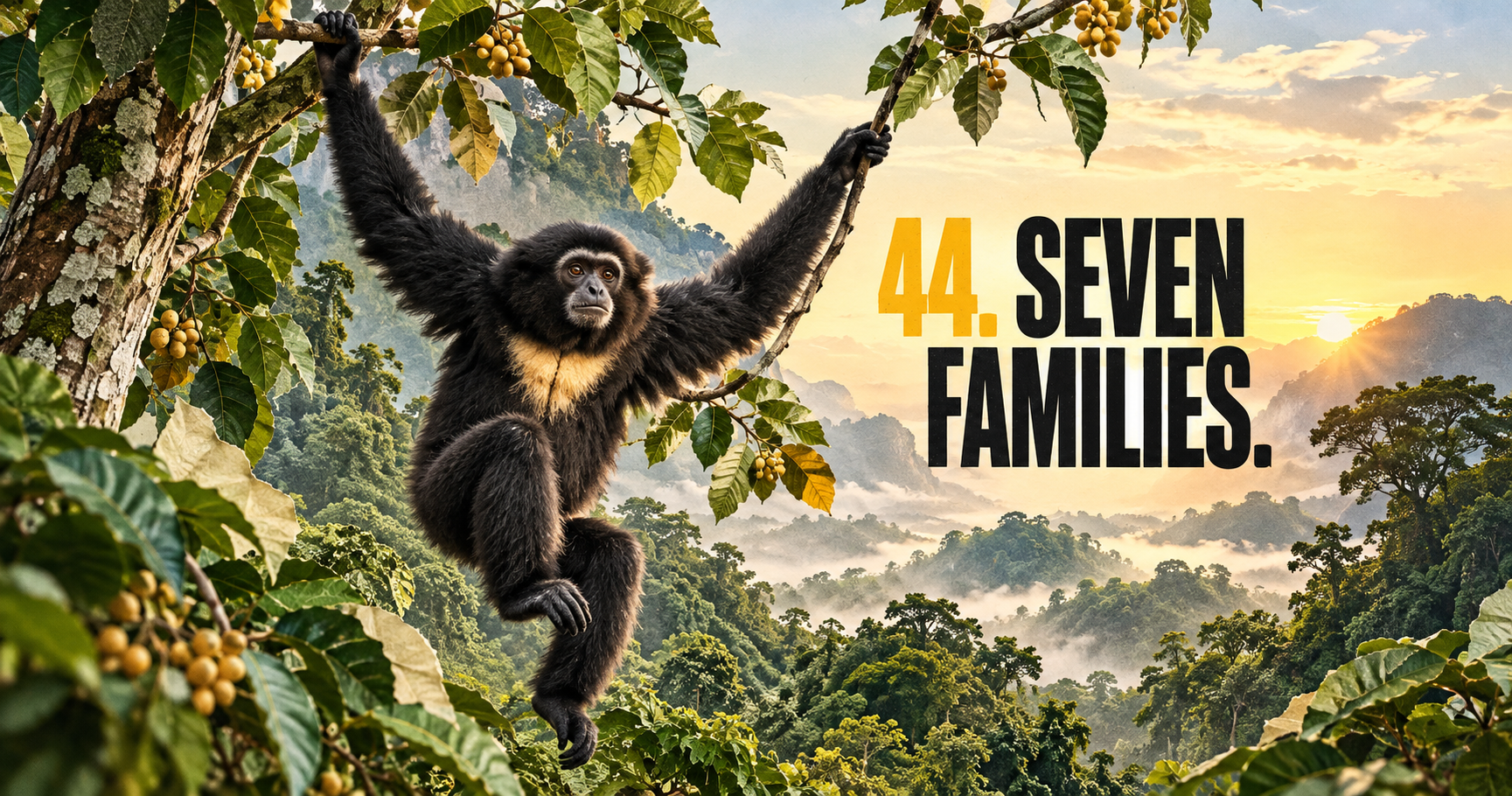
Forty-four, from the brink.
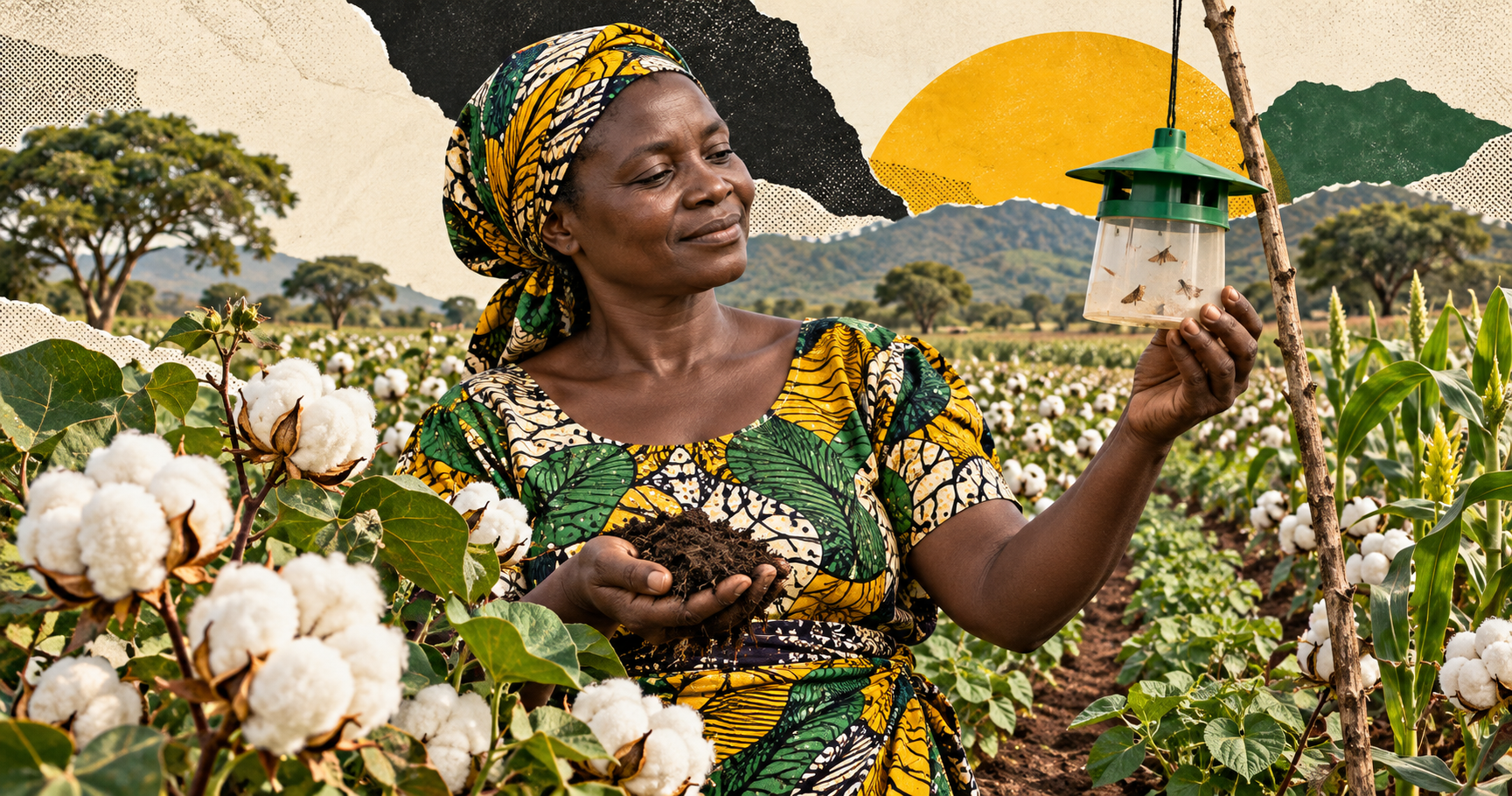
The national average rose above one tonne per hectare in 2025–26; some farmer-field-school groups reached 1.4 to 2 tonnes while cutting pest treatments.
The fund starts with $9 million from Walmart Foundation and $9 million in aligned investment from McDonald’s USA and suppliers.
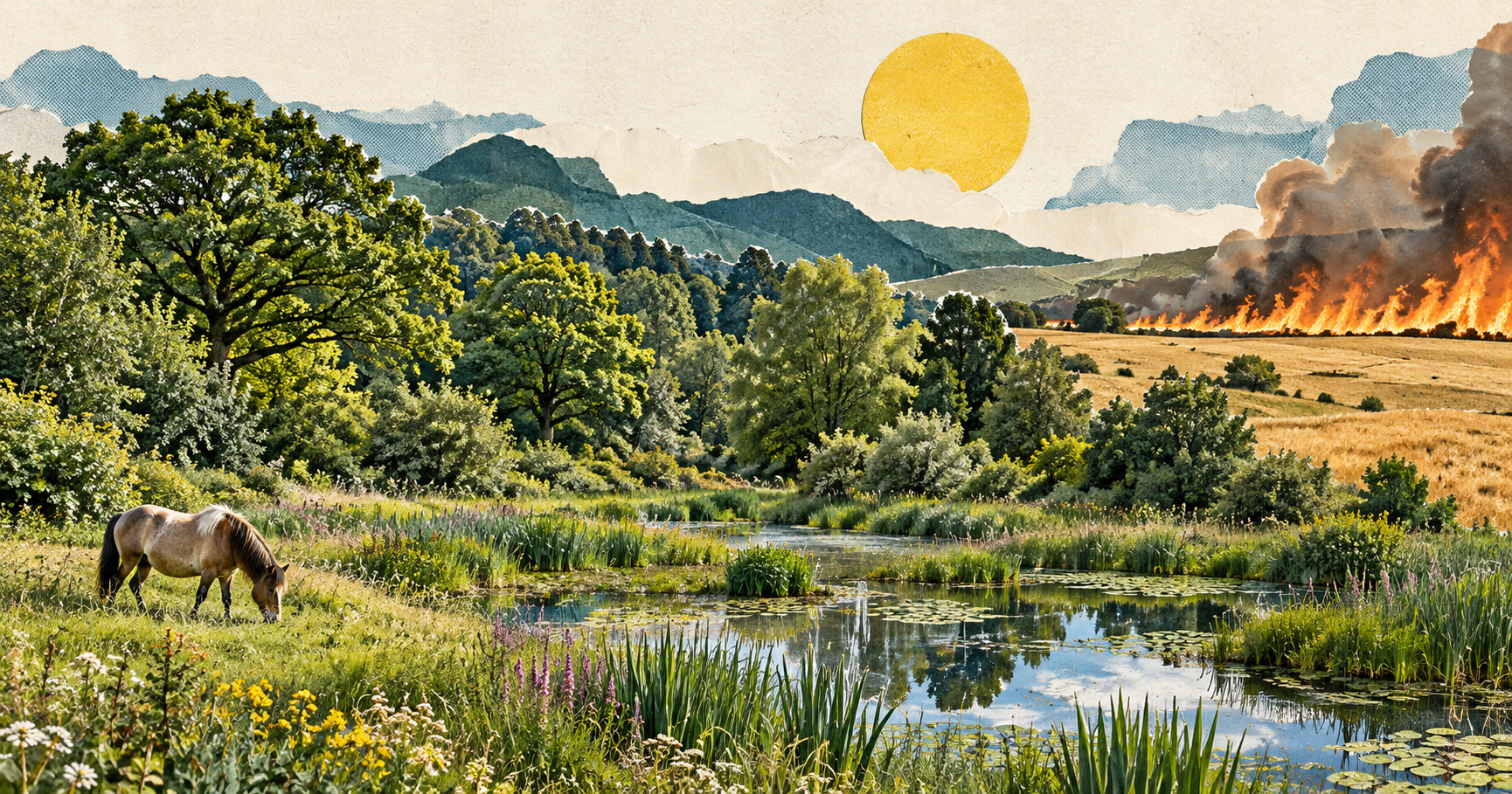
The advocacy-group analysis also found burned areas from 2016–2026 were concentrated in acid grassland, heather, bog and other simplified landscapes rather than restored habitat.
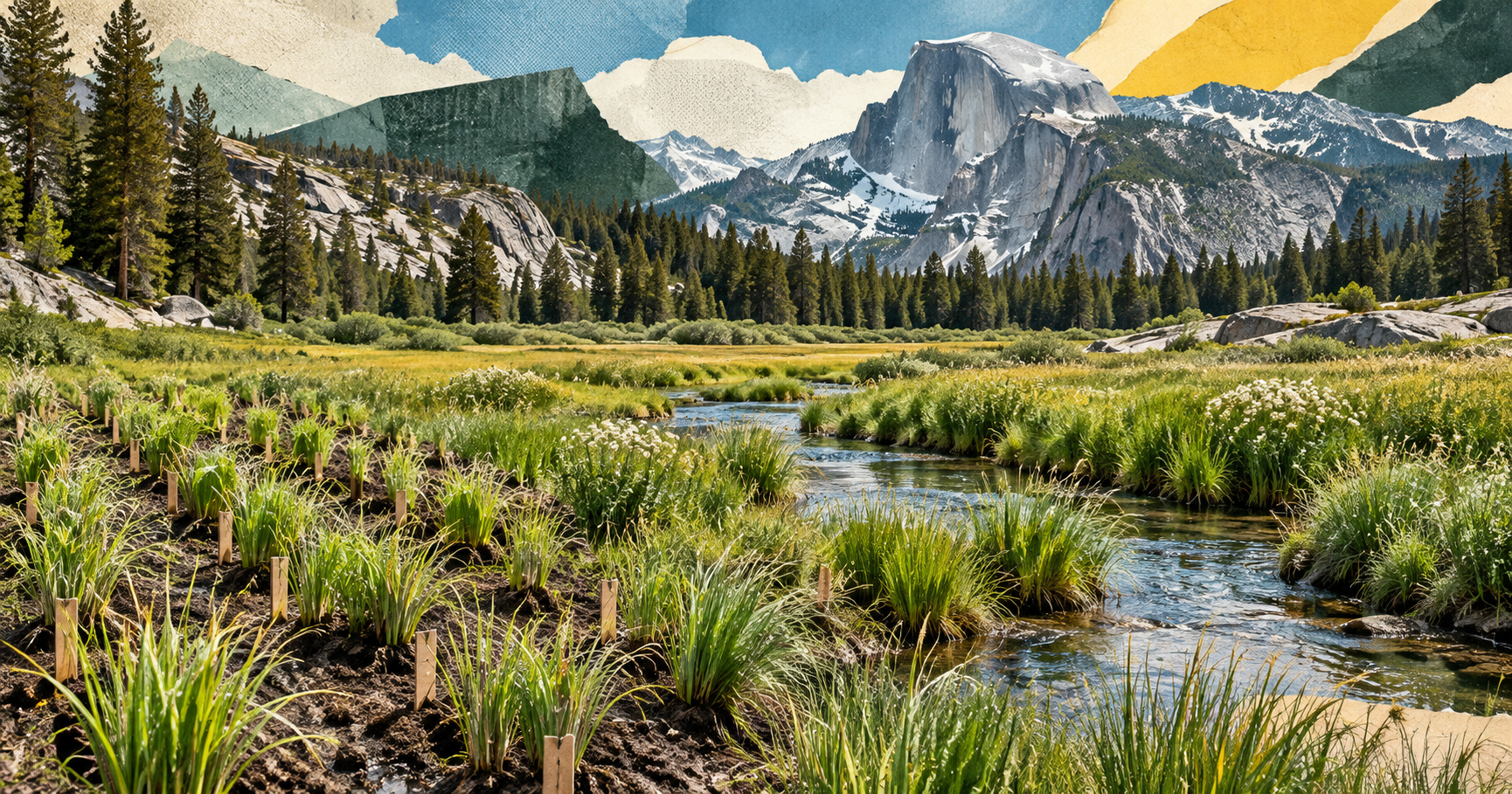
Three years in, the soil is improving. Full recovery may still take 25 to 50 years.
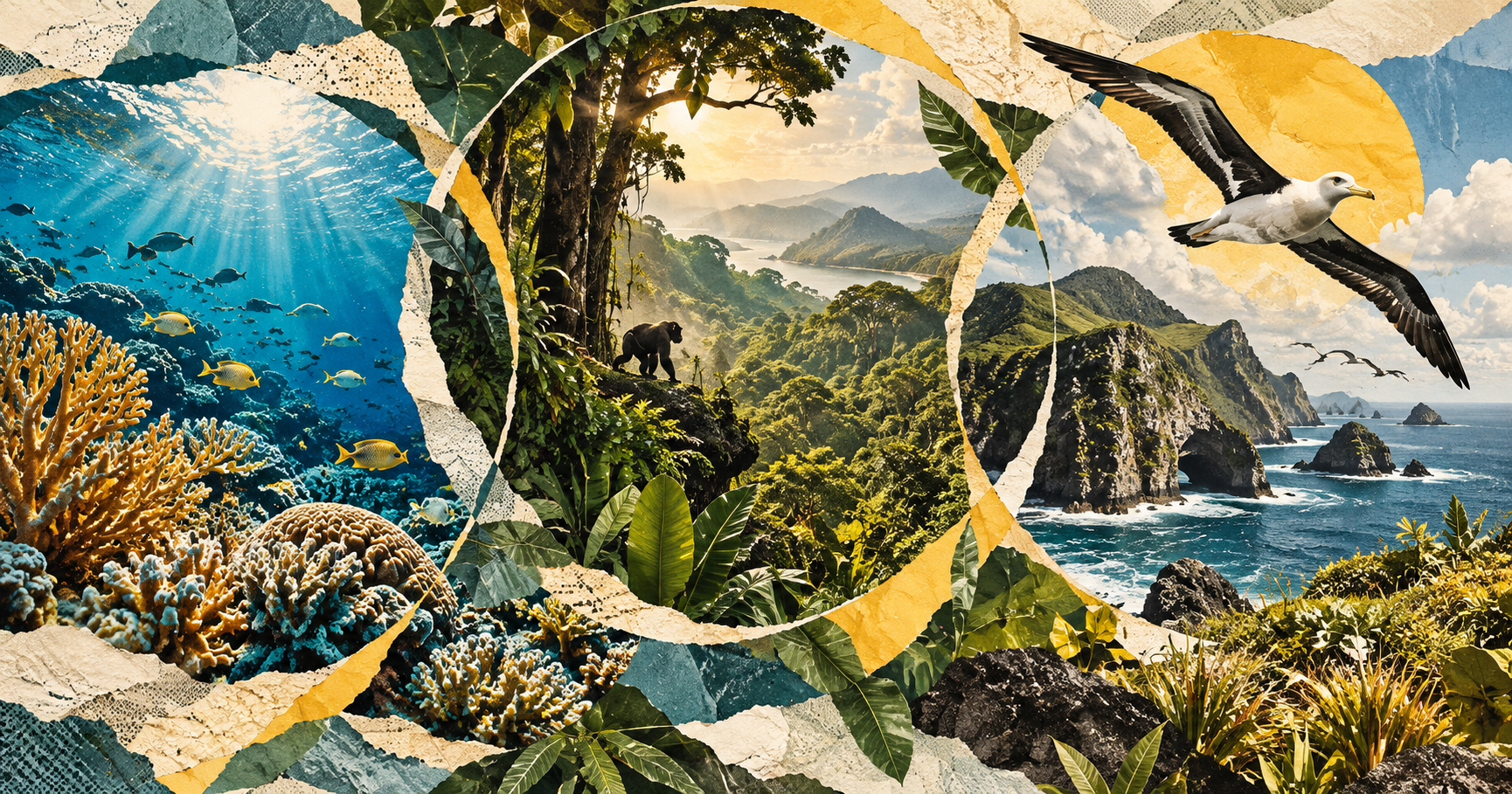
Local knowledge. Shared decisions. Management that learns.
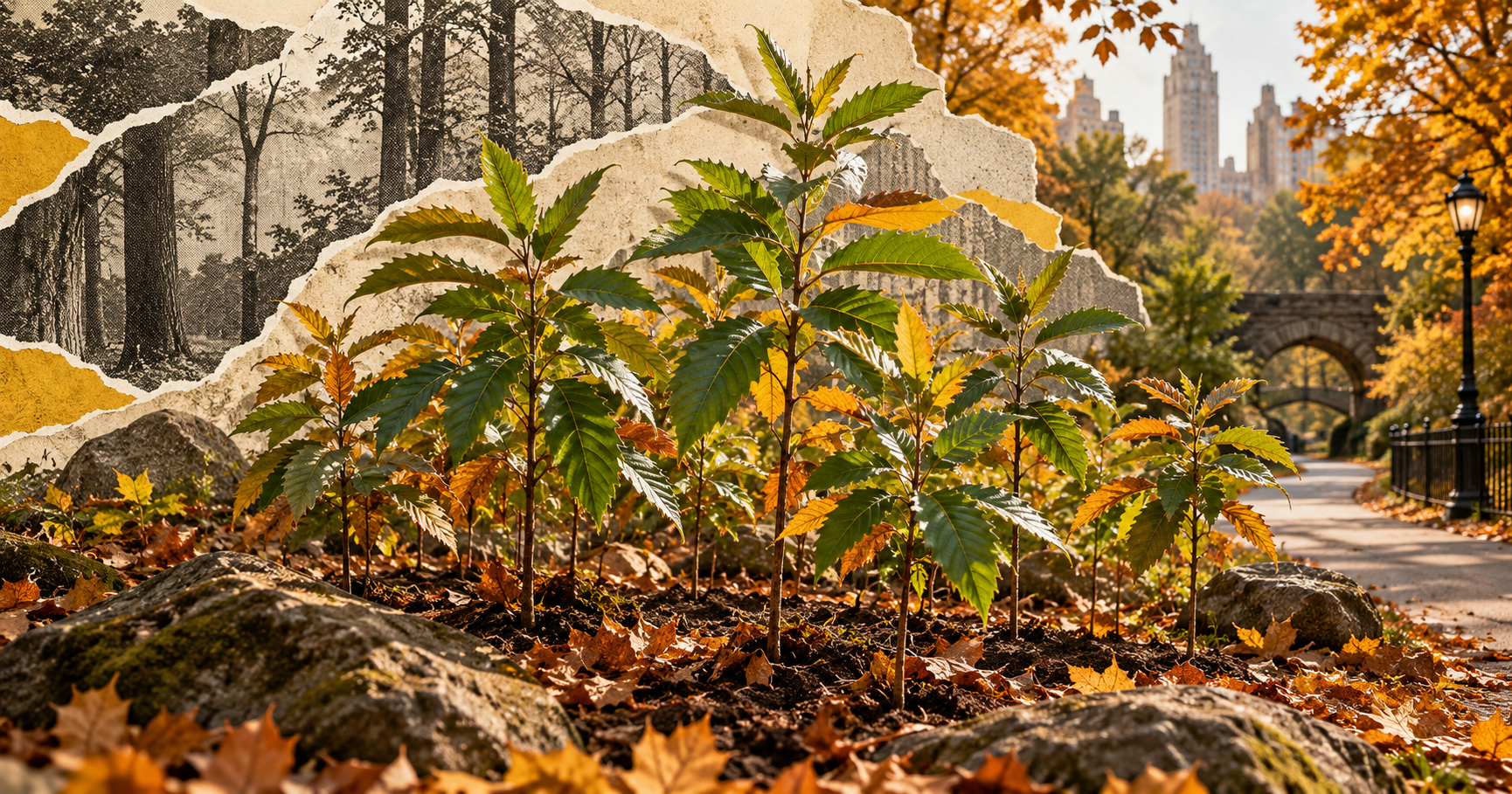
The blight was first documented here. Now a restoration network is taking root.
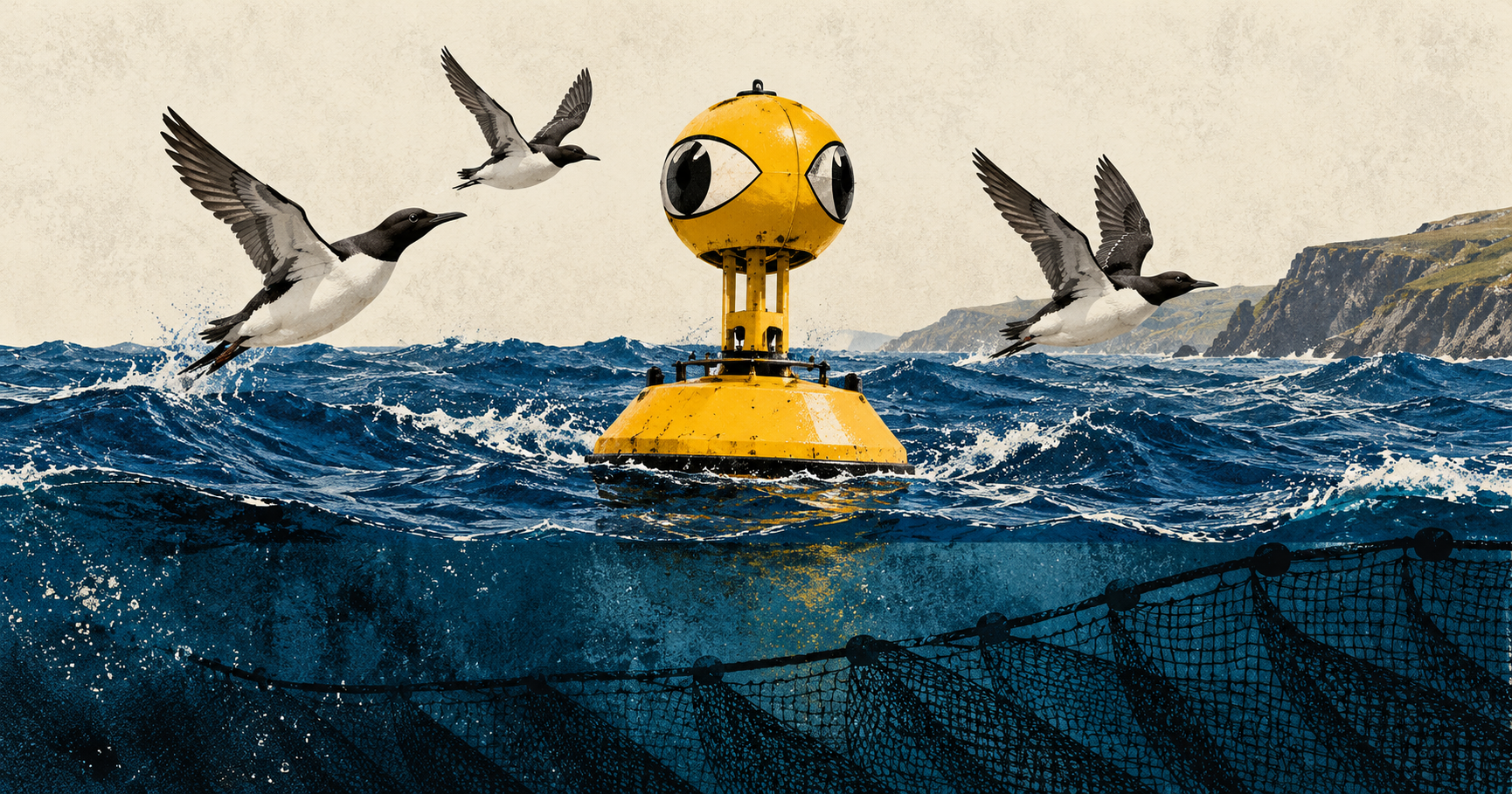
A pair of spinning eyes and a kite gave threatened seabirds a practical way around a deadly net.
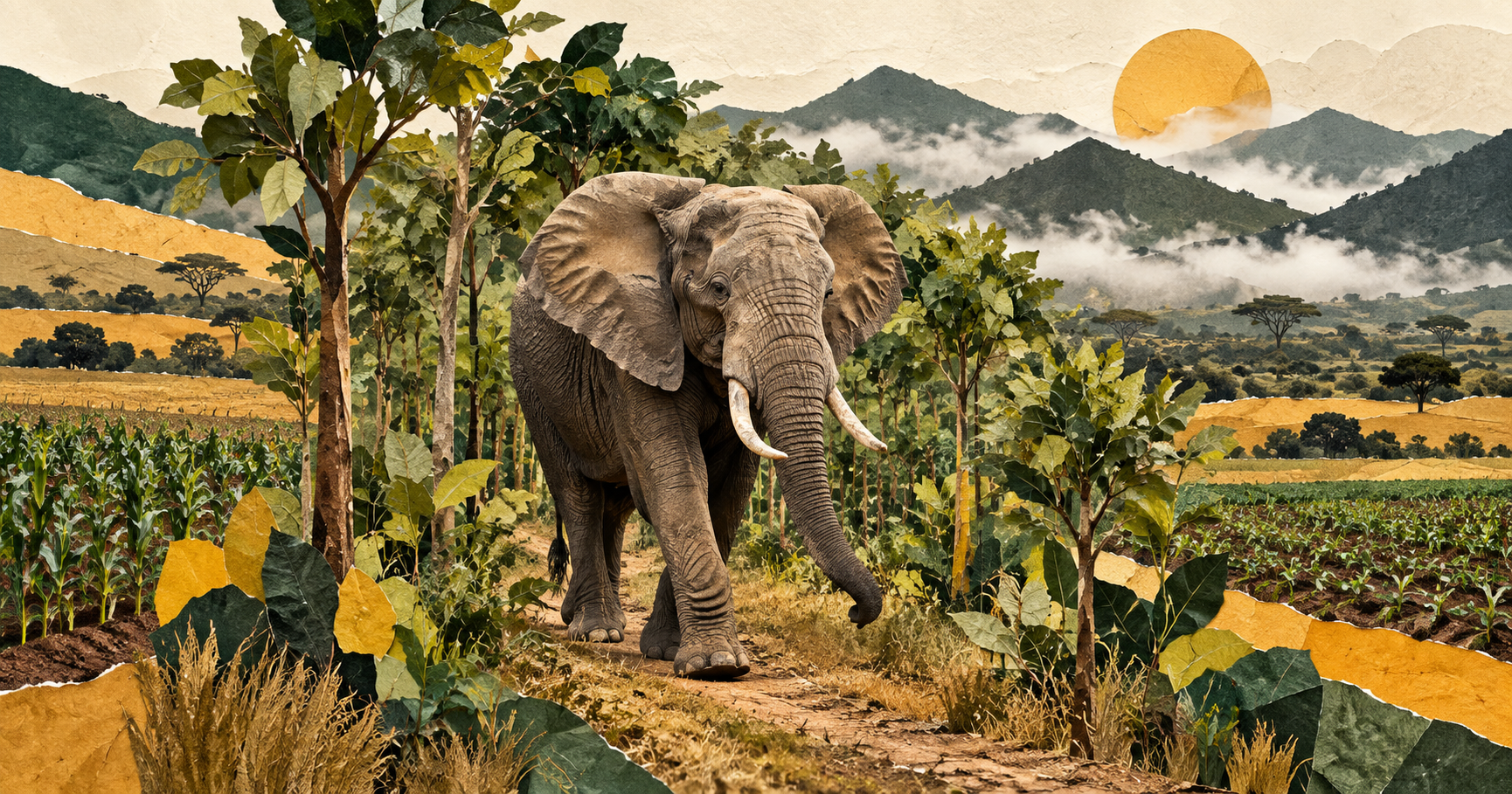
A narrow strip through the Kilombero Valley is reconnecting savanna and rainforest — one elephant at a time.
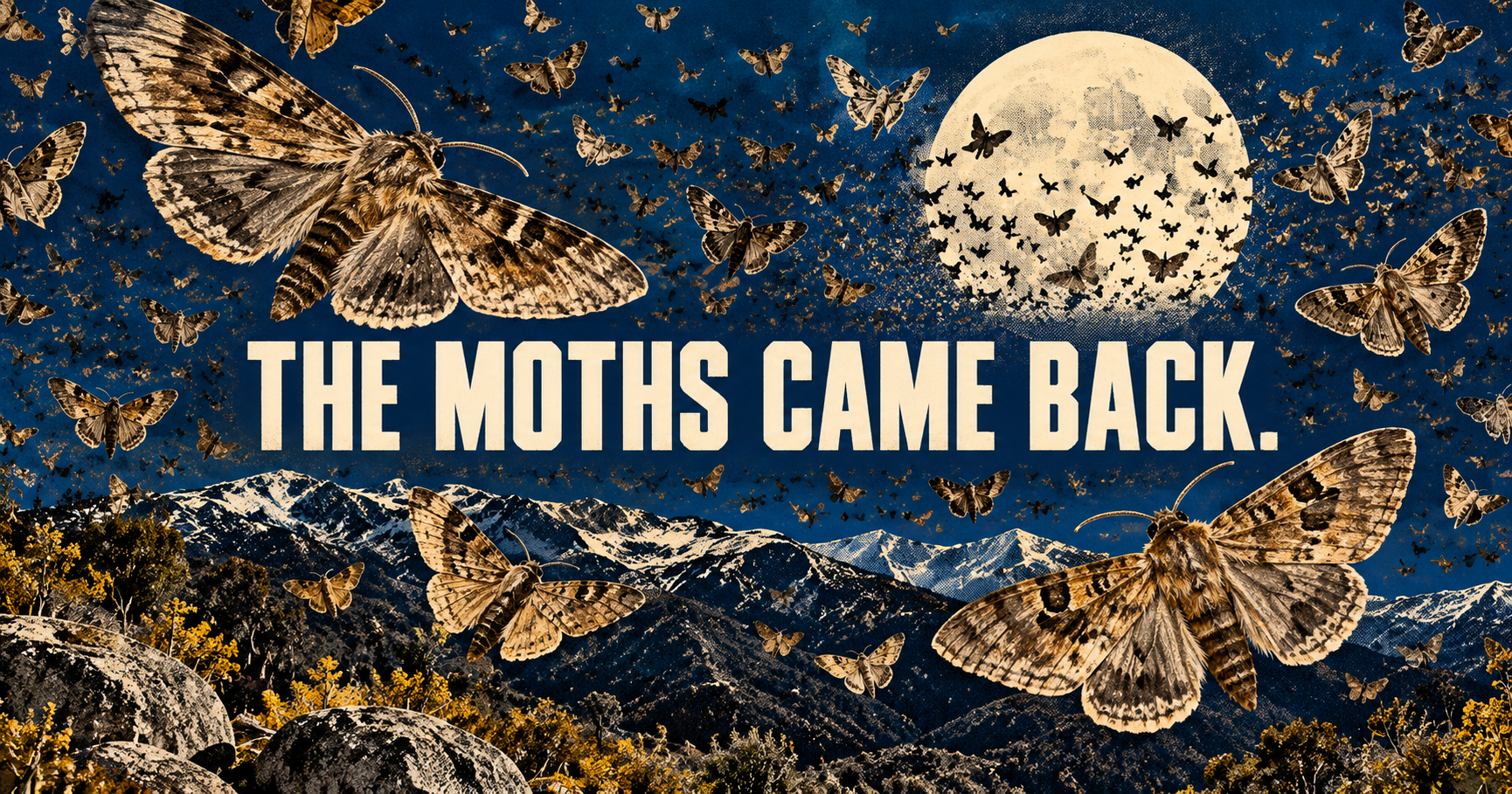
The sky is filling with a migration Australia feared it had lost.

New York City planted its most trees in a decade and prioritized neighborhoods where extreme heat hits hardest.
THE MEADOW GREW BACK.
Ten traditional chain moorings were replaced with eco-moorings that move with the tide instead of scraping circles through the seabed. Five years later, the damaged patches had shrunk by an average 93.6%.
NOBODY REINTRODUCED IT.
Mongabay reports a giant anteater turned up in an Argentine reserve on its own, decades after the species vanished locally — a case for letting recovering habitat do the work.
THE SPACE UNDER THE PANELS GOT BUSY.
Panels up. Wildflowers in. Insects followed.
DONE BY HAND.
Ten days, wooden dams, no machinery. Pools are already forming.
DAMS OUT. SALMON IN.
Four dams gone. 21,052 adult Chinook counted upstream across two seasons. Eighty-eight percent of their documented historic range reoccupied — early, and encouraging.
208 TURTLES, HAND-DELIVERED.
235 eggs in. 208 tiny turtles out.
THE LAND CHANGED HANDS.
An English grouse-and-sheep estate is being reworked around peat, wildlife and long-term restoration instead.
ONE BIRD BOUGHT THE LAND.
A bird nobody had scientifically recorded helped trigger a conservation network protecting habitat across Ecuador.