NATURE
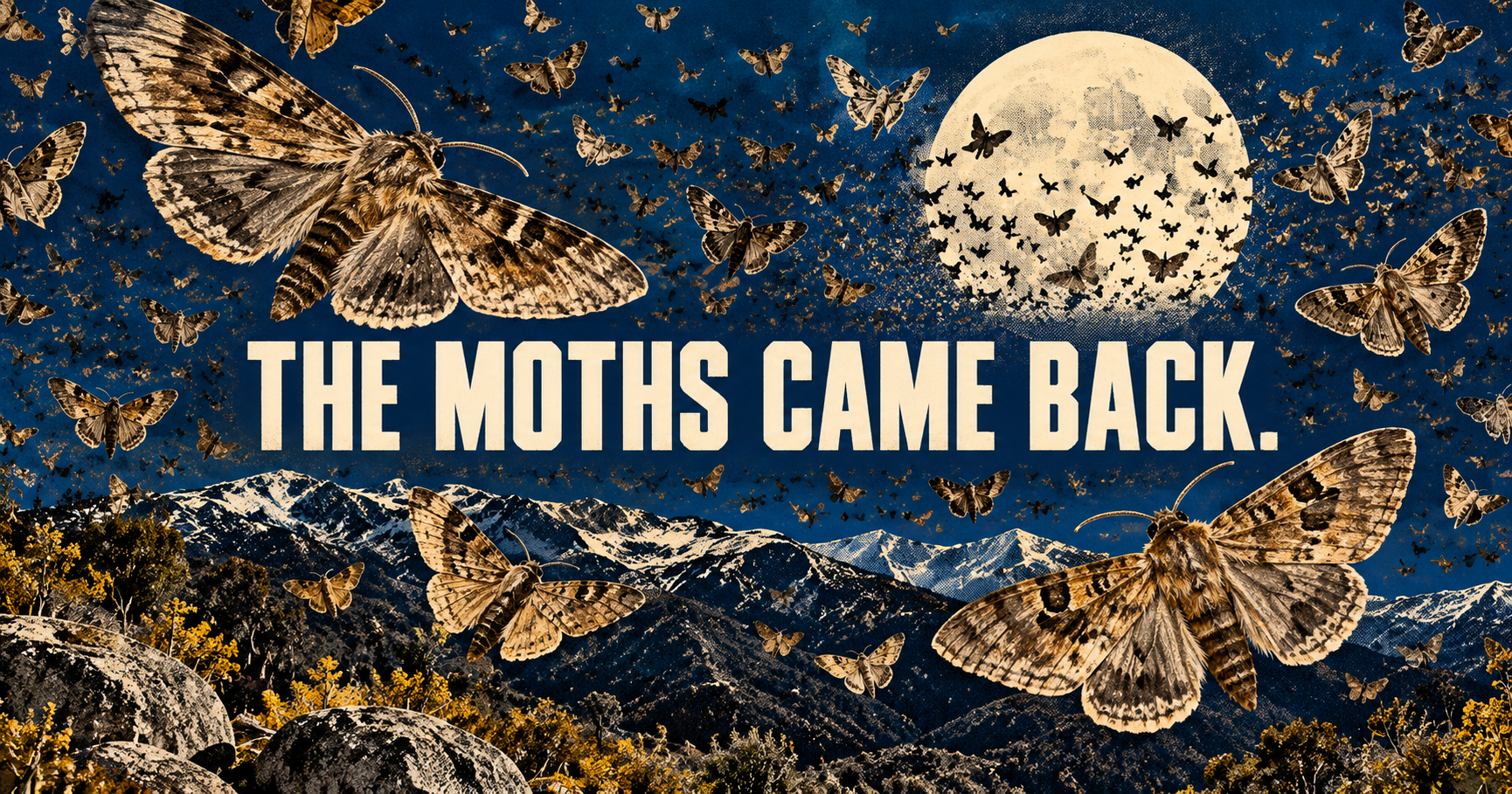
After a 99.5% crash, the Bogong moths are swarming again.
The sky is filling with a migration Australia feared it had lost.
SOURCEABC News
—
Every serving. No expiration date. Page 4 of 6.
The sky is filling with a migration Australia feared it had lost.

Four weeks of at-home magnetic-field sessions produced encouraging early signals for long-COVID cognitive impairment.
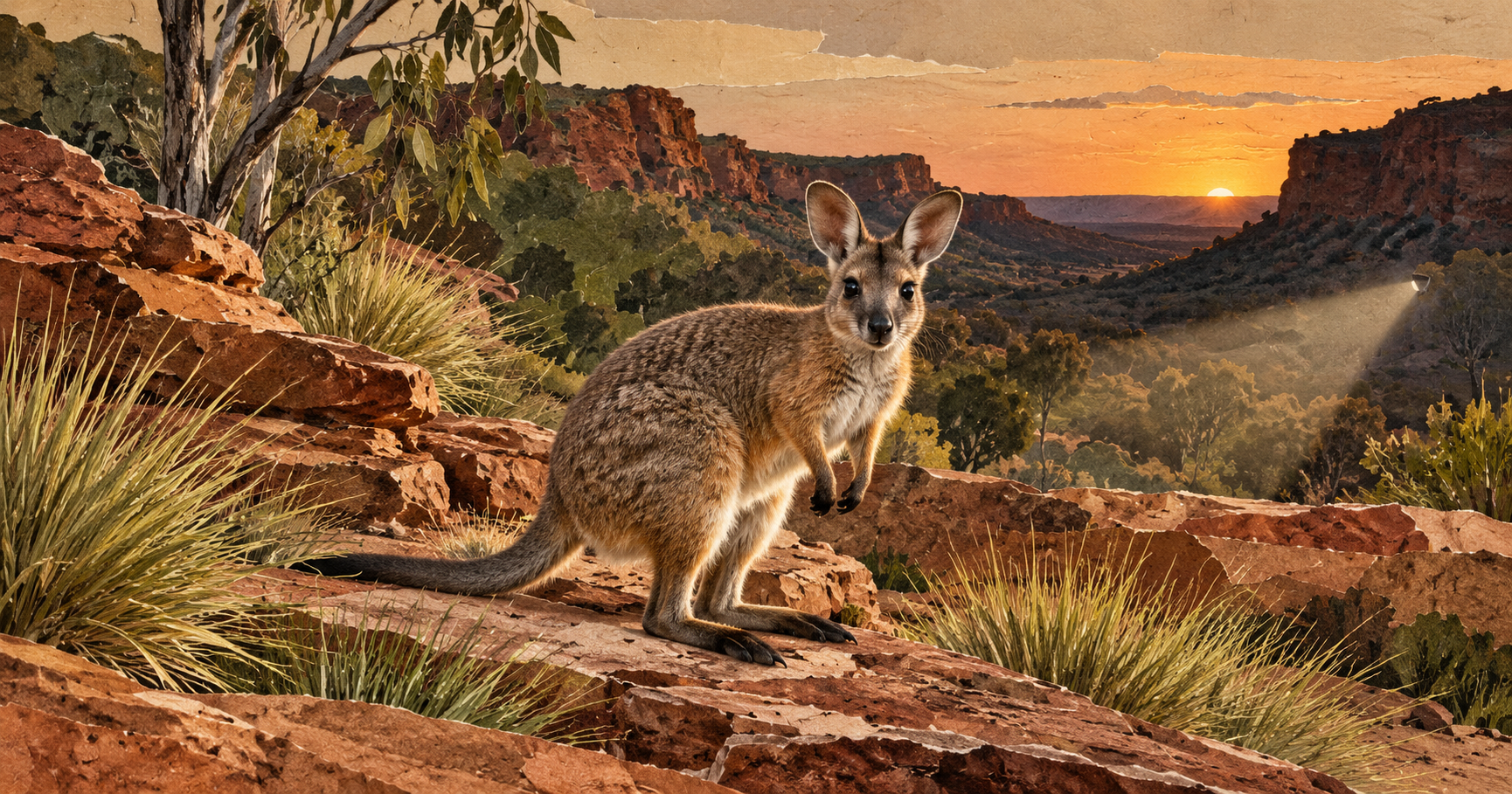
Conservationists confirmed endangered nabarleks at two mainland sites on Dambeemangaddee Country — the first detections there in more than 50 years. Turns out the tiny wallaby had not entirely left the building.
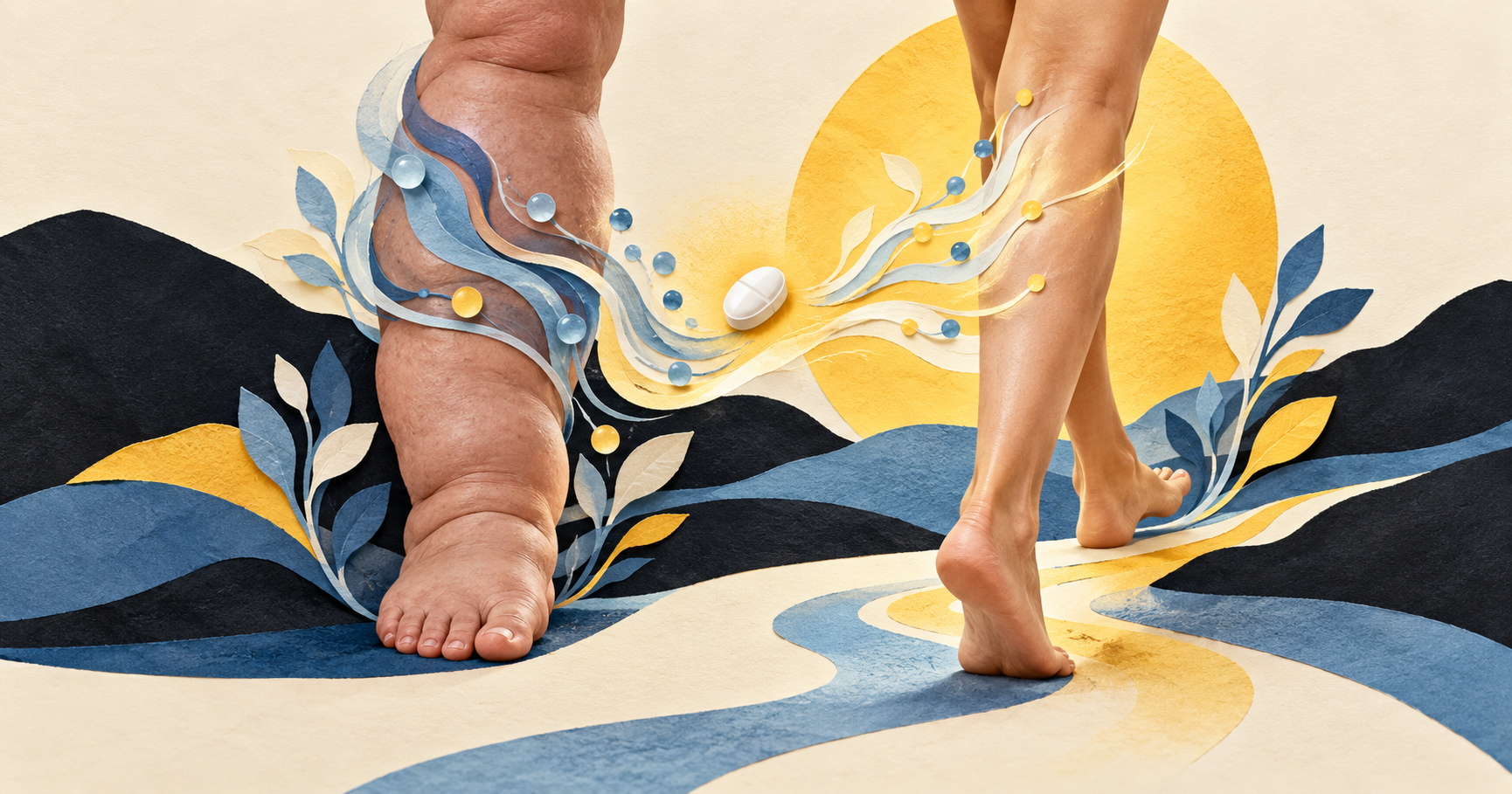
A small trial suggests the first medication for lymphedema may be getting closer.
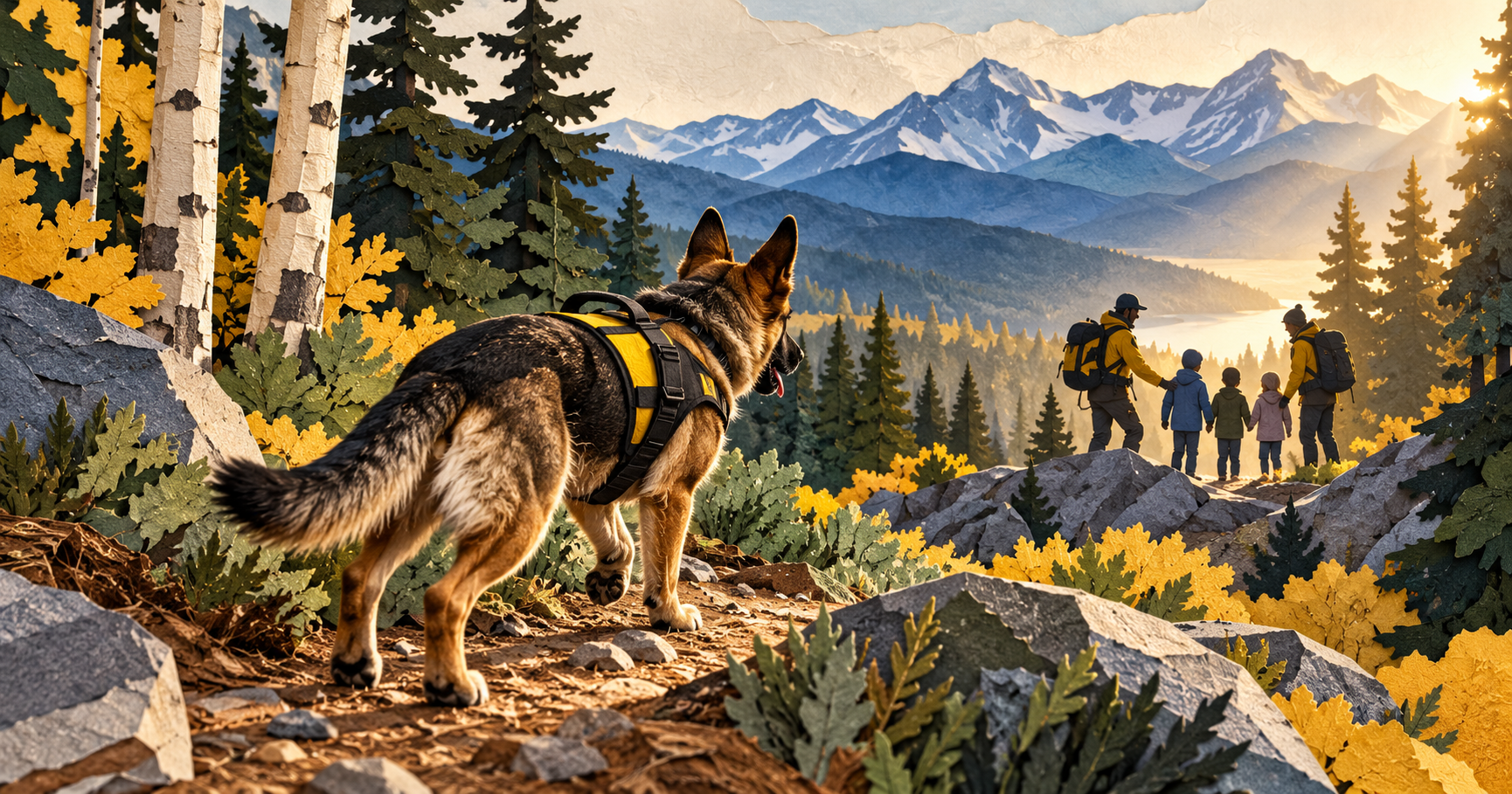
Arch caught the trail. Search teams followed it. Three families got the ending they needed.
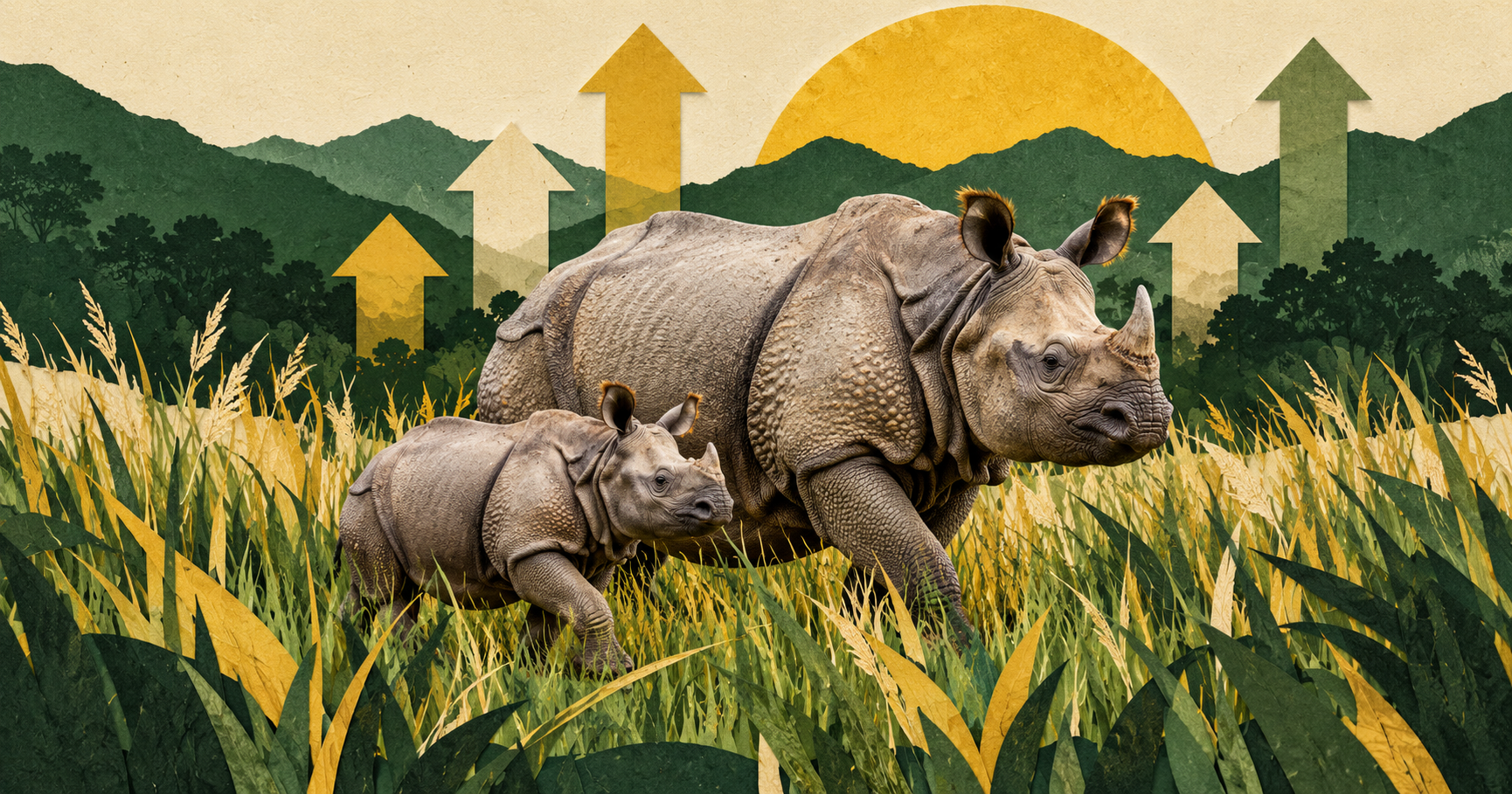
A species that once fell below 200 animals now numbers in the thousands.
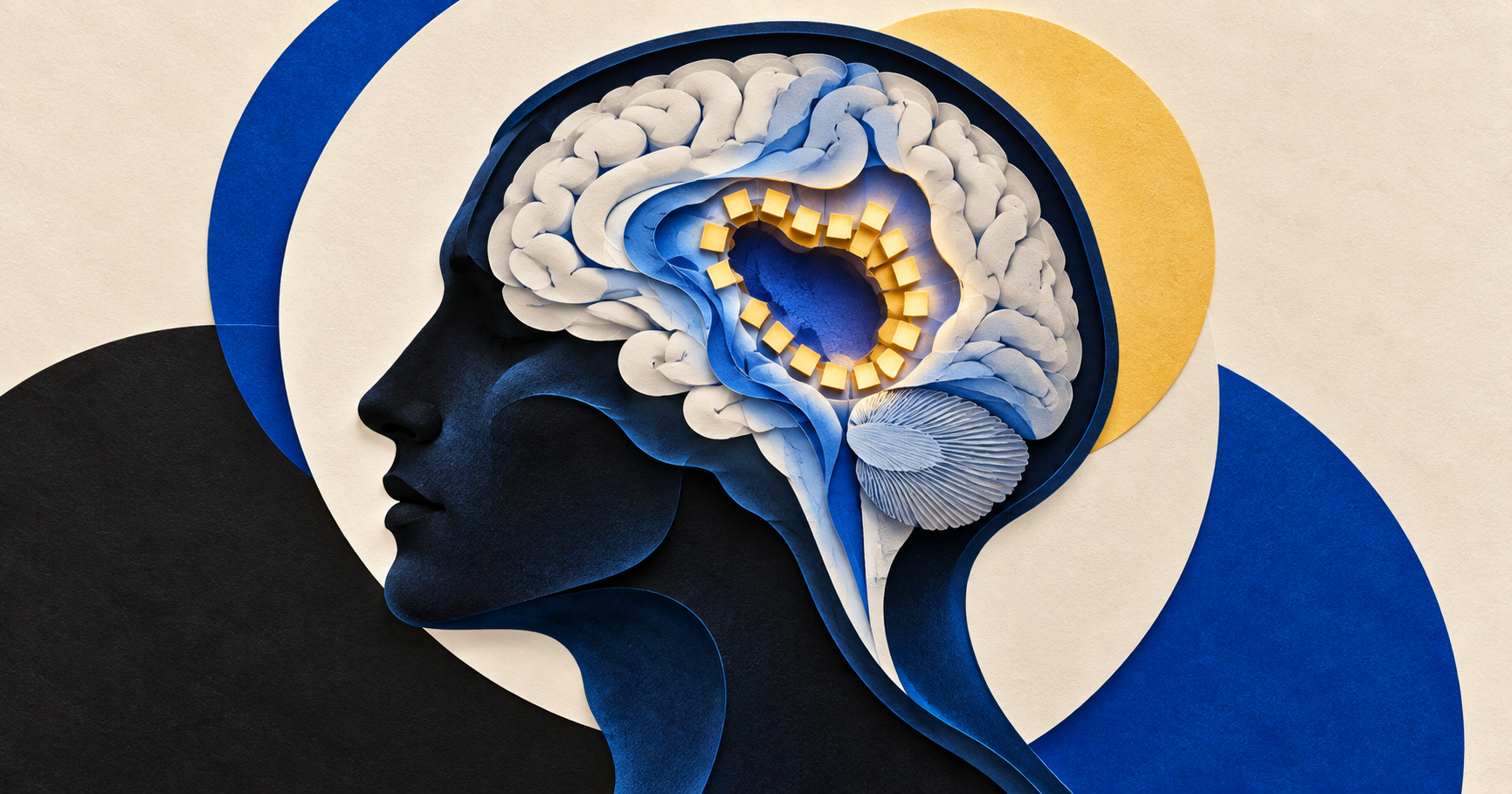
A Phase 3 trial turned the walls of a surgical cavity into the radiation treatment.
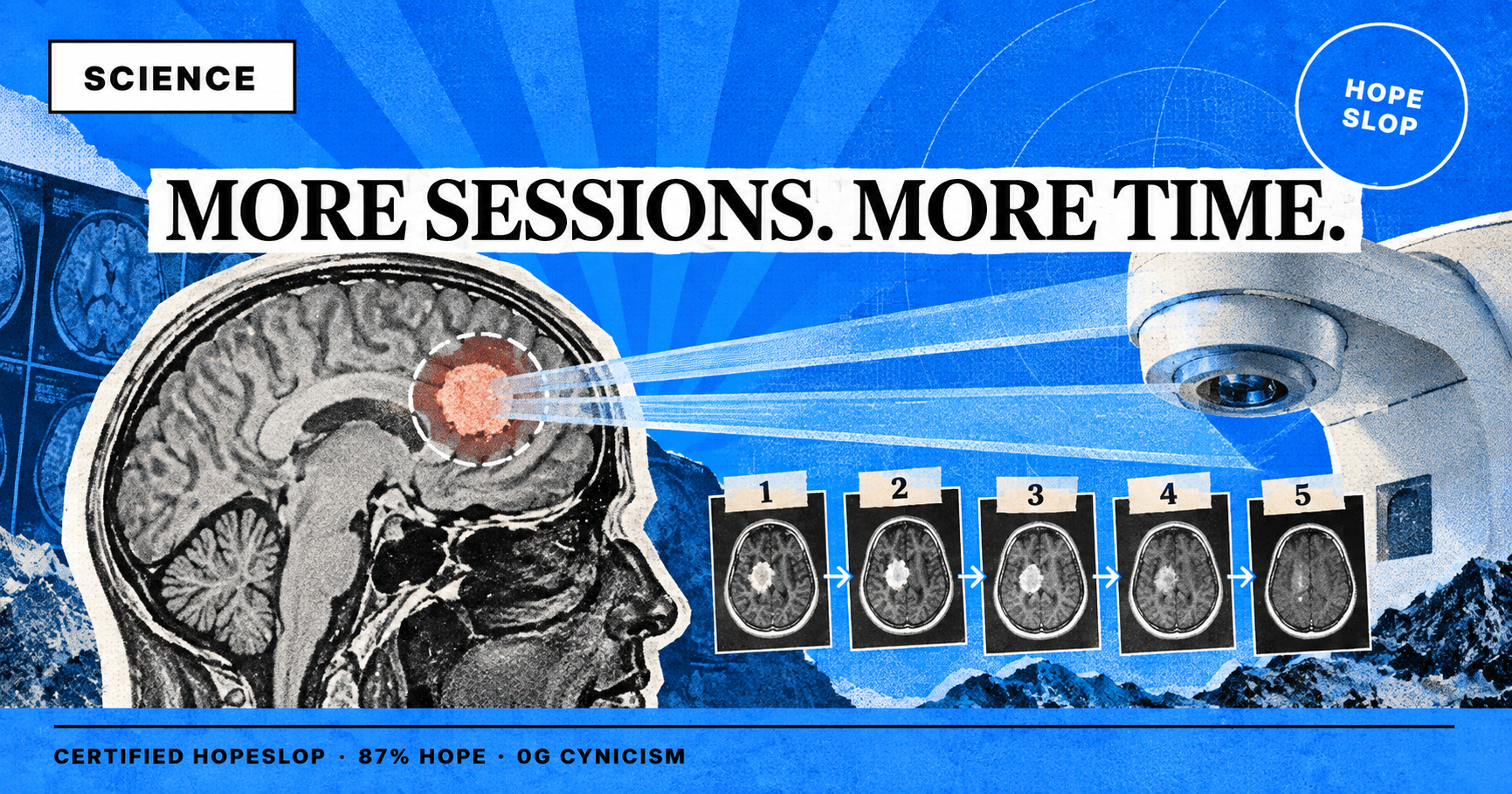
A small scheduling change produced a surprisingly large clinical difference.
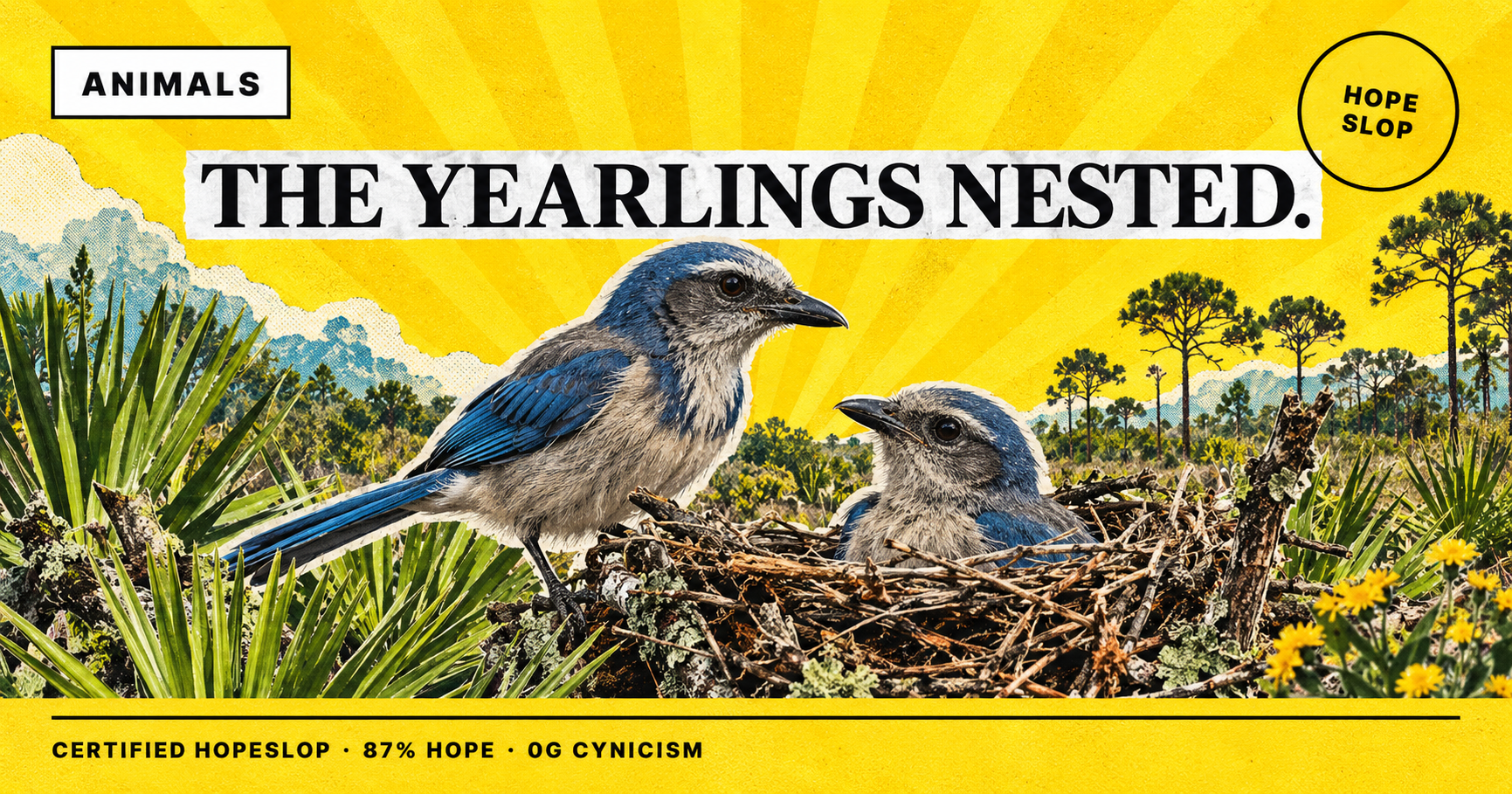
A genetic-rescue experiment got an unexpectedly ambitious first breeding season.
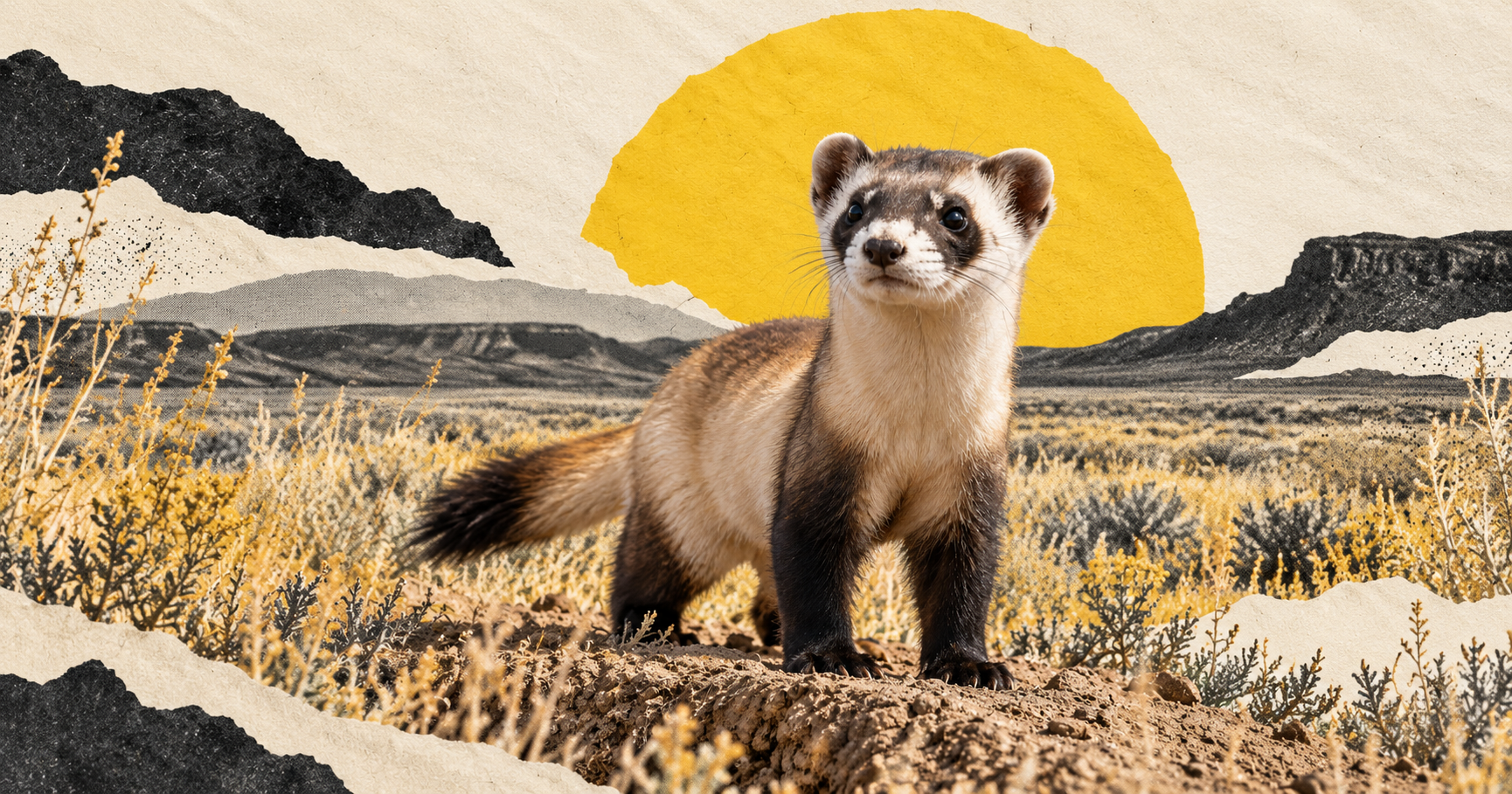
Seven litters. Thirty-four endangered kits. Phoenix Zoo’s best black-footed ferret breeding year since 1999.
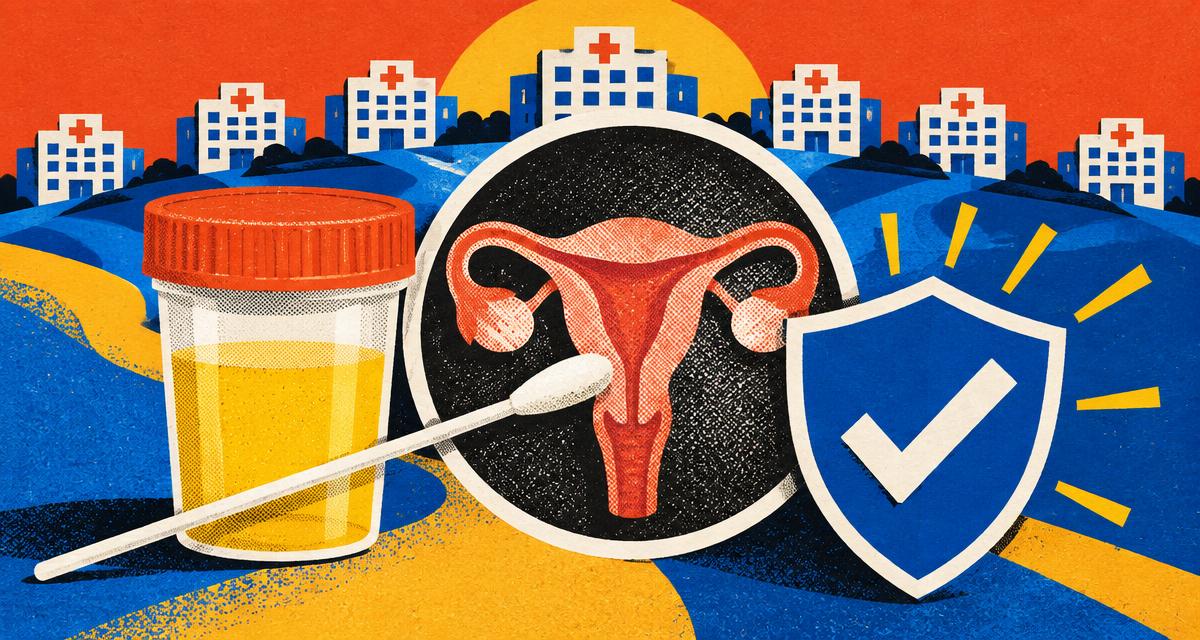
A painless test using urine and a vaginal swab showed it could accurately rule out womb cancer for most women with postmenopausal bleeding.

New York City planted its most trees in a decade and prioritized neighborhoods where extreme heat hits hardest.
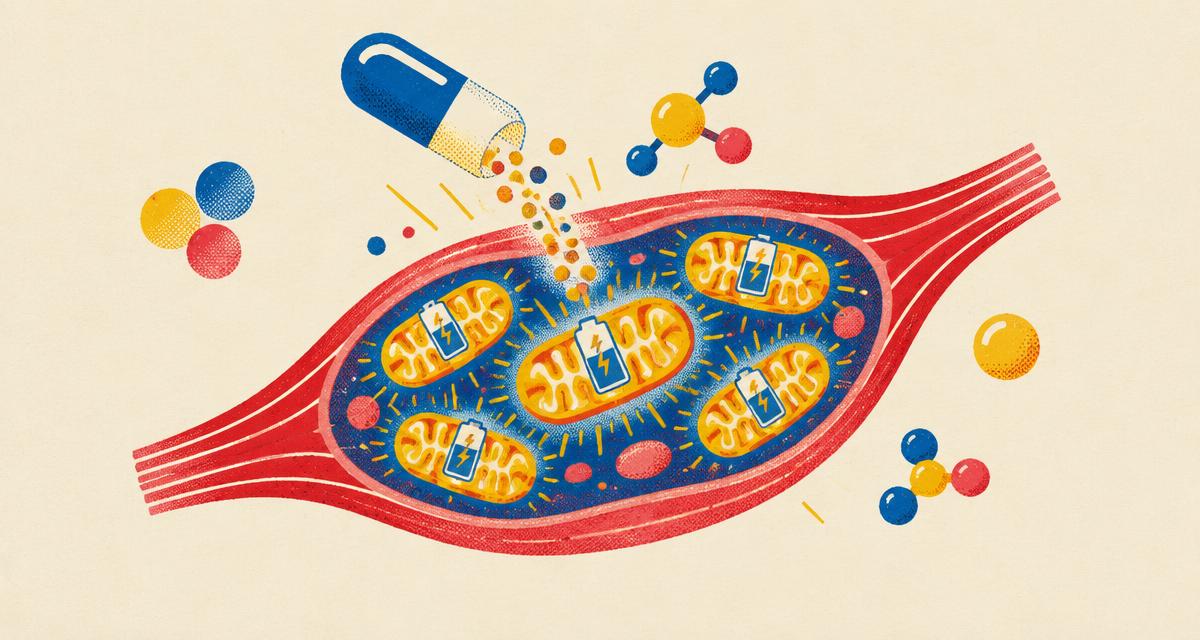
A Cambridge-led study gave nicotinamide riboside to eight people with mitochondrial DNA disease. It was well tolerated and showed early signs of working.
THE RIVER DIDN'T GET TO KEEP IT.
A days-old elephant calf drifted roughly four kilometers down the Teesta. Five fishermen reached it by boat; forest officials reunited it with its mother.
THE MEADOW GREW BACK.
Ten traditional chain moorings were replaced with eco-moorings that move with the tide instead of scraping circles through the seabed. Five years later, the damaged patches had shrunk by an average 93.6%.

Los Angeles got 395 shelter dogs out for a day. Twenty-three were adopted and 14 entered foster homes instead of returning to kennels.
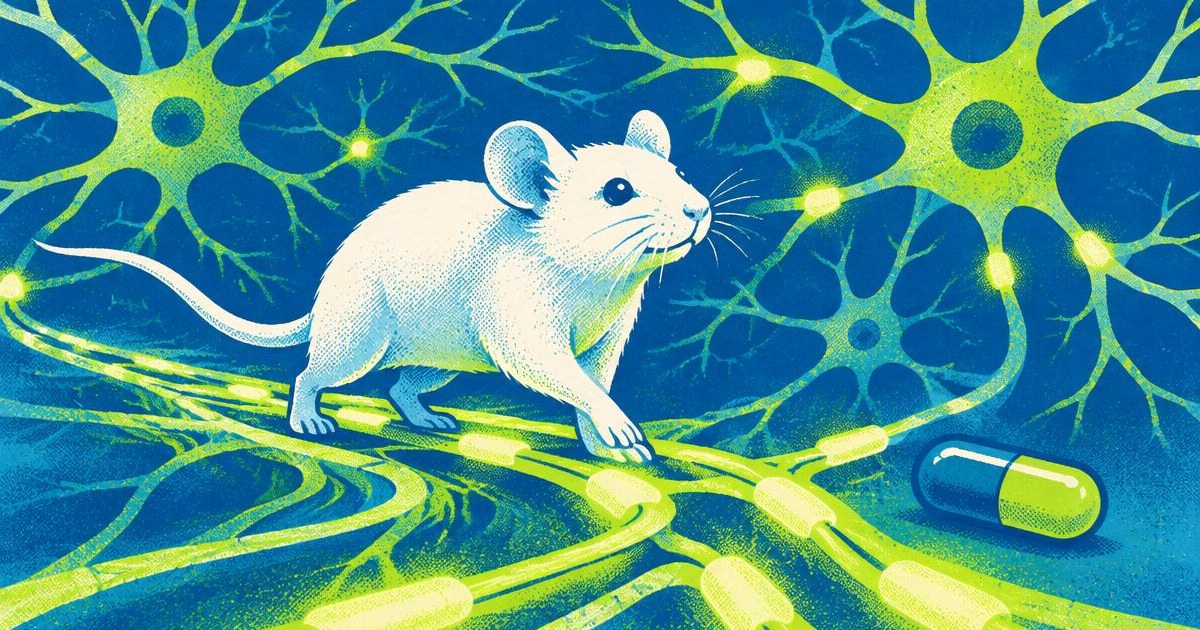
In a mouse model of multiple sclerosis, the experimental drug K-9 restored function after paralysis and vision loss had already set in. It has not been tested in people with MS.
In the TESEO trial, 450 adults received different benznidazole regimens. The 30-day, once-daily option matched the standard 60-day course in the trial and caused fewer side effects.
SHE PICKED CALIFORNIA.
Lifeguards were called to an injured turtle near Seal Beach on 16 September. She was not injured. She was digging a nest — and three days later it happened again near the Huntington Beach Pier. NOAA Fisheries says it is the first recorded natural nesting of any sea turtle species on the U.S. West Coast. Both nests are now fenced, signed and monitored.
THE SCAN CAME BACK EMPTY.
Researchers at Texas Children's, Baylor College of Medicine and Seattle Children's reported in the New England Journal of Medicine that a child with hepatoblastoma had complete regression of disease after a novel immunotherapy given as part of the CARE study.
THE HAND FELT BACK.
Seventeen years after an amputation, Alexander “Avi” Davidson became the first participant to take Utah's thought-controlled bionic arm home — with a nerve interface that gives it a sense of touch.
NOBODY REINTRODUCED IT.
Mongabay reports a giant anteater turned up in an Argentine reserve on its own, decades after the species vanished locally — a case for letting recovering habitat do the work.
FIVE LEFT. STILL HERE.
Karure black robins fell to five birds in 1980. Decades of conservation brought them back to around 350 adults — and on September 21 the species won New Zealand’s 2026 Bird of the Year.
TWO ORIGINS. ONE BRAIN.
Stanford researchers found the forebrain/midbrain and hindbrain arise from distinct progenitor cell populations — and used that insight to grow functional human hindbrain motor neurons in the lab.