
PROGRESS
The world's largest battery-electric ship entered commercial service.
A 130-metre electric ferry is now carrying passengers and vehicles across the Río de la Plata.
SOURCEIncat Tasmania
—
Every serving. No expiration date.
A 130-metre electric ferry is now carrying passengers and vehicles across the Río de la Plata.

The planned 40% price cut could save about $50 million over three years.
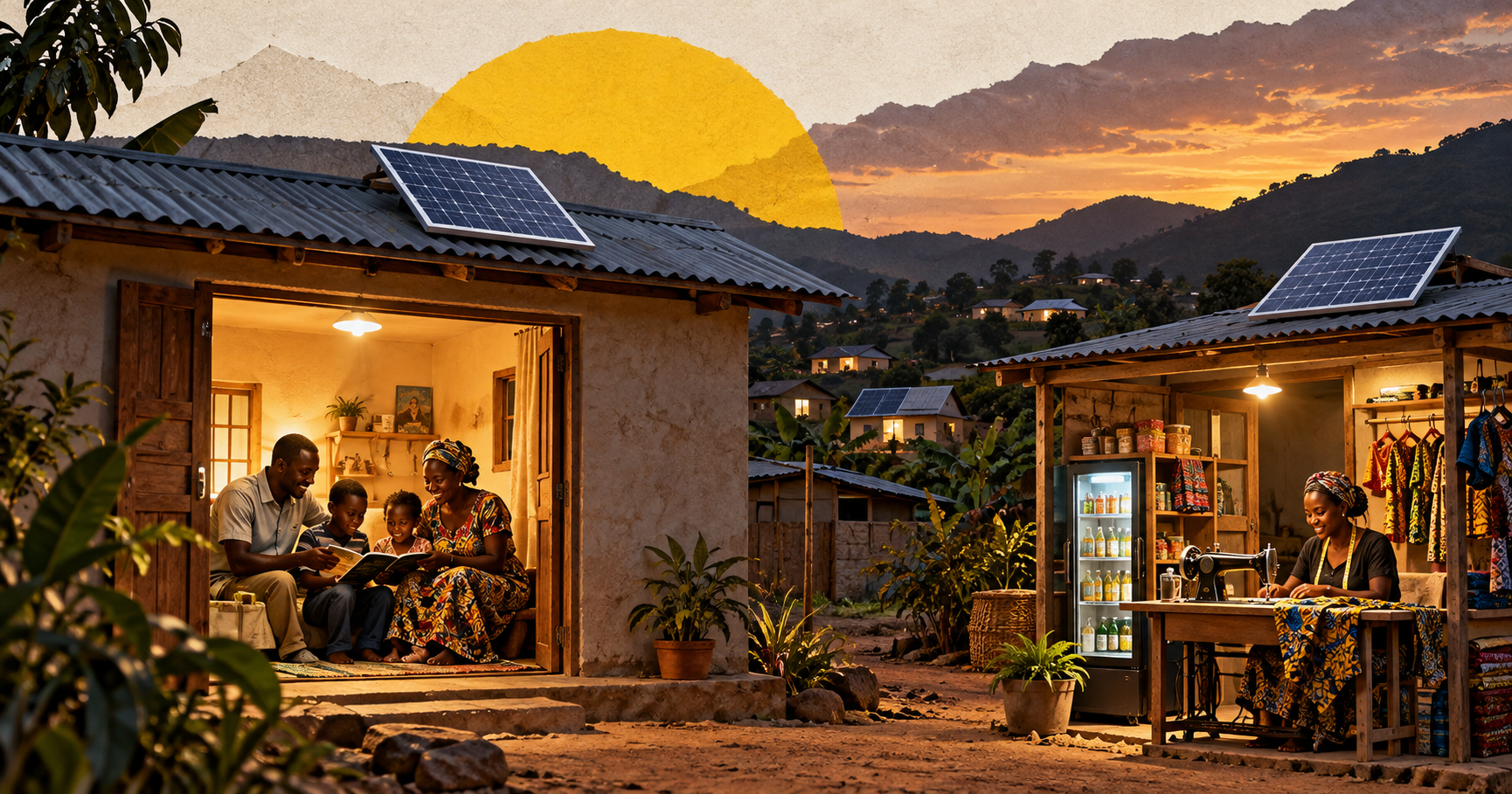
Small solar systems are powering homes, jobs and 7.4 million microenterprises.
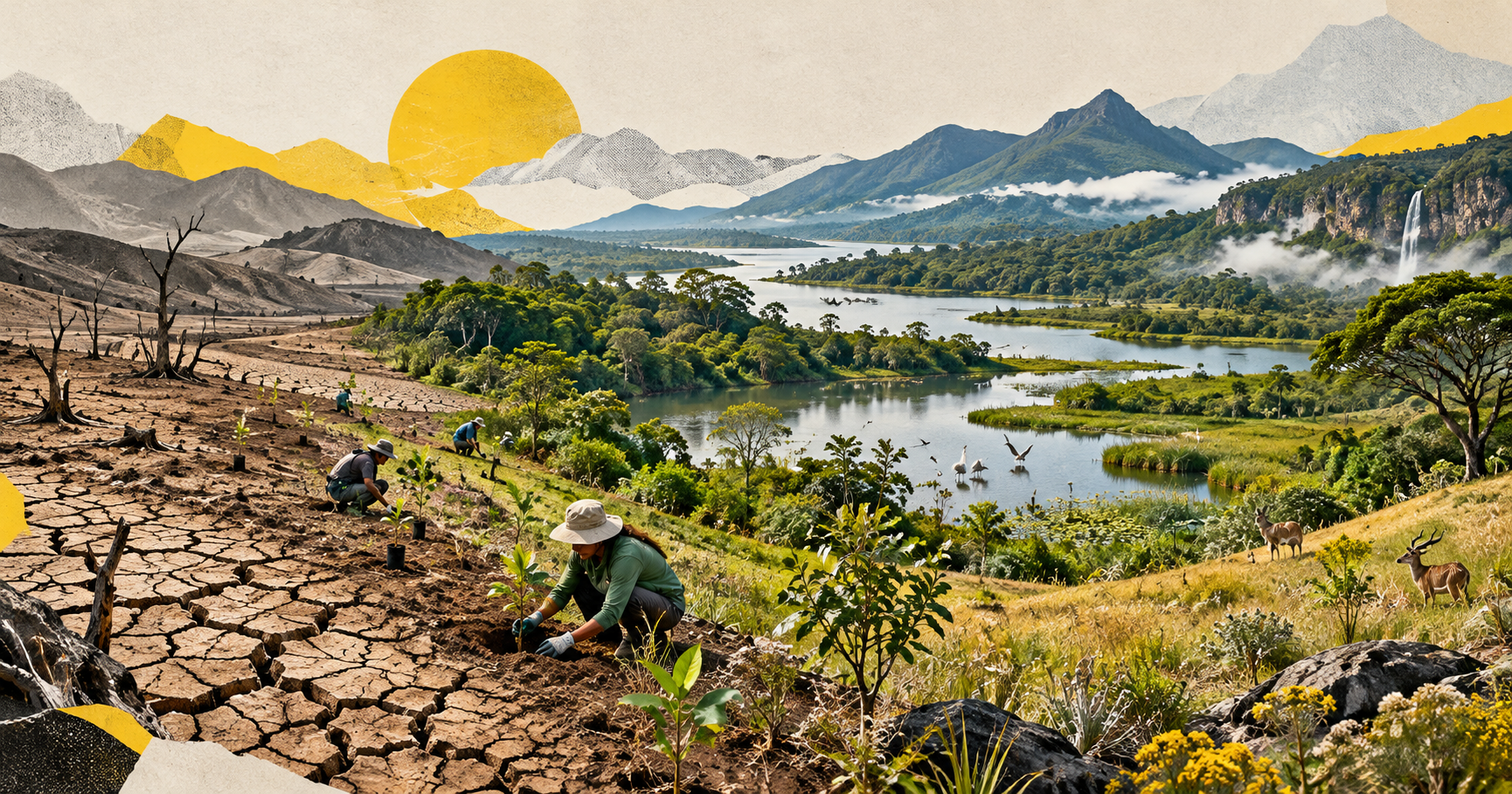
Nature restoration is scaling—and already supporting more than one million green jobs.

The 3,200 km² sanctuary was officially opened in December 2025. An October 2026 report describes subsequent fence removal and wider habitat work.

The rule targets excessive distribution markups while requiring manufacturers to maintain supply.
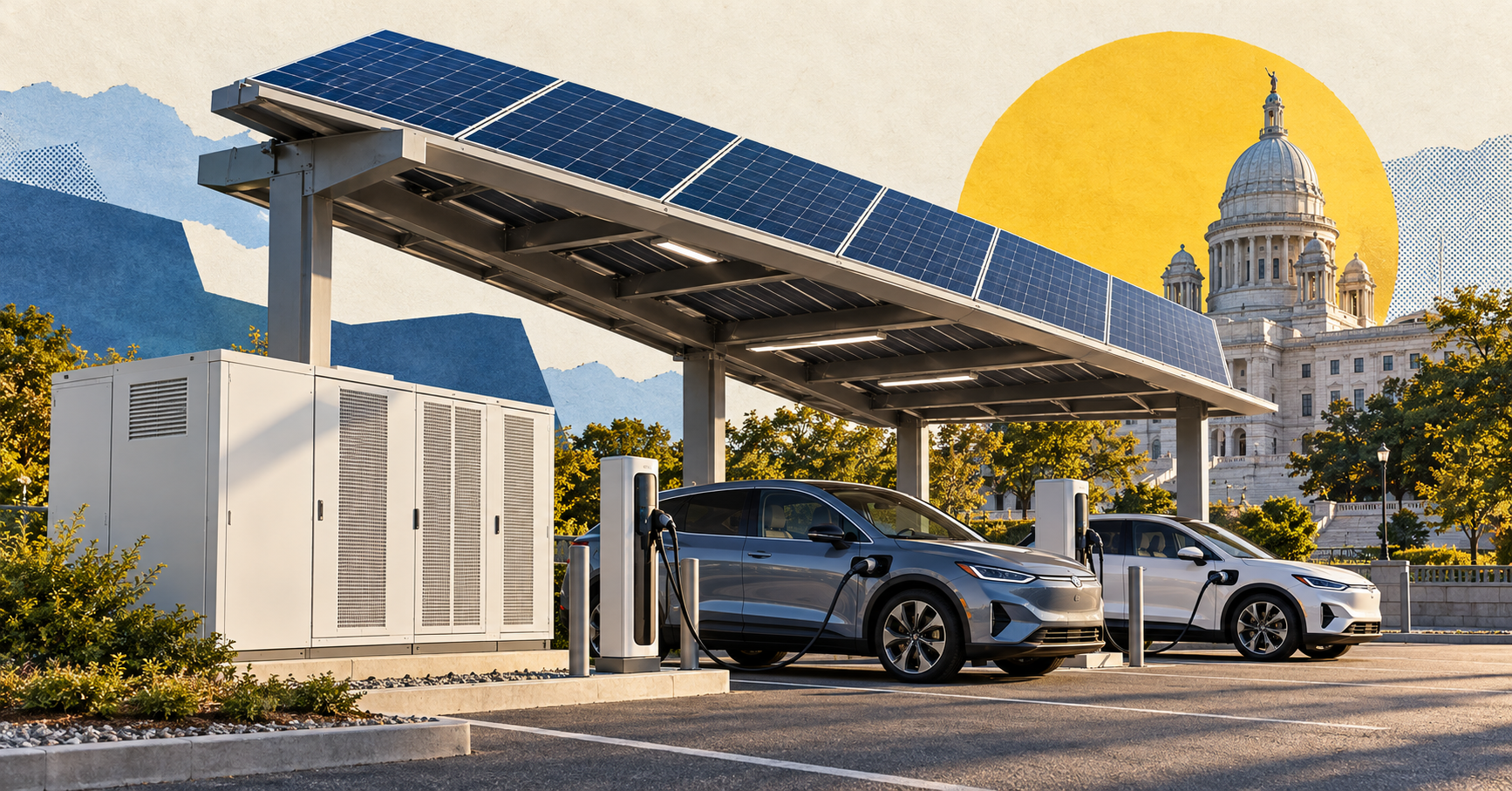
A government parking lot is becoming a small, flexible power system.

A few strategically bare loops replaced a forest of compromises.

A school-leaving law became rare causal evidence that social policy can shape brain health decades later.
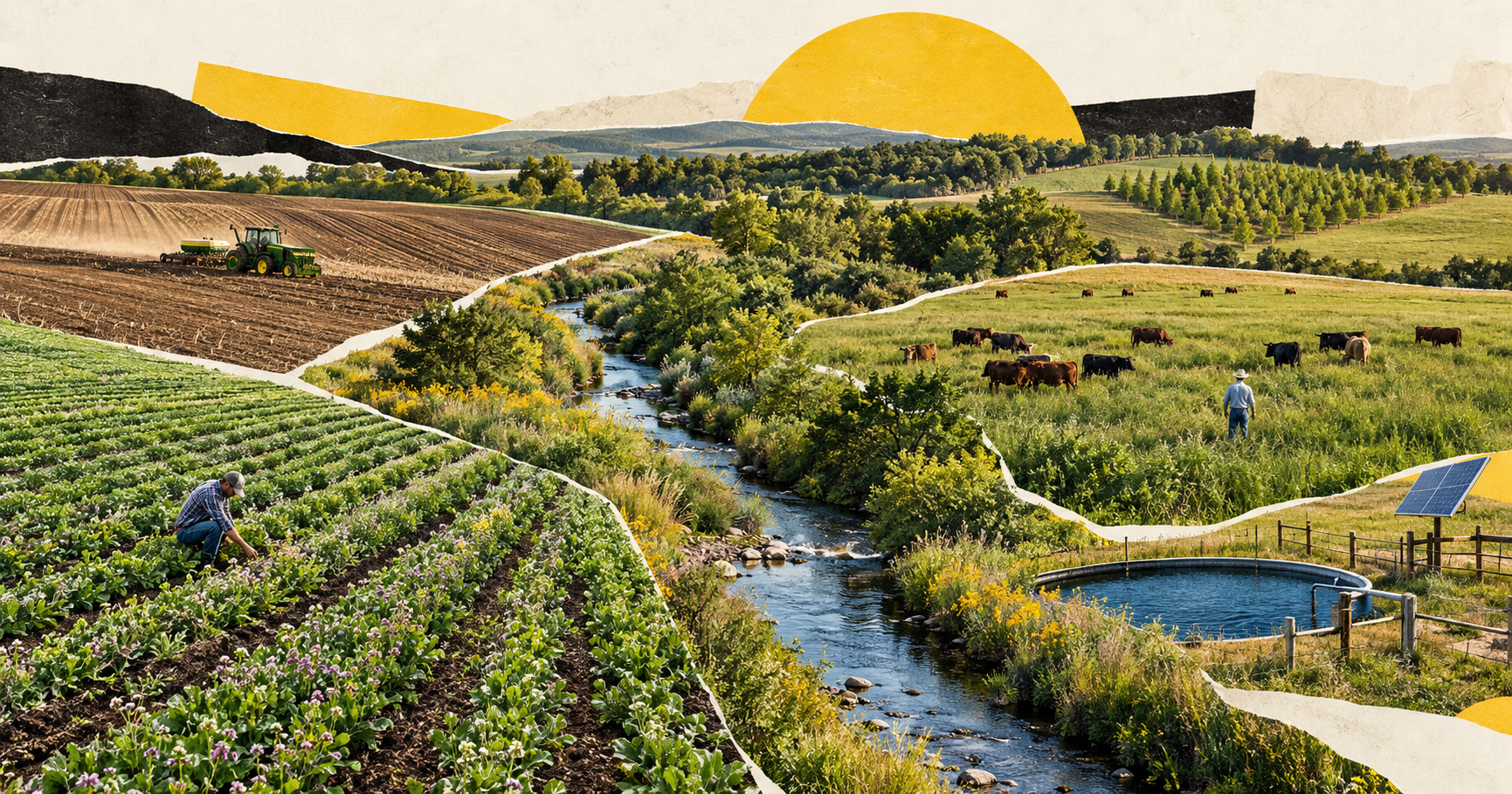
Conservation funding is moving onto farms with producer contracts attached.

A more precise signal gave exhausted treatment paths one more opening.

The lab bench is moving onto working farms.

More clean capacity arrived—and midday wholesale power got cheaper.
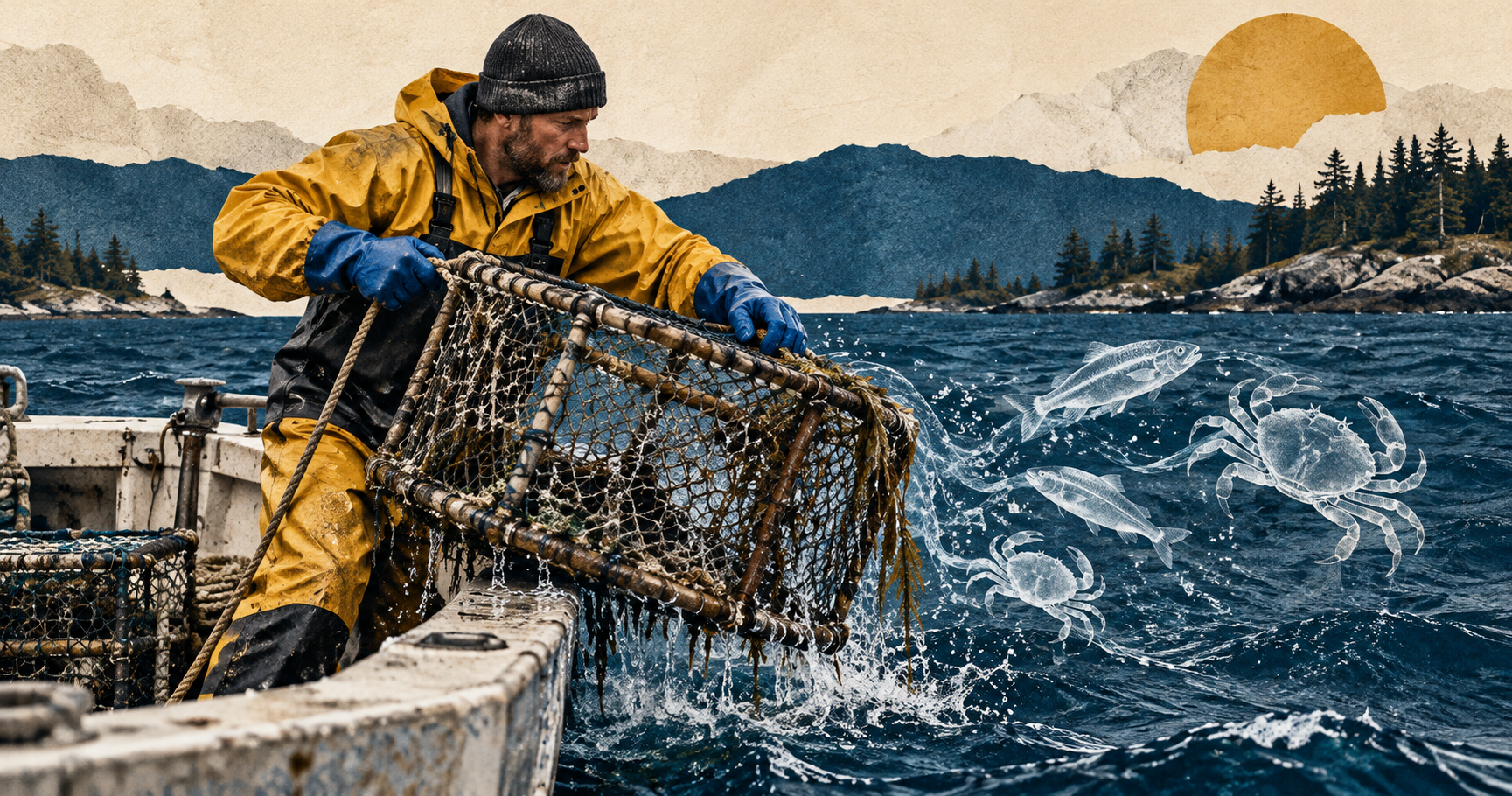
Old fishing gear came out. Data, habitat and coastal jobs moved in.

Six implementation projects and one study will test cleaner equipment from landfill methane sensors to factory batteries.

The system reasoned through 304 difficult cases step by step, but the result is still a benchmark—not patient care.
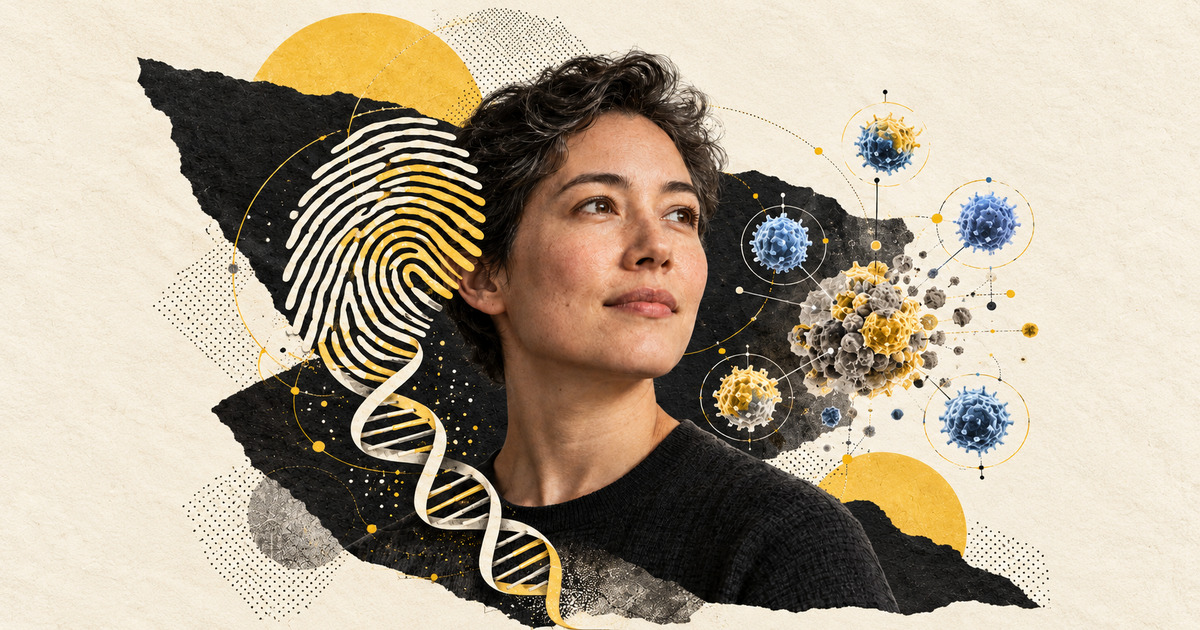
One tumor. One recipe. A 42% lower relative risk.
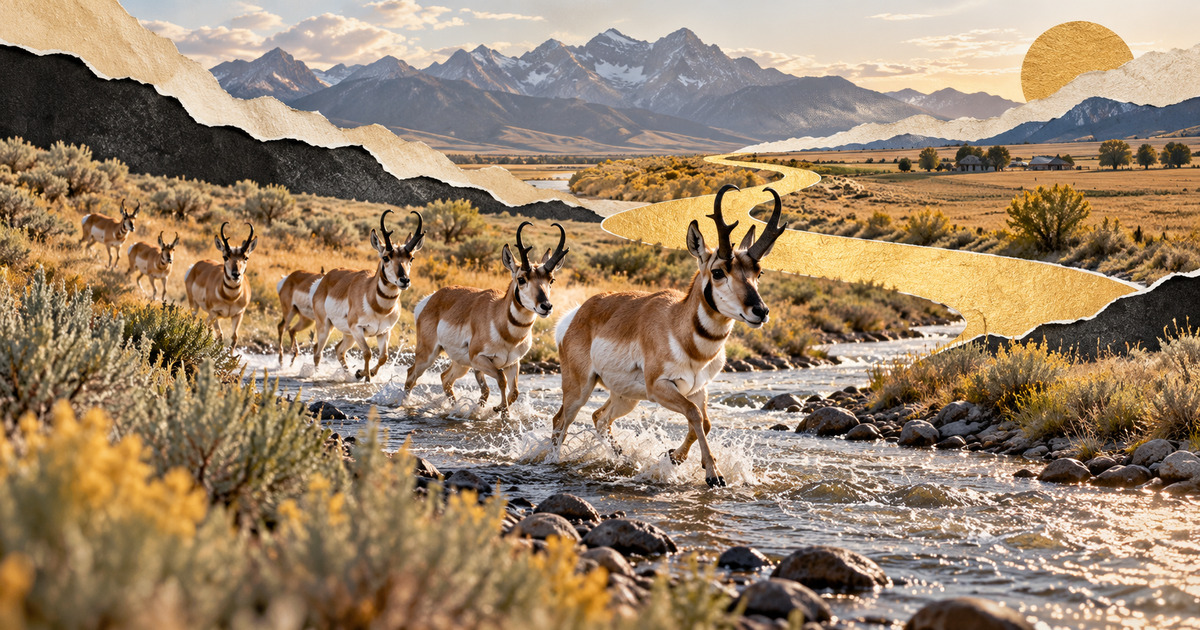
A narrow passage in a 150-mile migration just got durable protection.
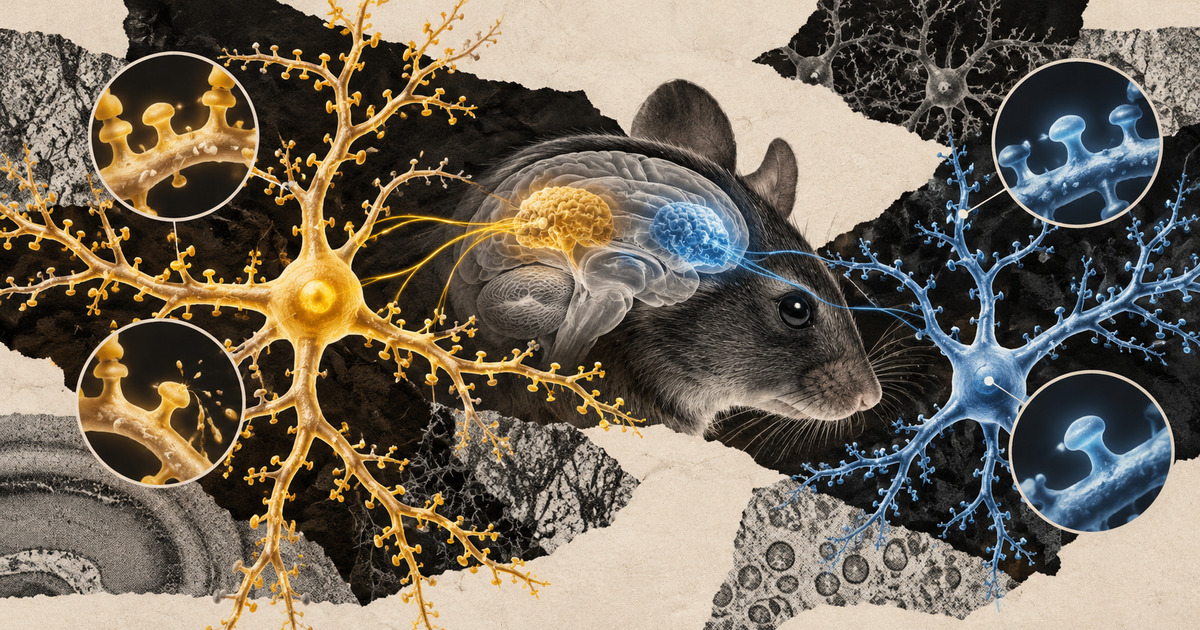
A circuit map hints that plasticity and hallucination may not be inseparable.

One positron. Months of control. A new precision tool for fundamental physics.

A new name for a landscape protected since 1924.

Exercise kept the heart inside the Mars envelope.

Big storage. Lower bills.
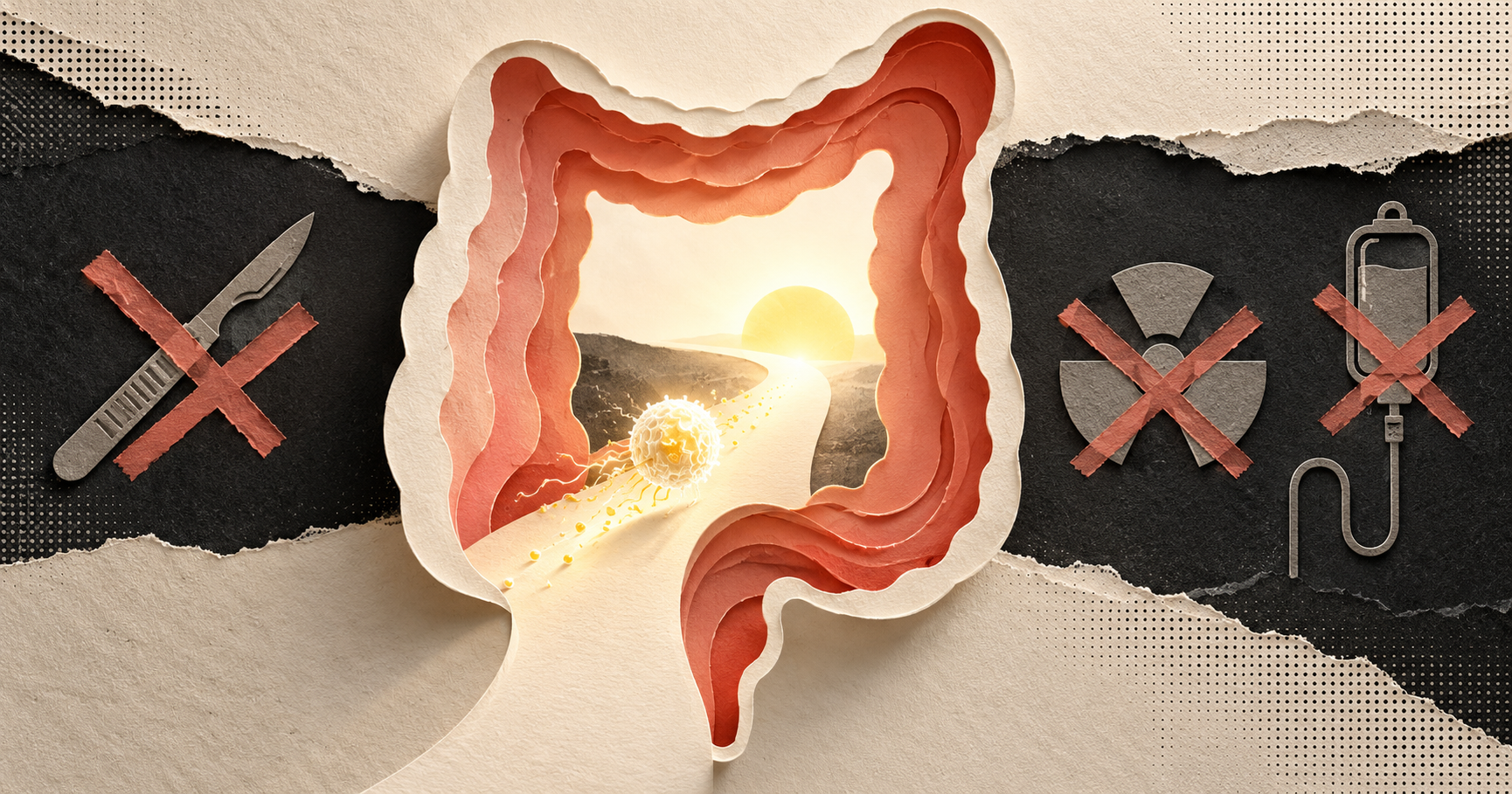
In an ongoing trial, nearly three-quarters had not needed the usual treatments after a median of more than two years.