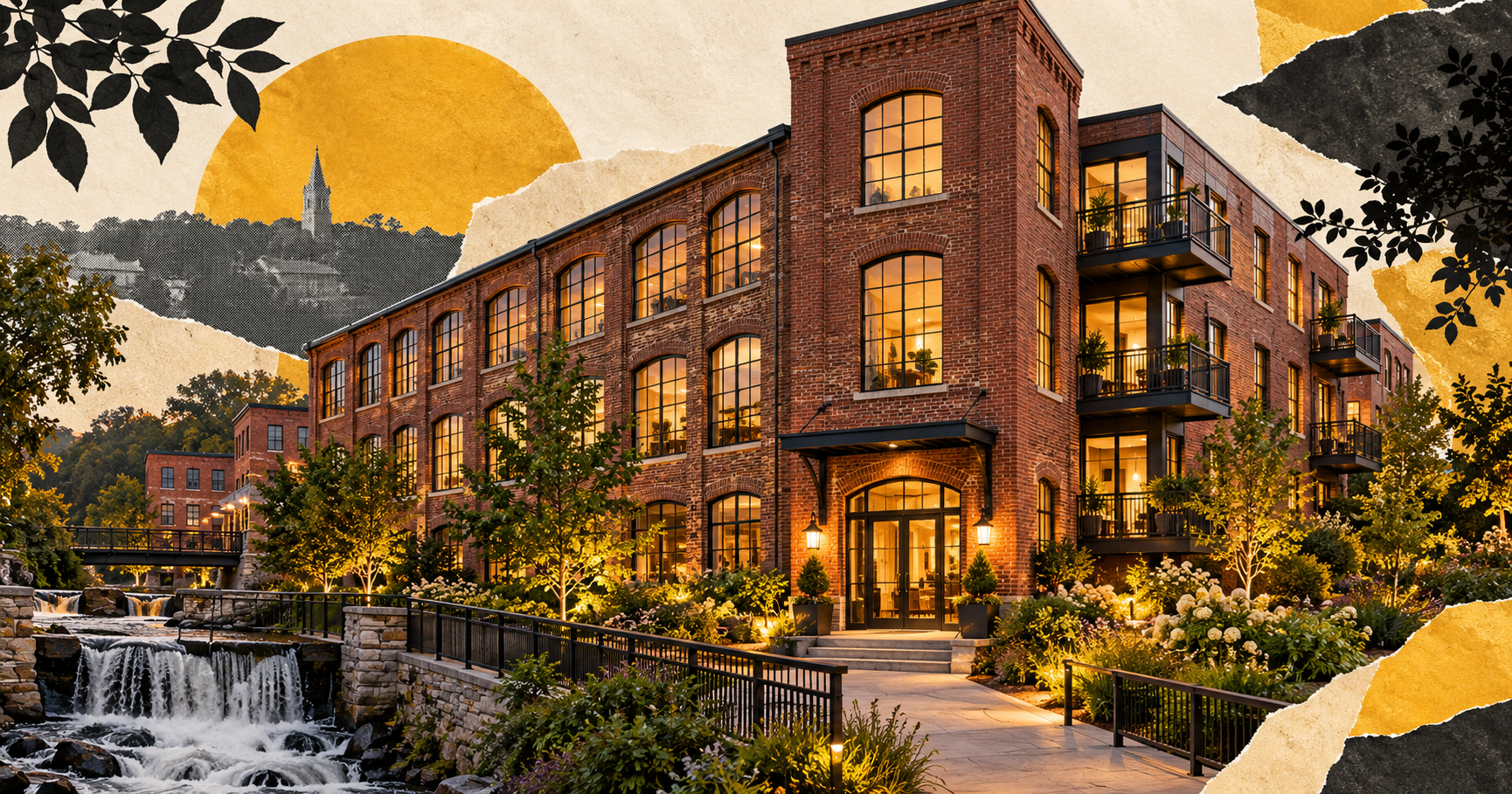
OLD BUILDINGS MADE ROOM FOR 21,934 HOMES.
Nine hundred thirty-nine completed rehabilitations turned underused historic buildings back into homes, businesses, workplaces and community spaces while supporting an estimated 163,000 jobs.
Evidence that some numbers move the right way. Unglamorous, incremental, absolutely worth filing.

Nine hundred thirty-nine completed rehabilitations turned underused historic buildings back into homes, businesses, workplaces and community spaces while supporting an estimated 163,000 jobs.

A six-month pilot will replace gasoline generators with batteries, cutting fumes and noise while gathering real-world data for thousands of street vendors.

The 3–2 ruling invalidated an expansion approval after the planning commission focused on only 2% of projected emissions and did not consider conditions for the other 98%.

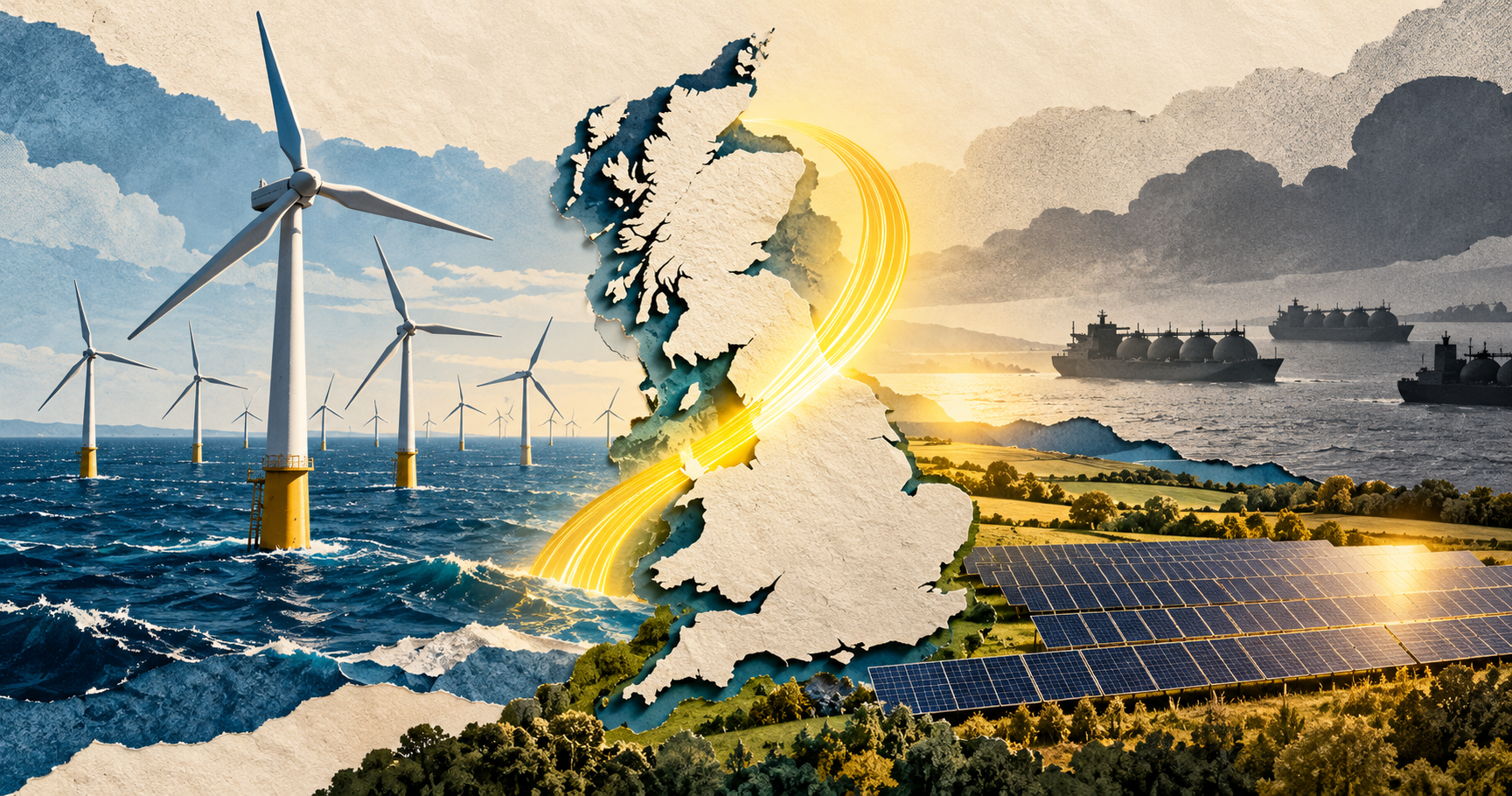
The clean-power buildout turned into an energy-security shield when global gas prices spiked.

The first global political declaration on sea-level rise says an island state does not stop being a country because rising water makes its land uninhabitable.

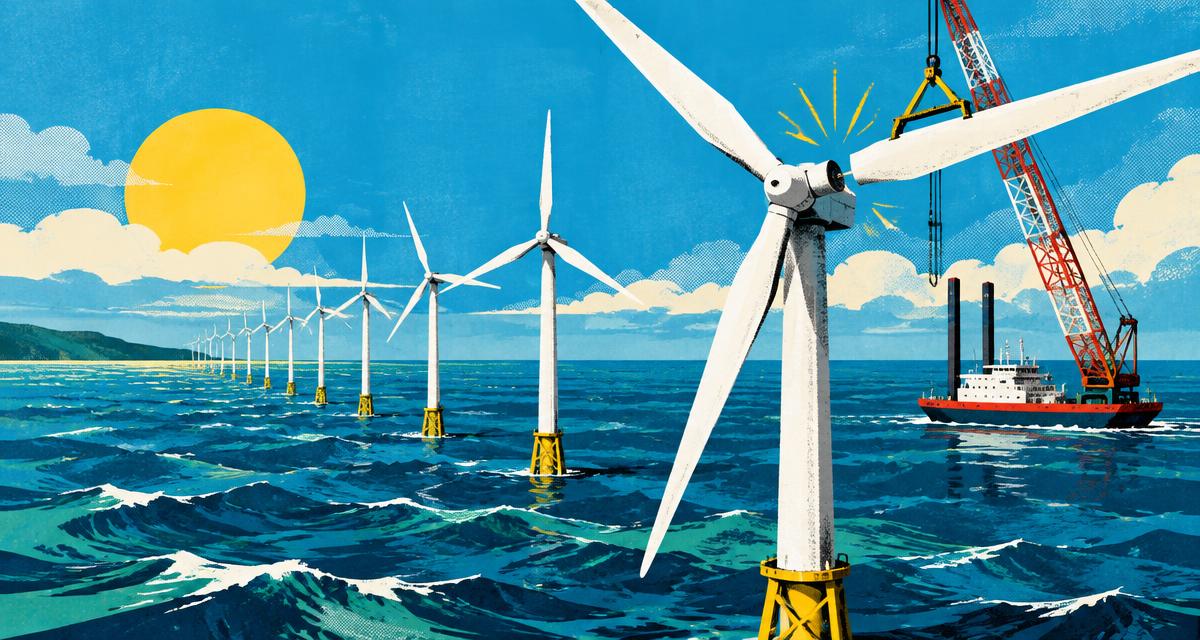
The final turbine is installed at Revolution Wind, a 704-megawatt offshore project built to serve Rhode Island and Connecticut.

HALO Trust has concluded humanitarian mine clearance in Kosovo, 27 years after the war left fields, roads and villages contaminated.

Europe's largest economy published a sector-by-sector plan to leave coal, oil and gas behind, only the third country to do so.

Book Bunk and Nairobi City County restored Eastlands and Kaloleni public libraries as free civic hubs. Book Bunk reports patronage up more than 240%.

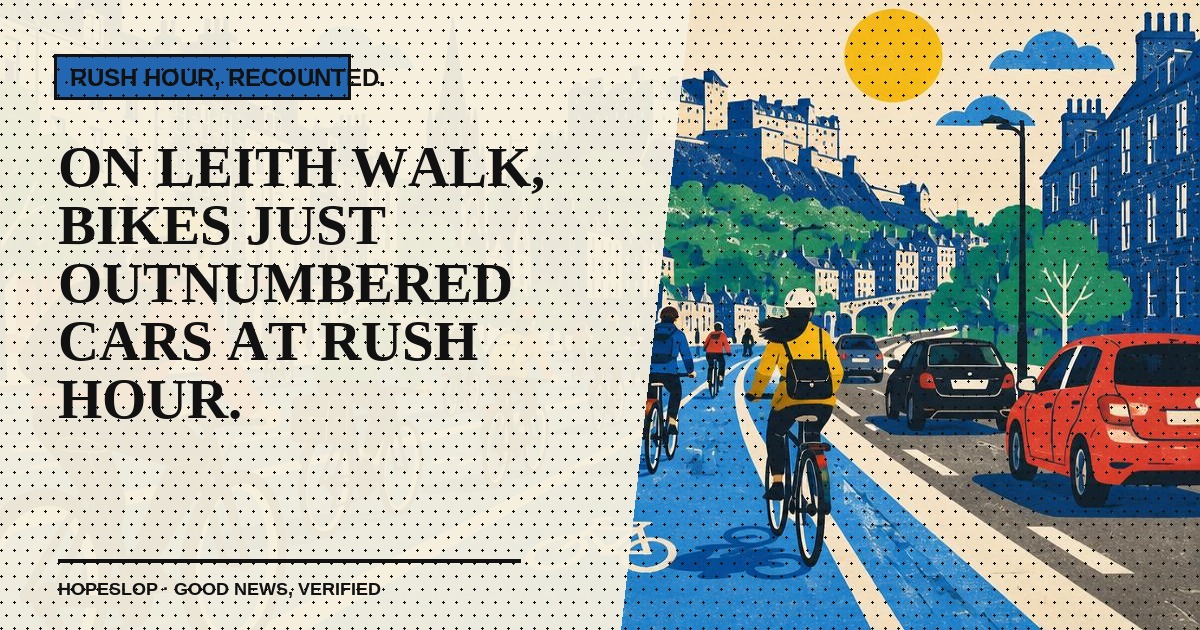
During one May morning count, Cycling Scotland recorded more bikes than cars on Leith Walk from 8 to 9 a.m.—a first for that route, not a claim about the whole city.
A WALL THAT BREATHES.
A 200-foot eroded bank at Sebastian Inlet State Park got 22 honeycomb reef arches and up to 90 red mangroves instead of a wall — finished September 10.
FIFTY YEARS. NO DOG-MEDIATED HUMAN CASES.
Chile became the first South American country validated by WHO for eliminating dog-transmitted rabies as a public-health problem after more than five decades without a dog-mediated human case.
CÔTE D’IVOIRE CONNECTED 3.56 MILLION MORE PEOPLE…
684,735 new connections. Around 3.56 million more people with access.
CIVIC INFRASTRUCTURE: 1. POTHOLES: 0.
Two hundred thousand holes became not-holes.
THE MAP WAS THE PROBLEM.
Africa was not small. The map was weird.
RUBELLA, OFF THE LIST.
Decades of vaccination and surveillance turned a dangerous pregnancy infection into a preventable public-health victory.
STONE IS LOAD-BEARING AGAIN.
The future of lower-carbon construction might involve a material humans have been stacking for thousands of years.
TRACHOMA, REGION-WIDE, GONE.
WHO has validated Timor-Leste’s elimination of trachoma as a public health problem. Because it was the last country in WHO’s South-East Asia Region where the disease was still suspected to be a public-health problem, the entire region has now cleared that threshold.
RABIES LOST ITS FOOTHOLD.
WHO has validated Bhutan’s elimination of dog-transmitted human rabies as a public-health problem — the first country in WHO’s South-East Asia Region to reach the milestone. Bhutan has gone more than two years without a human death from dog-transmitted rabies. Vaccines, surveillance and people showing up worked.