SCIENCE
THE GENOME GOT A BIGGER TOOLBOX.
SCIENCE
Gene editing just learned to move bigger pieces of DNA.
A new lab method can place gene-sized DNA at targeted sites in human cells. No patients yet.
SOURCENature
—
These are the stories readers most often counted as progress.
THE GENOME GOT A BIGGER TOOLBOX.
A new lab method can place gene-sized DNA at targeted sites in human cells. No patients yet.
THE LETTUCE LIVES UPSTAIRS.
The brewery put a lettuce farm upstairs. In Skagway, that actually works.
184 CHICKS. NEW RECORD.
99 pairs. 184 chicks. Best season since the 1986 endangered listing.
LAB BENCH HOPE.
42 antibodies made. Two blocked the reaction. In a dish, for now.
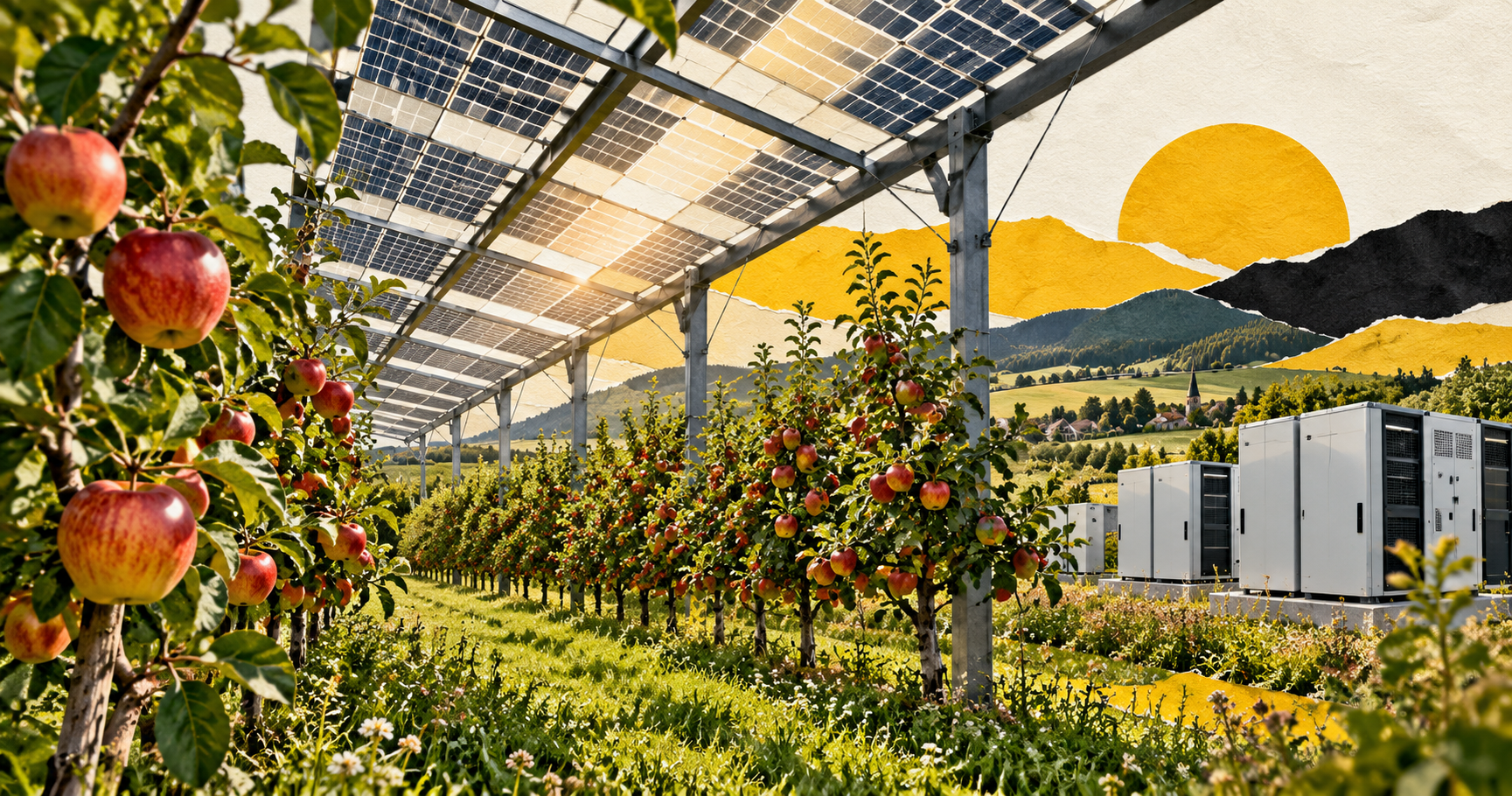
The same canopy shields apples from hail and heavy rain, stores power and supplies a nearby sorting facility.
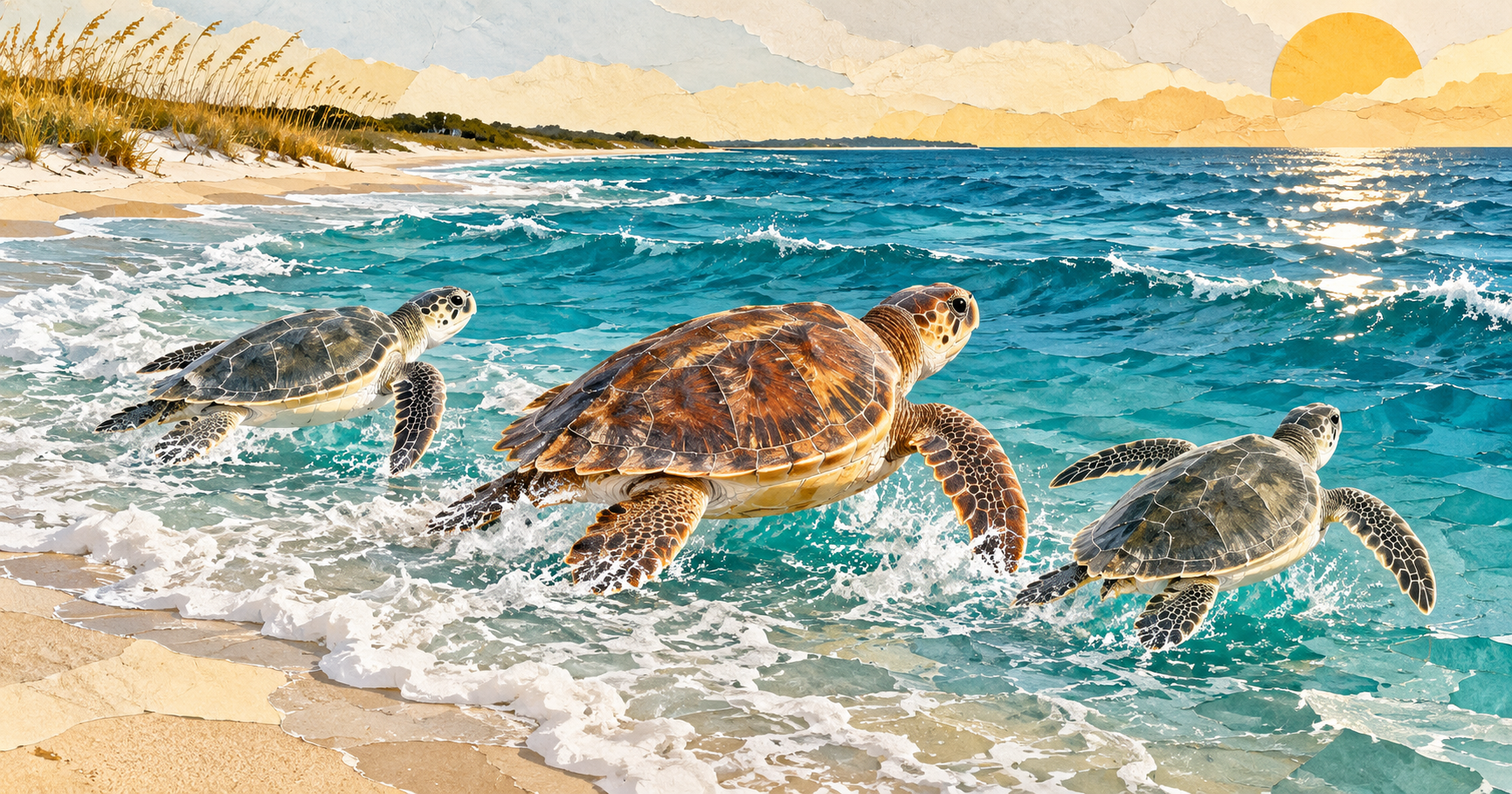
Honey, Hope and Buffalo returned to the Atlantic after months of individualized care for fishhook injuries and related complications.

That share was just 2% in 2017, and reported project plans put it above 30% for 2027 and 2028.

An independent WHO assessment found no such infant infections from 2022 through 2024, with 98% coverage for care, testing and treatment.

178,000 hectares of state forest and Crown land are joining a 475,000-hectare protected landscape.

Six implementation projects and one study will test cleaner equipment from landfill methane sensors to factory batteries.
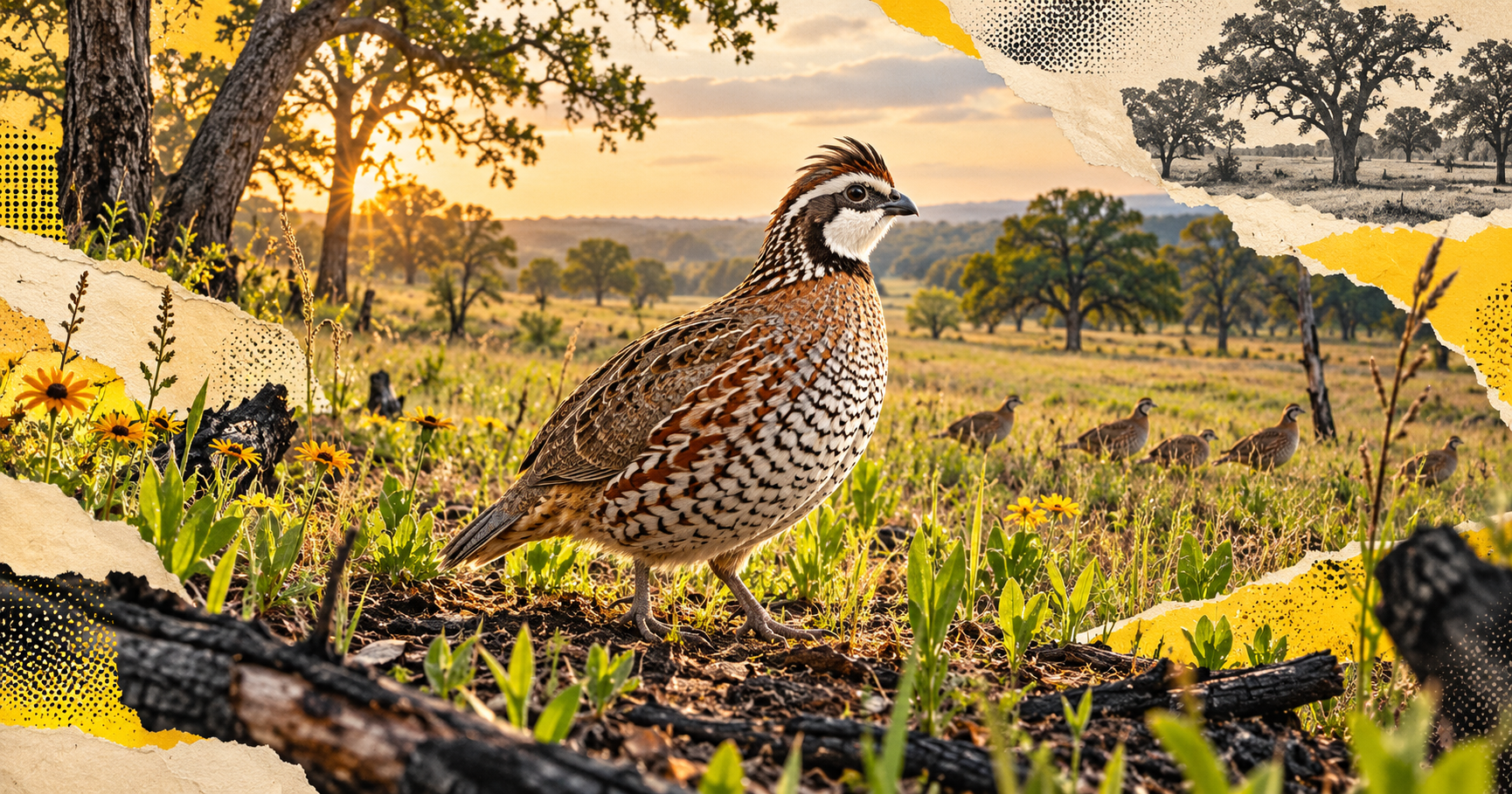
Multiple coveys are an early sign that open-savanna restoration is rebuilding room for a long-declining bird.
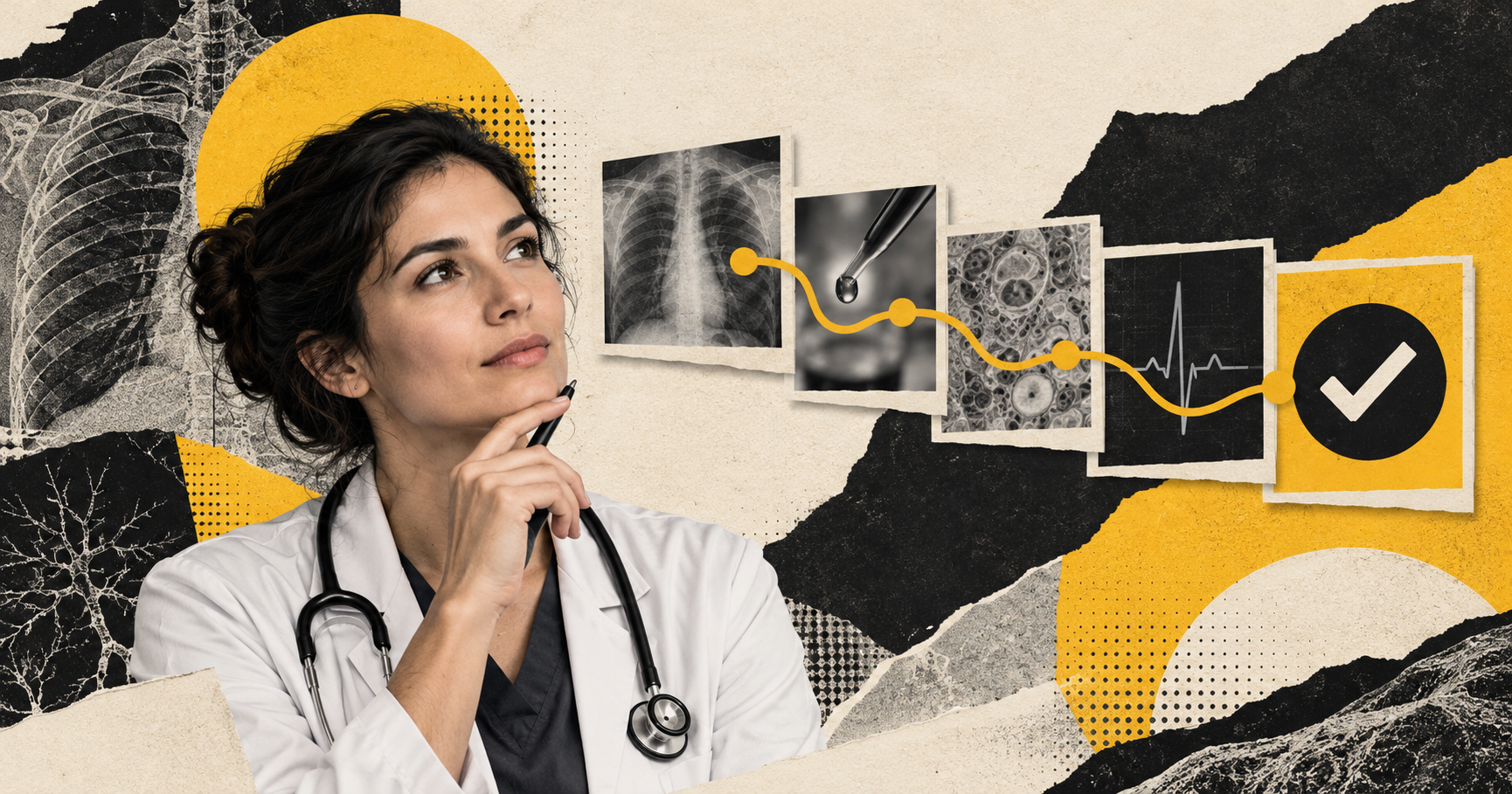
The system reasoned through 304 difficult cases step by step, but the result is still a benchmark—not patient care.

A new name for a landscape protected since 1924.
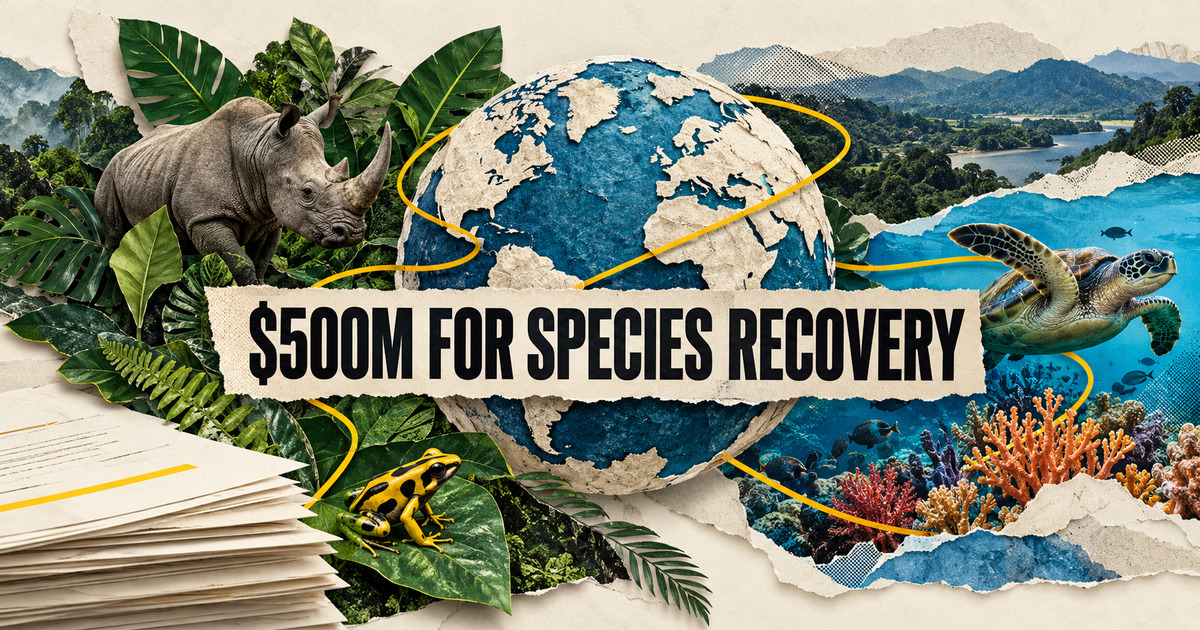
A new alliance is coordinating five years of targeted recovery funding.

The instant discount is reaching first-time electric-car buyers at the dealership.

Reported malaria deaths fell from 3,259 in 2011 to 52 in 2025.

The future changed 2.2 million times.
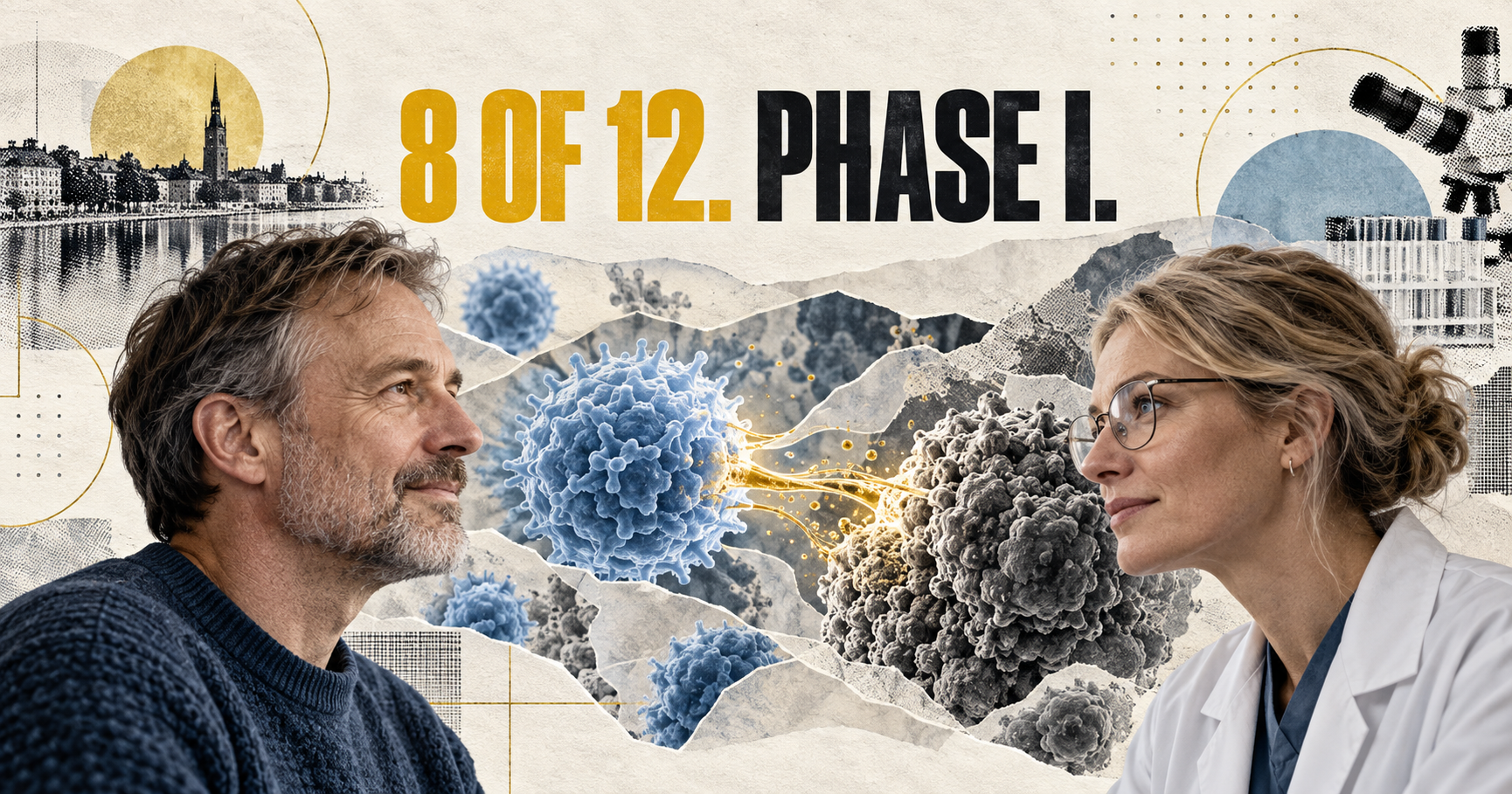
Eight complete responses. Twelve patients.

A pipe budget can become a heat pump.

Forty-four, from the brink.

A 32-person study found less injury and fewer symptoms—but it is still early.
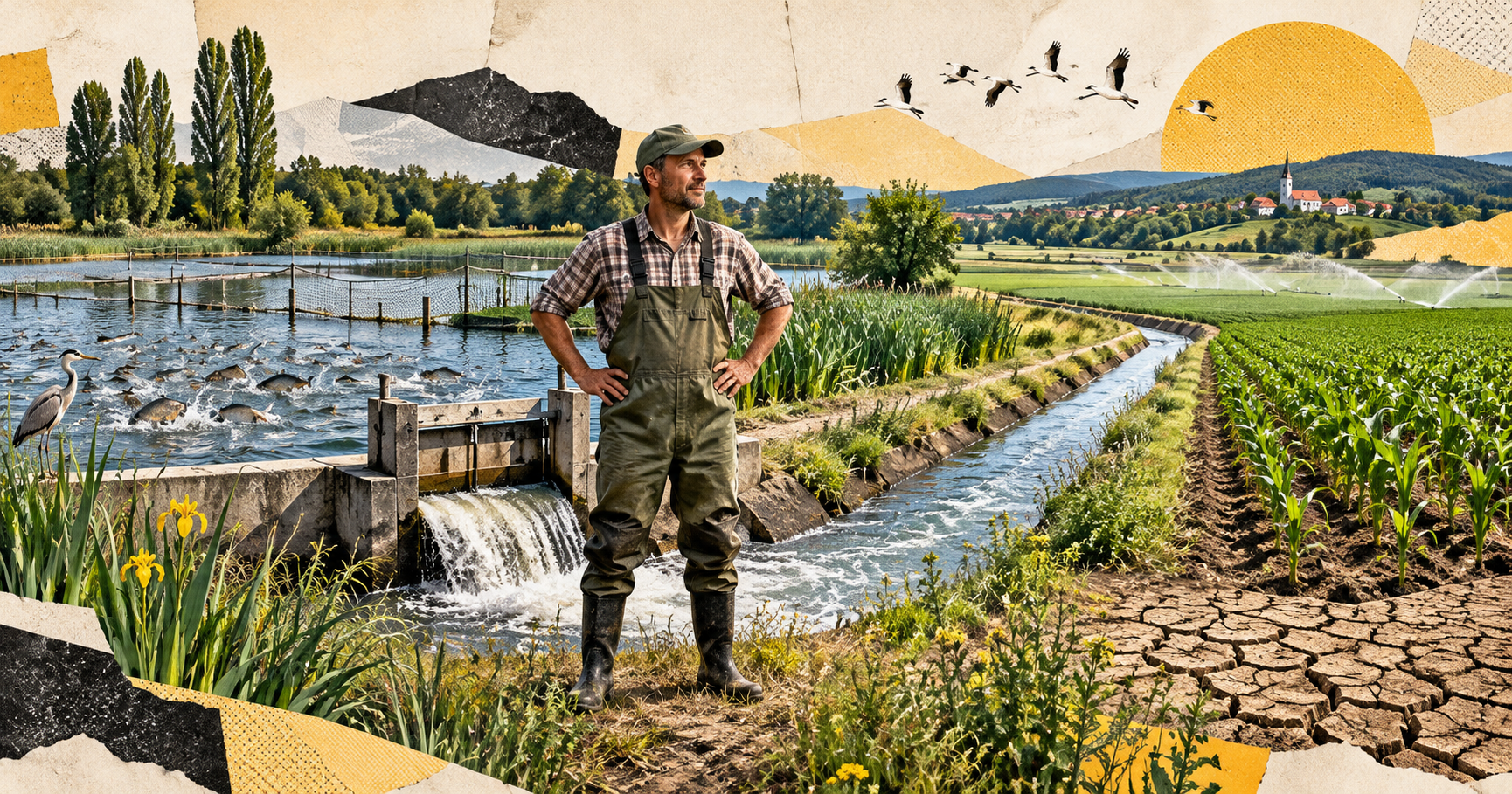
Post-harvest pond water is getting a second job on farms and wetlands.

A monitor improved when patients could explain what its sensors got wrong.

In the OPTIMA extension, adults who stayed on Pasatru had no new lesions detected between weeks 56 and 84; the placebo group had nine.