Barbados eliminated mother-to-child HIV transmission as a public-health problem.
An independent WHO assessment found no such infant infections from 2022 through 2024, with 98% coverage for care, testing and treatment.
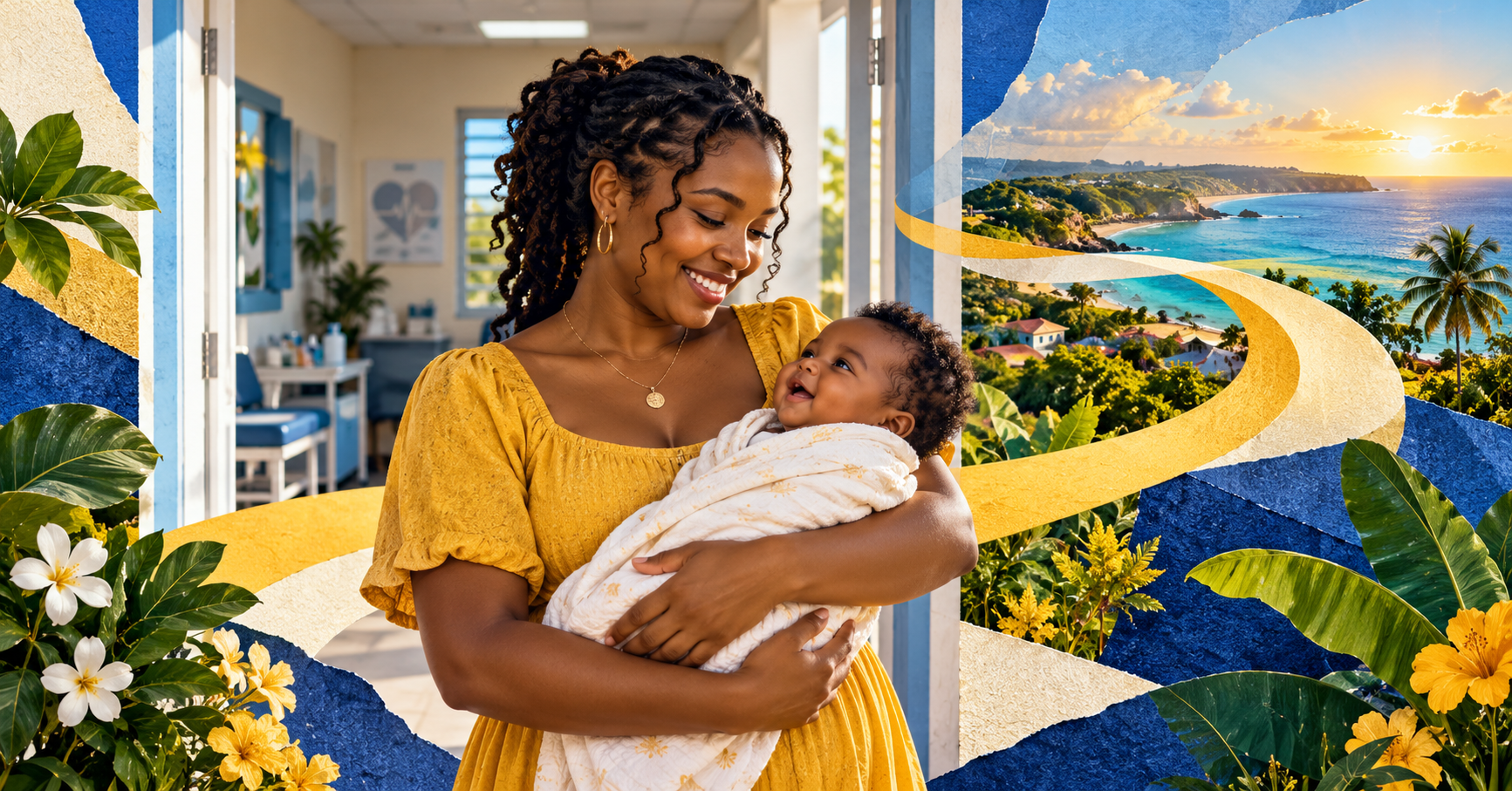
On October 30, the World Health Organization certified that Barbados had eliminated mother-to-child transmission of HIV as a public-health problem. No new infant HIV infections from mother-to-child transmission were reported among babies born in the country from 2022 through 2024.
WHAT HAPPENED
The independent assessment found that 98% of pregnant women received antenatal care, 98% were tested for HIV and 98% of pregnant women living with HIV received antiretroviral treatment during the three-year assessment period. Testing and treatment are free for pregnant women regardless of nationality, and exposed babies receive early testing and follow-up. Barbados is now among 26 countries and territories recognized by WHO for eliminating mother-to-child transmission of HIV, syphilis or hepatitis B, or for being on track.
WHY THIS IS HOPESLOP
This milestone was built out of ordinary systems doing their work exceptionally well: universal appointments, confidential testing, free treatment and careful follow-up. “Eliminated as a public-health problem” is a precise certification, not a claim that HIV no longer exists; keeping the status will require continued investment and care.
ORIGINAL SOURCEWorld Health Organization / PAHORead the original report
A DAILY ALLEGATION OF PROGRESS.
One good thing from the internet, every day. Nothing else.
MORE HOPESLOP
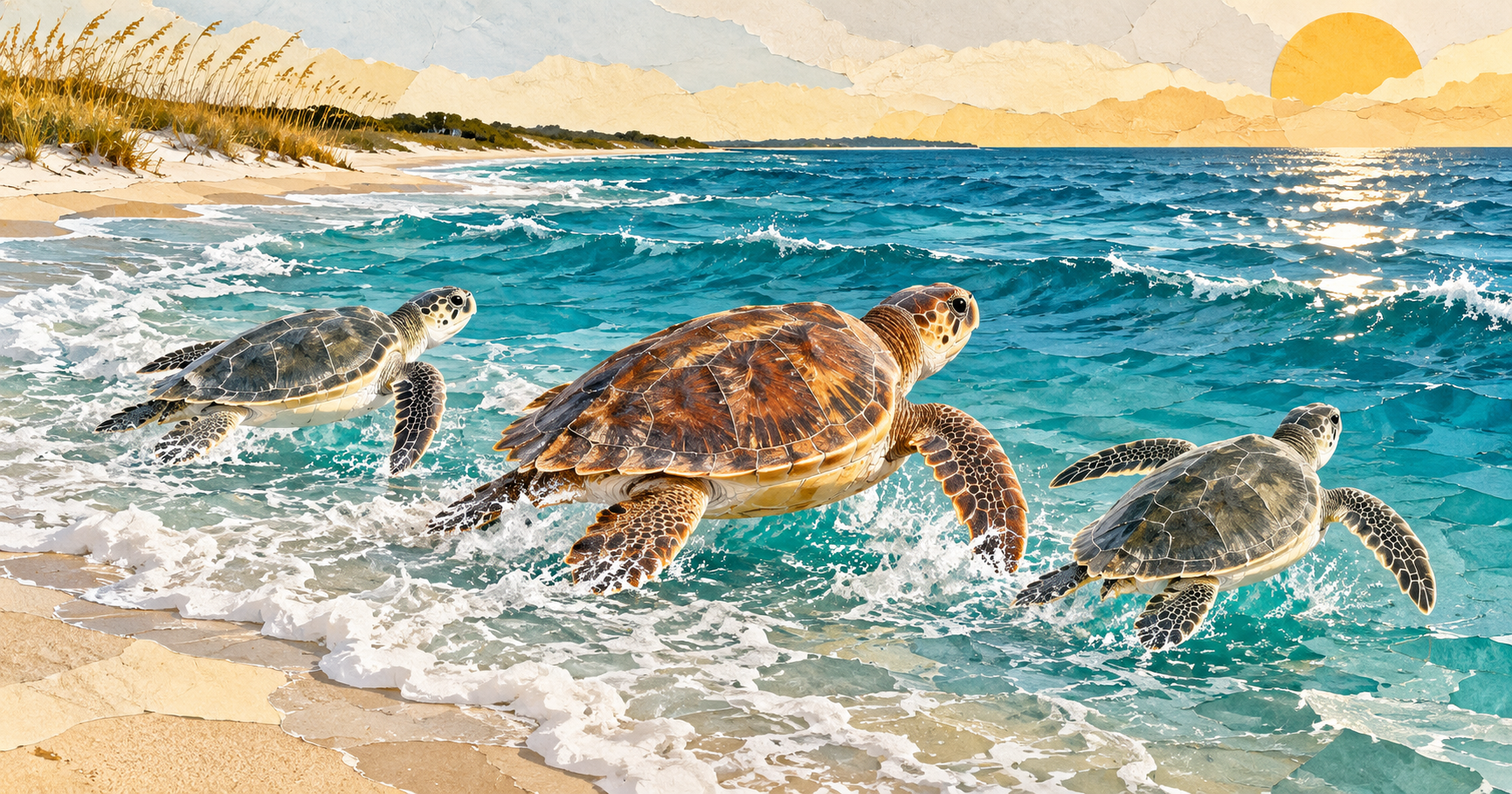
Three rehabilitated sea turtles became releases 497, 498 and 499 at a South Carolina aquarium.
Honey, Hope and Buffalo returned to the Atlantic after months of individualized care for fishhook injuries and related complications.

Sixteen percent of new U.S. utility-scale solar now arrives with battery storage.
That share was just 2% in 2017, and reported project plans put it above 30% for 2027 and 2028.
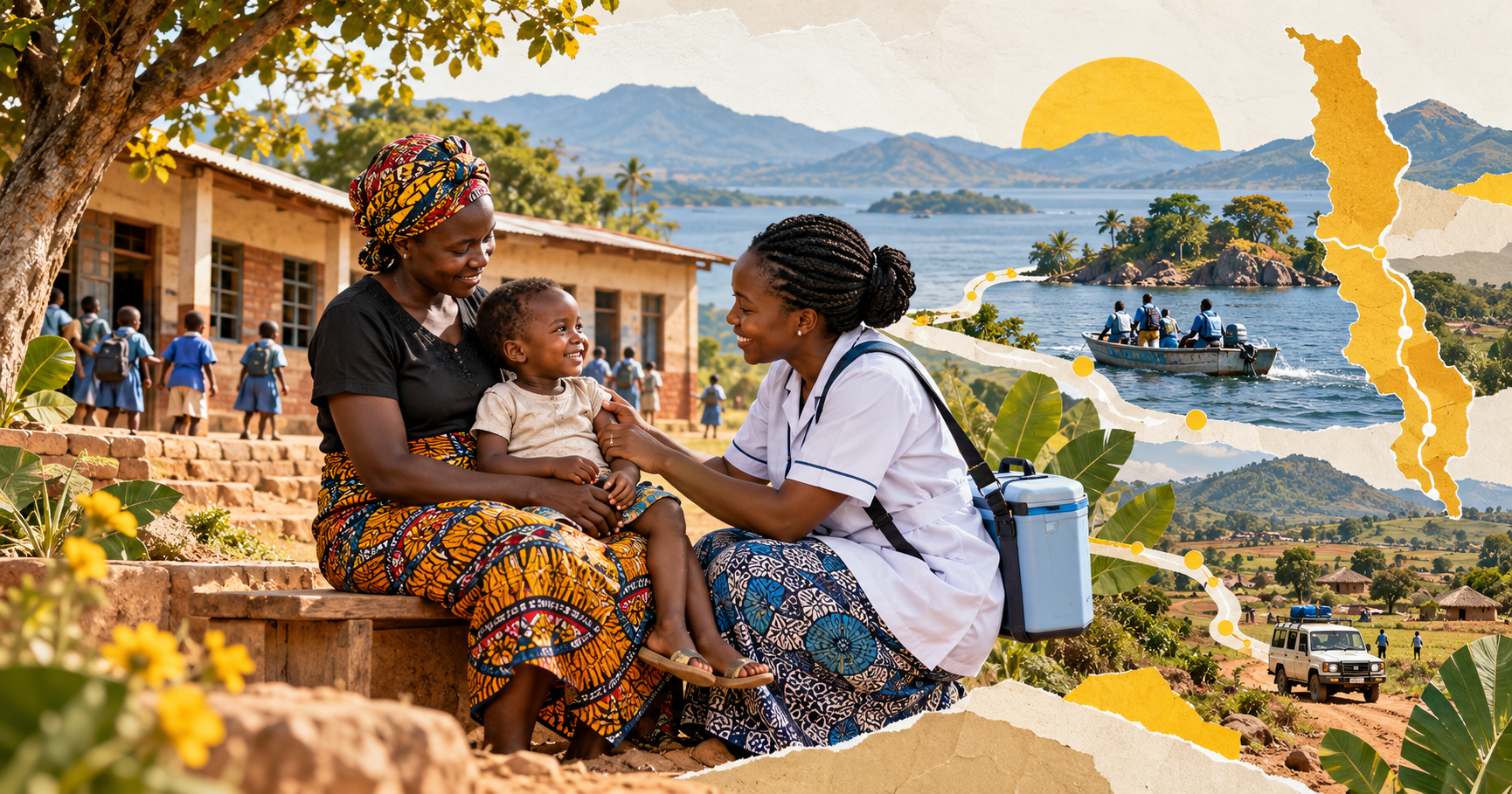
Malawi now reports its September measles-rubella campaign reached more than 5.8 million children.
The final WHO update says the nationwide drive met its target, including remote island and river communities.