Three rehabilitated sea turtles became releases 497, 498 and 499 at a South Carolina aquarium.
Honey, Hope and Buffalo returned to the Atlantic after months of individualized care for fishhook injuries and related complications.
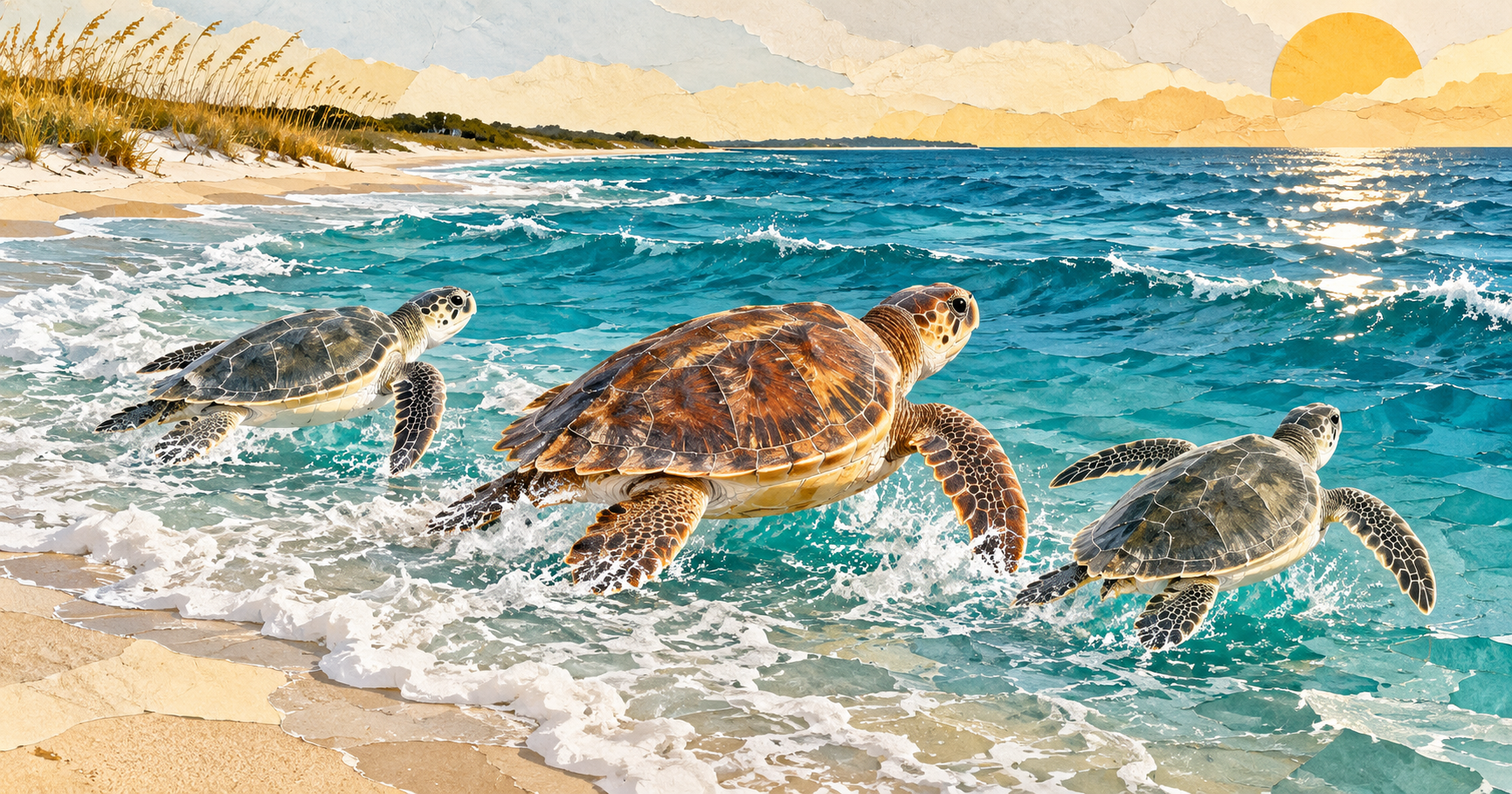
Honey, Hope and Buffalo became the South Carolina Aquarium Sea Turtle Care Center's 497th, 498th and 499th releases after treatment for fishhook injuries and other complications.
WHAT HAPPENED
Honey, an adult female loggerhead, arrived with a hook in her mouth, a shell wound and leeches. Hope, a juvenile Kemp's ridley, was underweight after swallowing a fishing hook. Buffalo, another juvenile Kemp's ridley, received treatment after a hook injury, and staff later found plastic in a fecal sample. After rehabilitation and veterinary clearance, all three returned to the Atlantic from Folly Beach. The aquarium says the individual designated as its 500th release will not be selected in advance; it will simply be the next patient ready to go home.
WHY THIS IS HOPESLOP
Wildlife recovery is often measured in populations. This is the hands-on scale beneath those charts: three injured animals, months of skilled care and three clean returns to the ocean. It is not evidence that sea turtle threats have disappeared, only that rehabilitation can turn specific emergencies into second chances.
ORIGINAL SOURCESouth Carolina Aquarium / Association of Zoos and AquariumsRead the original report
A DAILY ALLEGATION OF PROGRESS.
One good thing from the internet, every day. Nothing else.
MORE HOPESLOP

Sixteen percent of new U.S. utility-scale solar now arrives with battery storage.
That share was just 2% in 2017, and reported project plans put it above 30% for 2027 and 2028.

Barbados eliminated mother-to-child HIV transmission as a public-health problem.
An independent WHO assessment found no such infant infections from 2022 through 2024, with 98% coverage for care, testing and treatment.
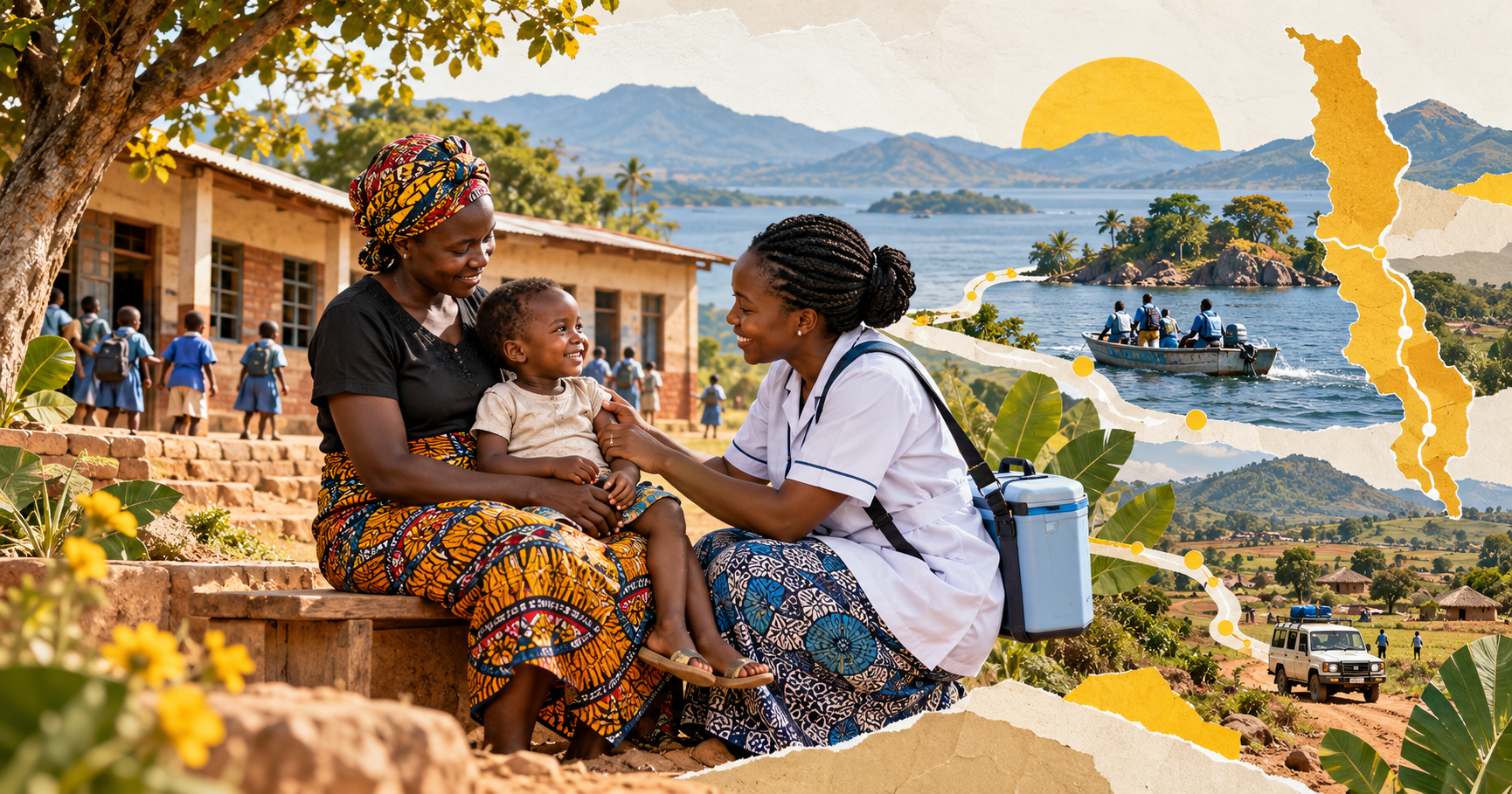
Malawi now reports its September measles-rubella campaign reached more than 5.8 million children.
The final WHO update says the nationwide drive met its target, including remote island and river communities.