ANIMALS
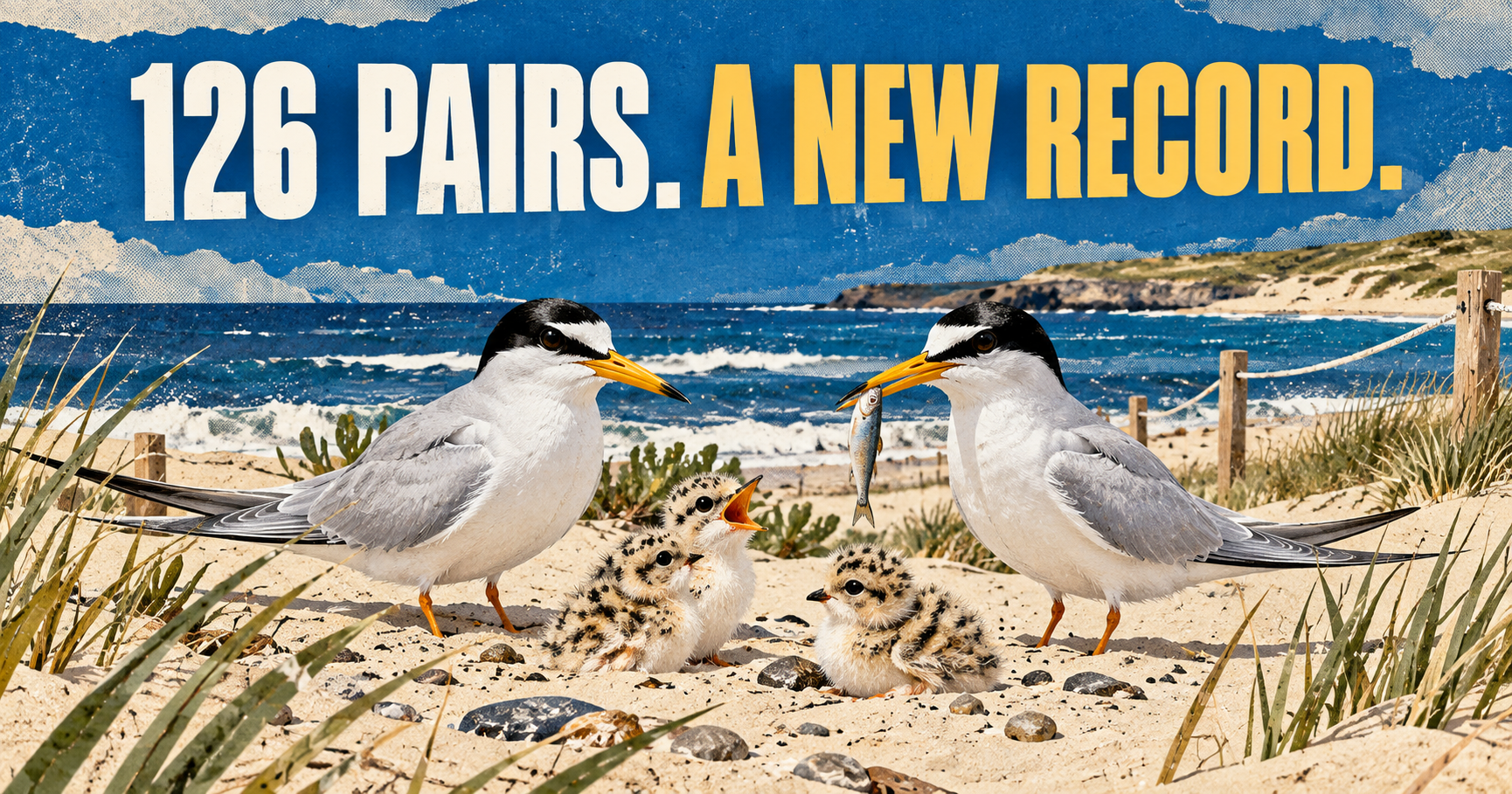
The little terns more than doubled their old nesting record.
After bird flu and flooded nests, Britain’s second-rarest breeding seabird had its best Long Nanny season on record.
SOURCENational Trust
—
Every serving. No expiration date. Page 4 of 6.
After bird flu and flooded nests, Britain’s second-rarest breeding seabird had its best Long Nanny season on record.

Four weeks of at-home magnetic-field sessions produced encouraging early signals for long-COVID cognitive impairment.
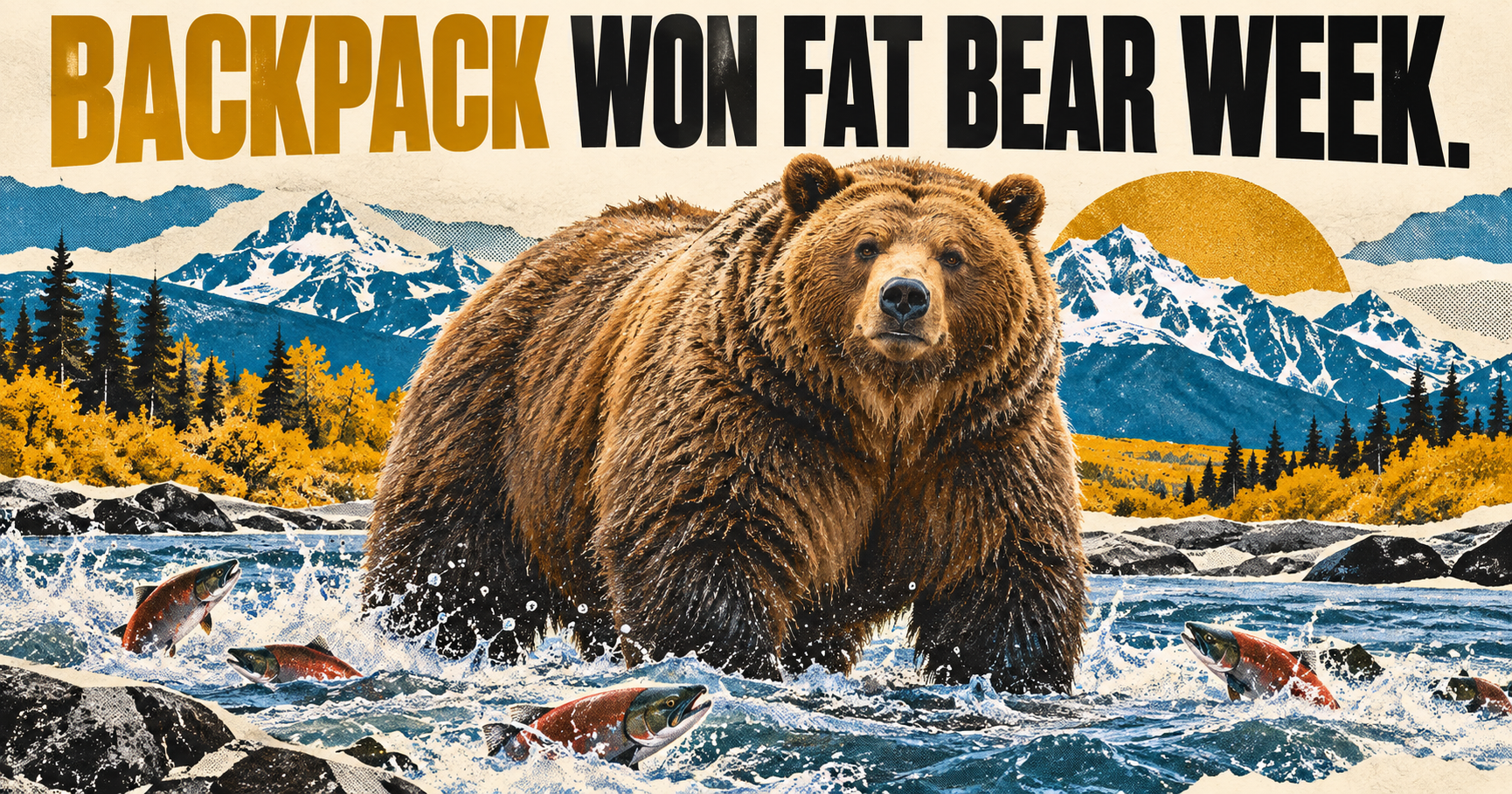
A brown bear called Backpack packed on enough Alaska to win the internet’s favorite wildlife election.
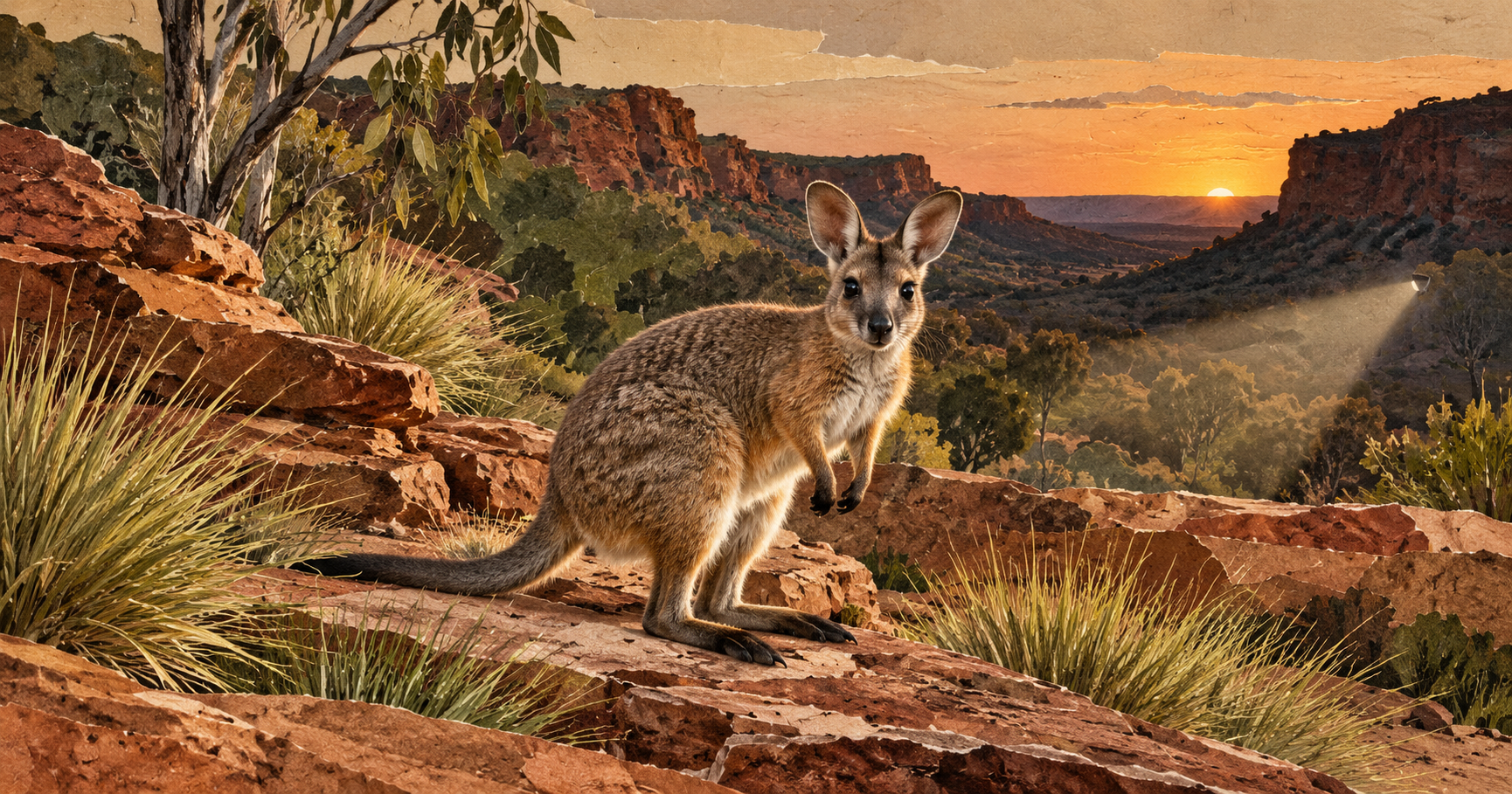
Conservationists confirmed endangered nabarleks at two mainland sites on Dambeemangaddee Country — the first detections there in more than 50 years. Turns out the tiny wallaby had not entirely left the building.
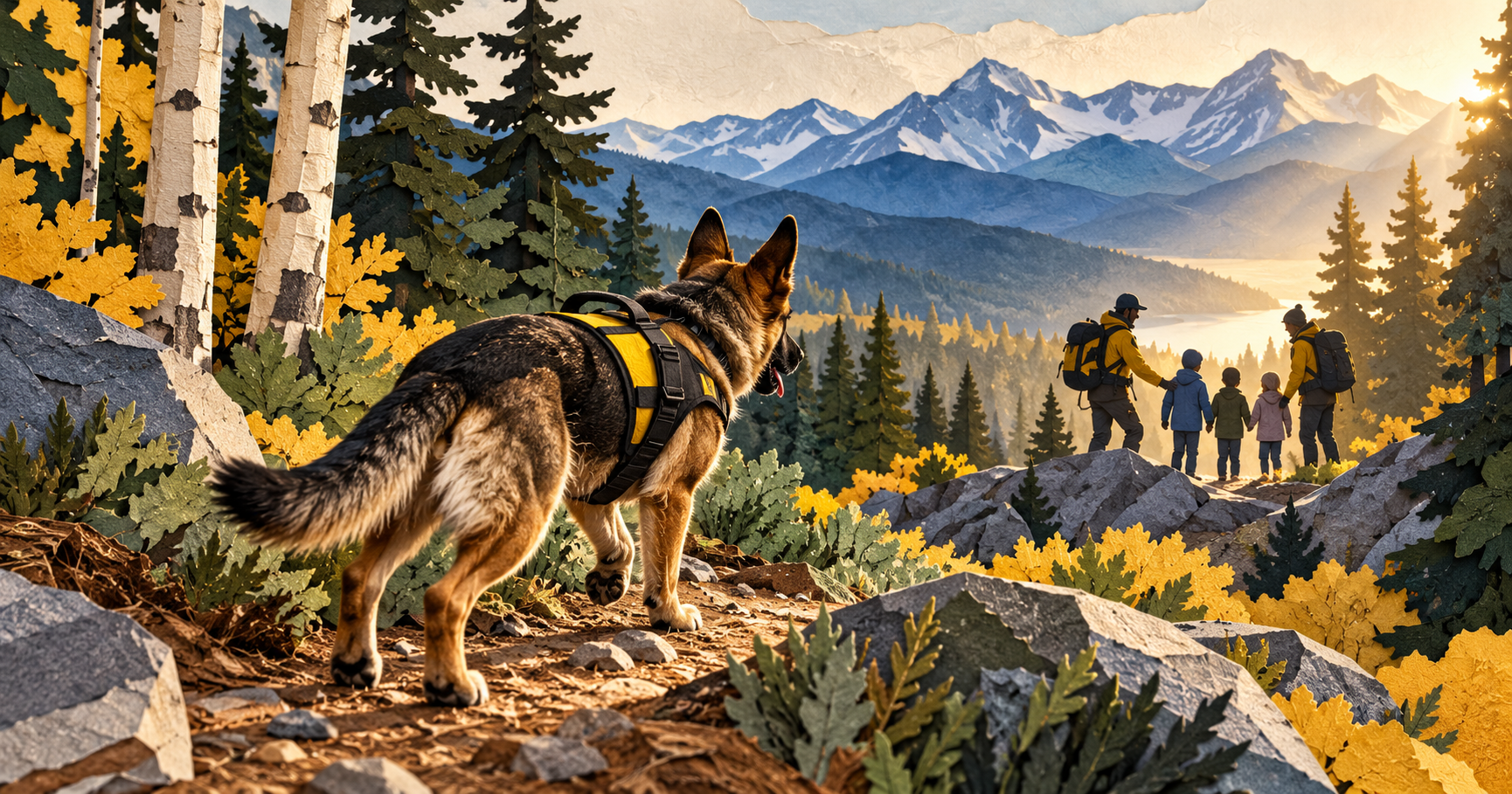
Arch caught the trail. Search teams followed it. Three families got the ending they needed.
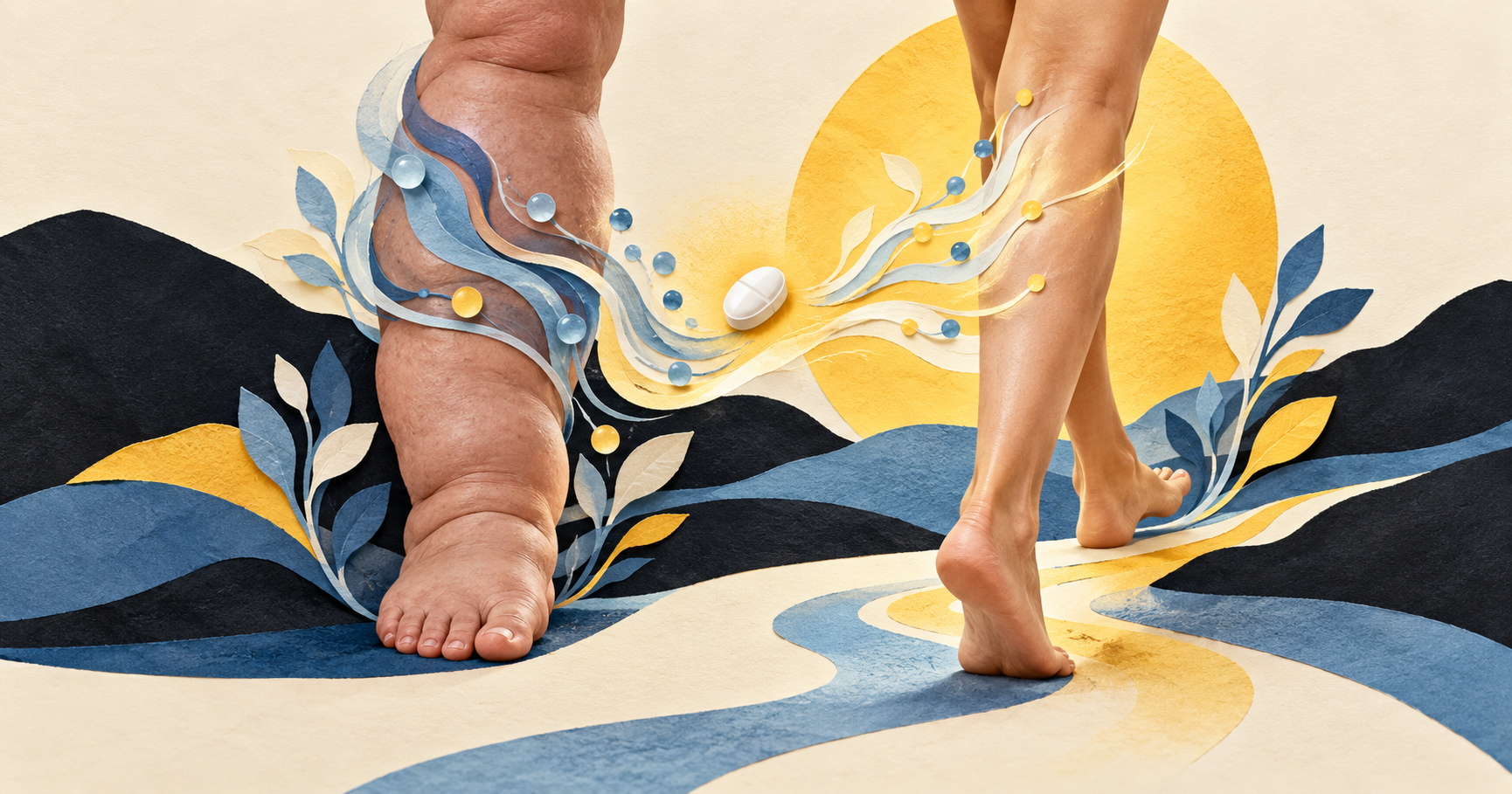
A small trial suggests the first medication for lymphedema may be getting closer.
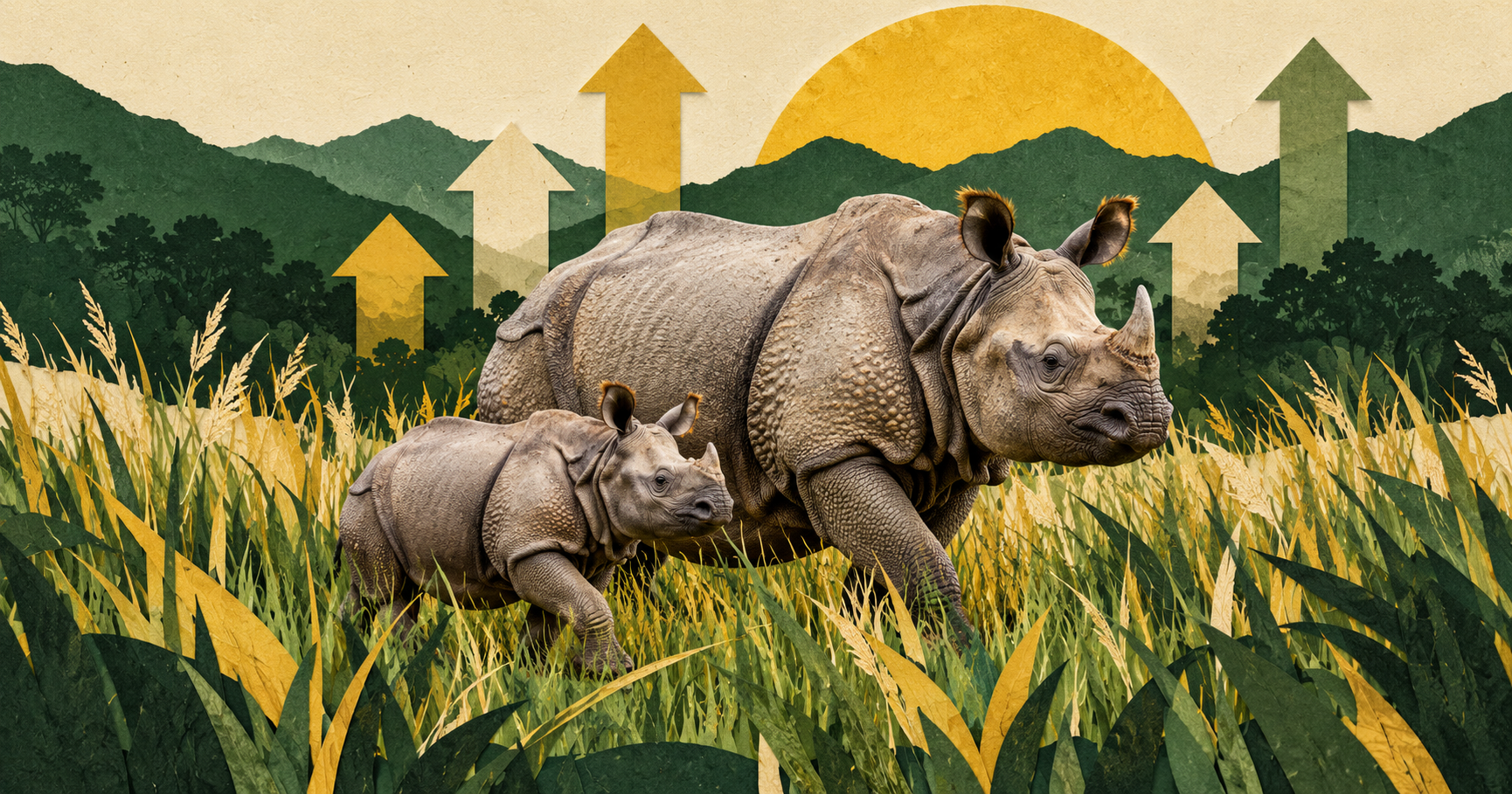
A species that once fell below 200 animals now numbers in the thousands.

A Phase 3 trial turned the walls of a surgical cavity into the radiation treatment.

Two mice, one mountain valley, and twenty-two years of patient taxonomy.
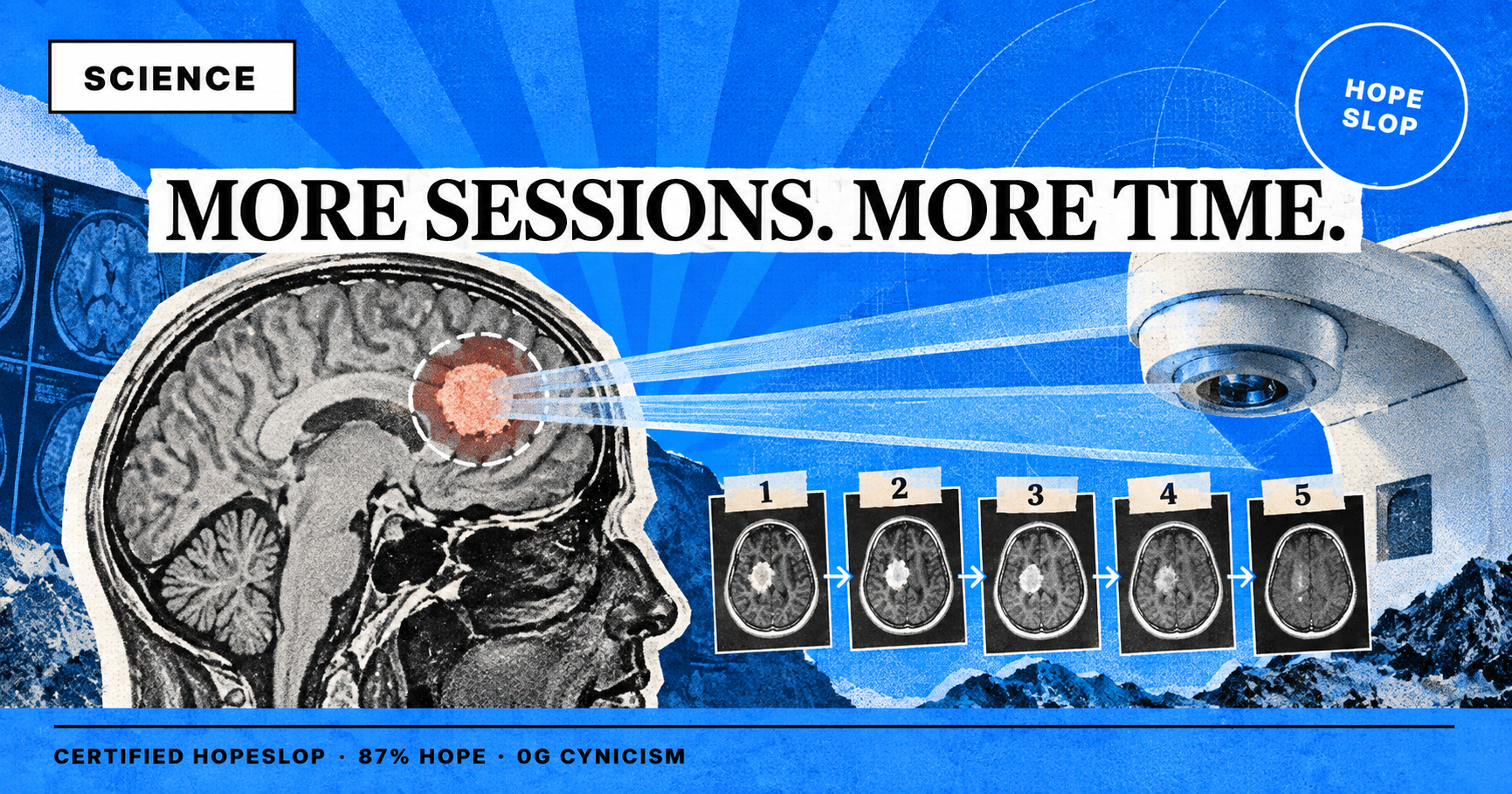
A small scheduling change produced a surprisingly large clinical difference.
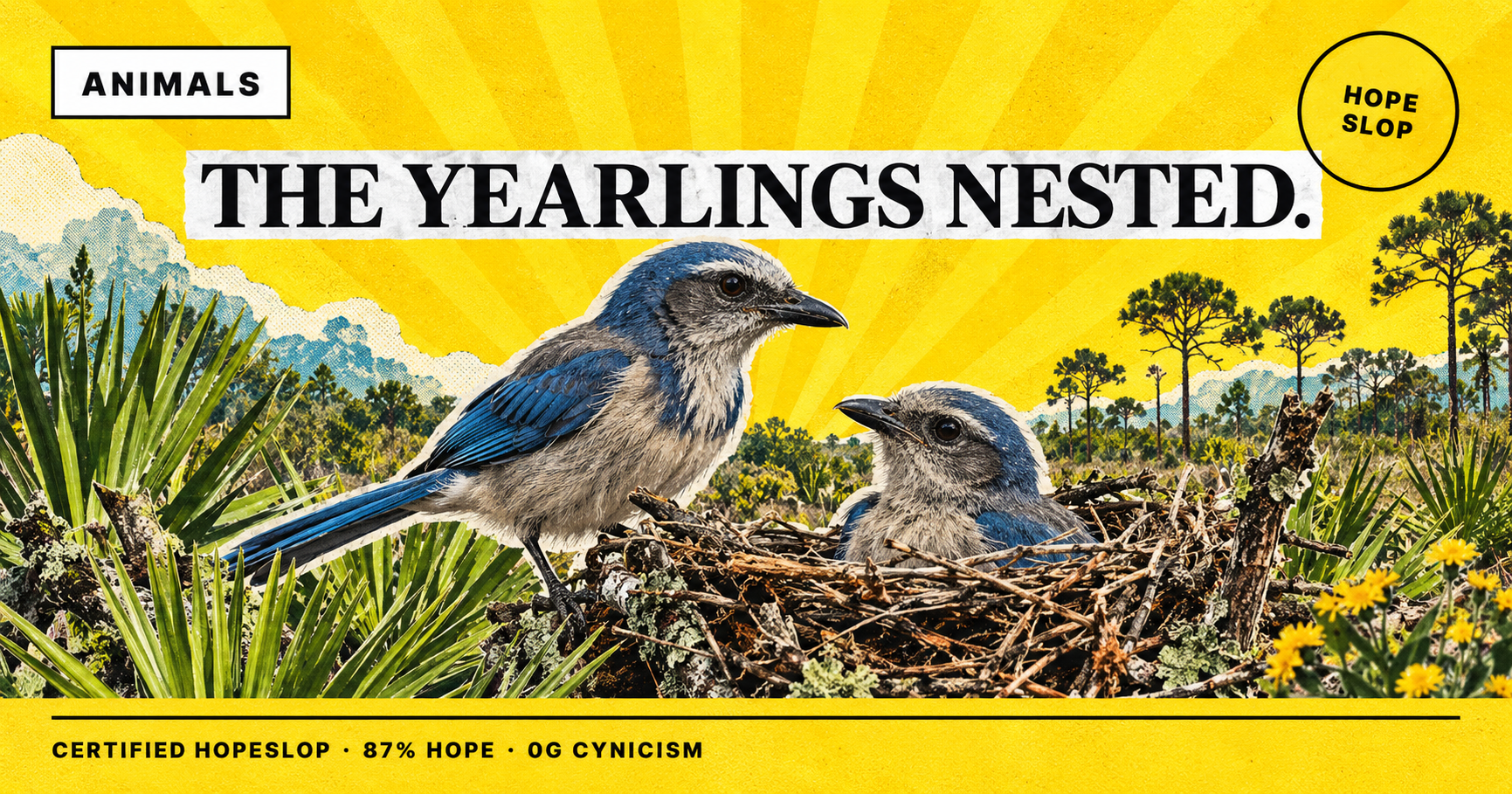
A genetic-rescue experiment got an unexpectedly ambitious first breeding season.
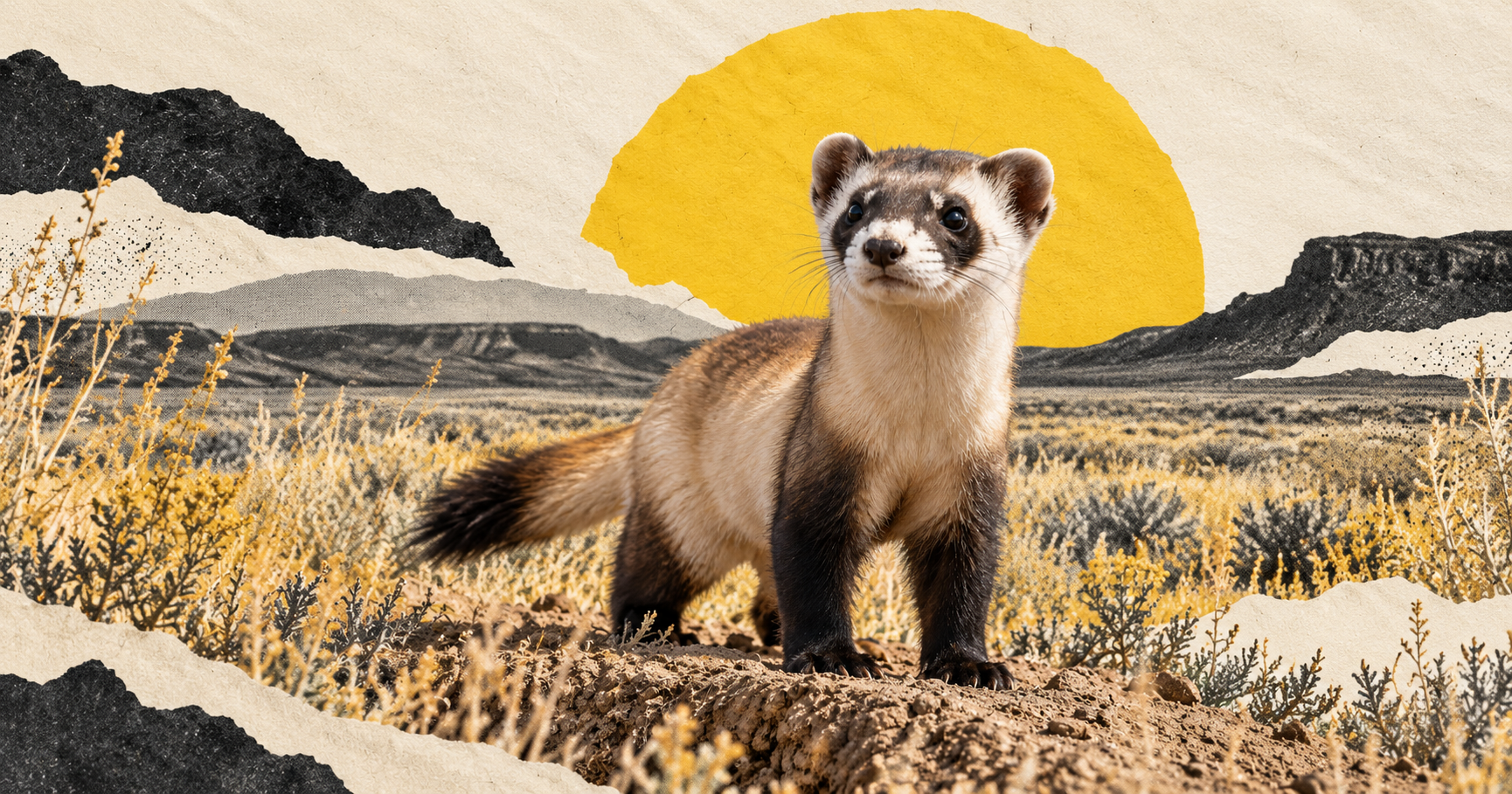
Seven litters. Thirty-four endangered kits. Phoenix Zoo’s best black-footed ferret breeding year since 1999.
The first global political declaration on sea-level rise says an island state does not stop being a country because rising water makes its land uninhabitable.

A painless test using urine and a vaginal swab showed it could accurately rule out womb cancer for most women with postmenopausal bleeding.

The final turbine is installed at Revolution Wind, a 704-megawatt offshore project built to serve Rhode Island and Connecticut.

HALO Trust has concluded humanitarian mine clearance in Kosovo, 27 years after the war left fields, roads and villages contaminated.
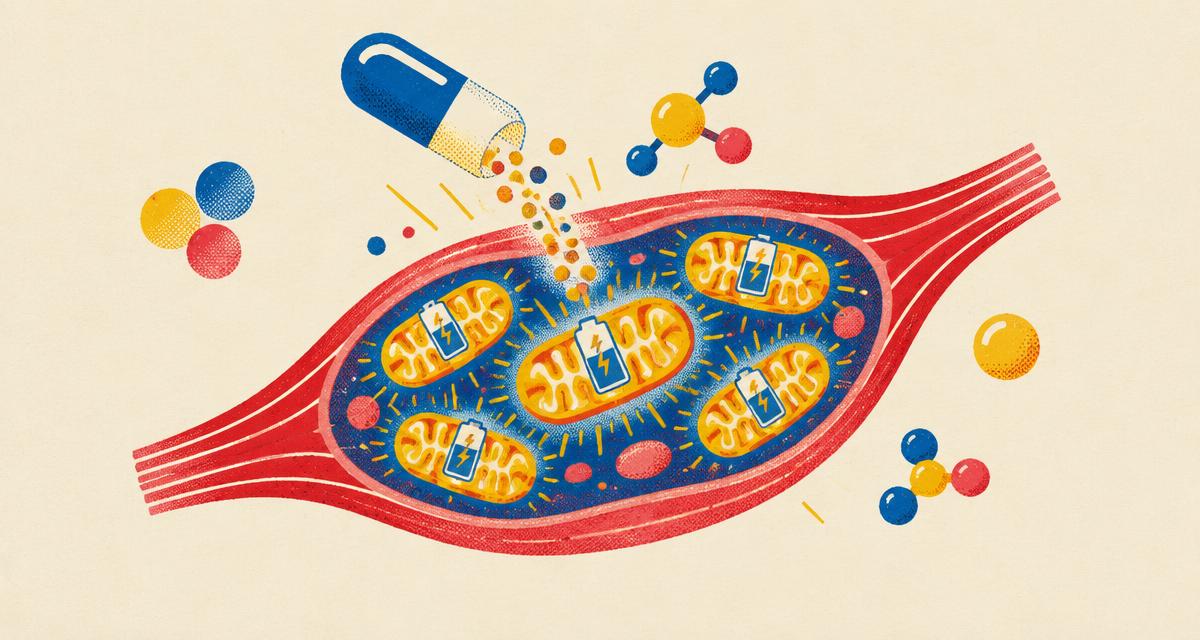
A Cambridge-led study gave nicotinamide riboside to eight people with mitochondrial DNA disease. It was well tolerated and showed early signs of working.

Europe's largest economy published a sector-by-sector plan to leave coal, oil and gas behind, only the third country to do so.
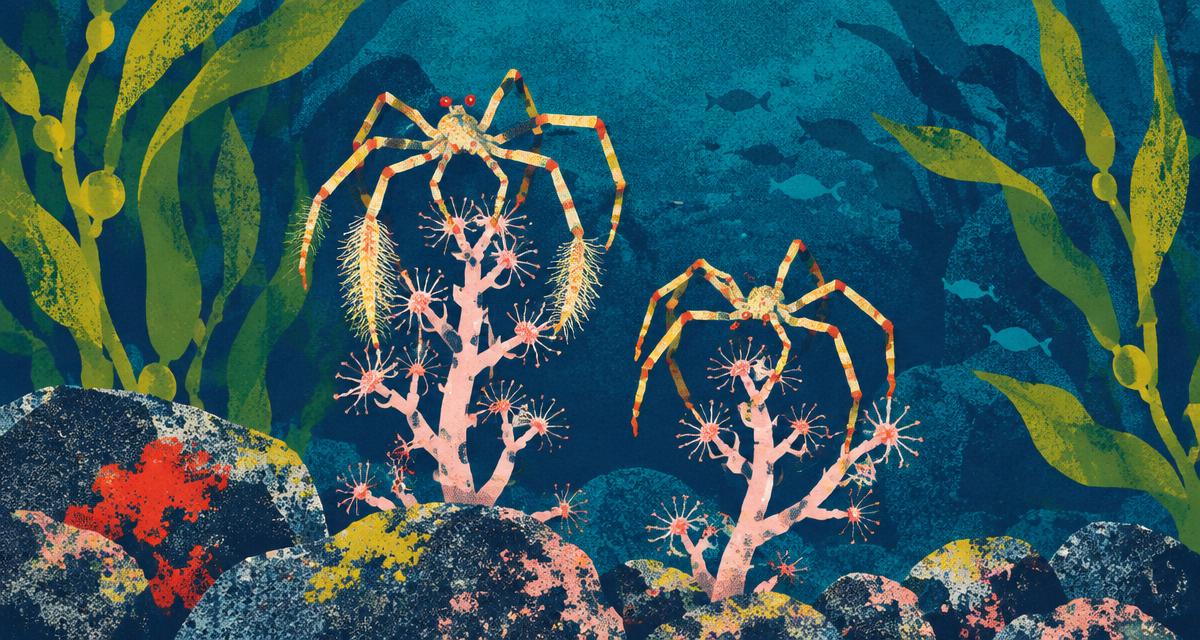
UBC divers found the first new sea spider species described in the Salish Sea in almost a century. One has red eyes and fuzzy-looking legs.
THE RIVER DIDN'T GET TO KEEP IT.
A days-old elephant calf drifted roughly four kilometers down the Teesta. Five fishermen reached it by boat; forest officials reunited it with its mother.

Los Angeles got 395 shelter dogs out for a day. Twenty-three were adopted and 14 entered foster homes instead of returning to kennels.

Book Bunk and Nairobi City County restored Eastlands and Kaloleni public libraries as free civic hubs. Book Bunk reports patronage up more than 240%.
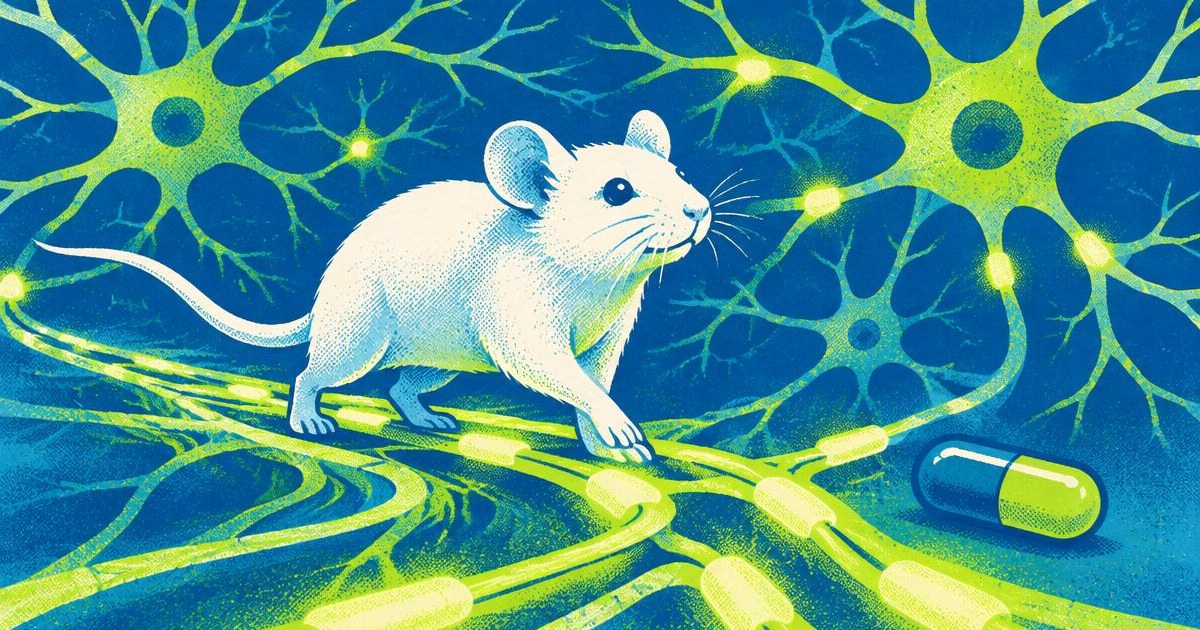
In a mouse model of multiple sclerosis, the experimental drug K-9 restored function after paralysis and vision loss had already set in. It has not been tested in people with MS.
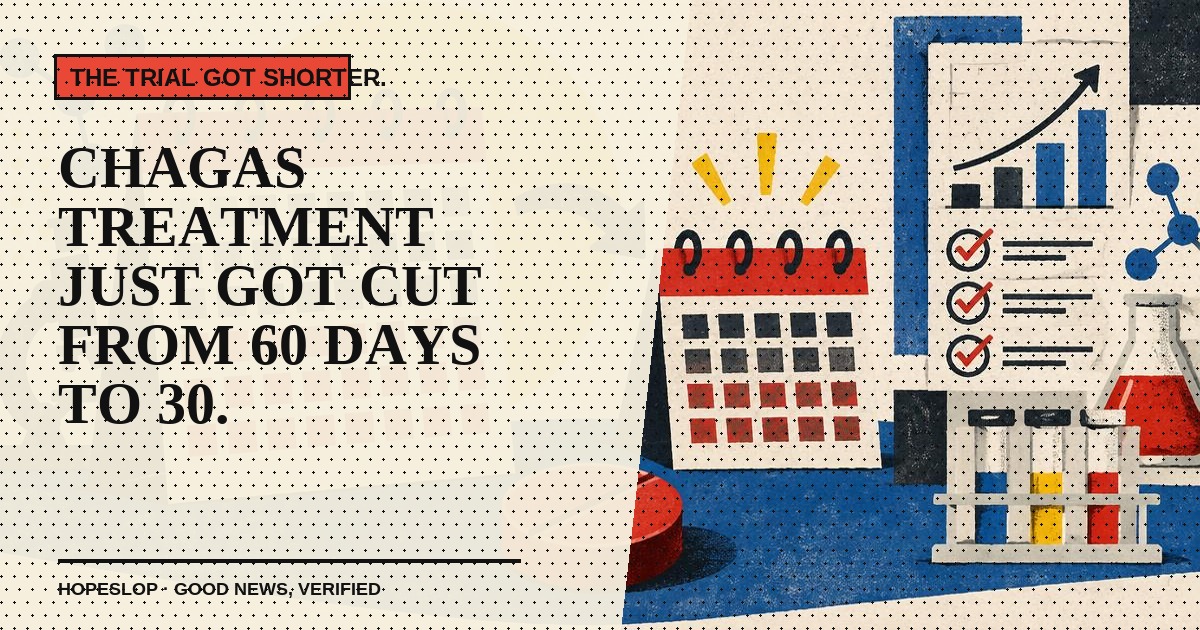
In the TESEO trial, 450 adults received different benznidazole regimens. The 30-day, once-daily option matched the standard 60-day course in the trial and caused fewer side effects.