
HOPESLOP.
Hopeslop of the DayAll the Slop
What Is Hopeslop?Get Daily SlopAbout
THE PERMANENT RECORD

ALL THE SLOP

Every serving. No expiration date. Page 2 of 7.

ALLHUMANS ×SCIENCE ×ANIMALS ×NATURE ×PROGRESSWEIRD JOY ×CLEAR FILTERS
SORTNEWESTMOST COUNTEDMOST COUNTED AS PROGRESS →
NATURE

Chiricahua just became America's newest national park.

A new name for a landscape protected since 1924.
SOURCEU.S. Department of the Interior
—
NATURE

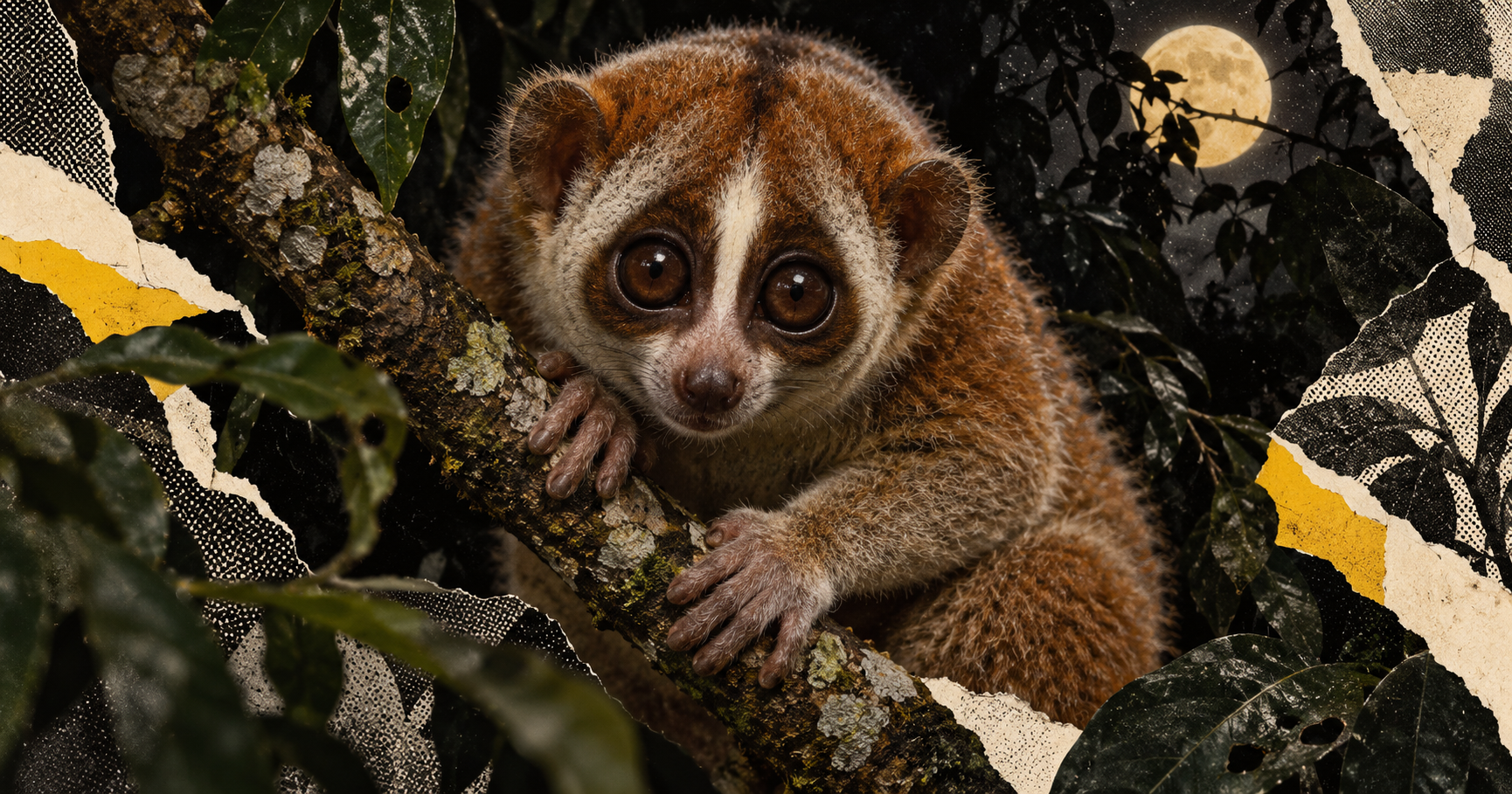
A primate lost to science for nearly a century is still alive.

Local rescuers documented more than 90 Bangka slow lorises—and returned 86 to protected forest.
SOURCERe:wild / Alobi Wildlife Rescue Center
—
SCIENCE

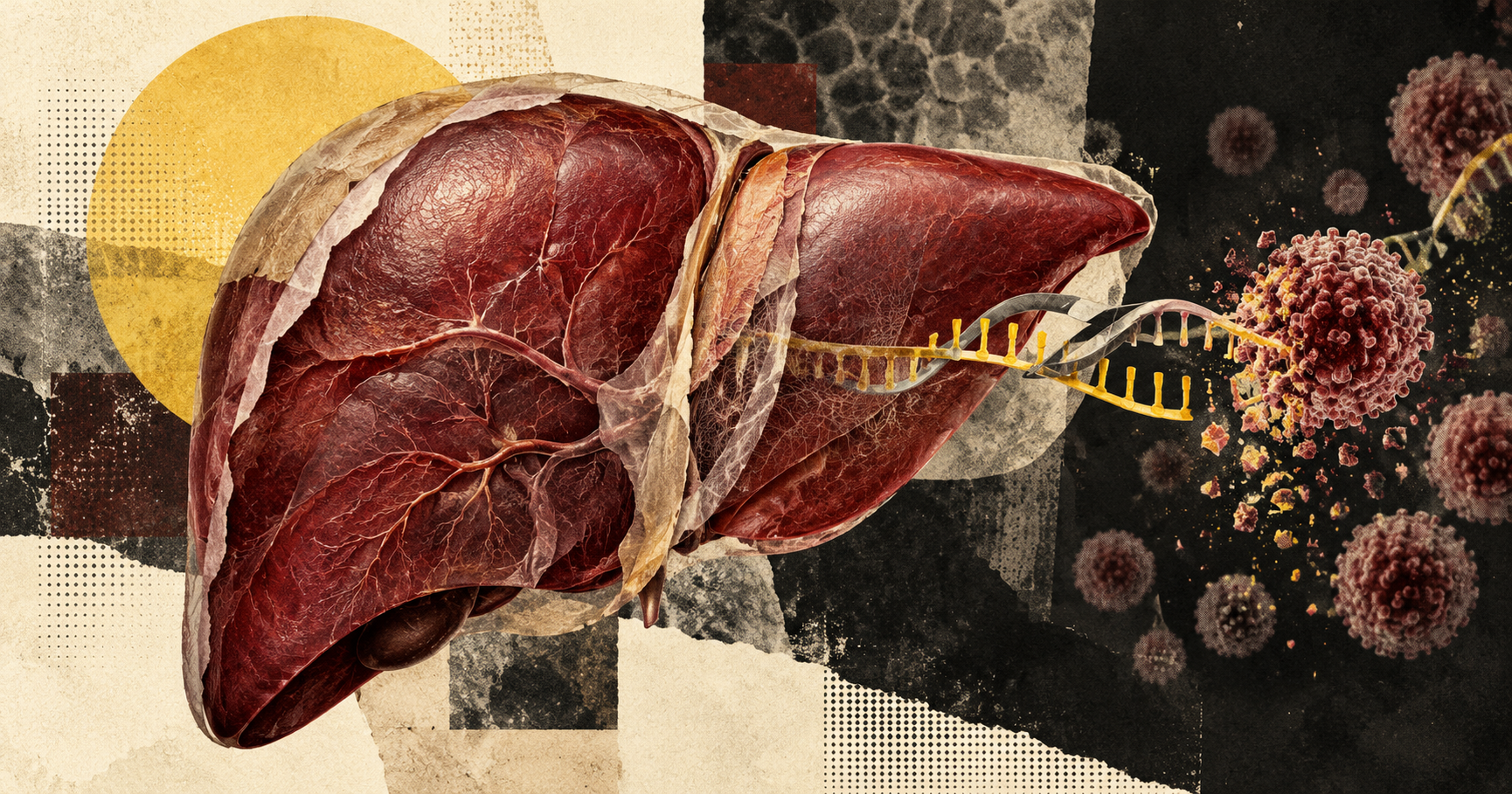
The FDA approved the first antisense treatment for chronic Hepatitis B.

In trials, 24% met treatment-stopping criteria versus none on placebo; 19% stayed controlled 24 weeks after stopping all therapy.

SOURCEU.S. Food and Drug Administration
—
HUMANS

Six online sessions cut reported campus sexual aggression odds 73%.

A prevention program built for men paired consent, empathy, alcohol-risk awareness, and bystander practice.
SOURCEReasons to be Cheerful / RealConsent randomized trial
—
SCIENCE

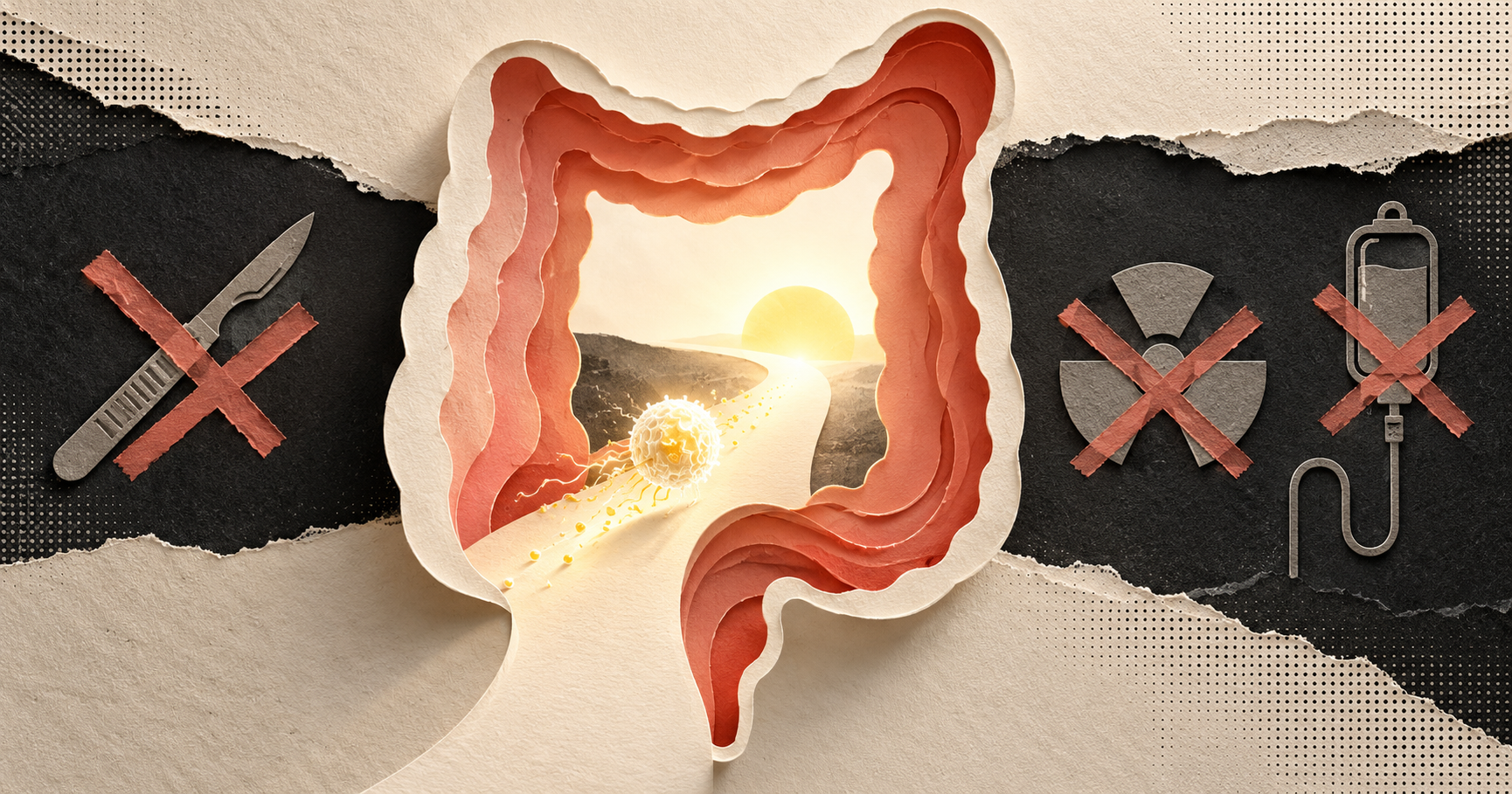
FDA approved an immunotherapy that may let some rectal-cancer patients skip surgery.

In an ongoing trial, nearly three-quarters had not needed the usual treatments after a median of more than two years.
SOURCEU.S. Food and Drug Administration
—
SCIENCE

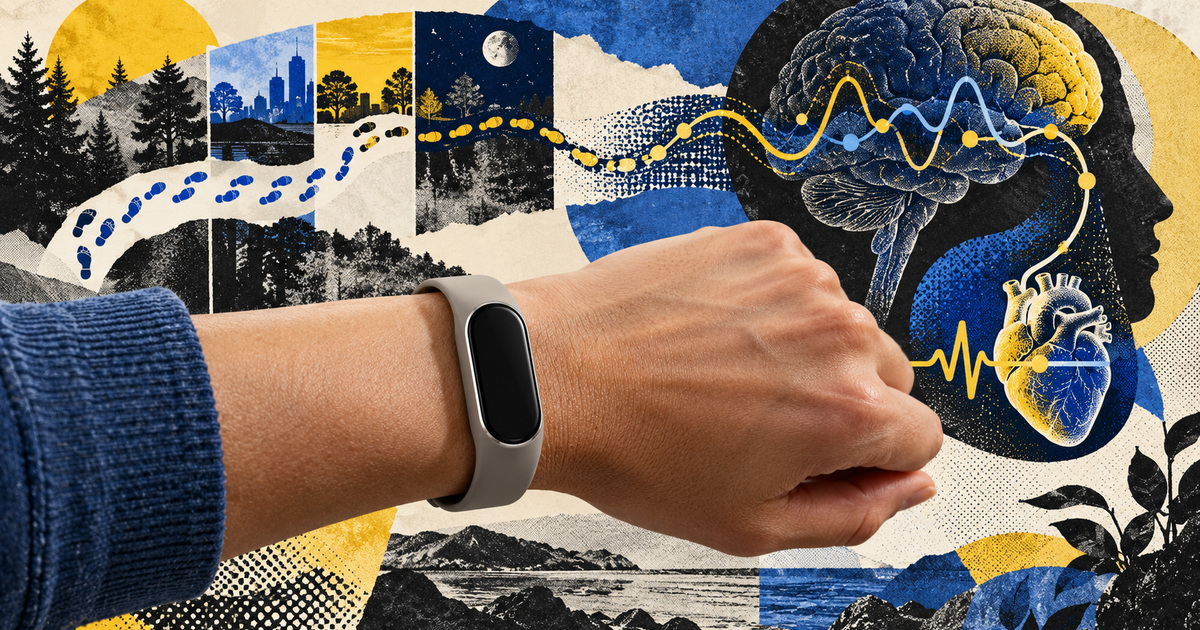
A year of step data flagged future brain-health risk.

The long pattern—not one day's reading—may help clinicians spot who needs earlier attention.

SOURCEAmerican Neurological Association / Newswise
—
NATURE

Bristol added two more floating ecosystems to its harbour.

Native plants now shelter fish, pollinators and nesting birds in the middle of the city.

SOURCEWest of England Mayoral Combined Authority / Bristol City Council
—
SCIENCE

One health system cut anesthetic emissions 45%—and spending nearly 40%.

Six hospitals changed everyday anesthesia practice, lowering estimated emissions and anesthetic spending without worsening tracked outcomes.

SOURCEAmerican Society of Anesthesiologists
—
NATURE

Bleached corals came back to full health in seven weeks.

A brief tissue bridge moved helpful algae within three days—and recovery continued after the corals were separated.

SOURCEStanford Doerr School of Sustainability / Science Advances
—
SCIENCE

Roman's main camera is seeing nearly 30% sharper than expected.

NASA's newly launched space telescope has cleared an early commissioning test with more optical precision than its requirement demanded.
SOURCENASA
—
ANIMALS

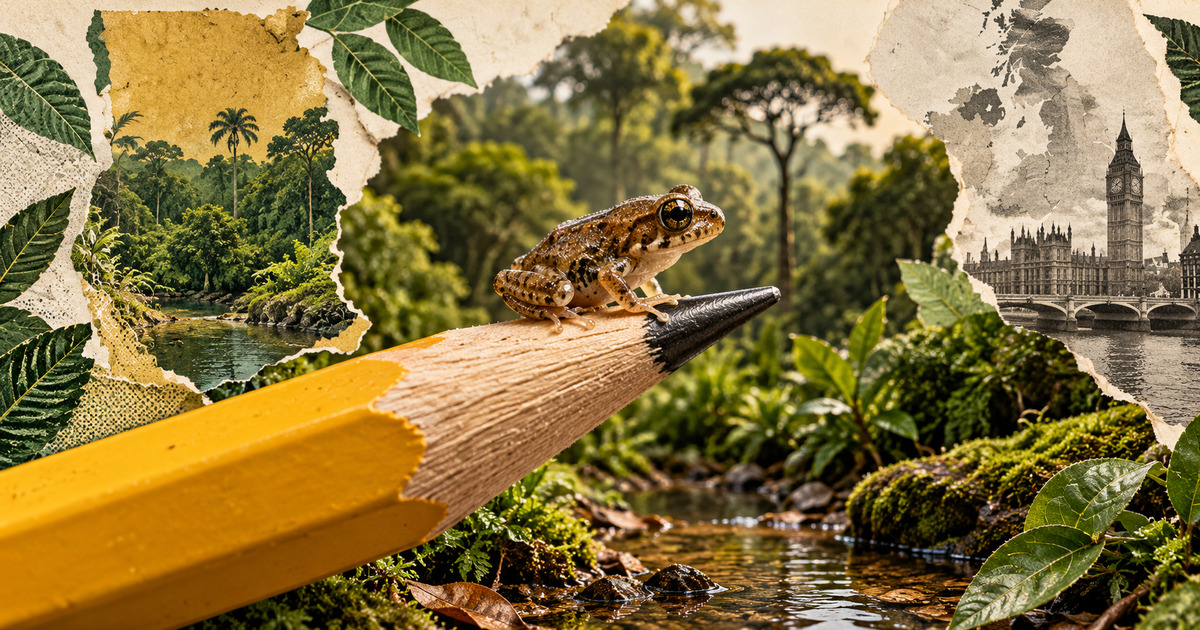
Fifteen frogs the size of a pencil tip just made history.

The first Afia Birago's puddle frogs ever born under human care are now hopping at London Zoo.
SOURCELondon Zoo (ZSL)
—
SCIENCE

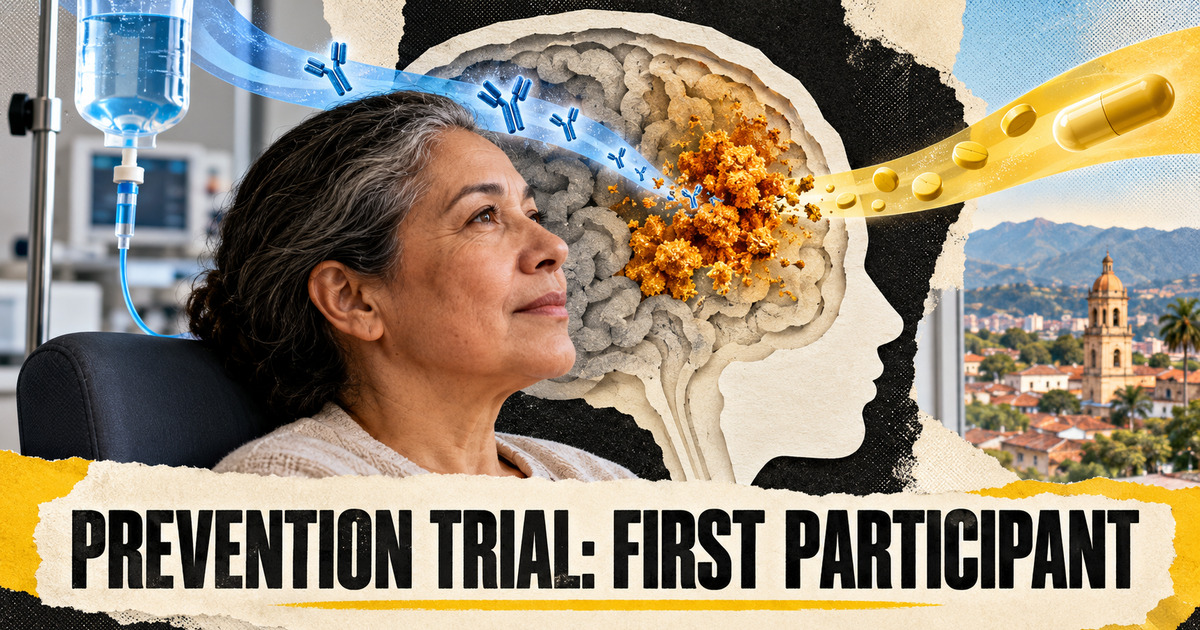
A major Alzheimer's prevention trial has randomized its first participant.

The study will test whether clearing amyloid, then adding a second mechanism, can delay inherited Alzheimer's.
SOURCEBanner Health
—
NATURE

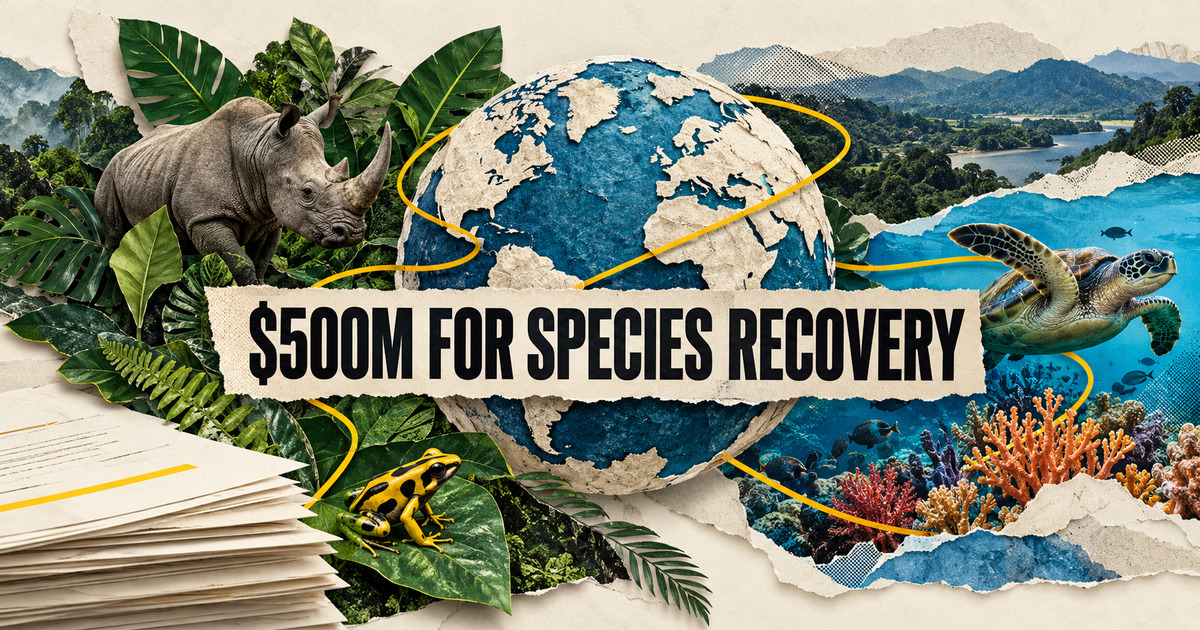
Nine funders just put more than $500 million behind species recovery.

A new alliance is coordinating five years of targeted recovery funding.
SOURCERe:wild
—
SCIENCE

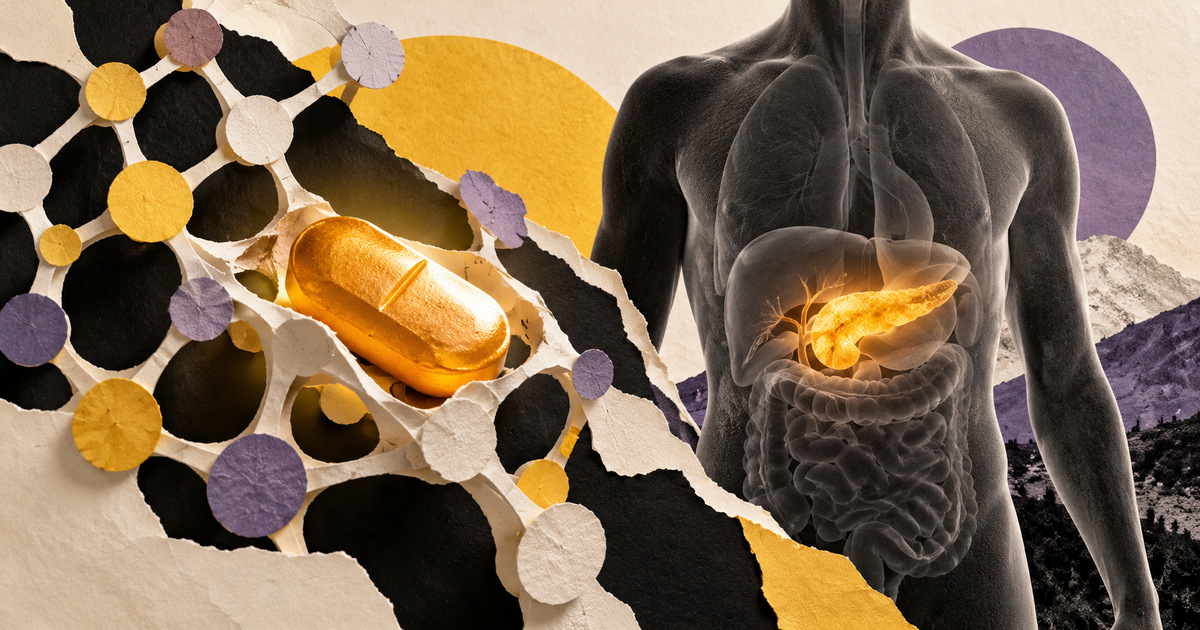
EU regulators backed a new pancreatic-cancer pill.

An EMA committee recommended a once-daily oral RAS inhibitor for eligible adults with metastatic pancreatic cancer.

SOURCEEuropean Medicines Agency
—
SCIENCE

Ghana cut malaria deaths 98%.

Reported malaria deaths fell from 3,259 in 2011 to 52 in 2025.

SOURCEGhana Health Service
—
SCIENCE

A tiny sensor gave people with type 2 diabetes five more hours in range.

A randomized trial found continuous glucose monitoring added about five hours a day in the target range—even without insulin.
SOURCENew England Journal of Medicine
—
NATURE

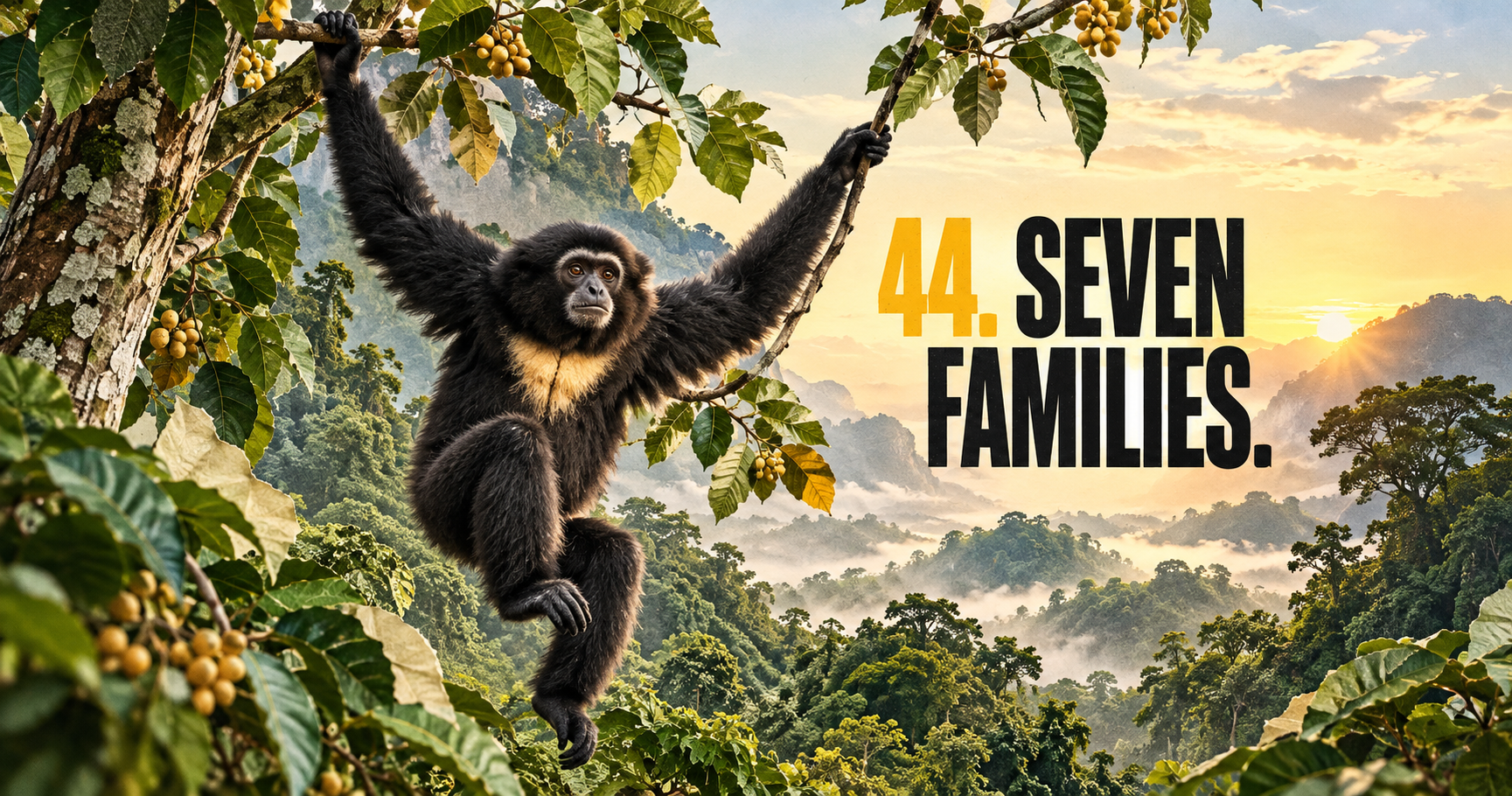
The world's rarest ape has grown to 44.

Forty-four, from the brink.

SOURCEHainan International Media Center
—
A health worker opens a vaccine cooler as a family waits nearby, rendered in a premium cream, black and yellow cut-paper editorial collage.
SCIENCE

Vaccines prevented 2.2 million future deaths in one year.

The future changed 2.2 million times.
SOURCEGavi, the Vaccine Alliance
—
SCIENCE

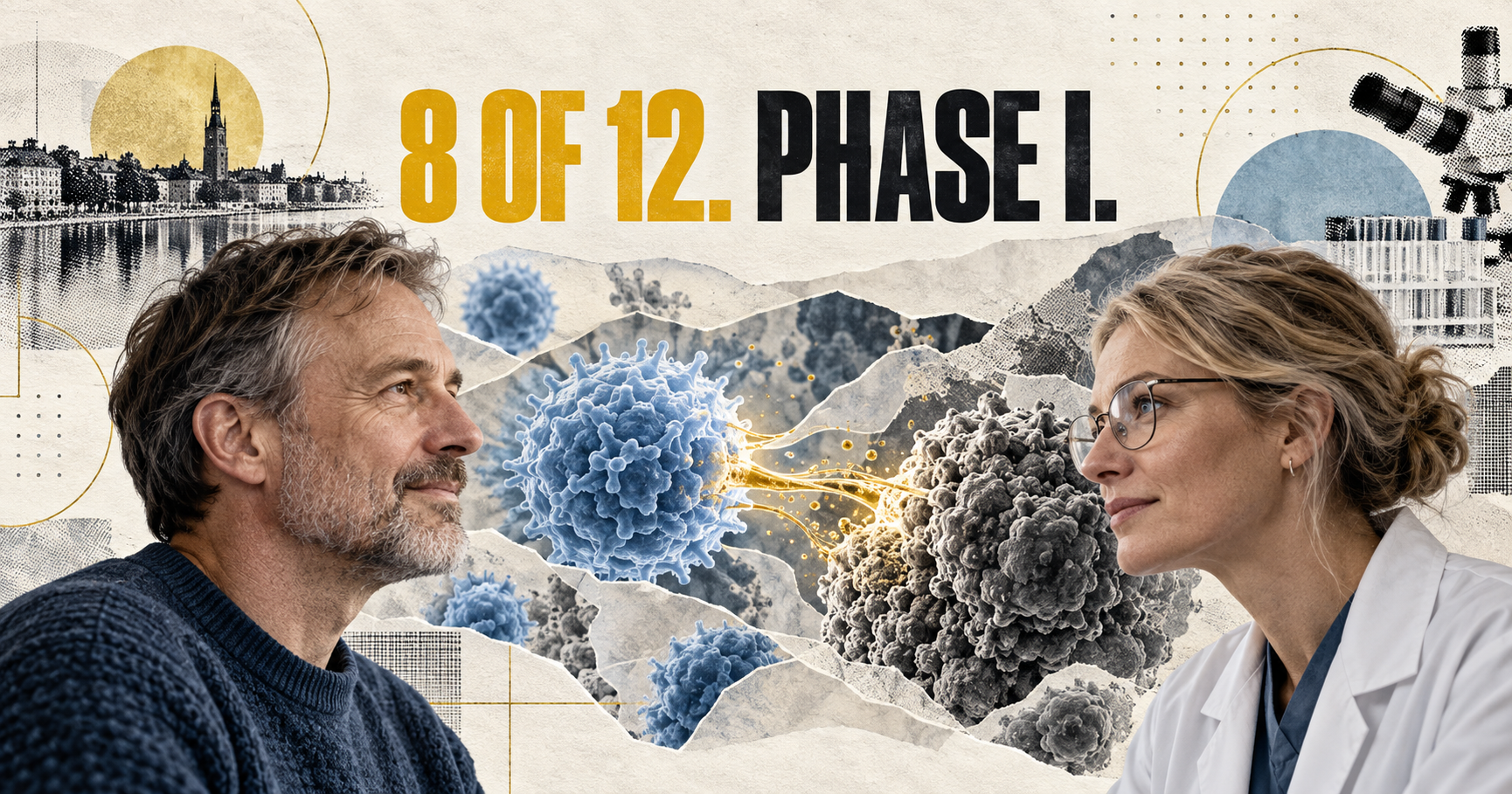
A Swedish CAR-T trial saw complete responses in 8 of 12 patients.

Eight complete responses. Twelve patients.
SOURCEElicera Therapeutics
—
SCIENCE

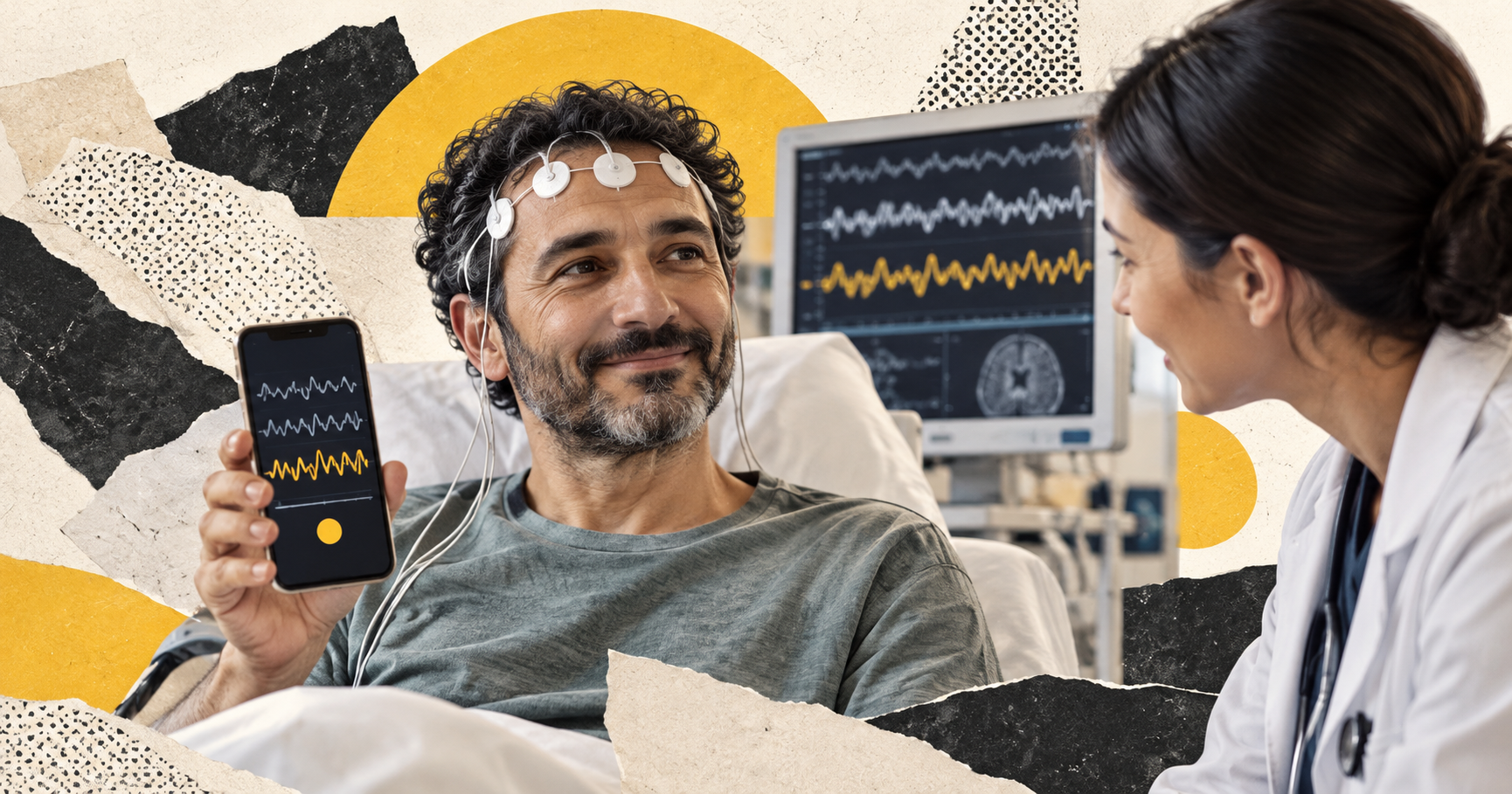
Patient feedback cut an epilepsy monitor’s false alarms by about 80%.

A monitor improved when patients could explain what its sensors got wrong.

SOURCENational Institutes of Health / Nature Medicine
—
SCIENCE

An experimental drug shielded celiac patients during a gluten challenge.

A 32-person study found less injury and fewer symptoms—but it is still early.
SOURCEReuters / AnaptysBio
—
SCIENCE

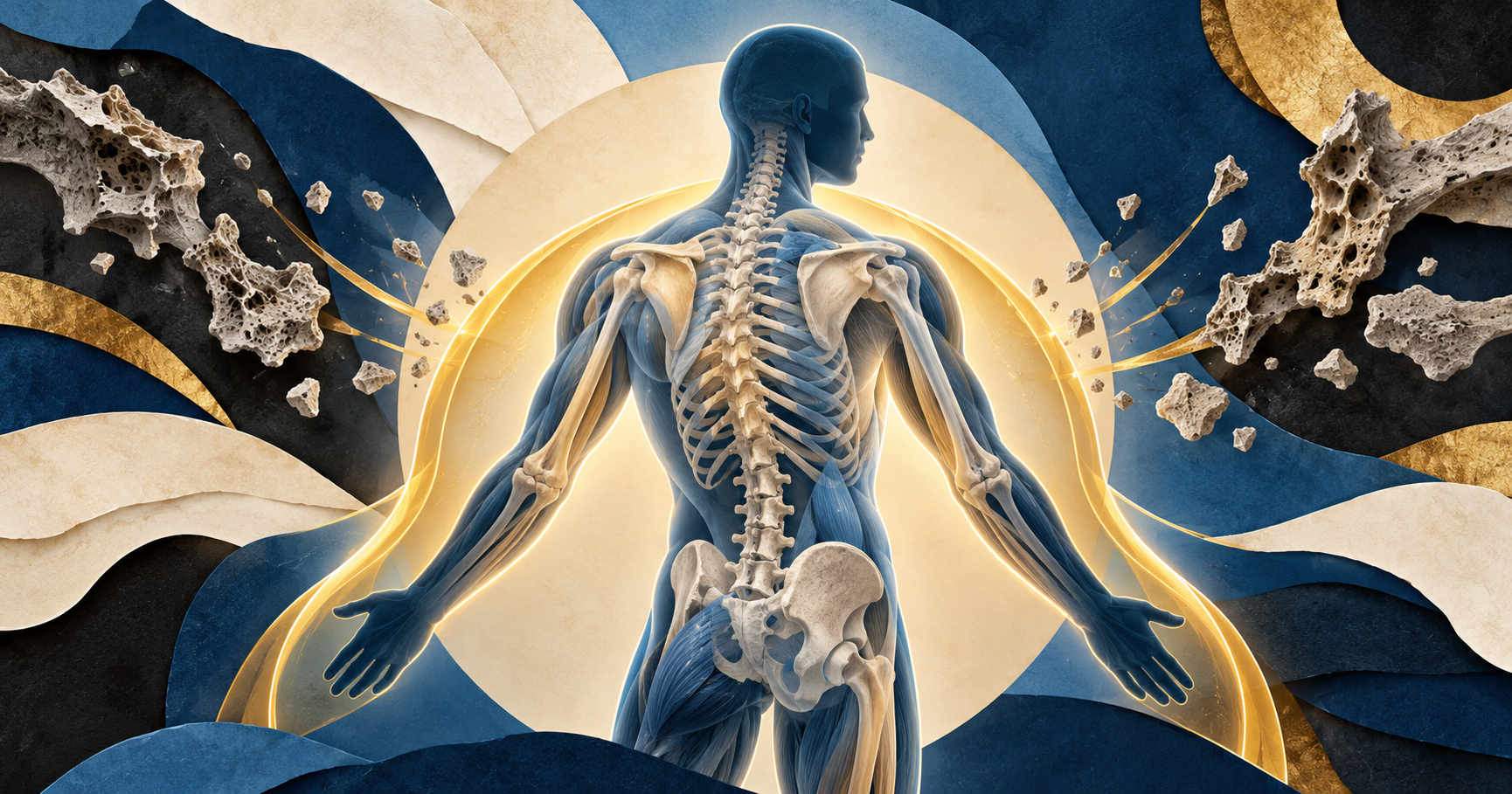
A rare-disease drug reported zero new bone lesions through 84 weeks.

In the OPTIMA extension, adults who stayed on Pasatru had no new lesions detected between weeks 56 and 84; the placebo group had nine.
SOURCERegeneron / The Lancet
—
SCIENCE

River blindness transmission is gone from 11 of 13 Americas foci.

A new WHO review says transmission now remains only in the remote cross-border Yanomami Focus Area shared by Brazil and Venezuela.

SOURCEWorld Health Organization
—
SCIENCE

Taiwan reached a 92.7% Hepatitis C treatment rate.

More than 7.86 million people have been screened. Diagnosis reached 92.4%, treatment 92.7%, and treatment in key high-risk groups 95%.

SOURCECommercial Times (Taiwan)
—
LOAD MORE SLOP
  • ← PREV
  • 1
  • 2
  • 3
  • 4
  • 5
  • 6
  • 7
  • NEXT →
HOPESLOP OF THE DAY ARCHIVE →SUBMIT HOPESLOP
HOPESLOP.

Optimism, even when it’s embarrassing.

All the SlopHopeslop of the DayAboutOur editorSuggest a storySend FeedbackPrivacyContact
CERTIFIED
HOPESLOP
FOLLOW US@hopeslopofficial
THE WORLD MAY BE COOKED. THE JURY IS STILL OUT.