SCIENCE
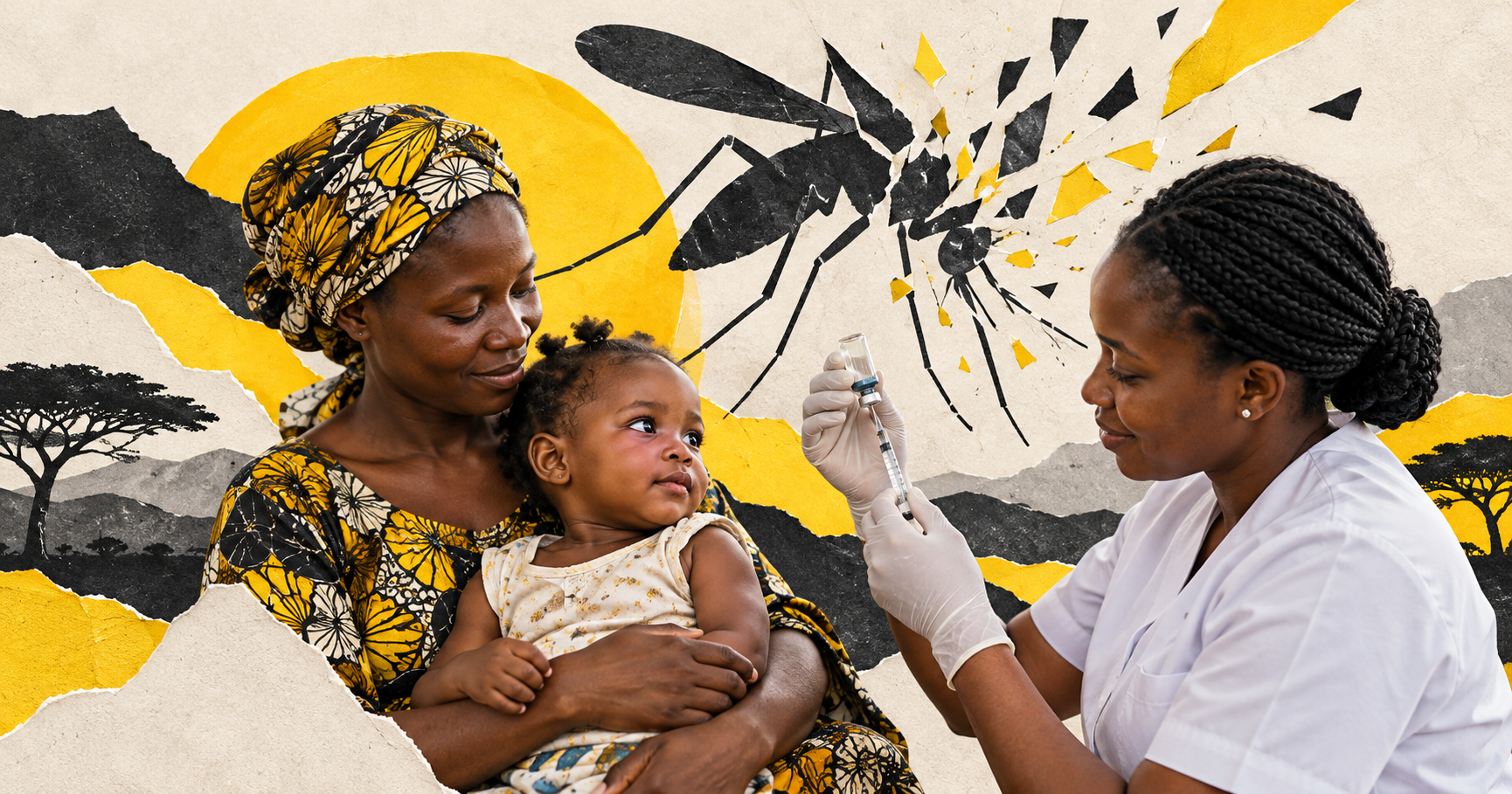
A malaria vaccine price deal could protect up to one million more children.
The planned 40% price cut could save about $50 million over three years.
SOURCEGavi / UNICEF
—
Every serving. No expiration date.
The planned 40% price cut could save about $50 million over three years.

The rule targets excessive distribution markups while requiring manufacturers to maintain supply.

A few strategically bare loops replaced a forest of compromises.

A school-leaving law became rare causal evidence that social policy can shape brain health decades later.
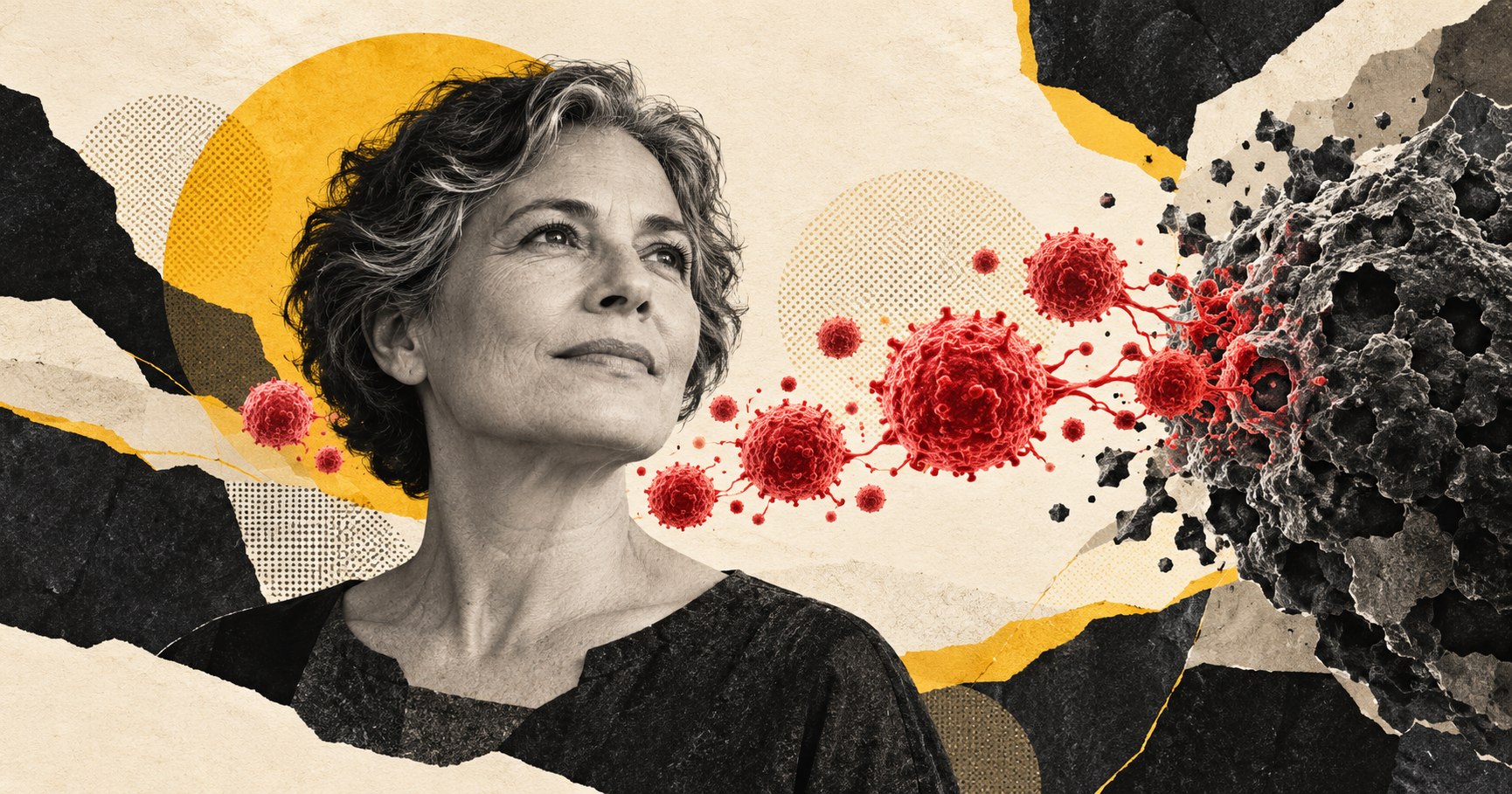
A more precise signal gave exhausted treatment paths one more opening.

The system reasoned through 304 difficult cases step by step, but the result is still a benchmark—not patient care.
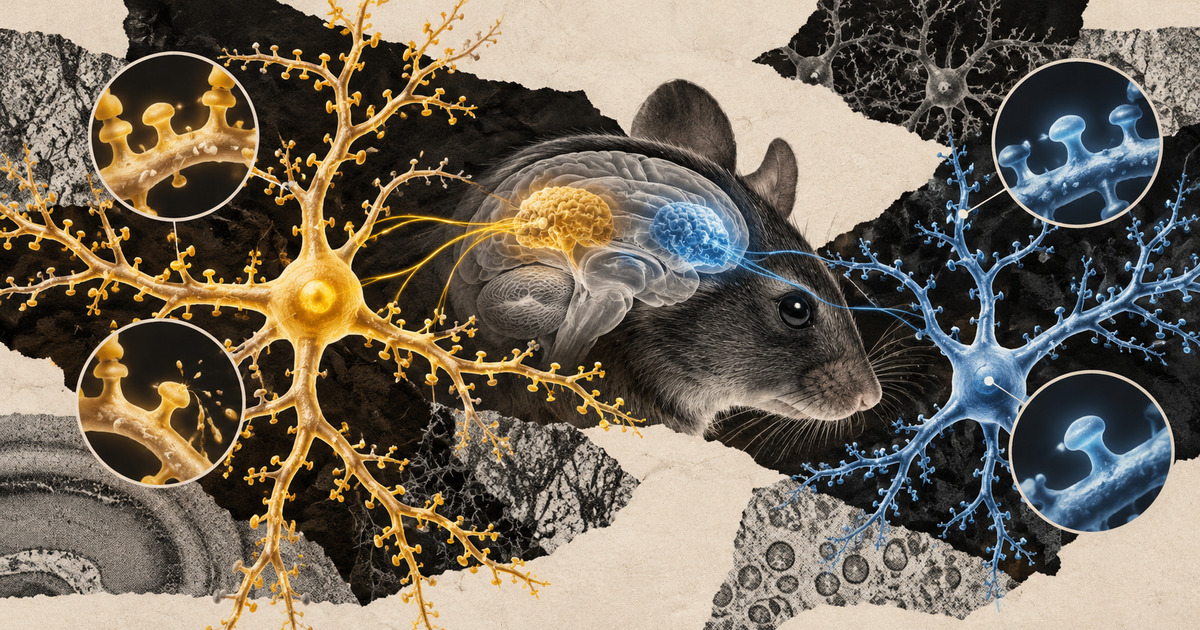
A circuit map hints that plasticity and hallucination may not be inseparable.

One positron. Months of control. A new precision tool for fundamental physics.
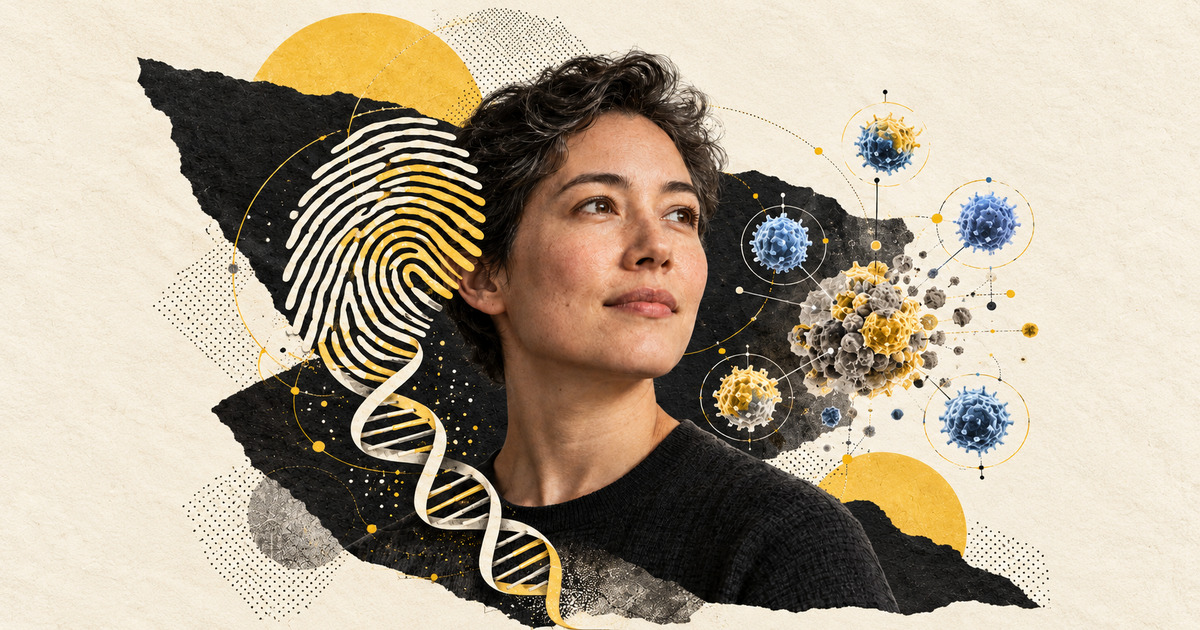
One tumor. One recipe. A 42% lower relative risk.

Exercise kept the heart inside the Mars envelope.
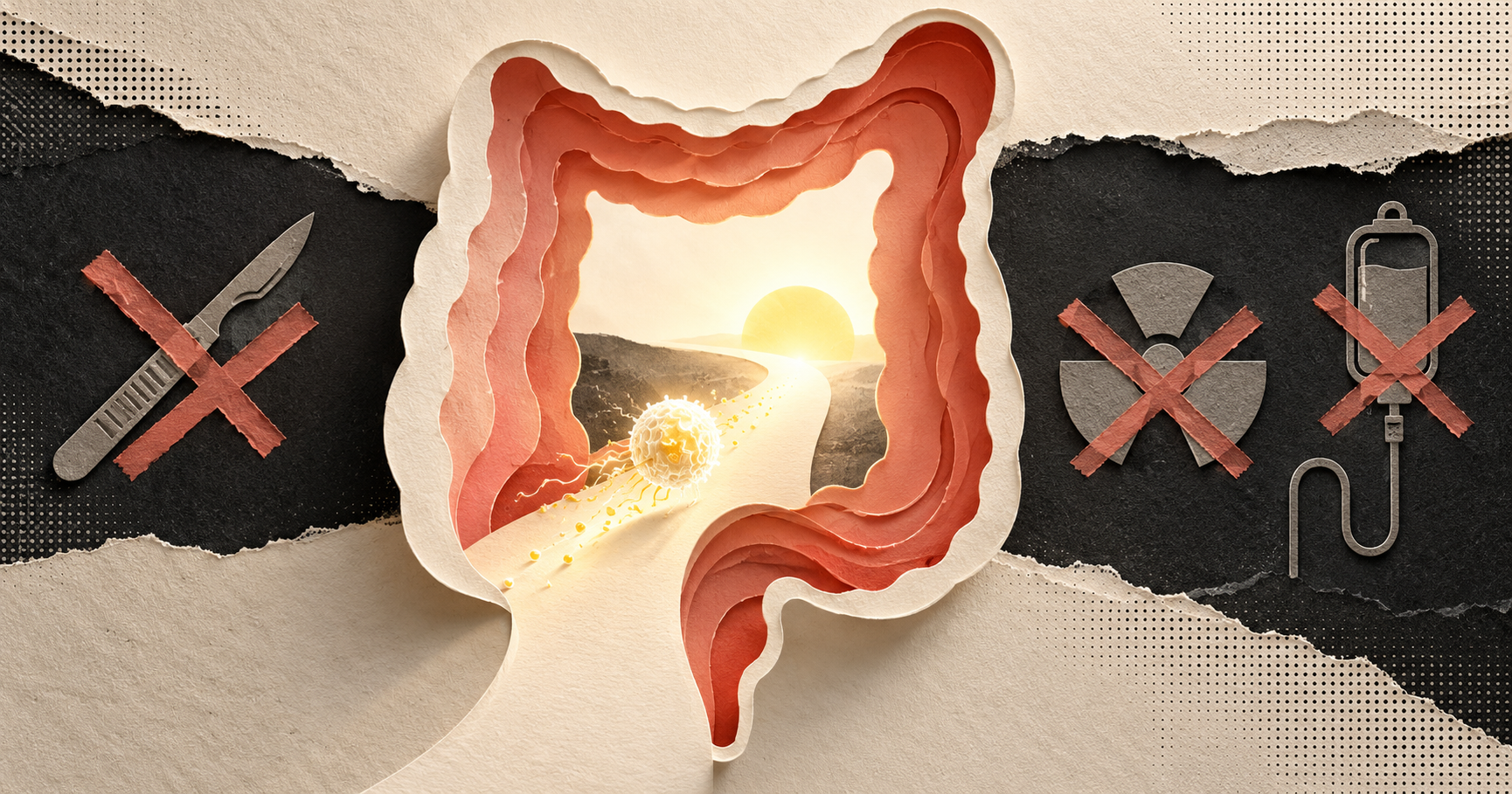
In an ongoing trial, nearly three-quarters had not needed the usual treatments after a median of more than two years.
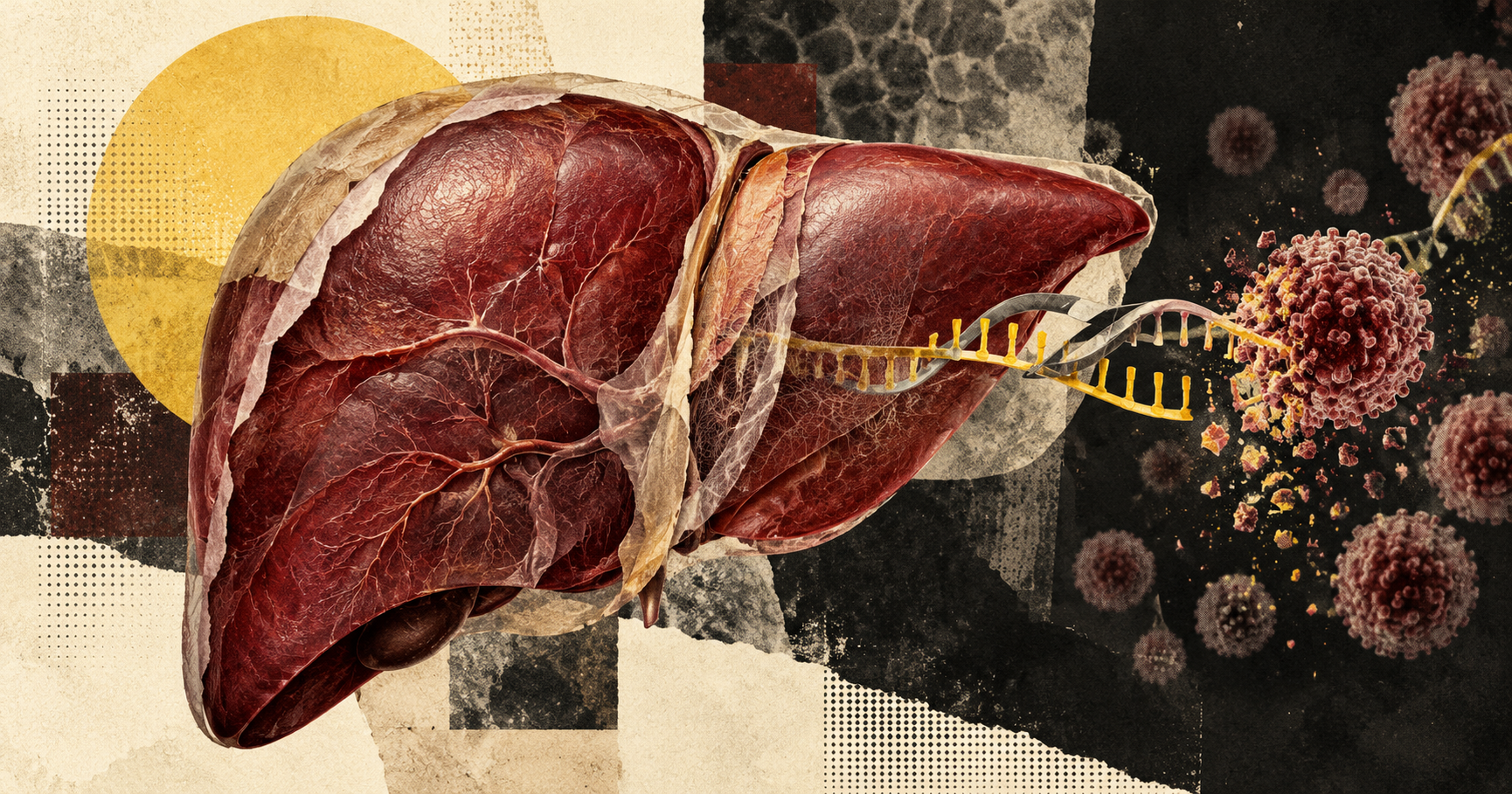
In trials, 24% met treatment-stopping criteria versus none on placebo; 19% stayed controlled 24 weeks after stopping all therapy.

The long pattern—not one day's reading—may help clinicians spot who needs earlier attention.

NASA's newly launched space telescope has cleared an early commissioning test with more optical precision than its requirement demanded.

Six hospitals changed everyday anesthesia practice, lowering estimated emissions and anesthetic spending without worsening tracked outcomes.
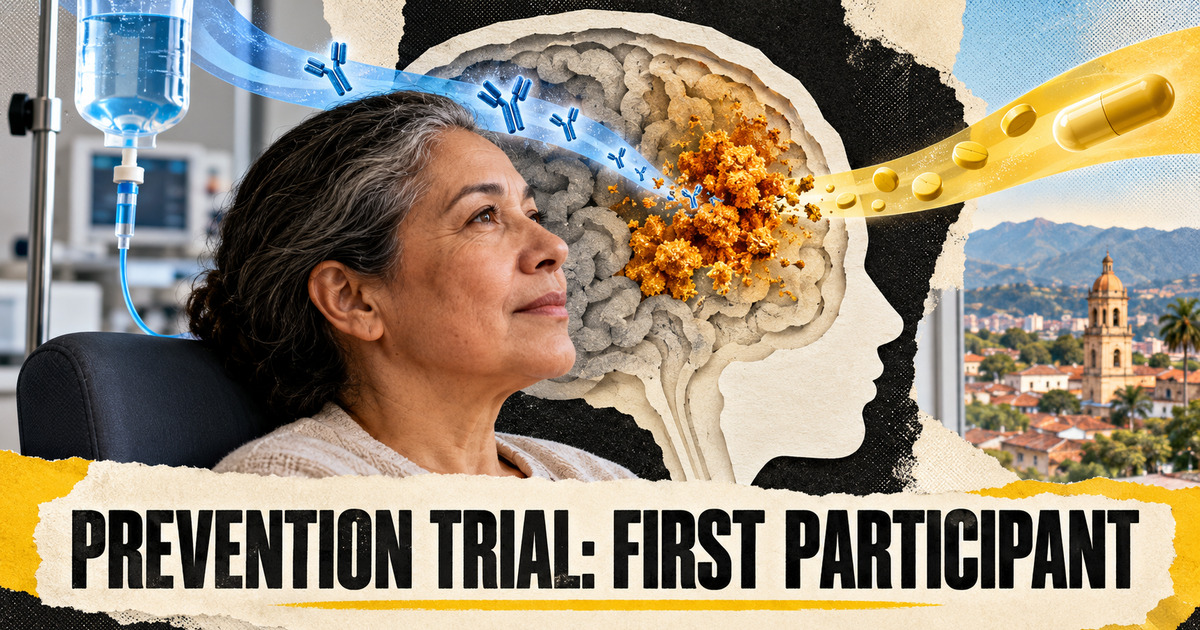
The study will test whether clearing amyloid, then adding a second mechanism, can delay inherited Alzheimer's.

A randomized trial found continuous glucose monitoring added about five hours a day in the target range—even without insulin.

An EMA committee recommended a once-daily oral RAS inhibitor for eligible adults with metastatic pancreatic cancer.

Reported malaria deaths fell from 3,259 in 2011 to 52 in 2025.

The future changed 2.2 million times.
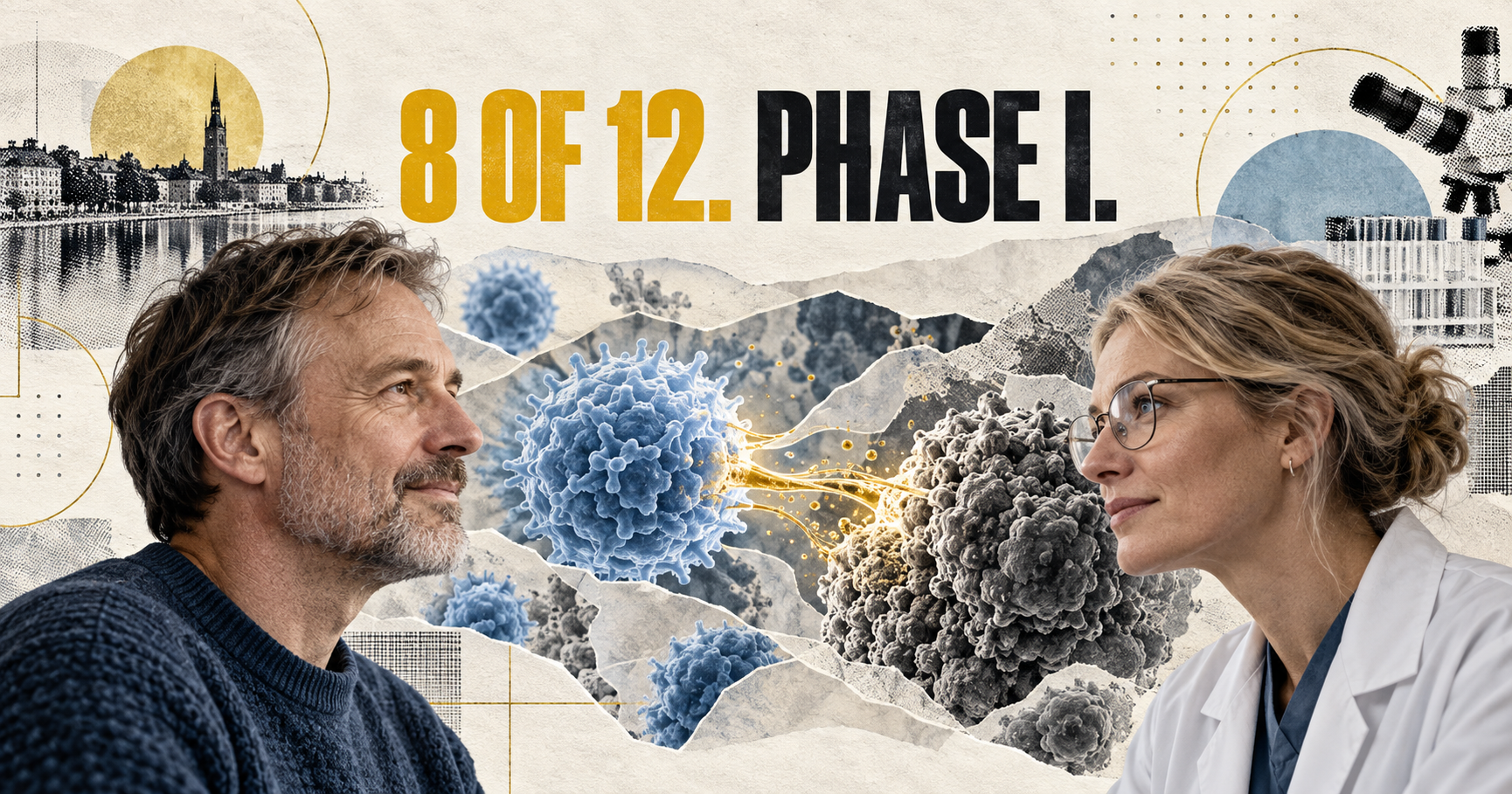
Eight complete responses. Twelve patients.

A 32-person study found less injury and fewer symptoms—but it is still early.

A monitor improved when patients could explain what its sensors got wrong.
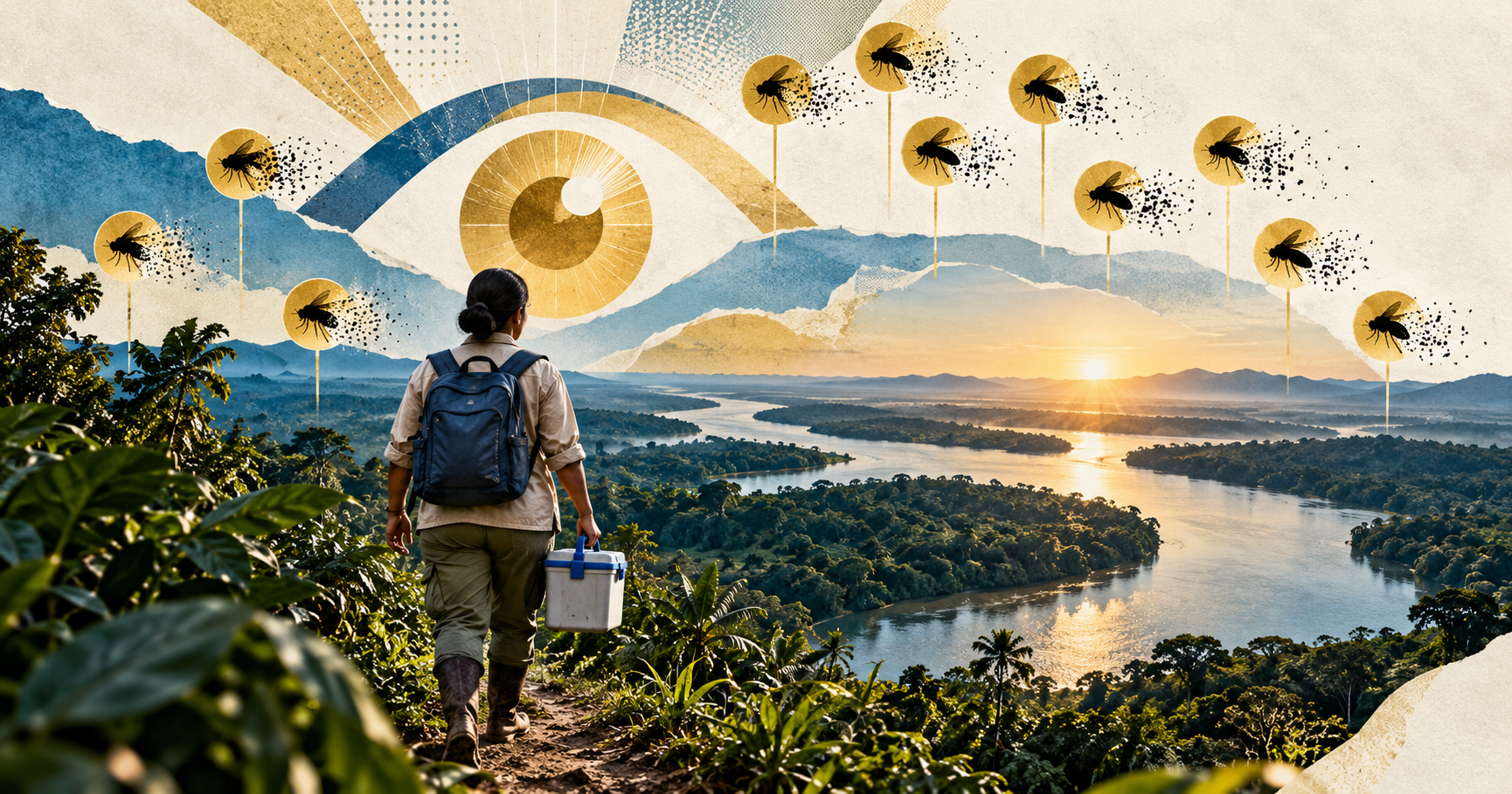
A new WHO review says transmission now remains only in the remote cross-border Yanomami Focus Area shared by Brazil and Venezuela.