NATURE
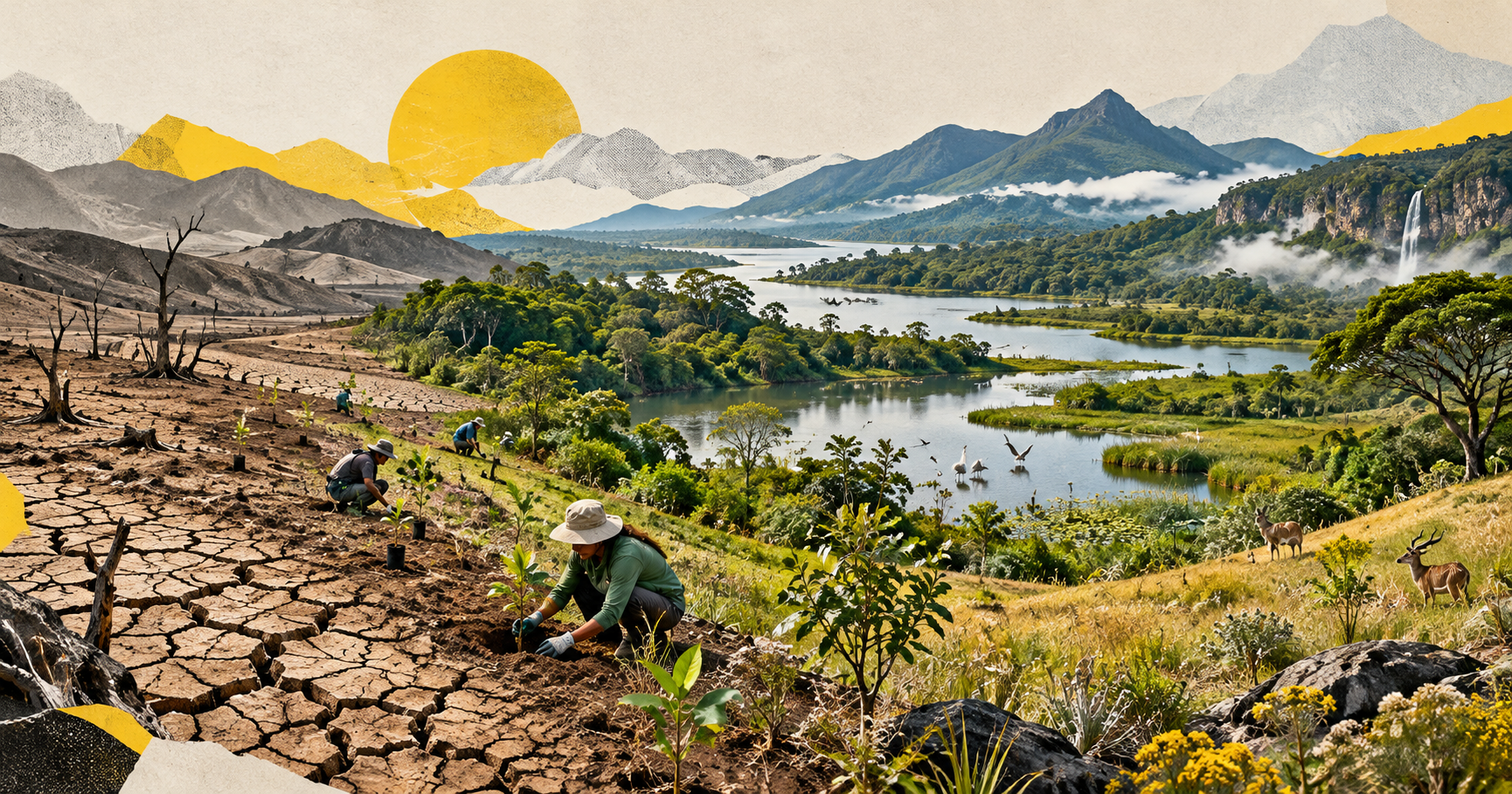
252 million hectares are now under restoration across 149 countries.
Nature restoration is scaling—and already supporting more than one million green jobs.
SOURCEUnited Nations Environment Programme
—
Every serving. No expiration date.
Nature restoration is scaling—and already supporting more than one million green jobs.
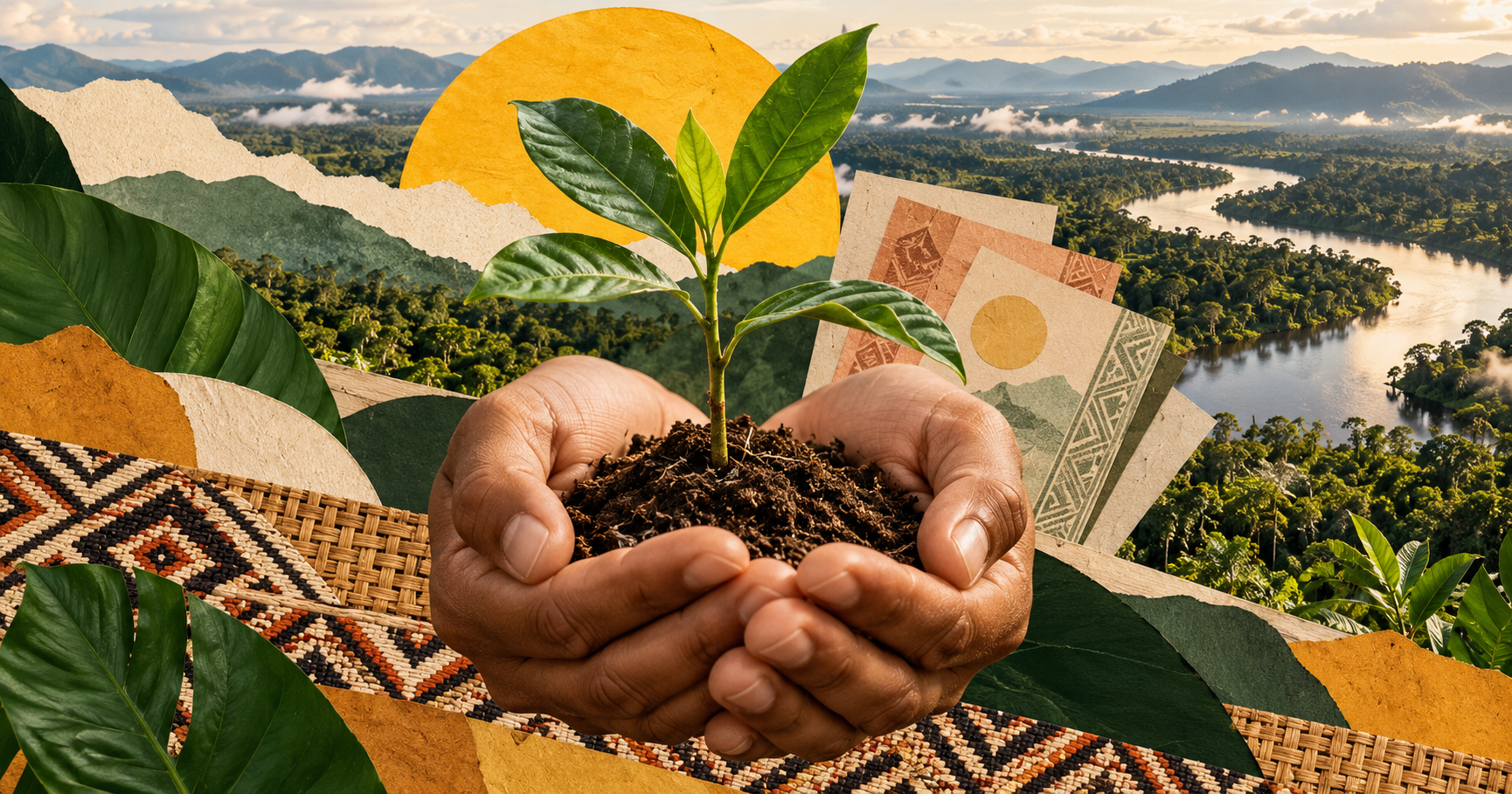
Economic security and rainforest stewardship rose together in three Indigenous communities—but the pilot had no control group.
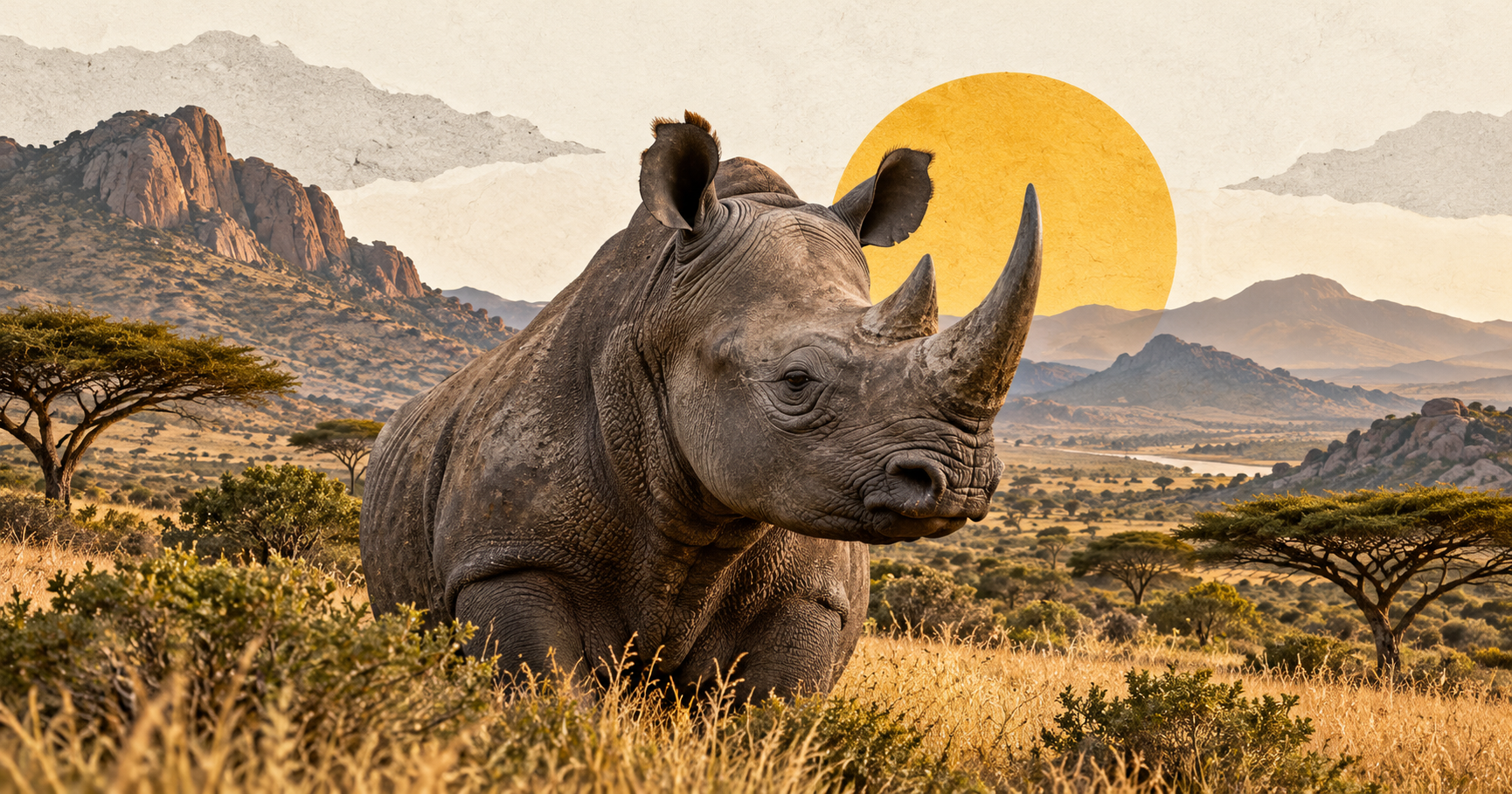
The 3,200 km² sanctuary was officially opened in December 2025. An October 2026 report describes subsequent fence removal and wider habitat work.
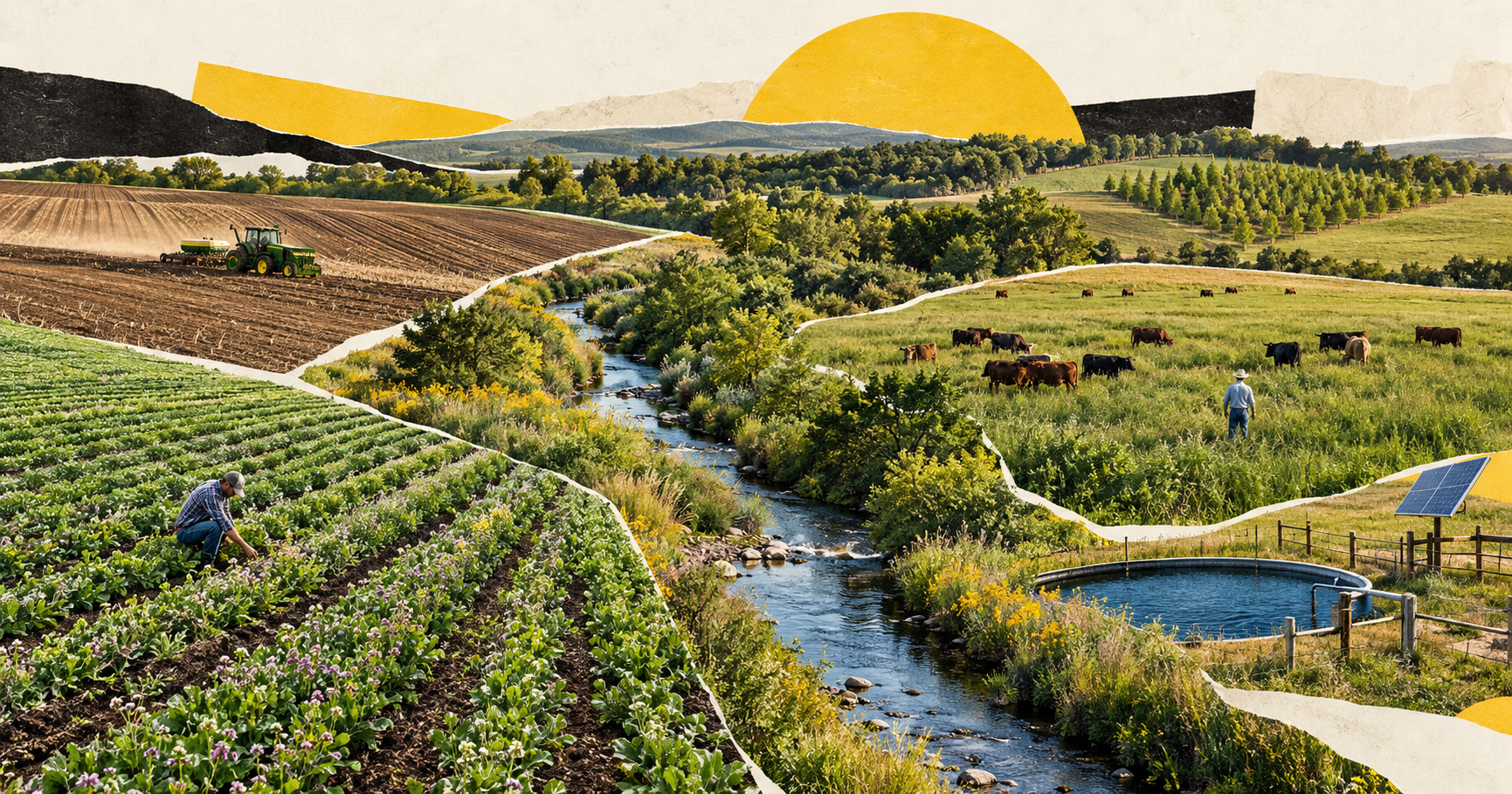
Conservation funding is moving onto farms with producer contracts attached.
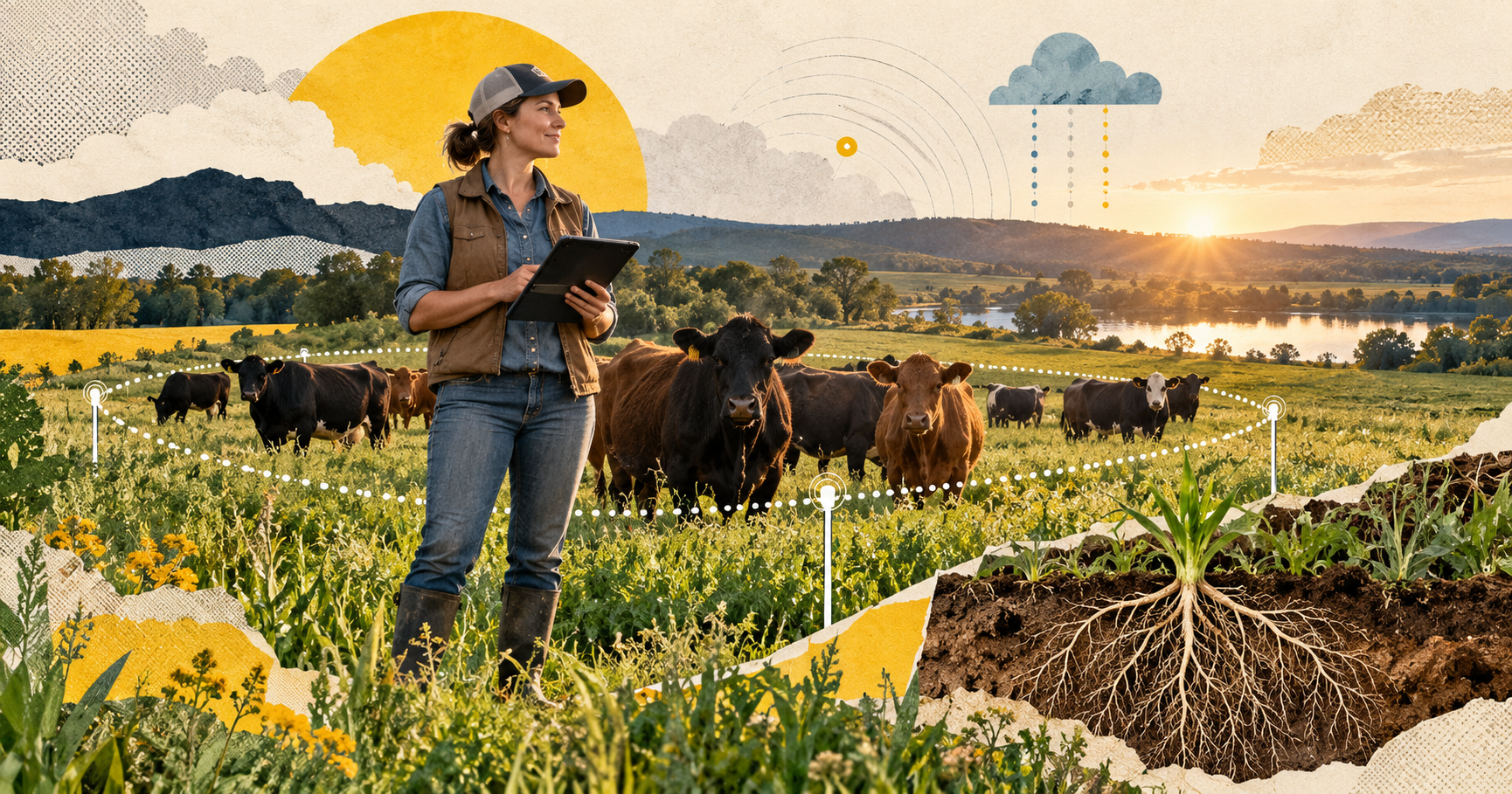
The lab bench is moving onto working farms.

Child care relief is moving from pilot to citywide scale.
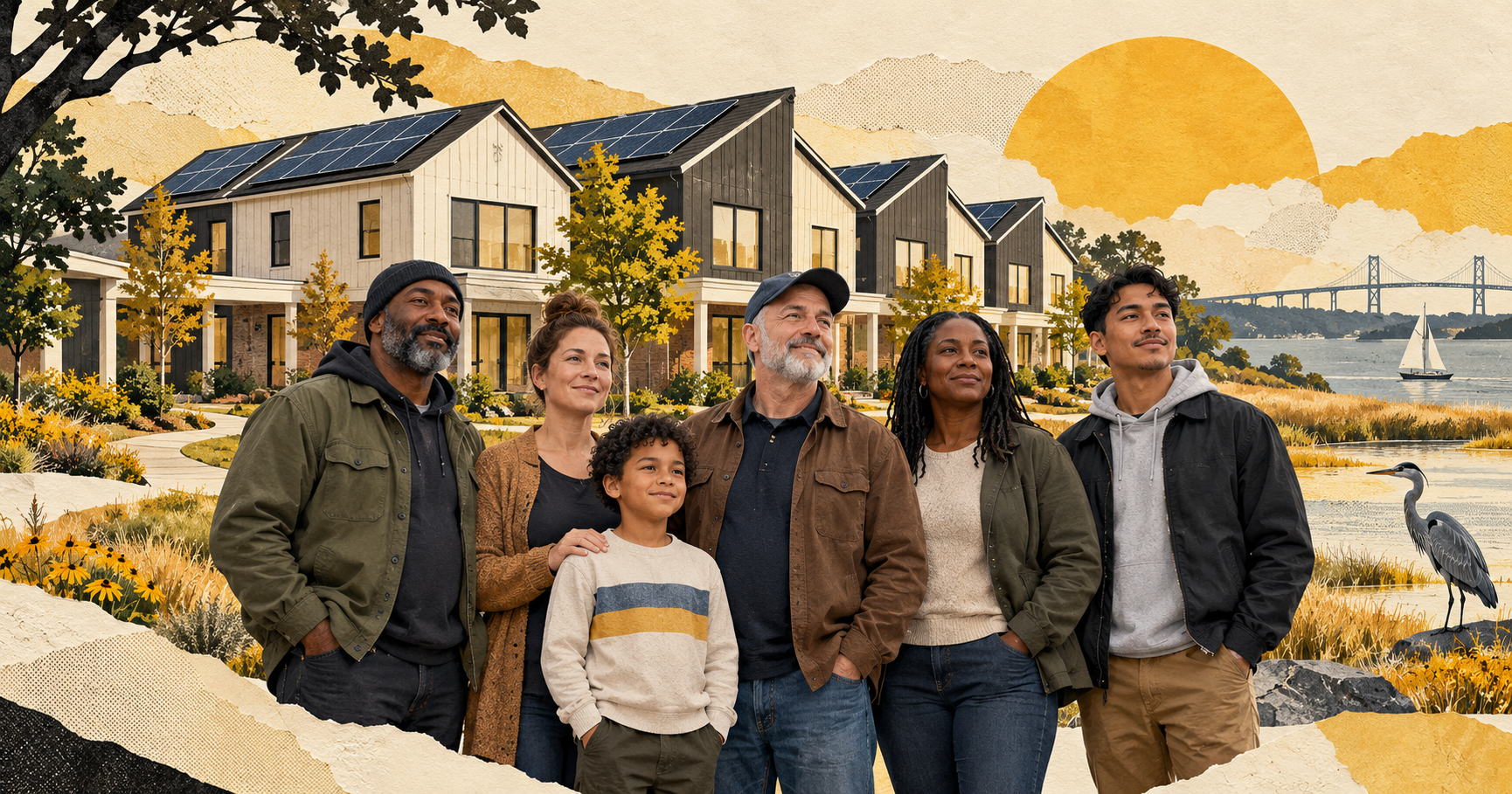
Stable housing, VA care and support services are being built together.

A local law turns a family-support promise into paid time.
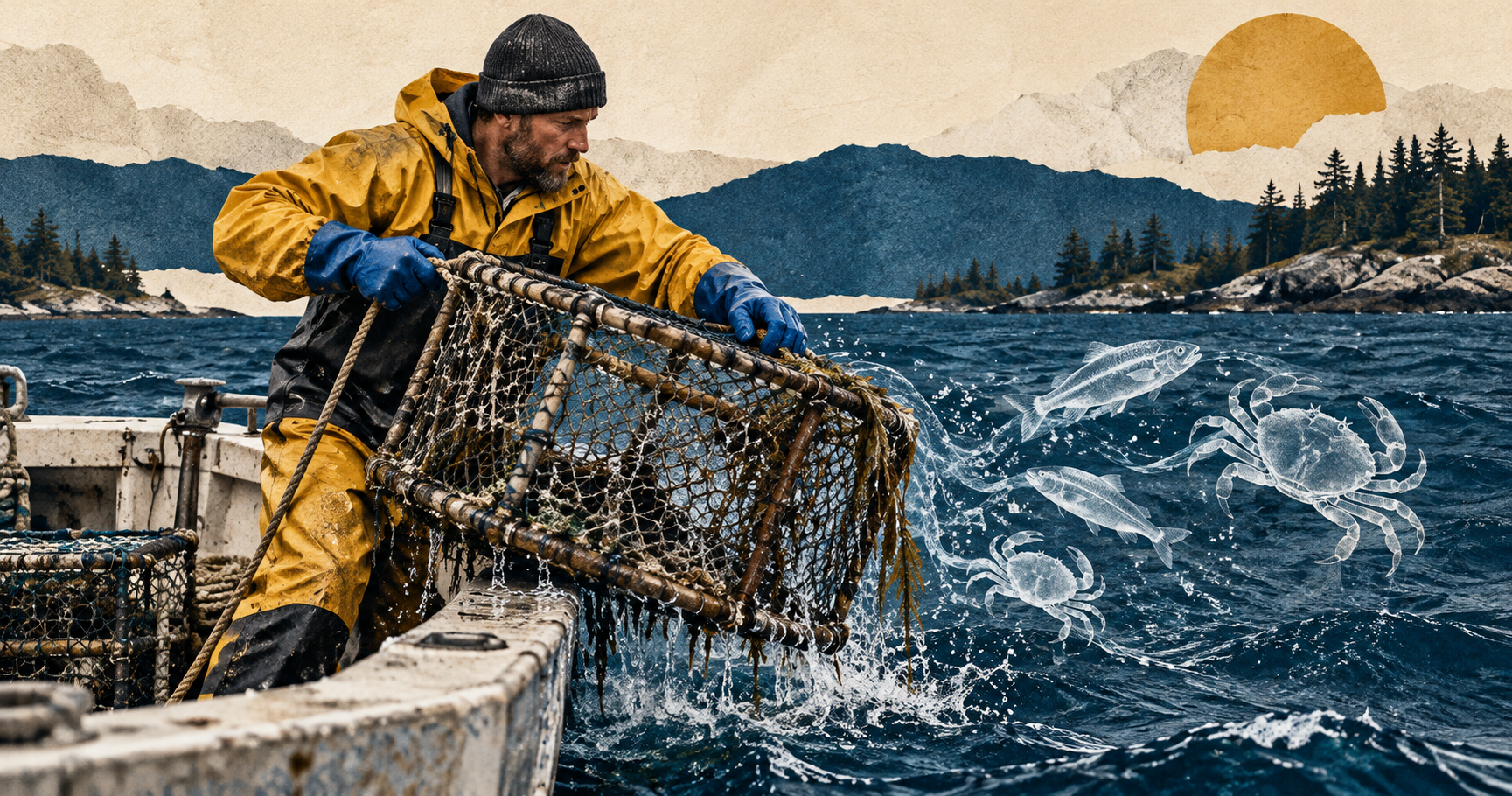
Old fishing gear came out. Data, habitat and coastal jobs moved in.

A parent-led preschool and Spanish-immersion campaign helped Daniel Webster Elementary grow into a thriving neighborhood school.
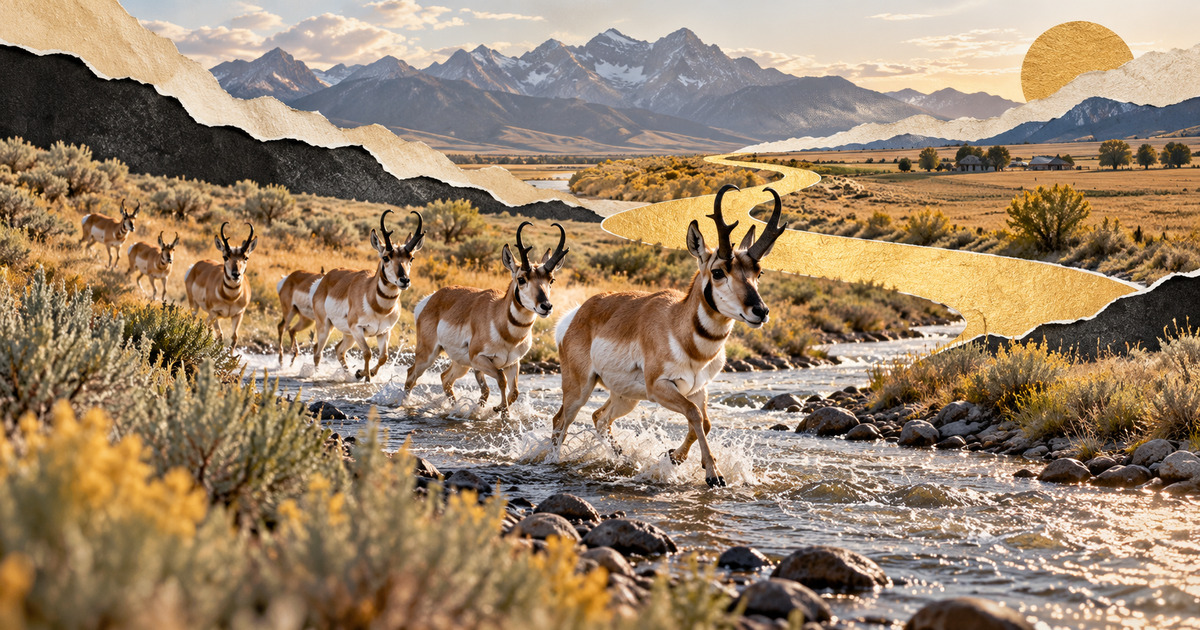
A narrow passage in a 150-mile migration just got durable protection.

A new name for a landscape protected since 1924.

Housing stability may be health care.

A prevention program built for men paired consent, empathy, alcohol-risk awareness, and bystander practice.

Local rescuers documented more than 90 Bangka slow lorises—and returned 86 to protected forest.
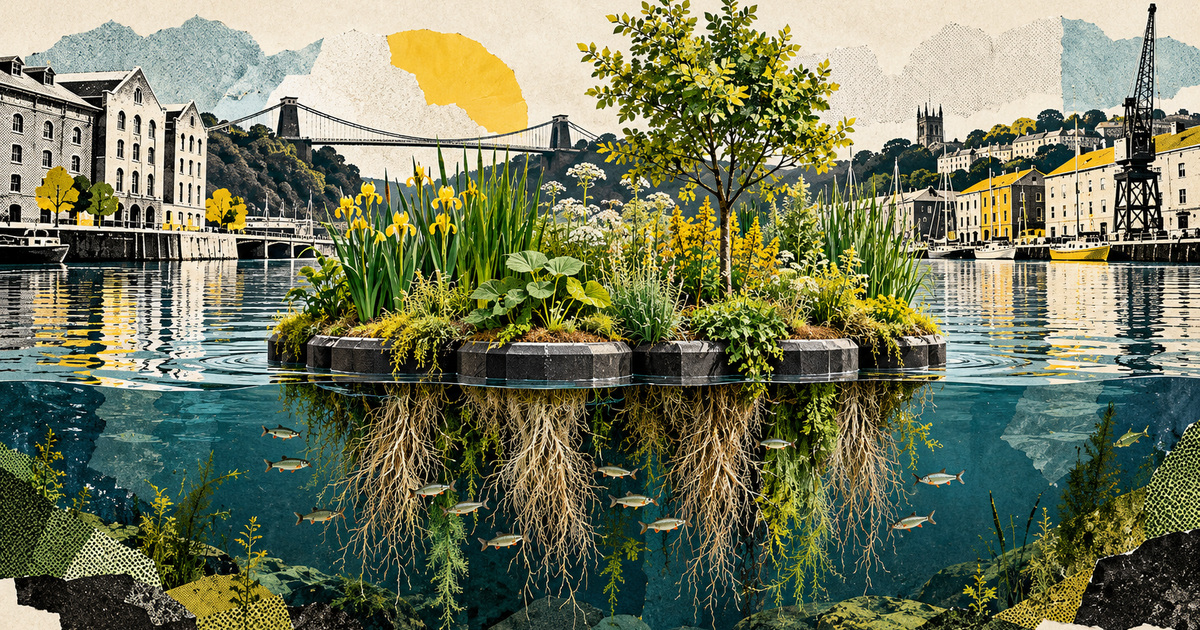
Native plants now shelter fish, pollinators and nesting birds in the middle of the city.

A brief tissue bridge moved helpful algae within three days—and recovery continued after the corals were separated.
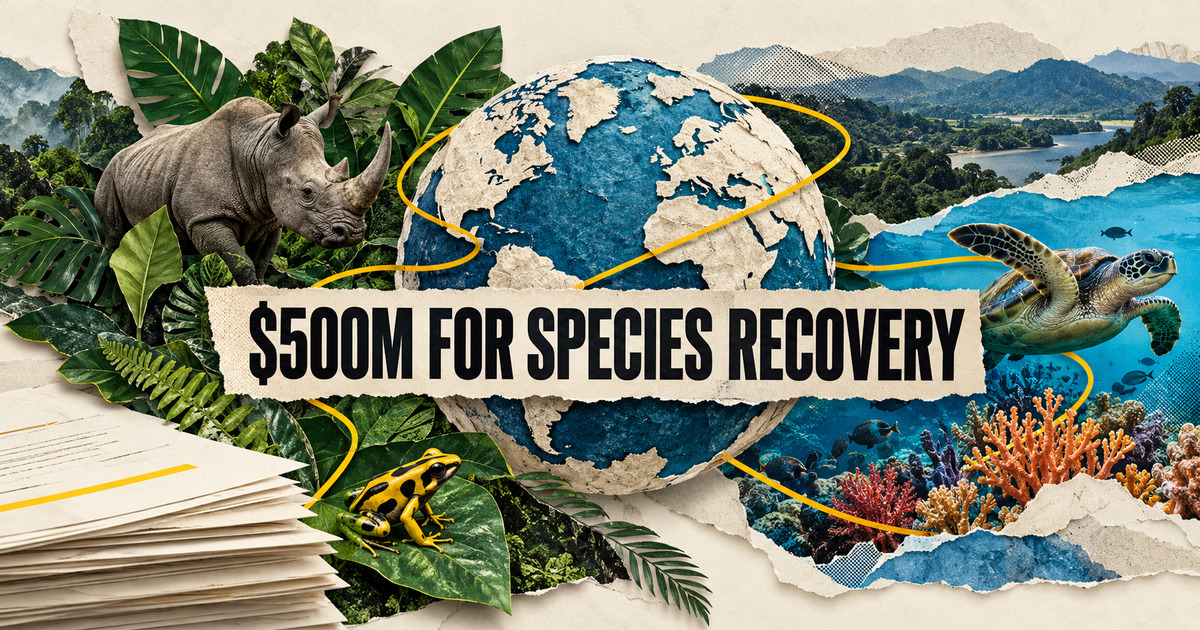
A new alliance is coordinating five years of targeted recovery funding.

Forty-four, from the brink.
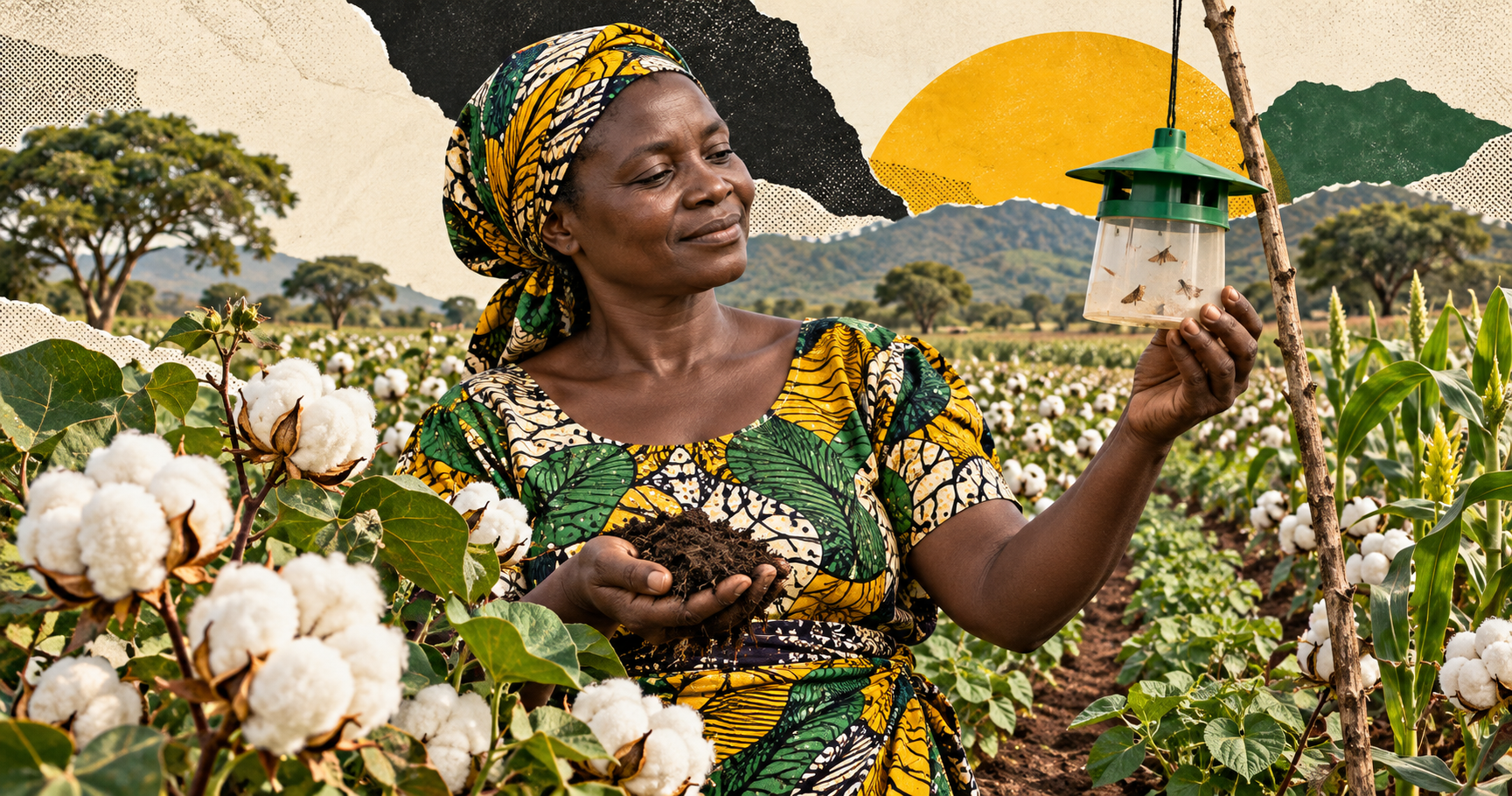
The national average rose above one tonne per hectare in 2025–26; some farmer-field-school groups reached 1.4 to 2 tonnes while cutting pest treatments.

Five years, a 27% decline, and a health system still pushing: Rwanda is pairing community care with faster records and referrals.
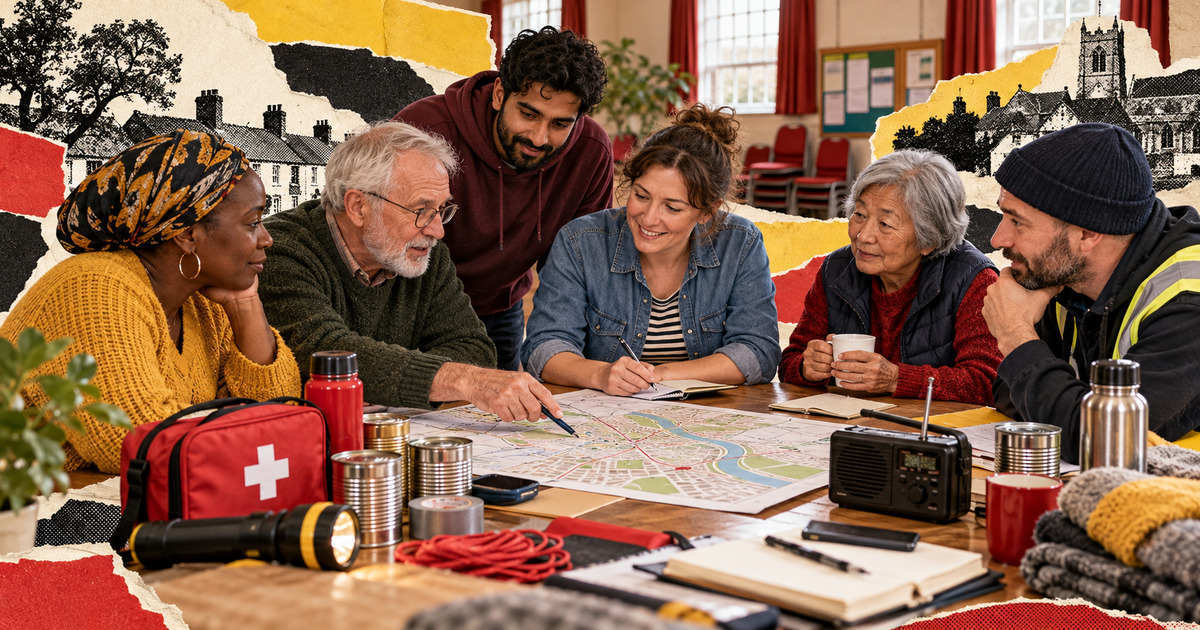
Eight practical modules help communities turn names, skills and local knowledge into a plan before the next disruption arrives.
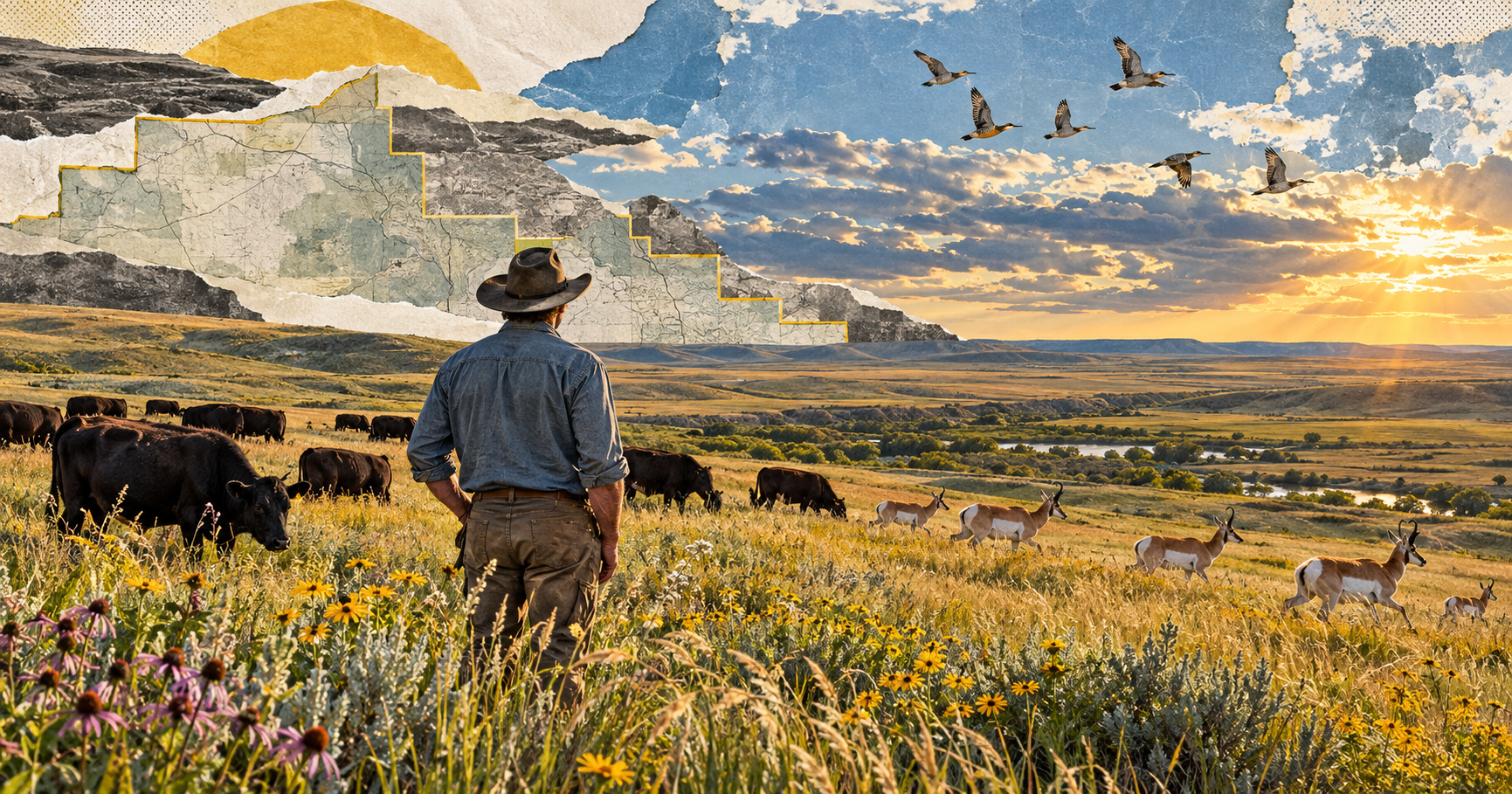
The fund starts with $9 million from Walmart Foundation and $9 million in aligned investment from McDonald’s USA and suppliers.
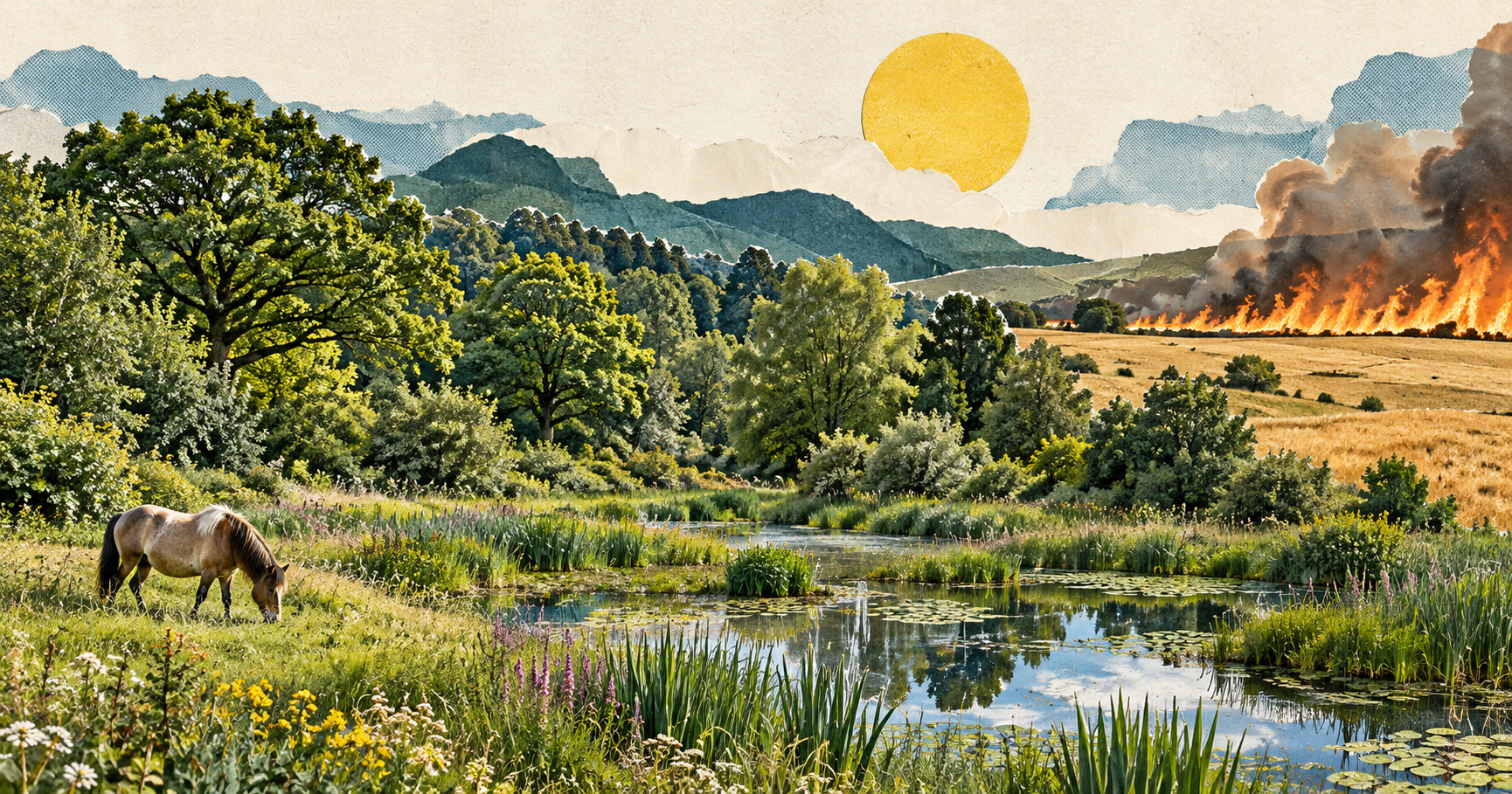
The advocacy-group analysis also found burned areas from 2016–2026 were concentrated in acid grassland, heather, bog and other simplified landscapes rather than restored habitat.