PROGRESS
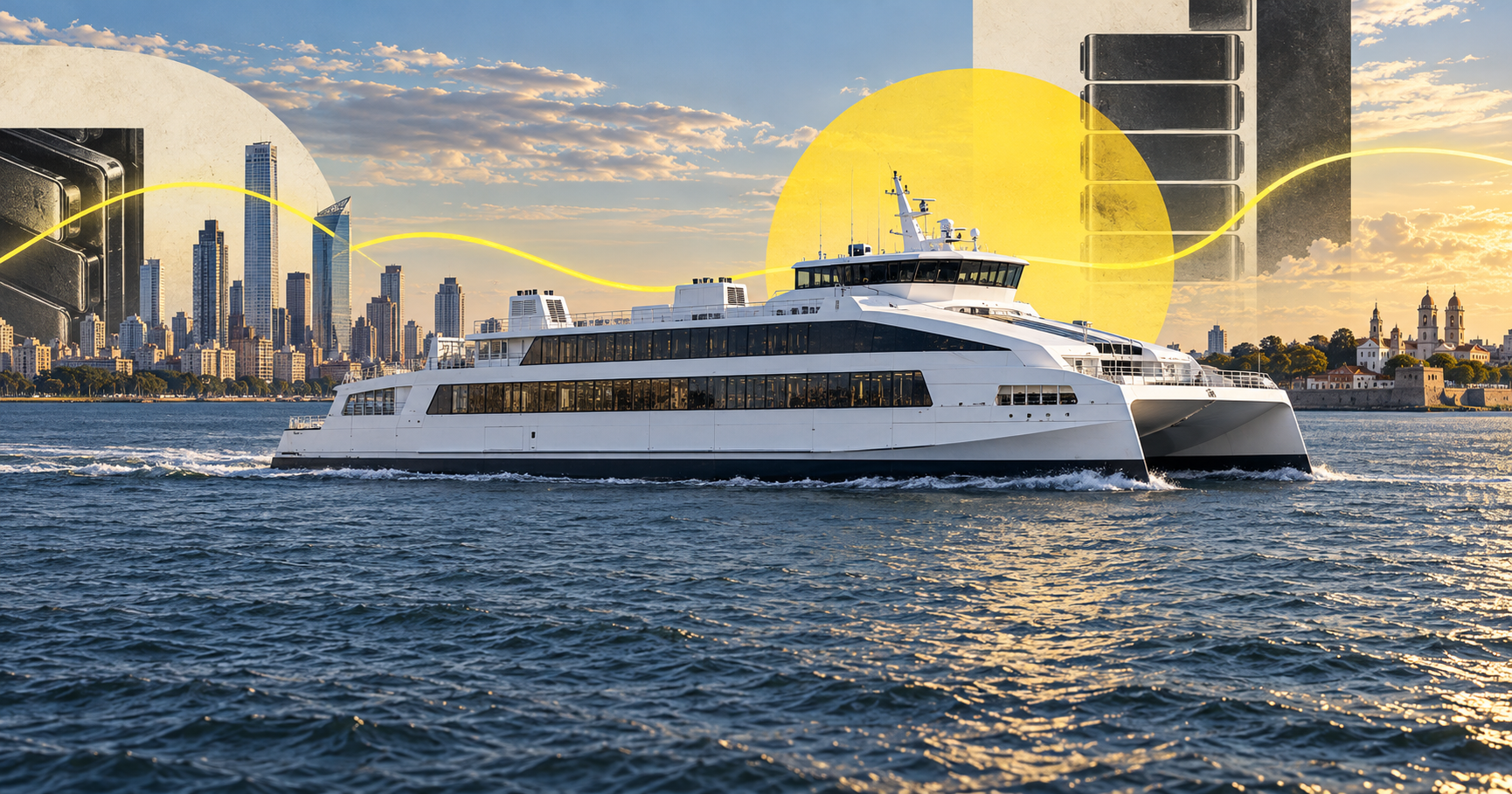
The world's largest battery-electric ship entered commercial service.
A 130-metre electric ferry is now carrying passengers and vehicles across the Río de la Plata.
SOURCEIncat Tasmania
—
Every serving. No expiration date.
A 130-metre electric ferry is now carrying passengers and vehicles across the Río de la Plata.
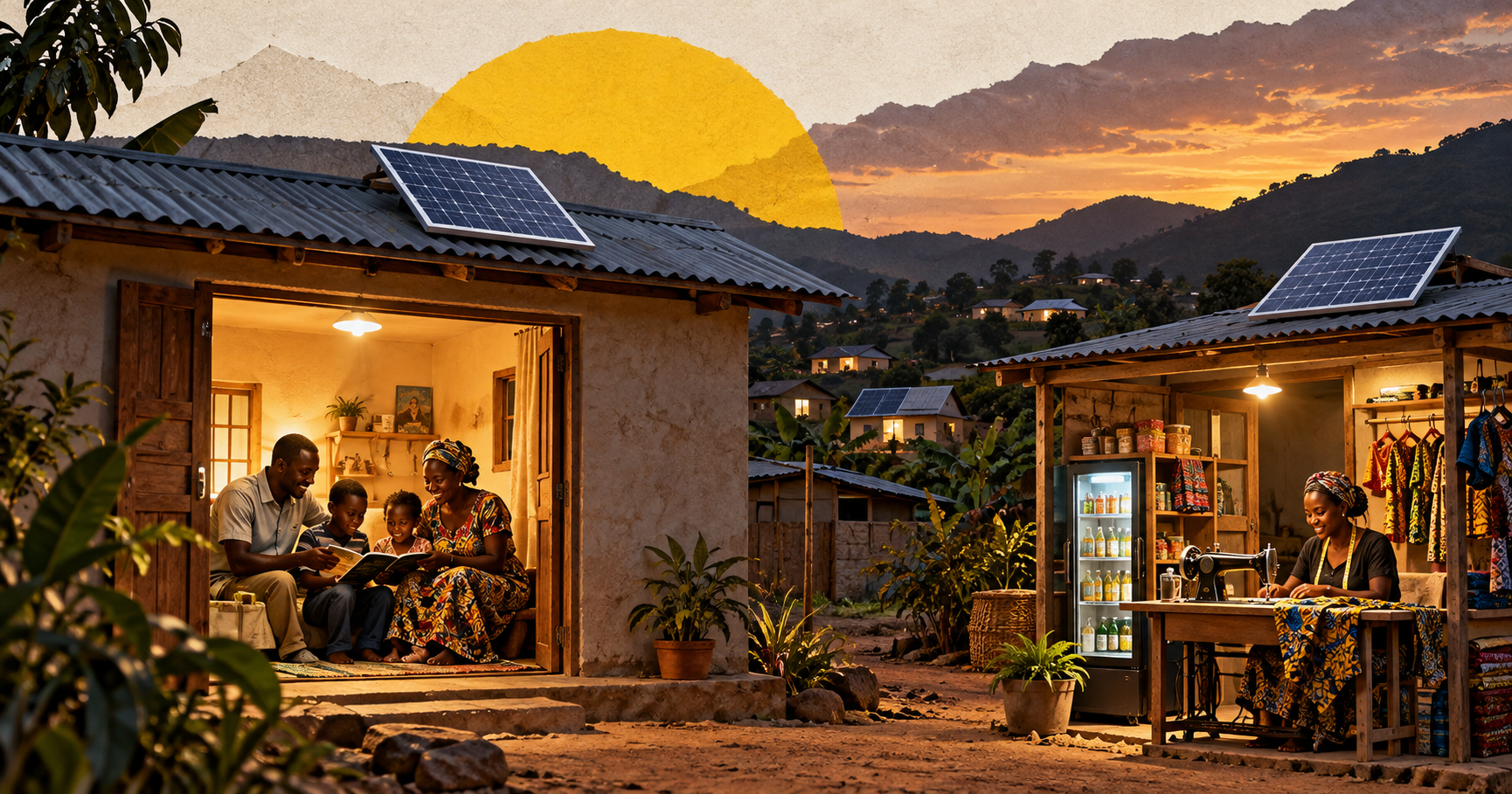
Small solar systems are powering homes, jobs and 7.4 million microenterprises.
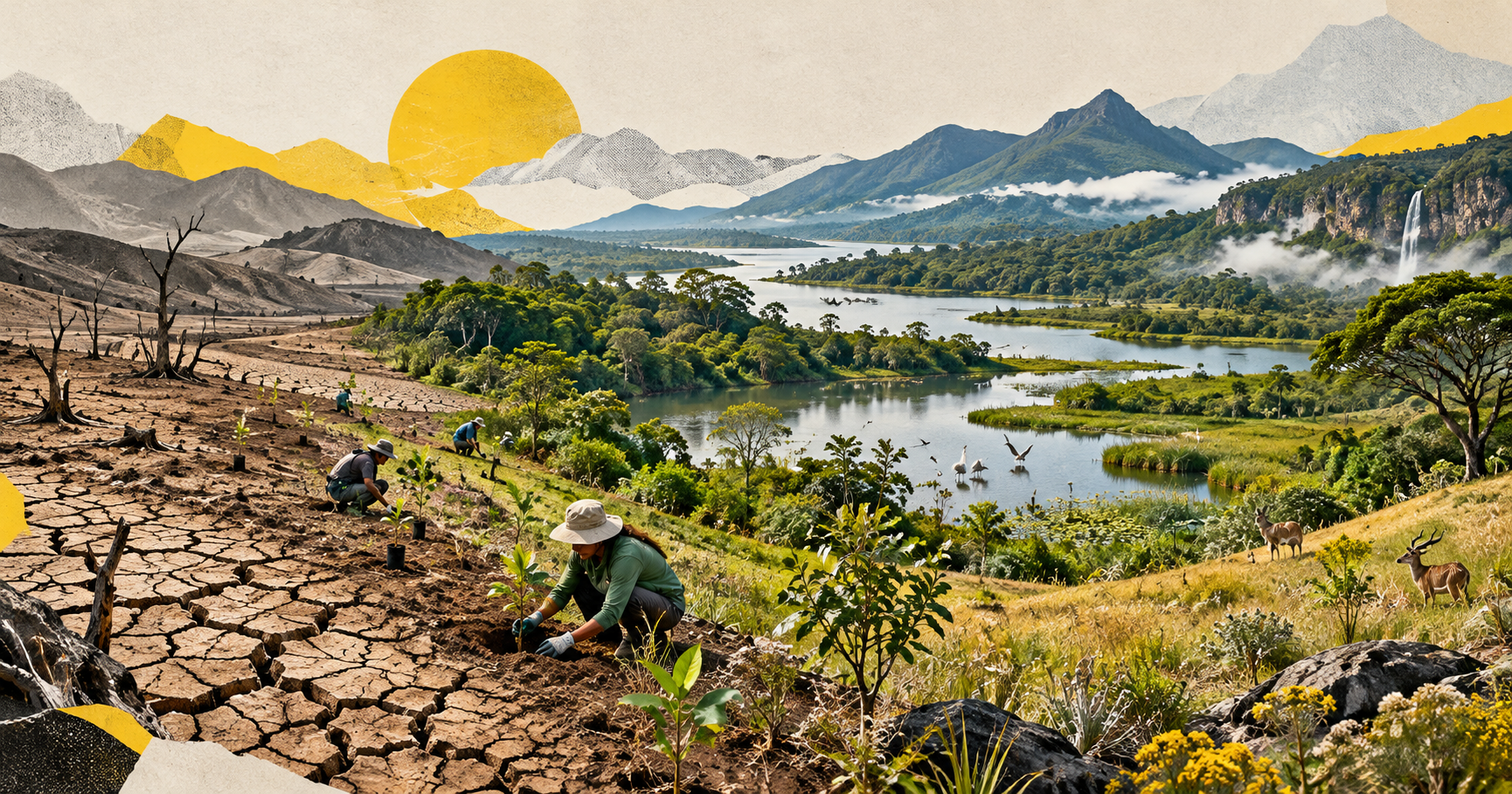
Nature restoration is scaling—and already supporting more than one million green jobs.

The 3,200 km² sanctuary was officially opened in December 2025. An October 2026 report describes subsequent fence removal and wider habitat work.

Economic security and rainforest stewardship rose together in three Indigenous communities—but the pilot had no control group.
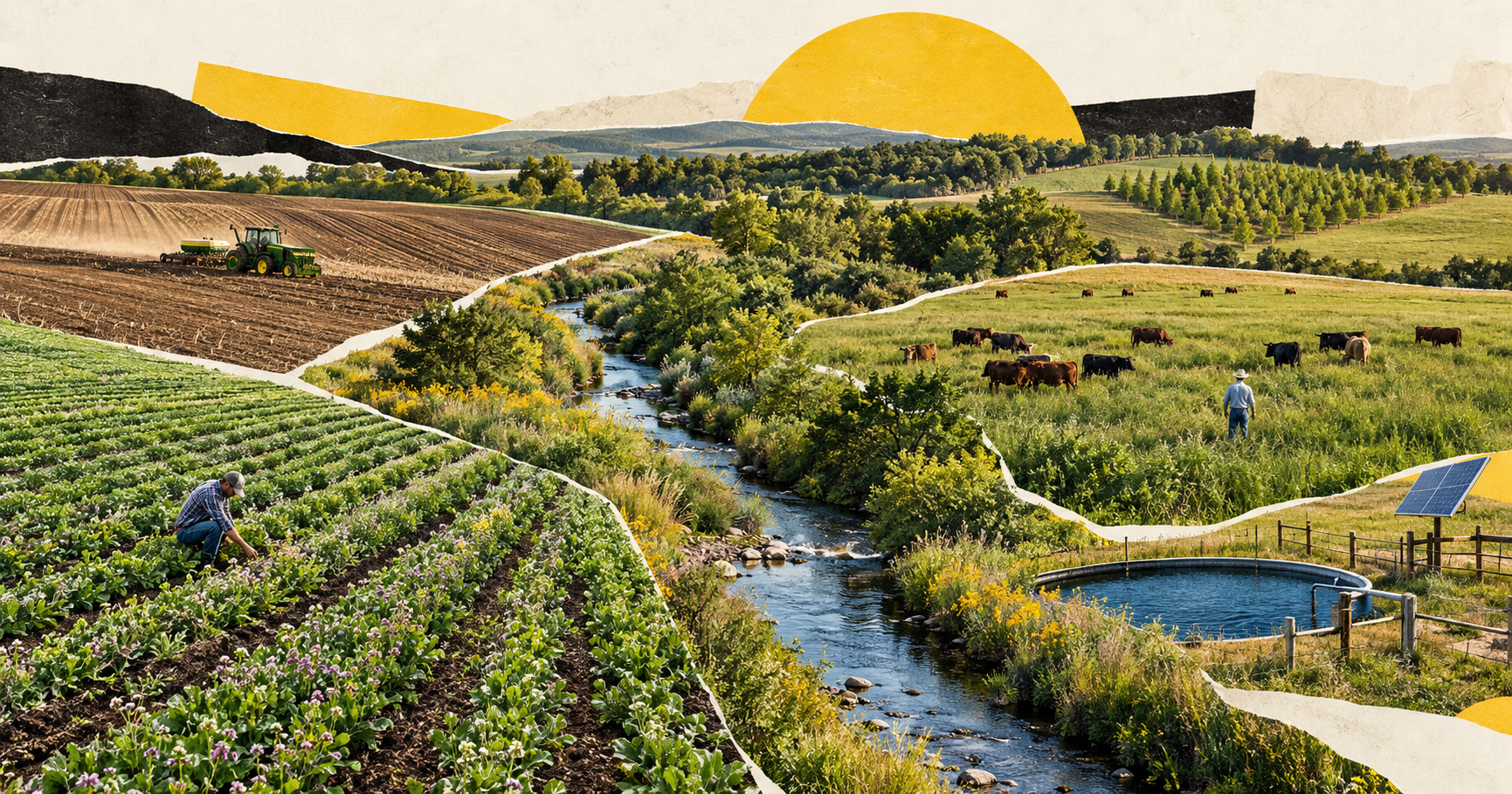
Conservation funding is moving onto farms with producer contracts attached.
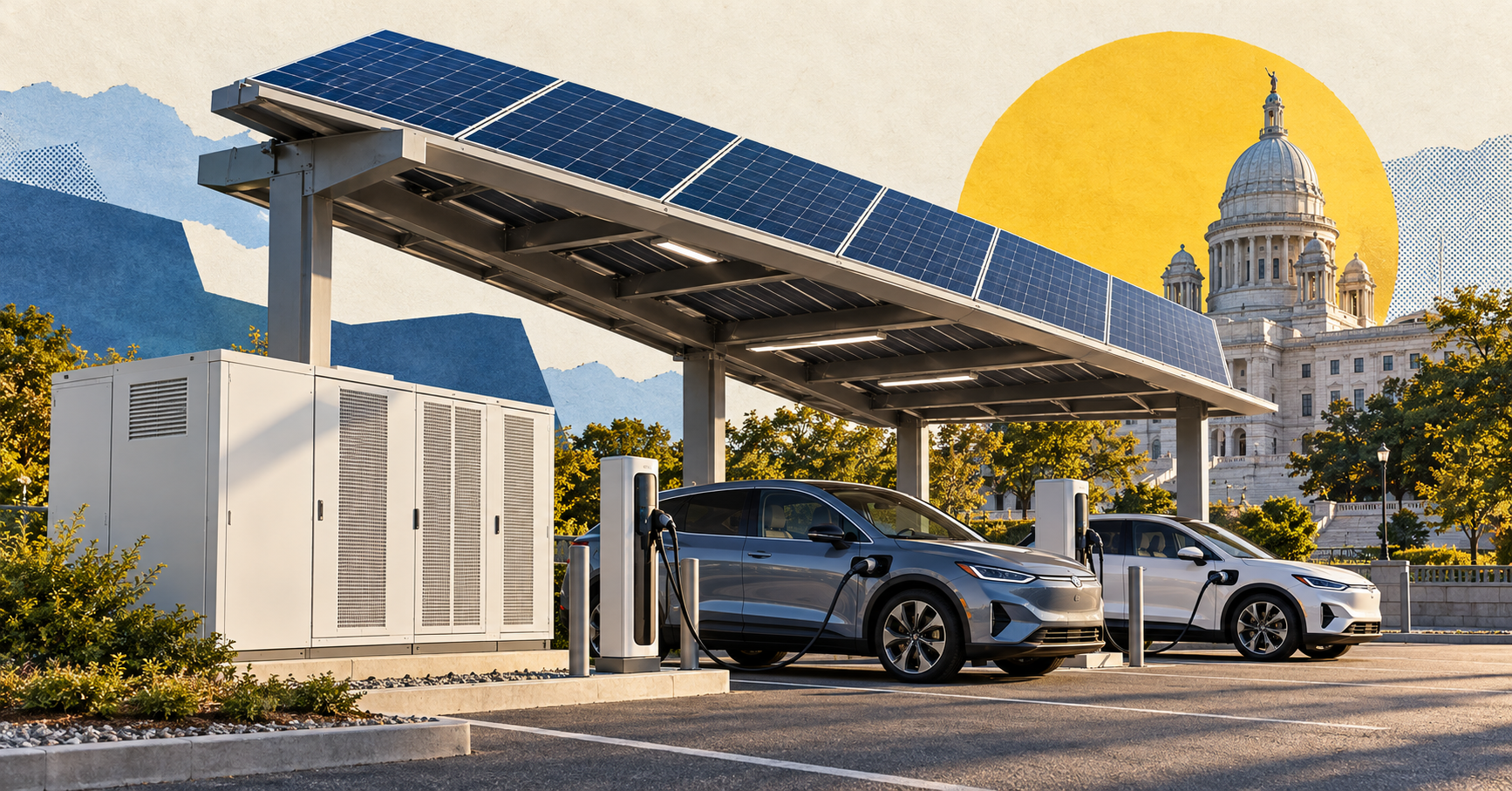
A government parking lot is becoming a small, flexible power system.

Stable housing, VA care and support services are being built together.
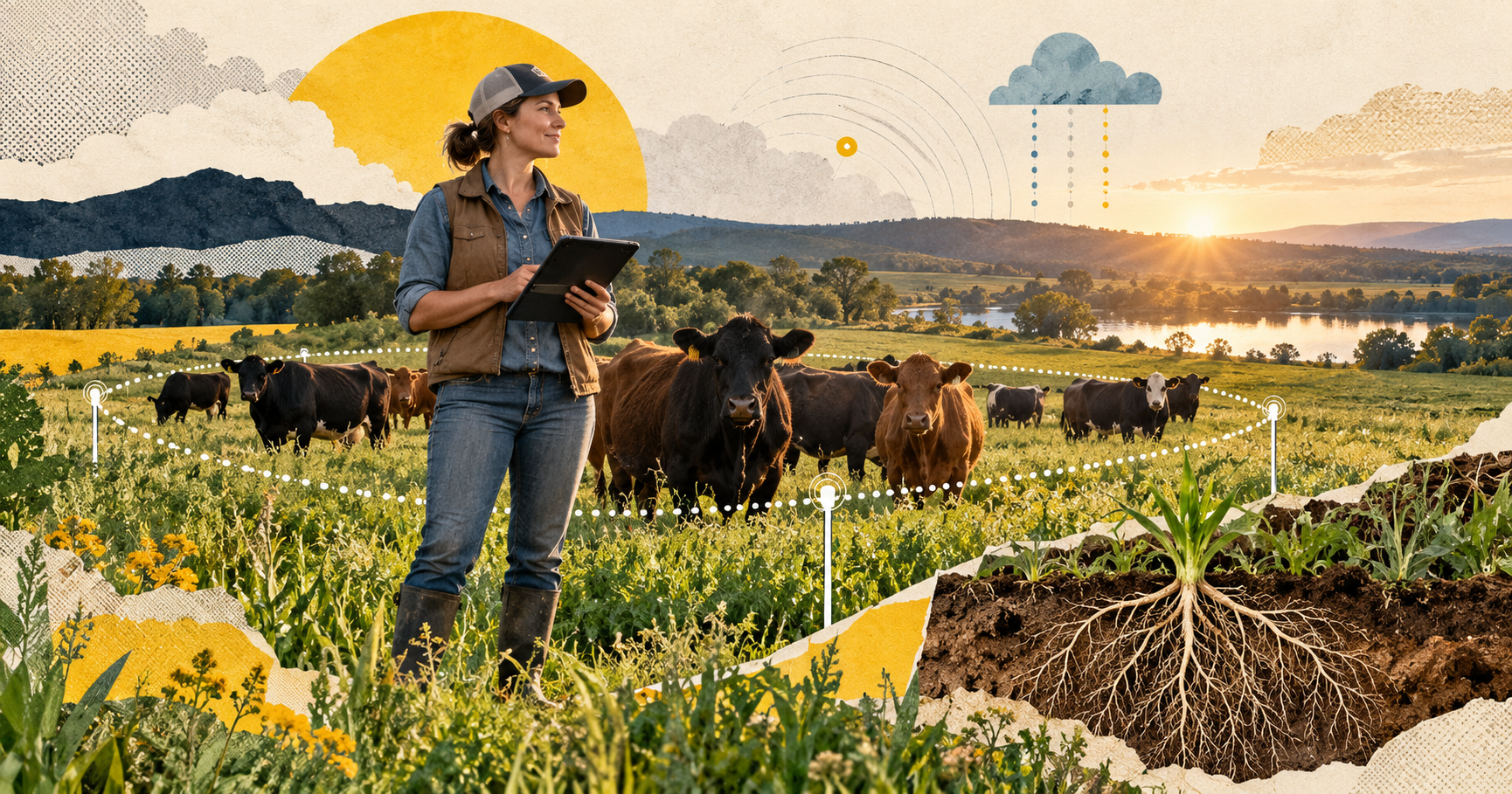
The lab bench is moving onto working farms.

Child care relief is moving from pilot to citywide scale.
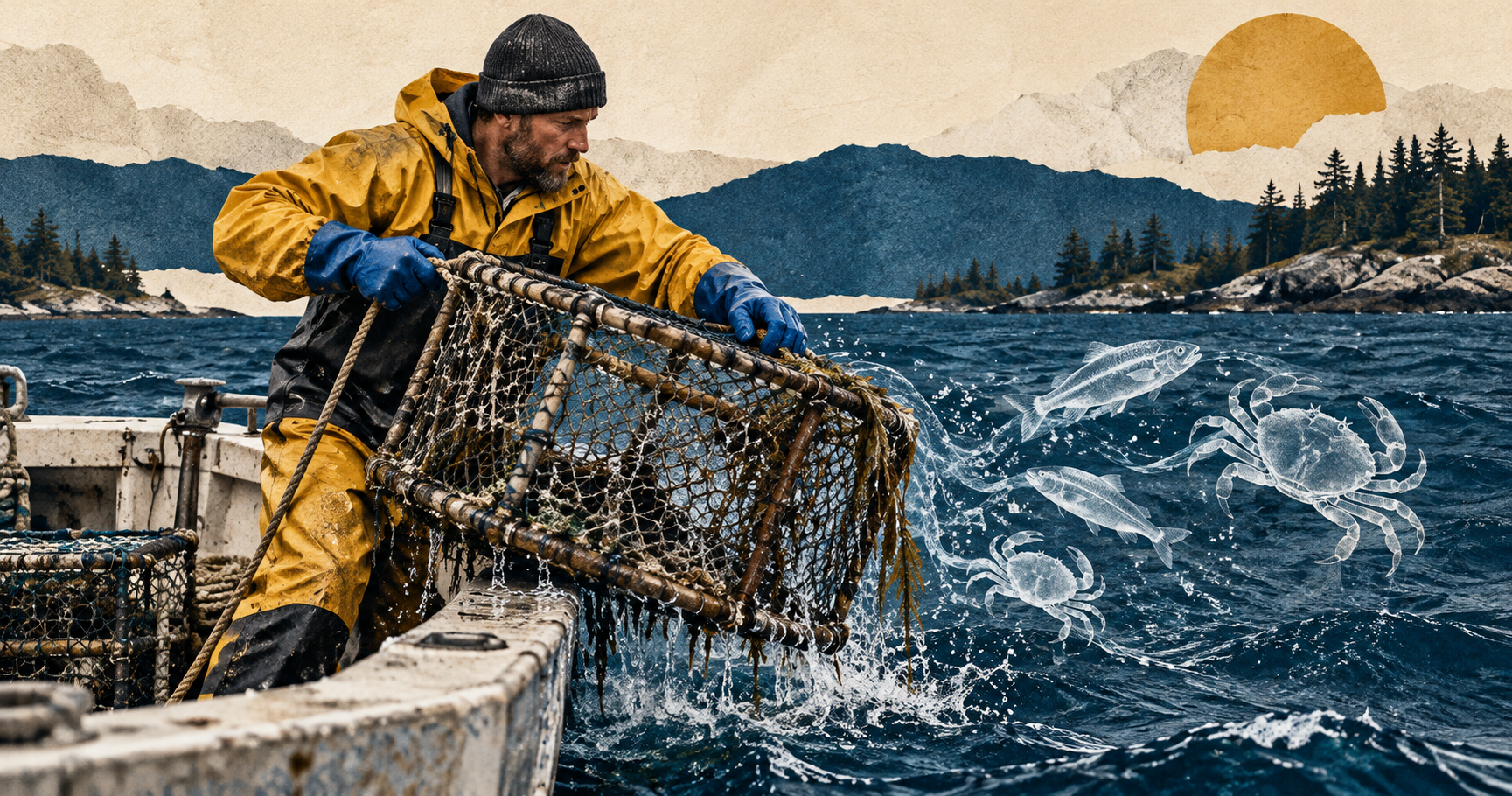
Old fishing gear came out. Data, habitat and coastal jobs moved in.
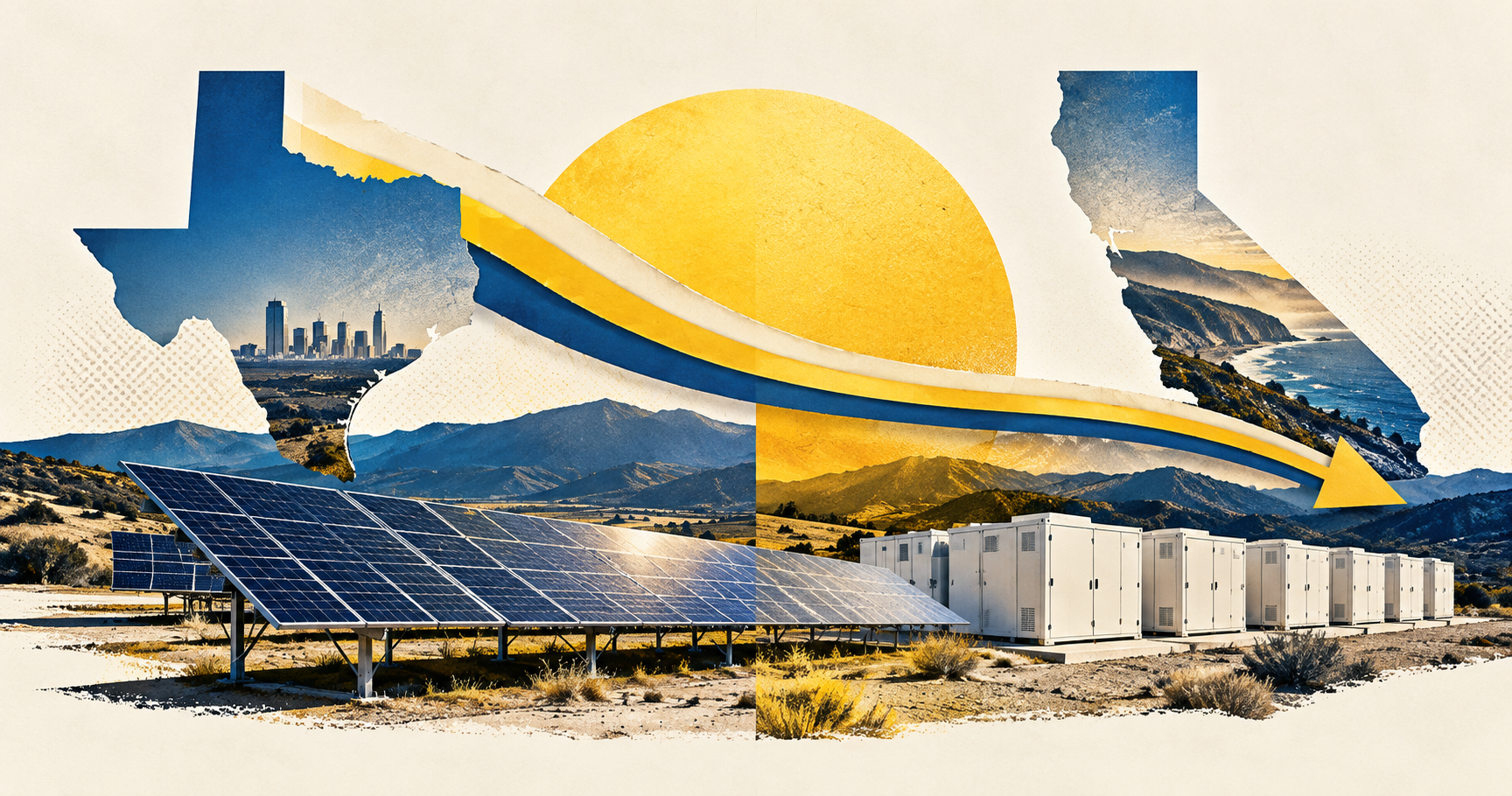
More clean capacity arrived—and midday wholesale power got cheaper.

A local law turns a family-support promise into paid time.
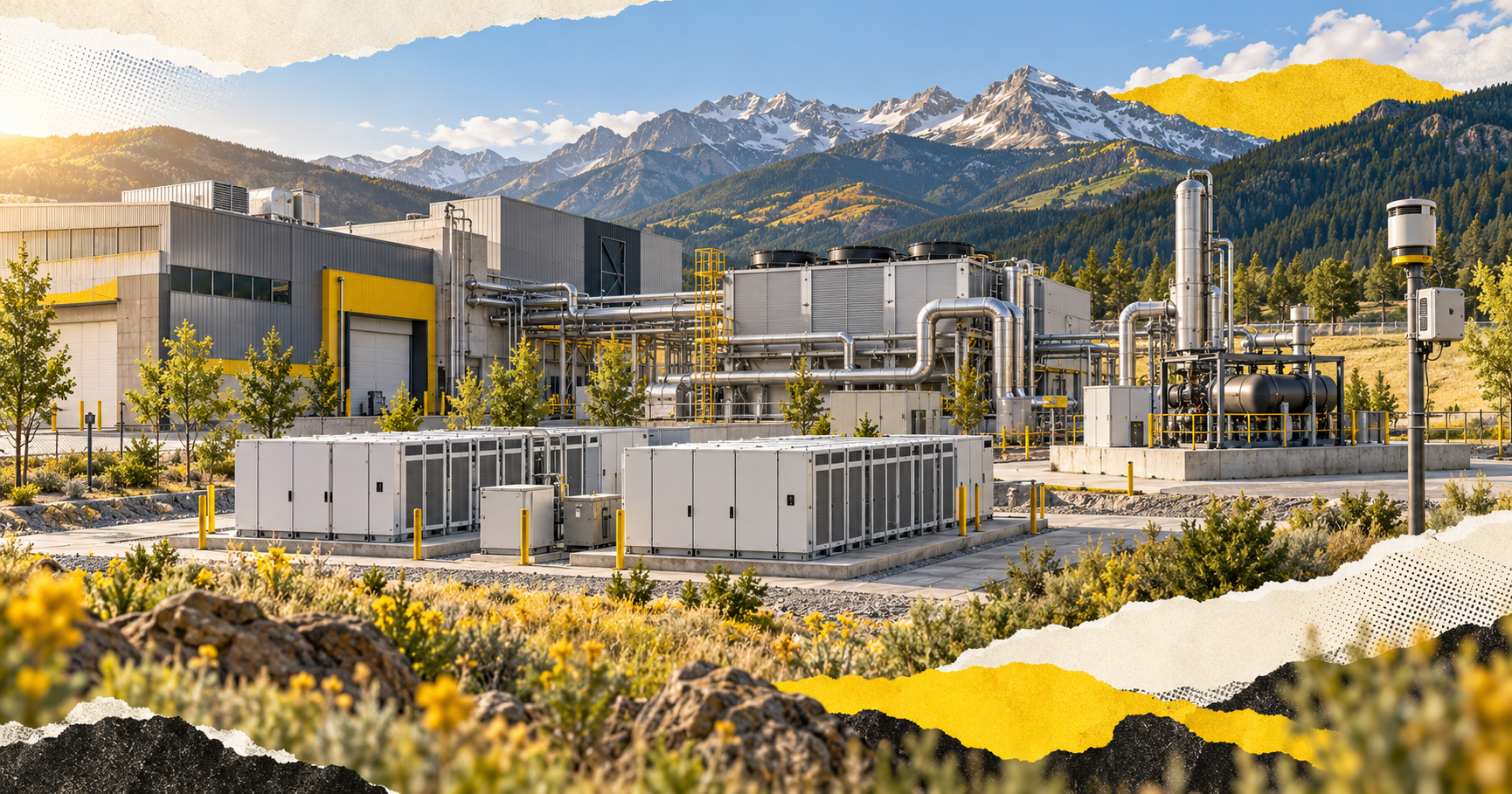
Six implementation projects and one study will test cleaner equipment from landfill methane sensors to factory batteries.

A parent-led preschool and Spanish-immersion campaign helped Daniel Webster Elementary grow into a thriving neighborhood school.
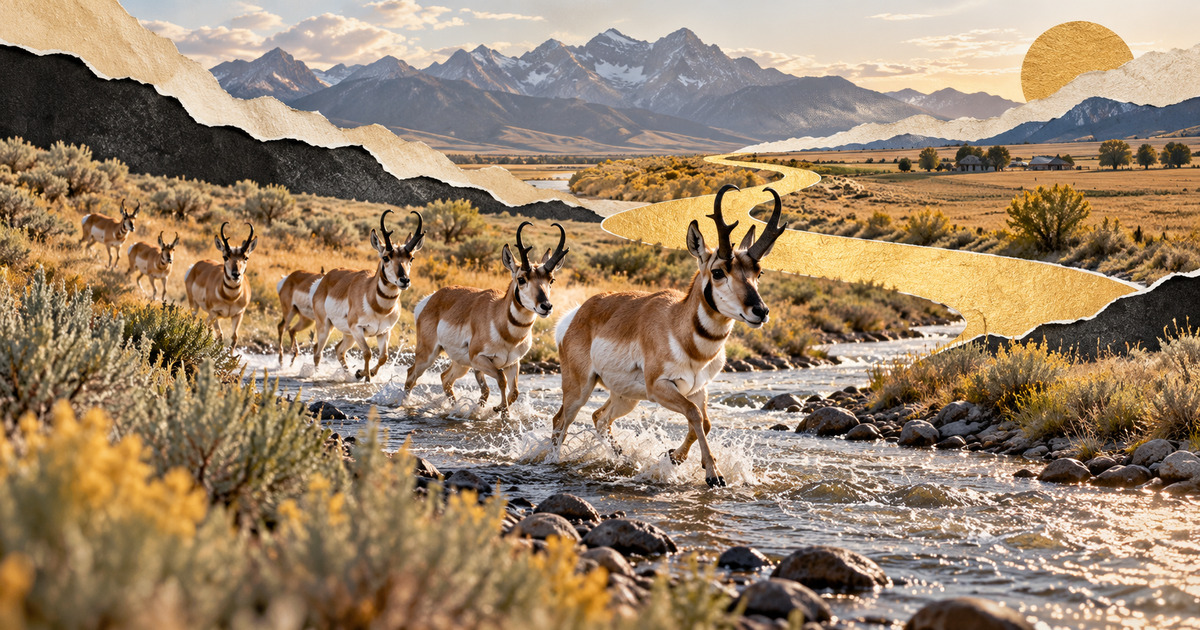
A narrow passage in a 150-mile migration just got durable protection.
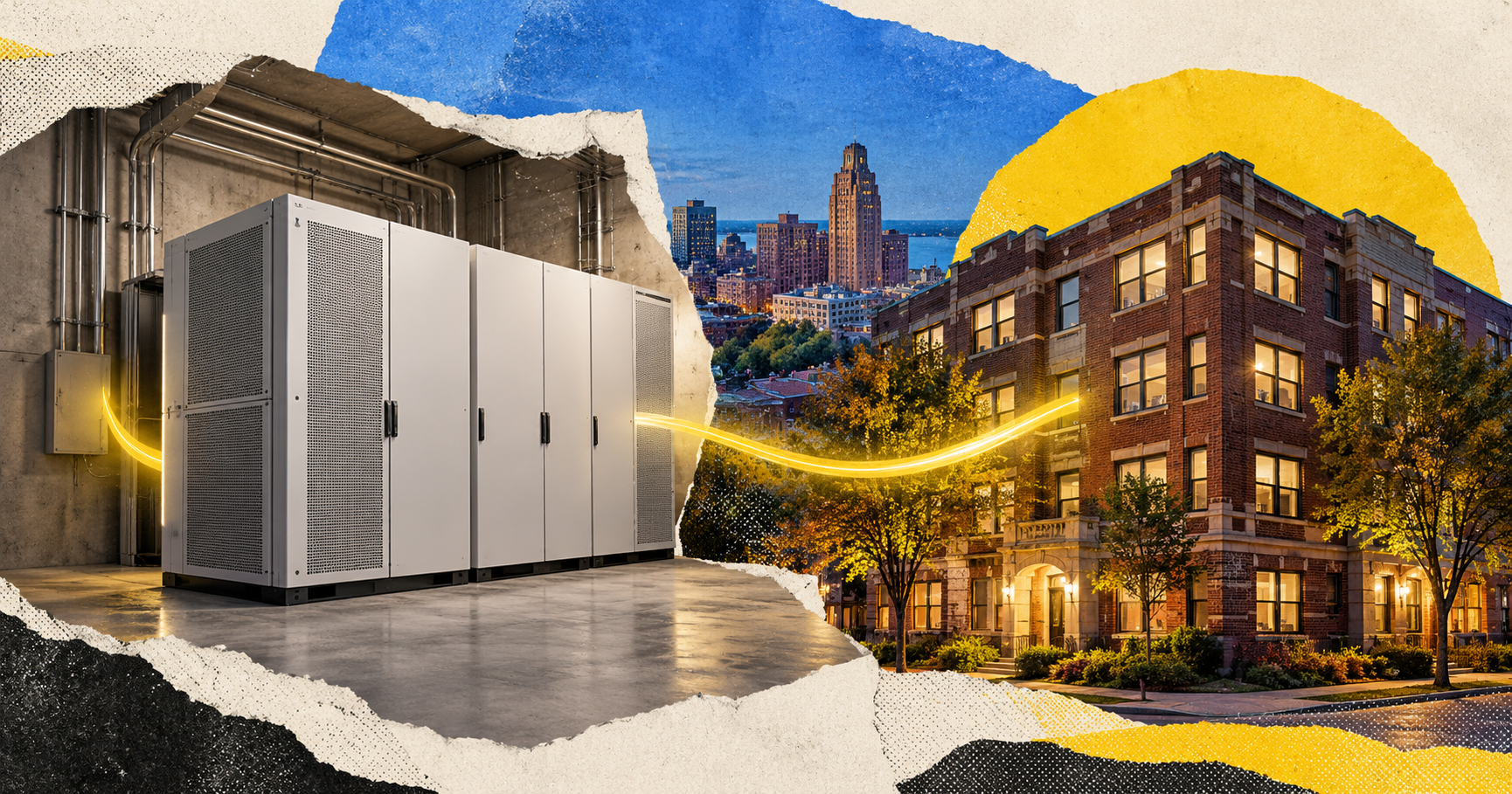
Big storage. Lower bills.

Housing stability may be health care.

A new name for a landscape protected since 1924.

A prevention program built for men paired consent, empathy, alcohol-risk awareness, and bystander practice.

Local rescuers documented more than 90 Bangka slow lorises—and returned 86 to protected forest.
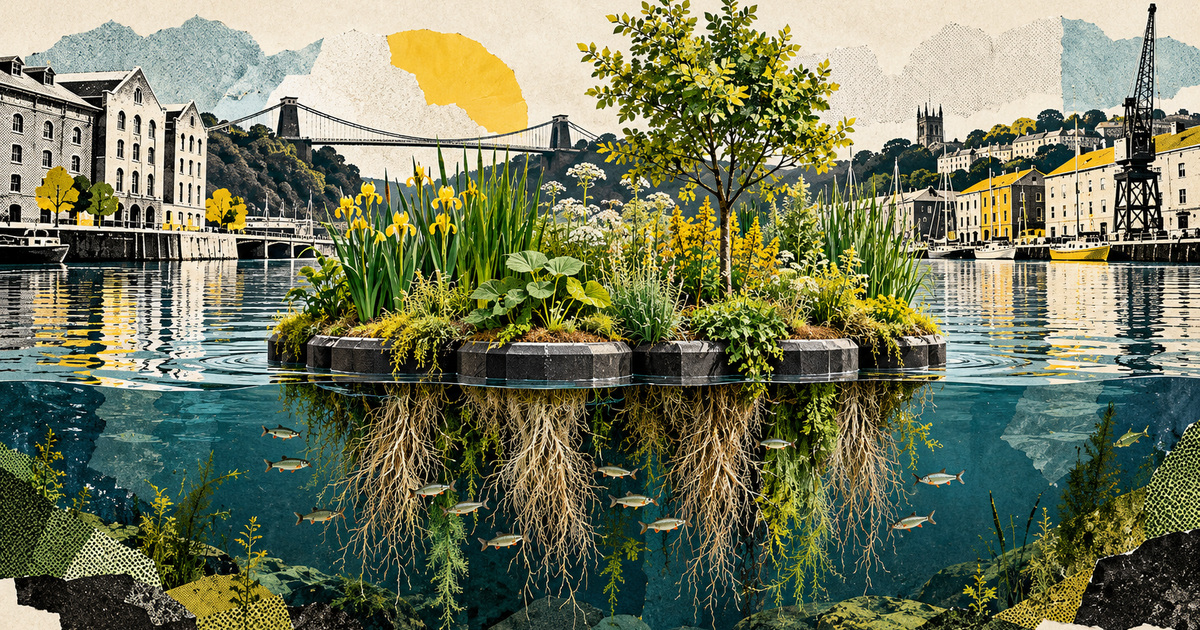
Native plants now shelter fish, pollinators and nesting birds in the middle of the city.
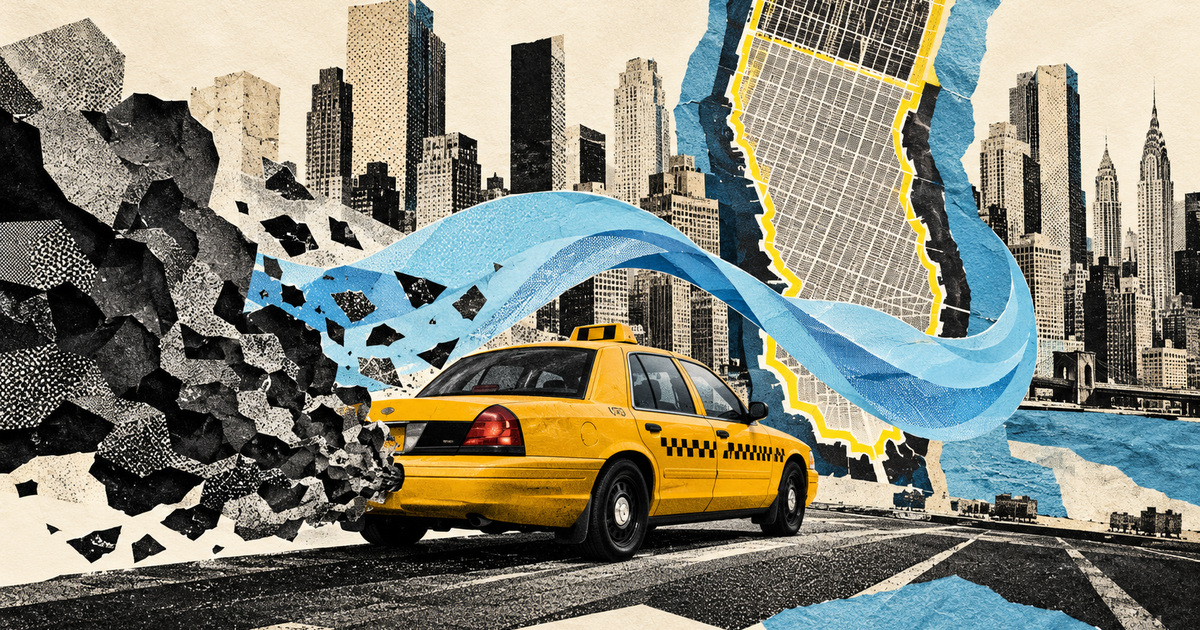
The estimated air-quality gain closely tracked an 11% drop in vehicles entering the zone.
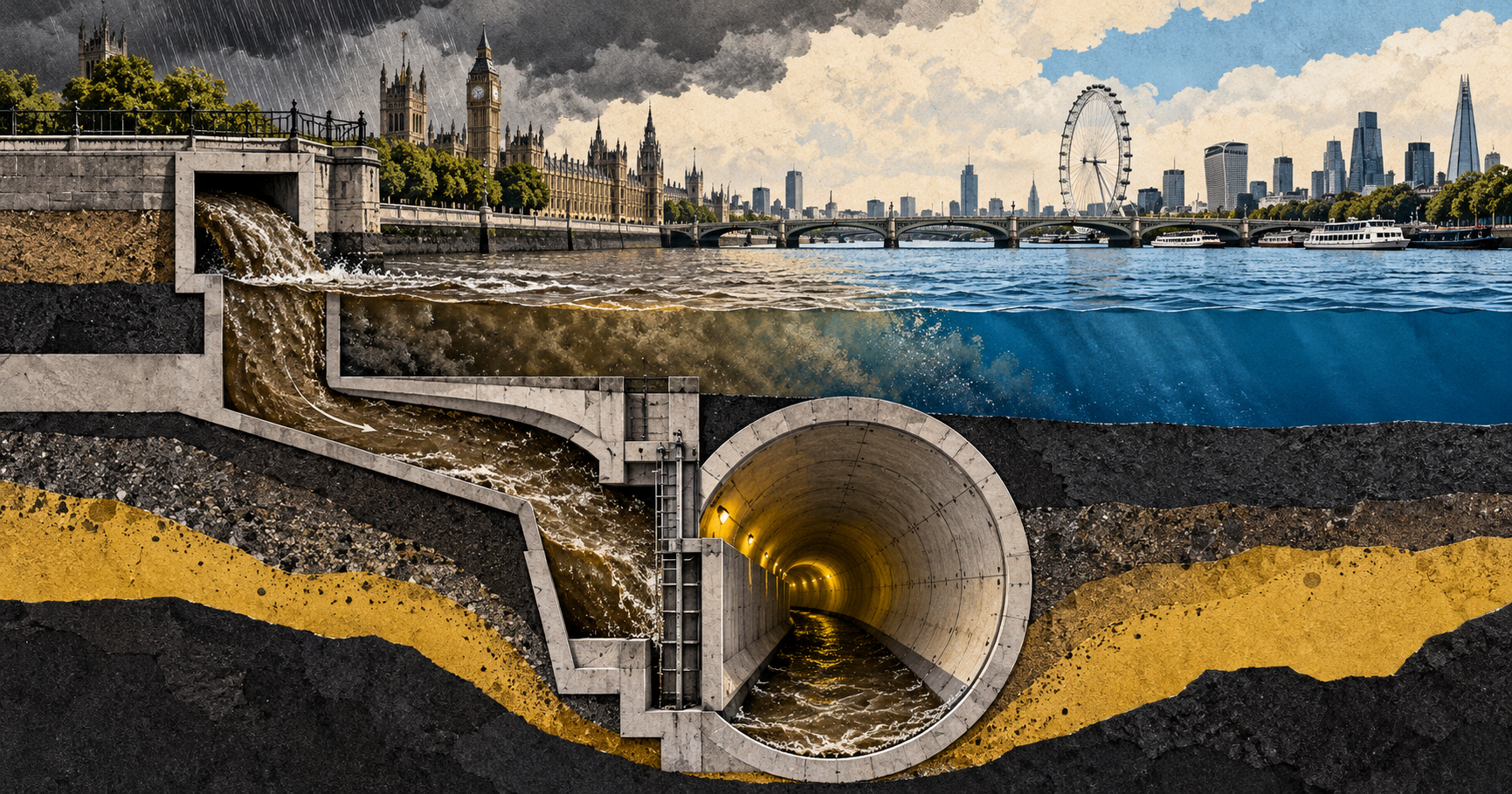
London's new tunnel intercepted most of the storm-overflow volume its designers modeled for 2025.