PROGRESS
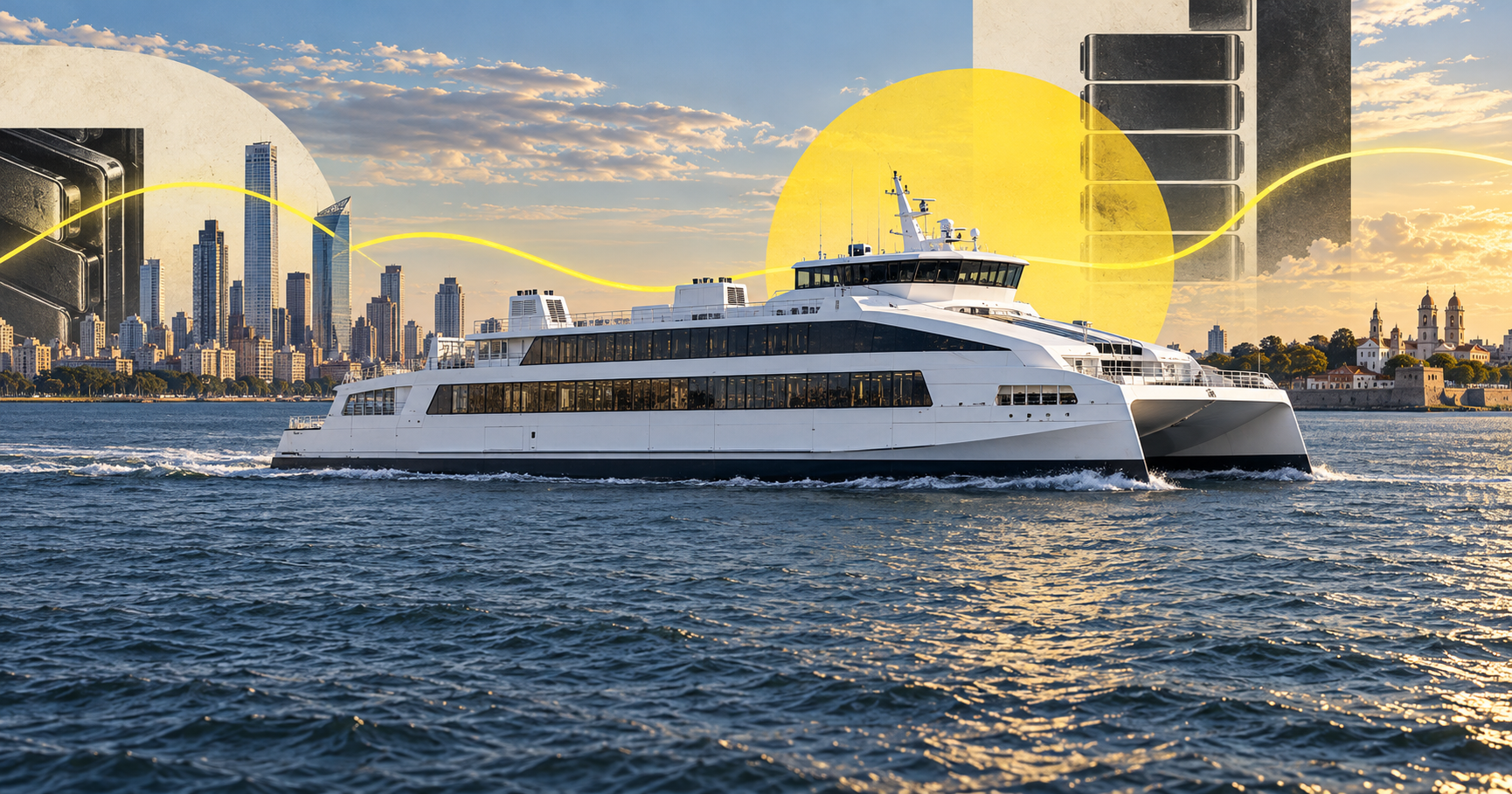
The world's largest battery-electric ship entered commercial service.
A 130-metre electric ferry is now carrying passengers and vehicles across the Río de la Plata.
SOURCEIncat Tasmania
—
Every serving. No expiration date.
A 130-metre electric ferry is now carrying passengers and vehicles across the Río de la Plata.
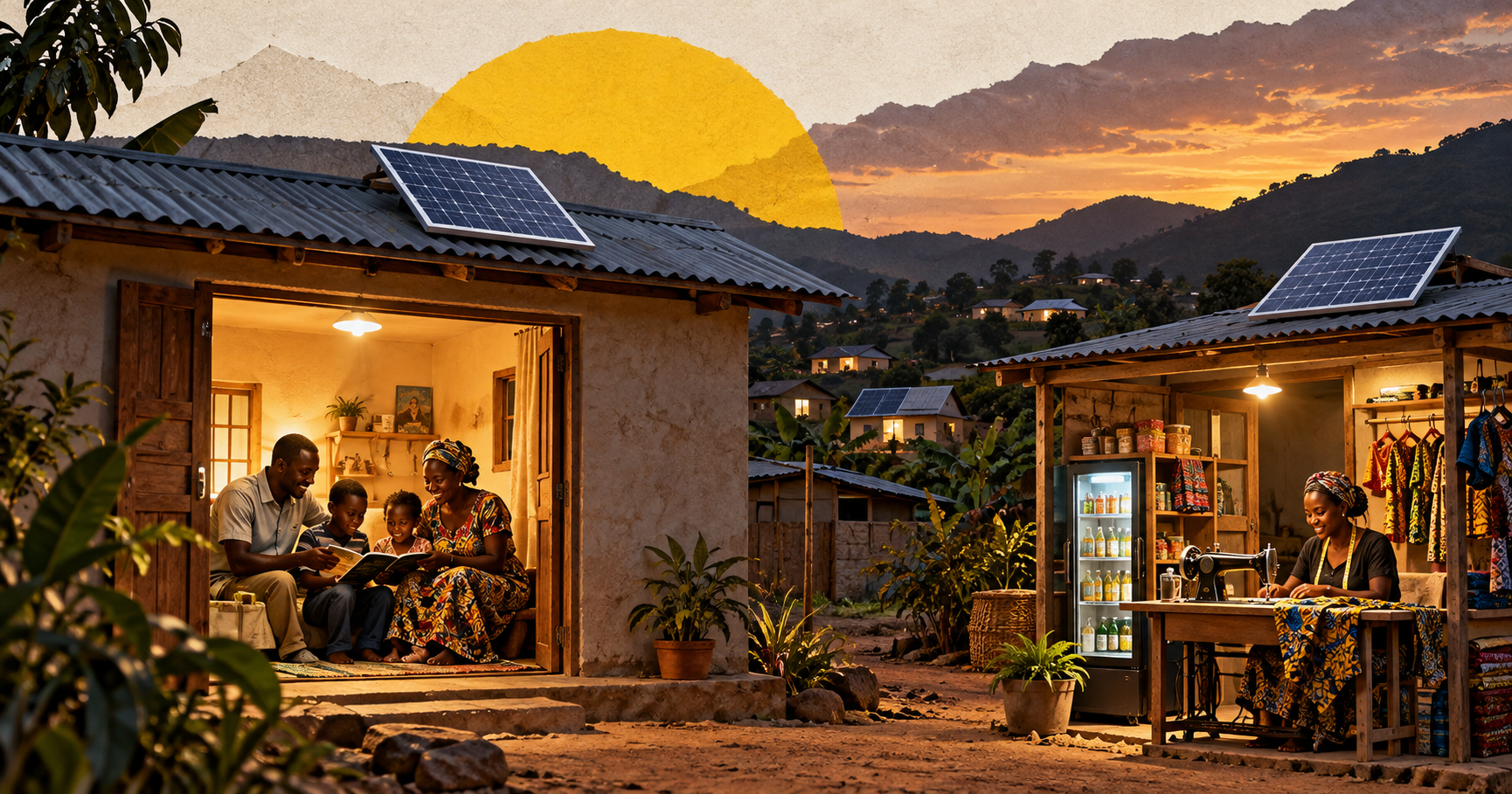
Small solar systems are powering homes, jobs and 7.4 million microenterprises.
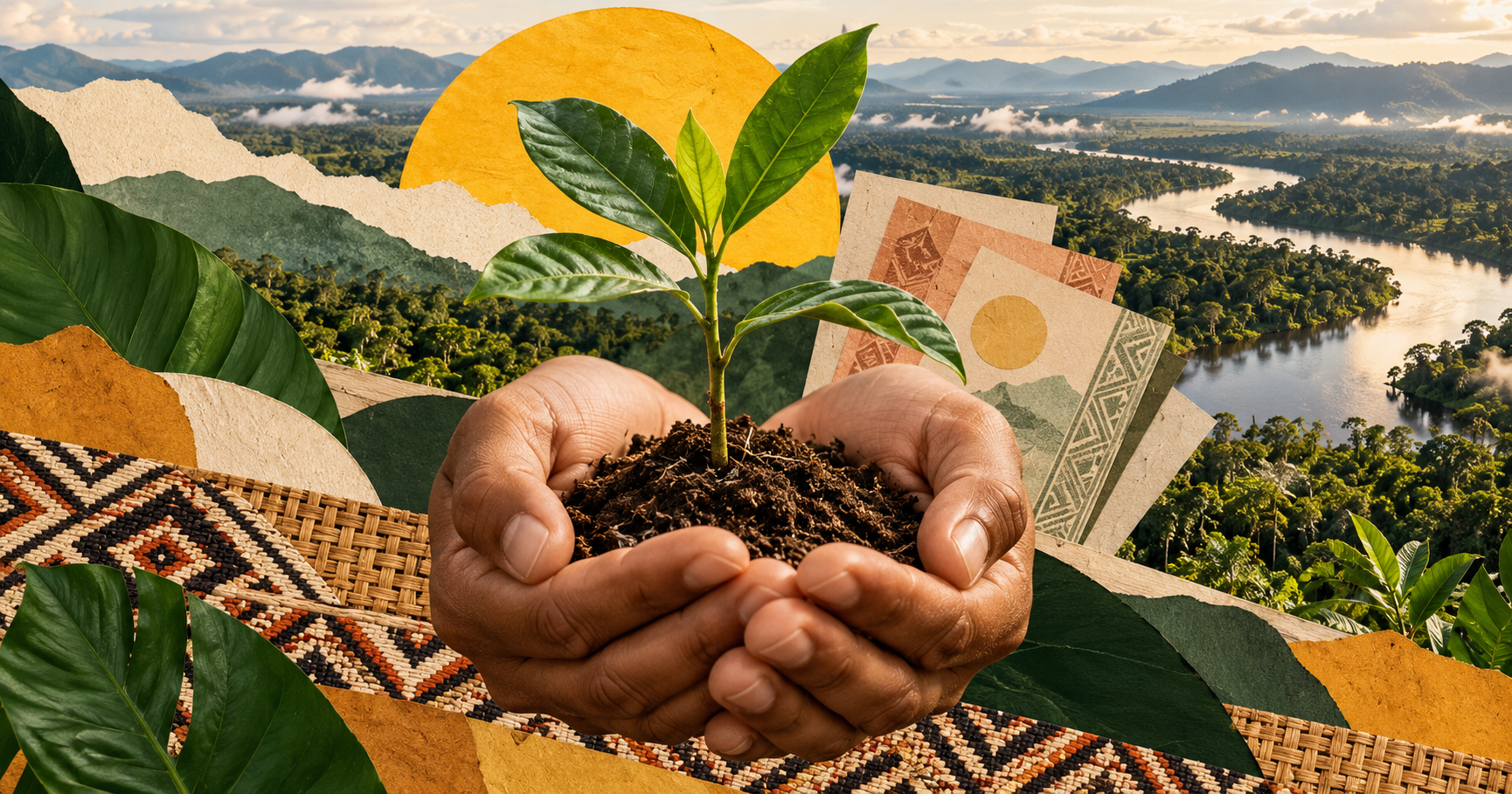
Economic security and rainforest stewardship rose together in three Indigenous communities—but the pilot had no control group.
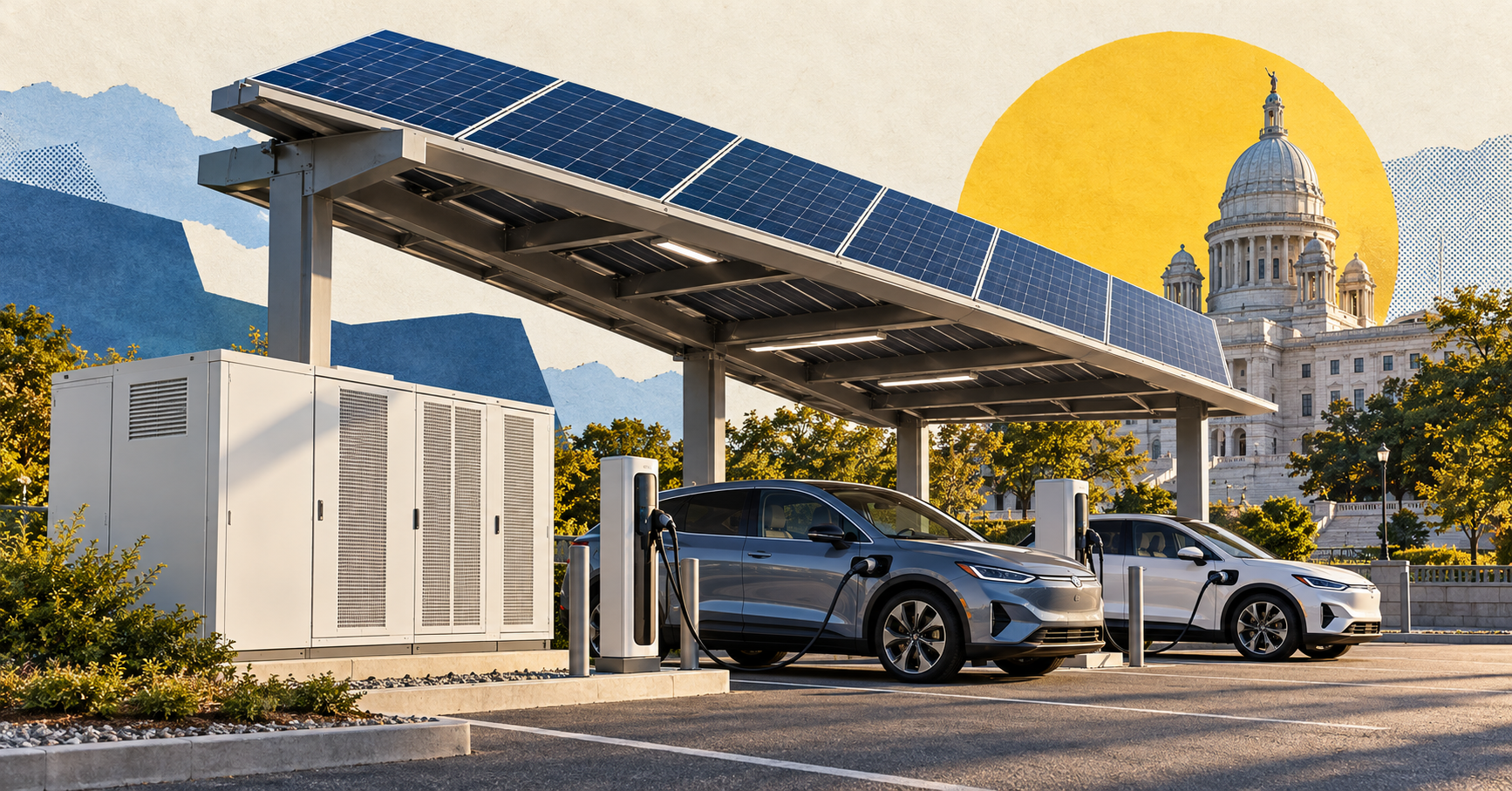
A government parking lot is becoming a small, flexible power system.
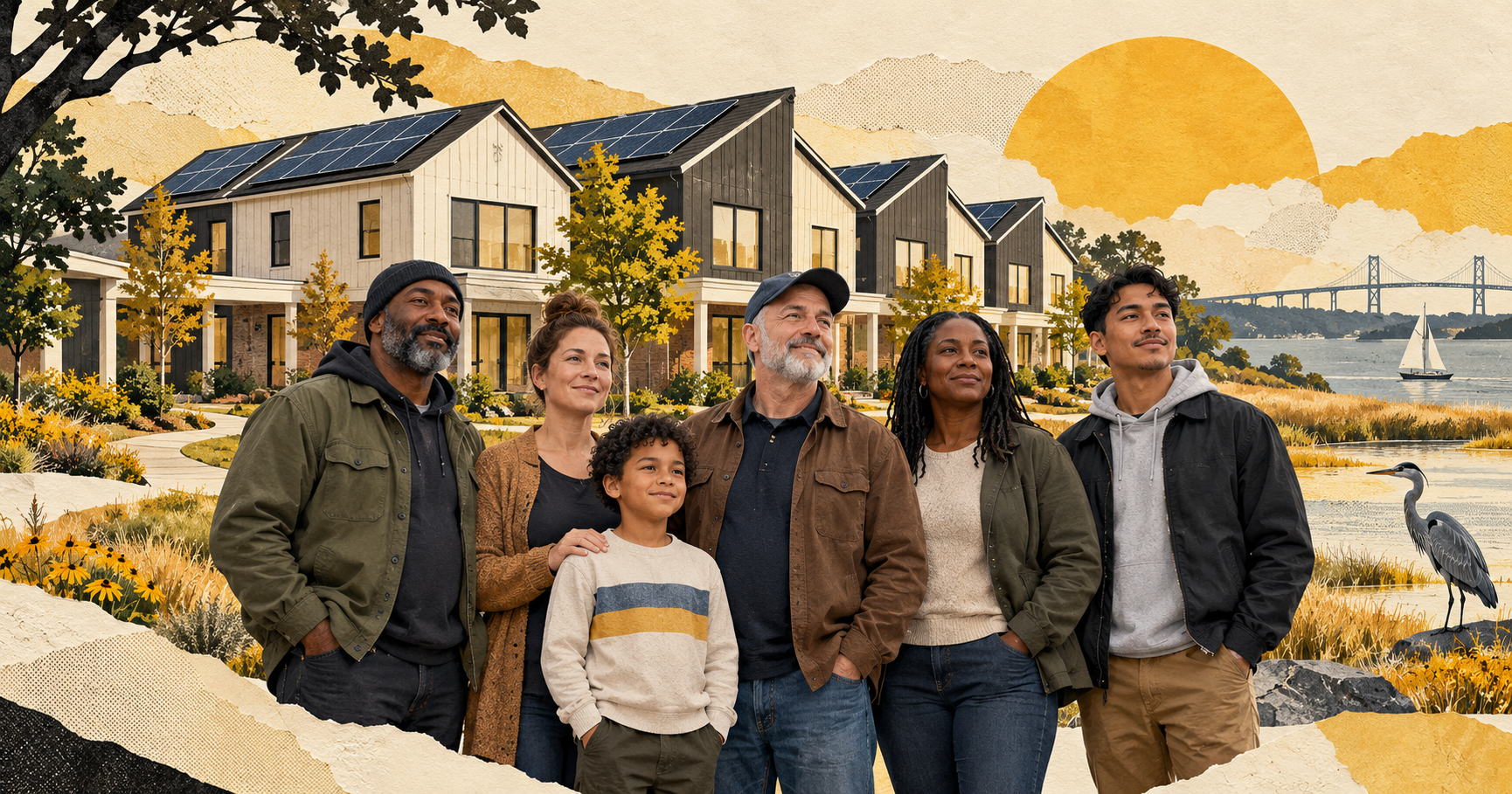
Stable housing, VA care and support services are being built together.

Child care relief is moving from pilot to citywide scale.

A local law turns a family-support promise into paid time.

More clean capacity arrived—and midday wholesale power got cheaper.

A bridge for wildlife became a safety system for everyone.
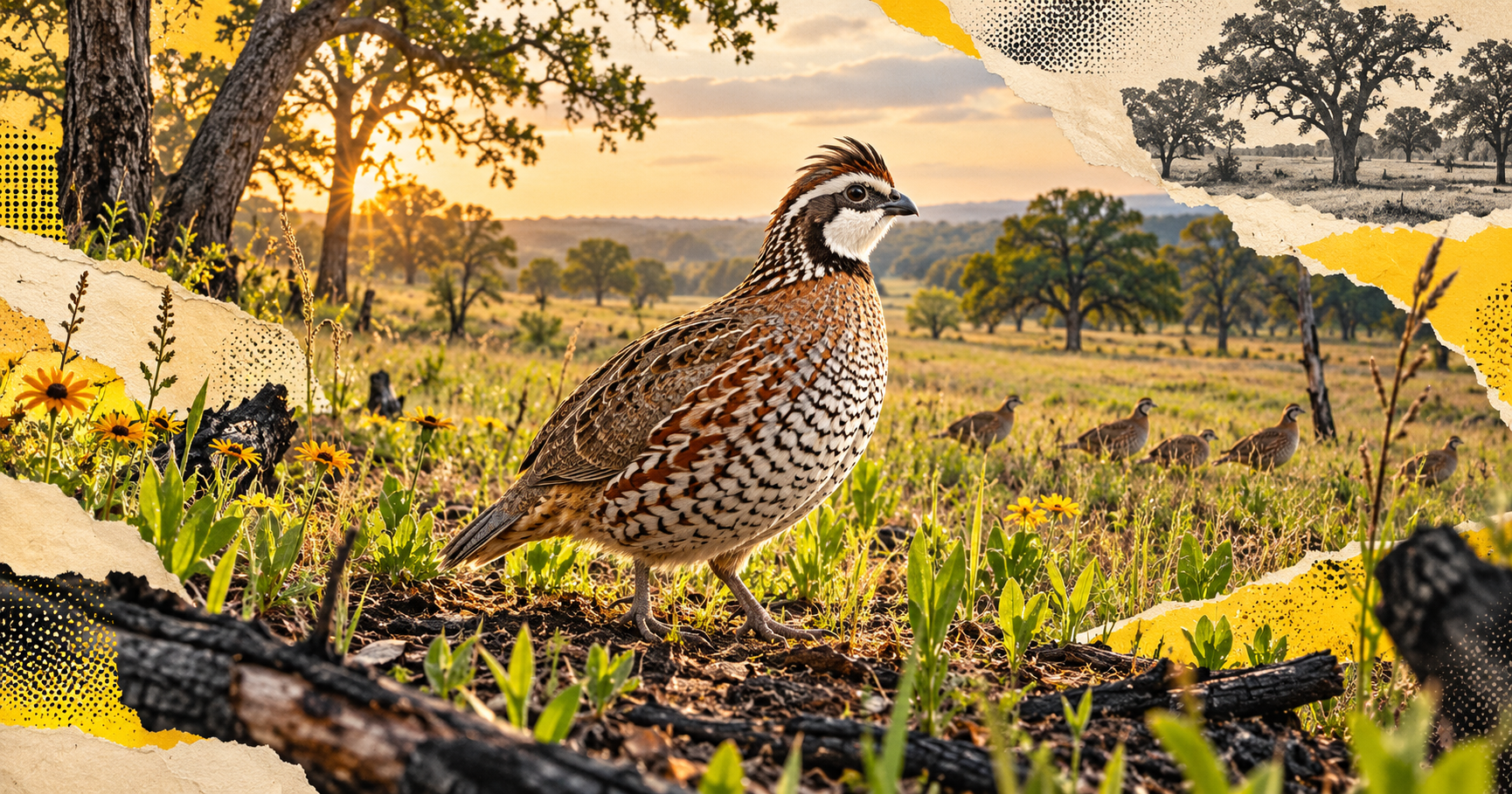
Multiple coveys are an early sign that open-savanna restoration is rebuilding room for a long-declining bird.
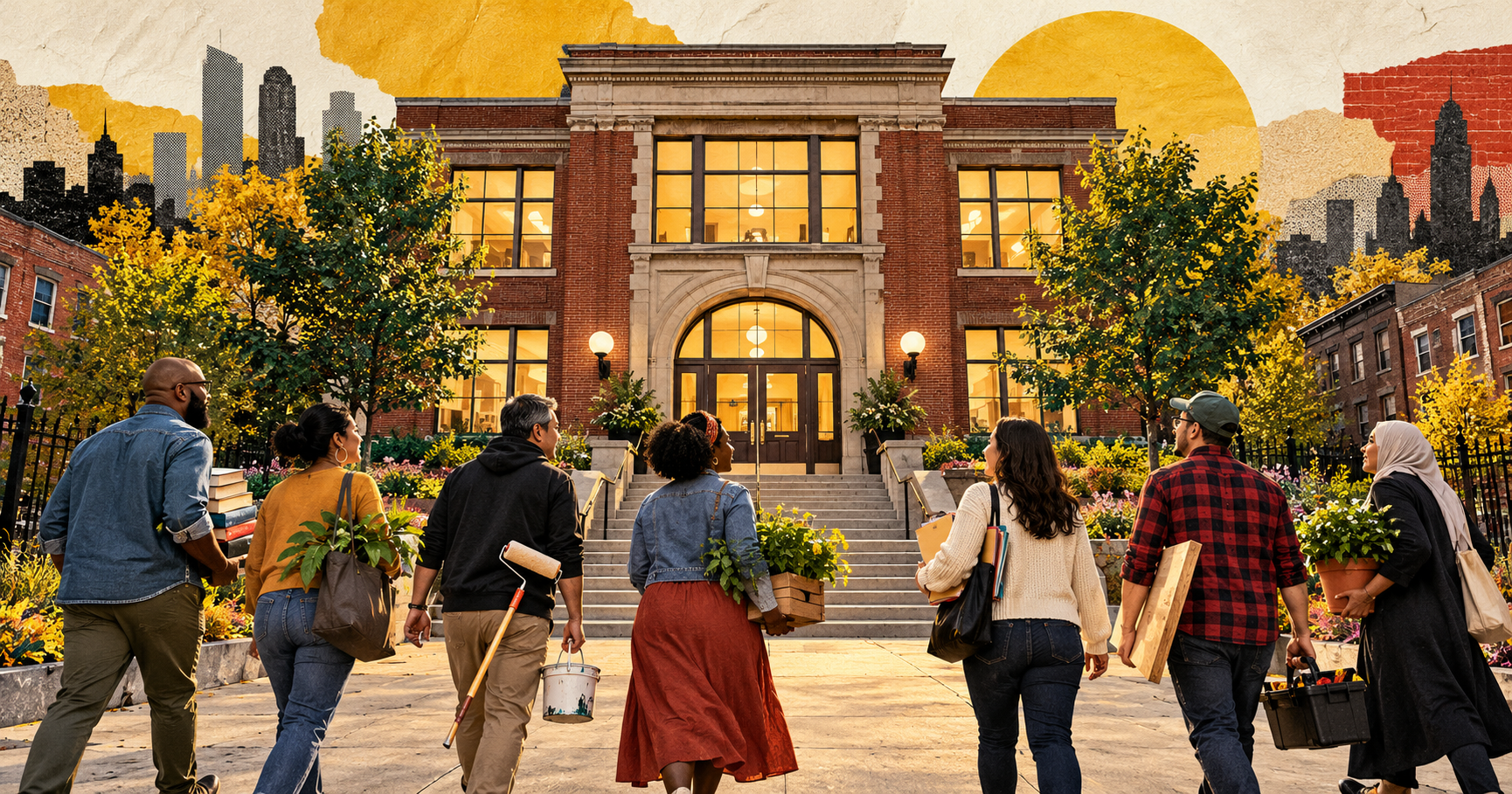
A parent-led preschool and Spanish-immersion campaign helped Daniel Webster Elementary grow into a thriving neighborhood school.
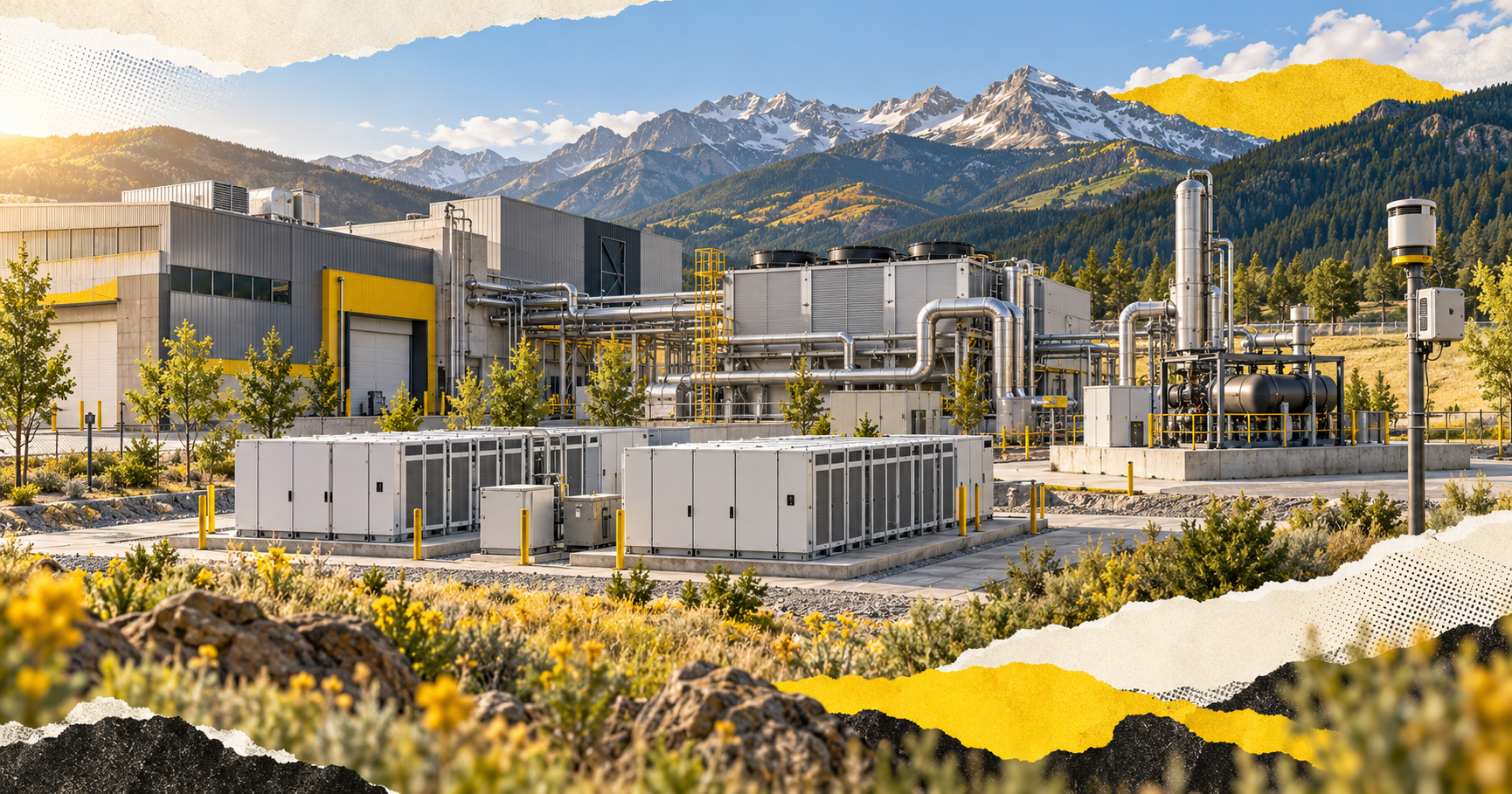
Six implementation projects and one study will test cleaner equipment from landfill methane sensors to factory batteries.
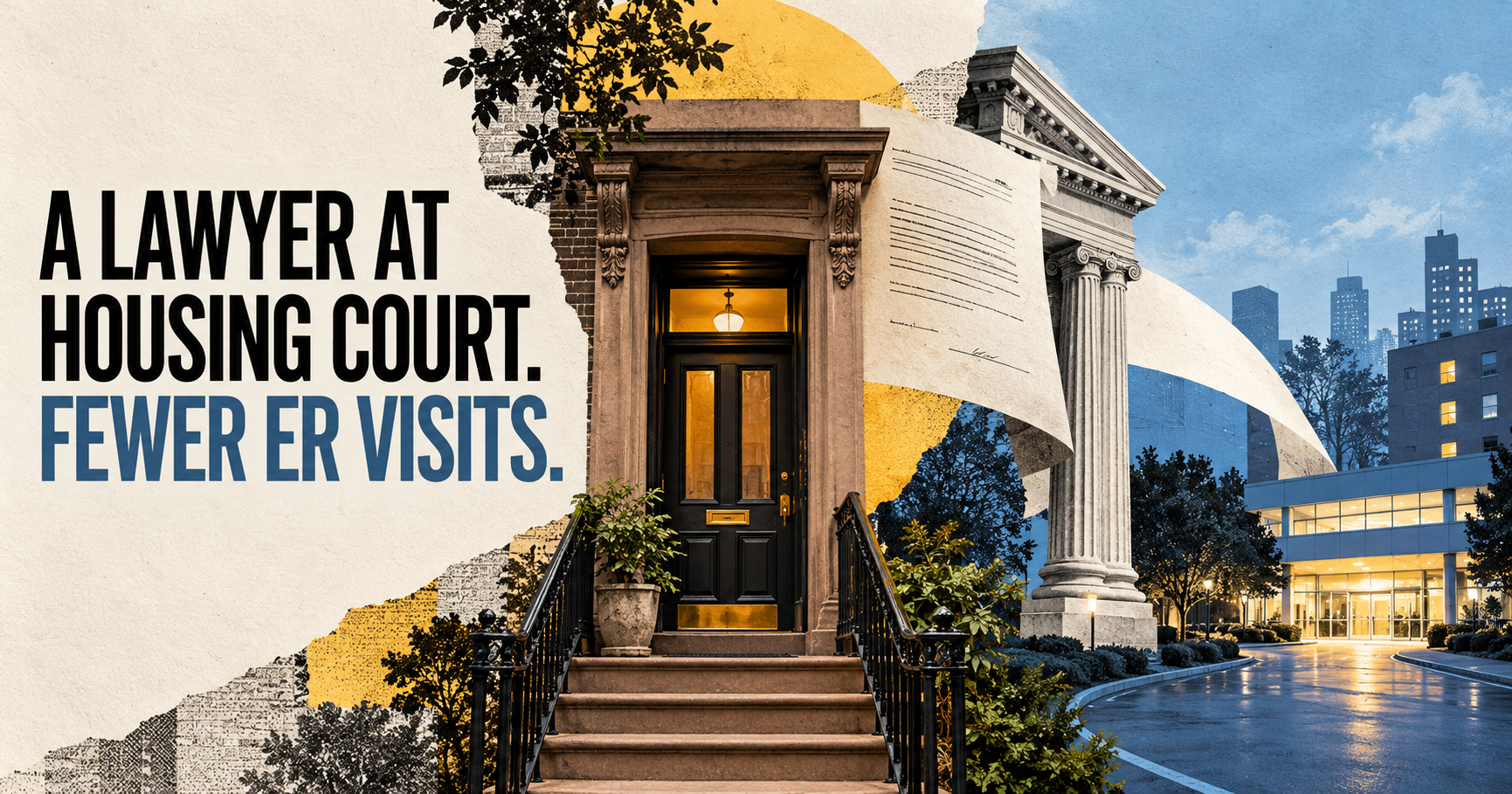
Housing stability may be health care.
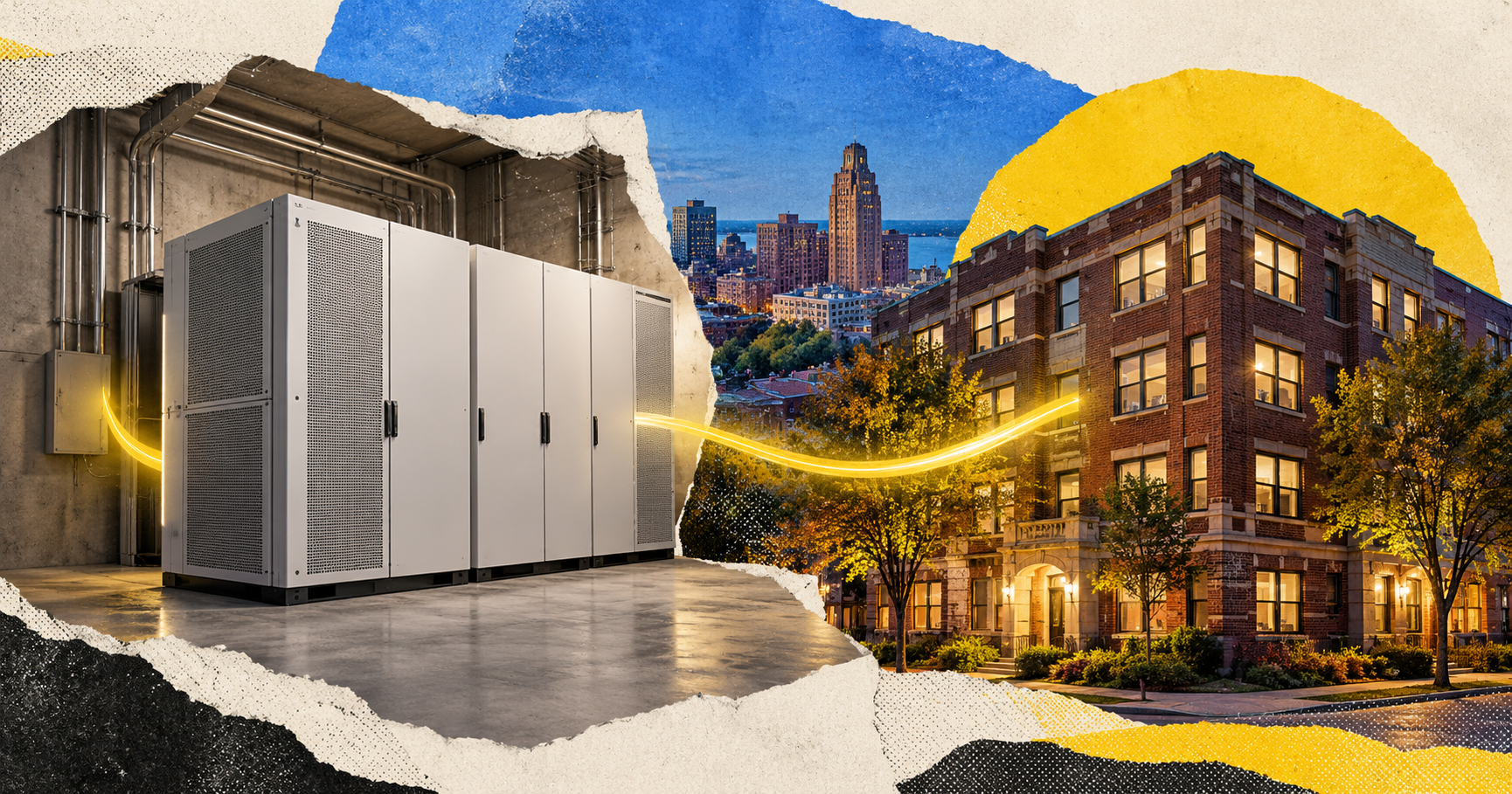
Big storage. Lower bills.

A prevention program built for men paired consent, empathy, alcohol-risk awareness, and bystander practice.

The estimated air-quality gain closely tracked an 11% drop in vehicles entering the zone.
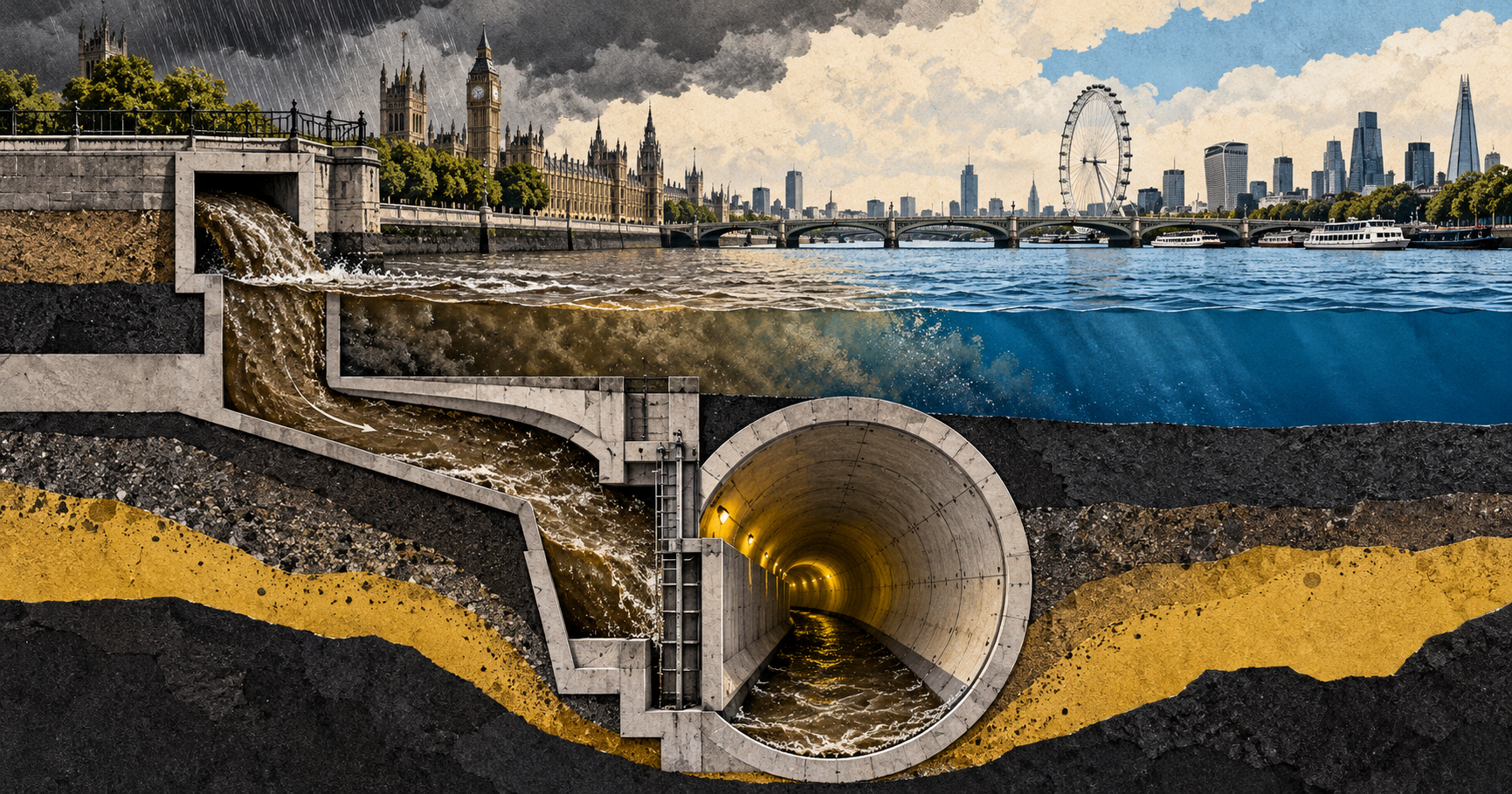
London's new tunnel intercepted most of the storm-overflow volume its designers modeled for 2025.

The instant discount is reaching first-time electric-car buyers at the dealership.
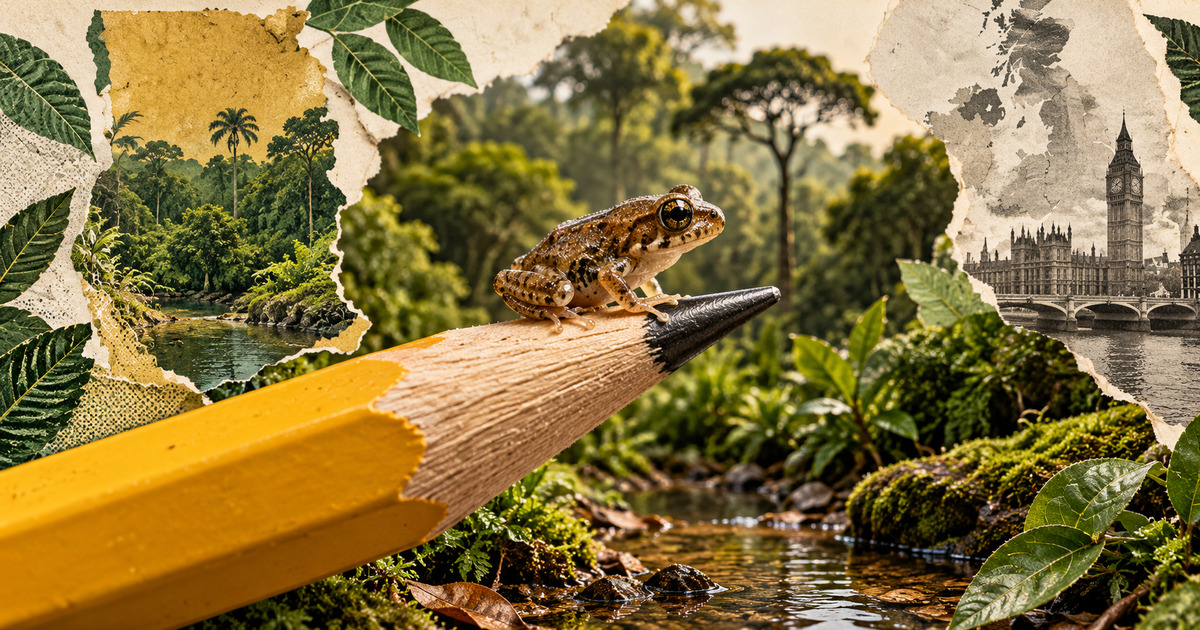
The first Afia Birago's puddle frogs ever born under human care are now hopping at London Zoo.

A pipe budget can become a heat pump.

A school challenge has engaged 3,500+ young people in 23 countries to redesign everyday plastic use.
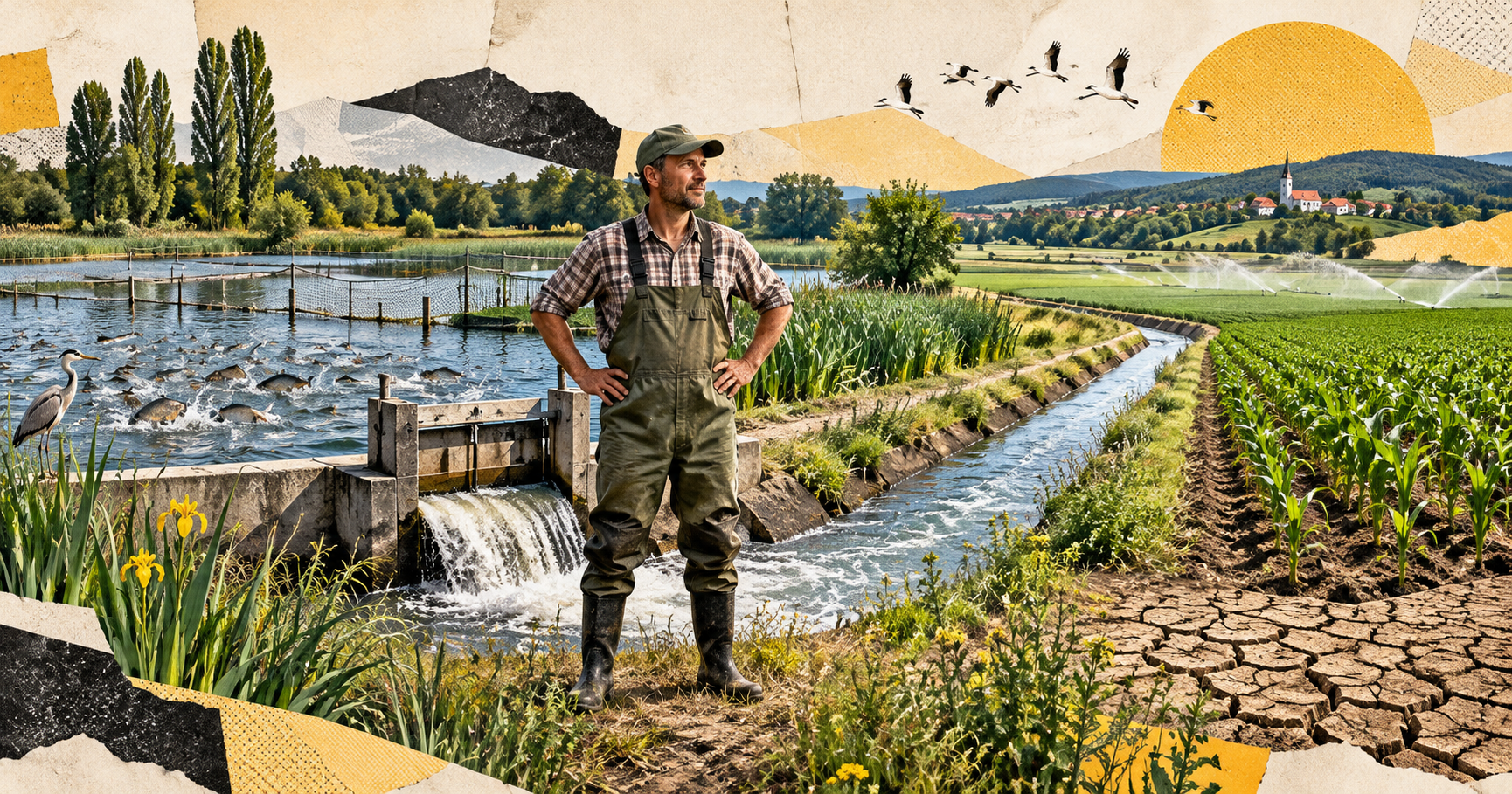
Post-harvest pond water is getting a second job on farms and wetlands.
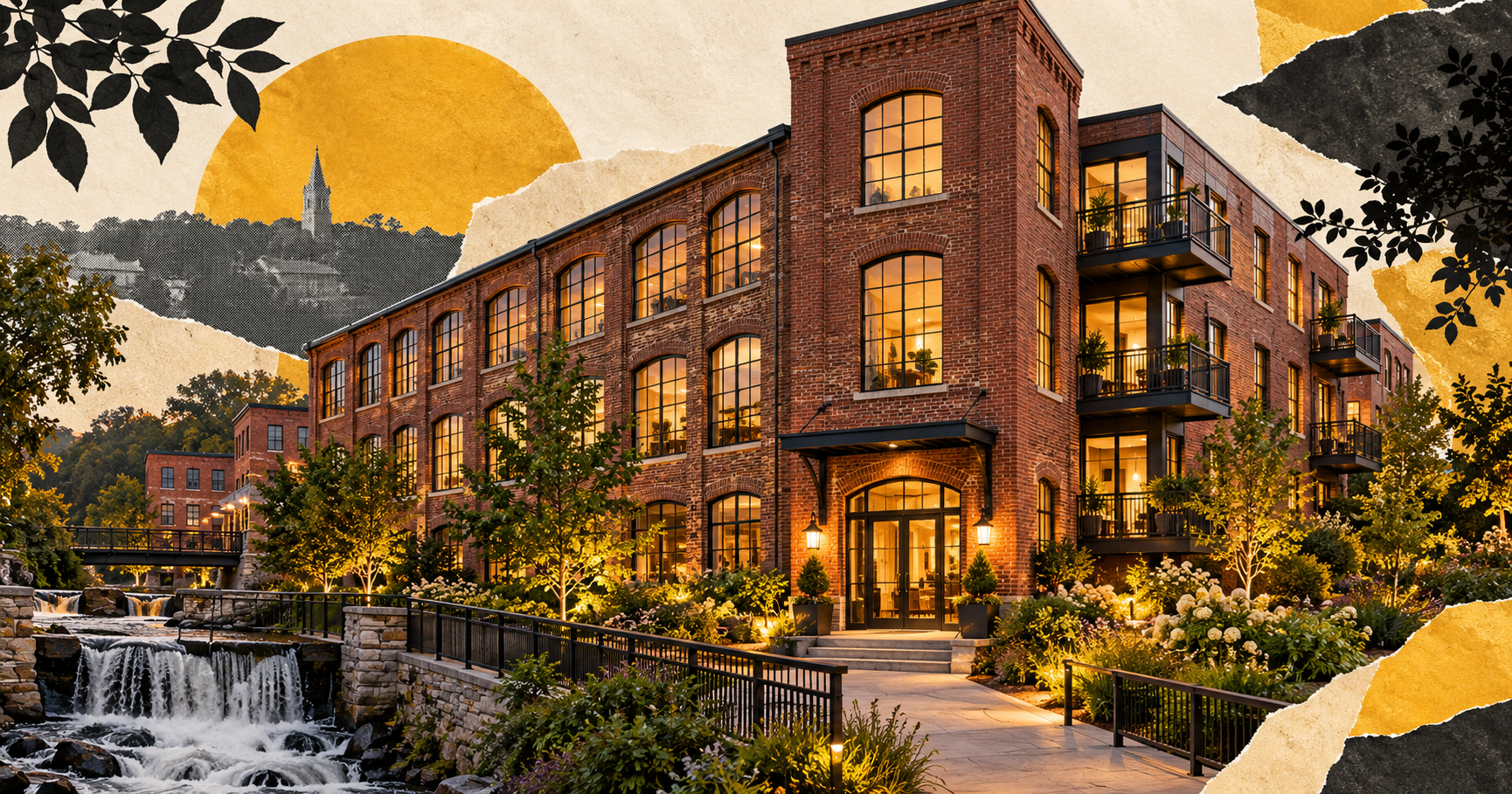
Nine hundred thirty-nine completed rehabilitations turned underused historic buildings back into homes, businesses, workplaces and community spaces while supporting an estimated 163,000 jobs.
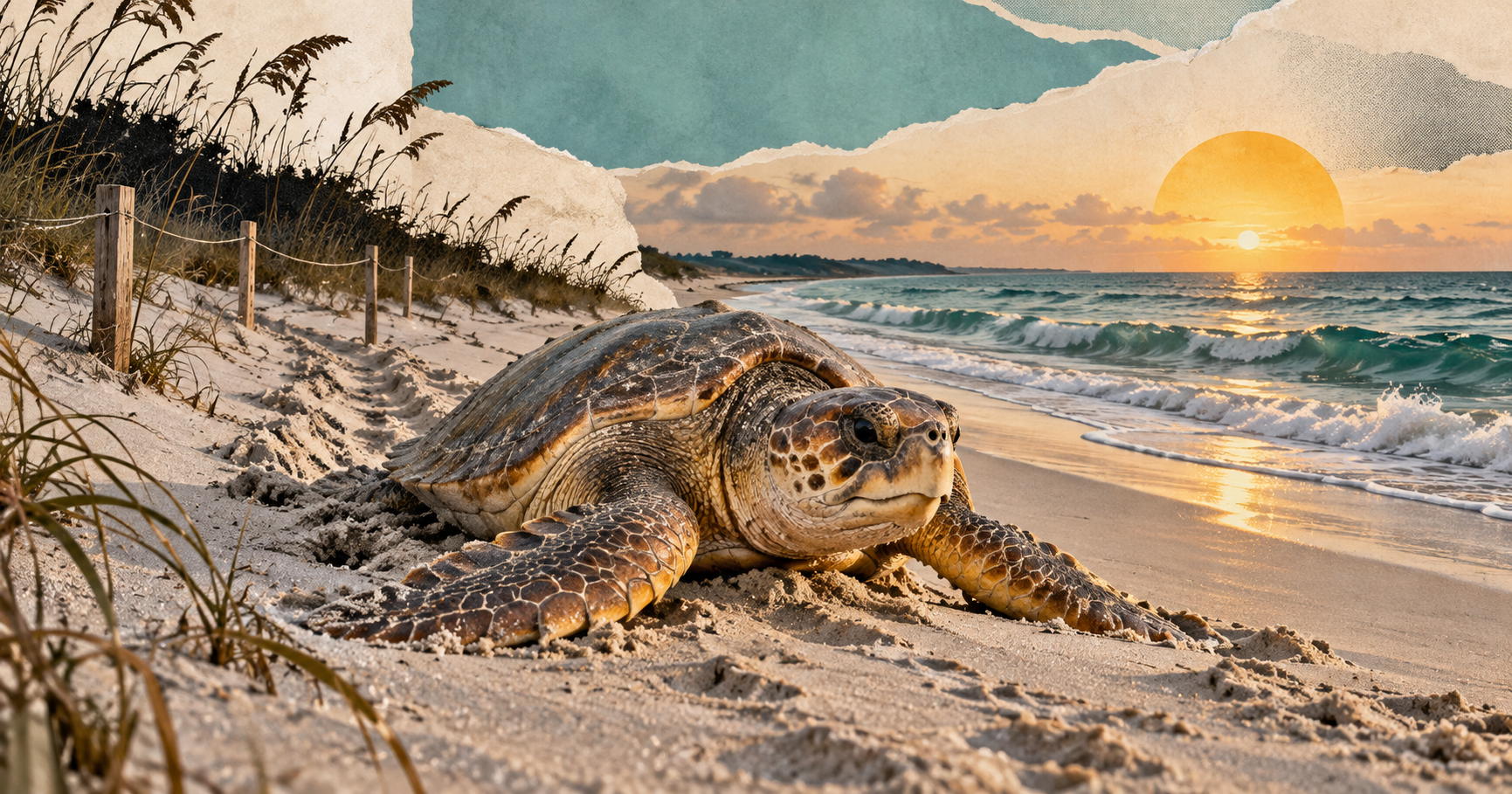
The 2026 count was the highest in Georgia’s statewide record. The long-run nesting trend has risen about 4% a year since the early 1990s.