PROGRESS
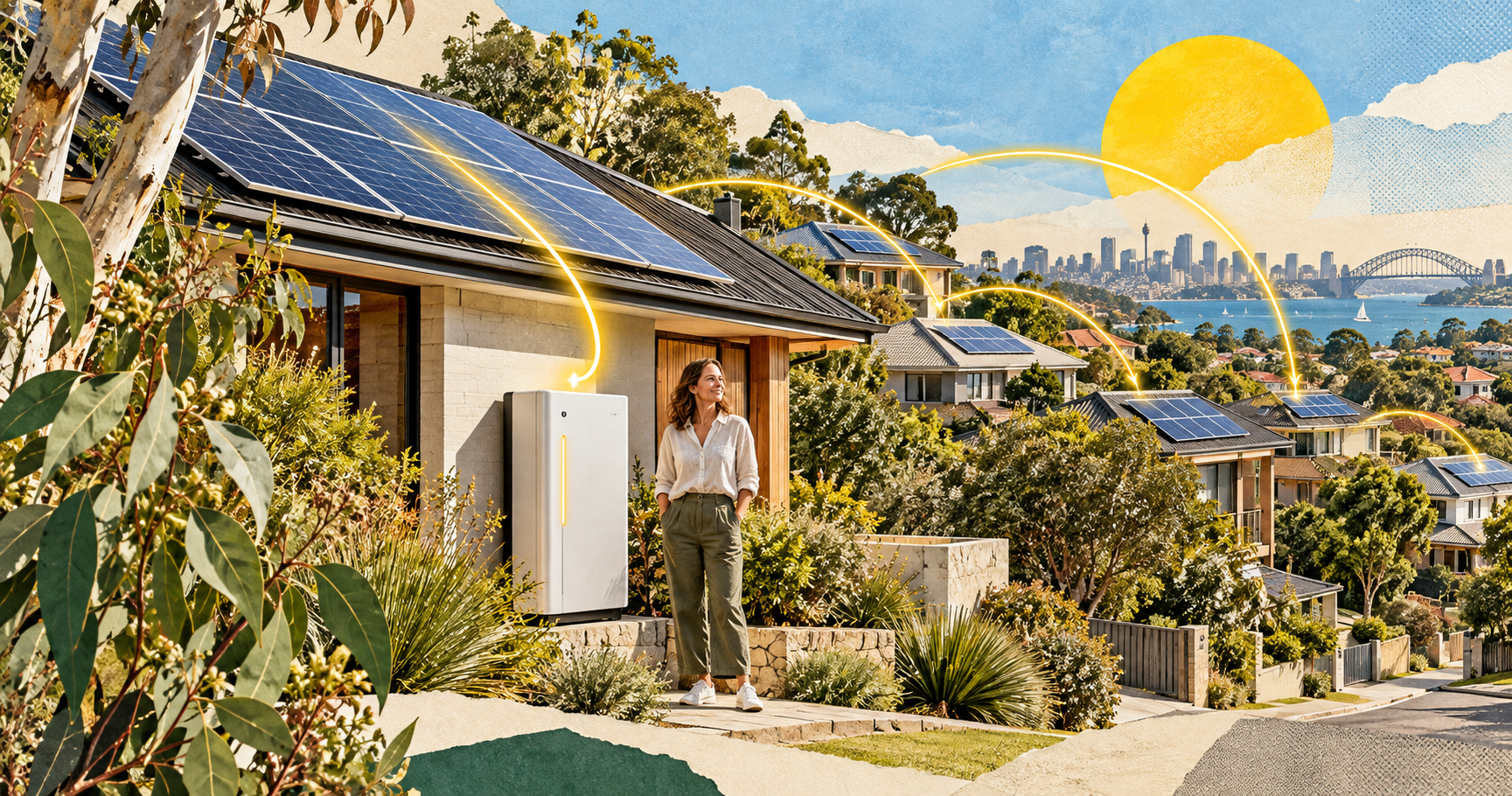
Australian homes installed 276,011 batteries in six months.
Battery installations jumped 52% from the previous half-year while households added a record 1,894 MW of rooftop solar.
SOURCERenewEconomy / Clean Energy Council
—
Every serving. No expiration date. Page 2 of 5.
Battery installations jumped 52% from the previous half-year while households added a record 1,894 MW of rooftop solar.
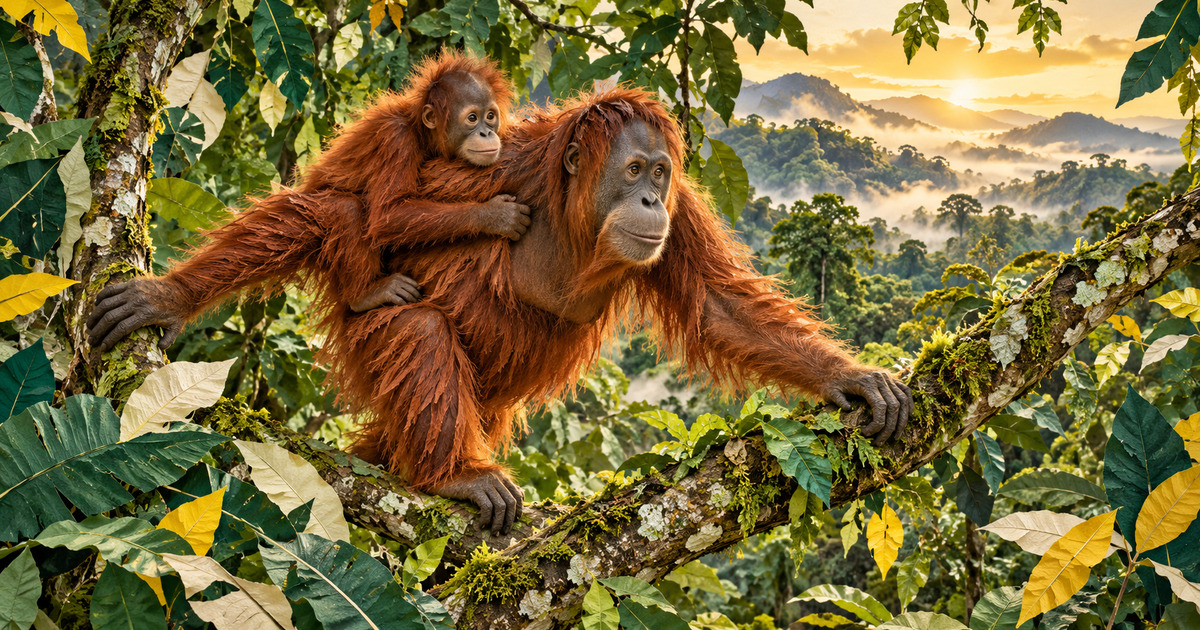
Three mother-and-young pairs and two adolescent males passed health checks before being released into a protected 23,000-hectare forest.
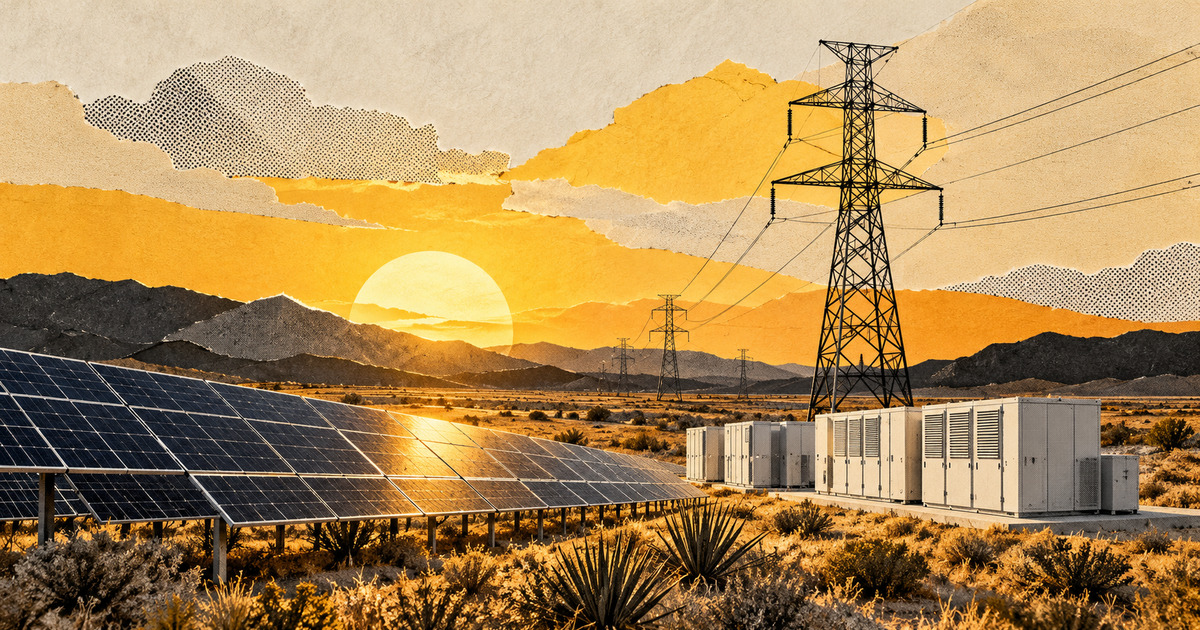
Demand broke records. The emergency alerts did not arrive. Since 2023, Texas added 19.5 GW of solar and 16 GW of battery storage.
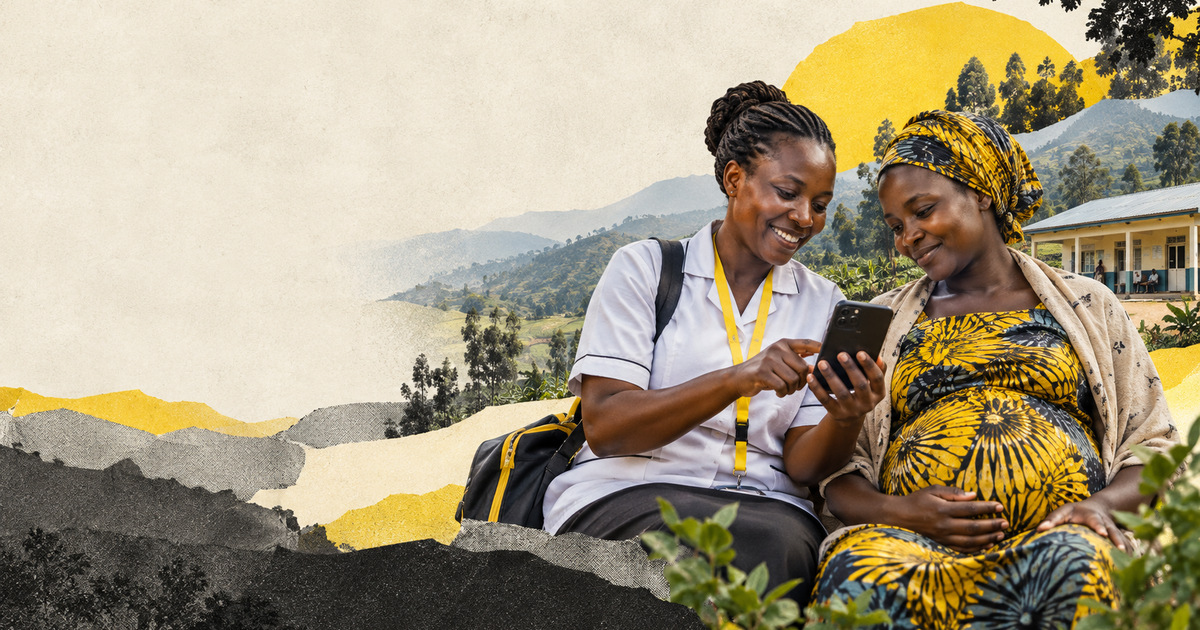
Five years, a 27% decline, and a health system still pushing: Rwanda is pairing community care with faster records and referrals.
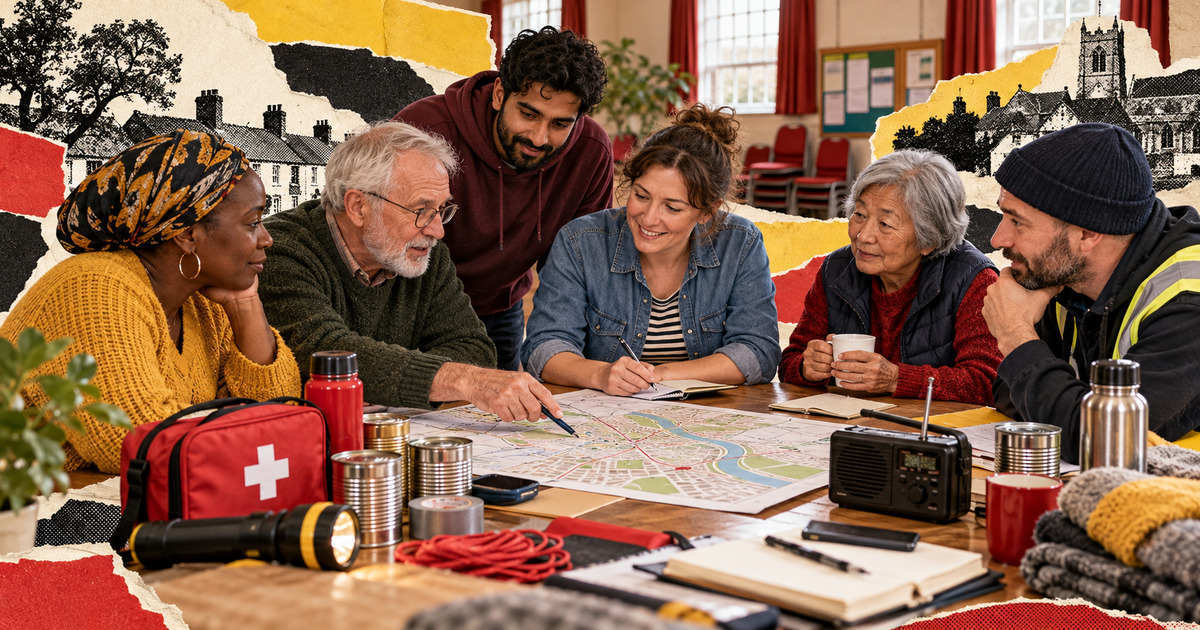
Eight practical modules help communities turn names, skills and local knowledge into a plan before the next disruption arrives.
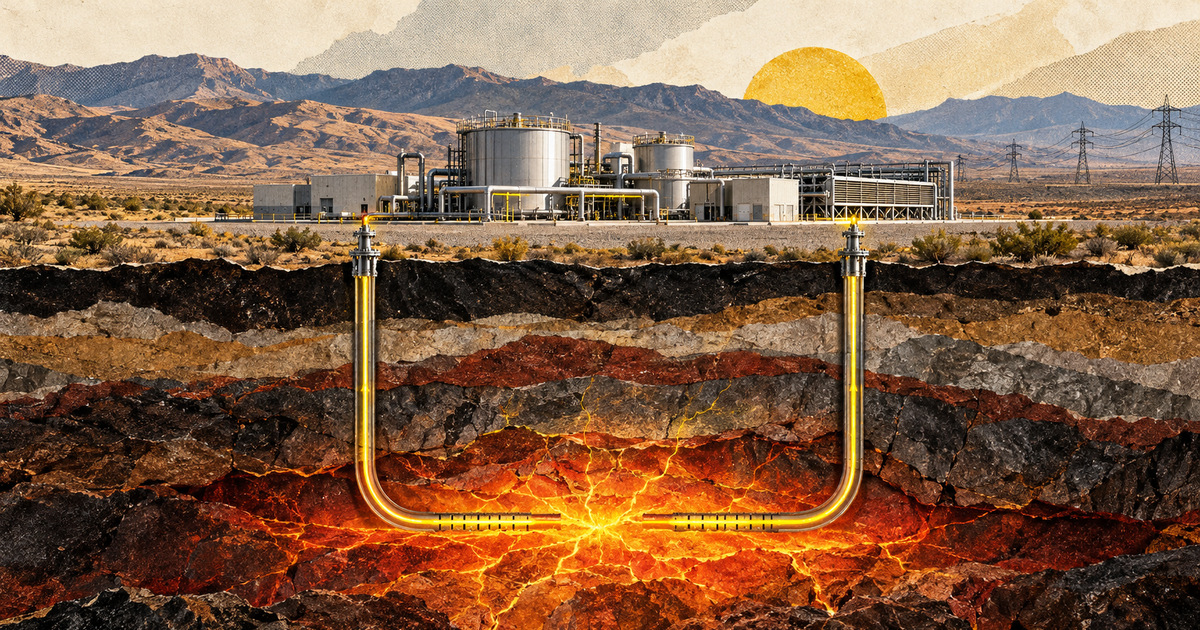
The first 33-megawatt block is earning revenue under a power-purchase agreement. Two more blocks are due to complete the 100-megawatt first phase.
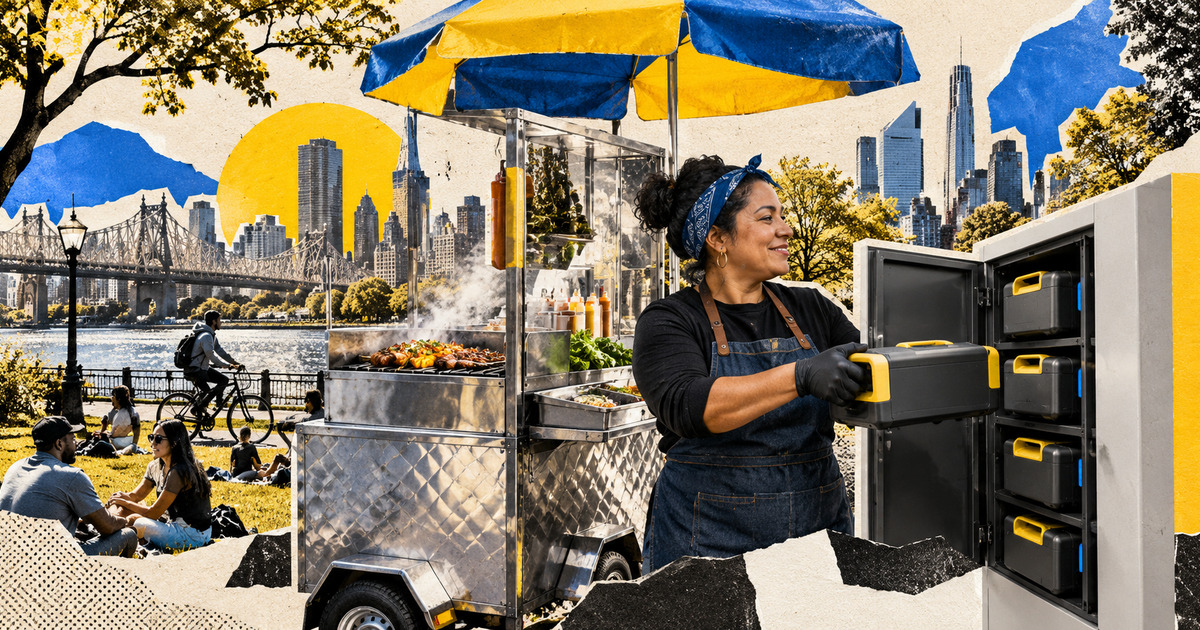
A six-month pilot will replace gasoline generators with batteries, cutting fumes and noise while gathering real-world data for thousands of street vendors.
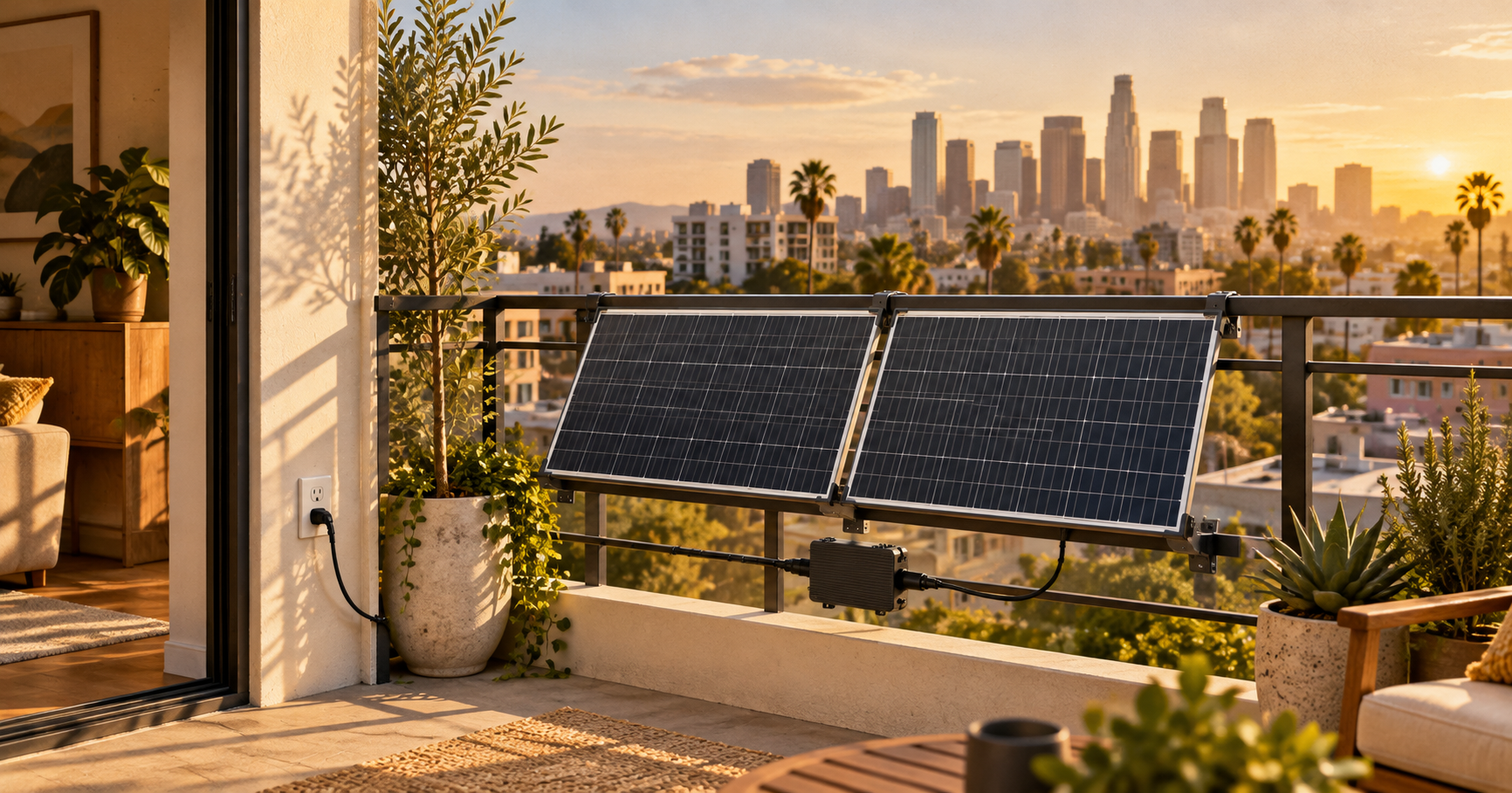
SB 868 treats certified portable solar more like a household appliance: utilities may require a simple online registration, but not prior approval.
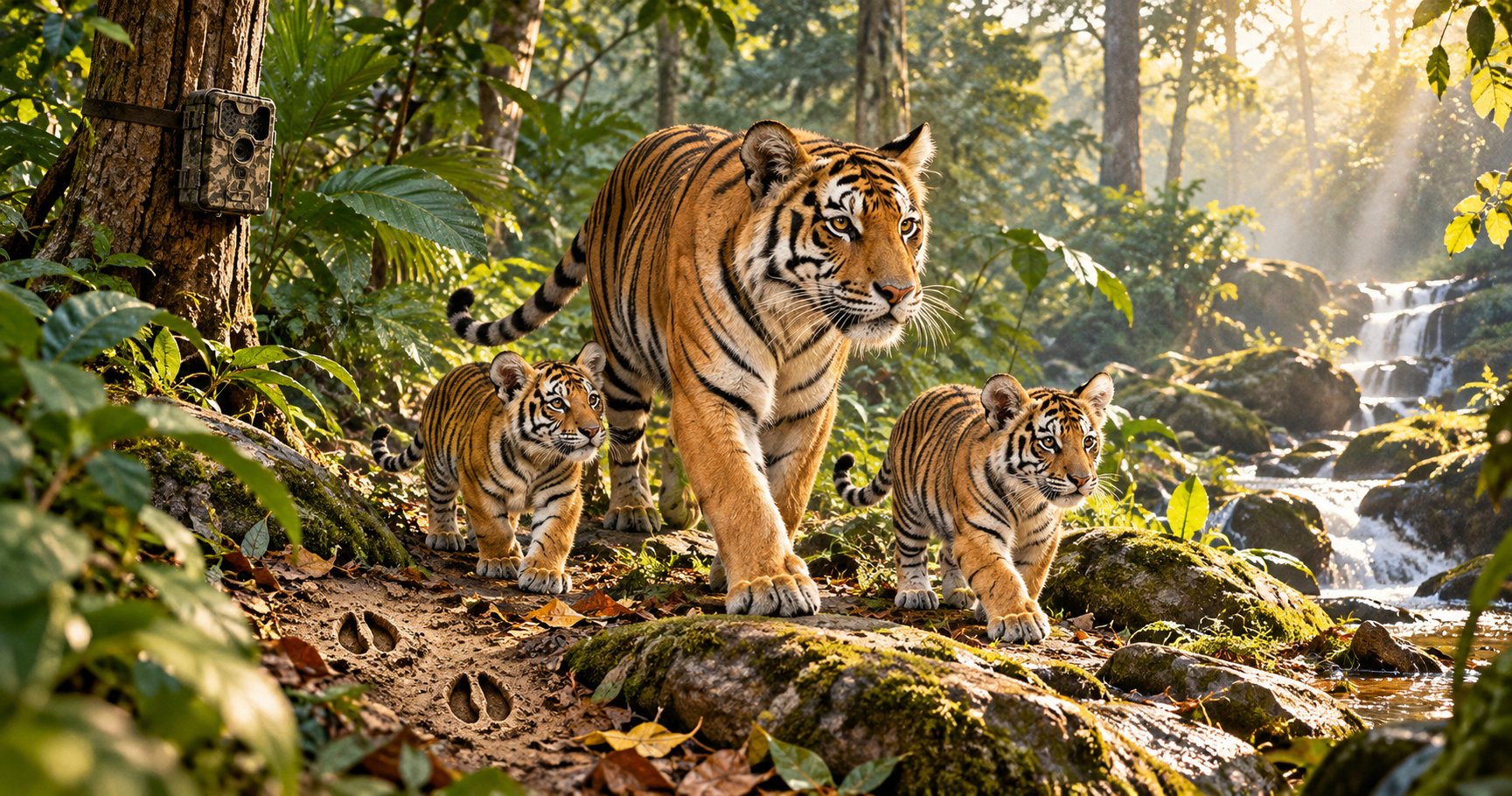
The national estimate is up from 148–189 in 2022. A monitored tigress has raised three litters—nine cubs—and one daughter is already breeding.
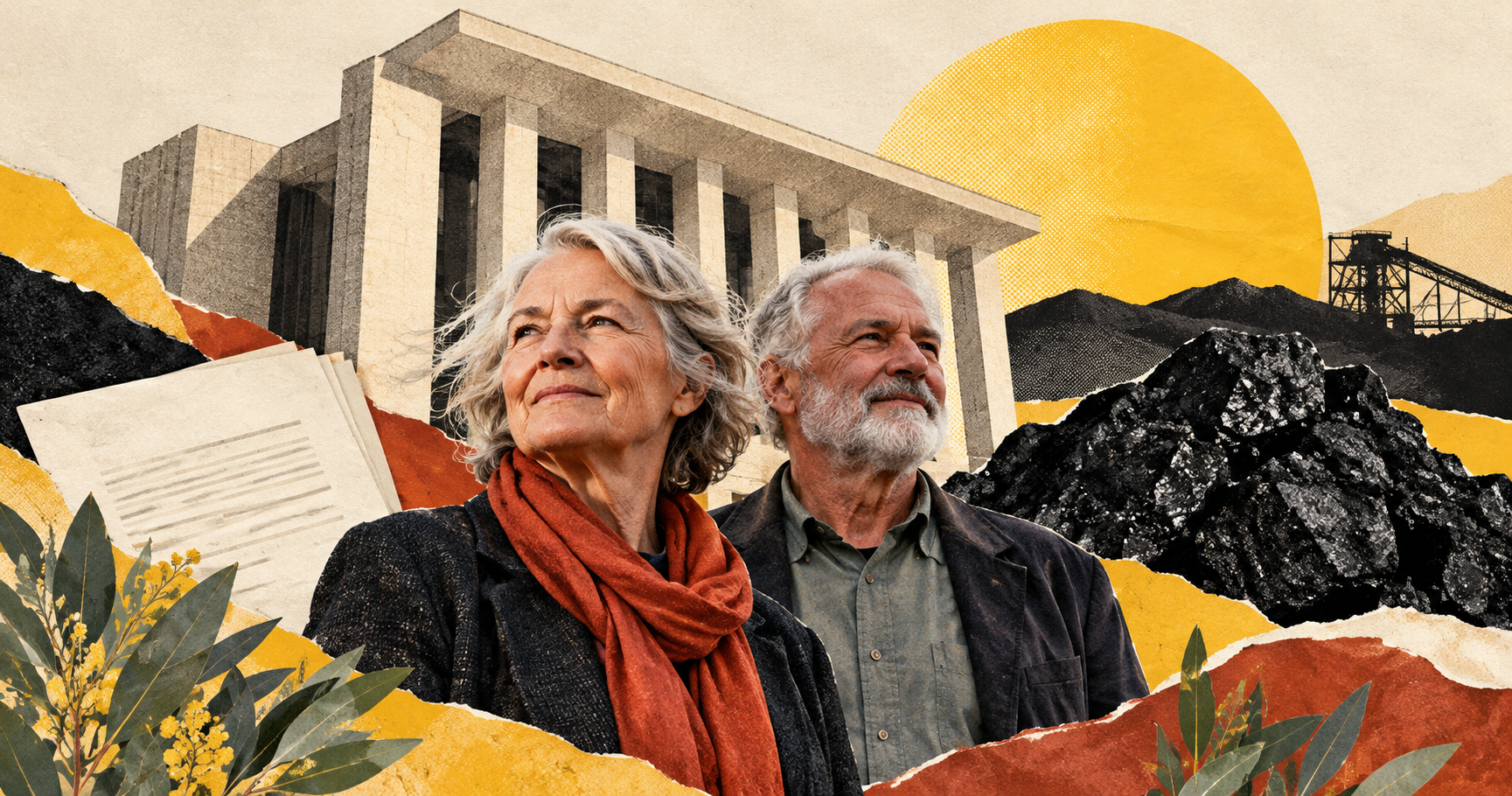
The 3–2 ruling invalidated an expansion approval after the planning commission focused on only 2% of projected emissions and did not consider conditions for the other 98%.

Project MedBridge moved about 50 pallets of unopened N95 respirators and therapy packs into a distribution network serving underresourced health facilities.
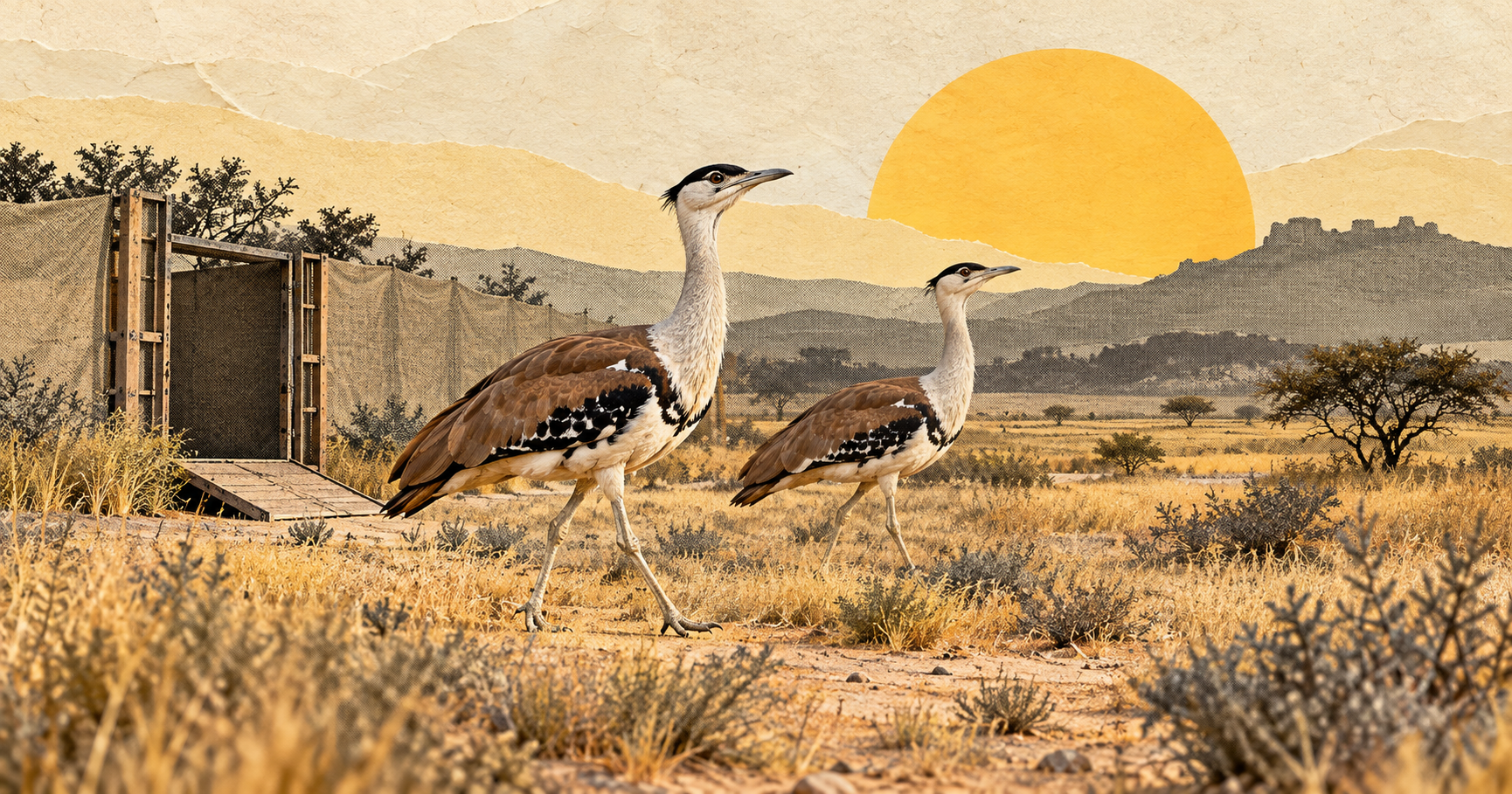
Two captive-bred males are now walking free in the Thar Desert. The release is a test, not a declaration of recovery.
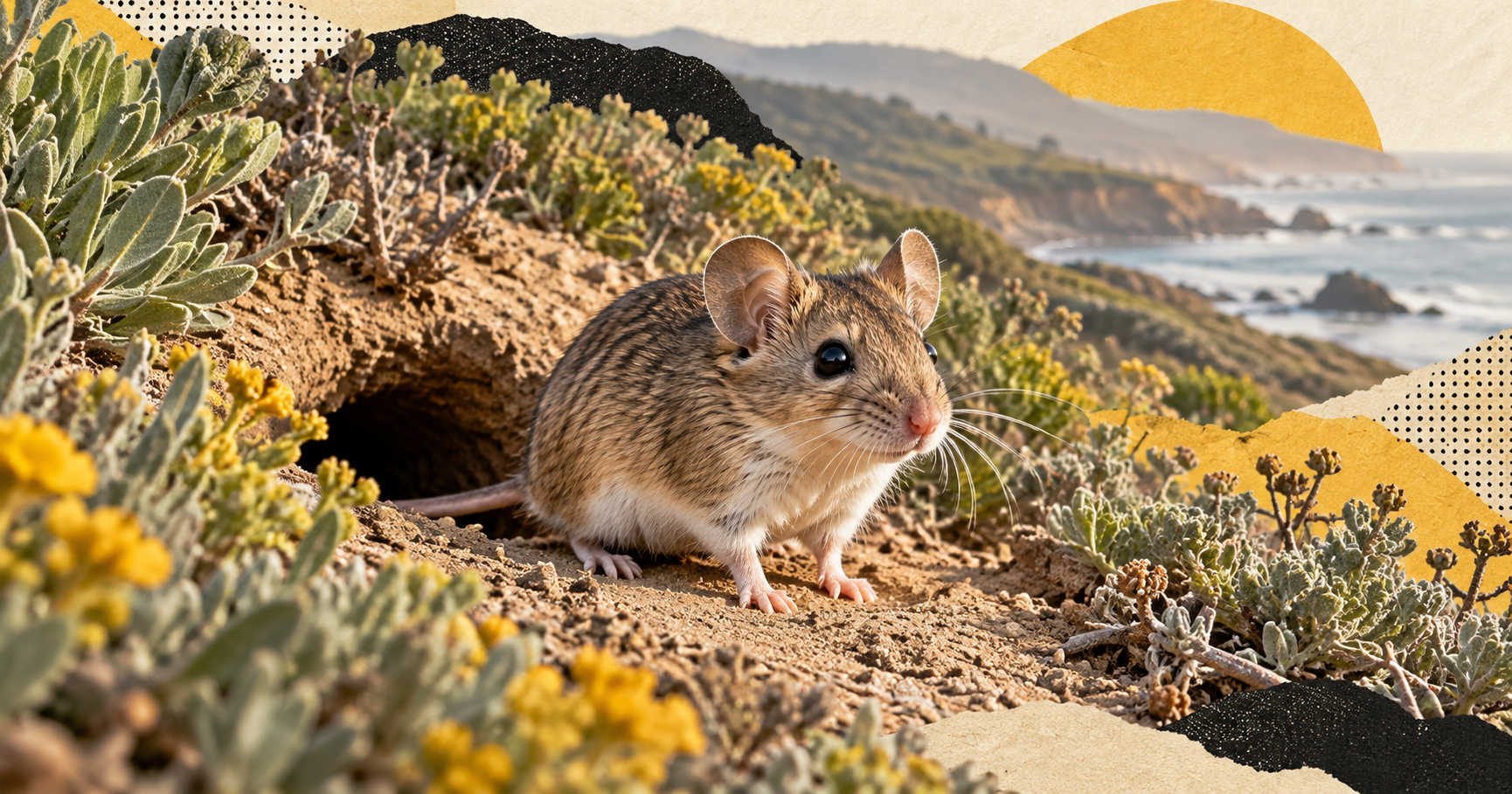
More than 500 pocket mice have been released over 20 years. North San Mateo is now the third reintroduced population.
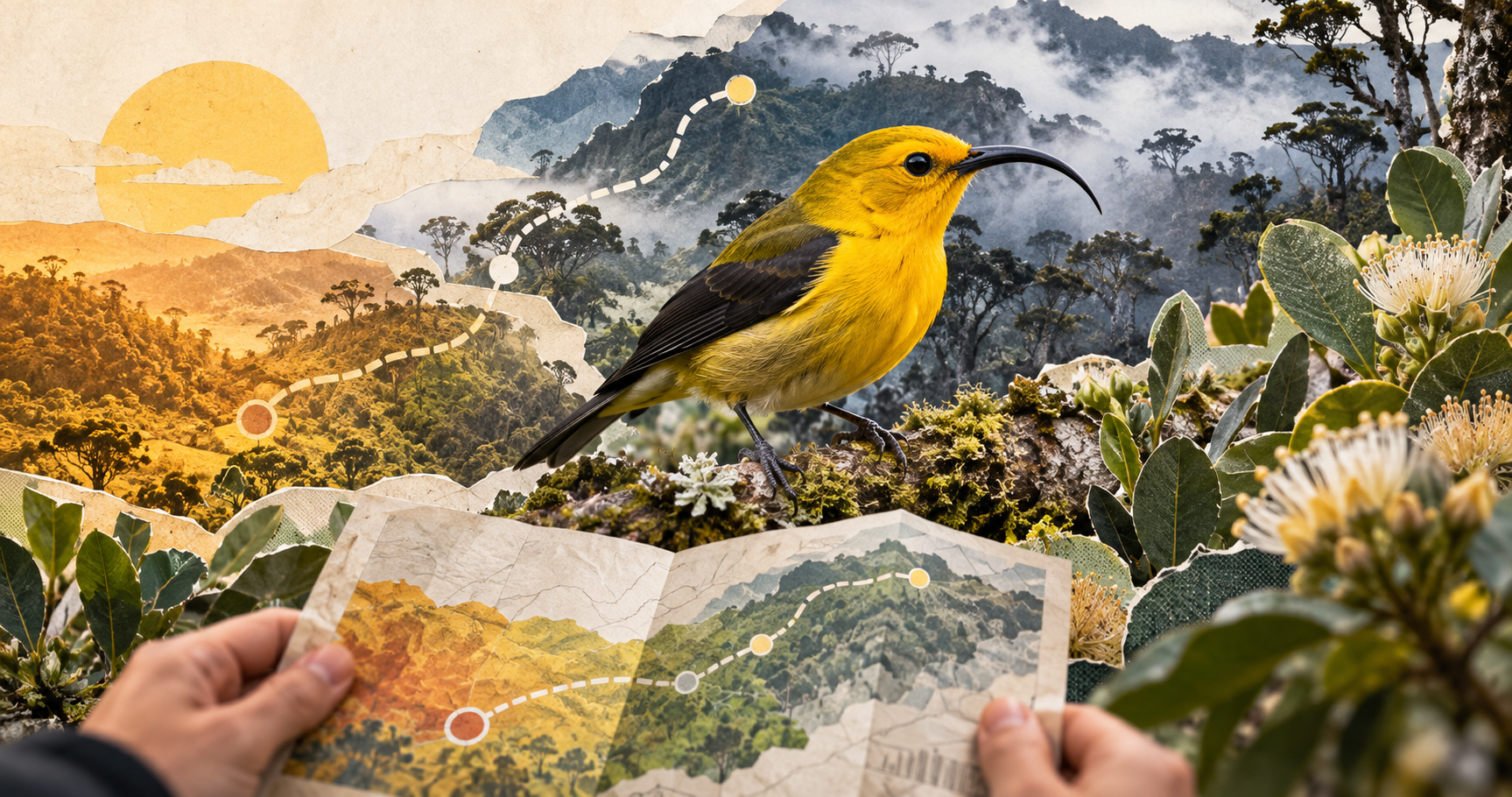
More than 250 practitioners and community members helped shape a decision process for high-stakes conservation moves.
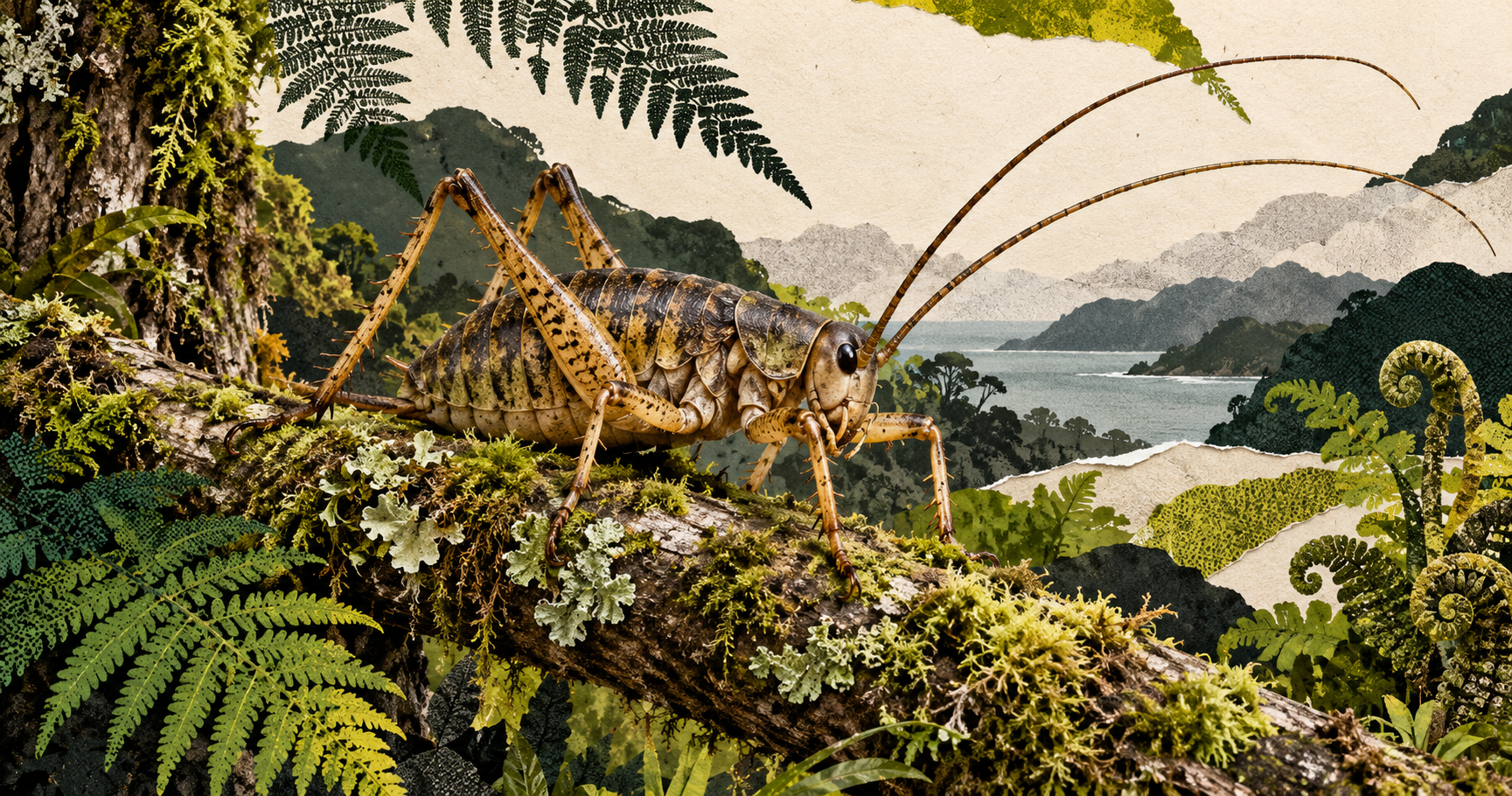
Fourth- and fifth-generation wētāpunga are now breeding without help on two islands.
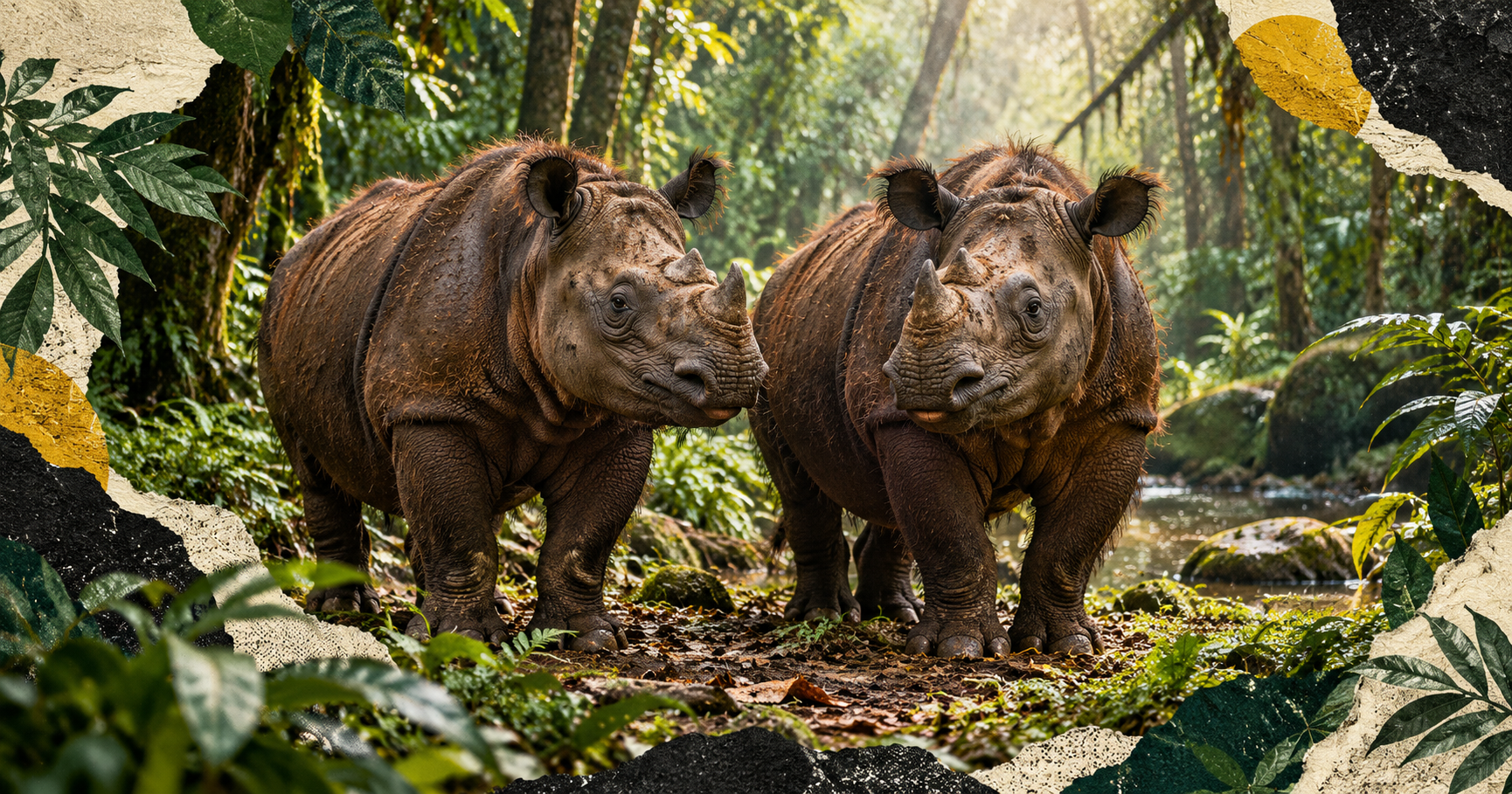
Ratu and Delilah are both due in May 2027.
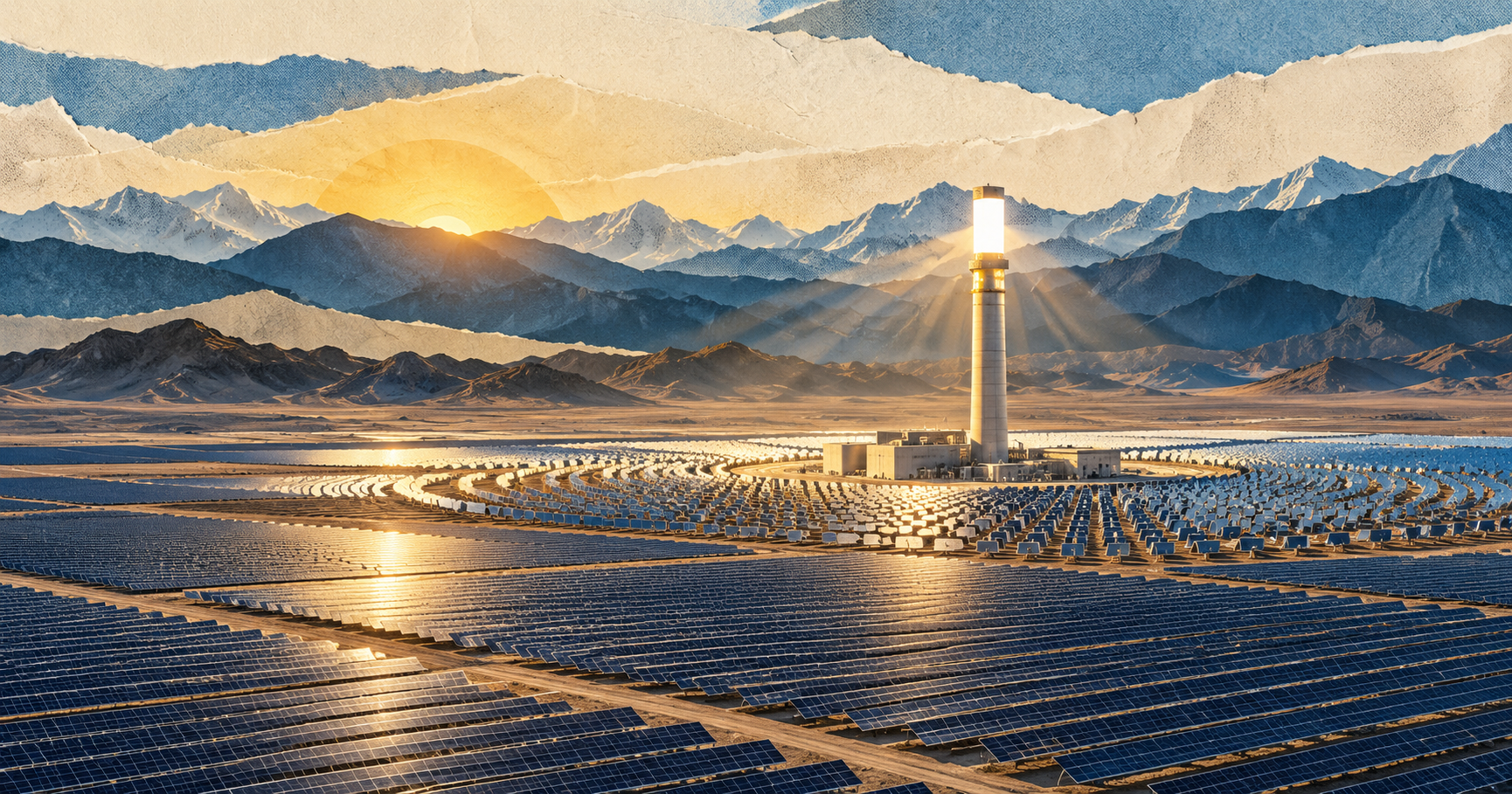
Panels make power now. Molten salt is designed to hold heat for later.
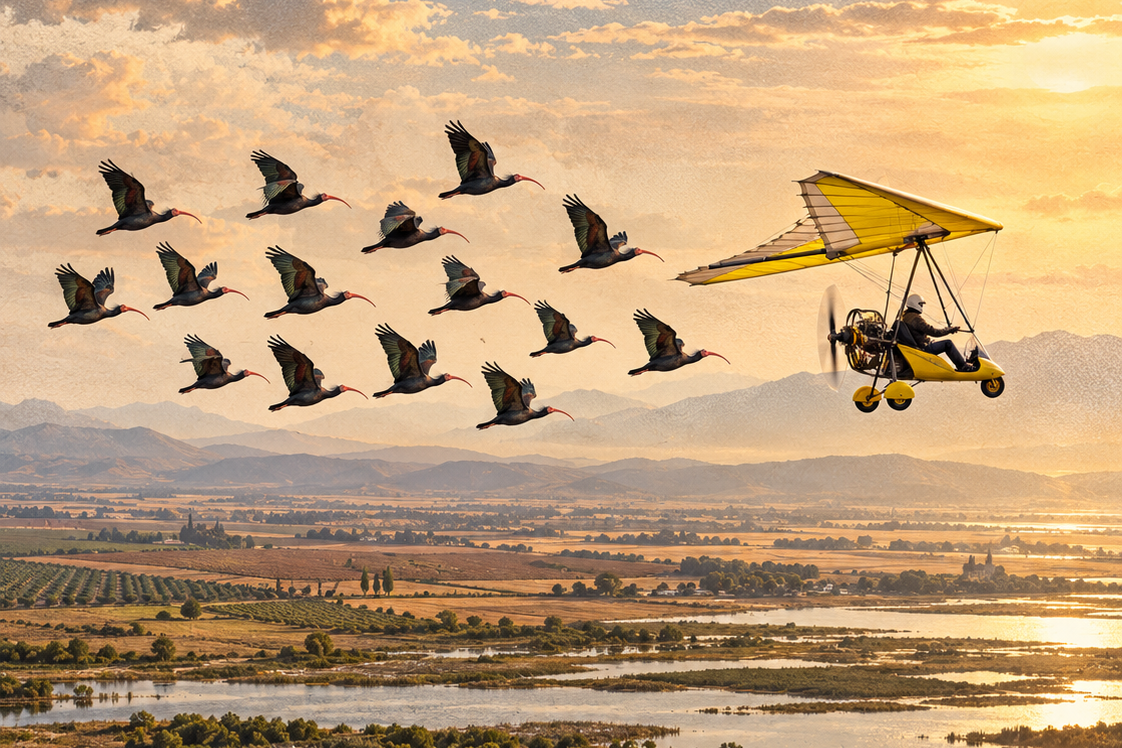
Human foster parents flew ahead. Fifteen young ibises followed them into a new Spanish flock.

At 90,000–120,000 miles, EVs were about 25% less likely to fail an MOT.
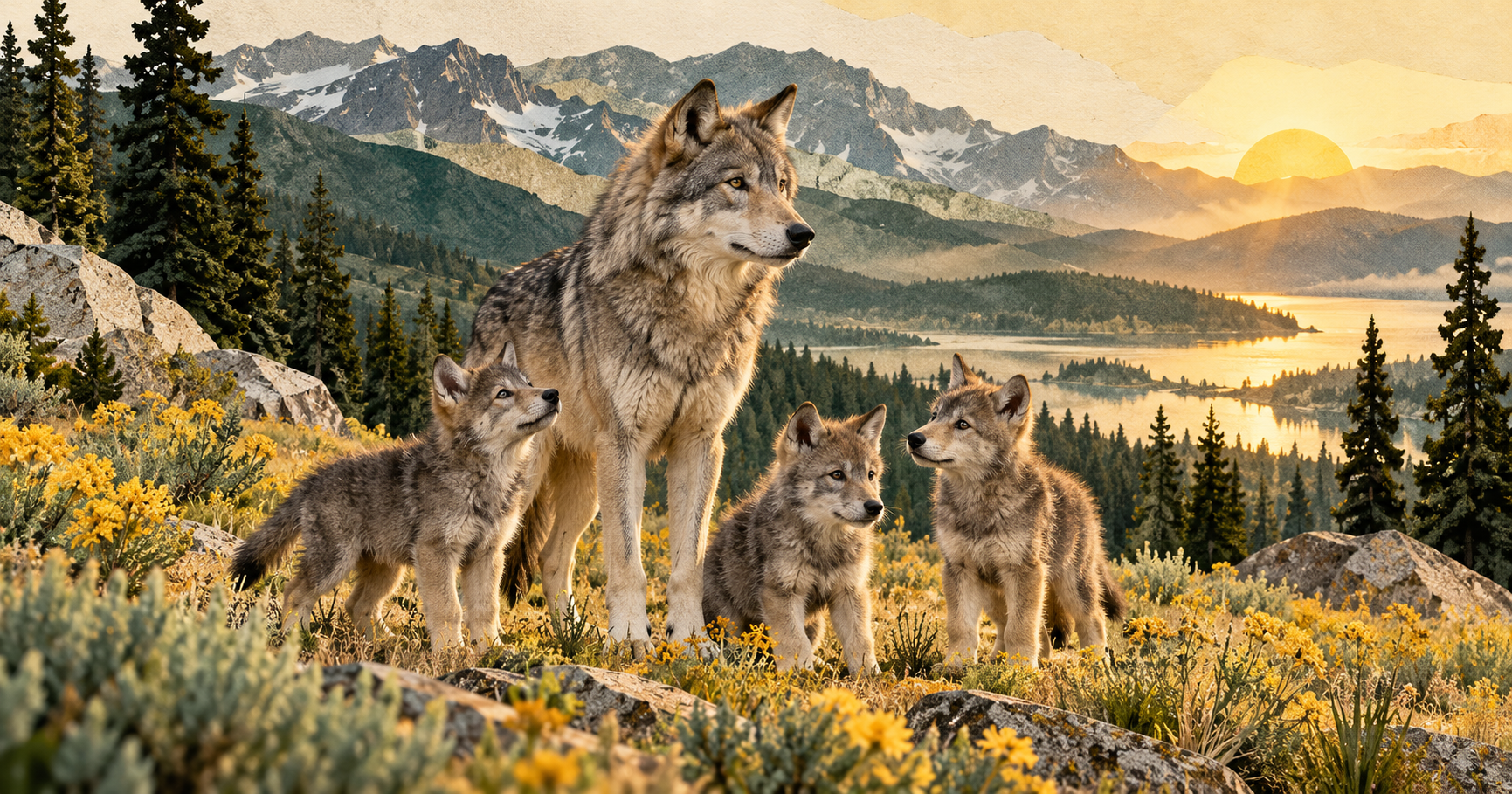
Eight packs raised pups in 2026, extending one of California’s wildest comeback stories.
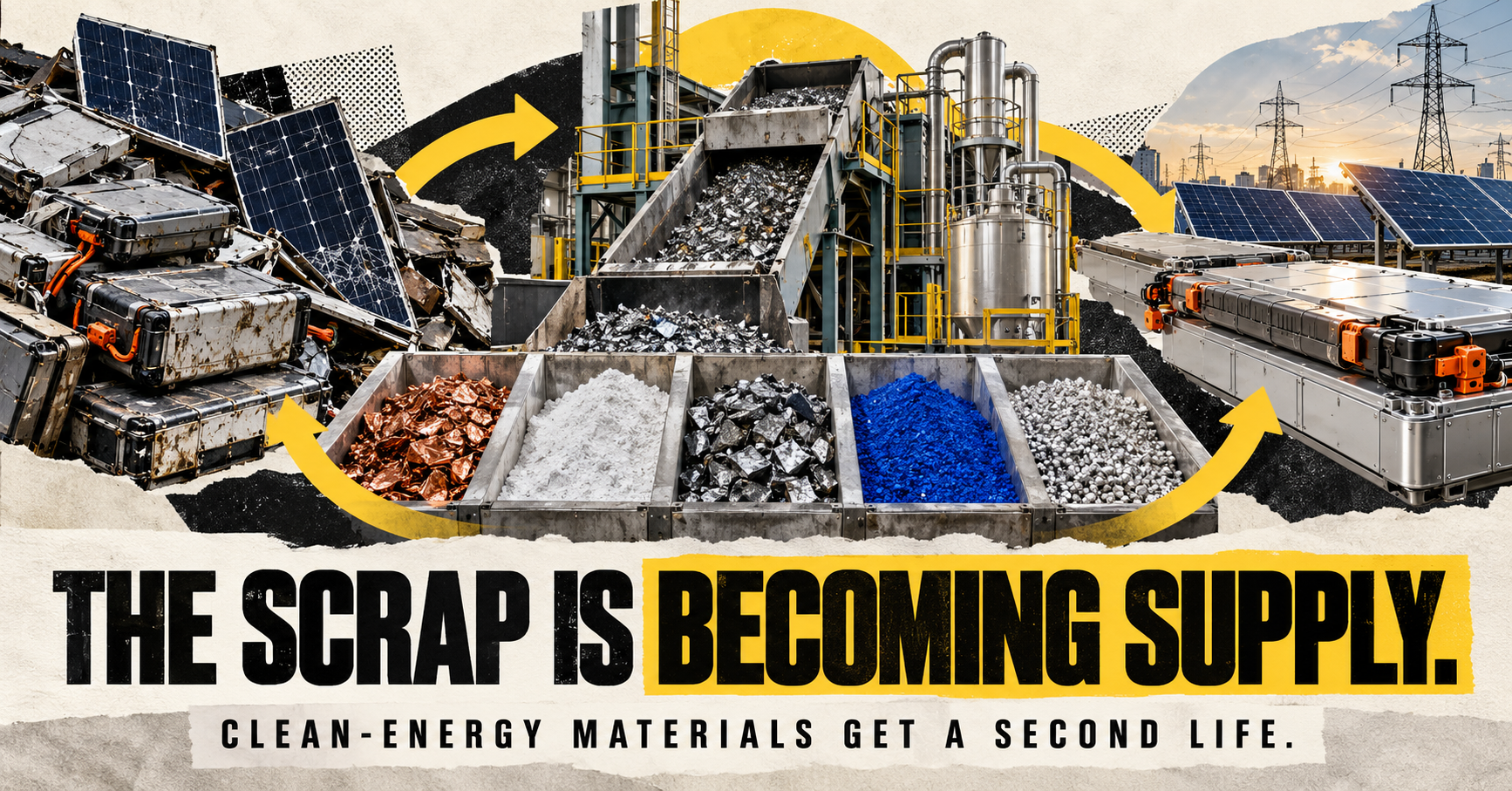
Old batteries, panels and blades are starting to feed the next buildout.
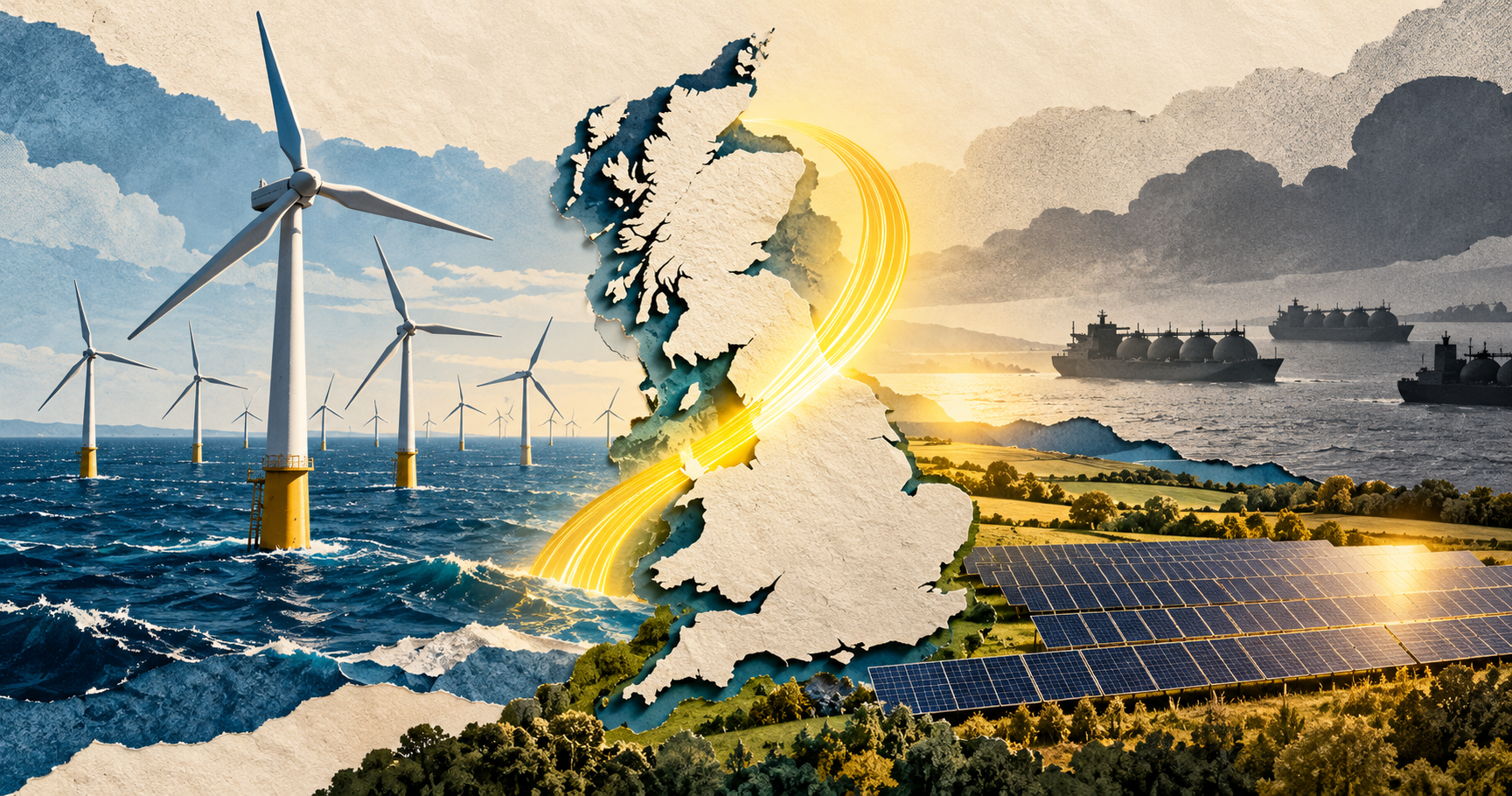
The clean-power buildout turned into an energy-security shield when global gas prices spiked.

An 80-foot hoist, one deputy on the wire and a crew that did not waste a second.
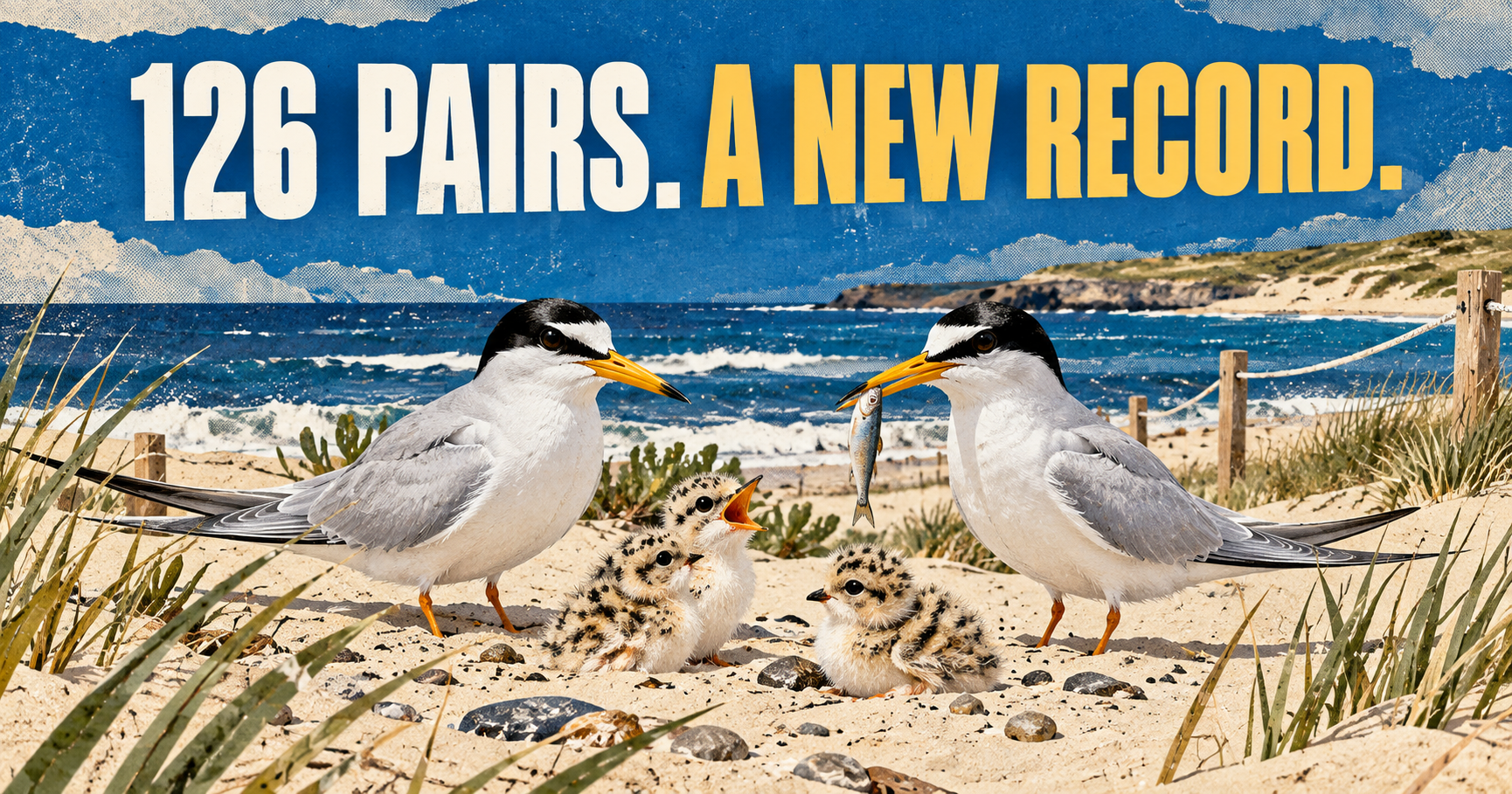
After bird flu and flooded nests, Britain’s second-rarest breeding seabird had its best Long Nanny season on record.