HE LOST HIS ARM AT 16. NOW HE CAN FEEL HIS WIFE'S HAND.
Seventeen years after an amputation, Alexander “Avi” Davidson became the first participant to take Utah's thought-controlled bionic arm home — with a nerve interface that gives it a sense of touch.
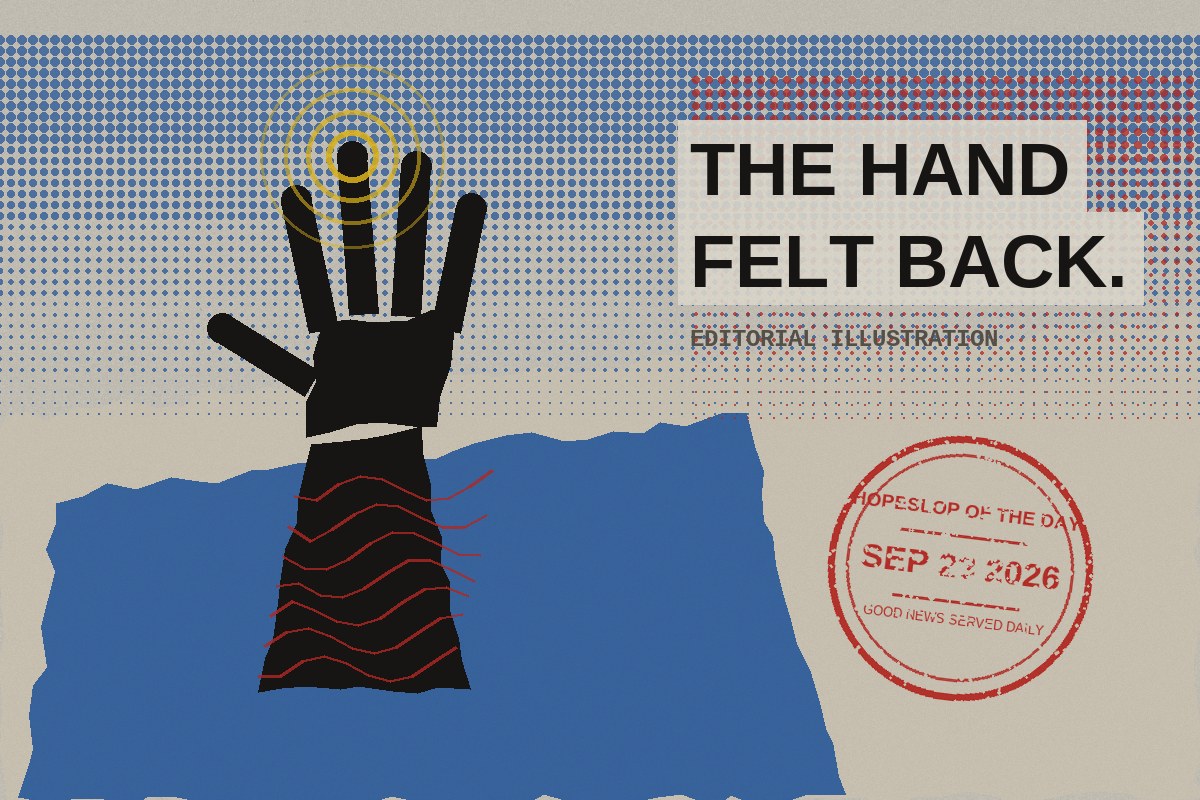
Alexander “Avi” Davidson is the first participant to take University of Utah's thought-controlled LUKE Arm home, using a direct nerve interface that restores a sense of touch.
WHAT HAPPENED
At 16, Alexander “Avi” Davidson fell 35 feet from the top of a telephone pole. The accident left him paralysed from the waist down and led to the amputation of his left arm below the elbow.
Seventeen years later, University of Utah Health says Davidson is the inaugural participant to bring the university's Luke Skywalker-inspired bionic arm home. A direct nerve interface called the BIOS Controller lets him control the arm with his thoughts while sending signals back, restoring a sense of touch. Within days he was writing, playing cards, making a tuna sandwich and holding his wife's hand.
“The ability to recognize how much pressure I'm putting on my wife's hand and to feel hers back in mine is a wild idea to internalize,” Davidson said. The trial will follow him at home for one year, with the possibility of an extension — a rare look at whether nerve-connected prosthetics actually improve daily life.
WHY THIS IS HOPESLOP
This is one person in a one-year clinical trial, not a product on a shelf, and Hopeslop is not going to pretend otherwise. But the specific outcome is beautifully unglamorous: a man made a tuna sandwich, then felt how hard he was squeezing his wife's hand. Most amputees still choose Civil War-era hooks because robotic arms are annoying. This is the first serious sign that a thought-controlled arm can survive an actual living room.
ORIGINAL SOURCEUniversity of Utah HealthRead the original report
A DAILY ALLEGATION OF PROGRESS.
One good thing from the internet, every day. Nothing else.