SCIENCE
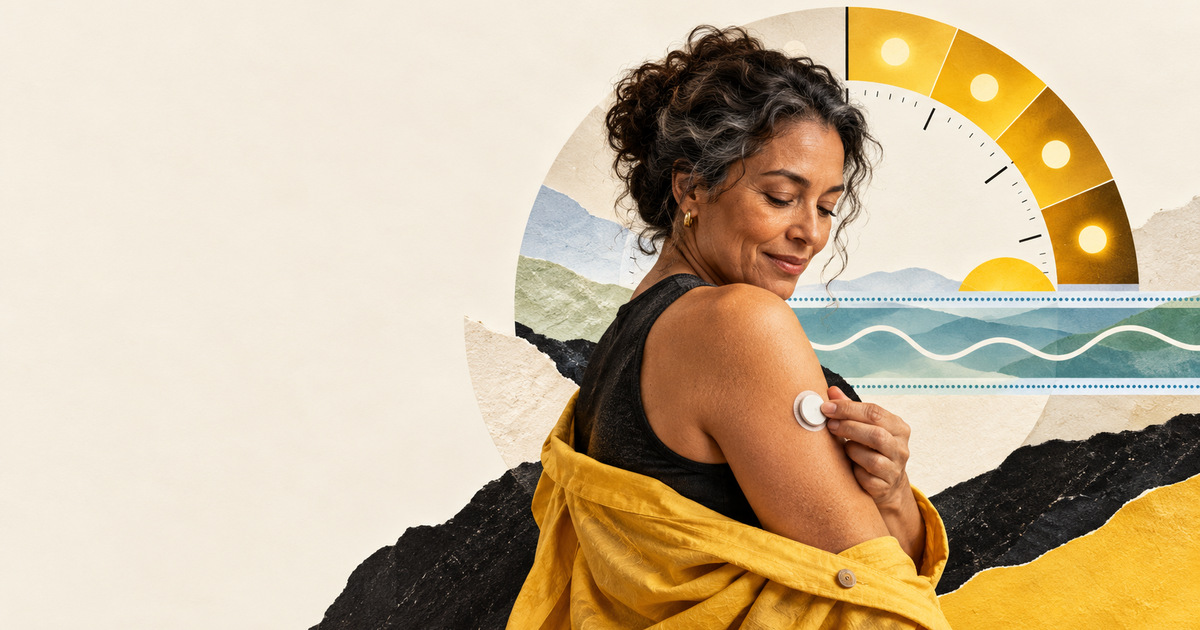
A tiny sensor gave people with type 2 diabetes five more hours in range.
A randomized trial found continuous glucose monitoring added about five hours a day in the target range—even without insulin.
SOURCENew England Journal of Medicine
—
Every serving. No expiration date. Page 2 of 4.
A randomized trial found continuous glucose monitoring added about five hours a day in the target range—even without insulin.

Reported malaria deaths fell from 3,259 in 2011 to 52 in 2025.
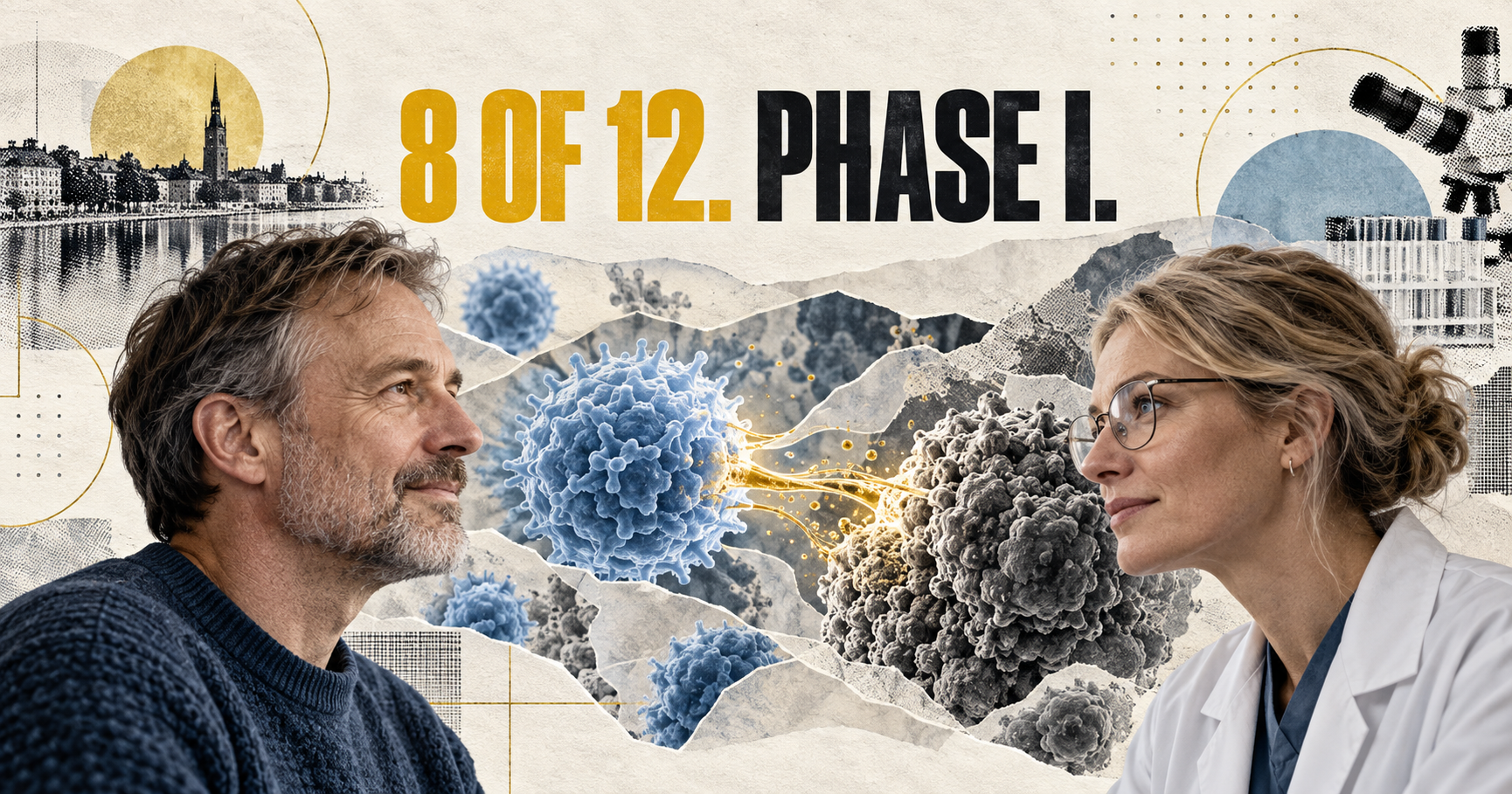
Eight complete responses. Twelve patients.

The future changed 2.2 million times.

A 32-person study found less injury and fewer symptoms—but it is still early.
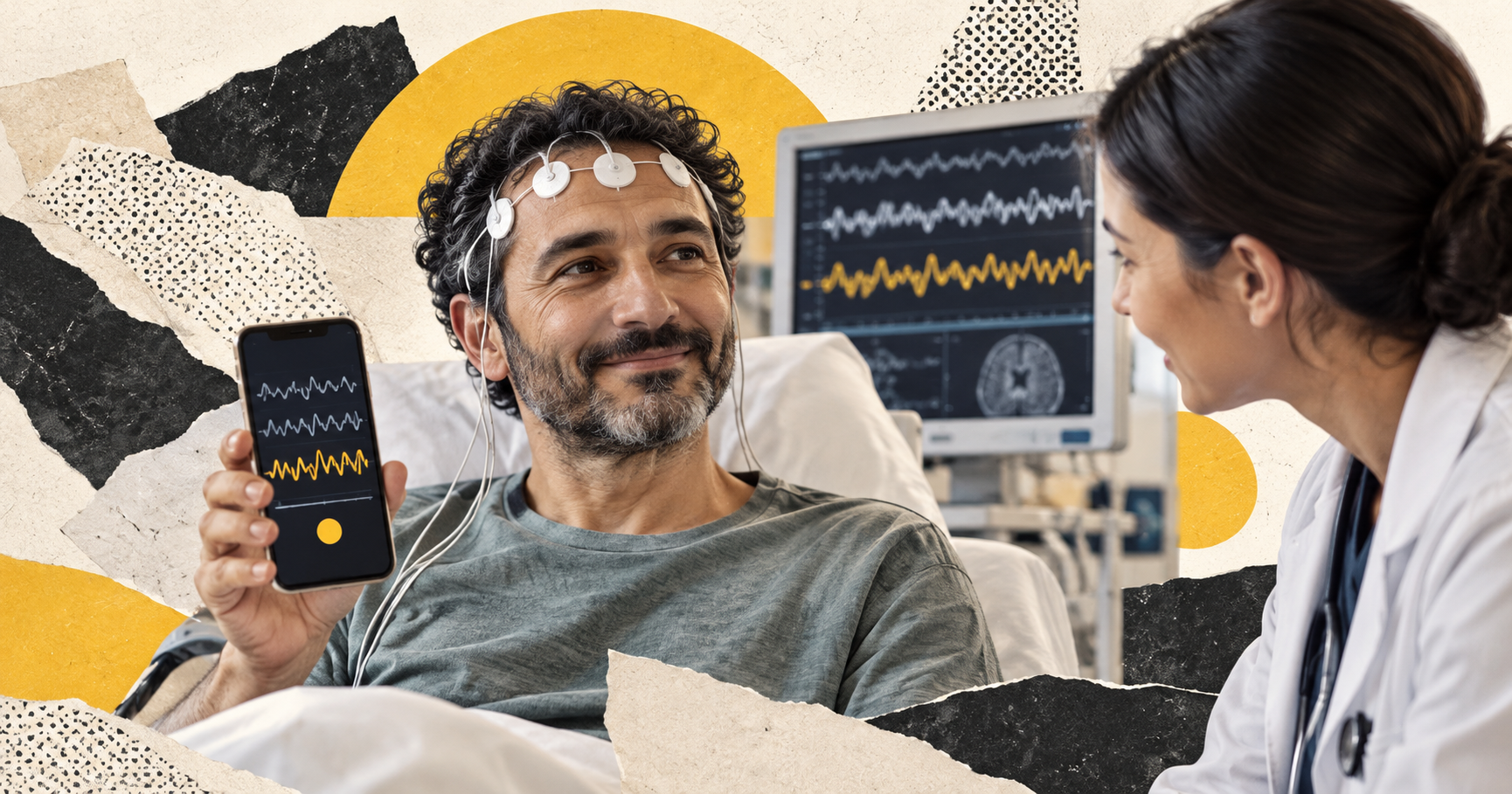
A monitor improved when patients could explain what its sensors got wrong.
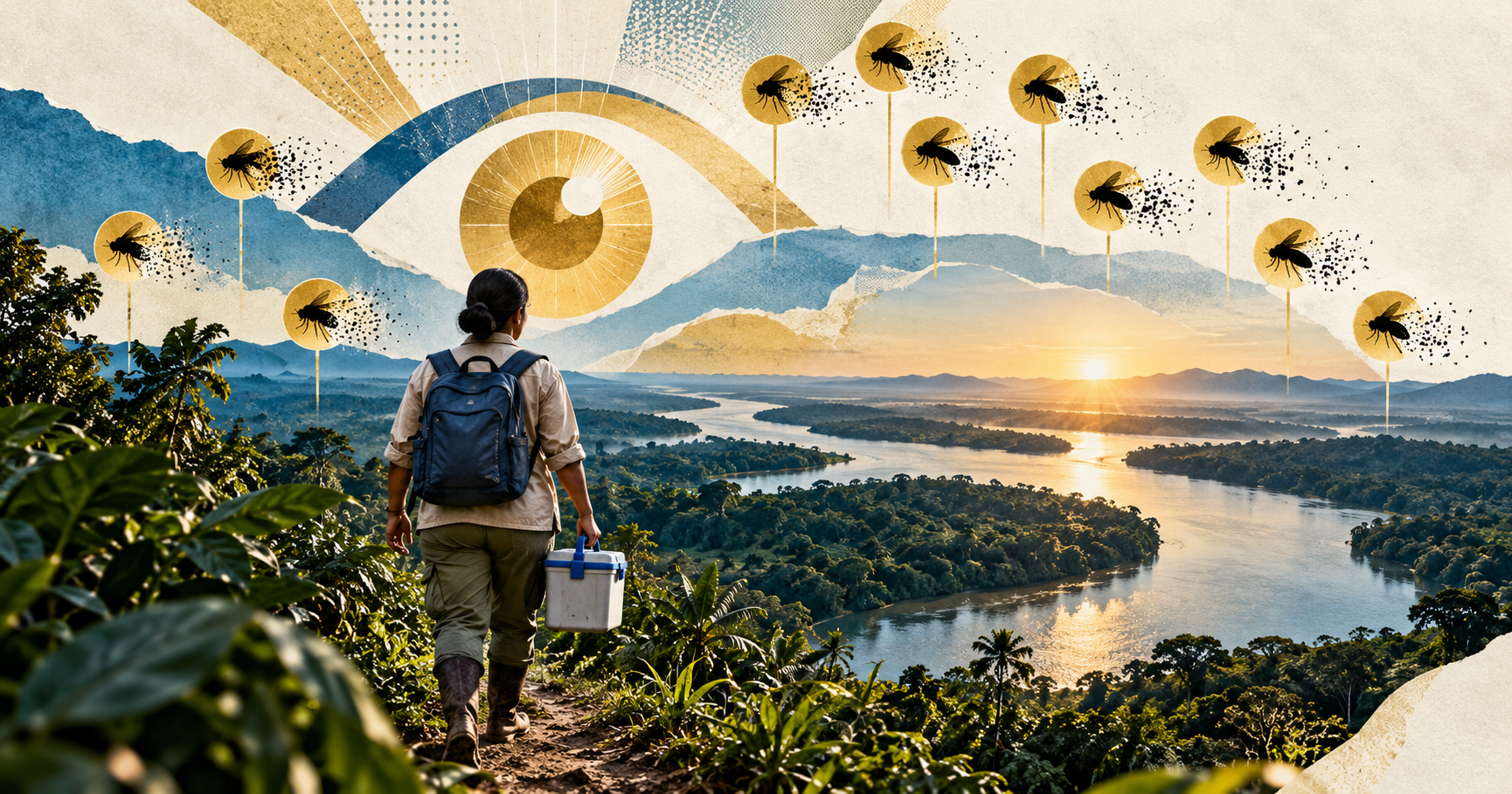
A new WHO review says transmission now remains only in the remote cross-border Yanomami Focus Area shared by Brazil and Venezuela.
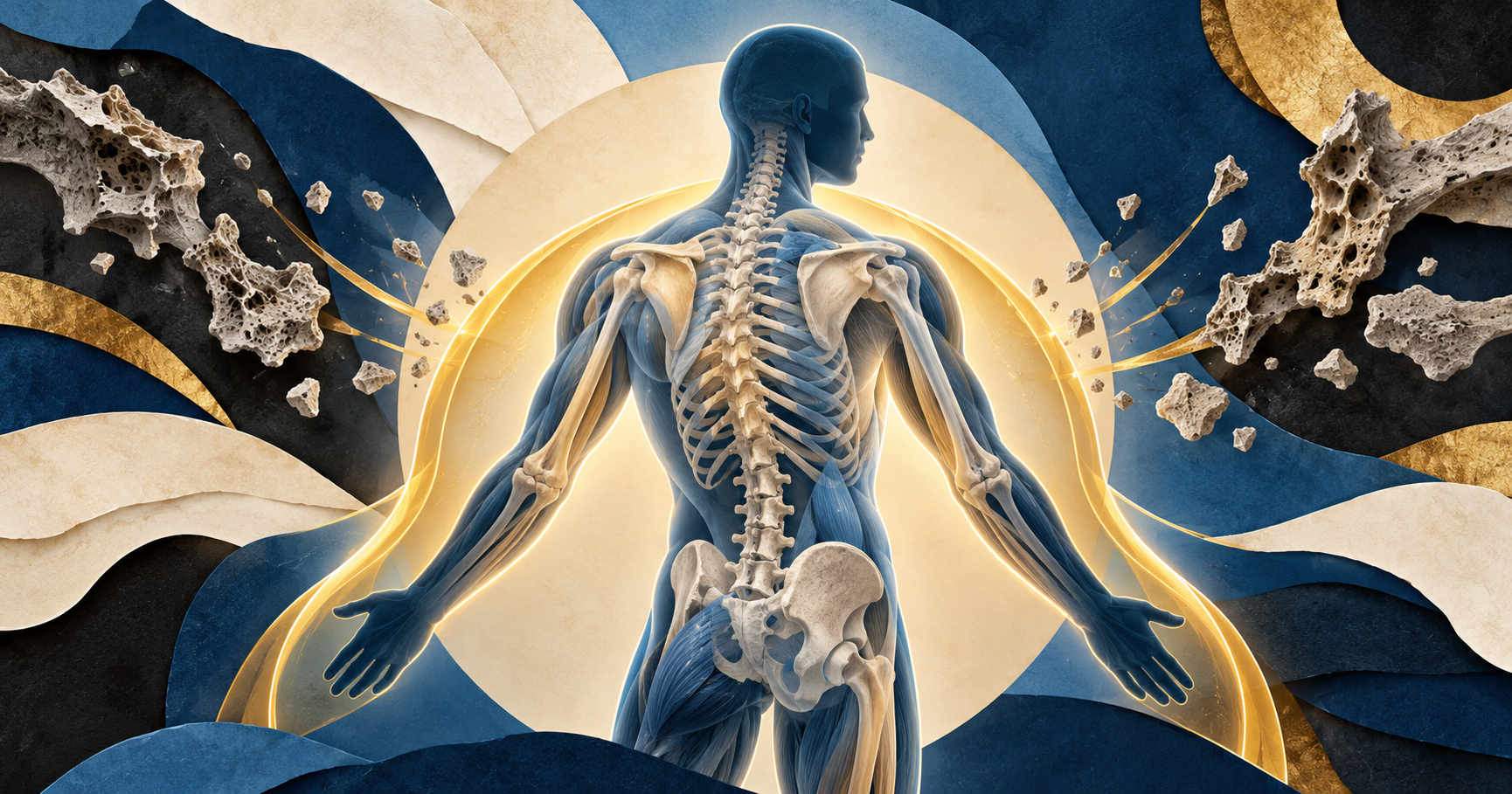
In the OPTIMA extension, adults who stayed on Pasatru had no new lesions detected between weeks 56 and 84; the placebo group had nine.
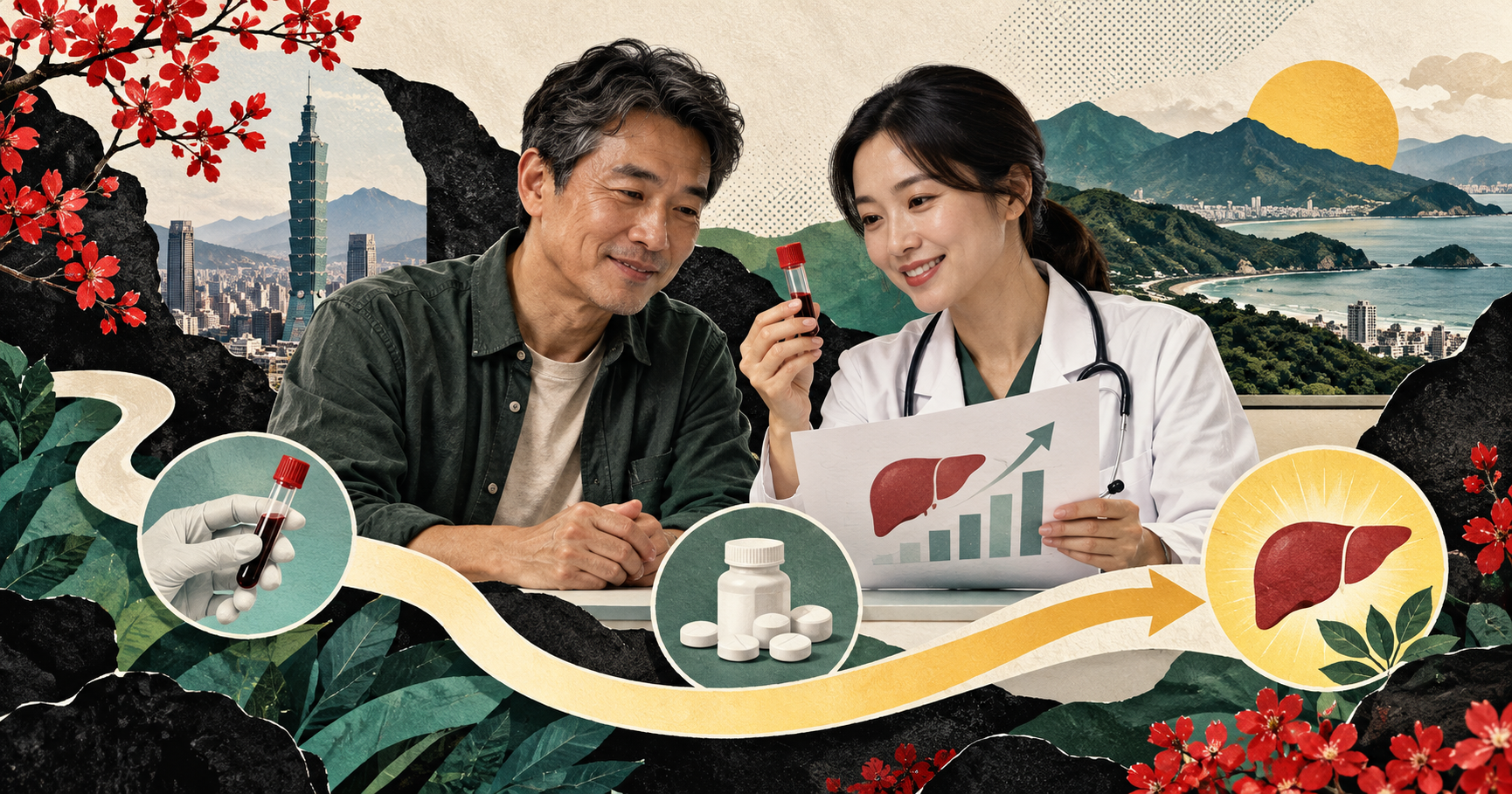
More than 7.86 million people have been screened. Diagnosis reached 92.4%, treatment 92.7%, and treatment in key high-risk groups 95%.
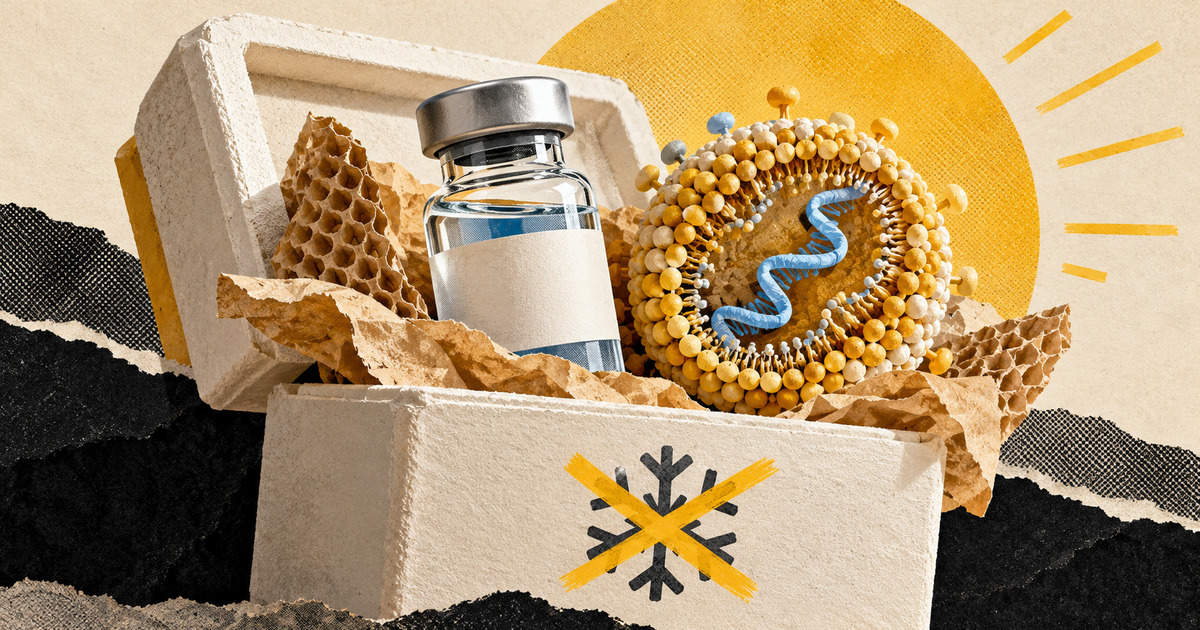
A preclinical formulation held onto its biological activity for more than two months at 37°C—and matched fresh material in mouse immune-response tests.
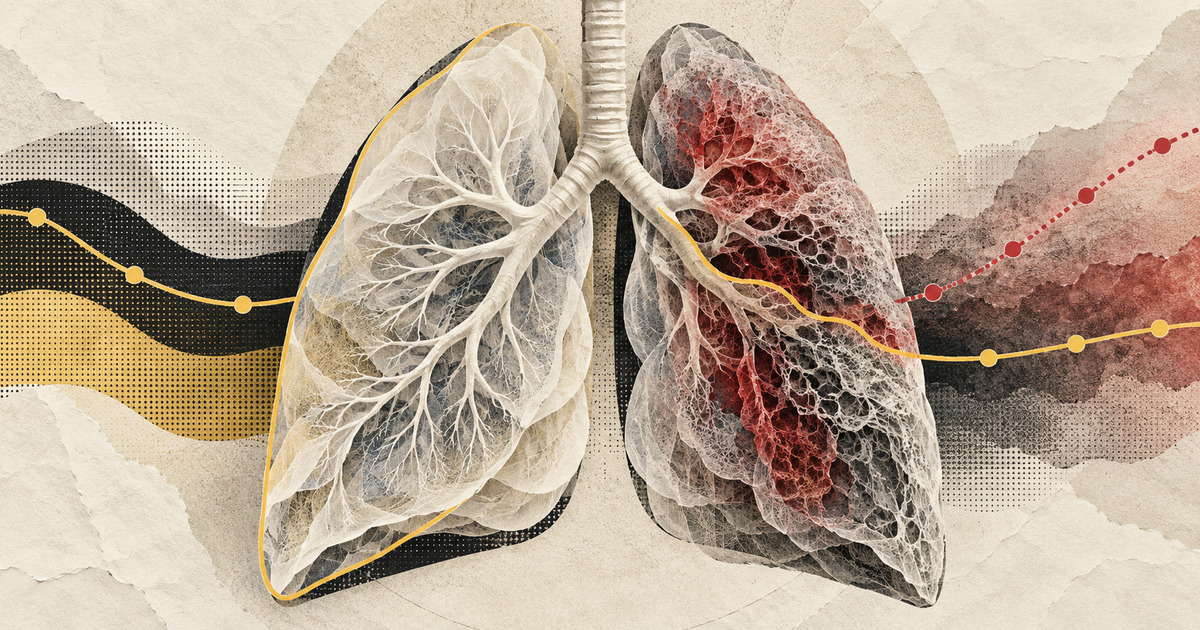
The lower dose met the trial’s main goal over 52 weeks. The higher dose did not, and the detailed results are not yet published.
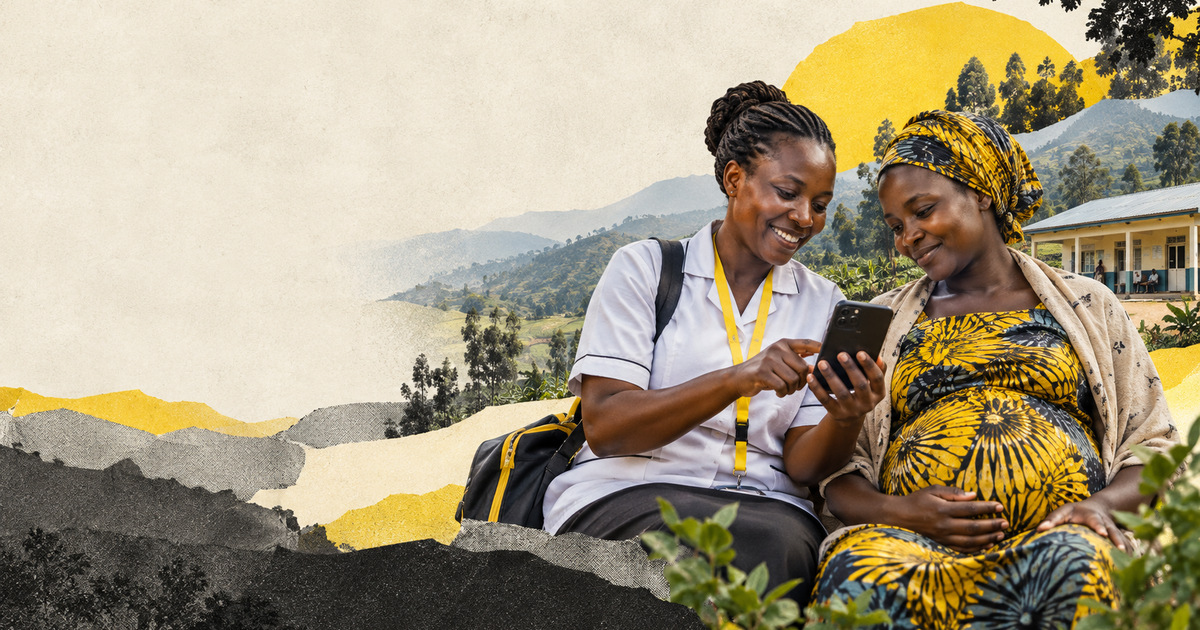
Five years, a 27% decline, and a health system still pushing: Rwanda is pairing community care with faster records and referrals.
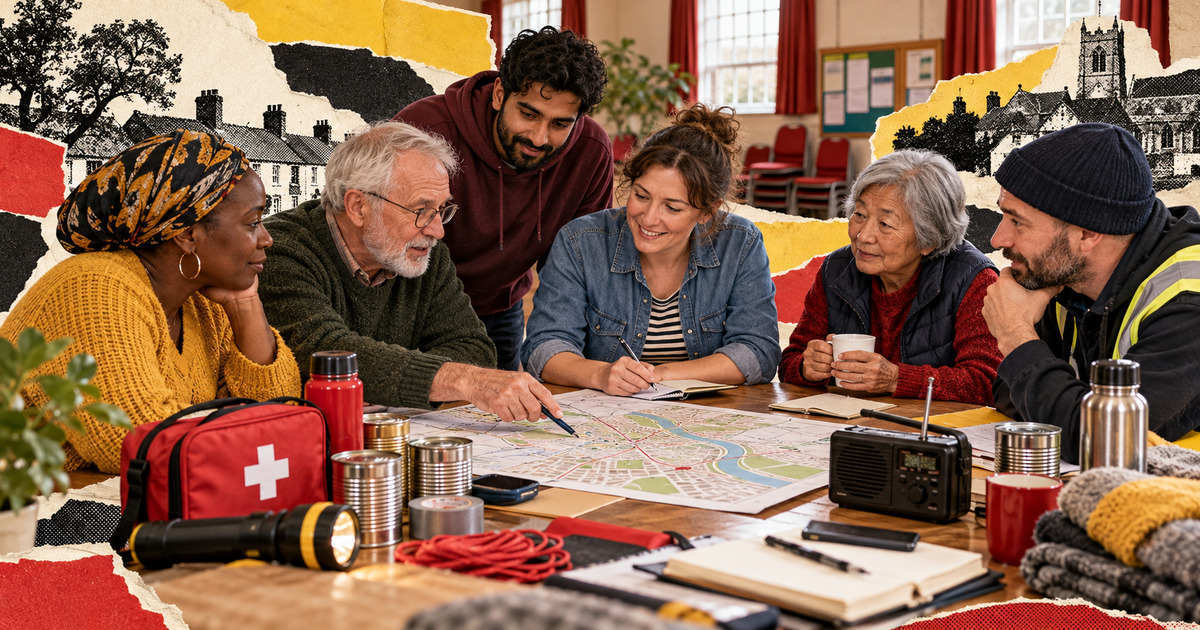
Eight practical modules help communities turn names, skills and local knowledge into a plan before the next disruption arrives.

WHO/Europe calls the result an early signal: the evaluation covers five months and independent peer review is pending.

Project MedBridge moved about 50 pallets of unopened N95 respirators and therapy packs into a distribution network serving underresourced health facilities.
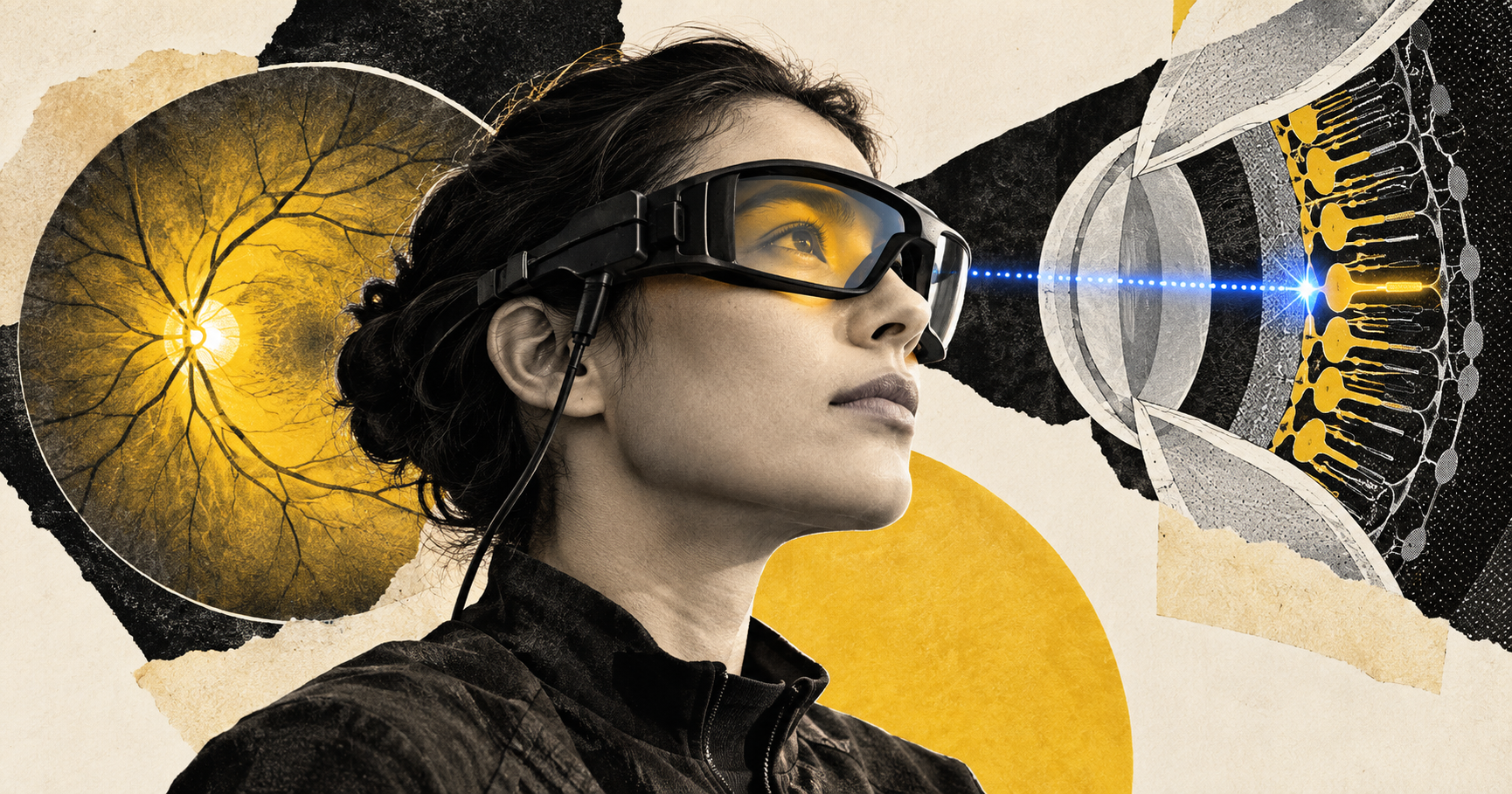
In a 10-person safety trial, an experimental optogenetic treatment produced clinically meaningful light-sensitivity gains in six participants. It did not restore normal sight.
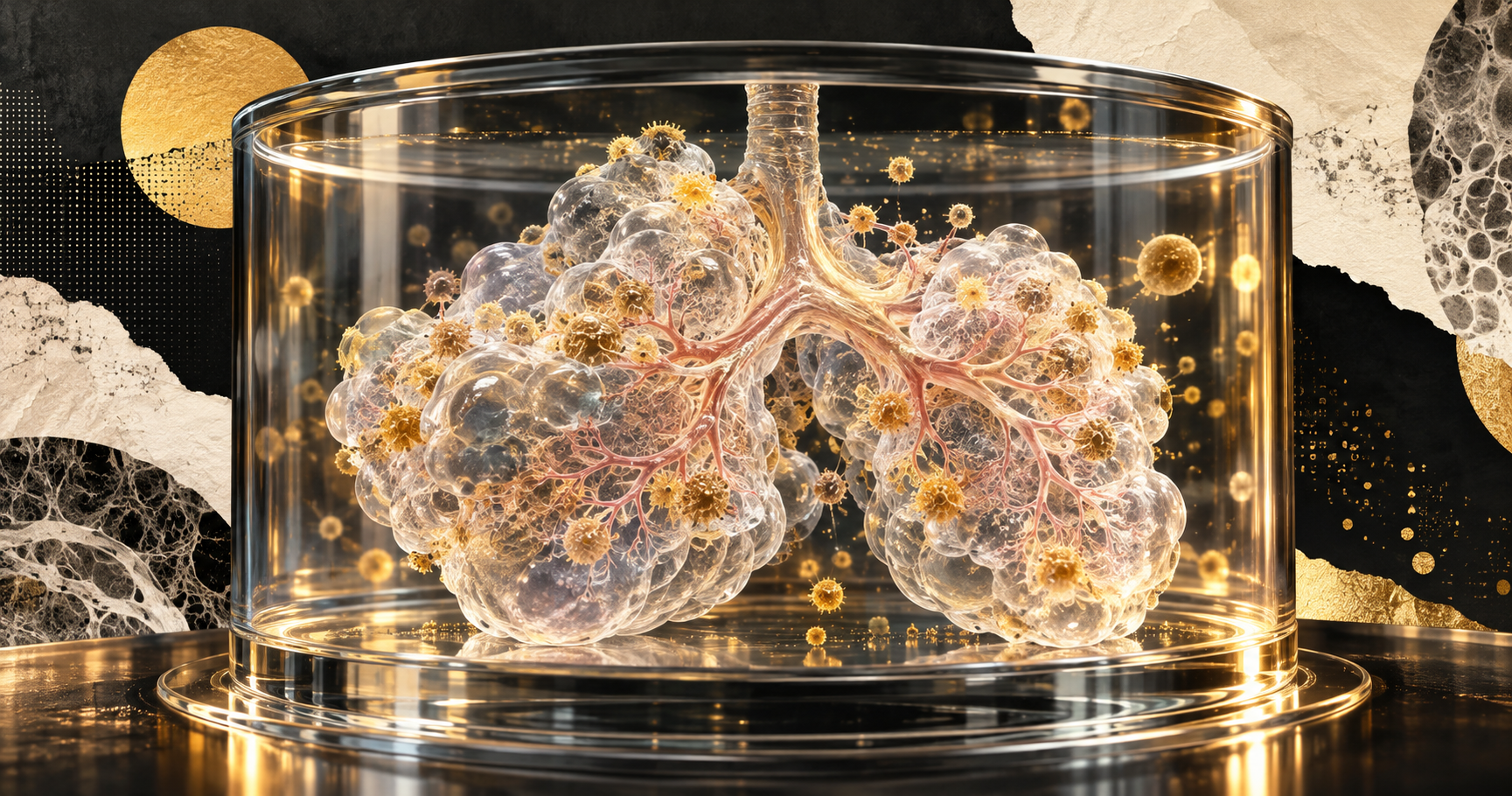
Human lung organoids retained resident T cells, recognized SARS-CoV-2 and responded more strongly after a simulated booster.
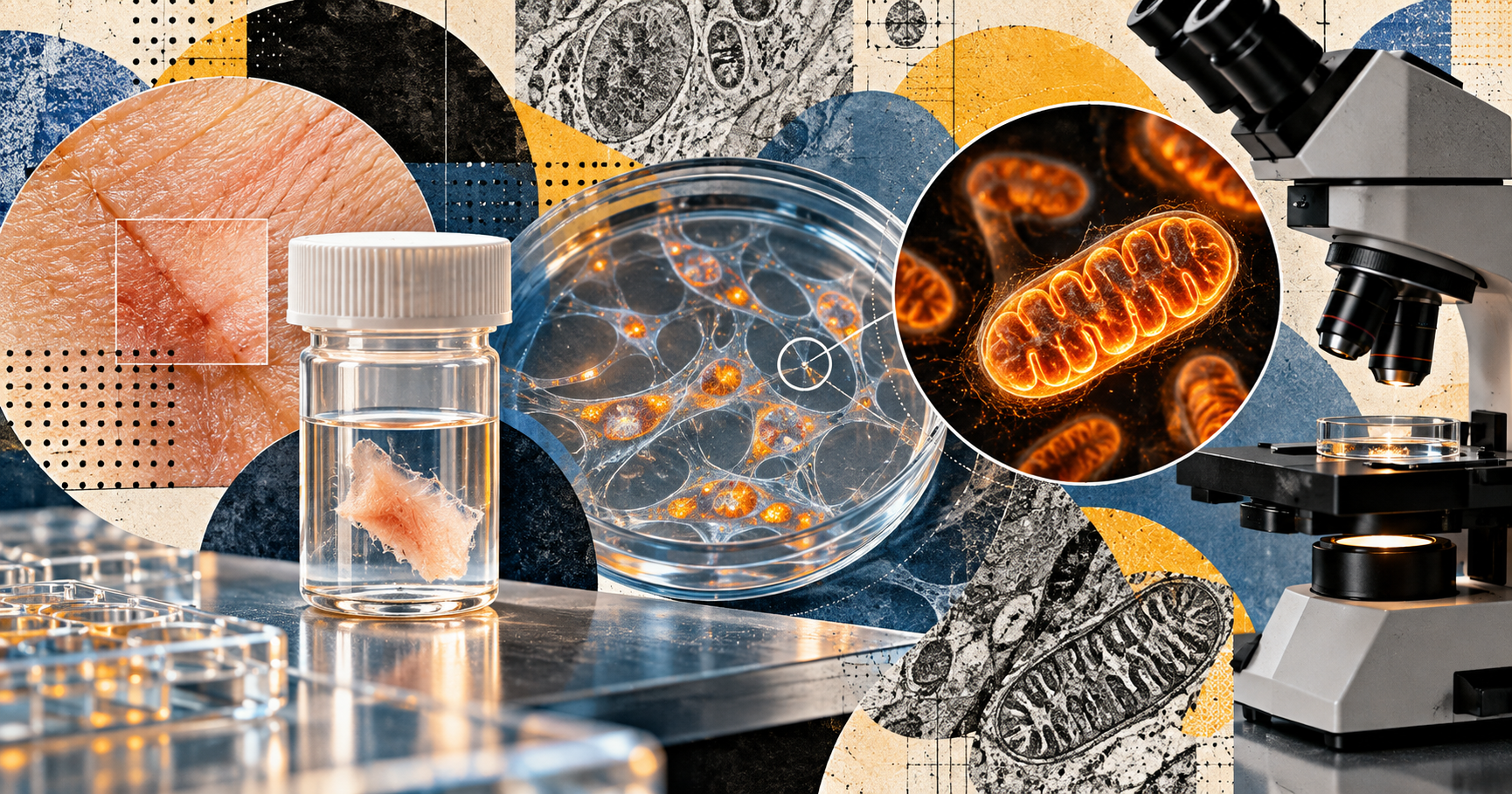
Functional testing on skin cells helped close difficult mitochondrial-disease diagnoses across samples from more than 30 medical centres.

The pollinators carried a precise biological treatment to as many as 88% of flowers.
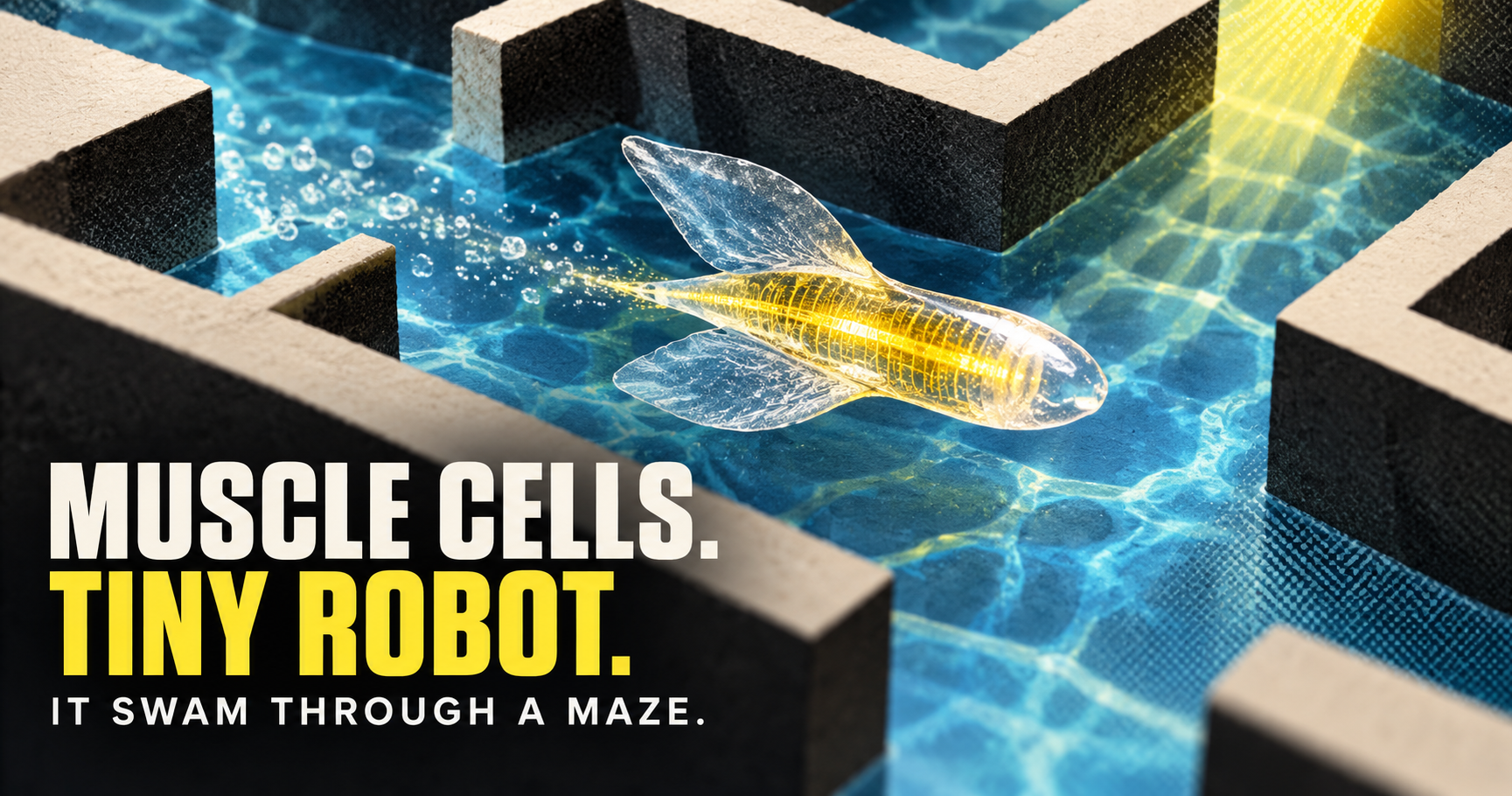
Two fins. One layer of living muscle. A light to follow.

The fabric let light, rain and air through — while keeping insect mouths out.
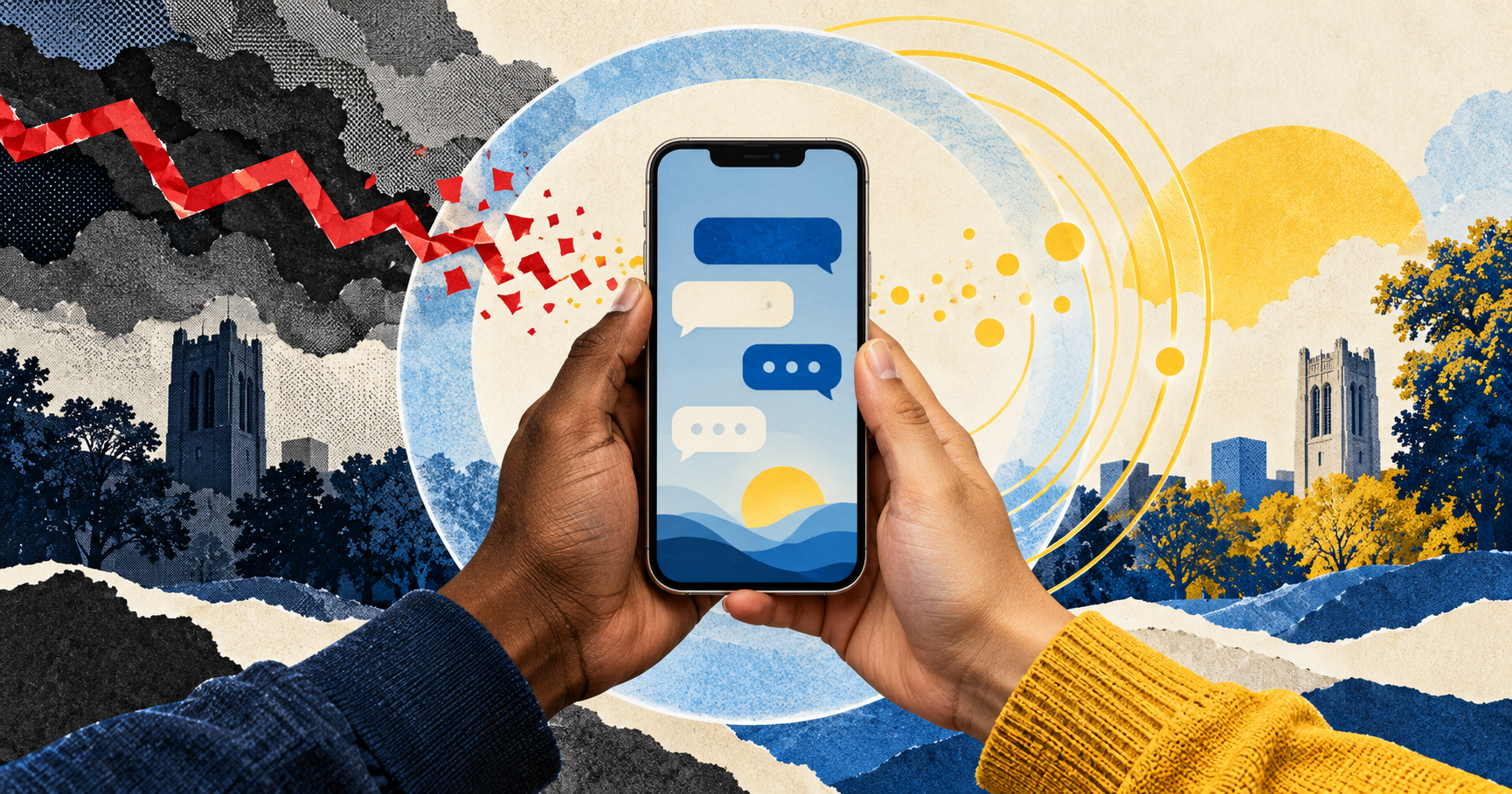
Three remote counseling sessions and a phone tool helped young people make safer decisions in a rigorous trial.

An 80-foot hoist, one deputy on the wire and a crew that did not waste a second.
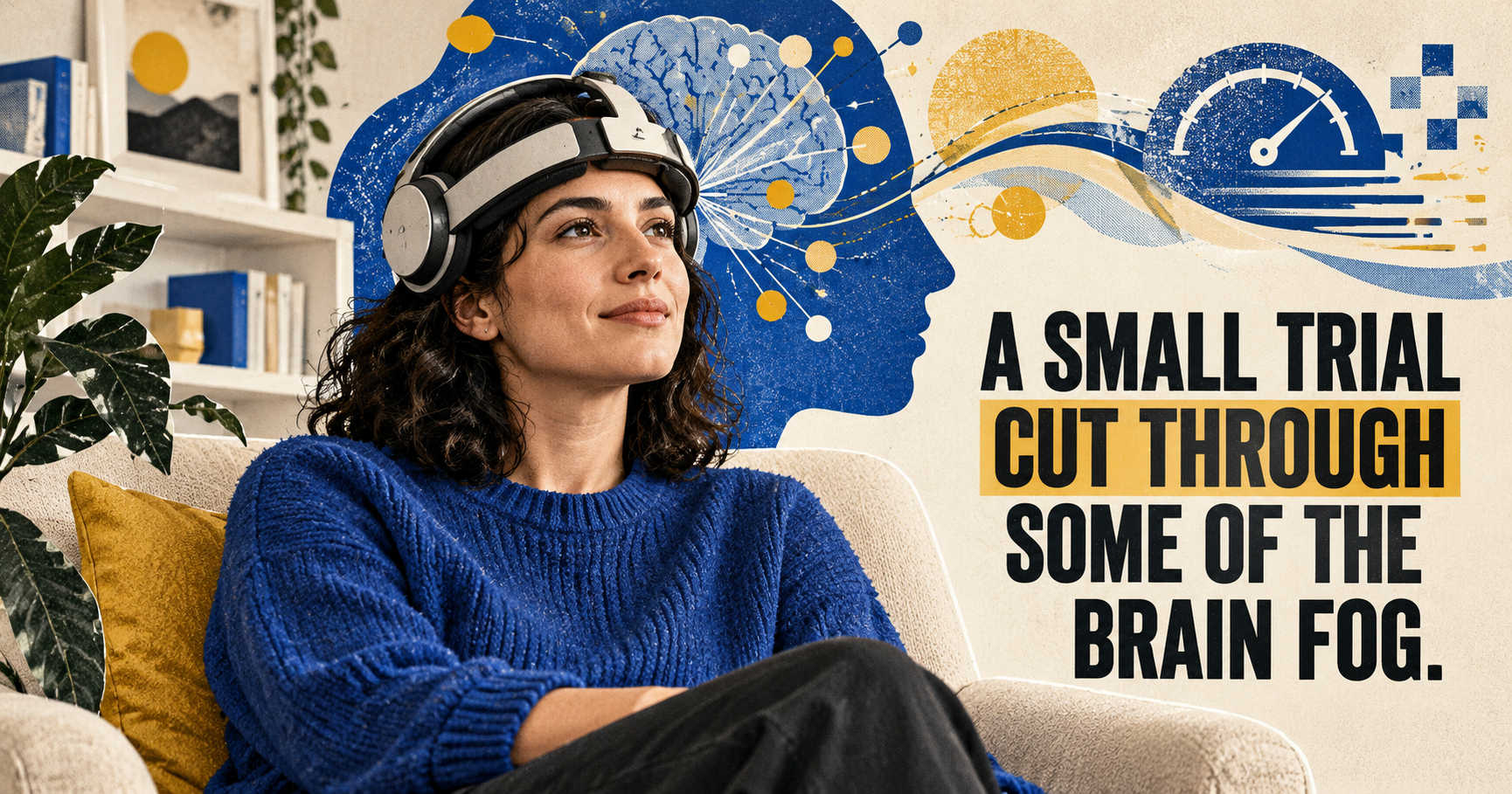
Four weeks of at-home magnetic-field sessions produced encouraging early signals for long-COVID cognitive impairment.