
NATURE
A primate lost to science for nearly a century is still alive.
Local rescuers documented more than 90 Bangka slow lorises—and returned 86 to protected forest.
SOURCERe:wild / Alobi Wildlife Rescue Center
—
Every serving. No expiration date. Page 2 of 6.
Local rescuers documented more than 90 Bangka slow lorises—and returned 86 to protected forest.
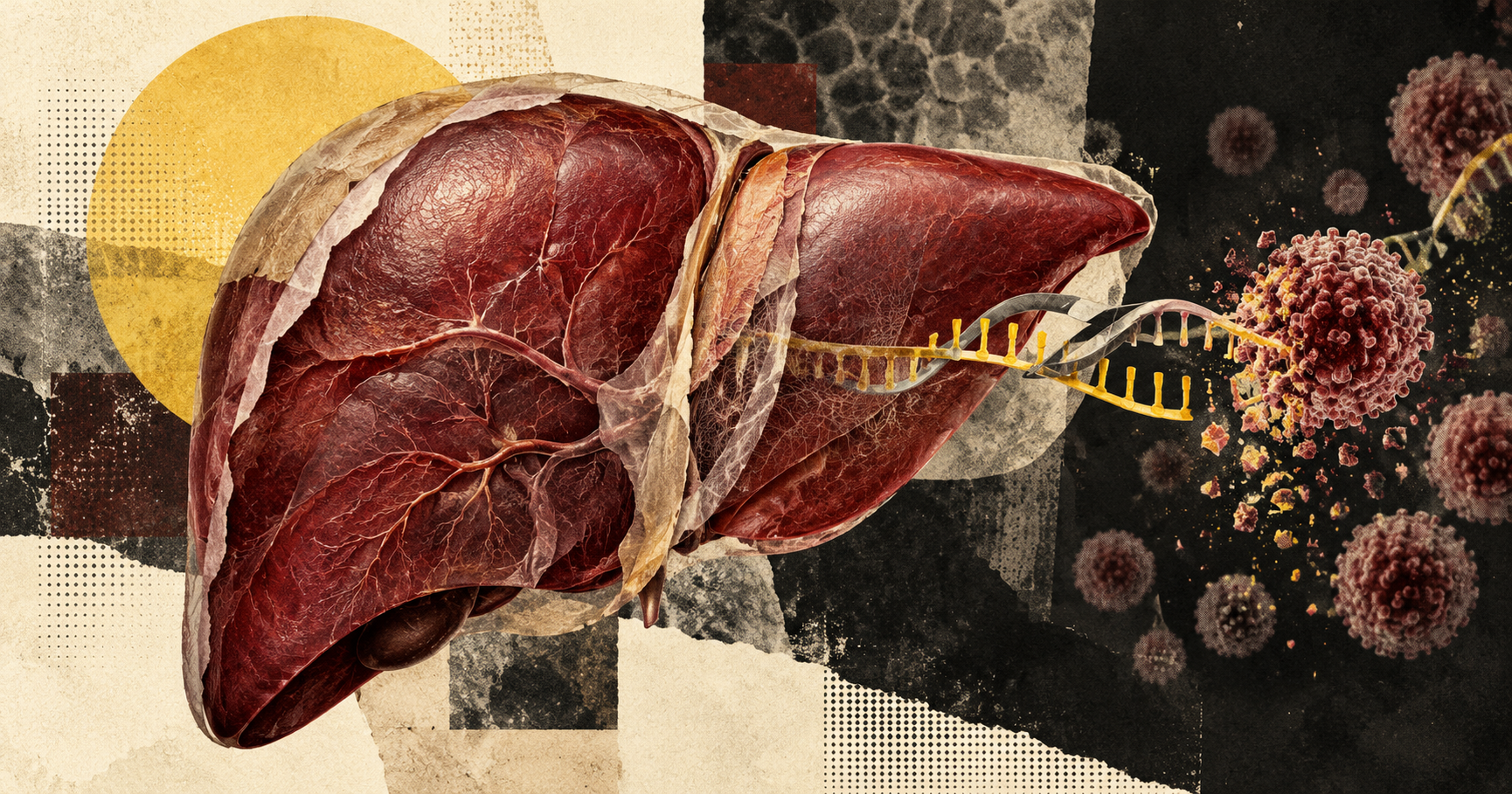
In trials, 24% met treatment-stopping criteria versus none on placebo; 19% stayed controlled 24 weeks after stopping all therapy.

A prevention program built for men paired consent, empathy, alcohol-risk awareness, and bystander practice.

The long pattern—not one day's reading—may help clinicians spot who needs earlier attention.

Native plants now shelter fish, pollinators and nesting birds in the middle of the city.

A brief tissue bridge moved helpful algae within three days—and recovery continued after the corals were separated.

NASA's newly launched space telescope has cleared an early commissioning test with more optical precision than its requirement demanded.

Six hospitals changed everyday anesthesia practice, lowering estimated emissions and anesthetic spending without worsening tracked outcomes.
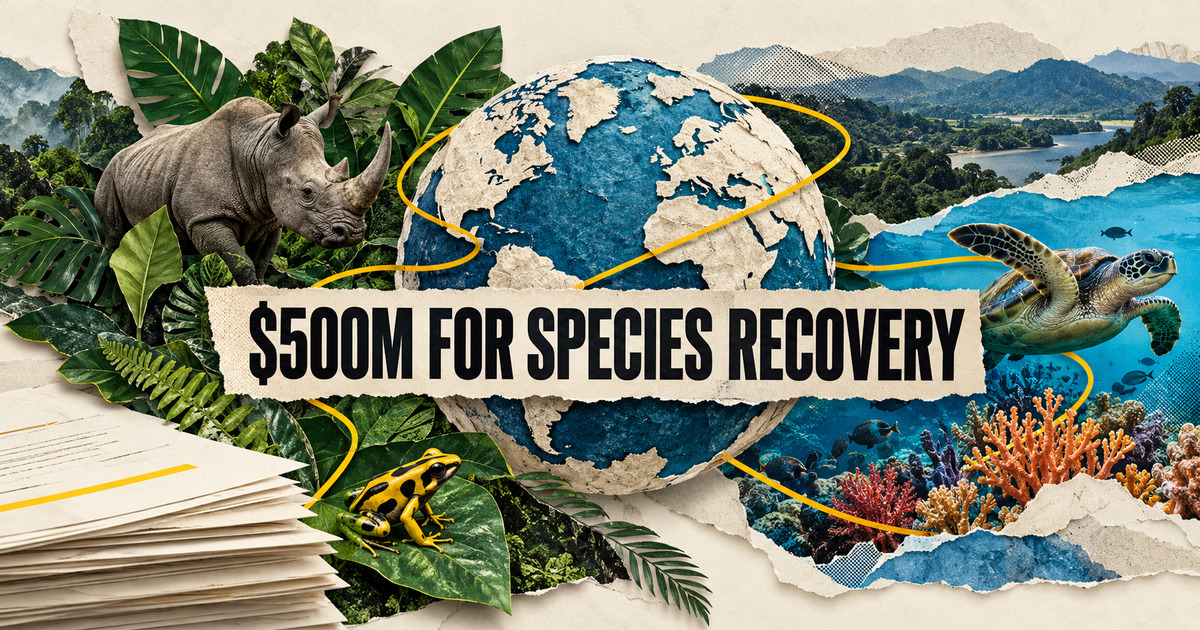
A new alliance is coordinating five years of targeted recovery funding.
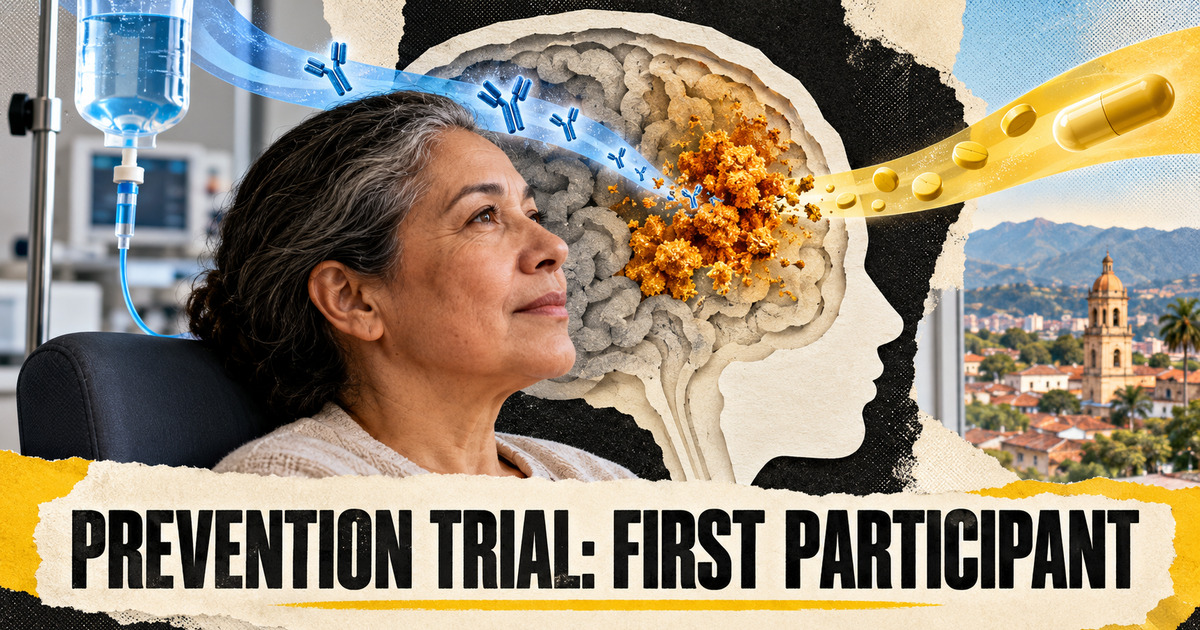
The study will test whether clearing amyloid, then adding a second mechanism, can delay inherited Alzheimer's.

A randomized trial found continuous glucose monitoring added about five hours a day in the target range—even without insulin.

Reported malaria deaths fell from 3,259 in 2011 to 52 in 2025.

An EMA committee recommended a once-daily oral RAS inhibitor for eligible adults with metastatic pancreatic cancer.

The future changed 2.2 million times.

Eight complete responses. Twelve patients.

Forty-four, from the brink.

A monitor improved when patients could explain what its sensors got wrong.

A 32-person study found less injury and fewer symptoms—but it is still early.

A new WHO review says transmission now remains only in the remote cross-border Yanomami Focus Area shared by Brazil and Venezuela.

In the OPTIMA extension, adults who stayed on Pasatru had no new lesions detected between weeks 56 and 84; the placebo group had nine.

The national average rose above one tonne per hectare in 2025–26; some farmer-field-school groups reached 1.4 to 2 tonnes while cutting pest treatments.

More than 7.86 million people have been screened. Diagnosis reached 92.4%, treatment 92.7%, and treatment in key high-risk groups 95%.
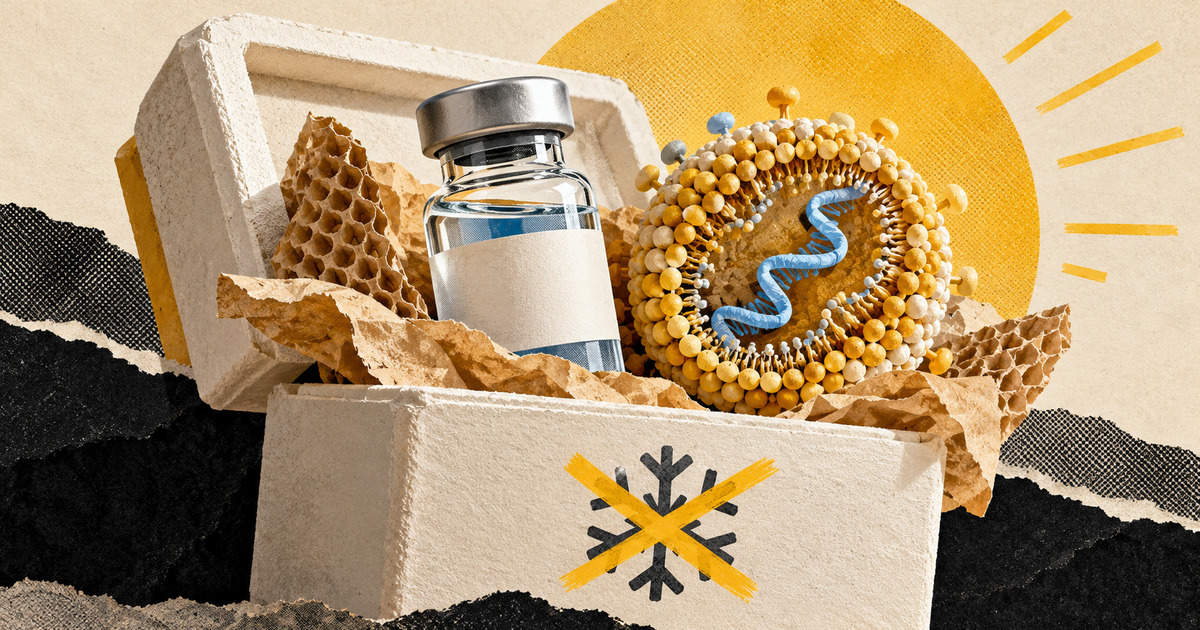
A preclinical formulation held onto its biological activity for more than two months at 37°C—and matched fresh material in mouse immune-response tests.
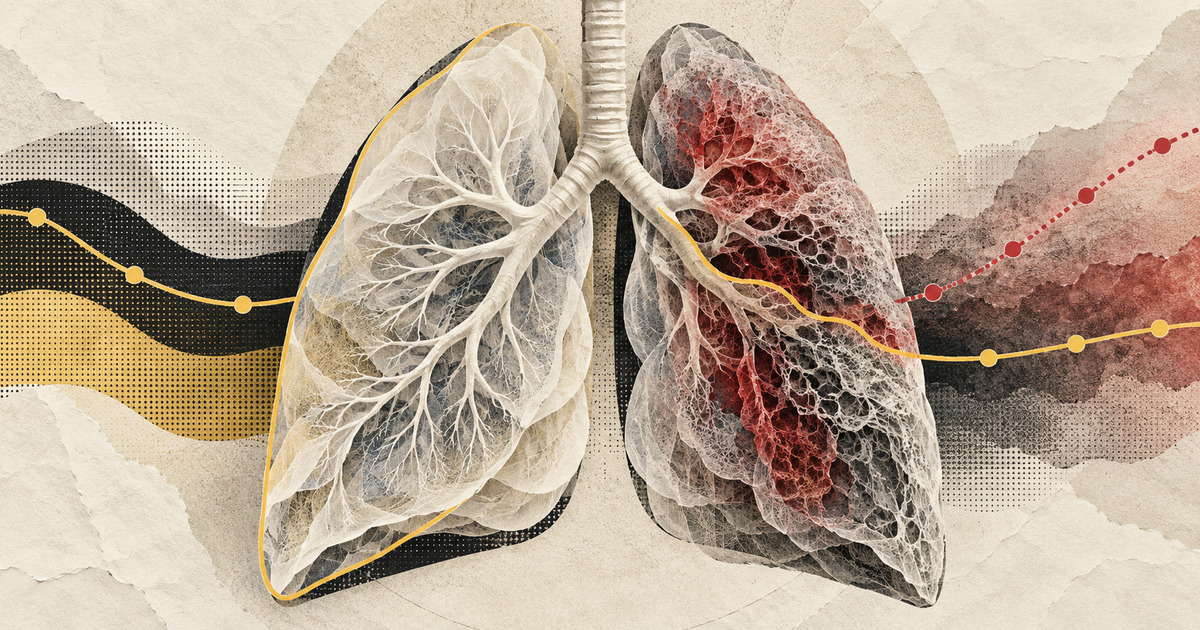
The lower dose met the trial’s main goal over 52 weeks. The higher dose did not, and the detailed results are not yet published.