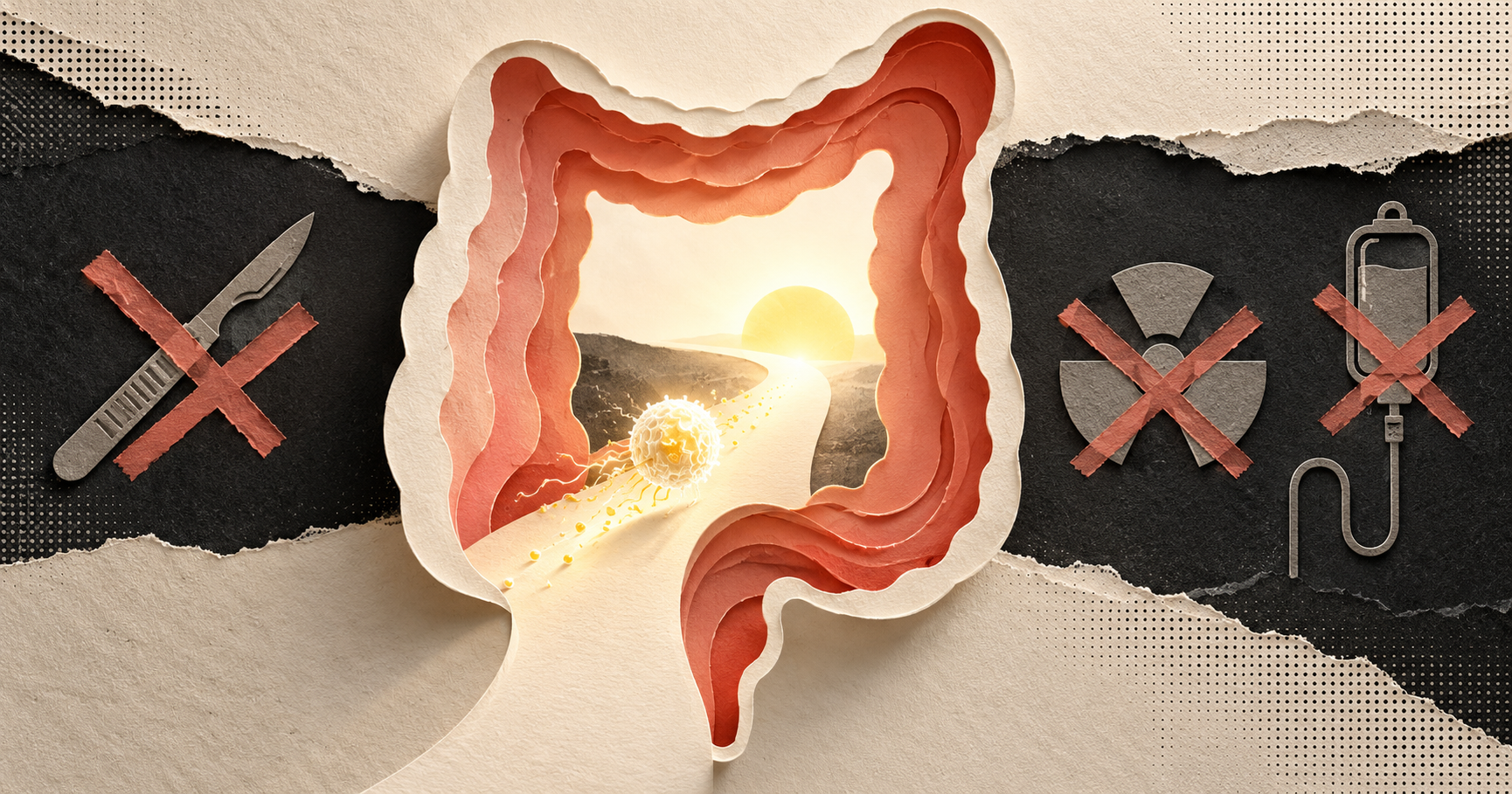
FDA approved an immunotherapy that may let some rectal-cancer patients skip surgery.
In an ongoing trial, nearly three-quarters had not needed the usual treatments after a median of more than two years.
Every serving. No expiration date. Page 2 of 7.

In an ongoing trial, nearly three-quarters had not needed the usual treatments after a median of more than two years.

In trials, 24% met treatment-stopping criteria versus none on placebo; 19% stayed controlled 24 weeks after stopping all therapy.

A prevention program built for men paired consent, empathy, alcohol-risk awareness, and bystander practice.

The long pattern—not one day's reading—may help clinicians spot who needs earlier attention.

The estimated air-quality gain closely tracked an 11% drop in vehicles entering the zone.

Six hospitals changed everyday anesthesia practice, lowering estimated emissions and anesthetic spending without worsening tracked outcomes.

NASA's newly launched space telescope has cleared an early commissioning test with more optical precision than its requirement demanded.

London's new tunnel intercepted most of the storm-overflow volume its designers modeled for 2025.

The instant discount is reaching first-time electric-car buyers at the dealership.

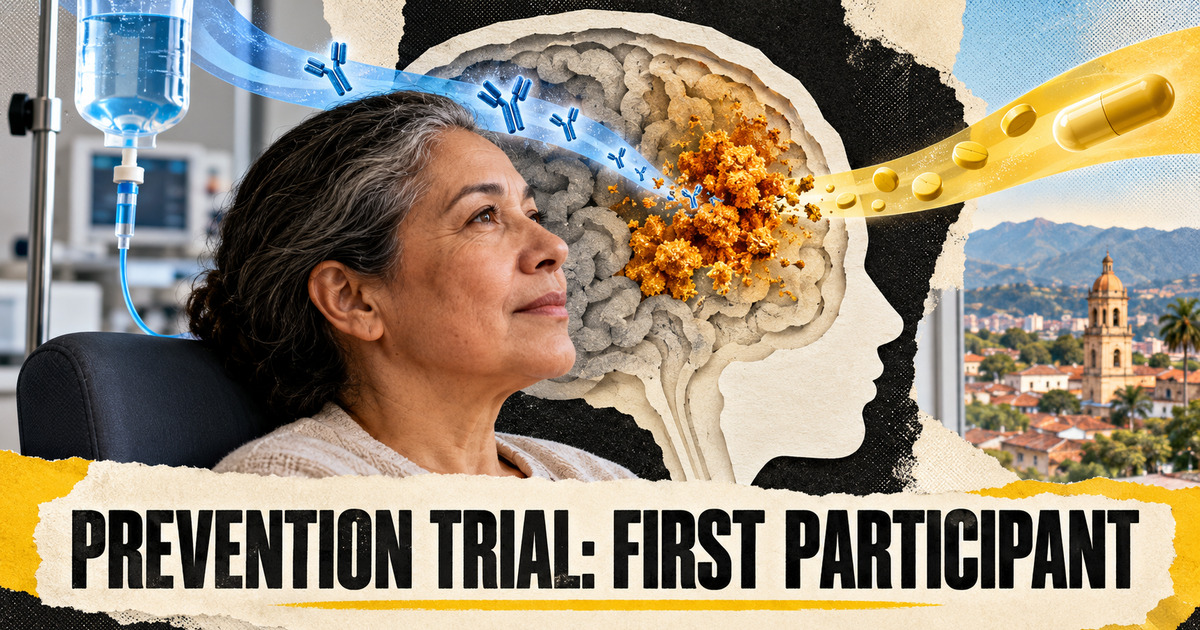
The study will test whether clearing amyloid, then adding a second mechanism, can delay inherited Alzheimer's.

The first Afia Birago's puddle frogs ever born under human care are now hopping at London Zoo.

Reported malaria deaths fell from 3,259 in 2011 to 52 in 2025.

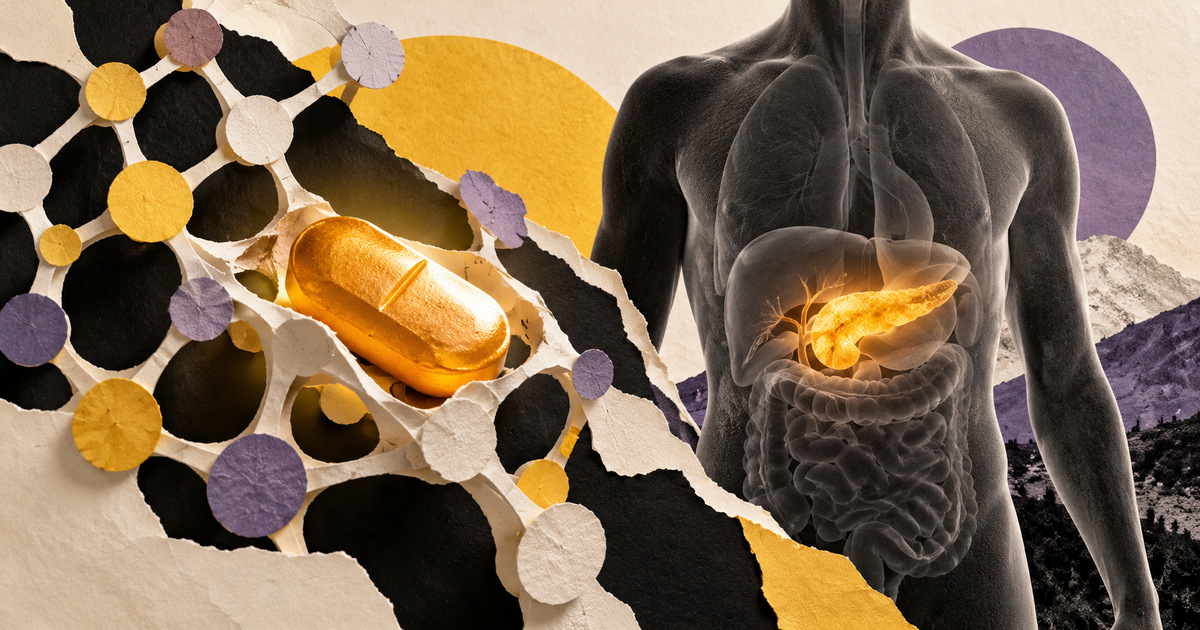
An EMA committee recommended a once-daily oral RAS inhibitor for eligible adults with metastatic pancreatic cancer.

A randomized trial found continuous glucose monitoring added about five hours a day in the target range—even without insulin.

A pipe budget can become a heat pump.

The future changed 2.2 million times.

Eight complete responses. Twelve patients.

A school challenge has engaged 3,500+ young people in 23 countries to redesign everyday plastic use.

Post-harvest pond water is getting a second job on farms and wetlands.

A monitor improved when patients could explain what its sensors got wrong.

A 32-person study found less injury and fewer symptoms—but it is still early.

Nine hundred thirty-nine completed rehabilitations turned underused historic buildings back into homes, businesses, workplaces and community spaces while supporting an estimated 163,000 jobs.

In the OPTIMA extension, adults who stayed on Pasatru had no new lesions detected between weeks 56 and 84; the placebo group had nine.

A new WHO review says transmission now remains only in the remote cross-border Yanomami Focus Area shared by Brazil and Venezuela.