SCIENCE
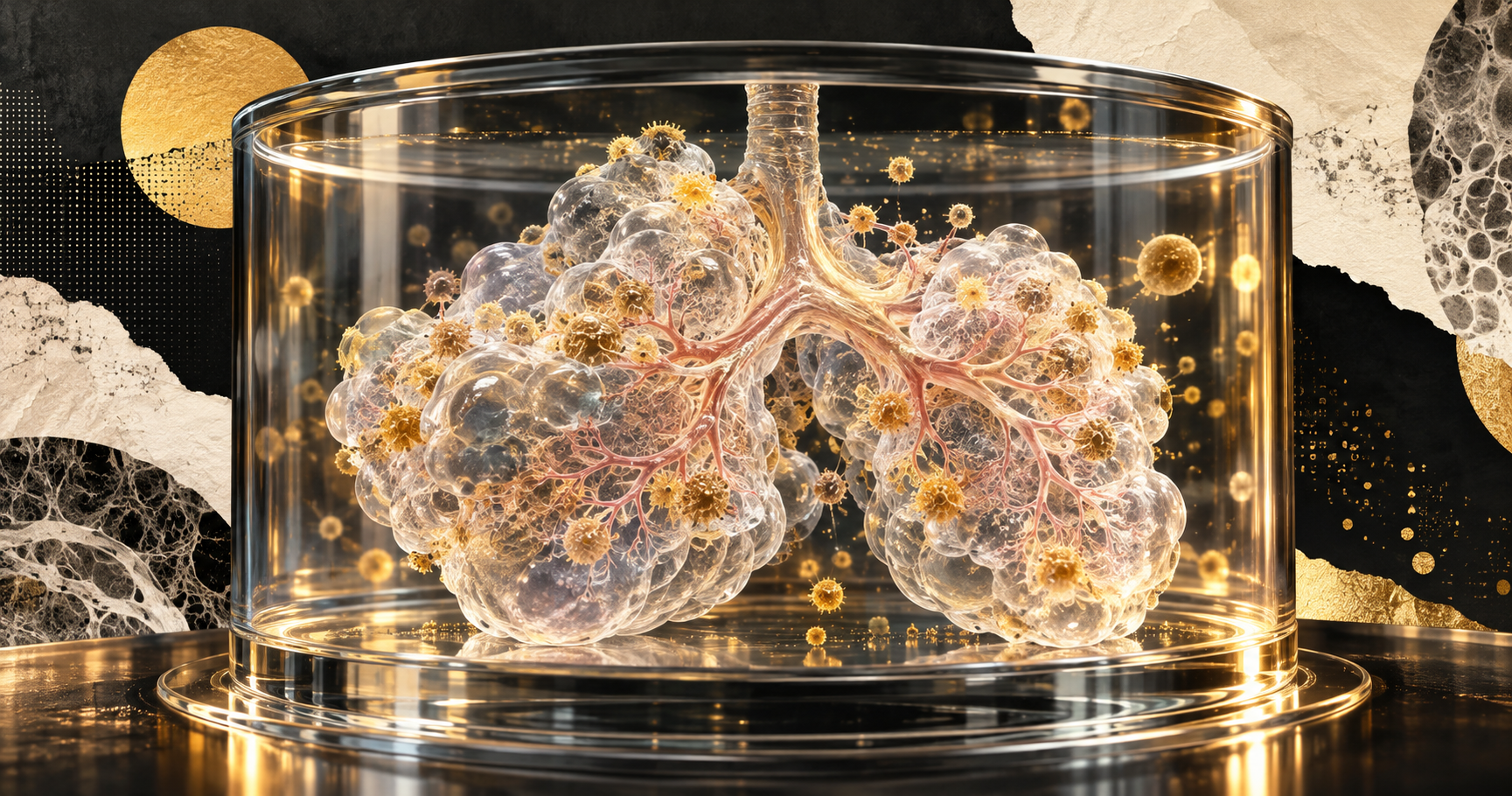
A lab-grown lung model kept its own immune memory.
Human lung organoids retained resident T cells, recognized SARS-CoV-2 and responded more strongly after a simulated booster.
SOURCENational Institutes of Health / Nature
—
Every serving. No expiration date. Page 3 of 5.
Human lung organoids retained resident T cells, recognized SARS-CoV-2 and responded more strongly after a simulated booster.
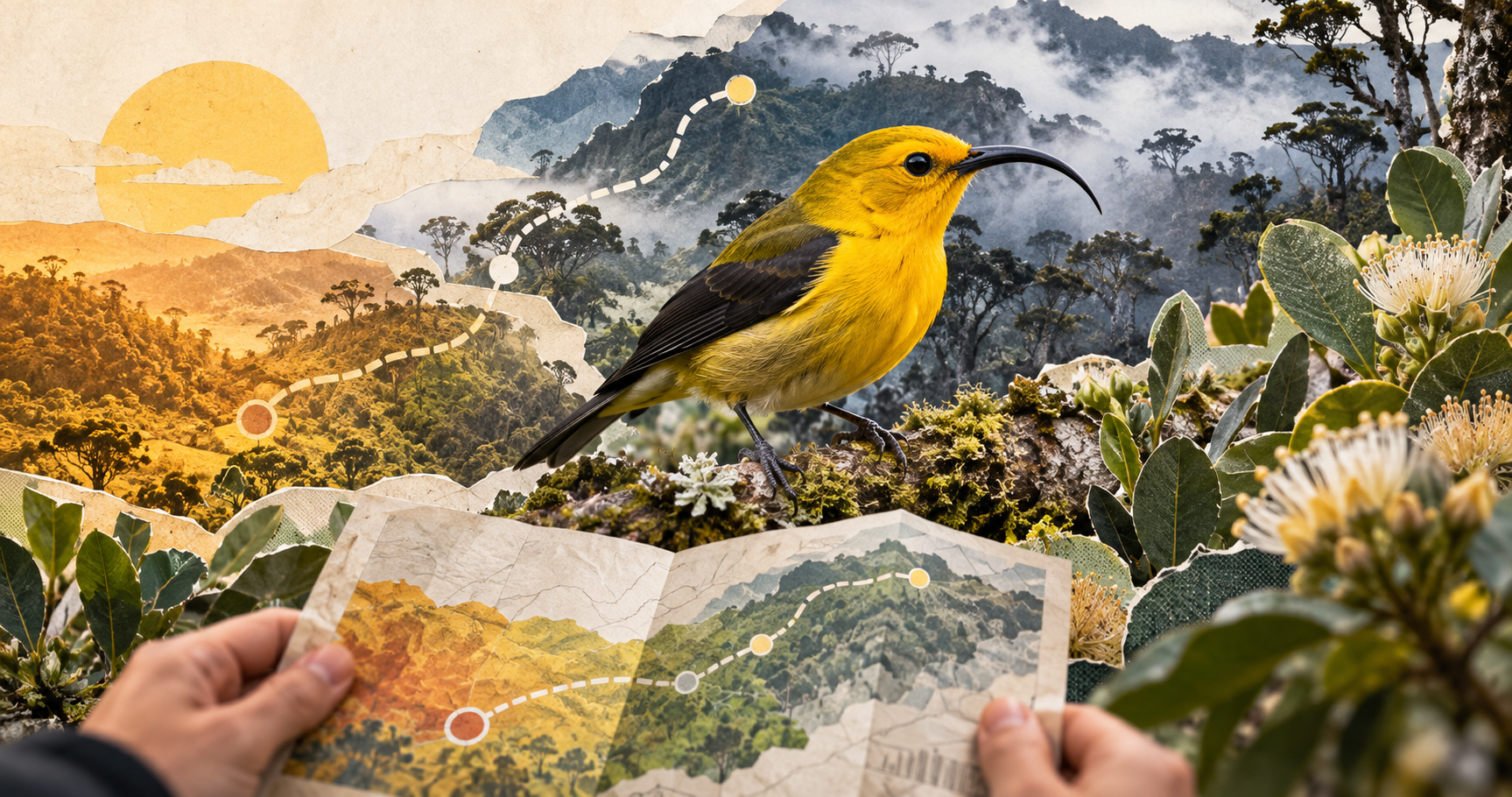
More than 250 practitioners and community members helped shape a decision process for high-stakes conservation moves.
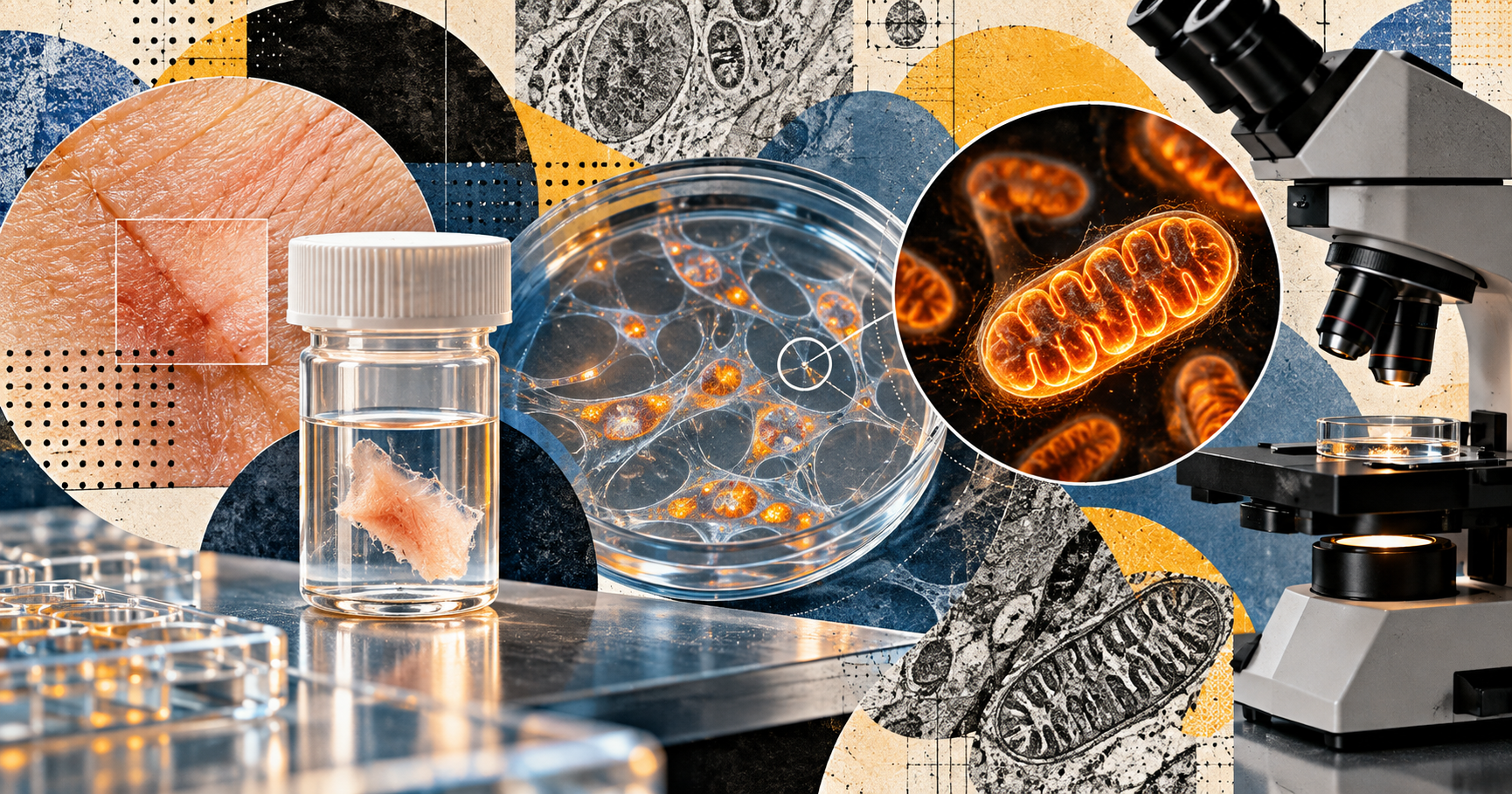
Functional testing on skin cells helped close difficult mitochondrial-disease diagnoses across samples from more than 30 medical centres.
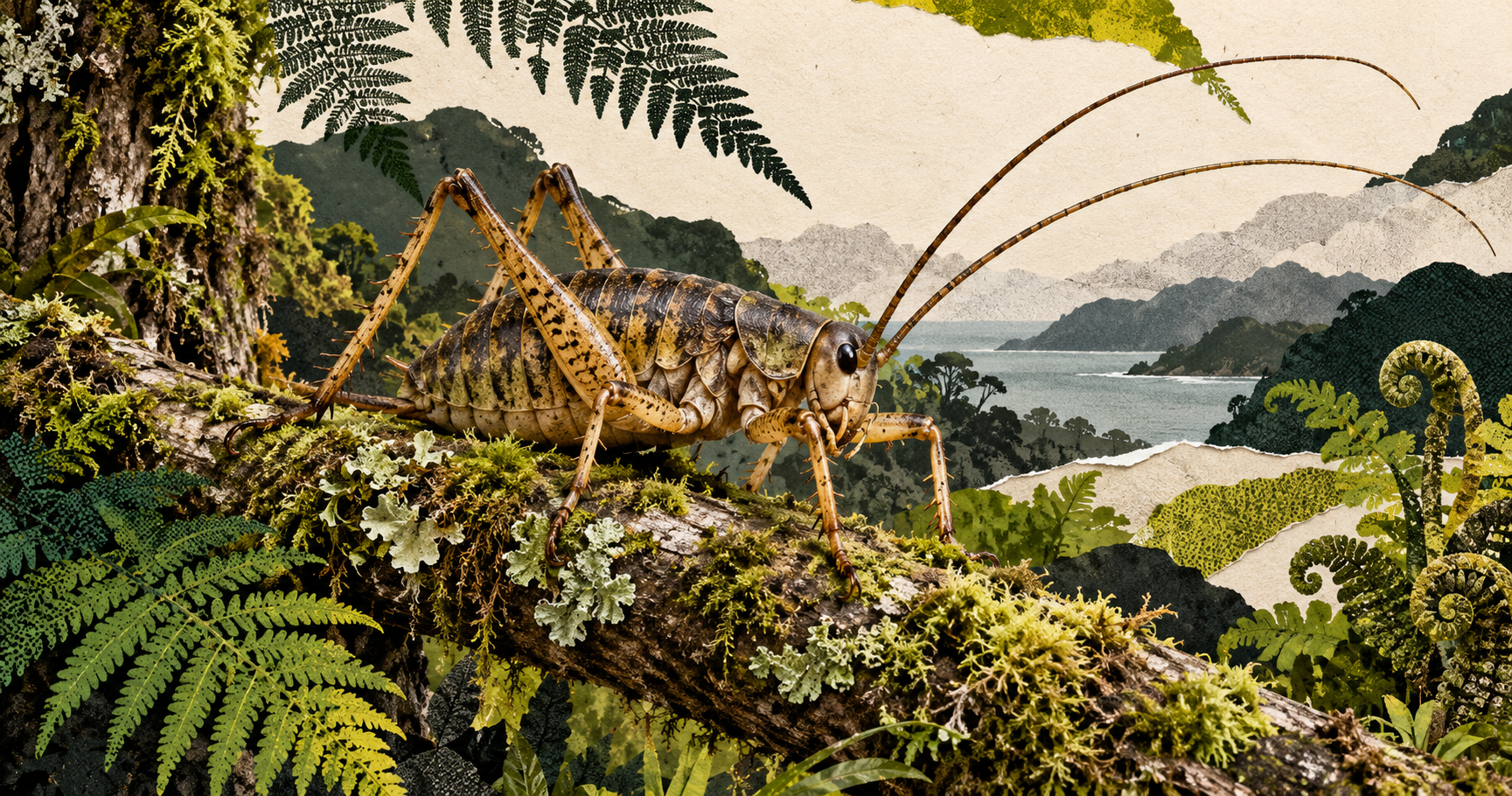
Fourth- and fifth-generation wētāpunga are now breeding without help on two islands.
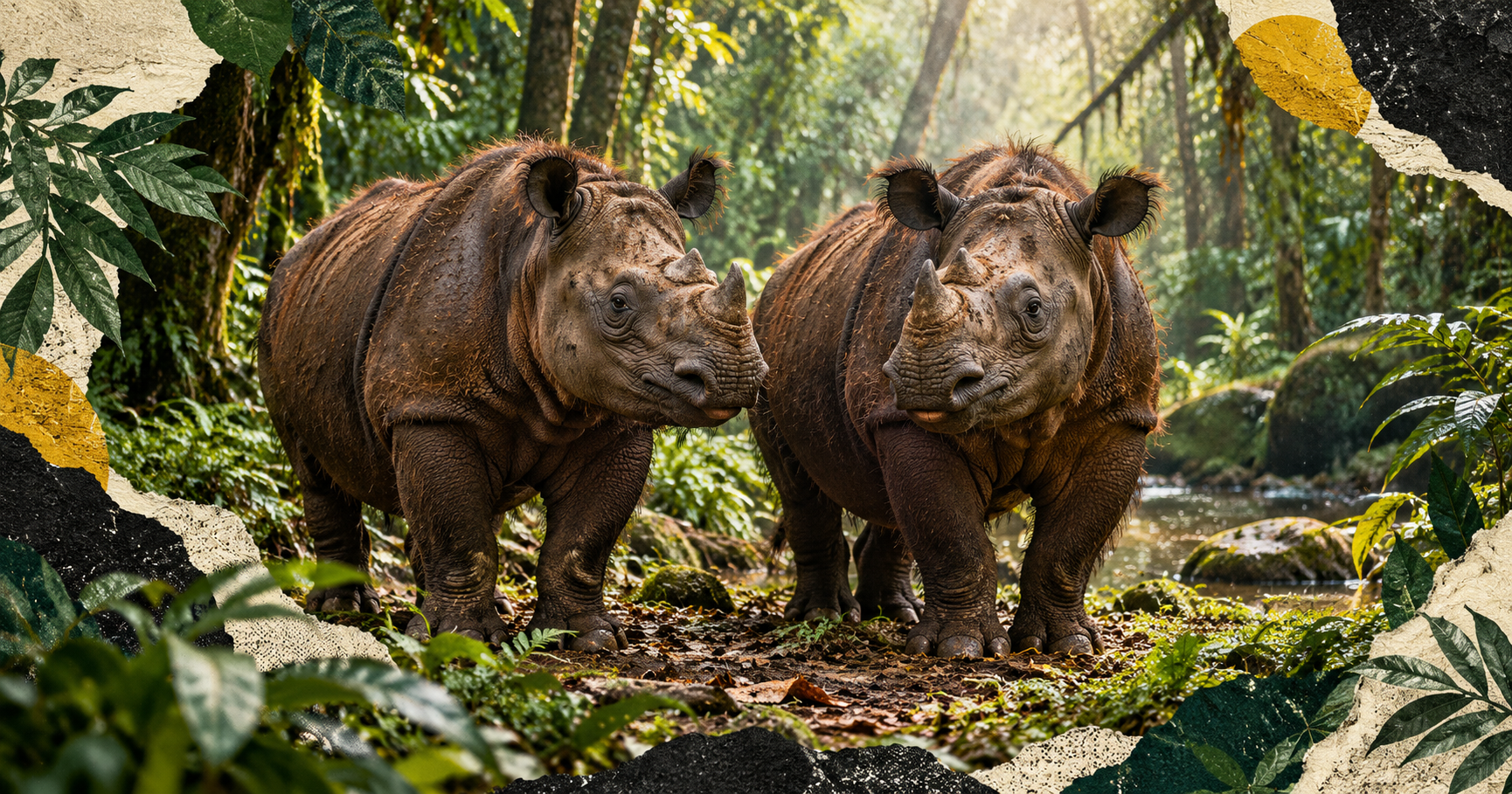
Ratu and Delilah are both due in May 2027.

The pollinators carried a precise biological treatment to as many as 88% of flowers.

Human foster parents flew ahead. Fifteen young ibises followed them into a new Spanish flock.

Eight packs raised pups in 2026, extending one of California’s wildest comeback stories.
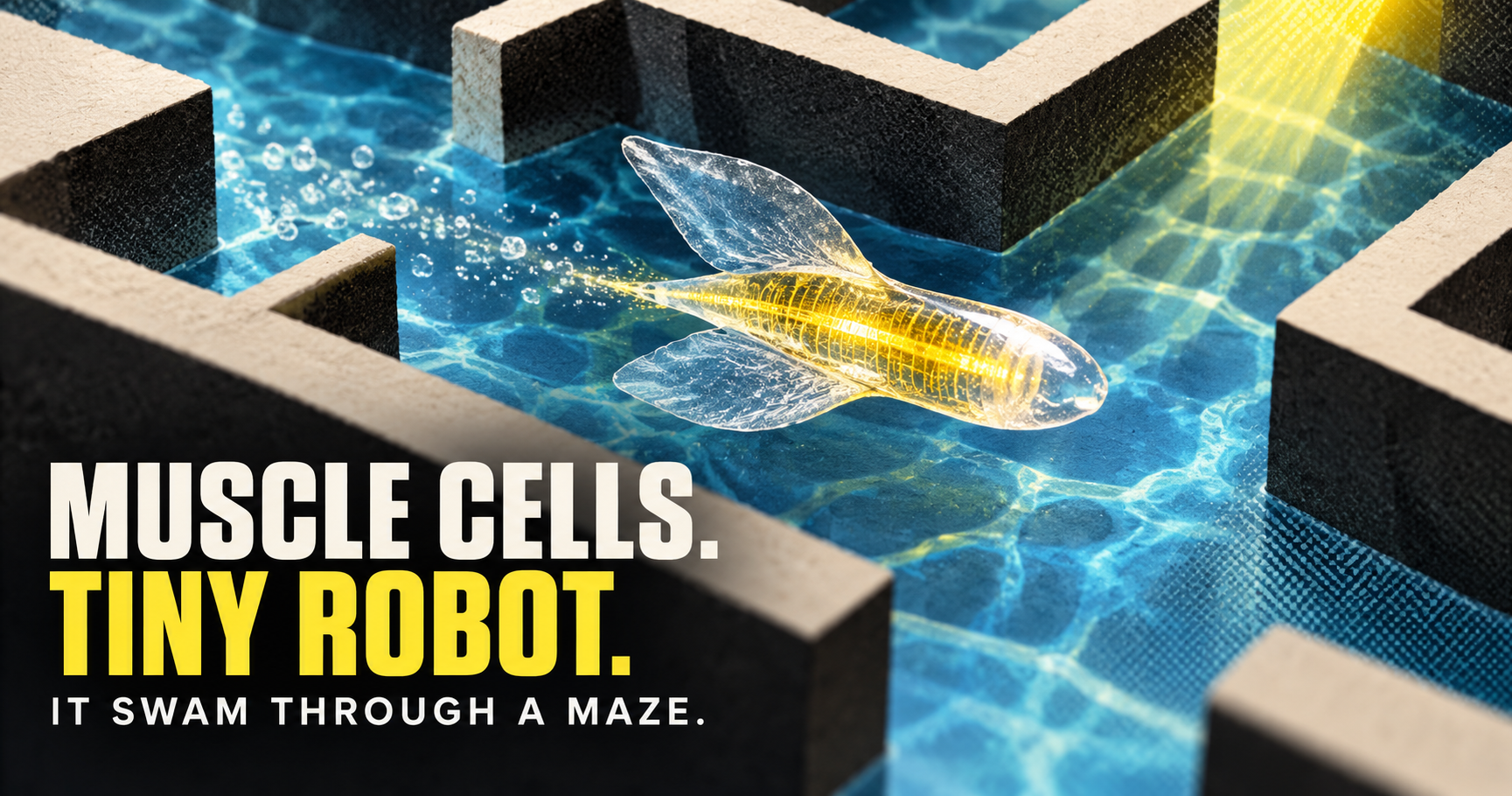
Two fins. One layer of living muscle. A light to follow.

The fabric let light, rain and air through — while keeping insect mouths out.

Three remote counseling sessions and a phone tool helped young people make safer decisions in a rigorous trial.

An 80-foot hoist, one deputy on the wire and a crew that did not waste a second.

Four weeks of at-home magnetic-field sessions produced encouraging early signals for long-COVID cognitive impairment.
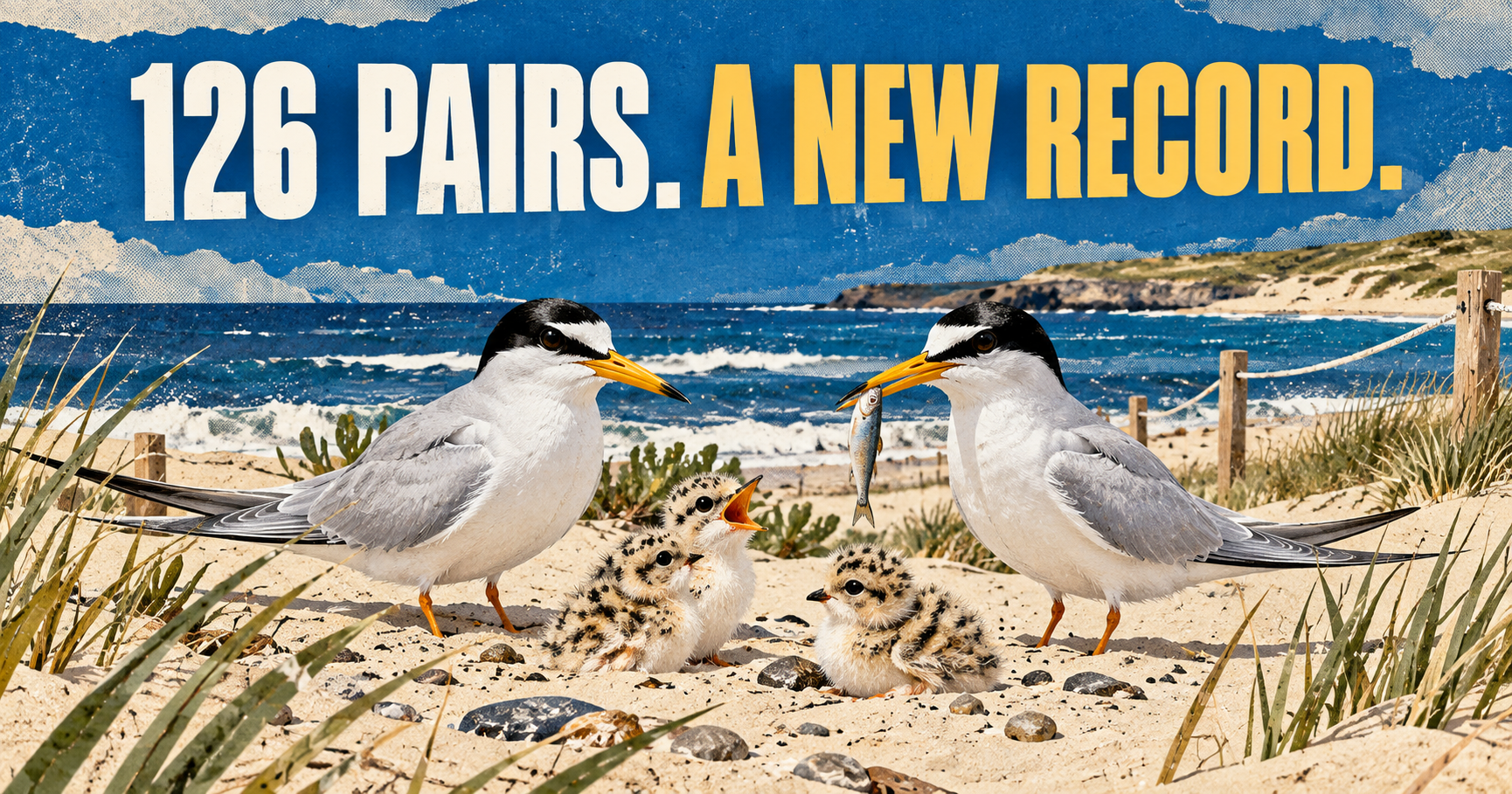
After bird flu and flooded nests, Britain’s second-rarest breeding seabird had its best Long Nanny season on record.

Conservationists confirmed endangered nabarleks at two mainland sites on Dambeemangaddee Country — the first detections there in more than 50 years. Turns out the tiny wallaby had not entirely left the building.

Arch caught the trail. Search teams followed it. Three families got the ending they needed.

A small trial suggests the first medication for lymphedema may be getting closer.
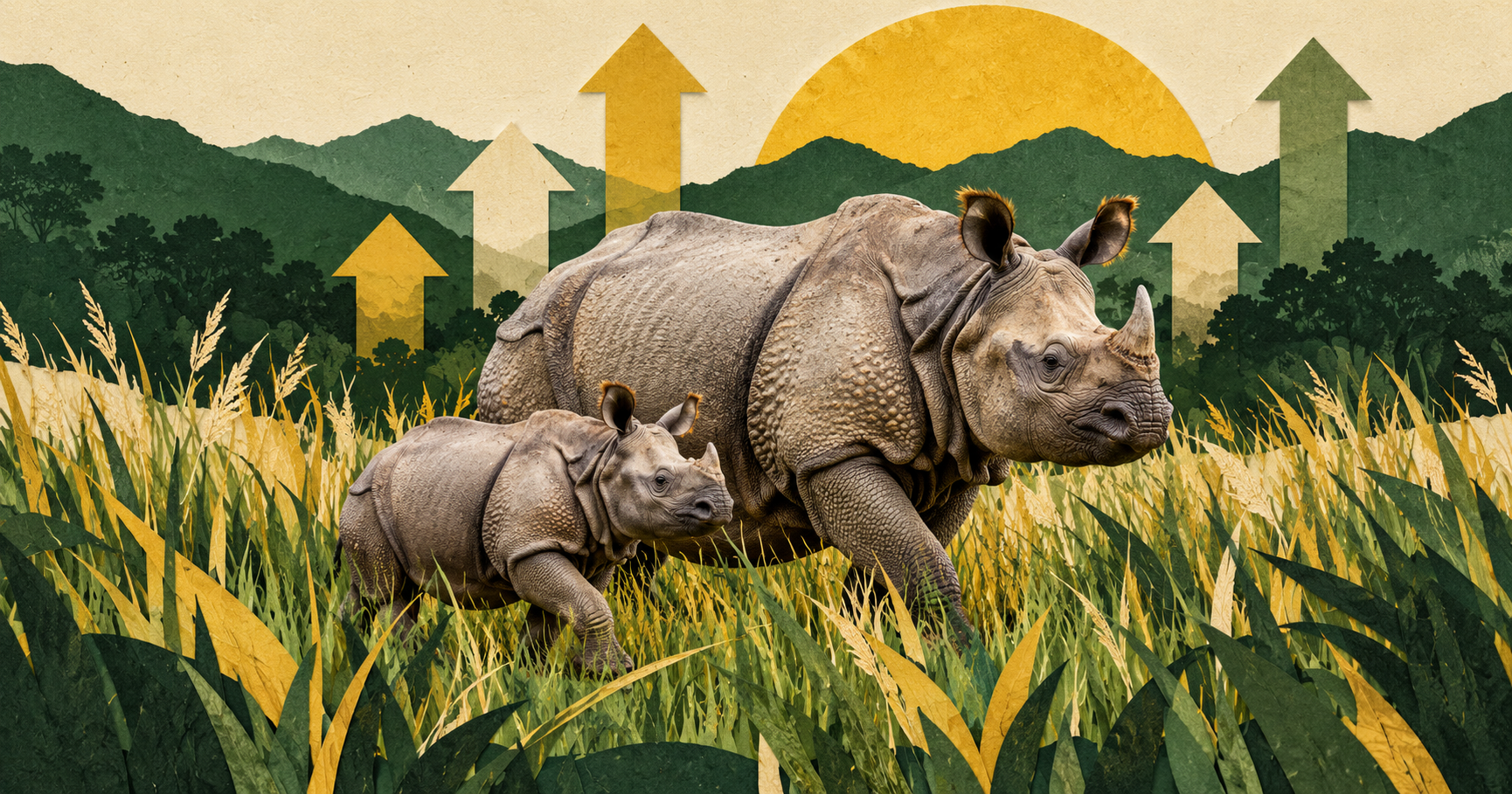
A species that once fell below 200 animals now numbers in the thousands.

A Phase 3 trial turned the walls of a surgical cavity into the radiation treatment.
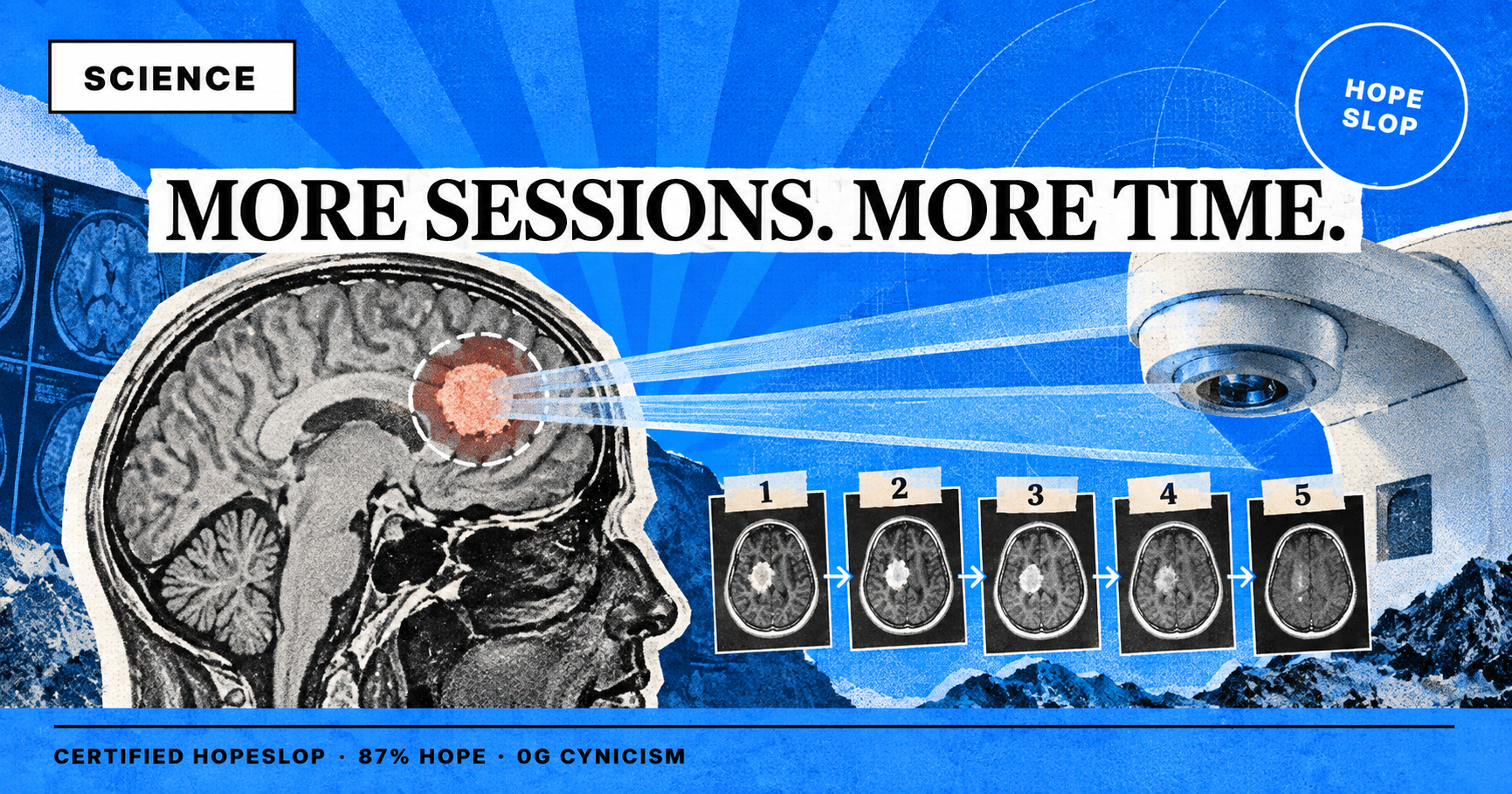
A small scheduling change produced a surprisingly large clinical difference.
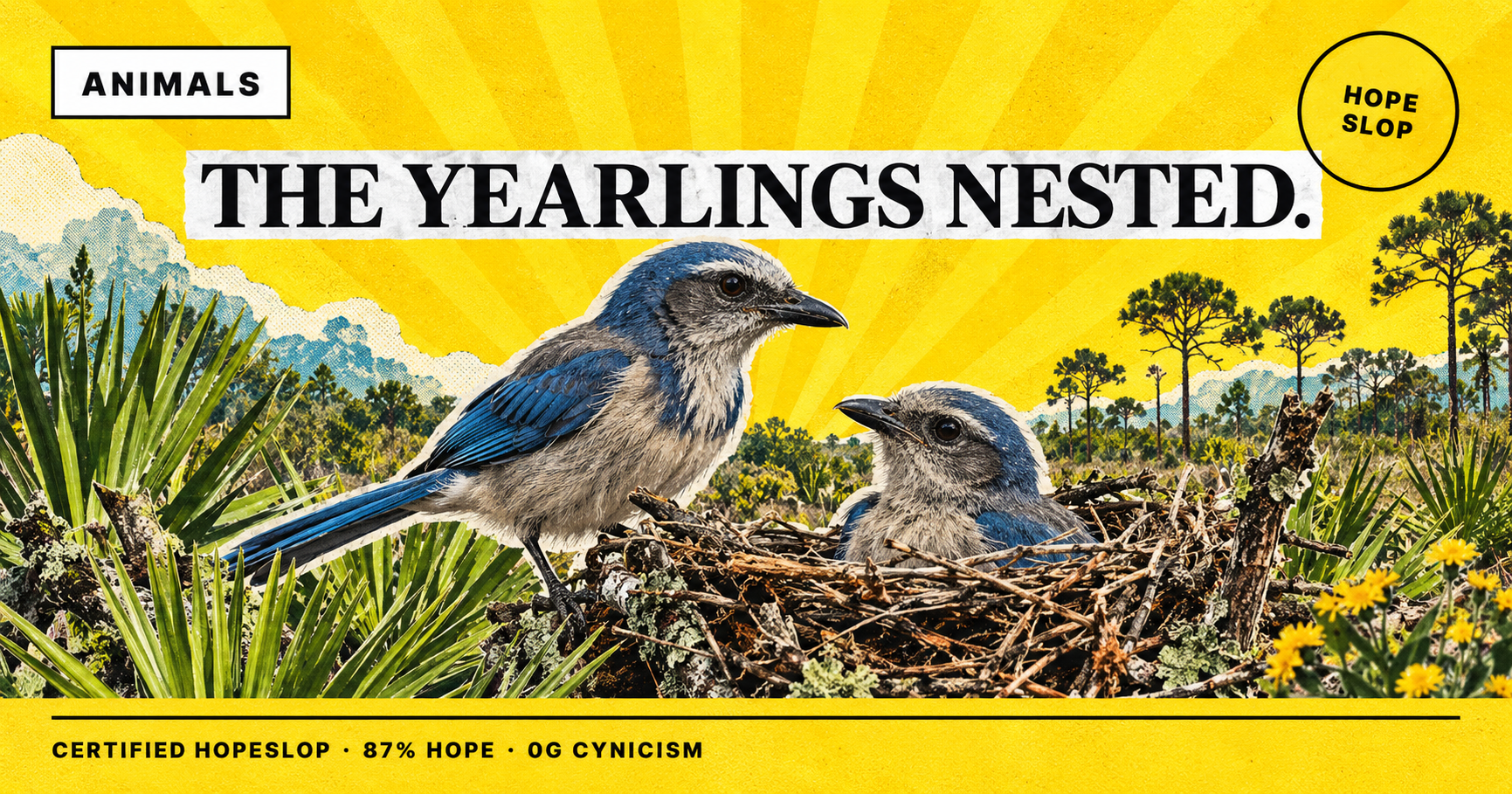
A genetic-rescue experiment got an unexpectedly ambitious first breeding season.
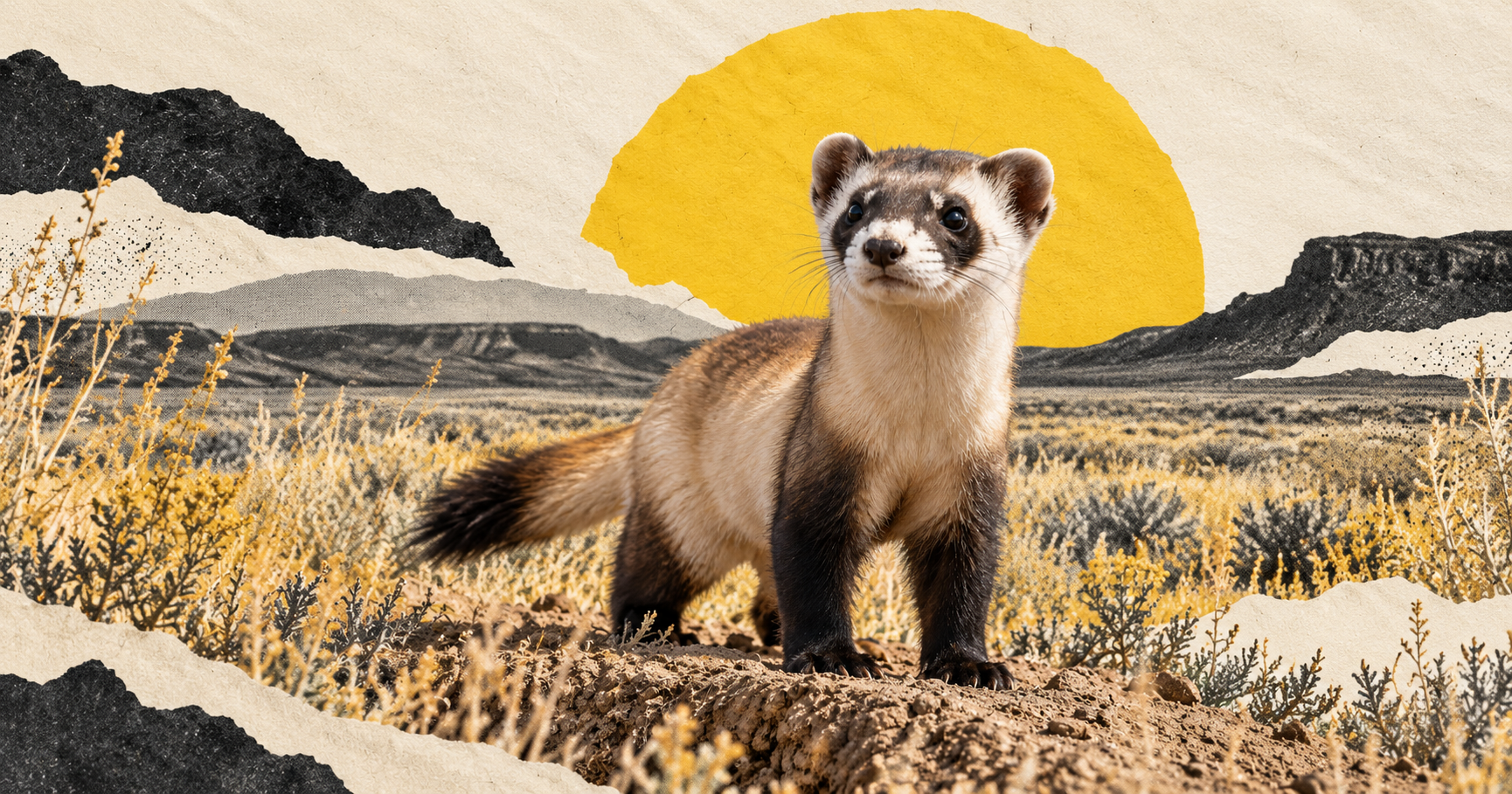
Seven litters. Thirty-four endangered kits. Phoenix Zoo’s best black-footed ferret breeding year since 1999.
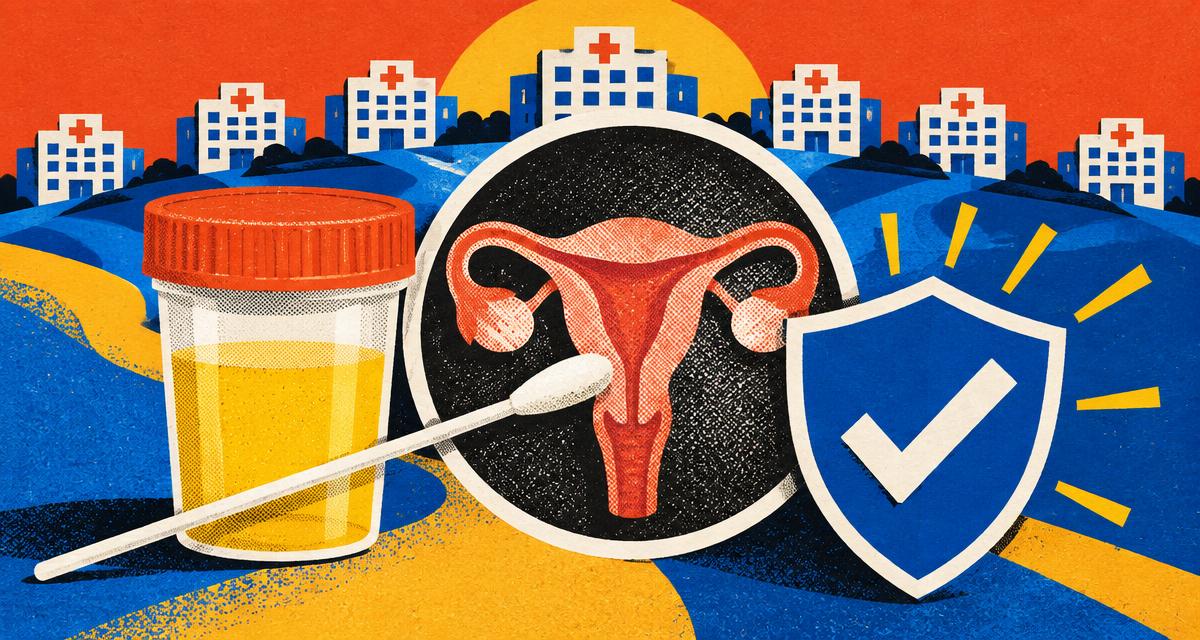
A painless test using urine and a vaginal swab showed it could accurately rule out womb cancer for most women with postmenopausal bleeding.
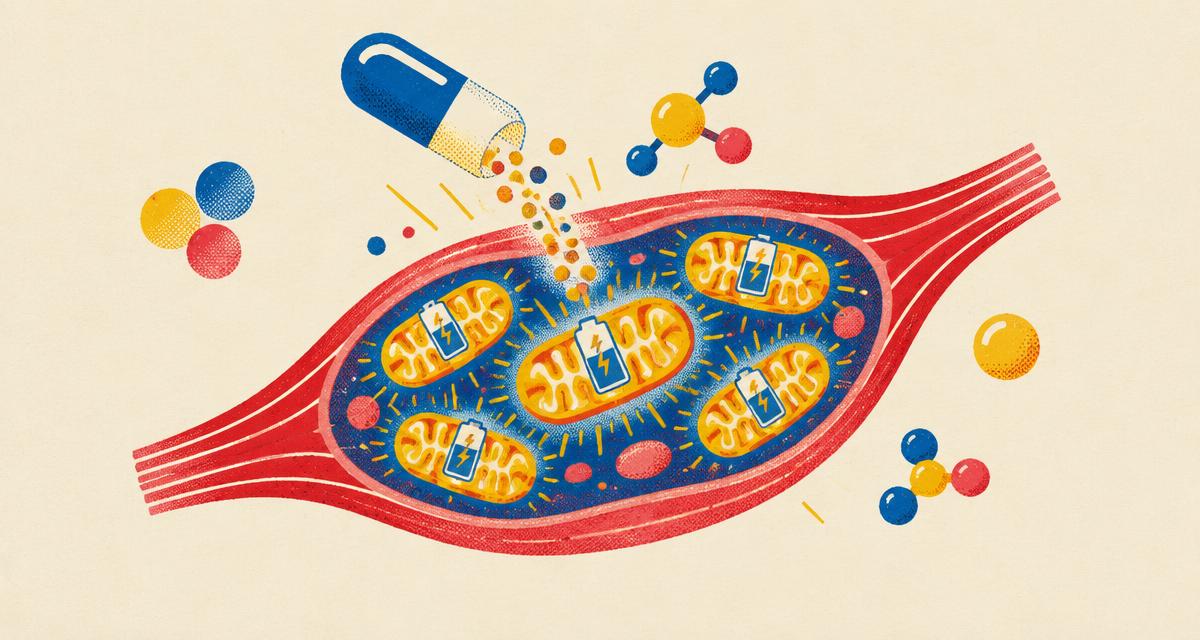
A Cambridge-led study gave nicotinamide riboside to eight people with mitochondrial DNA disease. It was well tolerated and showed early signs of working.