SCIENCE
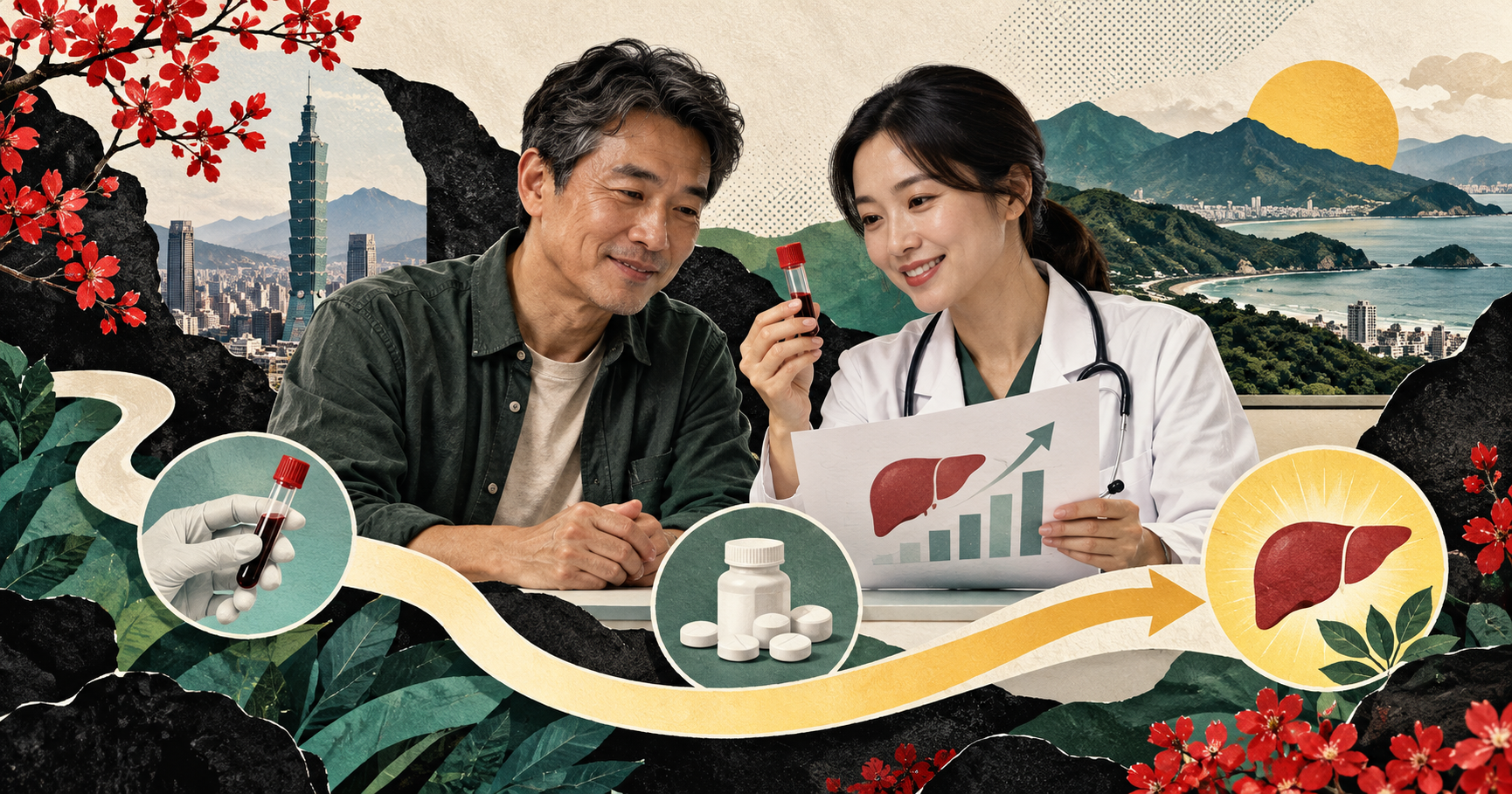
Taiwan reached a 92.7% Hepatitis C treatment rate.
More than 7.86 million people have been screened. Diagnosis reached 92.4%, treatment 92.7%, and treatment in key high-risk groups 95%.
SOURCECommercial Times (Taiwan)
—
These are the stories readers most often counted as progress.
More than 7.86 million people have been screened. Diagnosis reached 92.4%, treatment 92.7%, and treatment in key high-risk groups 95%.

The national average rose above one tonne per hectare in 2025–26; some farmer-field-school groups reached 1.4 to 2 tonnes while cutting pest treatments.
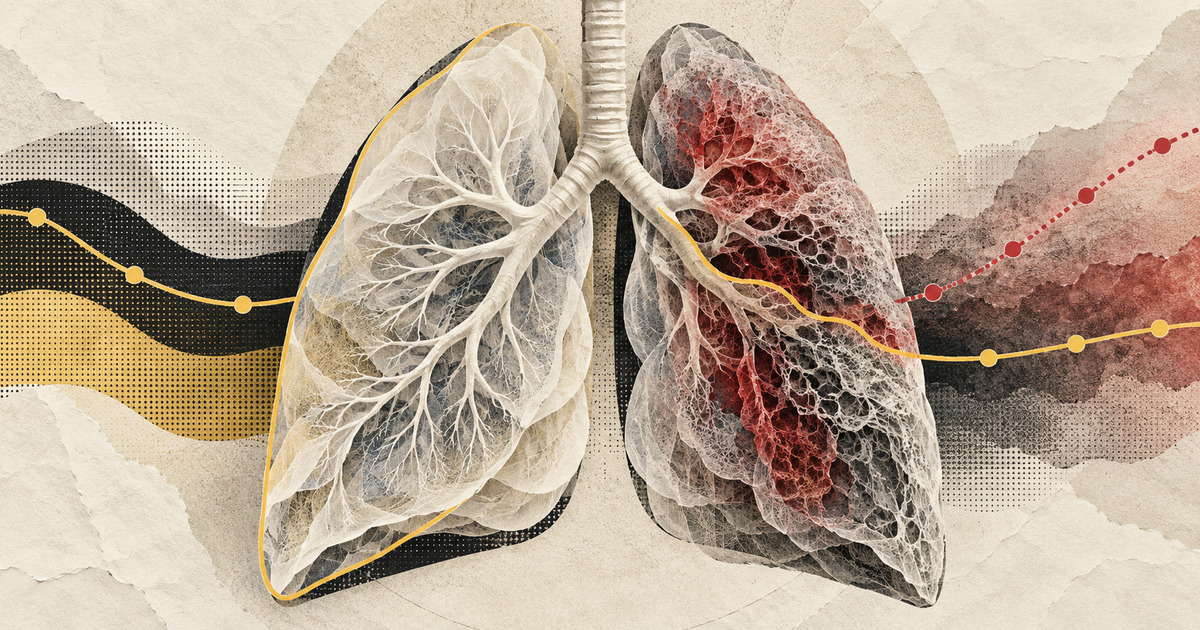
The lower dose met the trial’s main goal over 52 weeks. The higher dose did not, and the detailed results are not yet published.
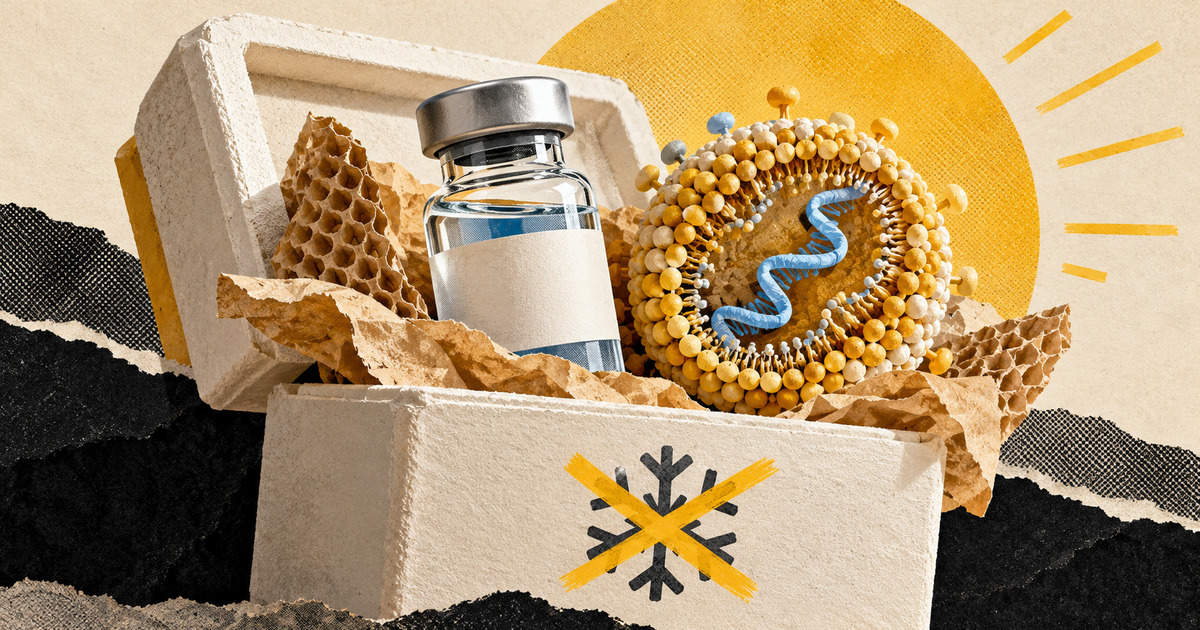
A preclinical formulation held onto its biological activity for more than two months at 37°C—and matched fresh material in mouse immune-response tests.
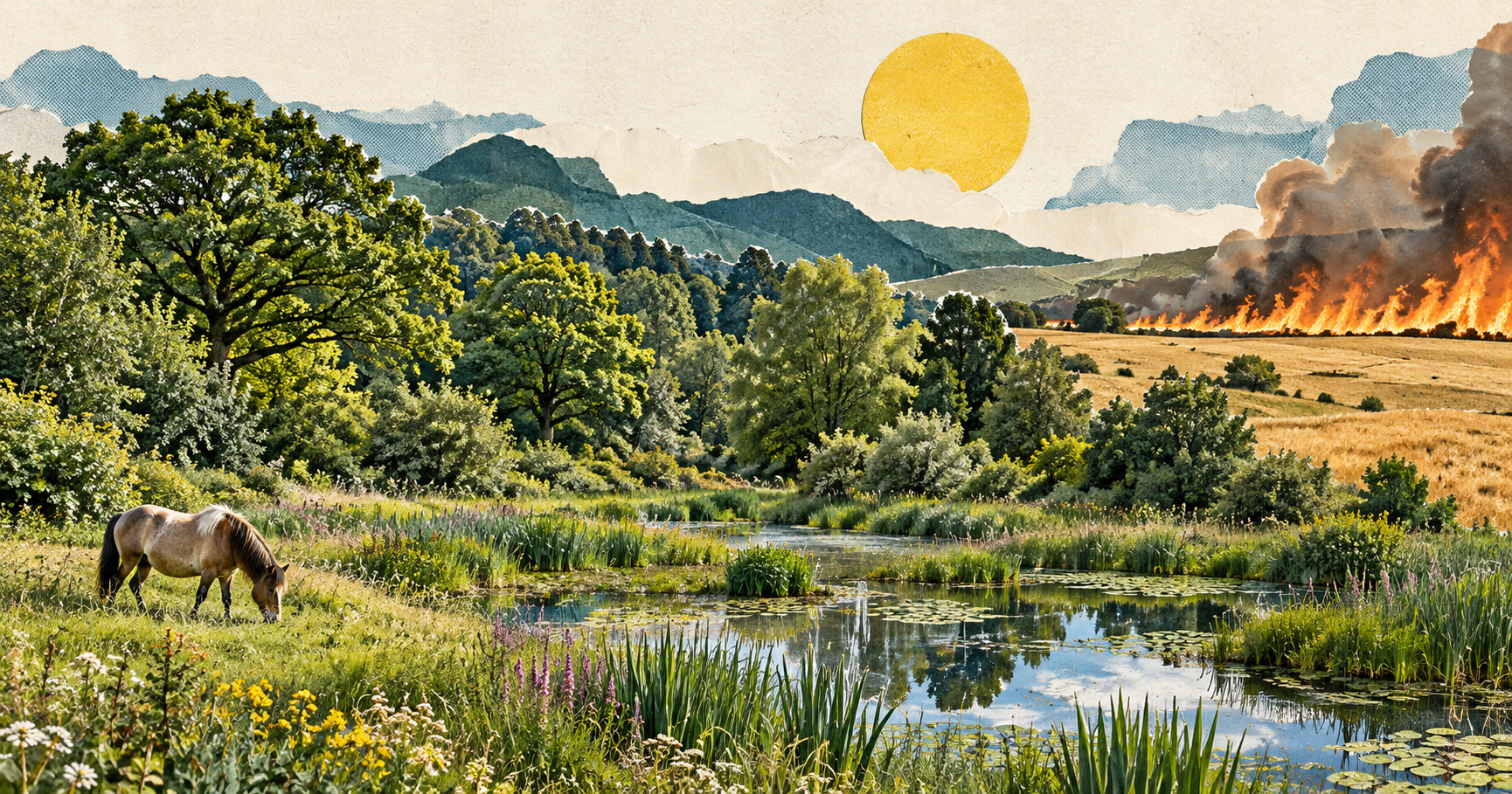
The advocacy-group analysis also found burned areas from 2016–2026 were concentrated in acid grassland, heather, bog and other simplified landscapes rather than restored habitat.
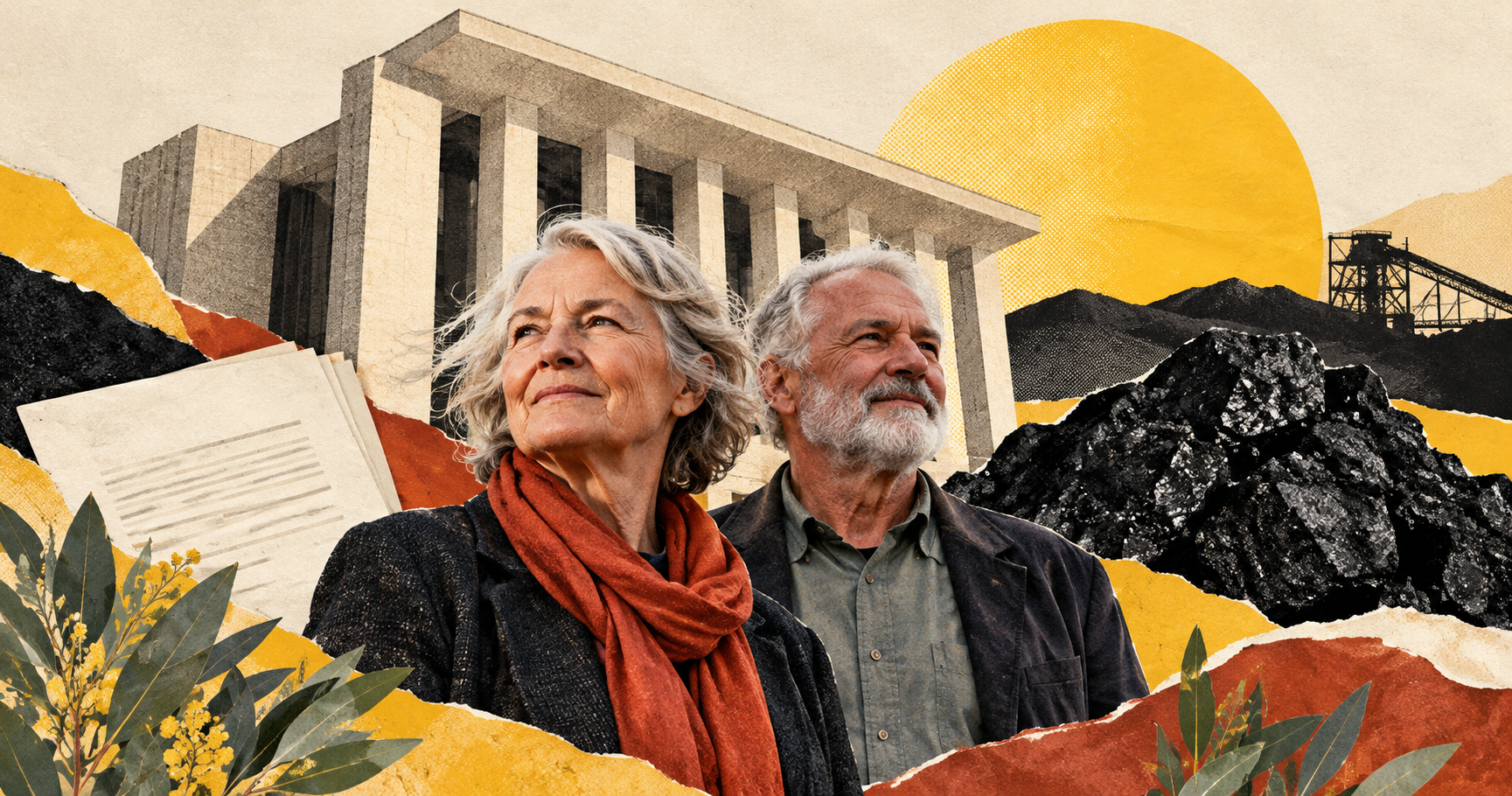
The 3–2 ruling invalidated an expansion approval after the planning commission focused on only 2% of projected emissions and did not consider conditions for the other 98%.

Project MedBridge moved about 50 pallets of unopened N95 respirators and therapy packs into a distribution network serving underresourced health facilities.

In a 10-person safety trial, an experimental optogenetic treatment produced clinically meaningful light-sensitivity gains in six participants. It did not restore normal sight.
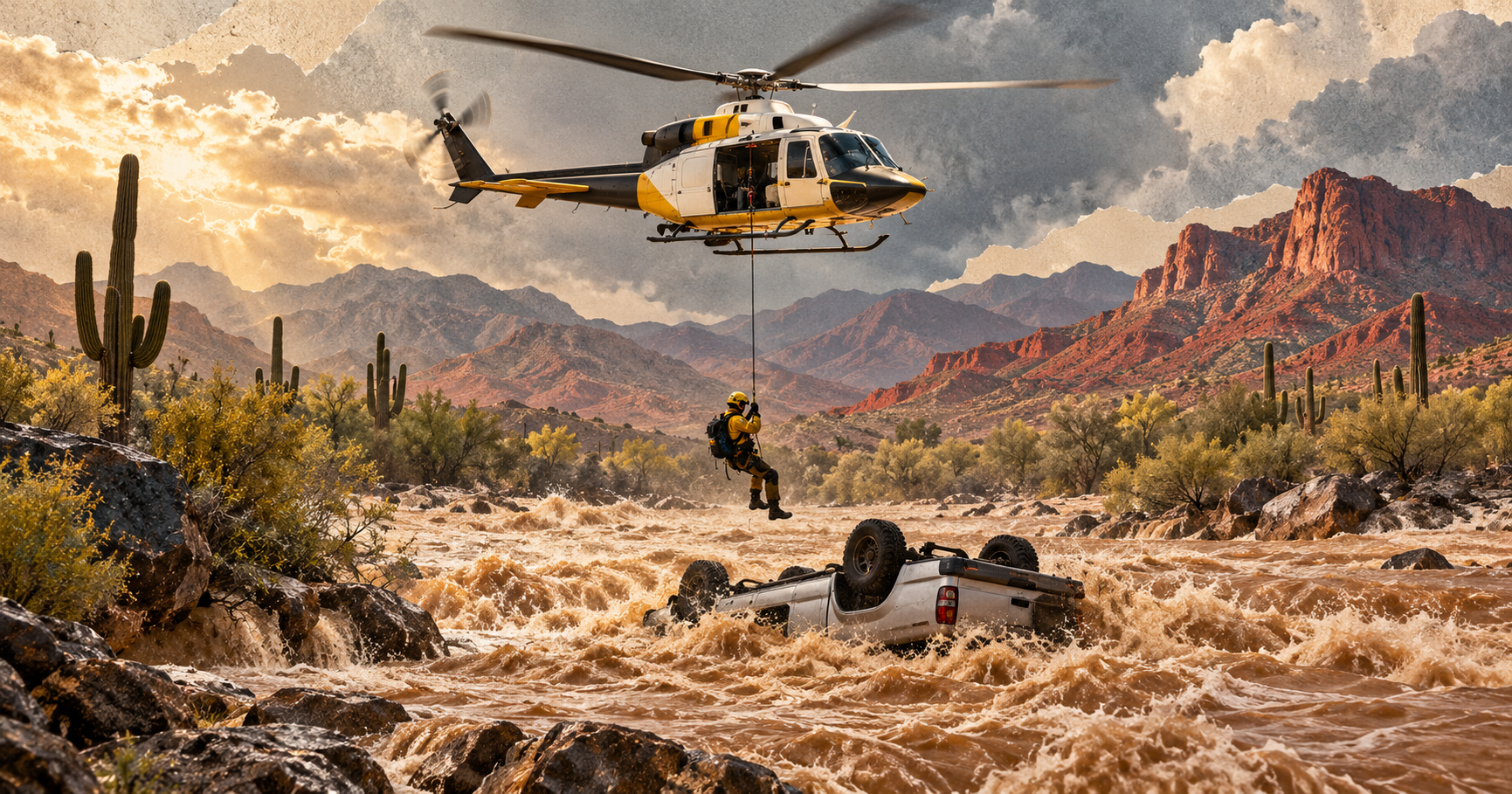
An 80-foot hoist, one deputy on the wire and a crew that did not waste a second.

Four weeks of at-home magnetic-field sessions produced encouraging early signals for long-COVID cognitive impairment.
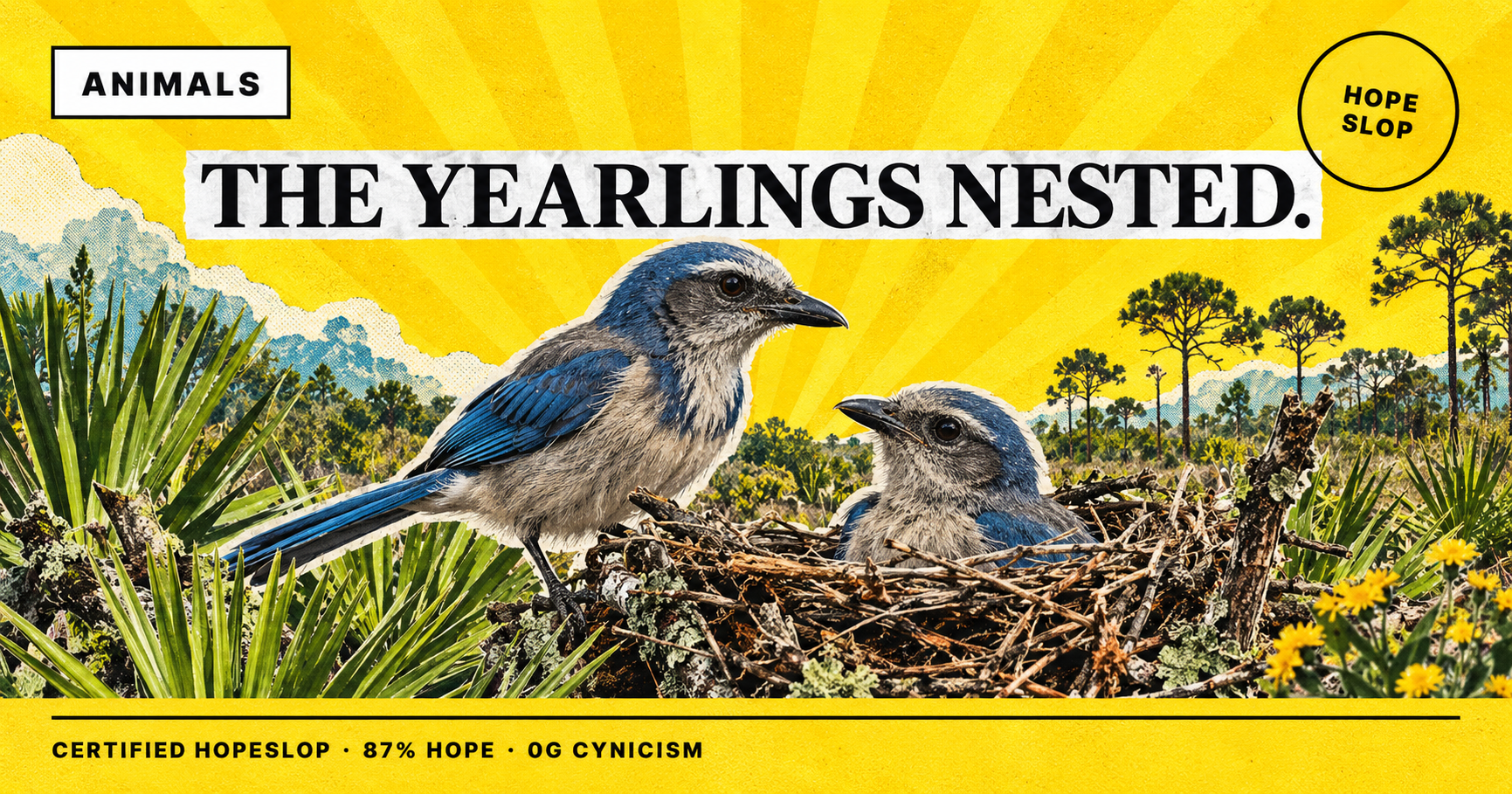
A genetic-rescue experiment got an unexpectedly ambitious first breeding season.
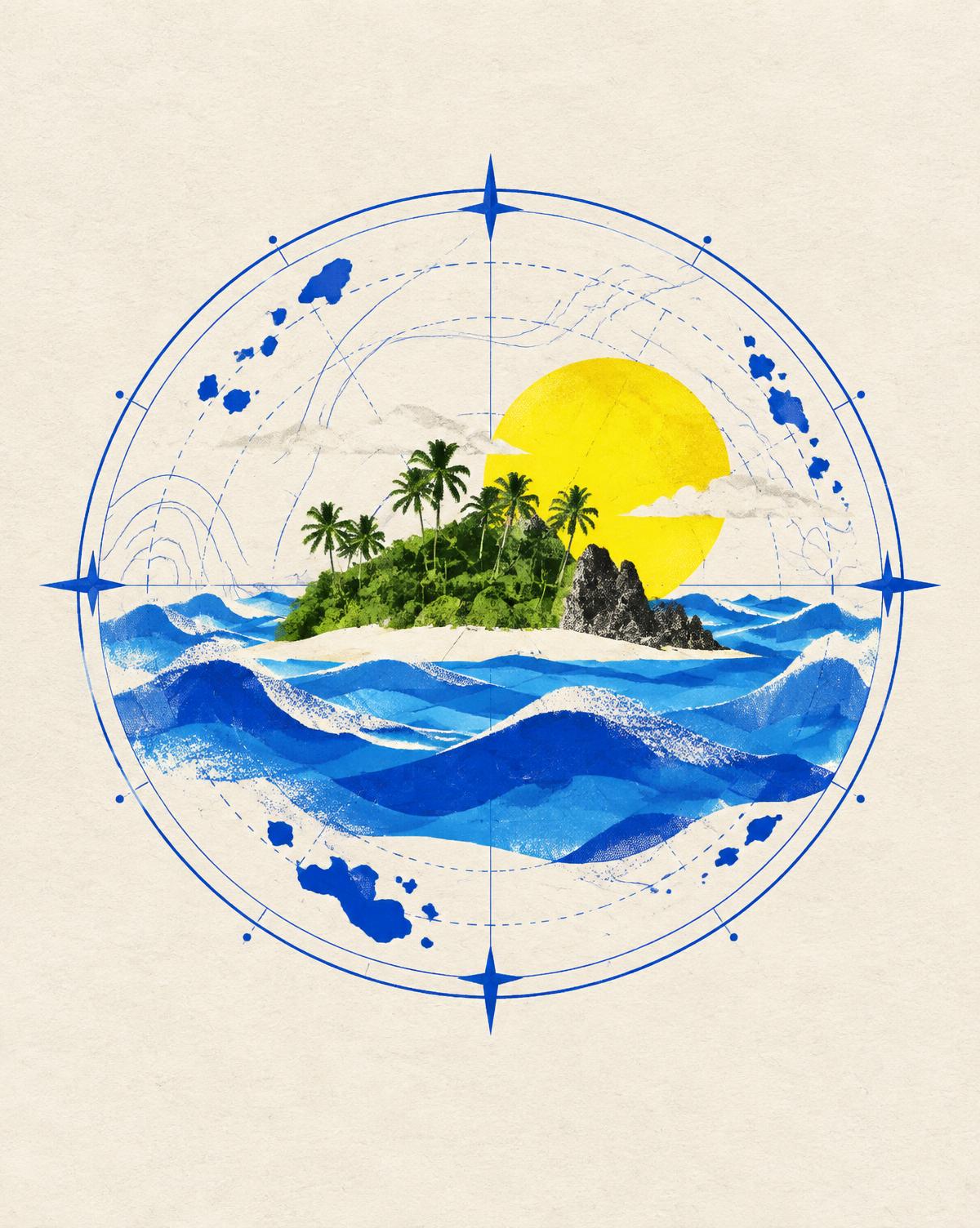
The first global political declaration on sea-level rise says an island state does not stop being a country because rising water makes its land uninhabitable.

HALO Trust has concluded humanitarian mine clearance in Kosovo, 27 years after the war left fields, roads and villages contaminated.
THE RIVER DIDN'T GET TO KEEP IT.
A days-old elephant calf drifted roughly four kilometers down the Teesta. Five fishermen reached it by boat; forest officials reunited it with its mother.
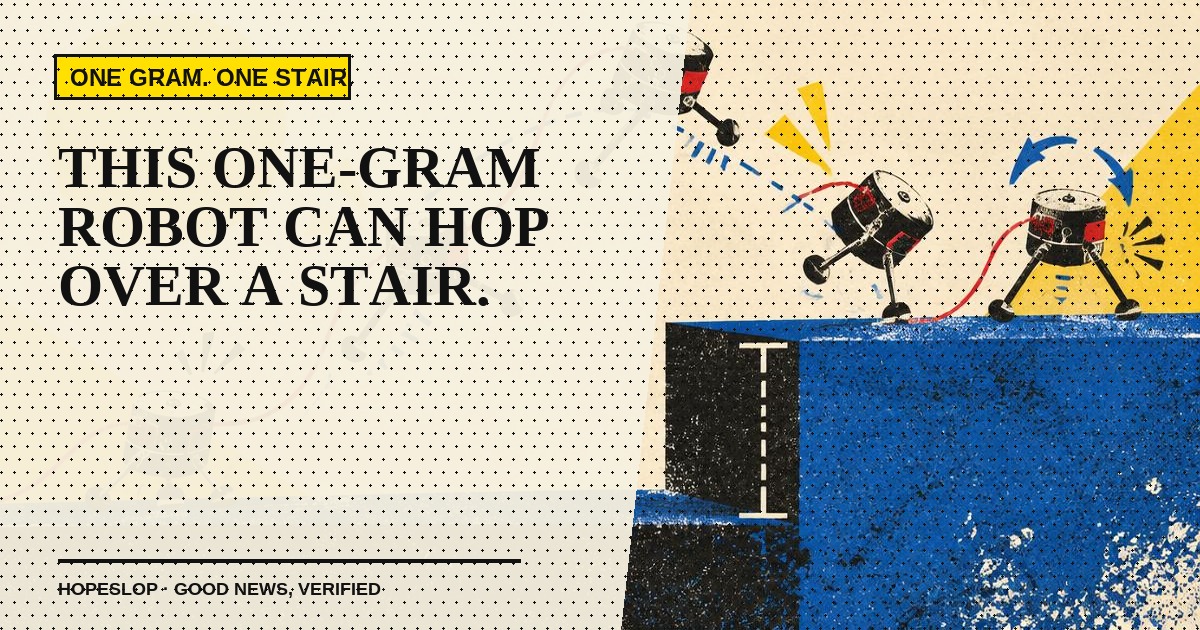
DirectHop uses a tiny motor and three folding legs to make controlled, repeated jumps. The prototype can clear a standard stair and twitch itself upright after a fall.
THE LINE HELD.
When flash flooding hit New Richland, Minnesota, players from the New Richland-Hartland-Ellendale-Geneva football team helped with a pontoon rescue instead of watching from the bank.
NINETY-NINE, IN SQUASH.
Sunnyfields Farm unveiled a giant mosaic portrait of Sir David Attenborough assembled from pumpkins, breaking its own world record for the largest pumpkin mosaic.
THE HAND FELT BACK.
Seventeen years after an amputation, Alexander “Avi” Davidson became the first participant to take Utah's thought-controlled bionic arm home — with a nerve interface that gives it a sense of touch.
A WALL THAT BREATHES.
A 200-foot eroded bank at Sebastian Inlet State Park got 22 honeycomb reef arches and up to 90 red mangroves instead of a wall — finished September 10.
THE CLEANING CREW HAS SHELLS.
About 1,500 rare native freshwater mussels — including two endangered species — were released into the Paint Rock River on August 25 after years of streambank repair.
NOBODY REINTRODUCED IT.
Mongabay reports a giant anteater turned up in an Argentine reserve on its own, decades after the species vanished locally — a case for letting recovering habitat do the work.
TWO ORIGINS. ONE BRAIN.
Stanford researchers found the forebrain/midbrain and hindbrain arise from distinct progenitor cell populations — and used that insight to grow functional human hindbrain motor neurons in the lab.
THE HERD GOT BIGGER.
Twenty-three became about 500. Now the herd is helping start other herds.
THE SPACE UNDER THE PANELS GOT BUSY.
Panels up. Wildflowers in. Insects followed.