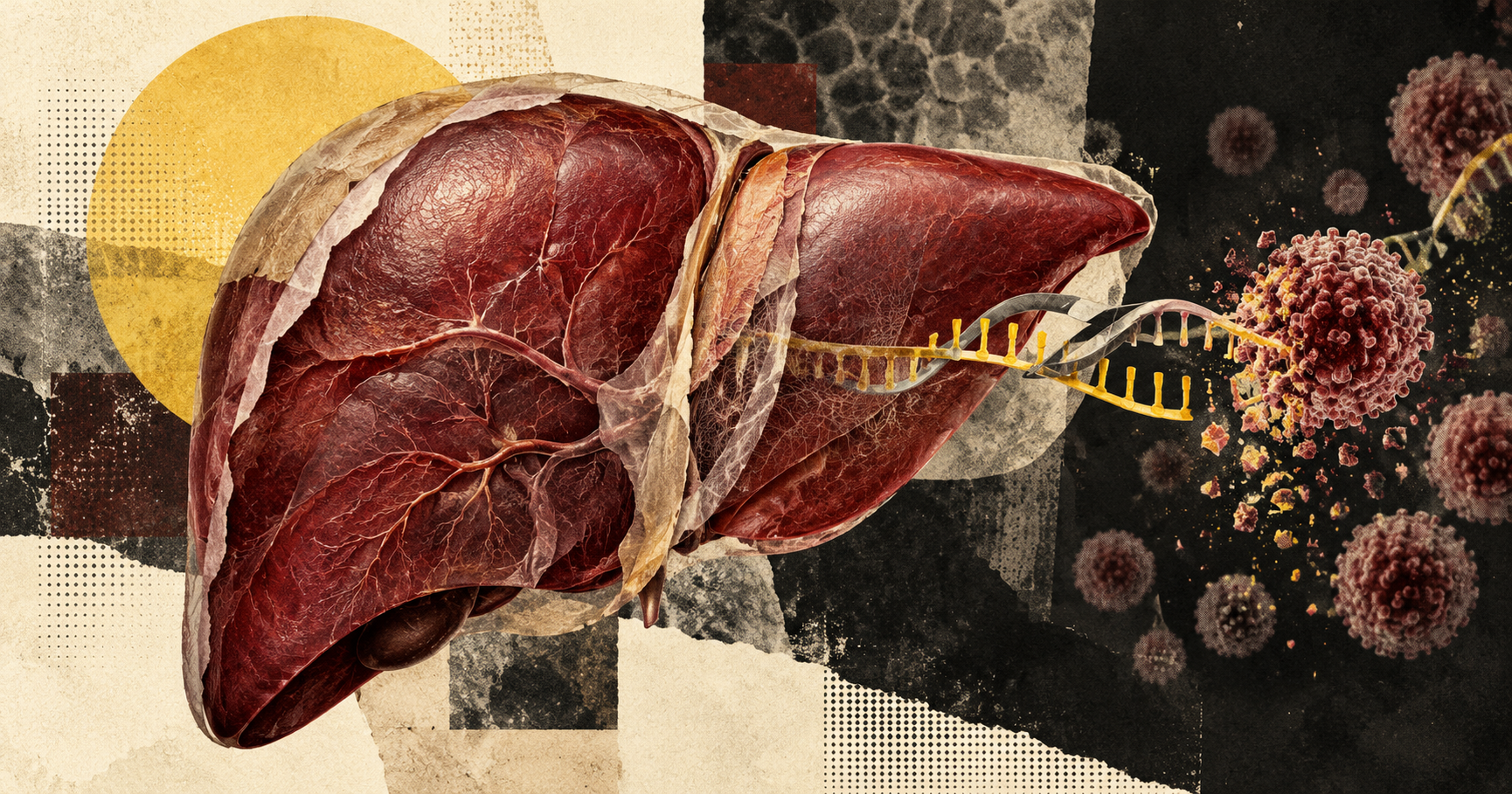
The FDA approved the first antisense treatment for chronic Hepatitis B.
In trials, 24% met treatment-stopping criteria versus none on placebo; 19% stayed controlled 24 weeks after stopping all therapy.
These are the stories readers most often counted as progress.

In trials, 24% met treatment-stopping criteria versus none on placebo; 19% stayed controlled 24 weeks after stopping all therapy.

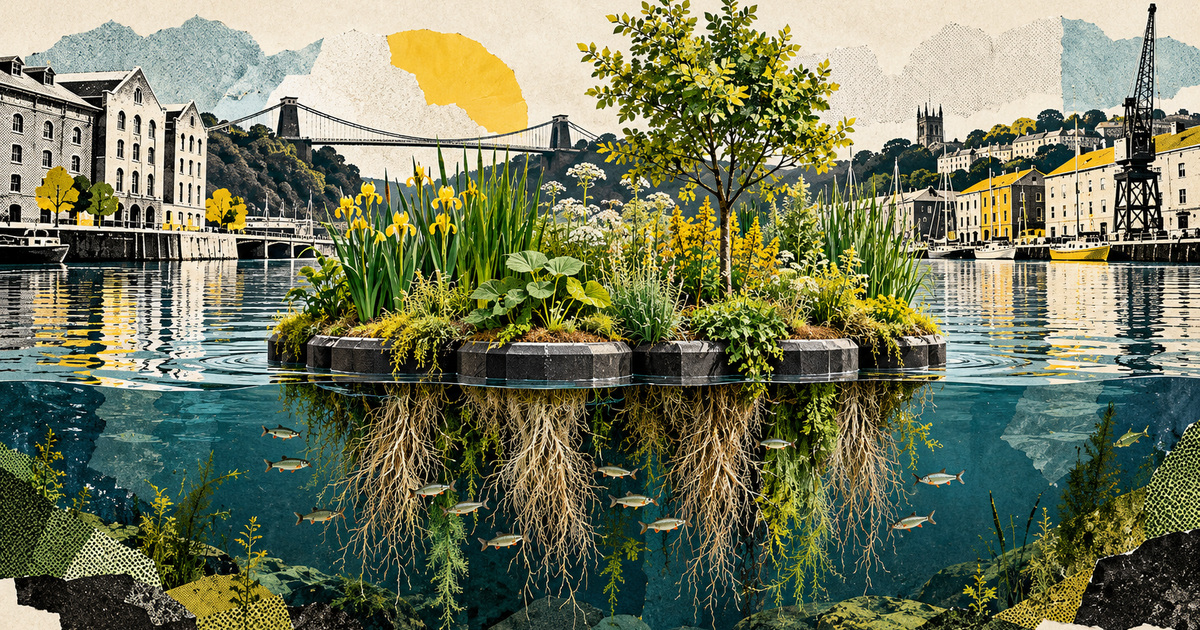
Native plants now shelter fish, pollinators and nesting birds in the middle of the city.

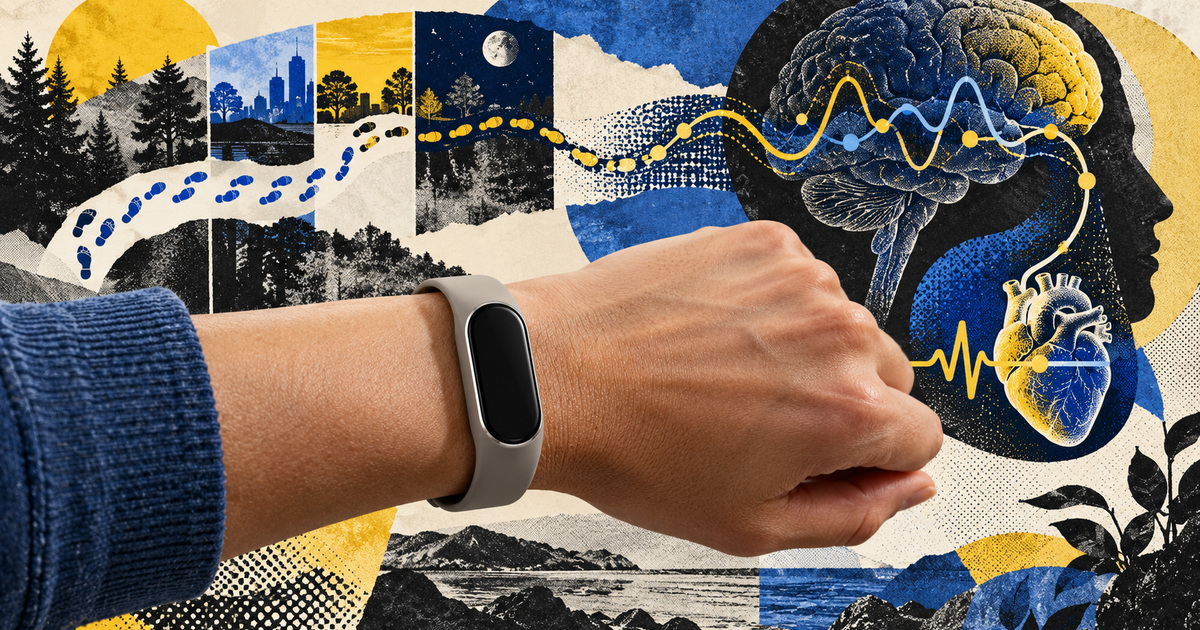
The long pattern—not one day's reading—may help clinicians spot who needs earlier attention.

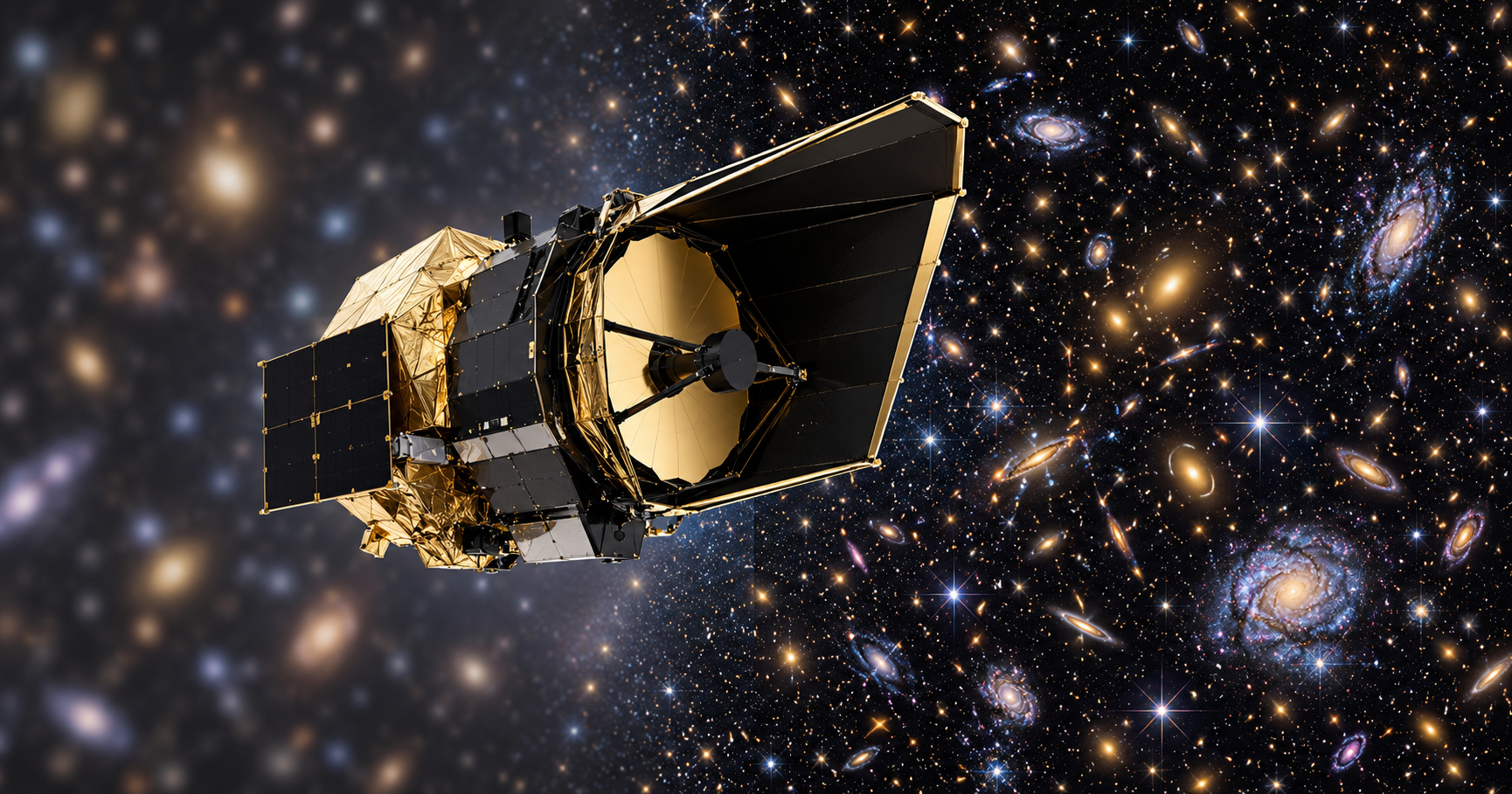
NASA's newly launched space telescope has cleared an early commissioning test with more optical precision than its requirement demanded.

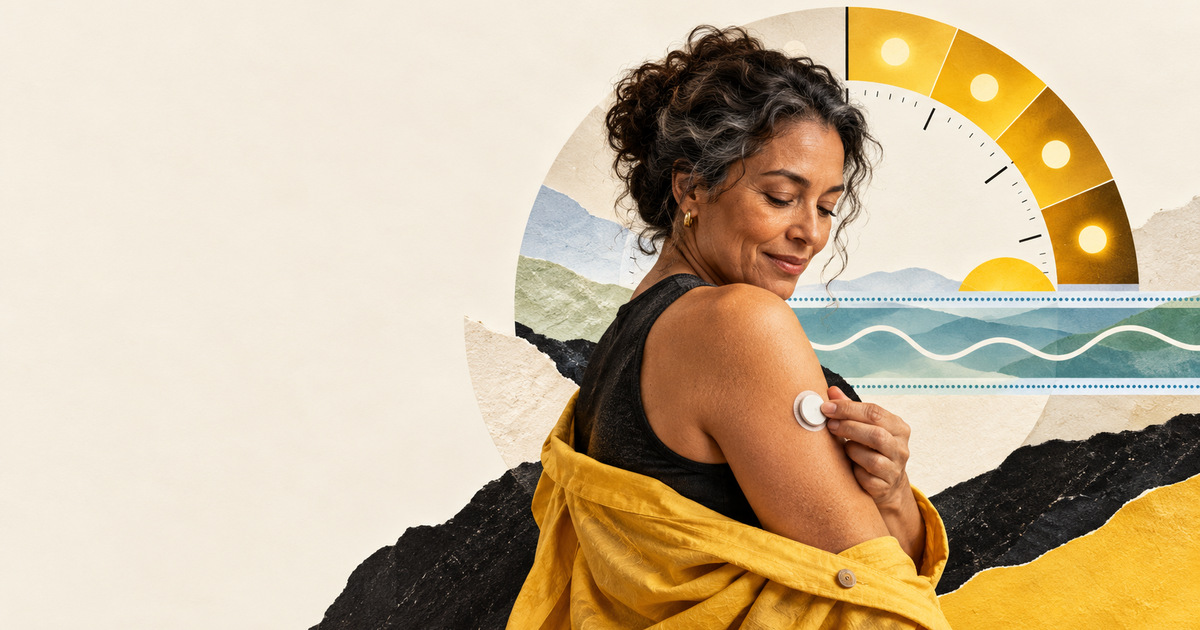
A randomized trial found continuous glucose monitoring added about five hours a day in the target range—even without insulin.

Nine hundred thirty-nine completed rehabilitations turned underused historic buildings back into homes, businesses, workplaces and community spaces while supporting an estimated 163,000 jobs.

Battery installations jumped 52% from the previous half-year while households added a record 1,894 MW of rooftop solar.

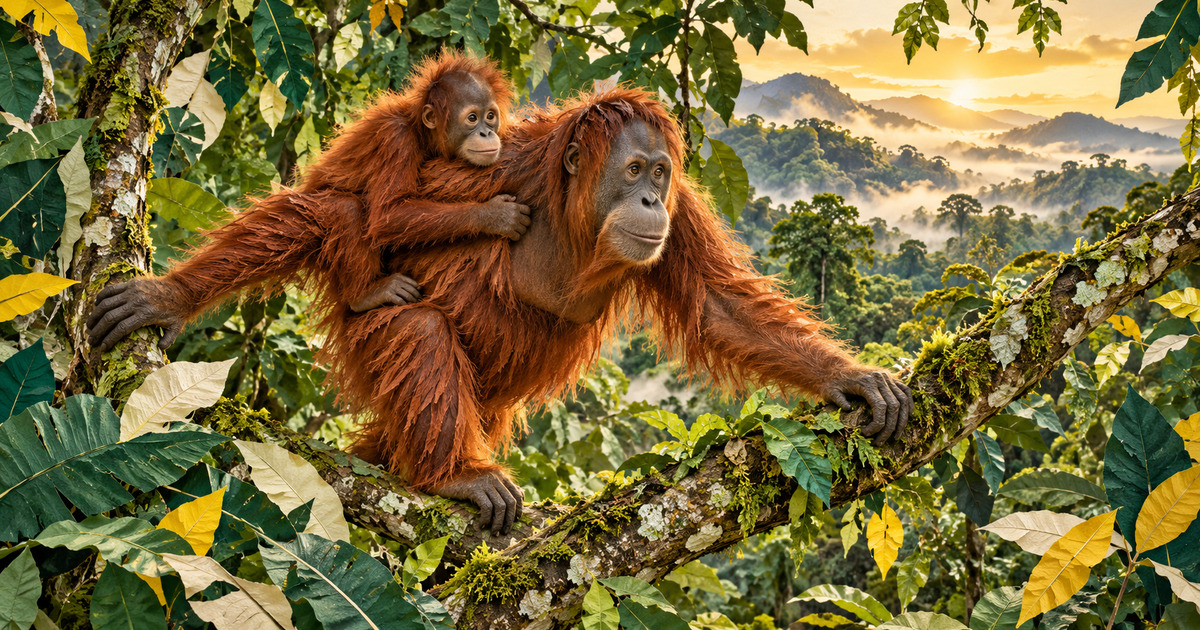
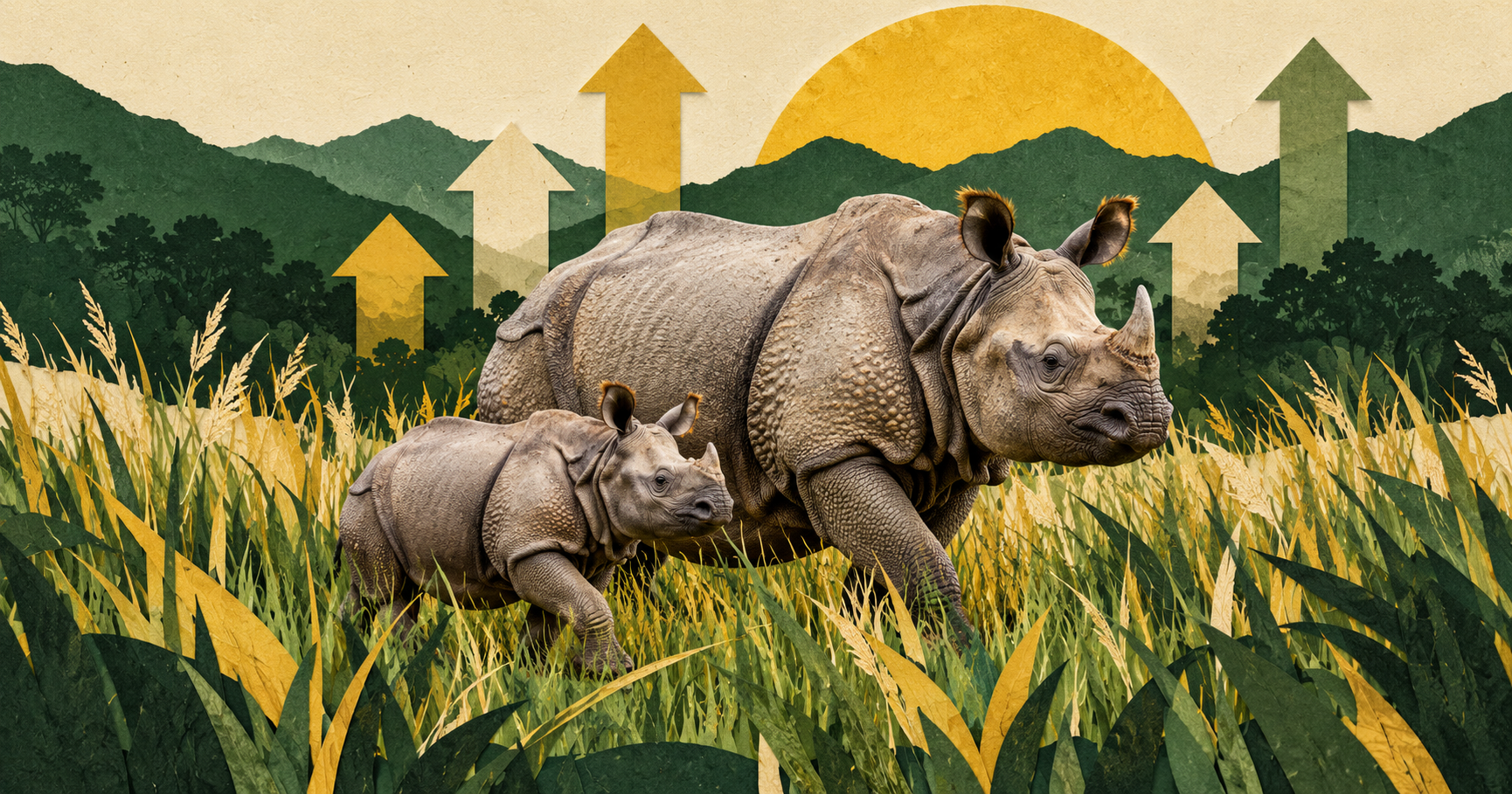
Three mother-and-young pairs and two adolescent males passed health checks before being released into a protected 23,000-hectare forest.

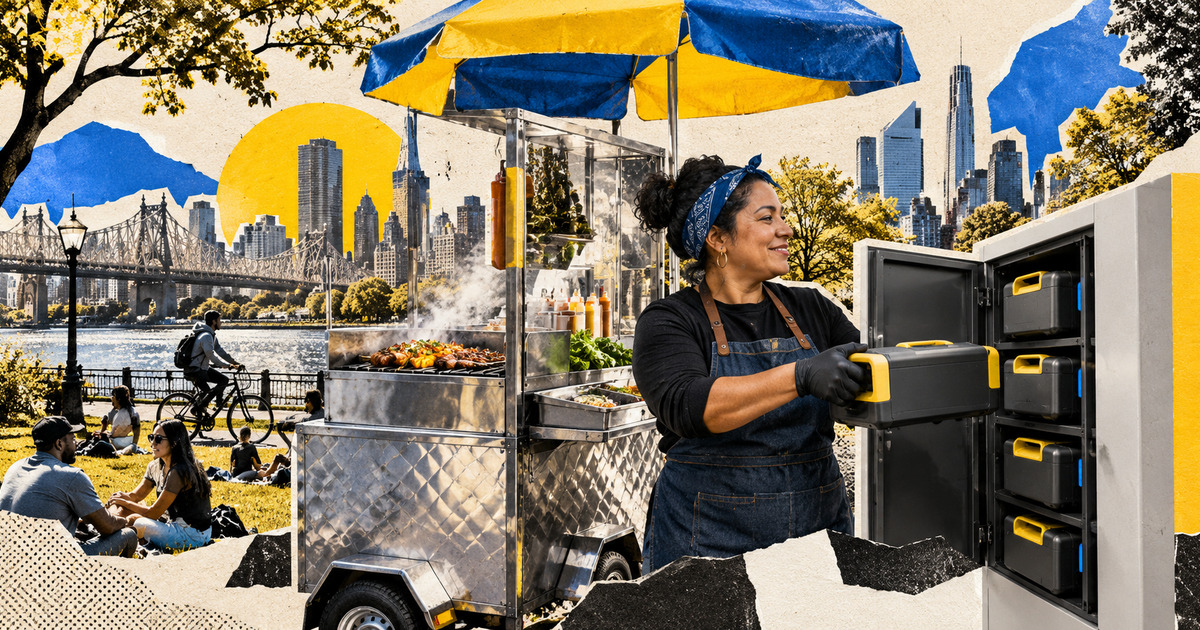
A six-month pilot will replace gasoline generators with batteries, cutting fumes and noise while gathering real-world data for thousands of street vendors.

The fund starts with $9 million from Walmart Foundation and $9 million in aligned investment from McDonald’s USA and suppliers.

WHO/Europe calls the result an early signal: the evaluation covers five months and independent peer review is pending.

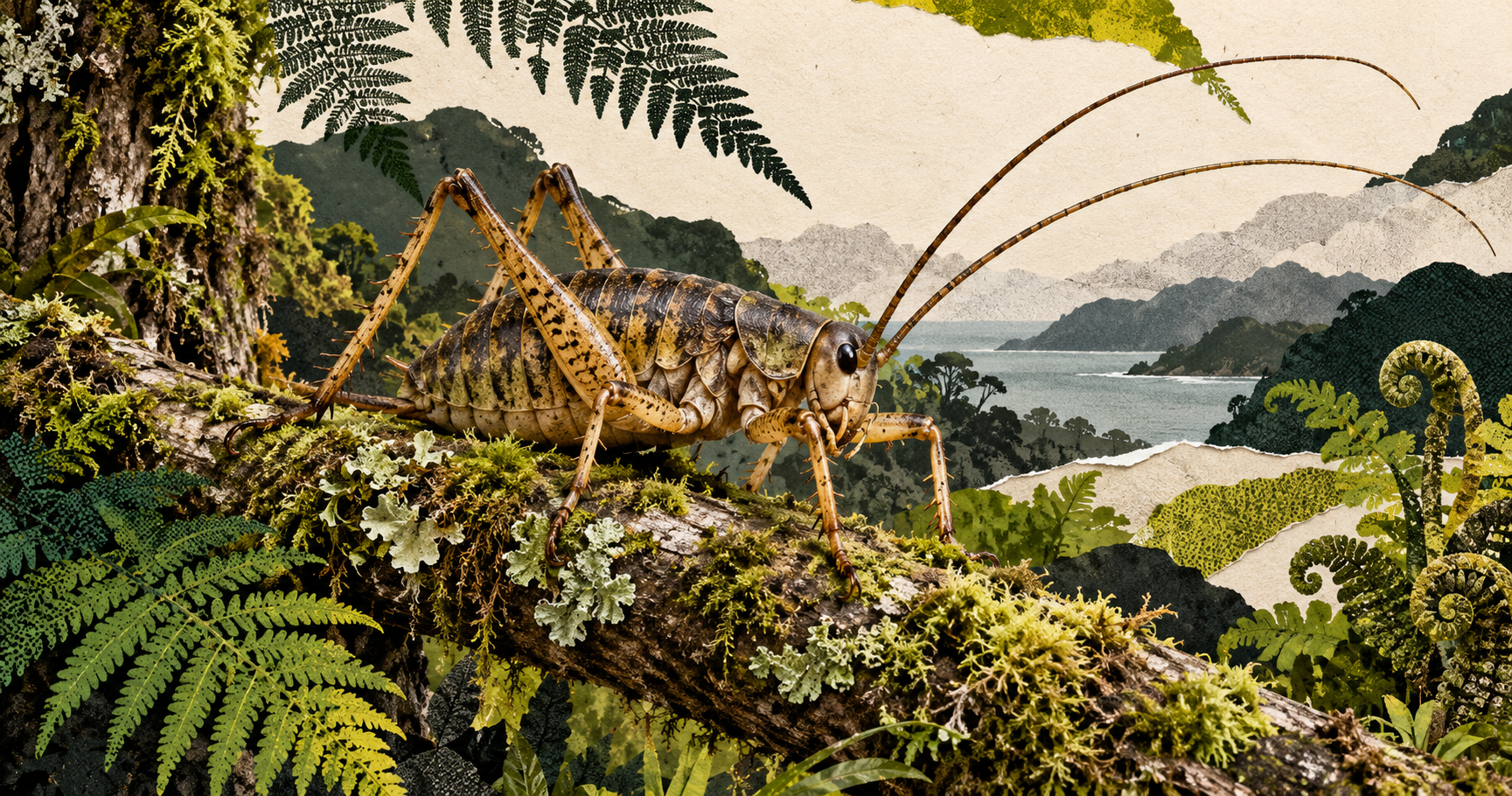
Fourth- and fifth-generation wētāpunga are now breeding without help on two islands.

Panels make power now. Molten salt is designed to hold heat for later.

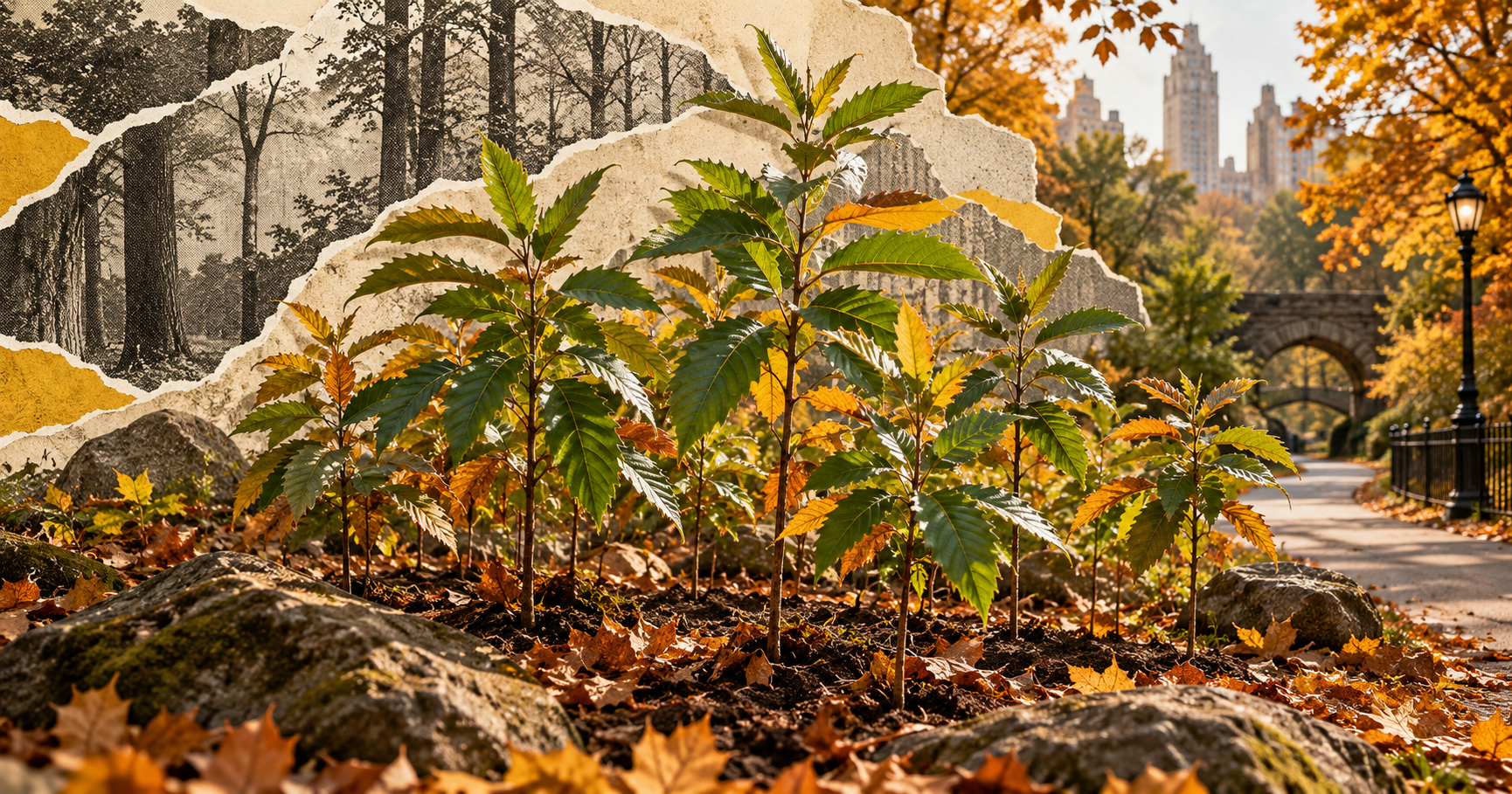
The blight was first documented here. Now a restoration network is taking root.

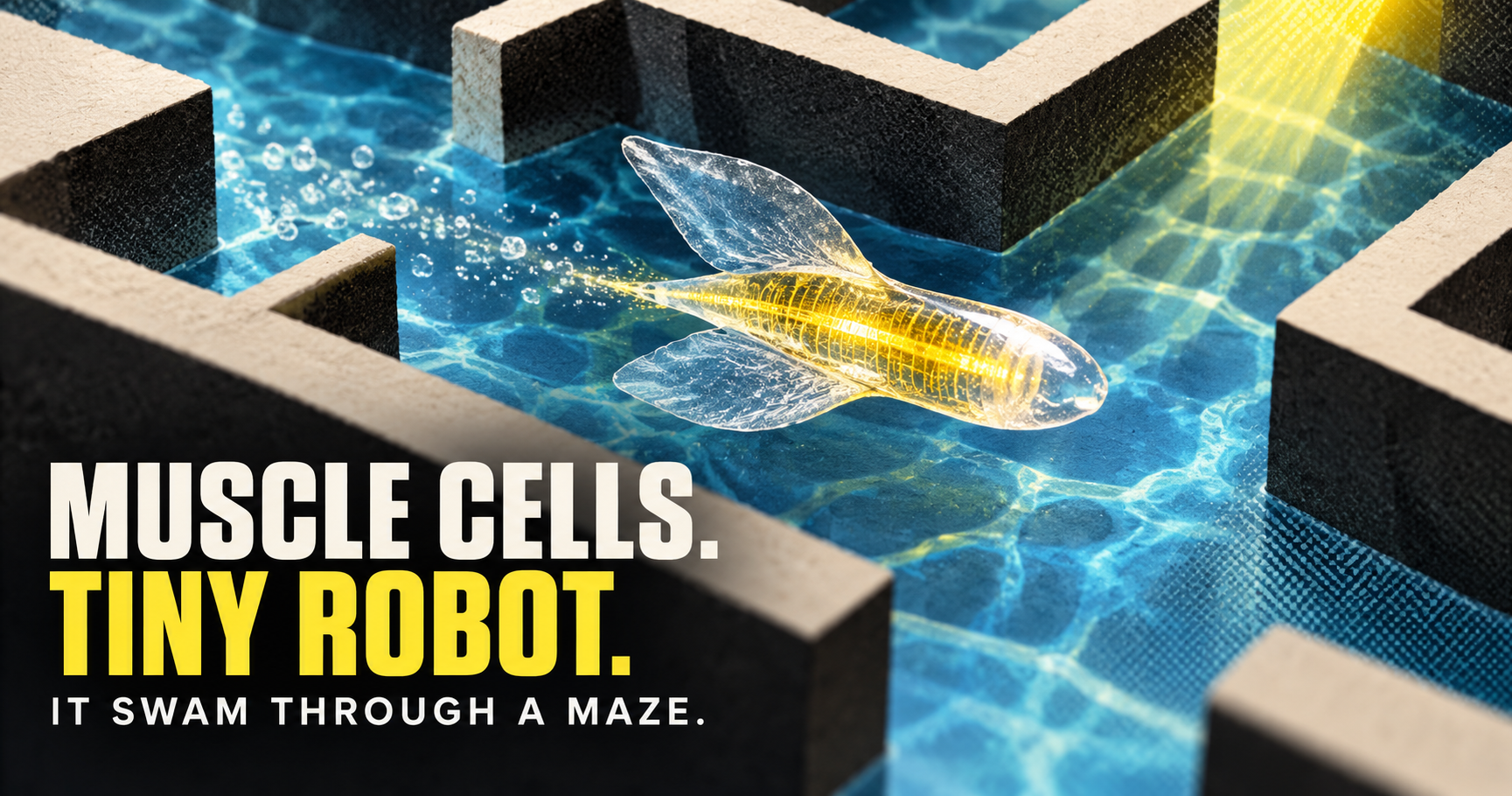
Two fins. One layer of living muscle. A light to follow.

Old batteries, panels and blades are starting to feed the next buildout.

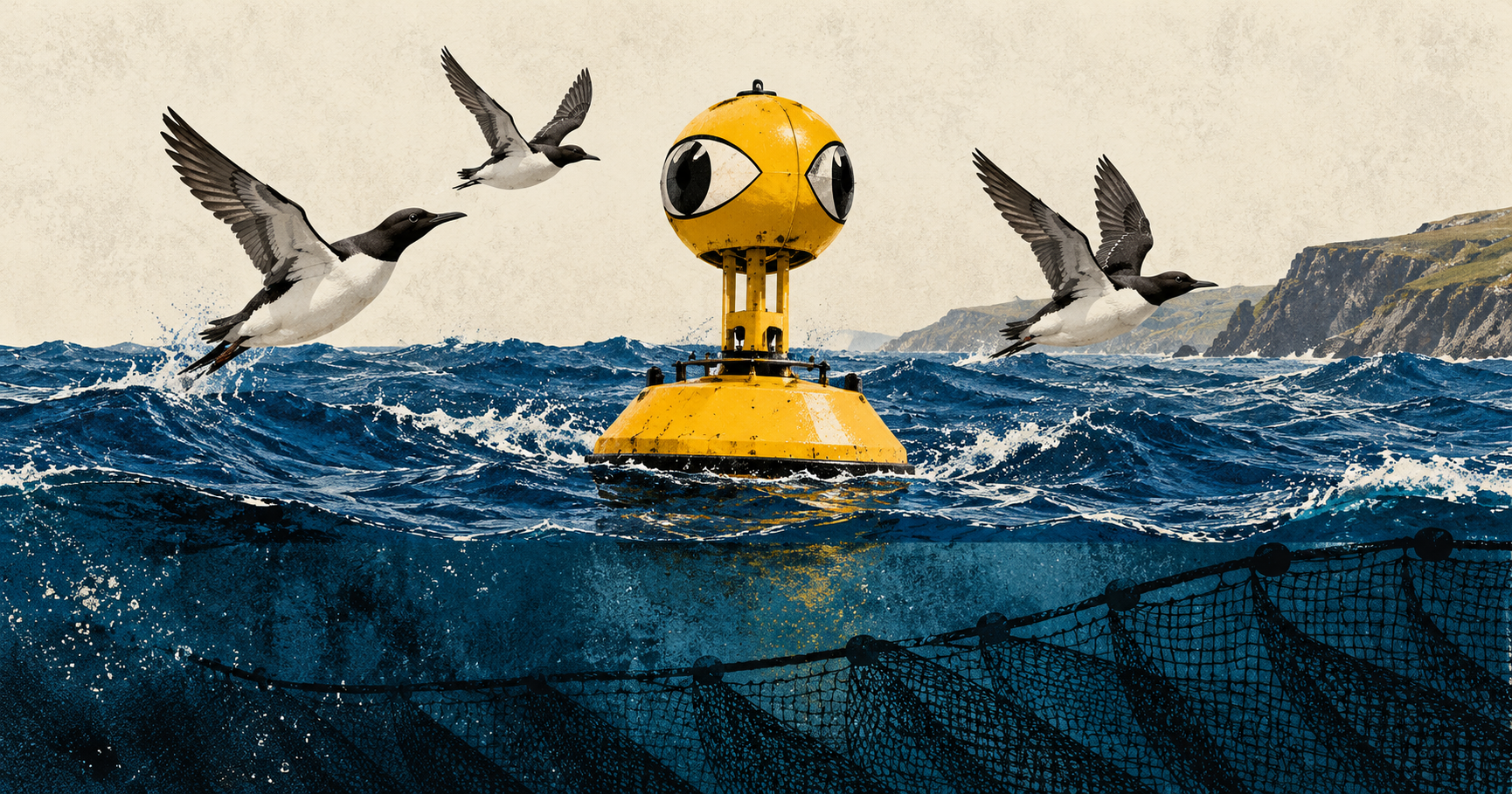
A pair of spinning eyes and a kite gave threatened seabirds a practical way around a deadly net.

Three remote counseling sessions and a phone tool helped young people make safer decisions in a rigorous trial.

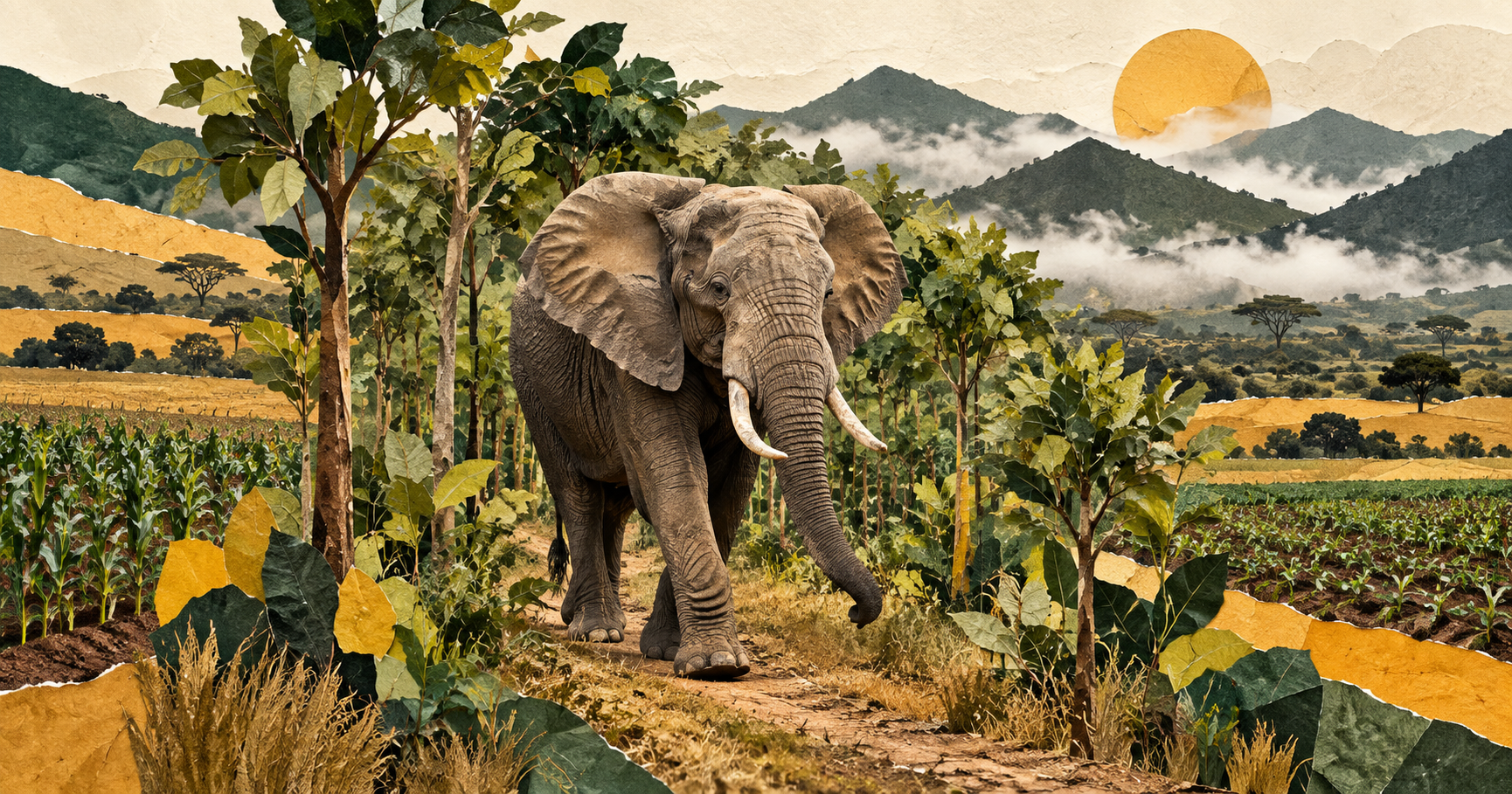
A narrow strip through the Kilombero Valley is reconnecting savanna and rainforest — one elephant at a time.

A species that once fell below 200 animals now numbers in the thousands.

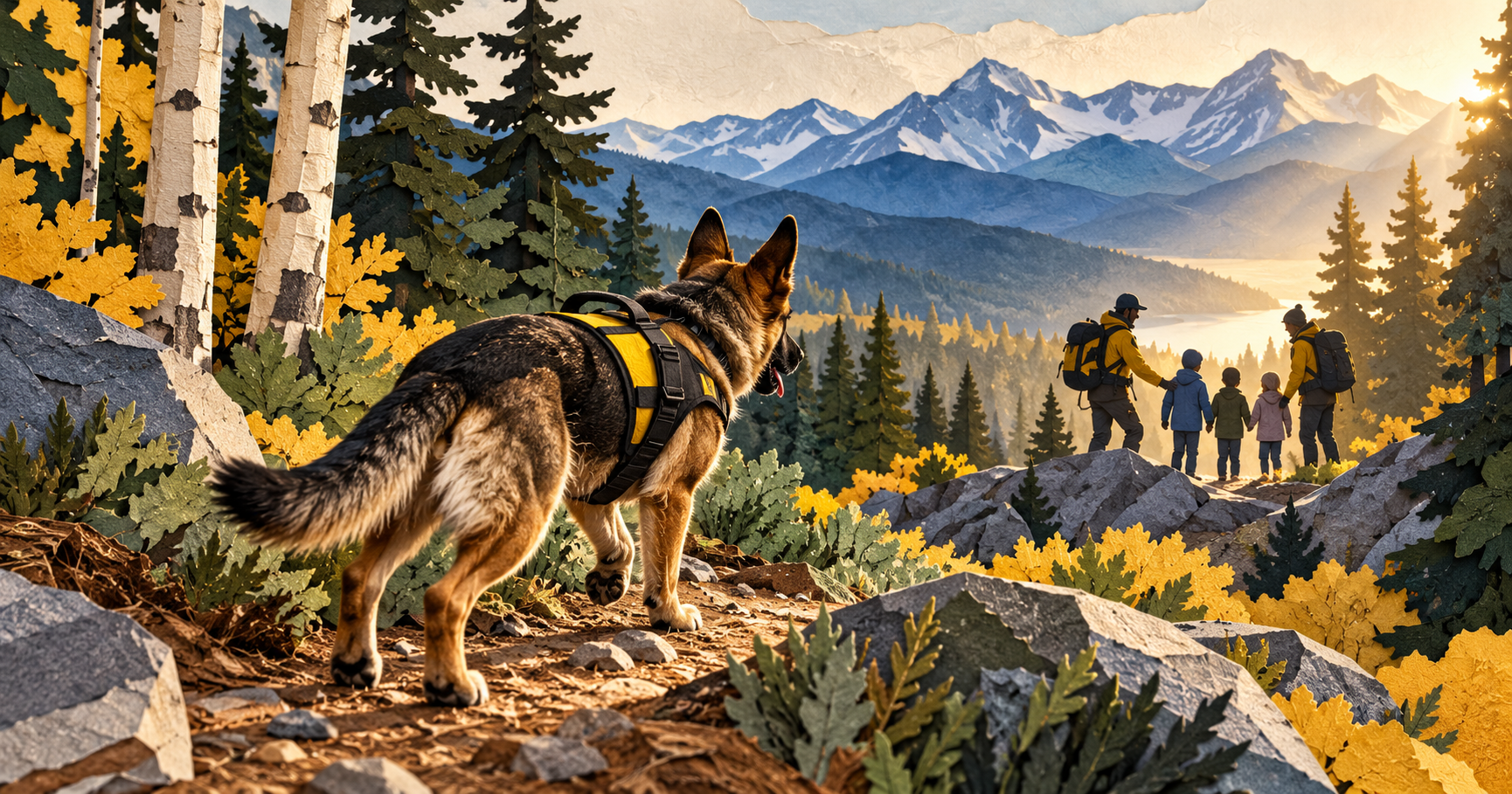
Arch caught the trail. Search teams followed it. Three families got the ending they needed.

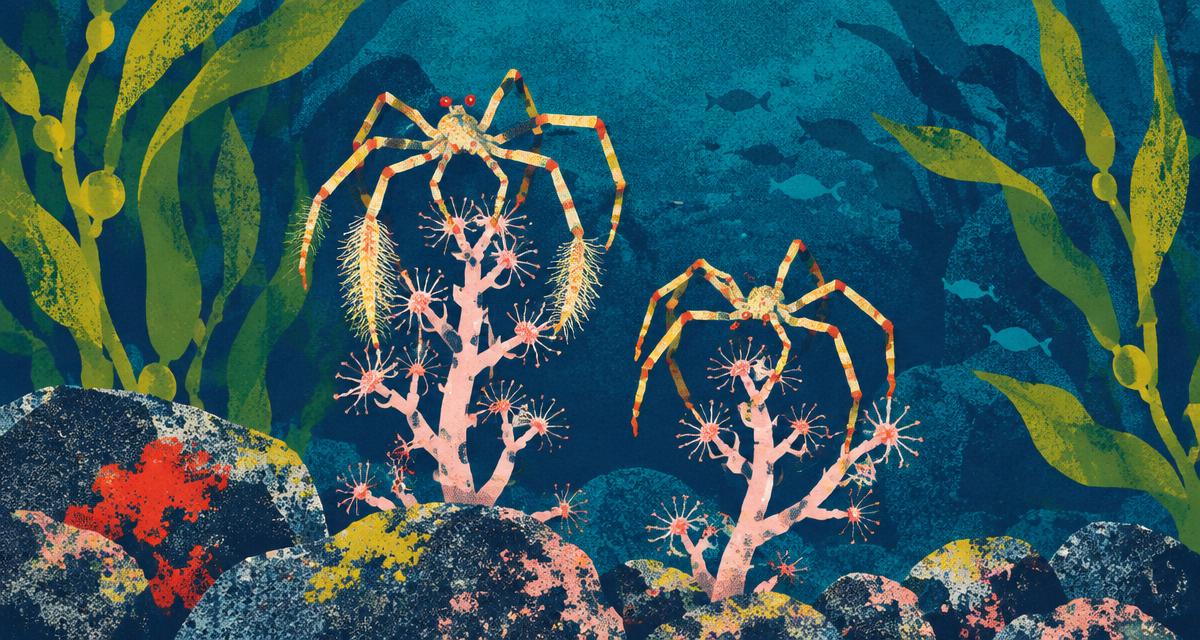
UBC divers found the first new sea spider species described in the Salish Sea in almost a century. One has red eyes and fuzzy-looking legs.
FIVE LEFT. STILL HERE.
Karure black robins fell to five birds in 1980. Decades of conservation brought them back to around 350 adults — and on September 21 the species won New Zealand’s 2026 Bird of the Year.
THE PATIENT KNOCKED.
A brown pelican tangled in fishing line, with a treble hook in its wing and cactus spines in its foot, repeatedly tapped on NOAA’s Panama City Laboratory door. Biologists freed it in about 10 minutes, and it flew away.