
SCIENCE
An experimental drug shielded celiac patients during a gluten challenge.
A 32-person study found less injury and fewer symptoms—but it is still early.
SOURCEReuters / AnaptysBio
—
Every serving. No expiration date. Page 2 of 5.
A 32-person study found less injury and fewer symptoms—but it is still early.

A monitor improved when patients could explain what its sensors got wrong.
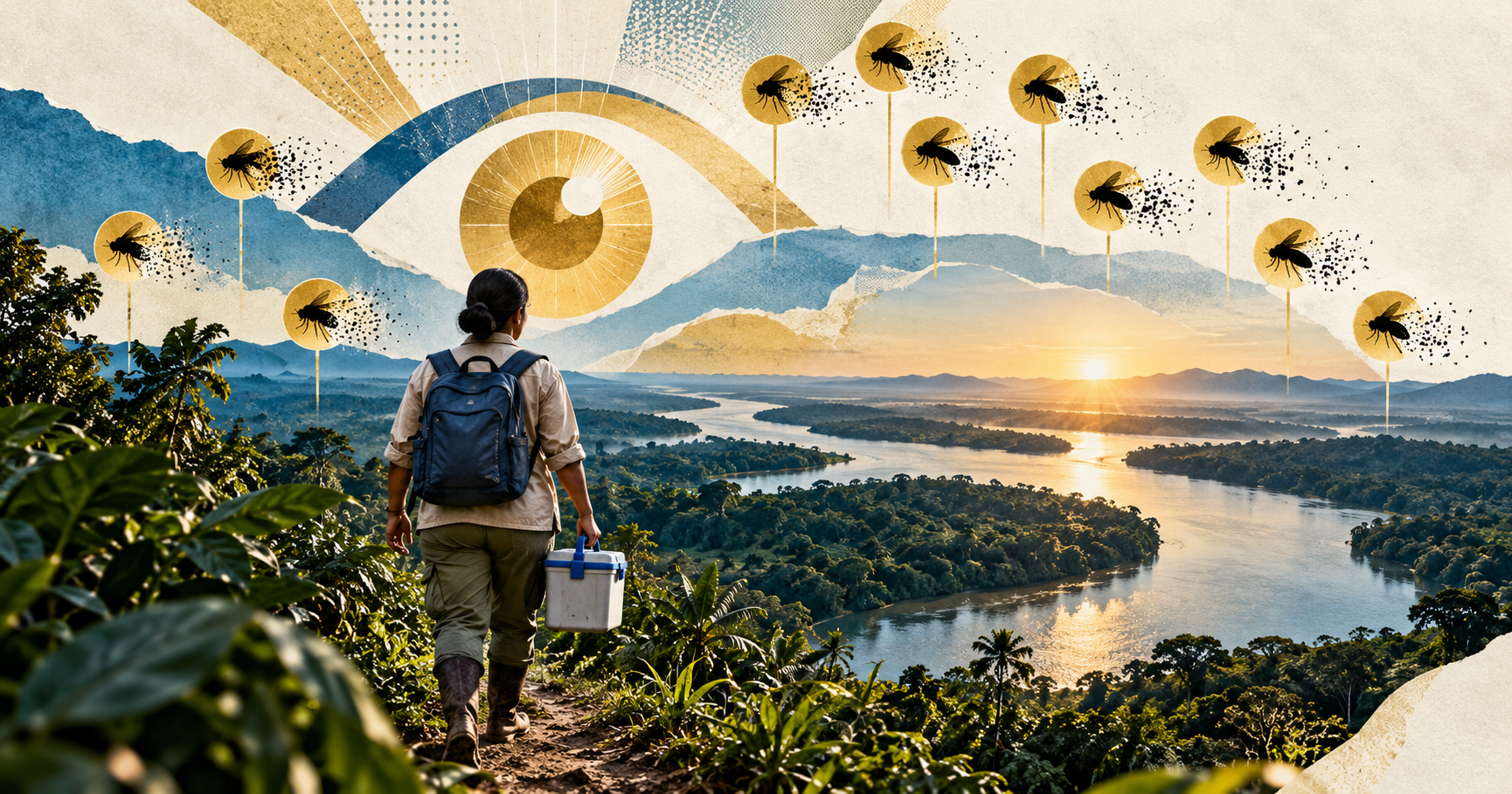
A new WHO review says transmission now remains only in the remote cross-border Yanomami Focus Area shared by Brazil and Venezuela.

In the OPTIMA extension, adults who stayed on Pasatru had no new lesions detected between weeks 56 and 84; the placebo group had nine.
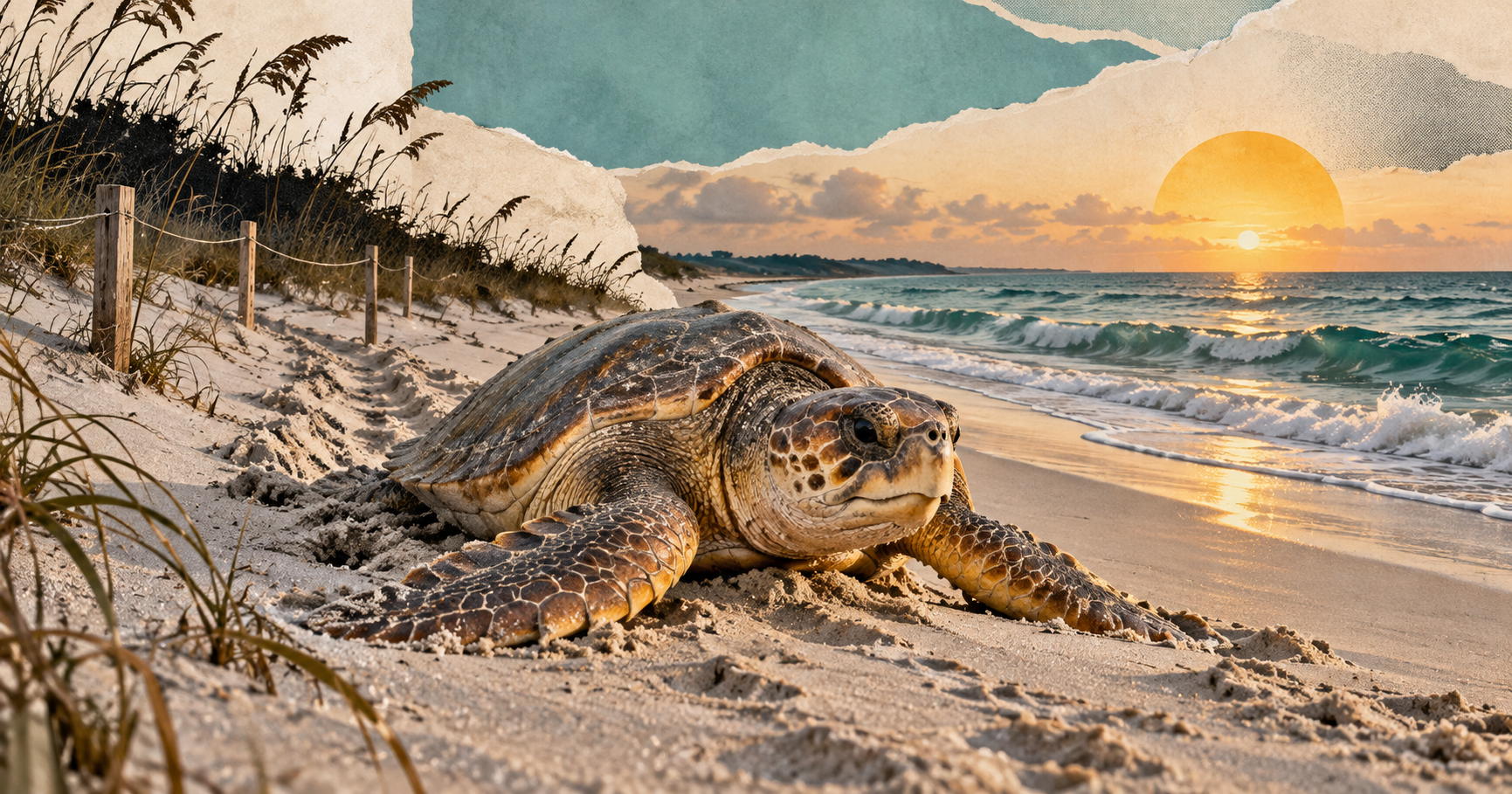
The 2026 count was the highest in Georgia’s statewide record. The long-run nesting trend has risen about 4% a year since the early 1990s.

More than 7.86 million people have been screened. Diagnosis reached 92.4%, treatment 92.7%, and treatment in key high-risk groups 95%.
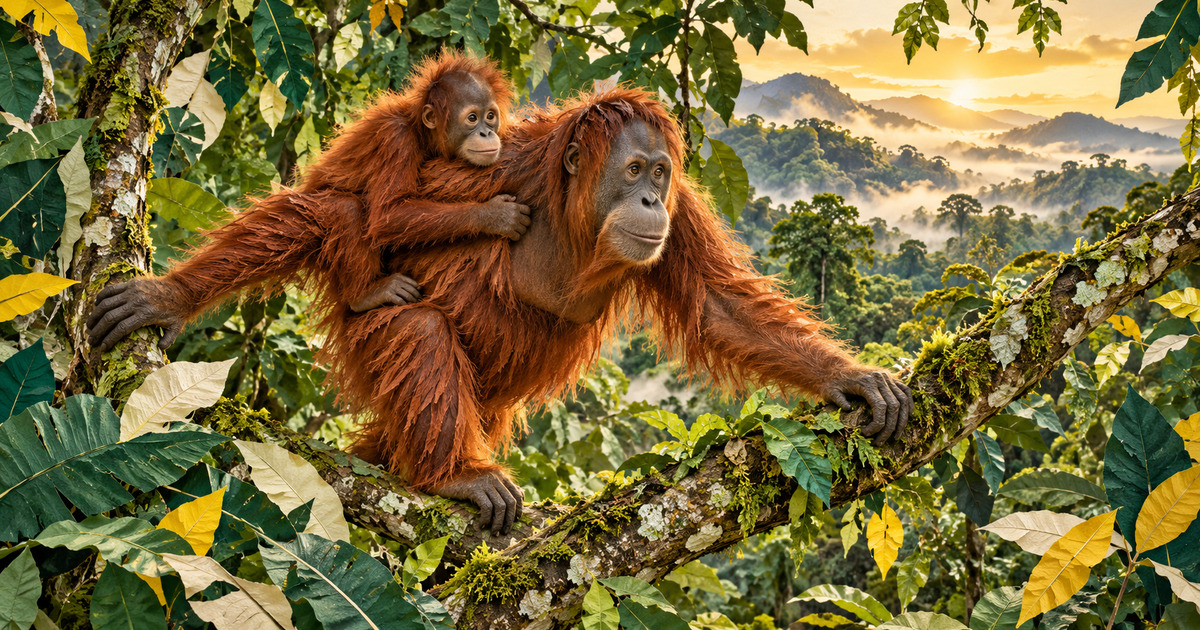
Three mother-and-young pairs and two adolescent males passed health checks before being released into a protected 23,000-hectare forest.
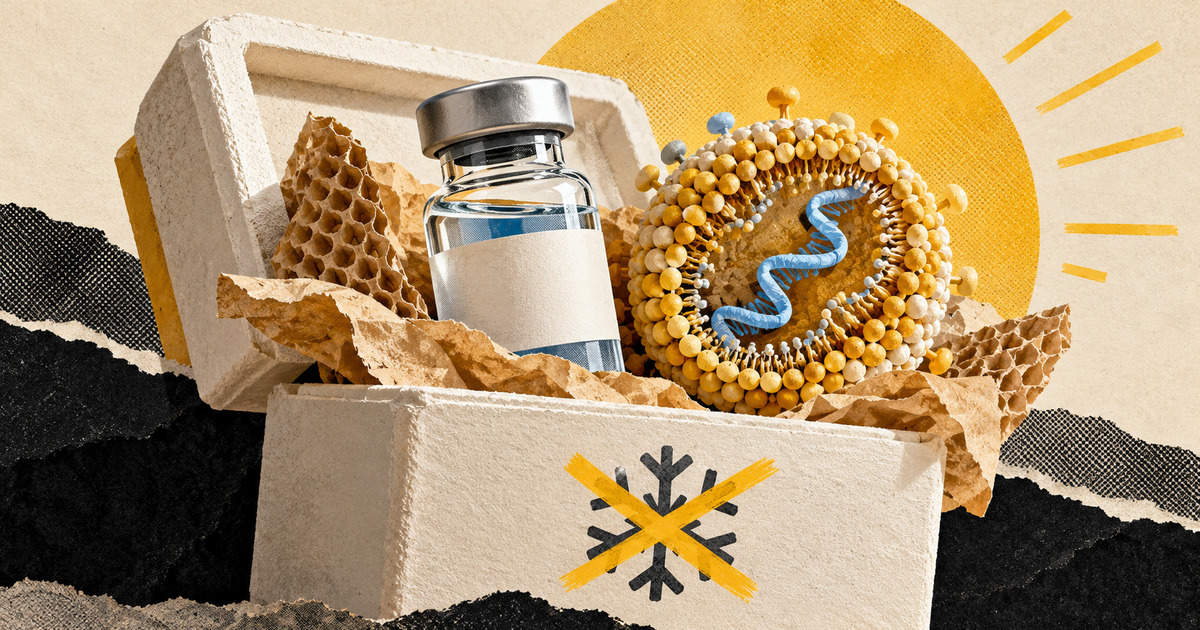
A preclinical formulation held onto its biological activity for more than two months at 37°C—and matched fresh material in mouse immune-response tests.
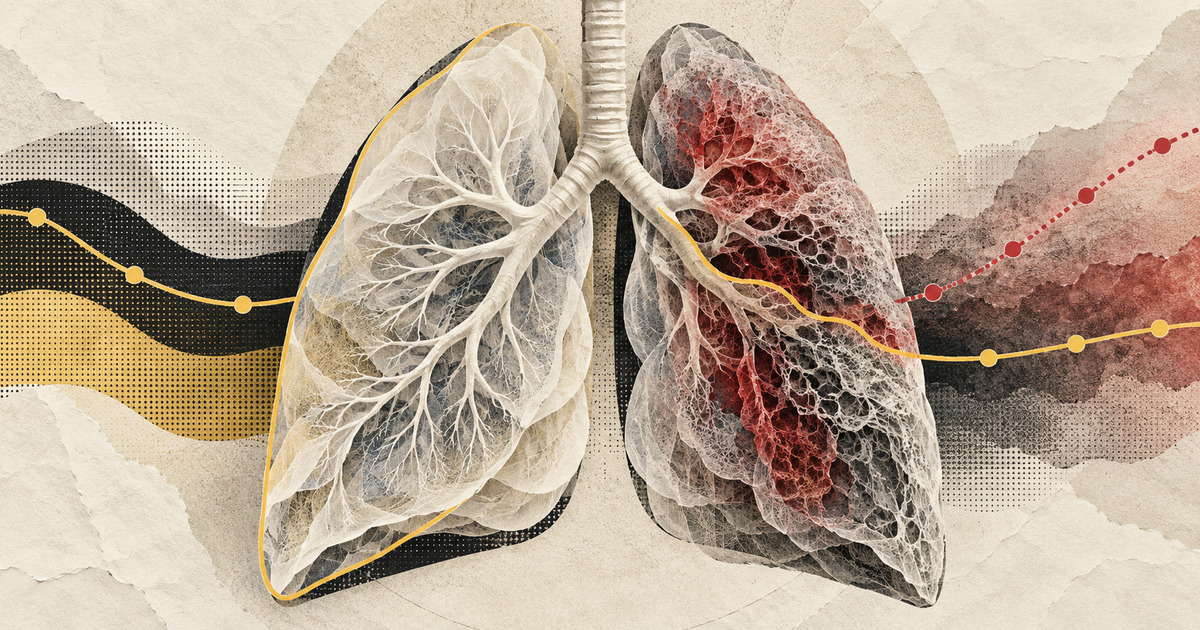
The lower dose met the trial’s main goal over 52 weeks. The higher dose did not, and the detailed results are not yet published.

WHO/Europe calls the result an early signal: the evaluation covers five months and independent peer review is pending.

The national estimate is up from 148–189 in 2022. A monitored tigress has raised three litters—nine cubs—and one daughter is already breeding.

In a 10-person safety trial, an experimental optogenetic treatment produced clinically meaningful light-sensitivity gains in six participants. It did not restore normal sight.
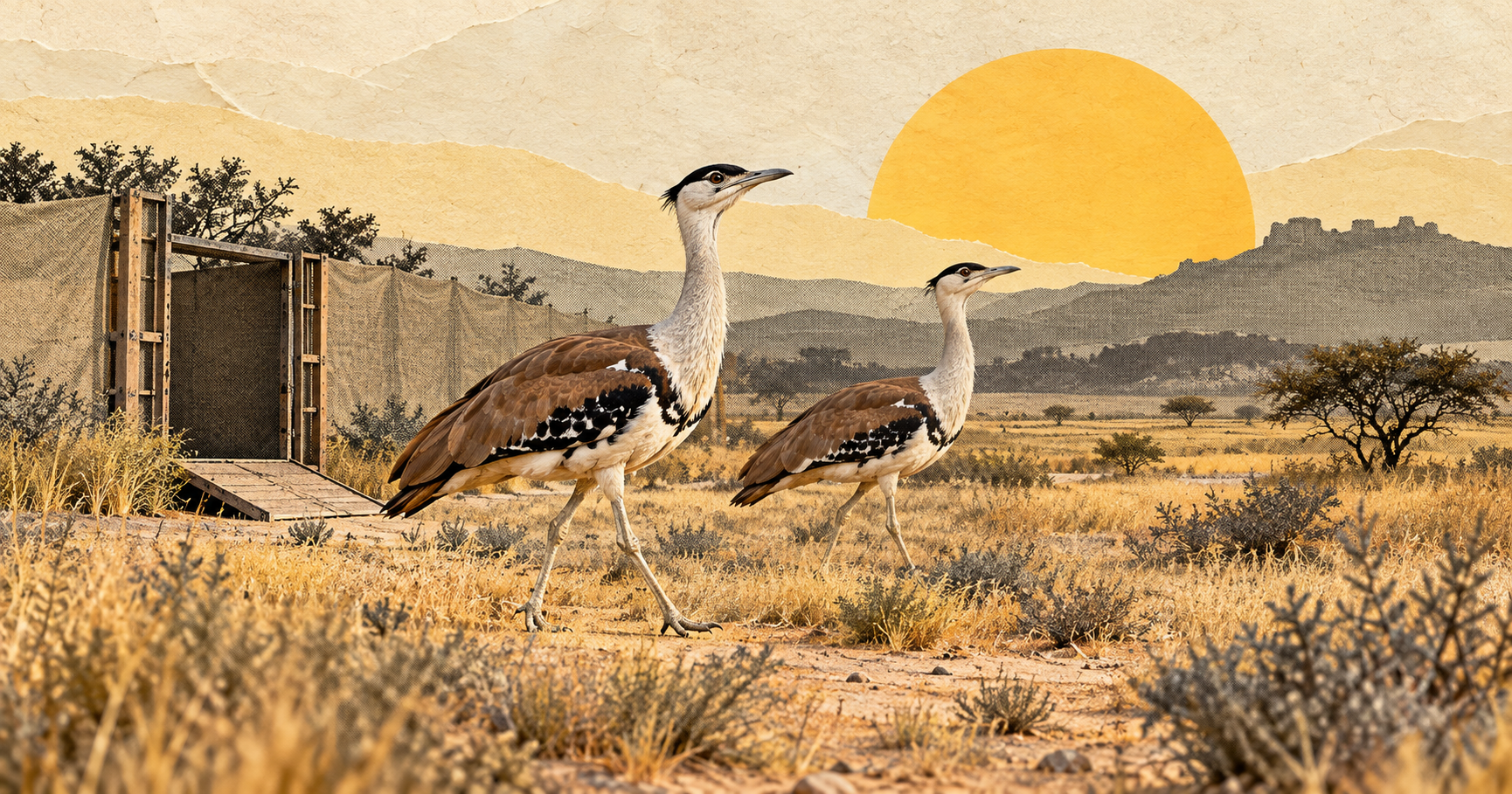
Two captive-bred males are now walking free in the Thar Desert. The release is a test, not a declaration of recovery.
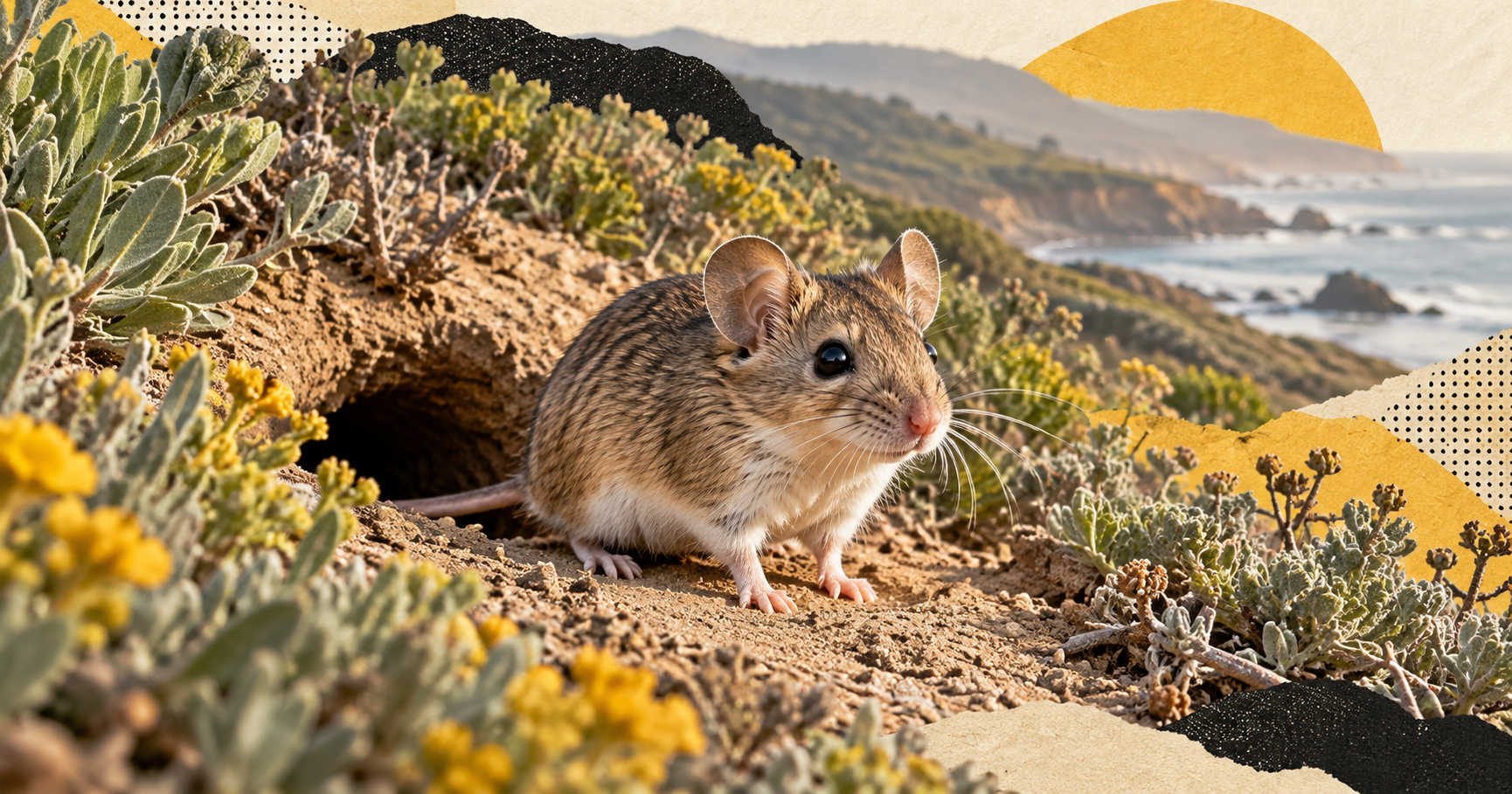
More than 500 pocket mice have been released over 20 years. North San Mateo is now the third reintroduced population.
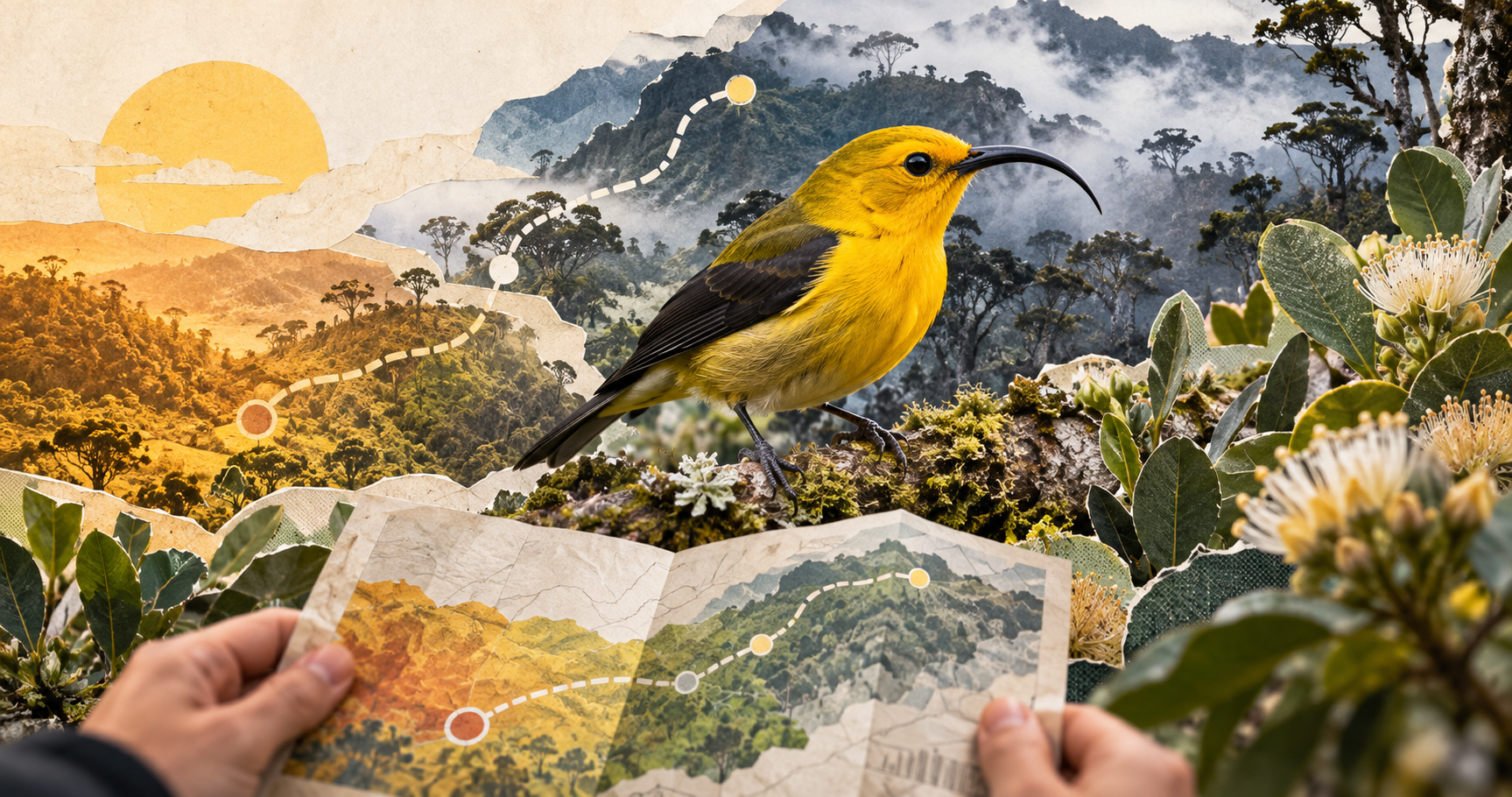
More than 250 practitioners and community members helped shape a decision process for high-stakes conservation moves.
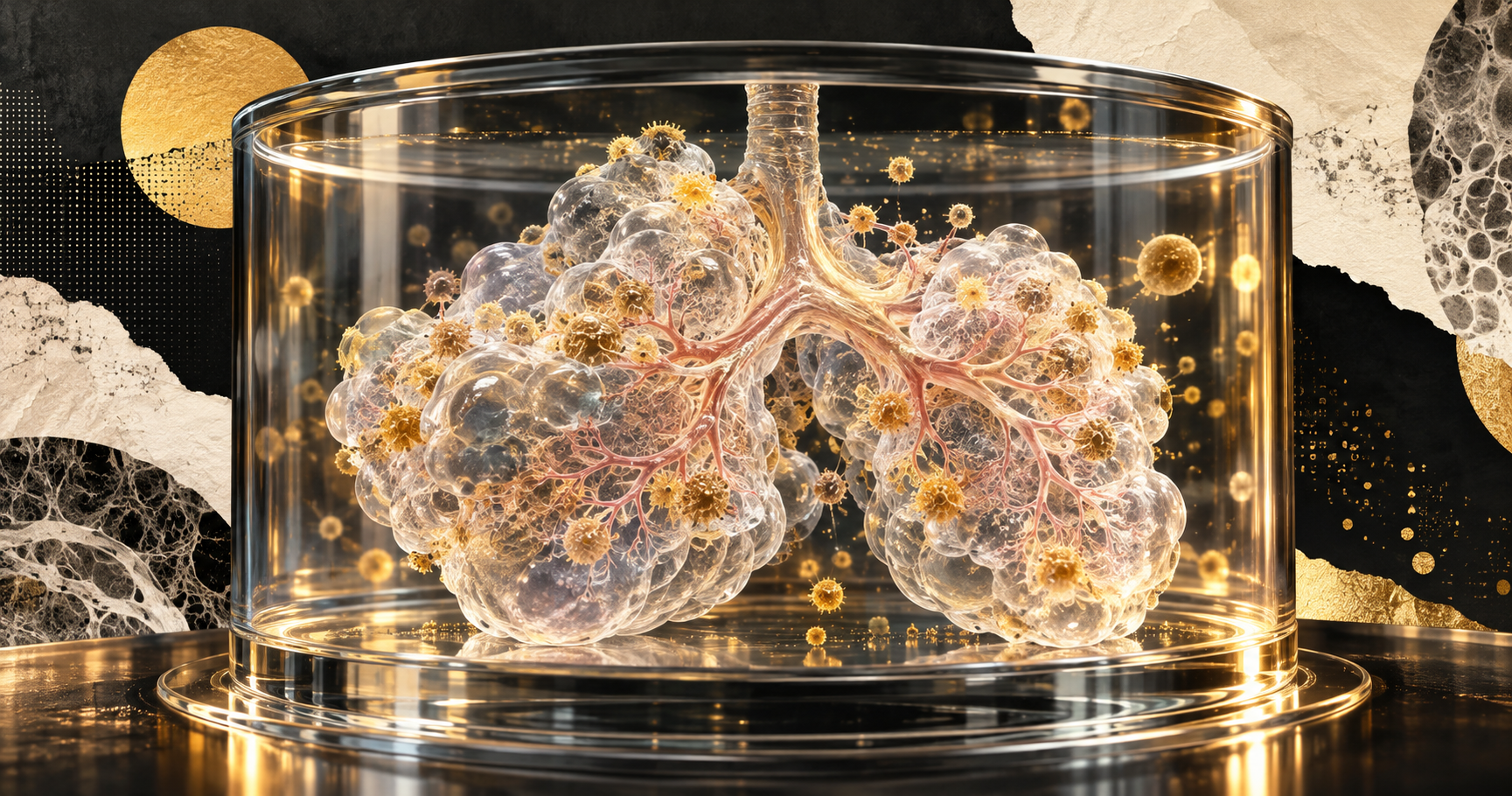
Human lung organoids retained resident T cells, recognized SARS-CoV-2 and responded more strongly after a simulated booster.
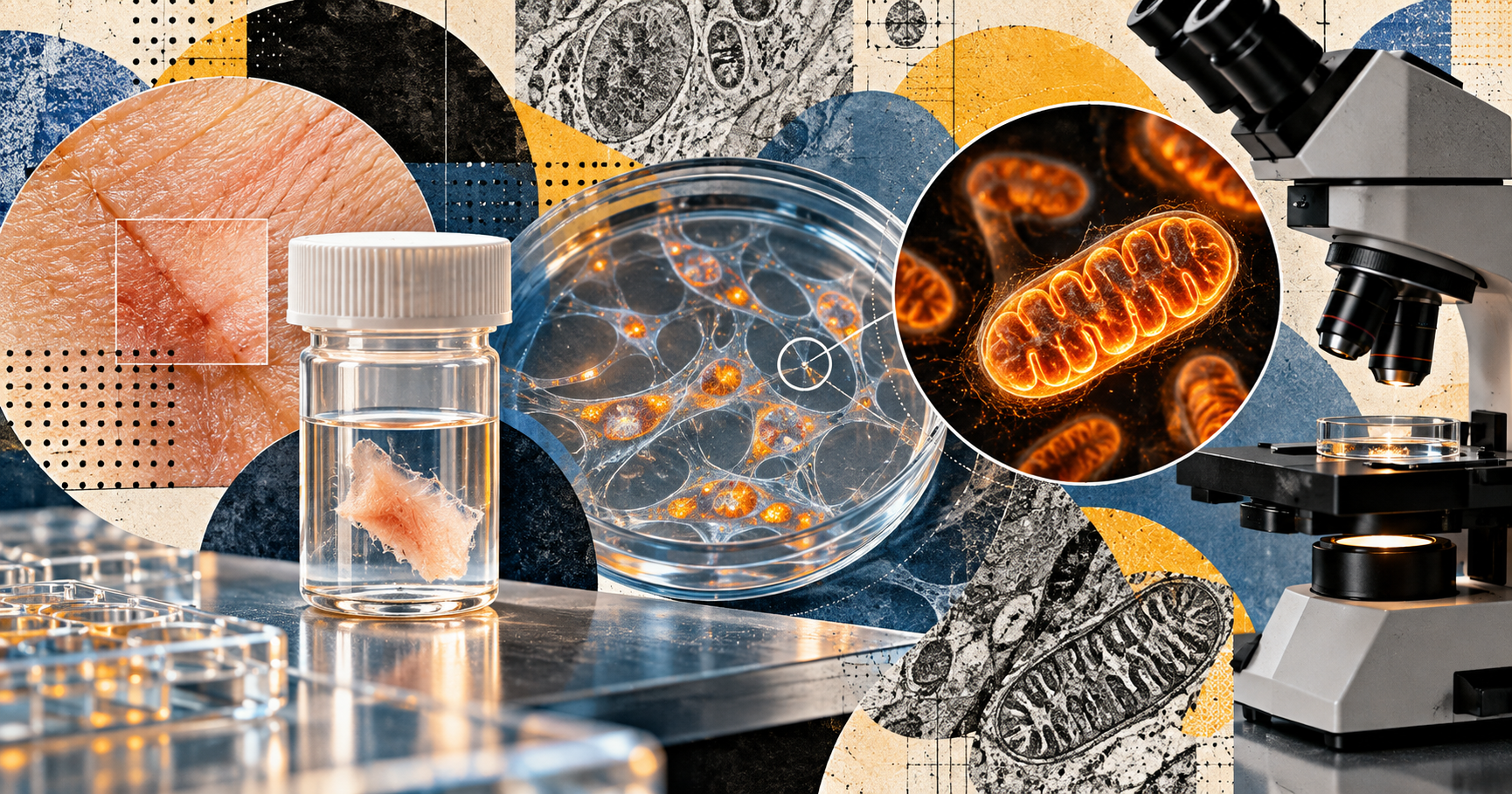
Functional testing on skin cells helped close difficult mitochondrial-disease diagnoses across samples from more than 30 medical centres.
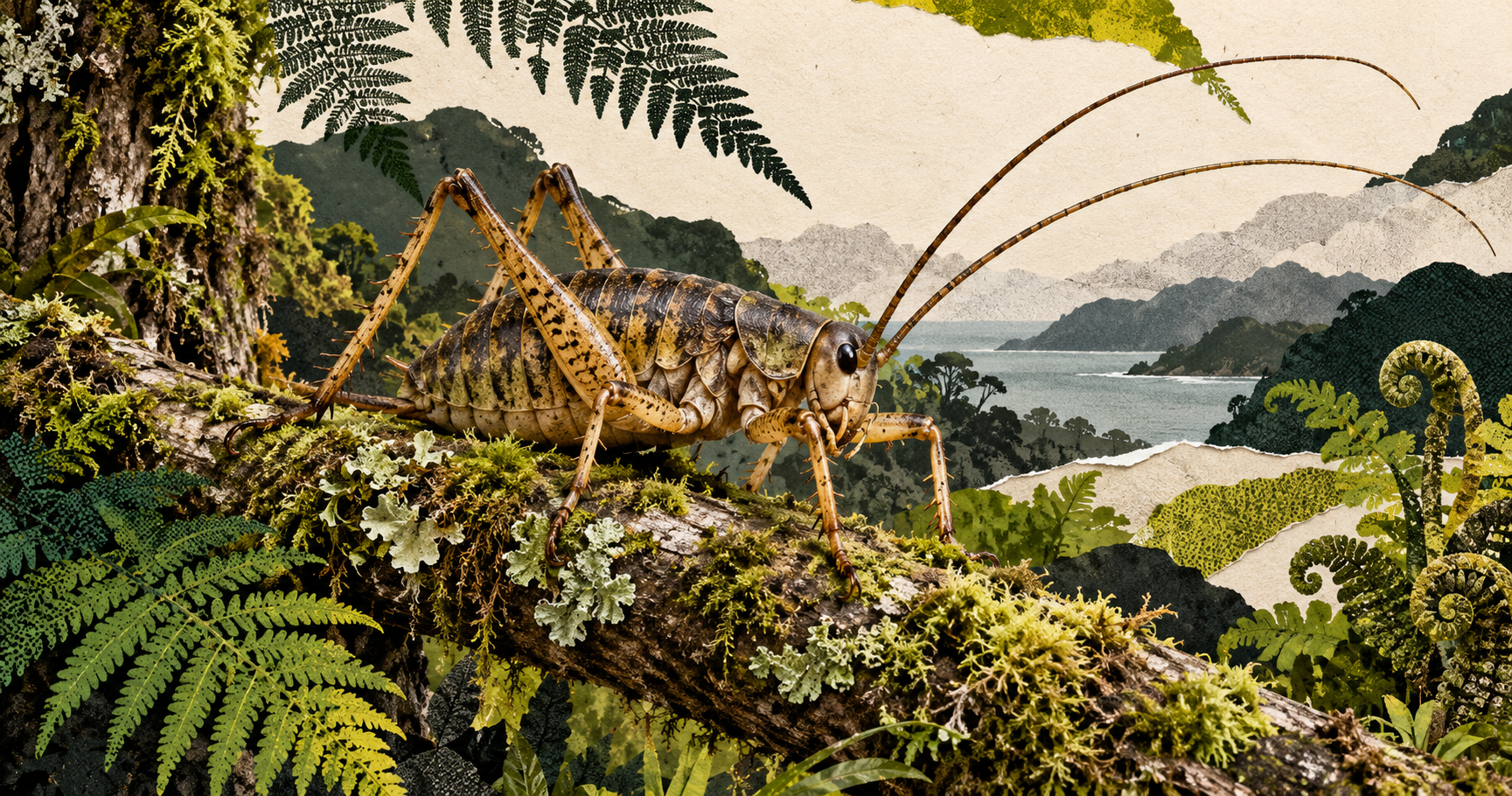
Fourth- and fifth-generation wētāpunga are now breeding without help on two islands.
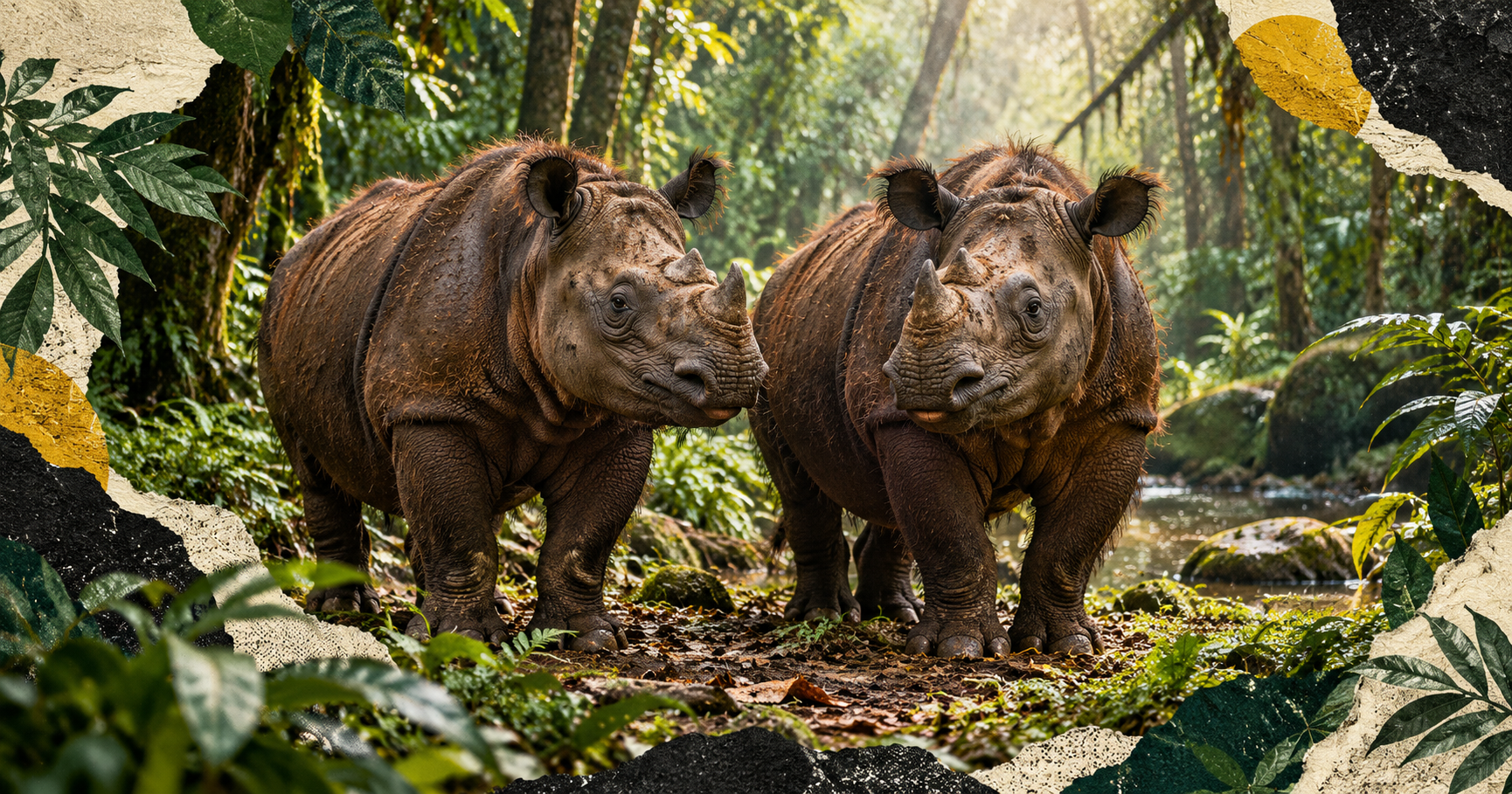
Ratu and Delilah are both due in May 2027.
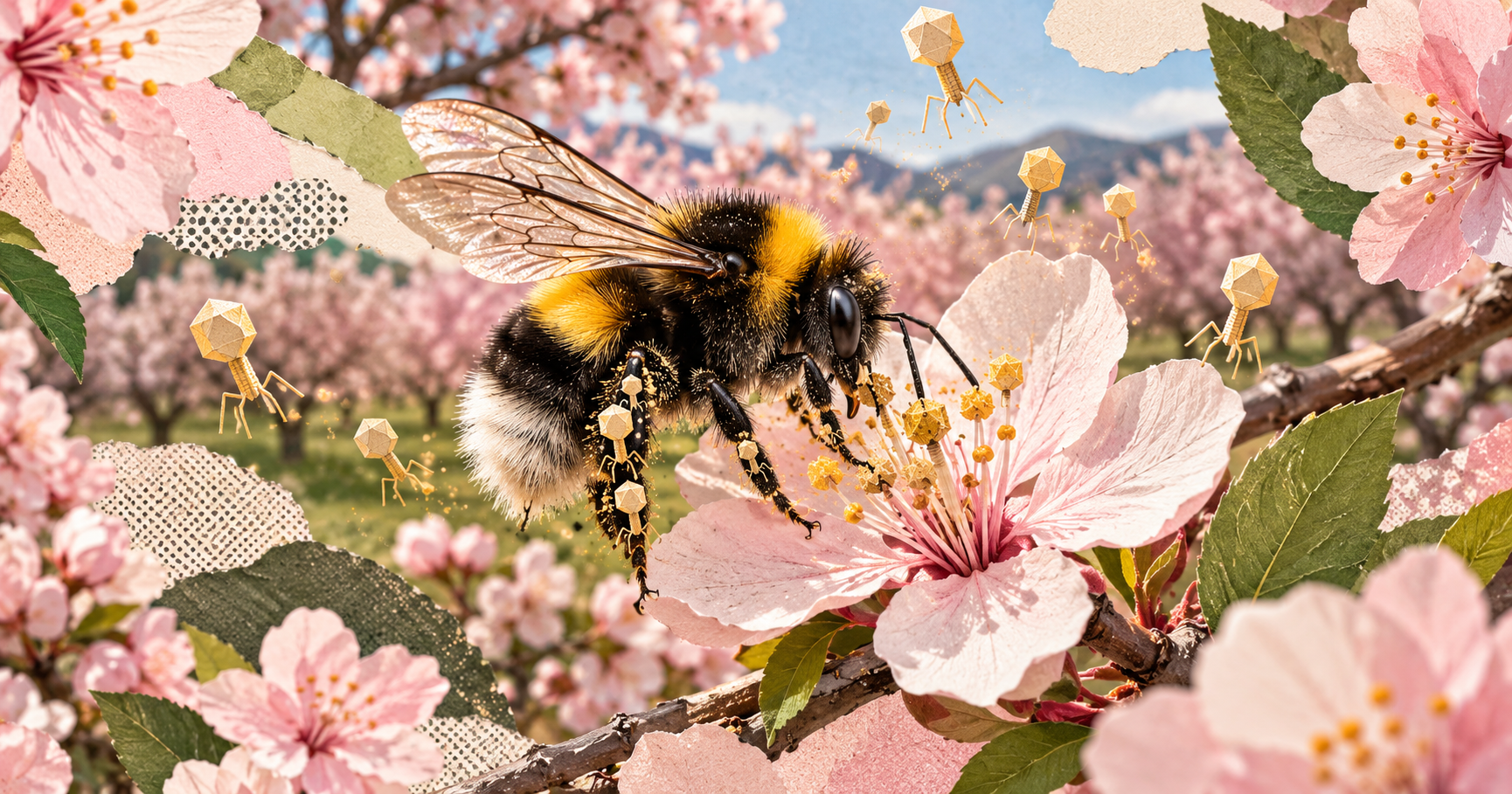
The pollinators carried a precise biological treatment to as many as 88% of flowers.

Human foster parents flew ahead. Fifteen young ibises followed them into a new Spanish flock.

Eight packs raised pups in 2026, extending one of California’s wildest comeback stories.
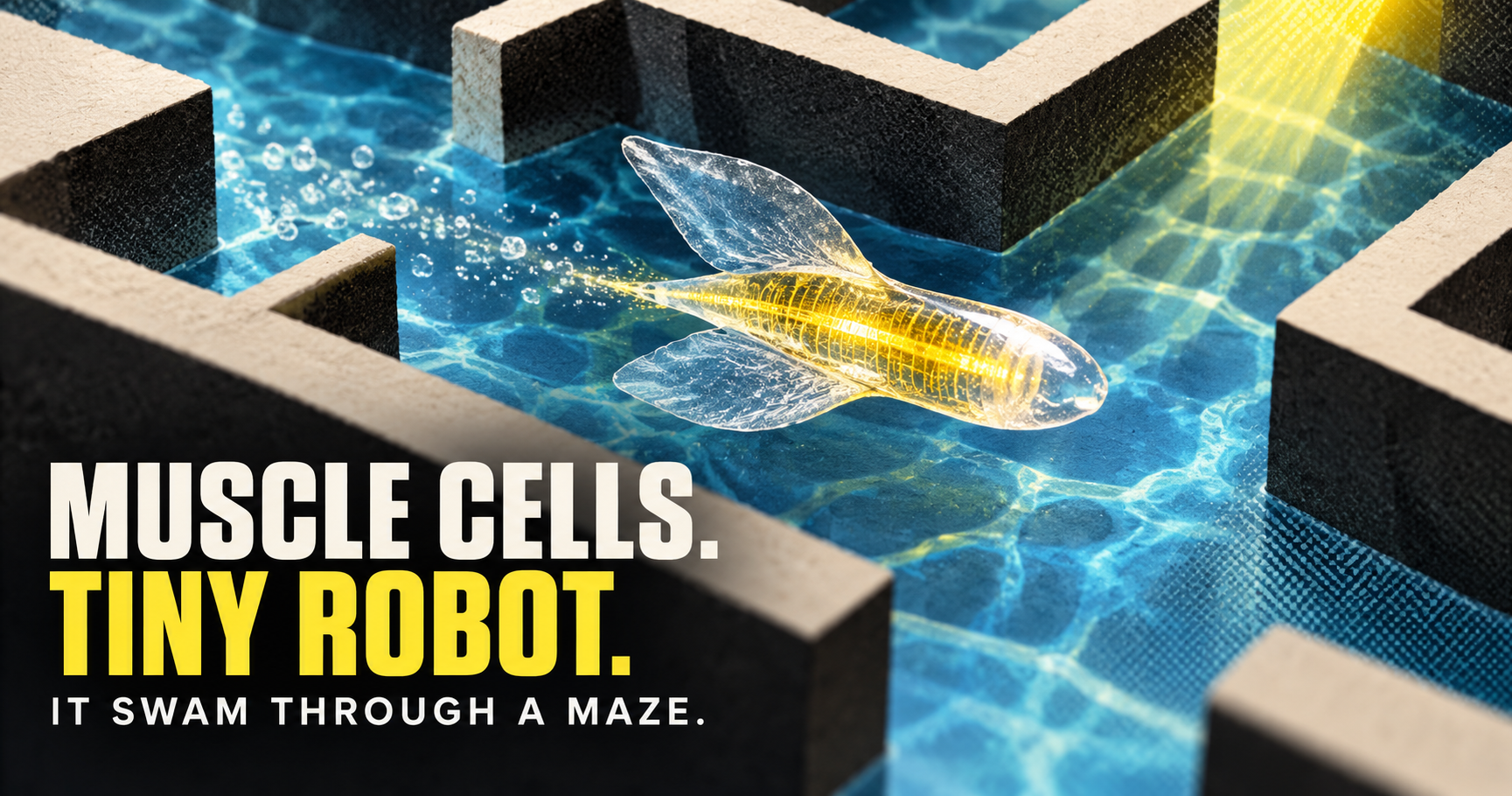
Two fins. One layer of living muscle. A light to follow.

The fabric let light, rain and air through — while keeping insect mouths out.