SCIENCE
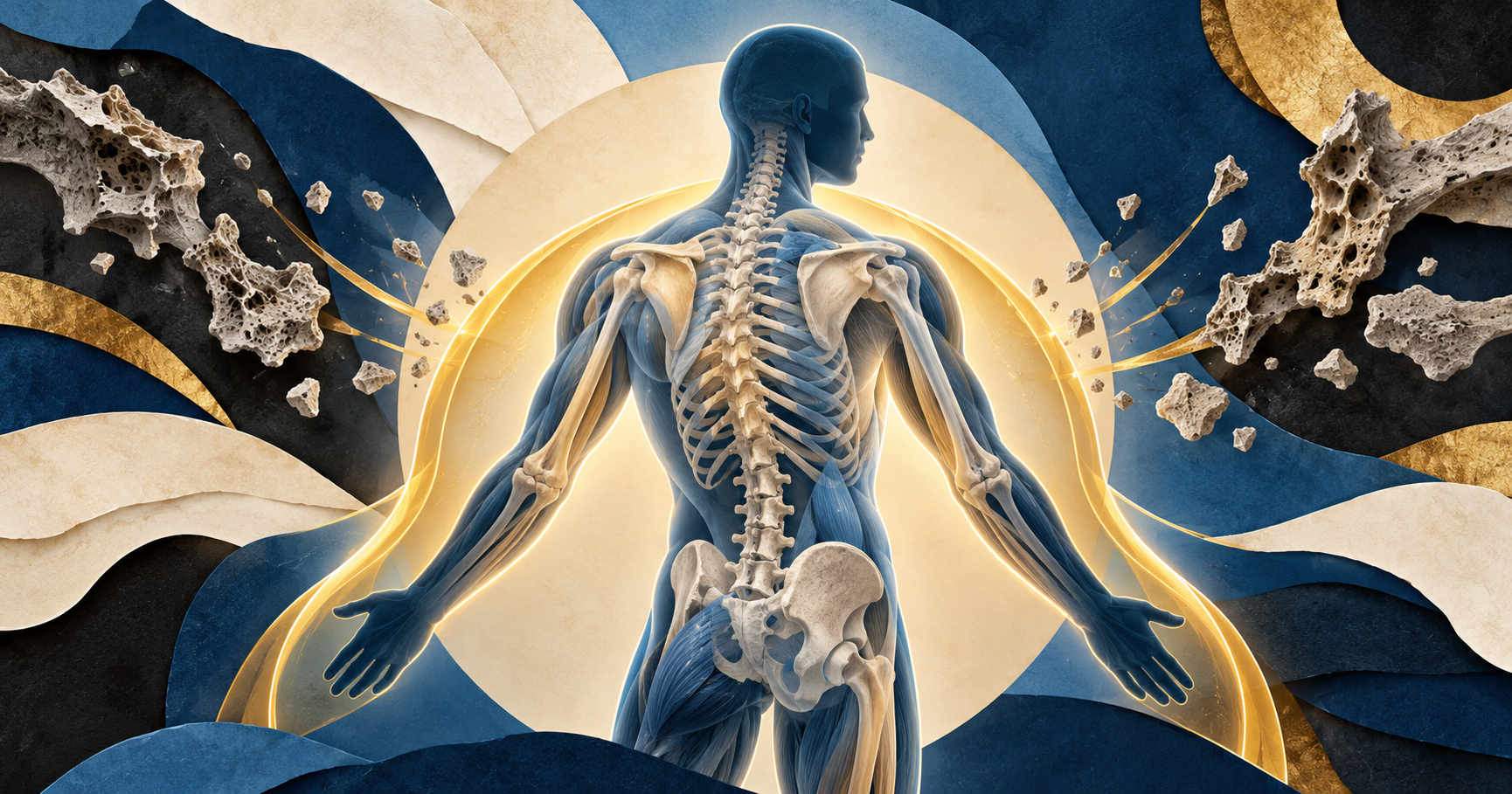
A rare-disease drug reported zero new bone lesions through 84 weeks.
In the OPTIMA extension, adults who stayed on Pasatru had no new lesions detected between weeks 56 and 84; the placebo group had nine.
SOURCERegeneron / The Lancet
—
Every serving. No expiration date. Page 2 of 3.
In the OPTIMA extension, adults who stayed on Pasatru had no new lesions detected between weeks 56 and 84; the placebo group had nine.

More than 7.86 million people have been screened. Diagnosis reached 92.4%, treatment 92.7%, and treatment in key high-risk groups 95%.
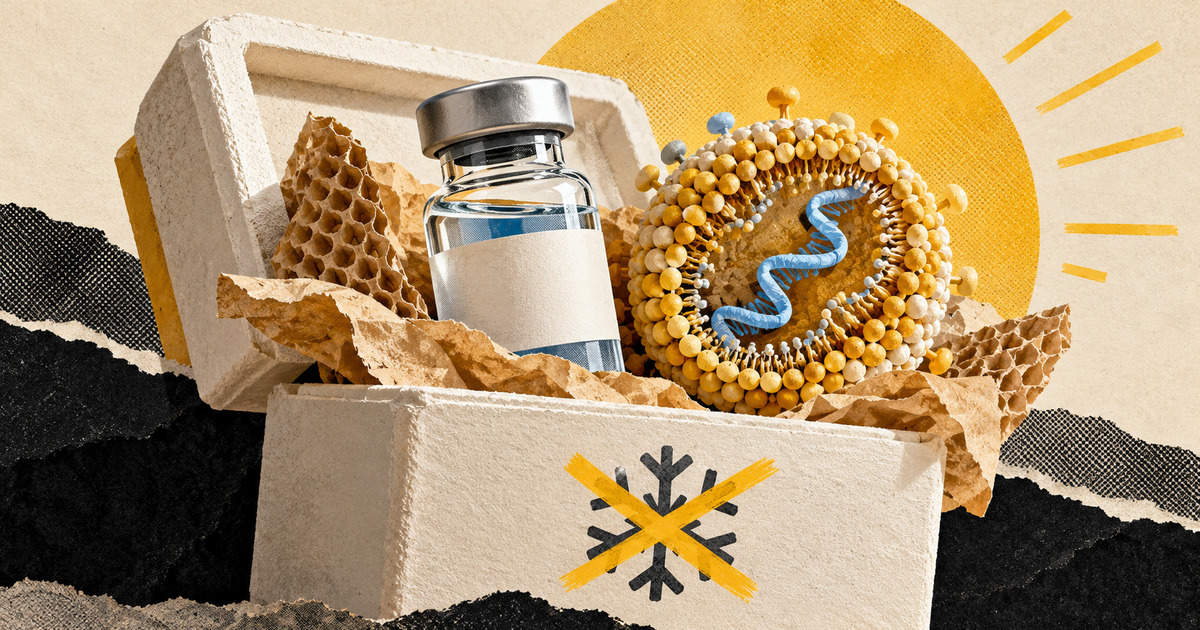
A preclinical formulation held onto its biological activity for more than two months at 37°C—and matched fresh material in mouse immune-response tests.
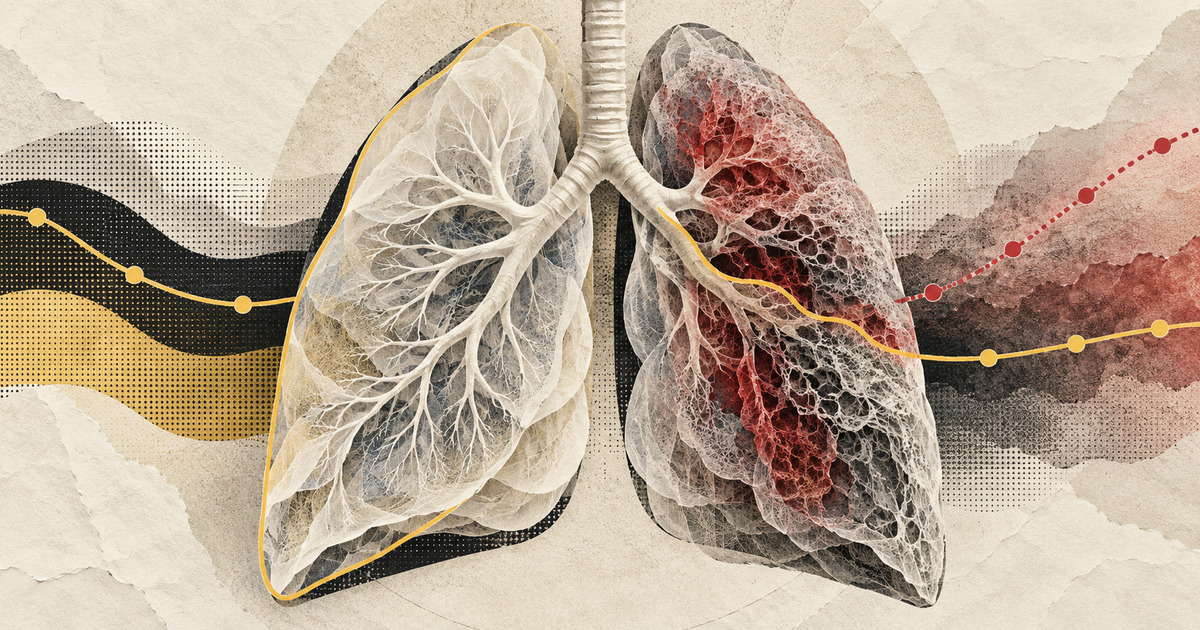
The lower dose met the trial’s main goal over 52 weeks. The higher dose did not, and the detailed results are not yet published.

WHO/Europe calls the result an early signal: the evaluation covers five months and independent peer review is pending.
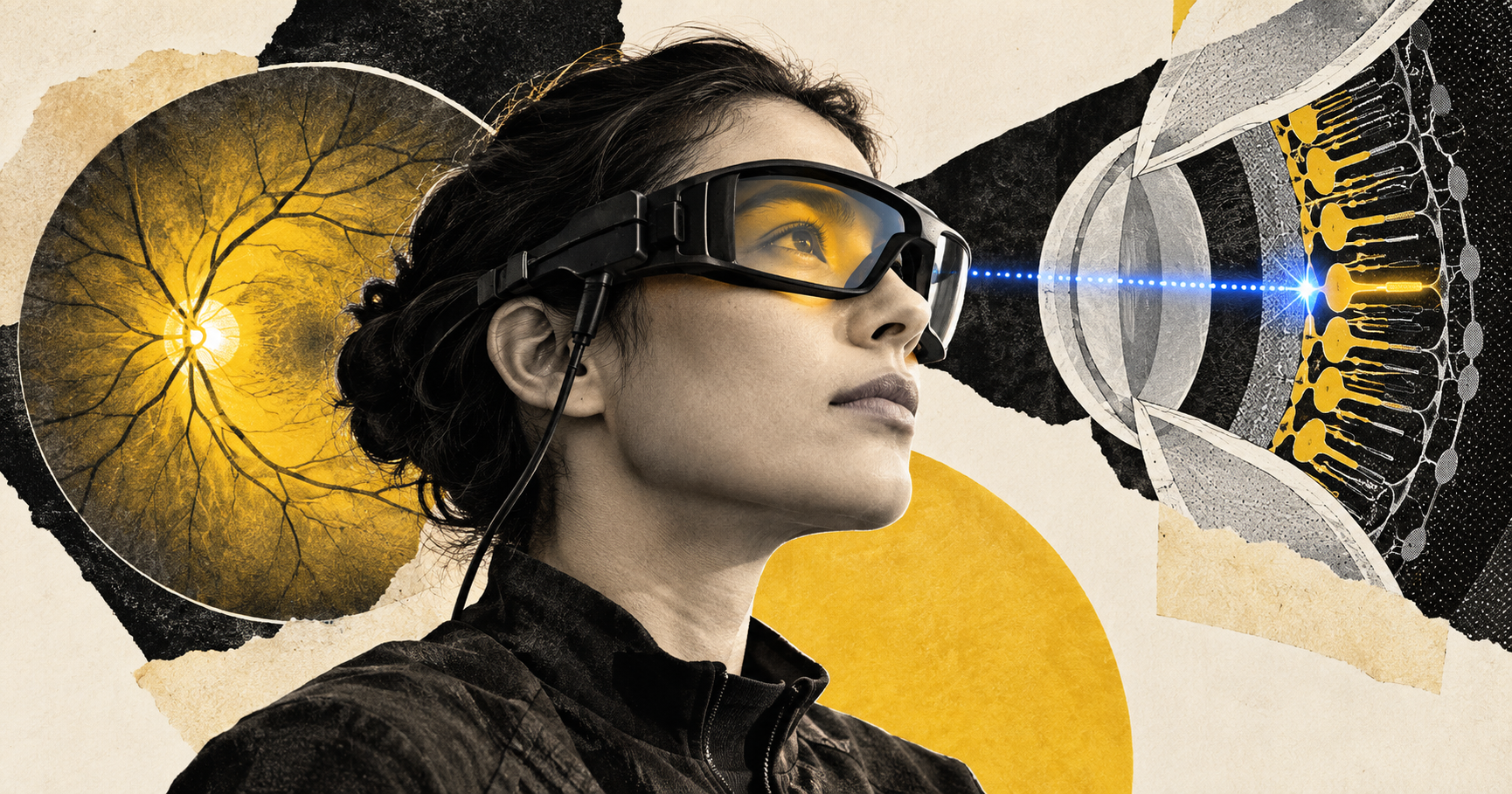
In a 10-person safety trial, an experimental optogenetic treatment produced clinically meaningful light-sensitivity gains in six participants. It did not restore normal sight.

Human lung organoids retained resident T cells, recognized SARS-CoV-2 and responded more strongly after a simulated booster.
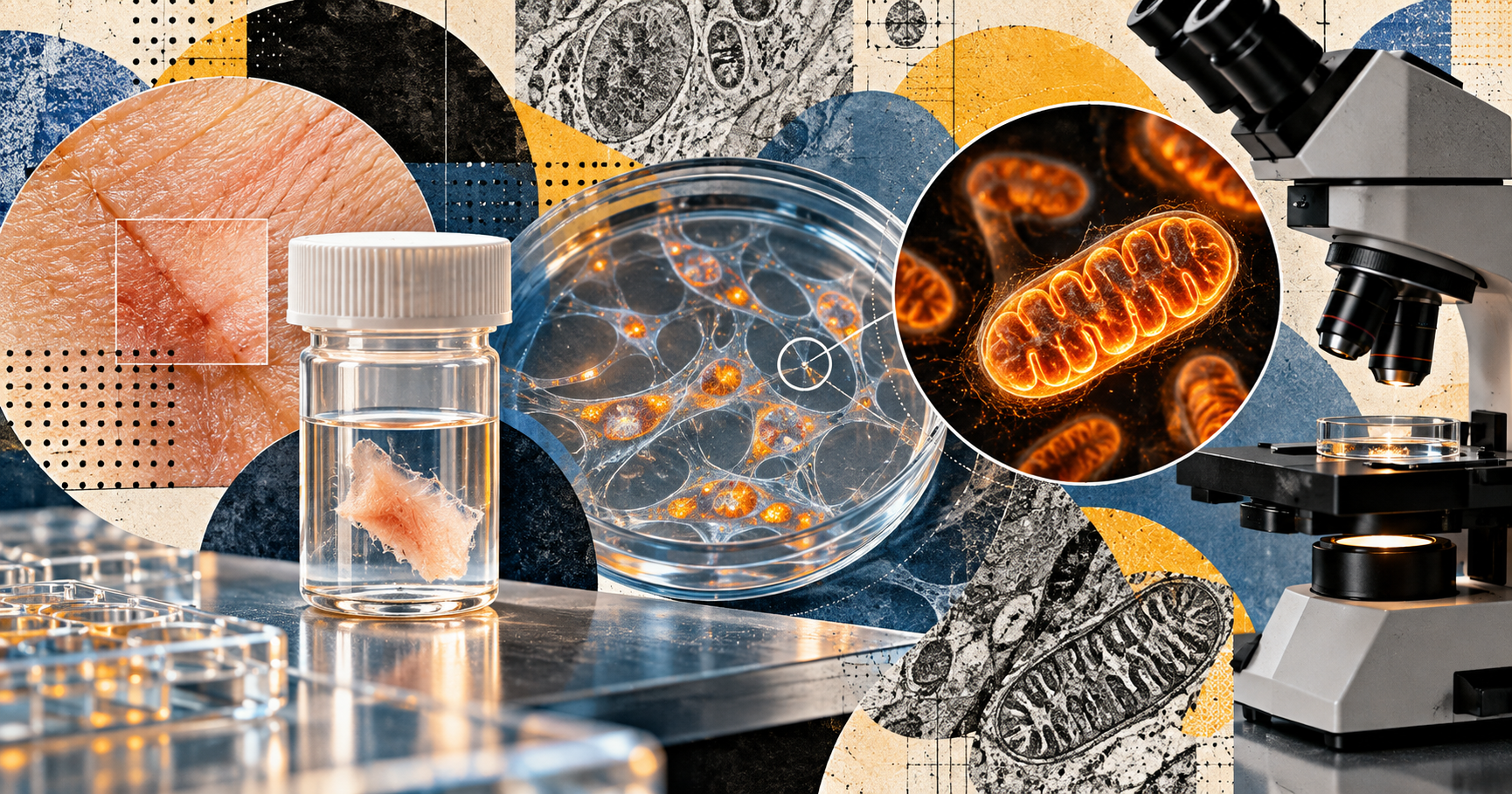
Functional testing on skin cells helped close difficult mitochondrial-disease diagnoses across samples from more than 30 medical centres.

The pollinators carried a precise biological treatment to as many as 88% of flowers.

The fabric let light, rain and air through — while keeping insect mouths out.
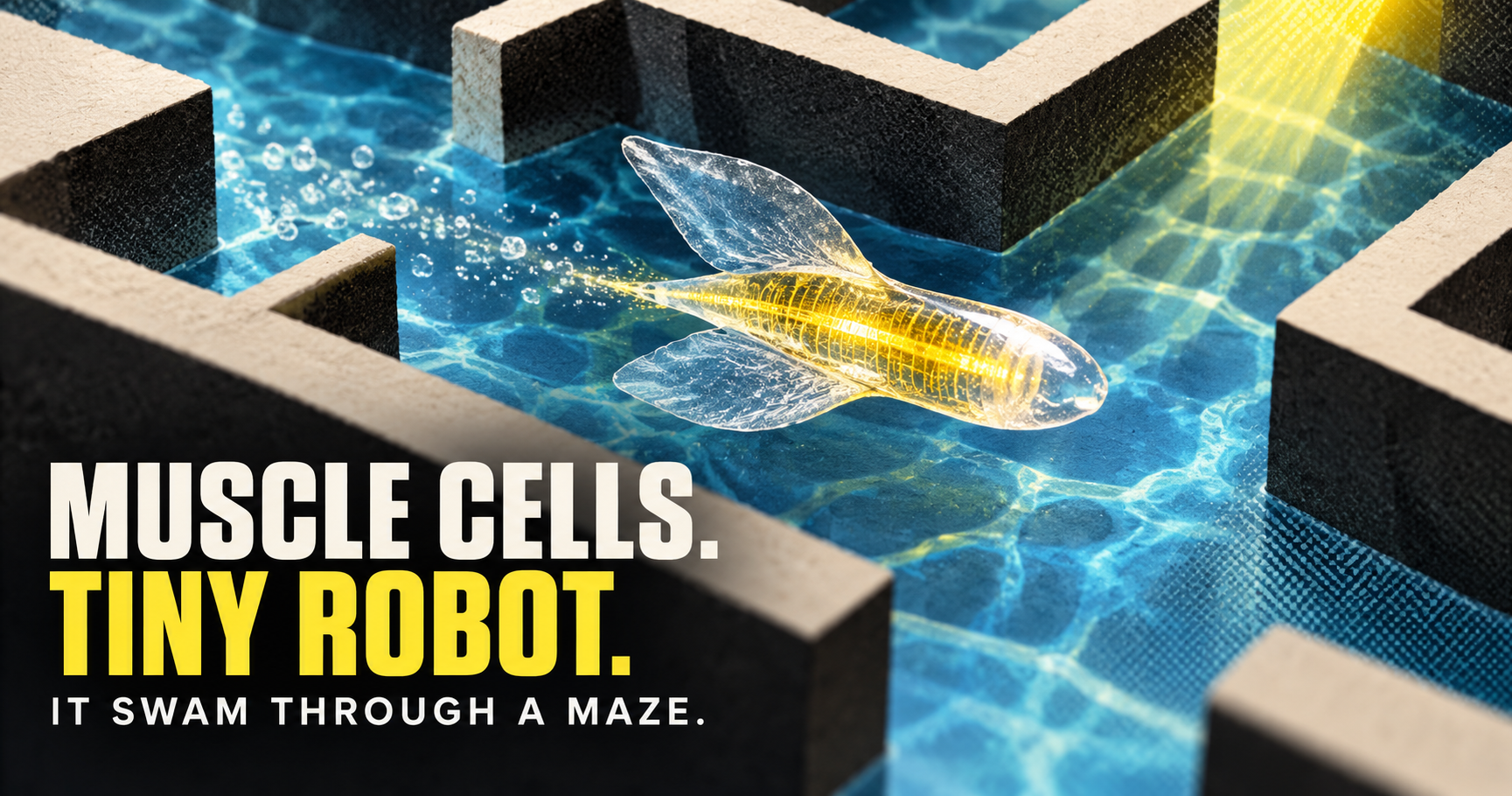
Two fins. One layer of living muscle. A light to follow.

Three remote counseling sessions and a phone tool helped young people make safer decisions in a rigorous trial.
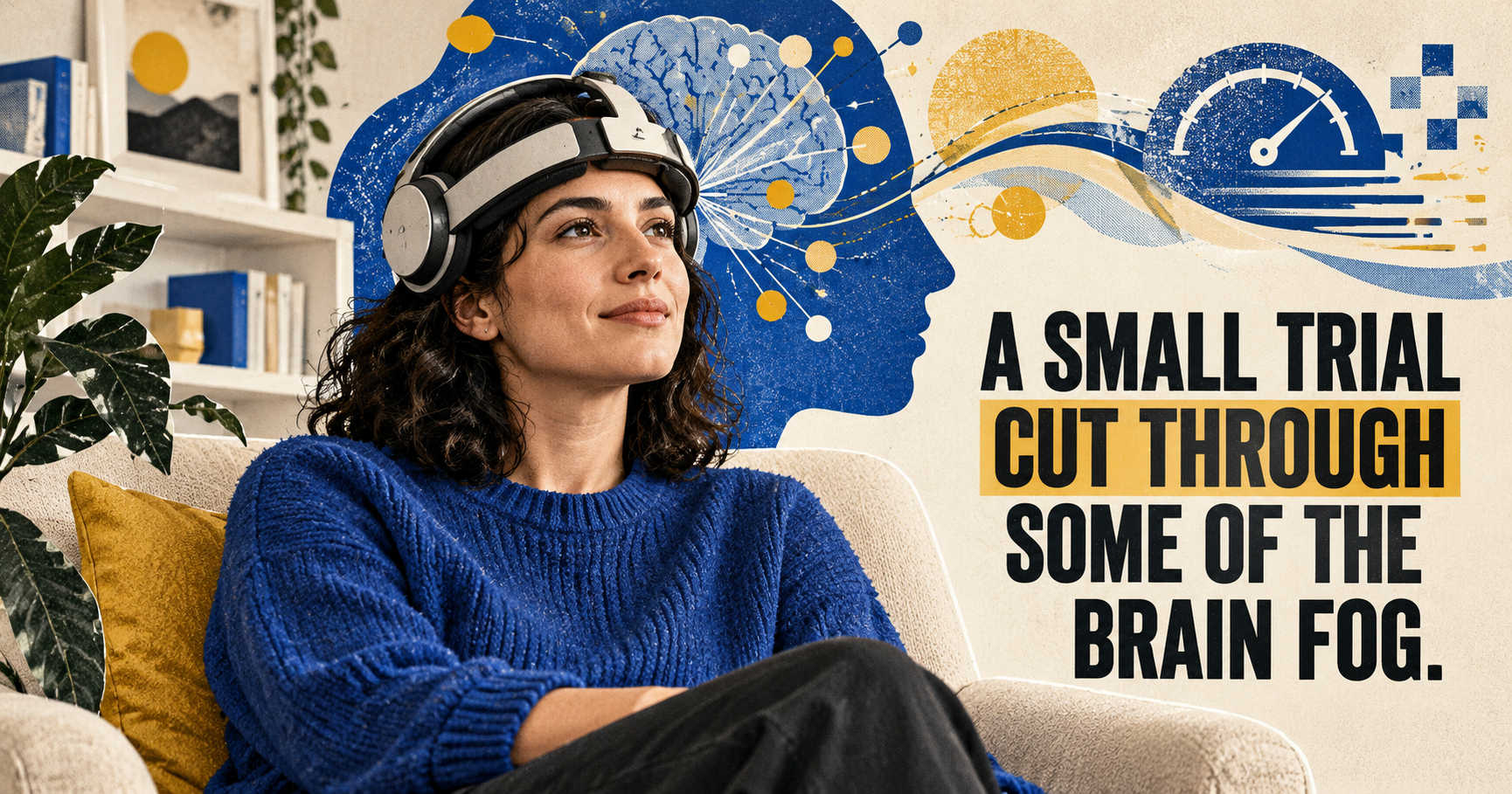
Four weeks of at-home magnetic-field sessions produced encouraging early signals for long-COVID cognitive impairment.
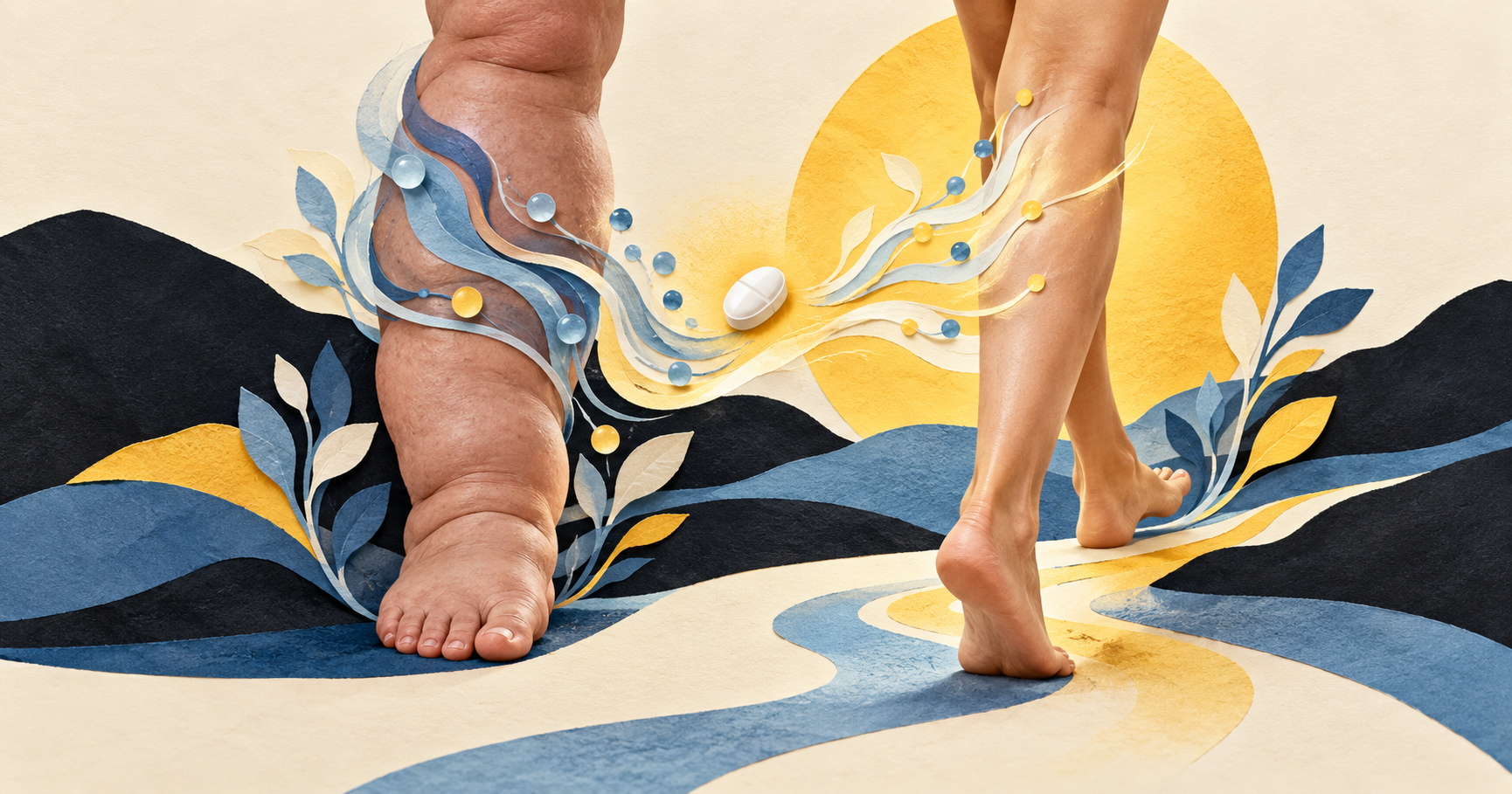
A small trial suggests the first medication for lymphedema may be getting closer.
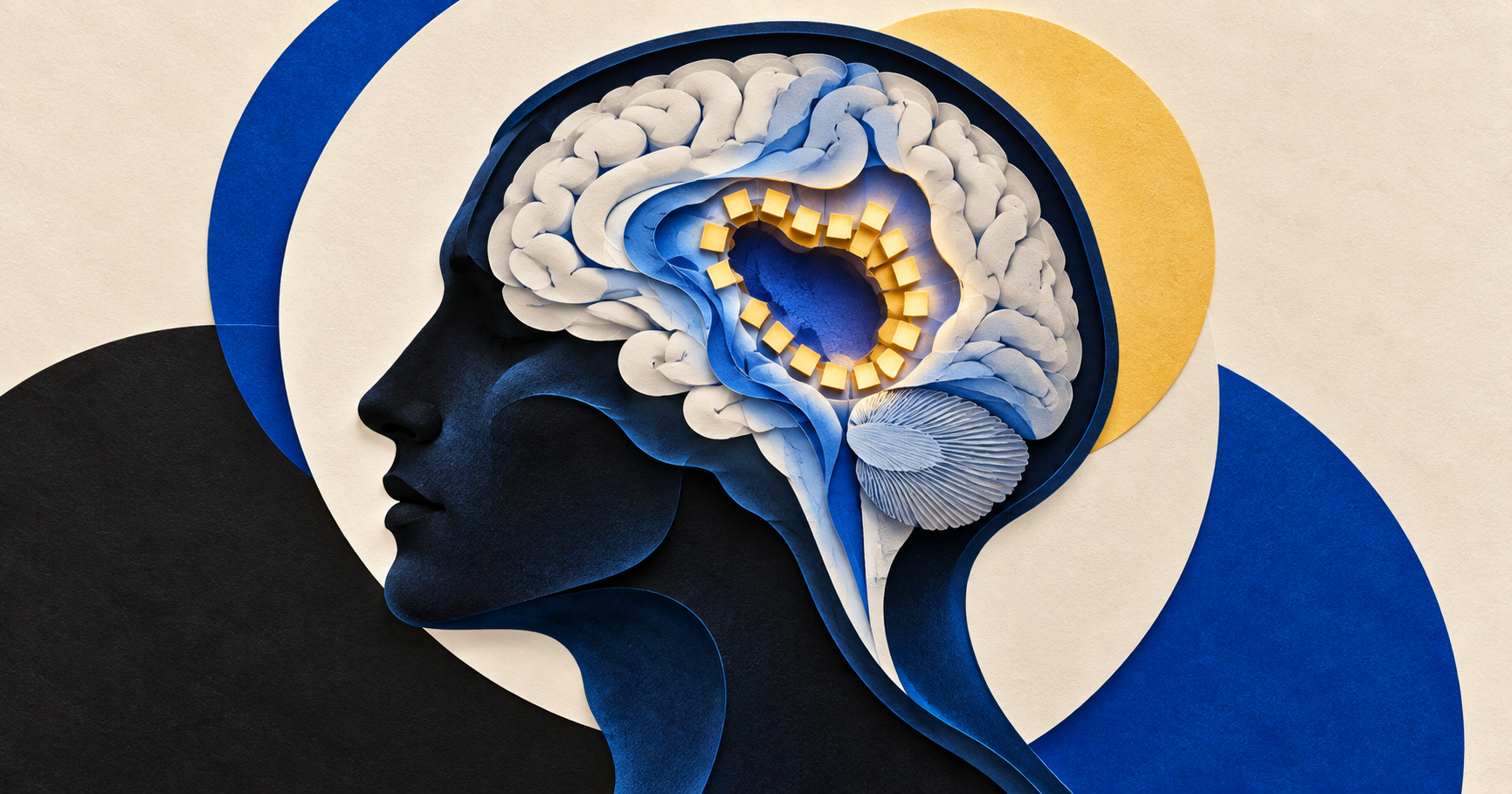
A Phase 3 trial turned the walls of a surgical cavity into the radiation treatment.
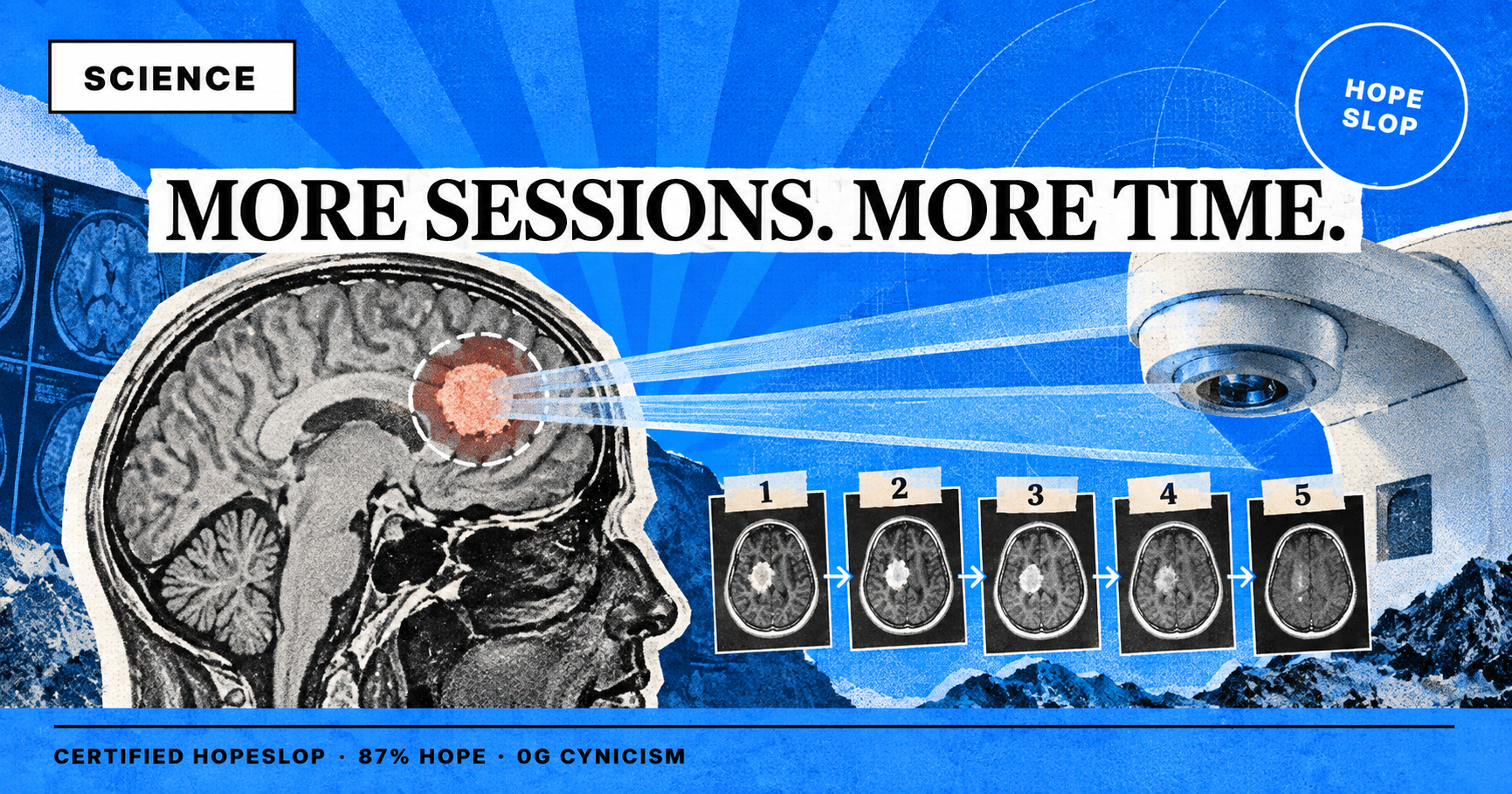
A small scheduling change produced a surprisingly large clinical difference.
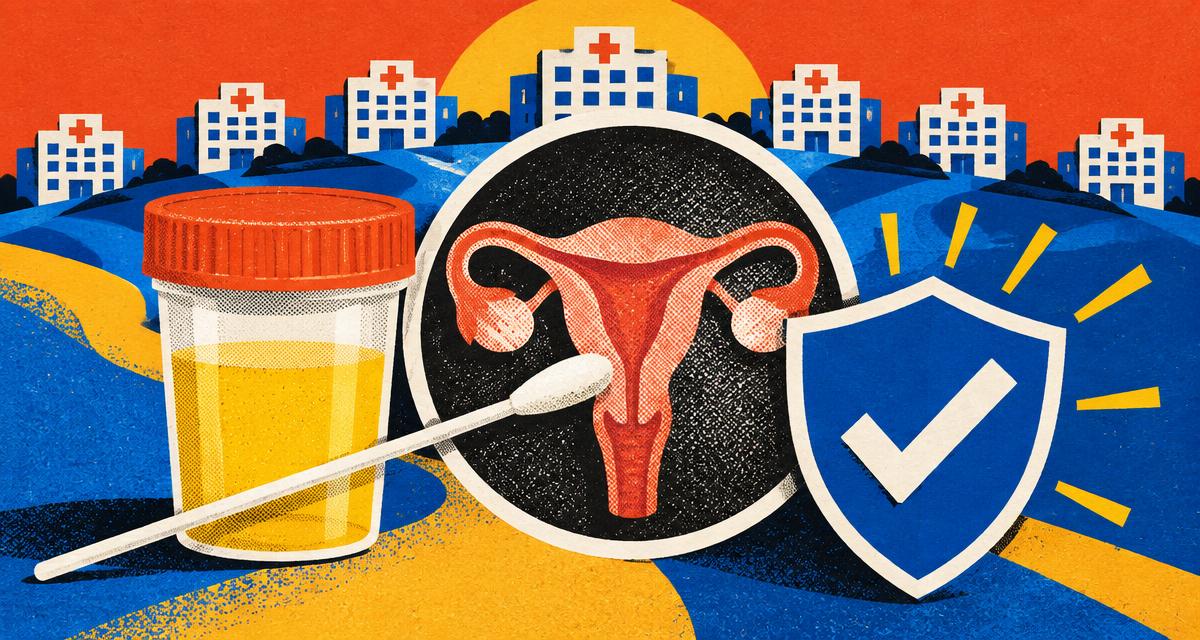
A painless test using urine and a vaginal swab showed it could accurately rule out womb cancer for most women with postmenopausal bleeding.
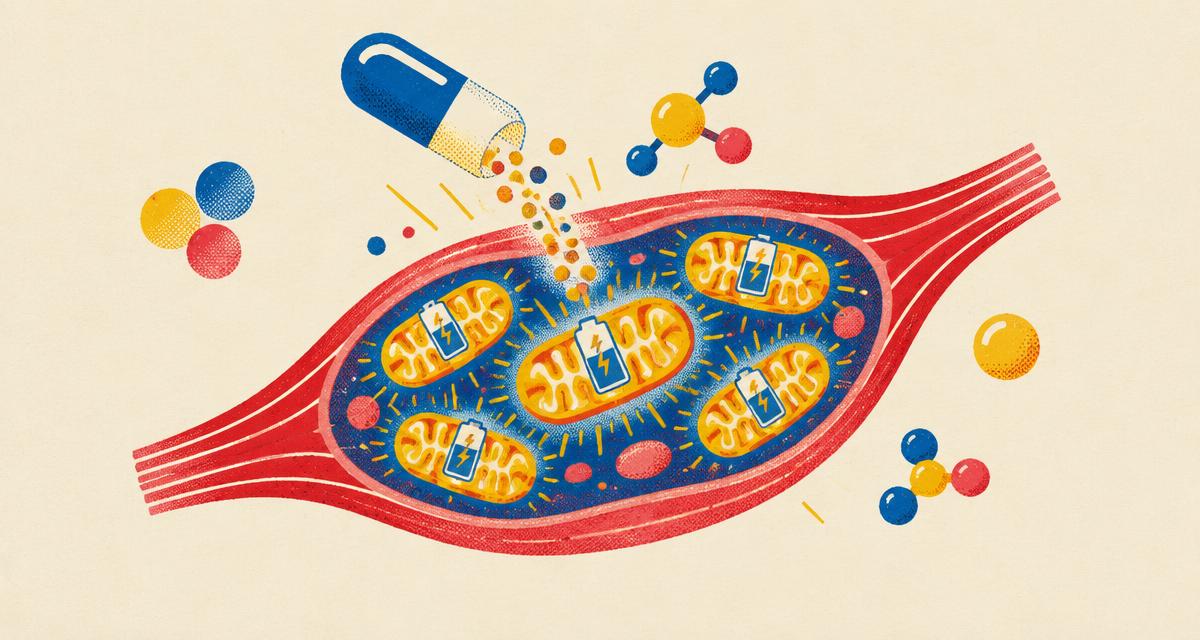
A Cambridge-led study gave nicotinamide riboside to eight people with mitochondrial DNA disease. It was well tolerated and showed early signs of working.
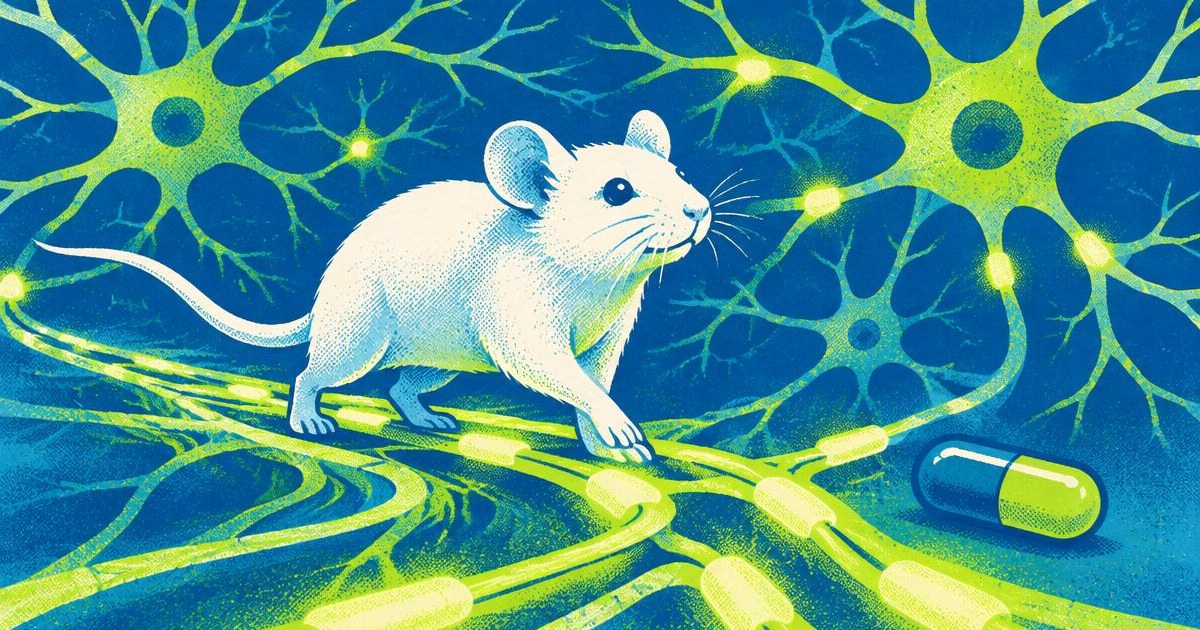
In a mouse model of multiple sclerosis, the experimental drug K-9 restored function after paralysis and vision loss had already set in. It has not been tested in people with MS.
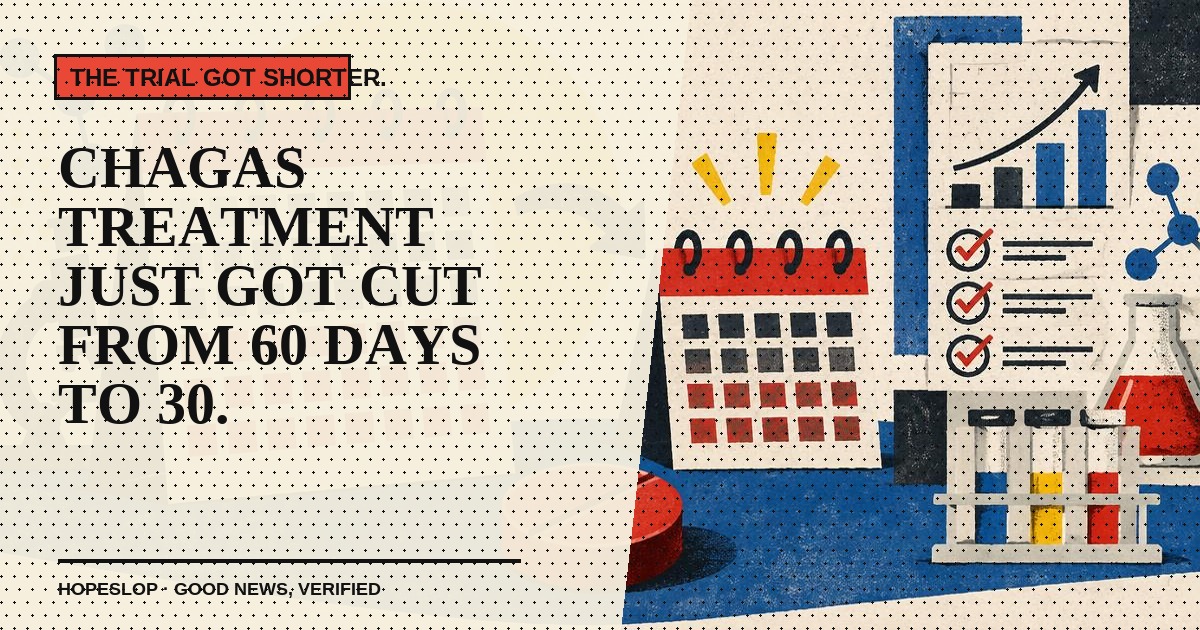
In the TESEO trial, 450 adults received different benznidazole regimens. The 30-day, once-daily option matched the standard 60-day course in the trial and caused fewer side effects.
THE SCAN CAME BACK EMPTY.
Researchers at Texas Children's, Baylor College of Medicine and Seattle Children's reported in the New England Journal of Medicine that a child with hepatoblastoma had complete regression of disease after a novel immunotherapy given as part of the CARE study.
THE HAND FELT BACK.
Seventeen years after an amputation, Alexander “Avi” Davidson became the first participant to take Utah's thought-controlled bionic arm home — with a nerve interface that gives it a sense of touch.
TWO ORIGINS. ONE BRAIN.
Stanford researchers found the forebrain/midbrain and hindbrain arise from distinct progenitor cell populations — and used that insight to grow functional human hindbrain motor neurons in the lab.
THE GENOME GOT A BIGGER TOOLBOX.
A new lab method can place gene-sized DNA at targeted sites in human cells. No patients yet.