TEXAS’ GRID HAD A BORING SUMMER.
Demand broke records. The emergency alerts did not arrive. Since 2023, Texas added 19.5 GW of solar and 16 GW of battery storage.
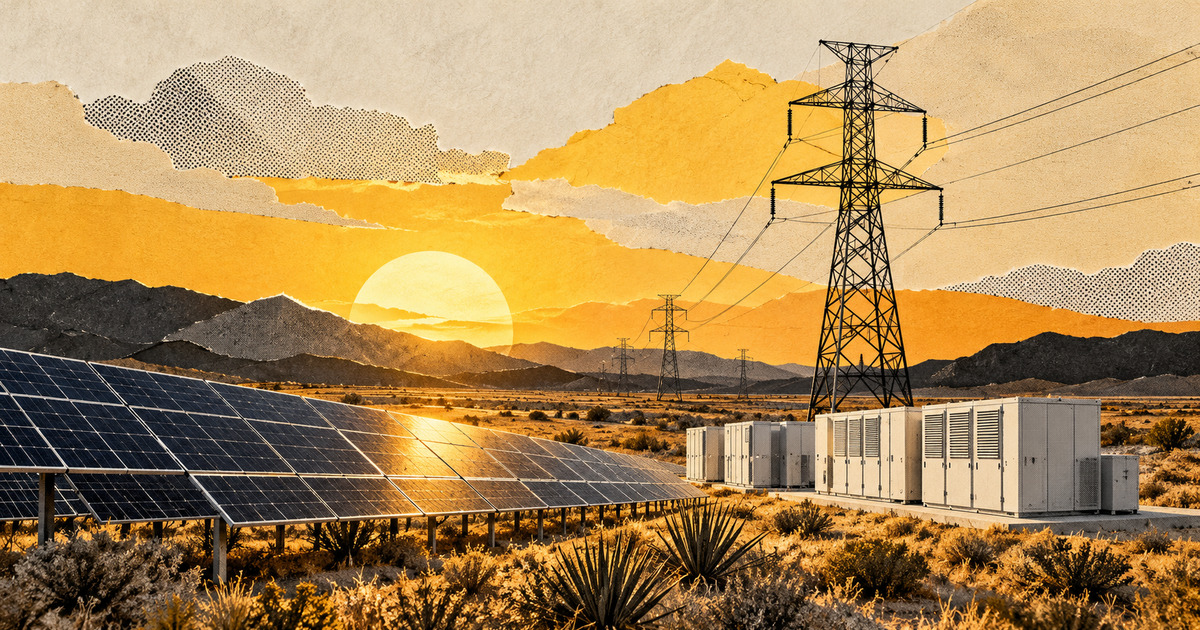
Texas pushed its grid to a record 91.1 gigawatts during a punishing summer. The system stayed in normal conditions, and the season passed without the conservation appeals that once signaled tight supply.
WHAT HAPPENED
The U.S. Energy Information Administration says ERCOT load reached 91.1 gigawatts on July 22, 2026, a new hourly record. ERCOT confirmed that the grid operated normally through the peak, and the summer ended without an emergency conservation appeal. The quiet result came while demand kept growing, including roughly 4% load growth across the first nine months of 2026.
Since 2023, Texas added about 19.5 gigawatts of solar capacity and 16 gigawatts of batteries. Solar supplied large daytime volumes; batteries helped cover the evening ramp as solar output fell. Gas, wind, transmission and operating reforms still mattered, and the grid faces much larger future demand from data centers. This is not proof that one resource solved reliability. It is evidence that a diversified buildout changed the summer’s risk.
WHY THIS IS HOPESLOP
The most useful infrastructure can look uneventful. Texas asked a bigger grid to do more work in harsher heat, and the headline was what did not happen: no emergency conservation appeal. Boring is the breakthrough.
ORIGINAL SOURCEU.S. Energy Information Administration / ERCOTRead the original report
A DAILY ALLEGATION OF PROGRESS.
One good thing from the internet, every day. Nothing else.