PROGRESS
CIVIC INFRASTRUCTURE: 1. POTHOLES: 0.
PROGRESS
New York filled its 200,000th pothole. Yes, that counts.
Two hundred thousand holes became not-holes.
SOURCENYC Department of Transportation
—
These are the stories readers most often counted as progress.
CIVIC INFRASTRUCTURE: 1. POTHOLES: 0.
Two hundred thousand holes became not-holes.
NAMED BY LOCALS FIRST.
Locals already had a name for it. Genomics gave science one.
DONE BY HAND.
Ten days, wooden dams, no machinery. Pools are already forming.
DAMS OUT. SALMON IN.
Four dams gone. 21,052 adult Chinook counted upstream across two seasons. Eighty-eight percent of their documented historic range reoccupied — early, and encouraging.
A BRIDGE JUST FOR DEER.
Washington’s I-90 Snoqualmie Pass wildlife overcrossing recorded its 10,000th successful animal crossing in July. Add 11 undercrossings and the project is nearing 40,000 recorded crossings since 2014. Apparently the elk were just waiting for civil engineering.
SPIN CYCLE, STORY TIME.
Laundromats are becoming tiny literacy hubs, with children’s books and family reading spaces turning wash-cycle downtime into reading time. Apparently the spin cycle comes with a library card now.
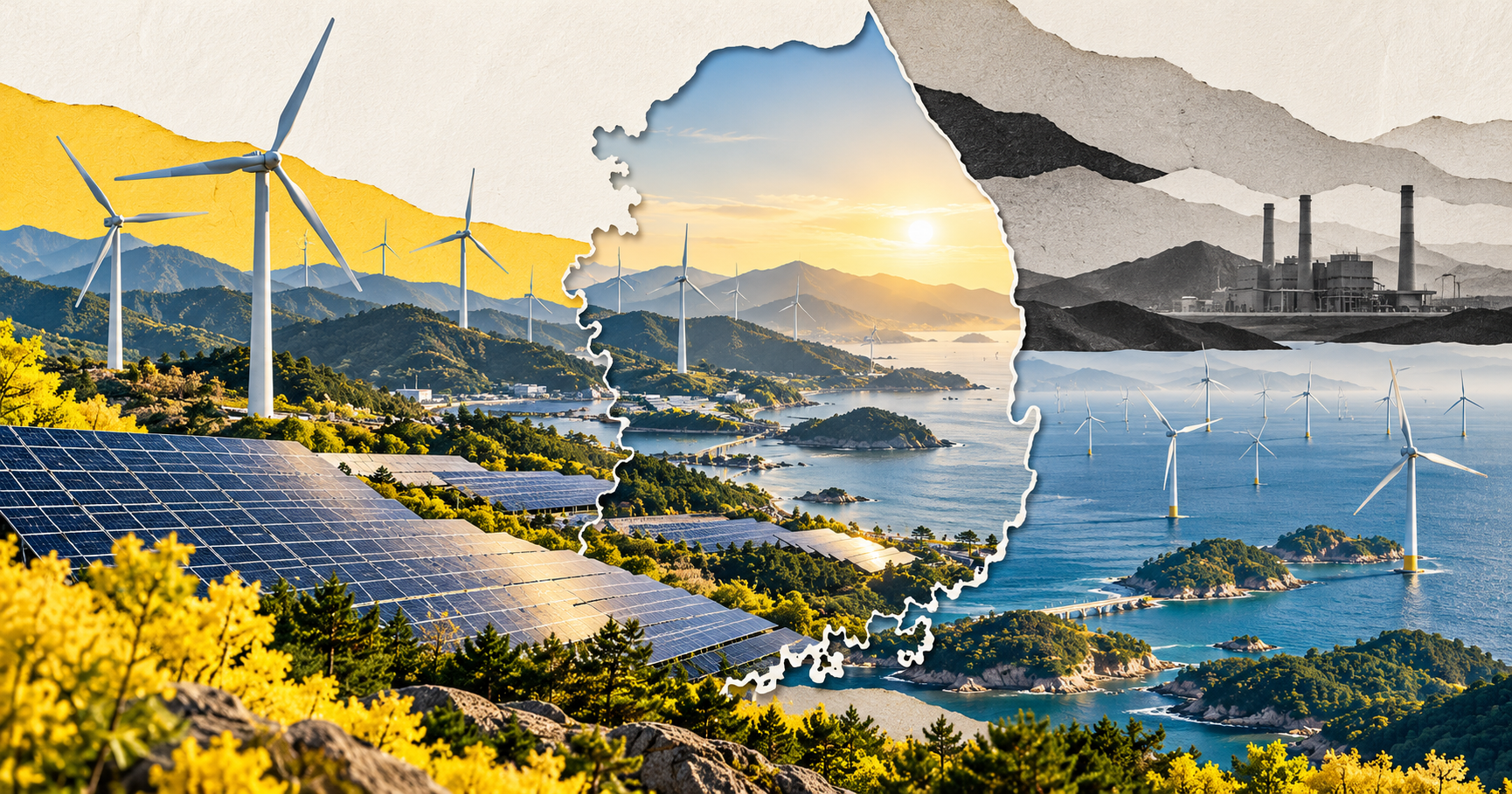
Renewables reached 41,040 MW on October 21—283 MW more than coal.
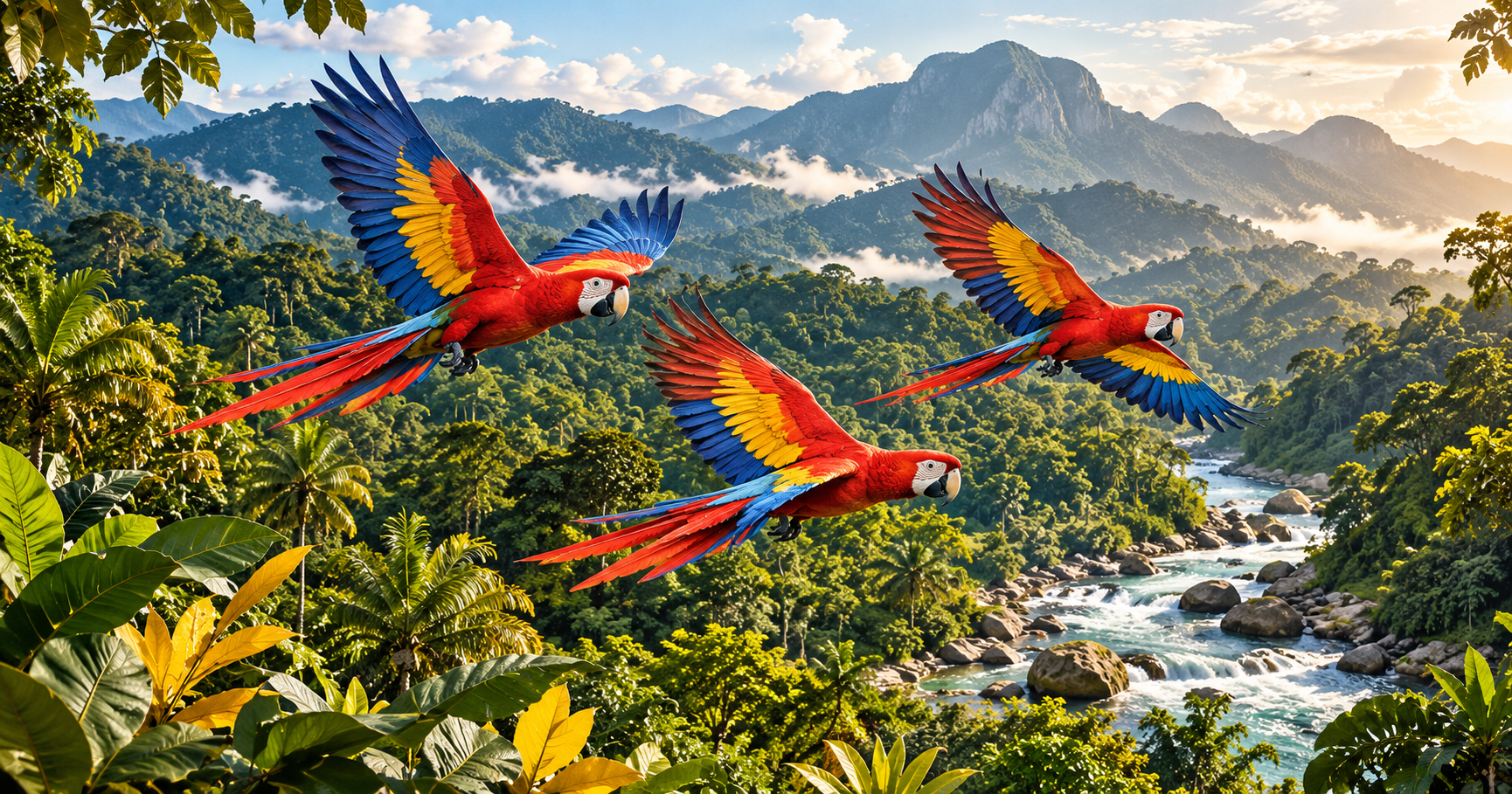
The October 26 release brought the local 2026 total to 26 in a landscape where wild macaws had been absent for decades.
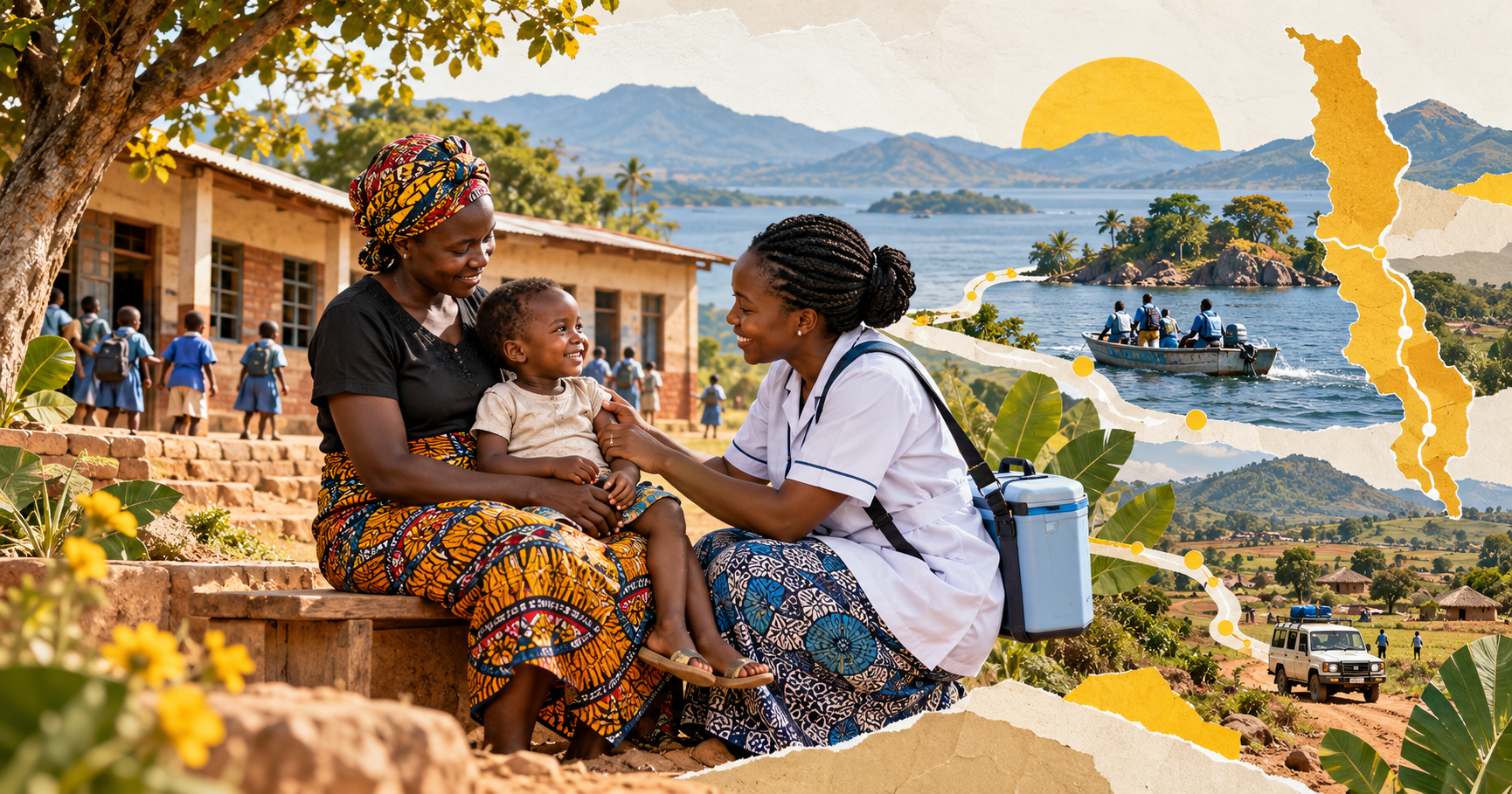
The final WHO update says the nationwide drive met its target, including remote island and river communities.
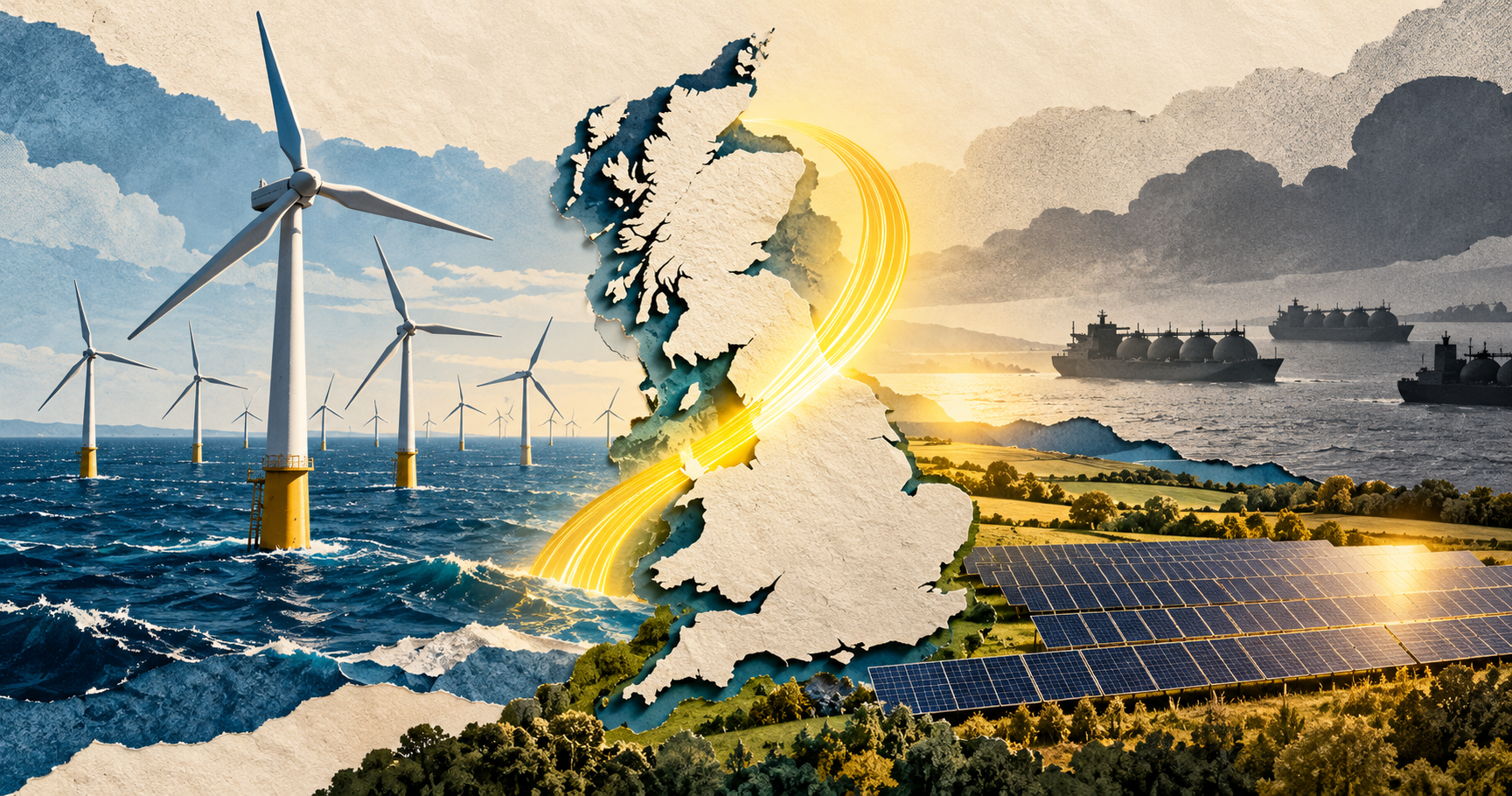
The clean-power buildout turned into an energy-security shield when global gas prices spiked.
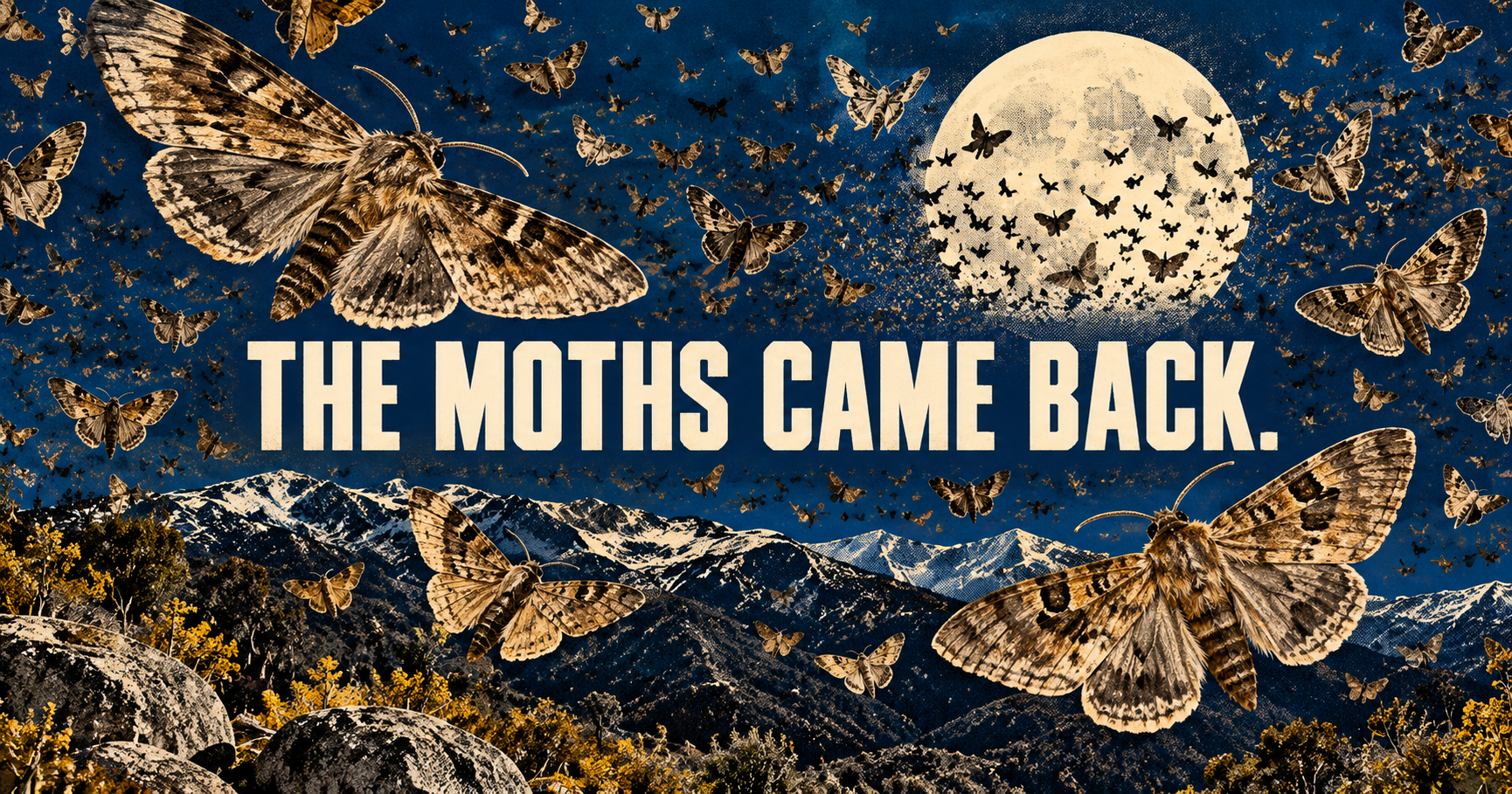
The sky is filling with a migration Australia feared it had lost.
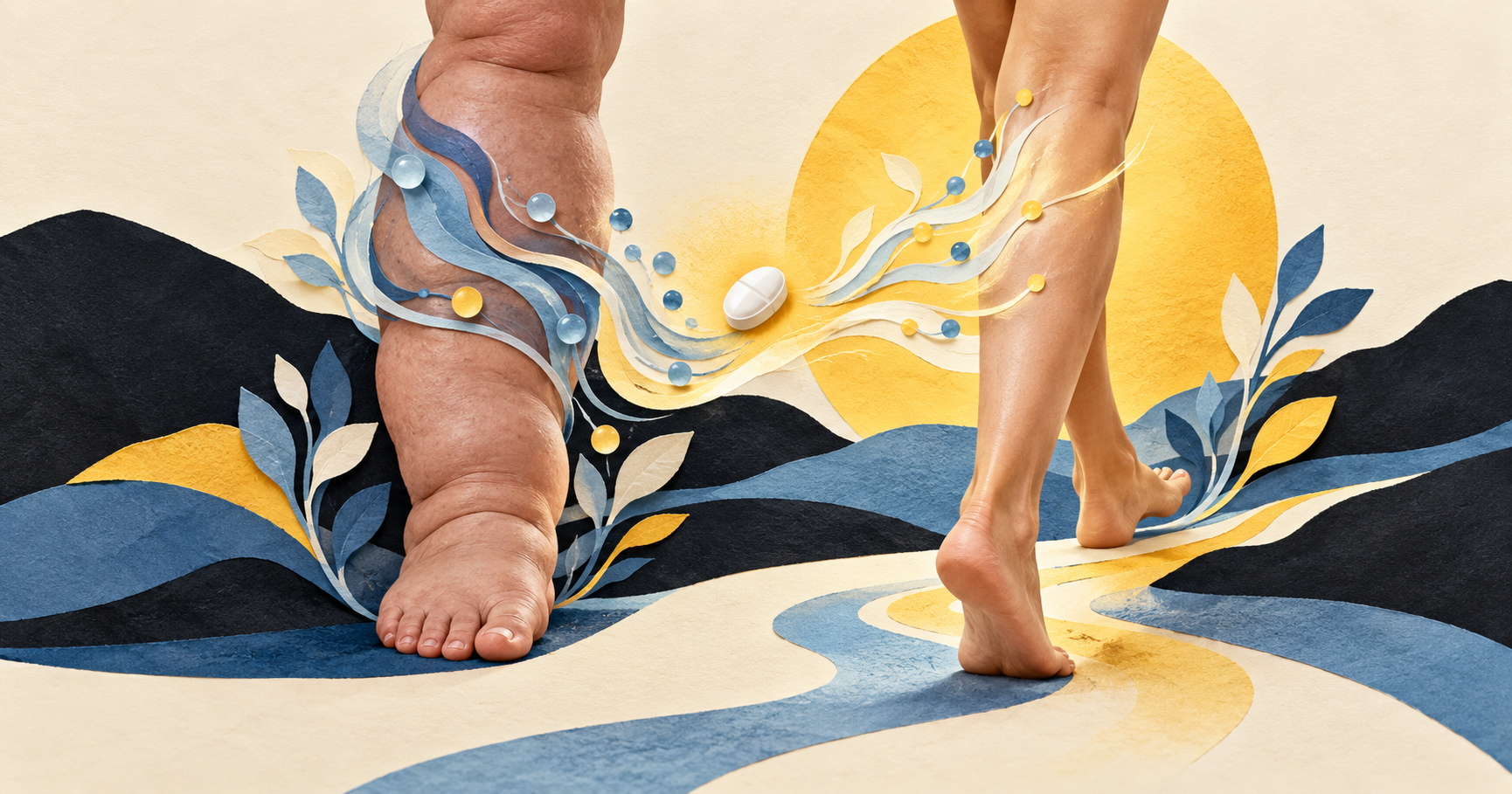
A small trial suggests the first medication for lymphedema may be getting closer.
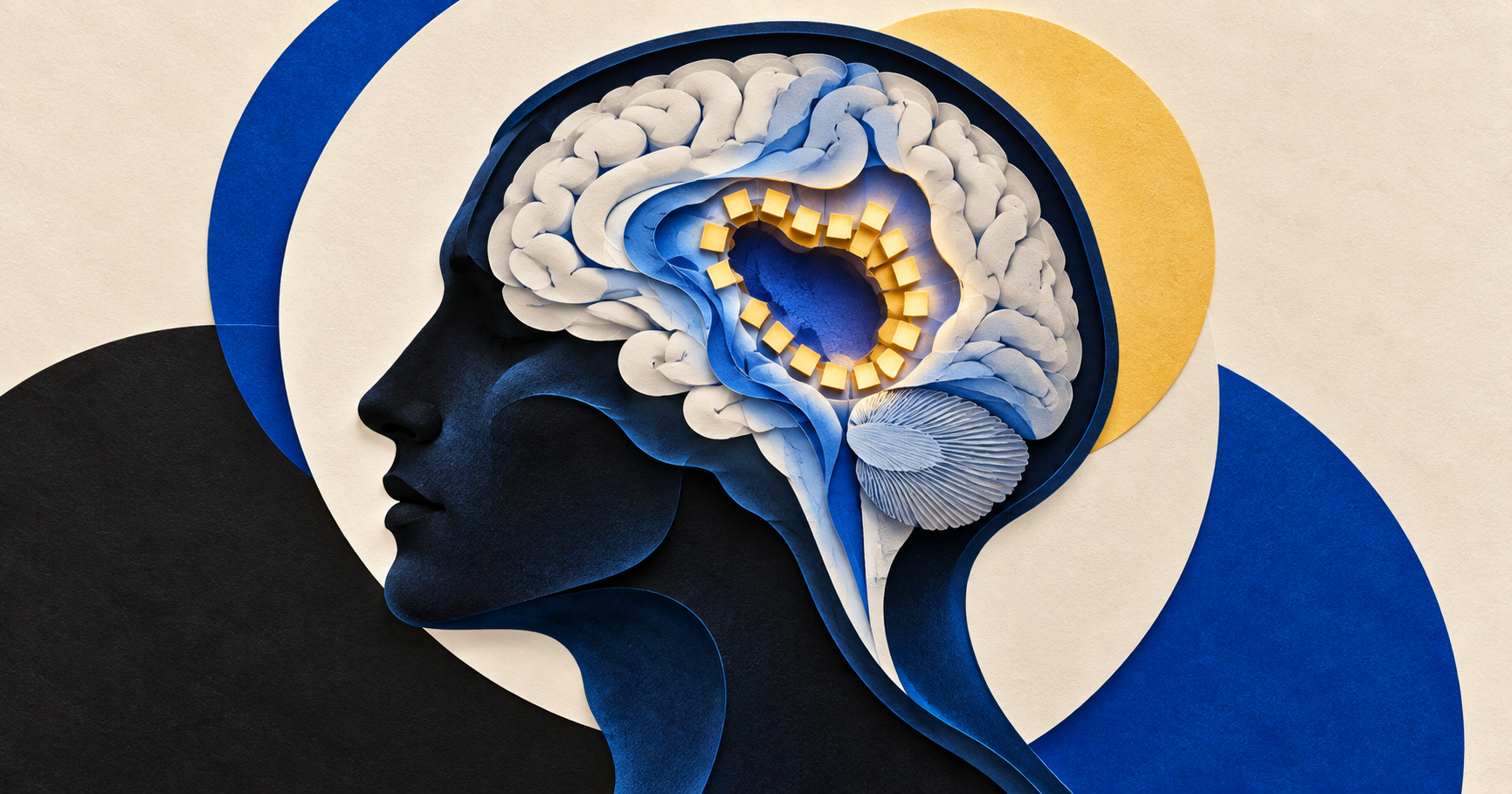
A Phase 3 trial turned the walls of a surgical cavity into the radiation treatment.
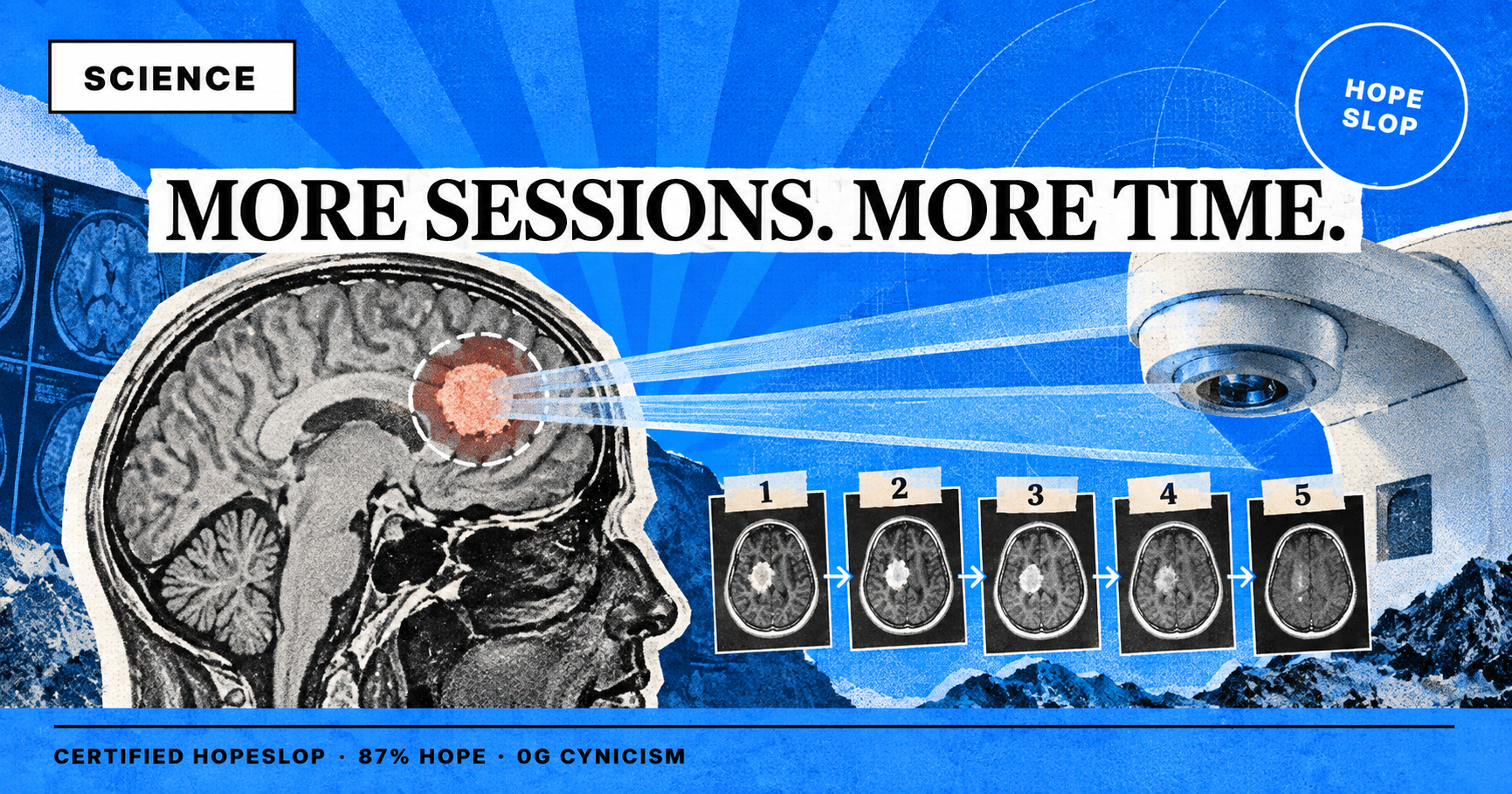
A small scheduling change produced a surprisingly large clinical difference.
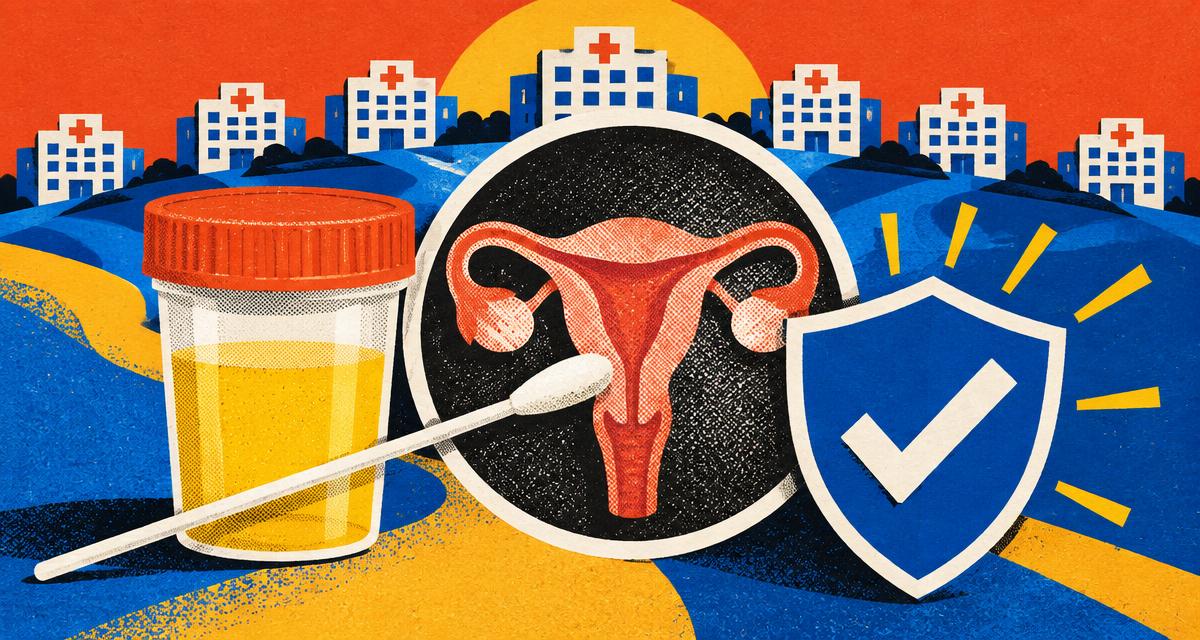
A painless test using urine and a vaginal swab showed it could accurately rule out womb cancer for most women with postmenopausal bleeding.

New York City planted its most trees in a decade and prioritized neighborhoods where extreme heat hits hardest.
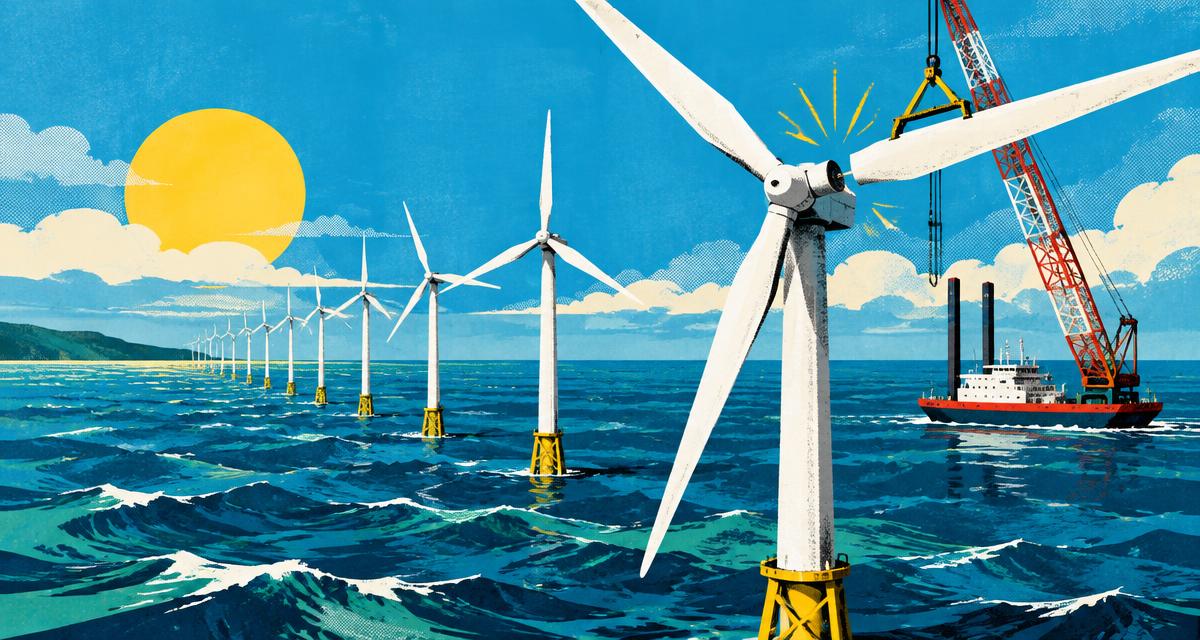
The final turbine is installed at Revolution Wind, a 704-megawatt offshore project built to serve Rhode Island and Connecticut.
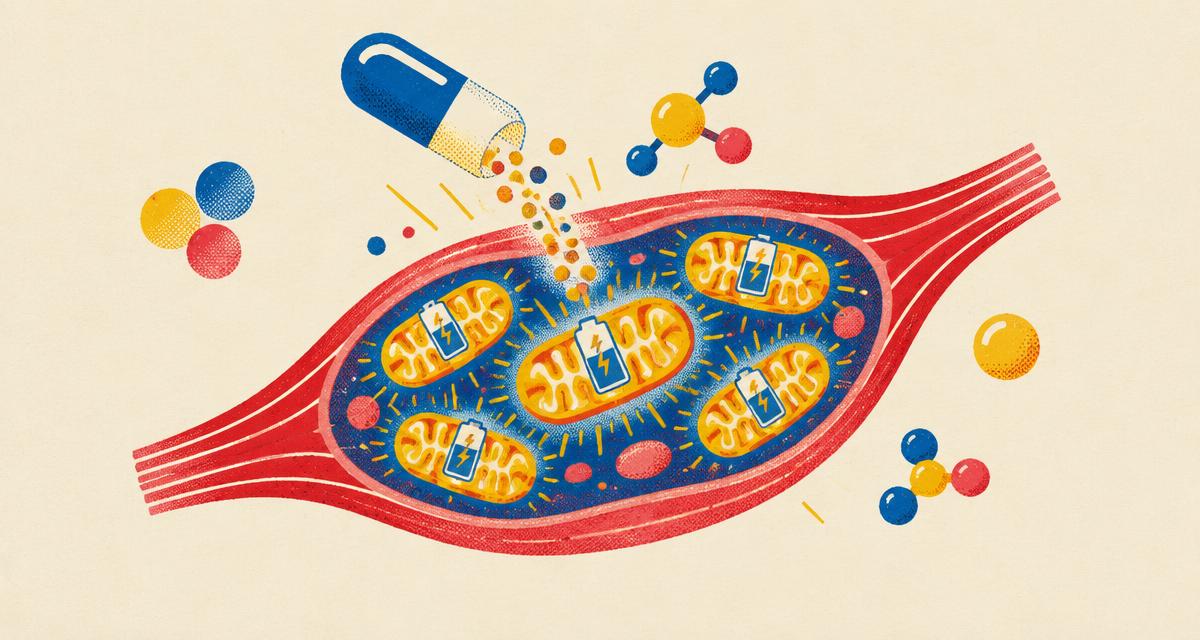
A Cambridge-led study gave nicotinamide riboside to eight people with mitochondrial DNA disease. It was well tolerated and showed early signs of working.
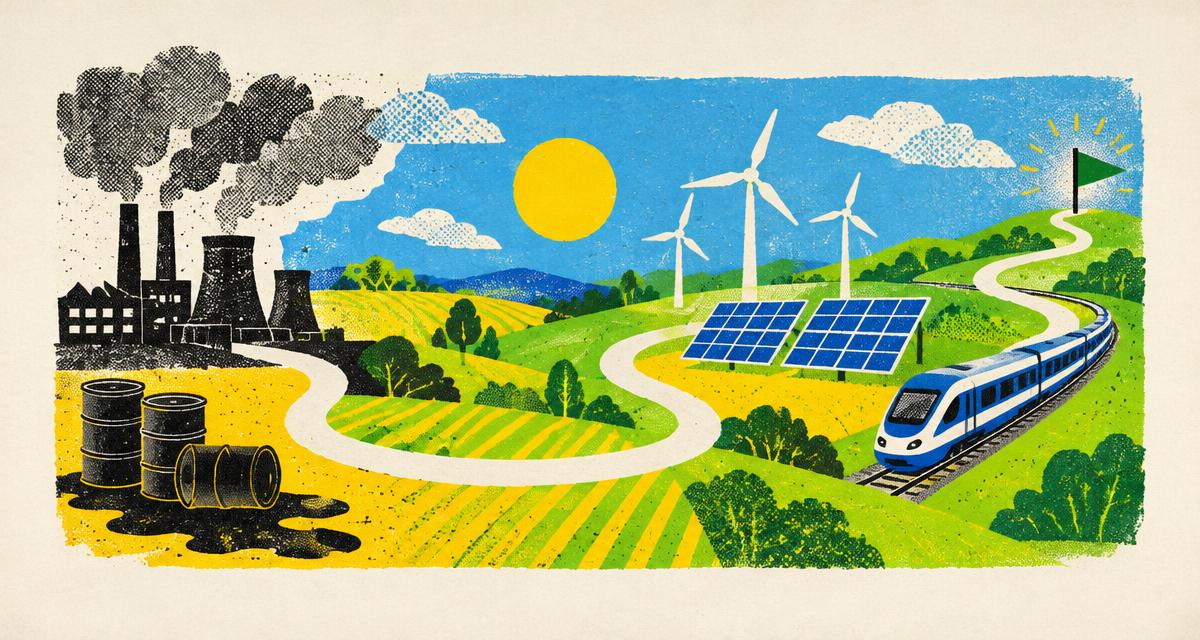
Europe's largest economy published a sector-by-sector plan to leave coal, oil and gas behind, only the third country to do so.
THE MEADOW GREW BACK.
Ten traditional chain moorings were replaced with eco-moorings that move with the tide instead of scraping circles through the seabed. Five years later, the damaged patches had shrunk by an average 93.6%.
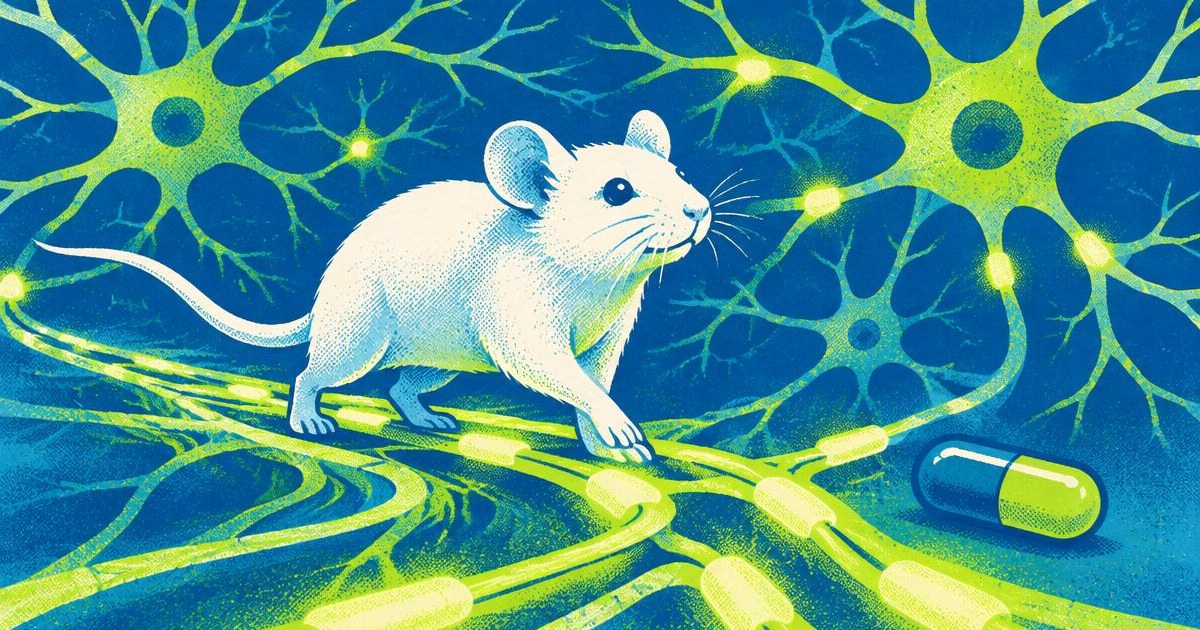
In a mouse model of multiple sclerosis, the experimental drug K-9 restored function after paralysis and vision loss had already set in. It has not been tested in people with MS.

Book Bunk and Nairobi City County restored Eastlands and Kaloleni public libraries as free civic hubs. Book Bunk reports patronage up more than 240%.
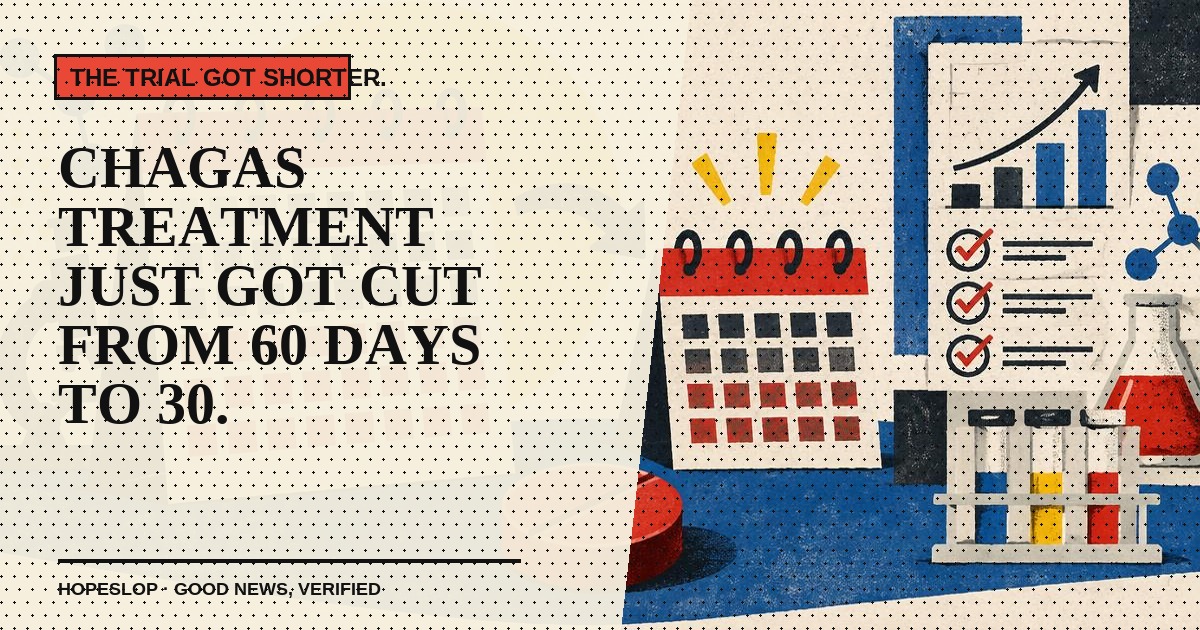
In the TESEO trial, 450 adults received different benznidazole regimens. The 30-day, once-daily option matched the standard 60-day course in the trial and caused fewer side effects.
SHE PICKED CALIFORNIA.
Lifeguards were called to an injured turtle near Seal Beach on 16 September. She was not injured. She was digging a nest — and three days later it happened again near the Huntington Beach Pier. NOAA Fisheries says it is the first recorded natural nesting of any sea turtle species on the U.S. West Coast. Both nests are now fenced, signed and monitored.