
HOPESLOP.
Hopeslop of the DayAll the Slop
What Is Hopeslop?Get Daily SlopAbout
THE PERMANENT RECORD

ALL THE SLOP

Every serving. No expiration date. Page 3 of 4.

ALLHUMANSSCIENCE ×ANIMALSNATURE ×PROGRESSWEIRD JOYCLEAR FILTERS
SORTNEWESTMOST COUNTEDMOST COUNTED AS PROGRESS →
NATURE

Conservation’s best outliers share three things.

Local knowledge. Shared decisions. Management that learns.
SOURCEUniversity of Sydney / Nature Ecology & Evolution
—
SCIENCE

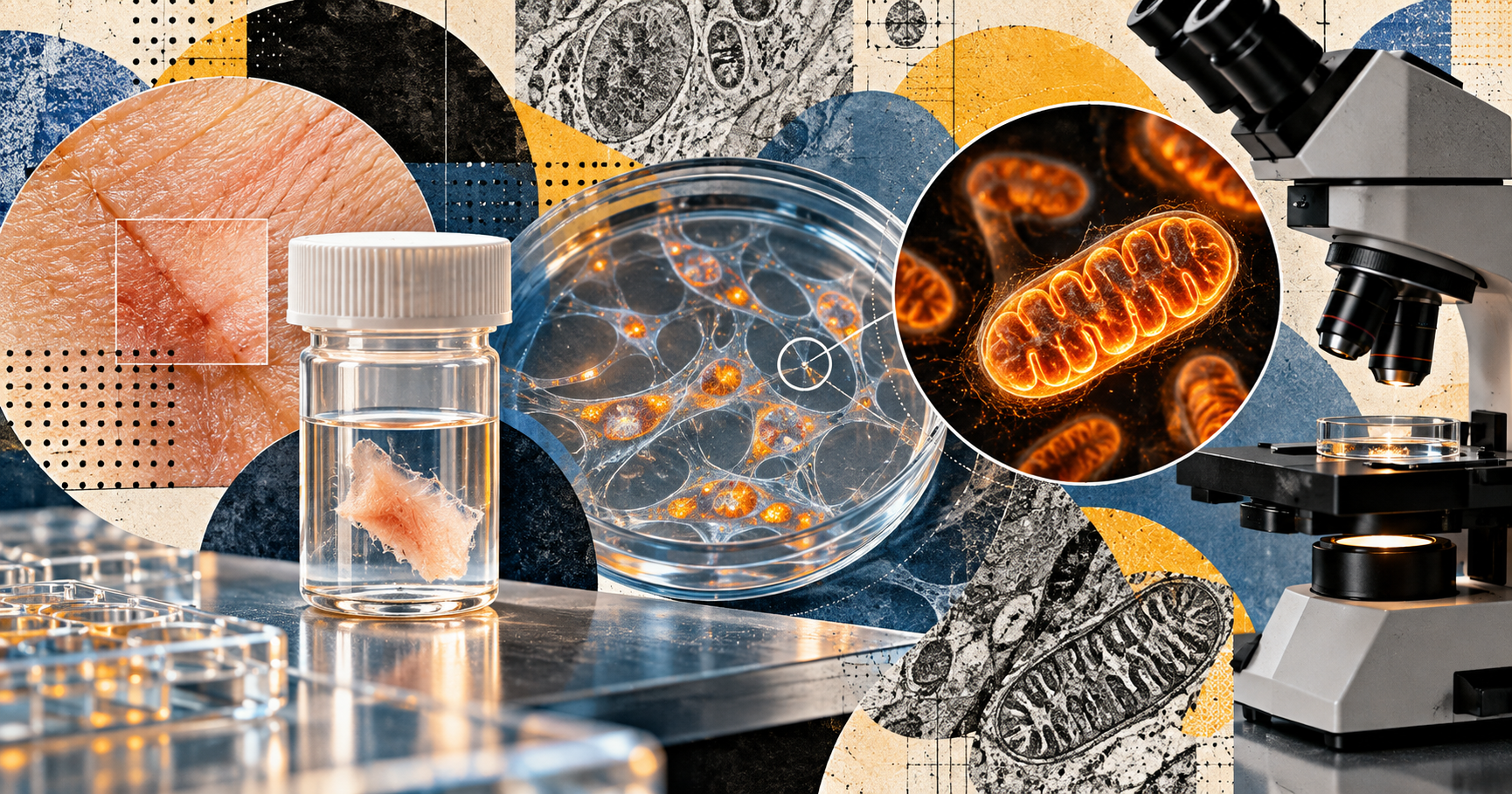
A small skin biopsy could spare patients a more invasive test.

Functional testing on skin cells helped close difficult mitochondrial-disease diagnoses across samples from more than 30 medical centres.
SOURCEChildren’s Hospital Colorado / EMBO Molecular Medicine
—
SCIENCE

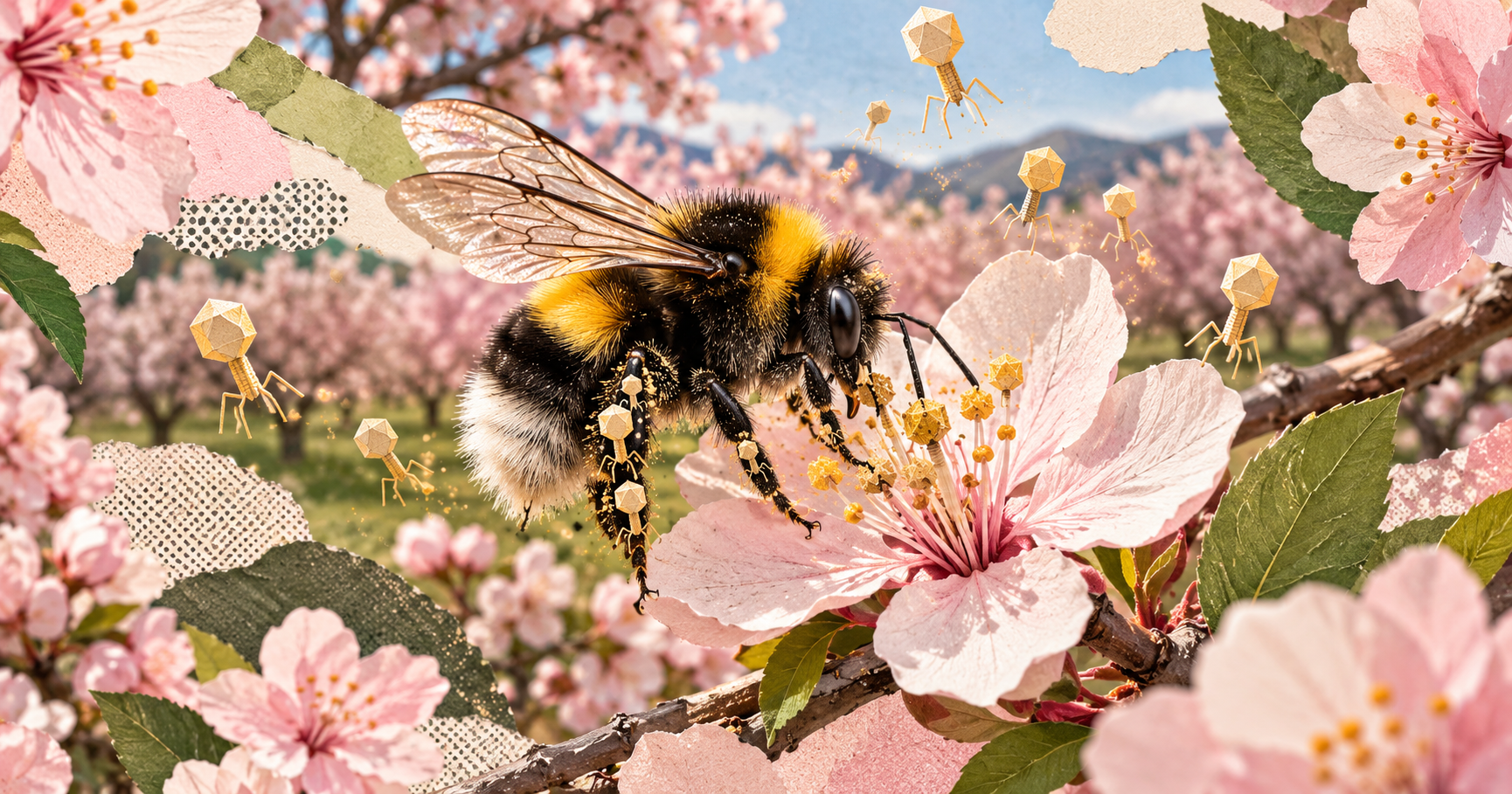
Bumblebees delivered bacteria-killing viruses to cherry blossoms.

The pollinators carried a precise biological treatment to as many as 88% of flowers.
SOURCEUniversity of Warwick / Biological Control
—
NATURE

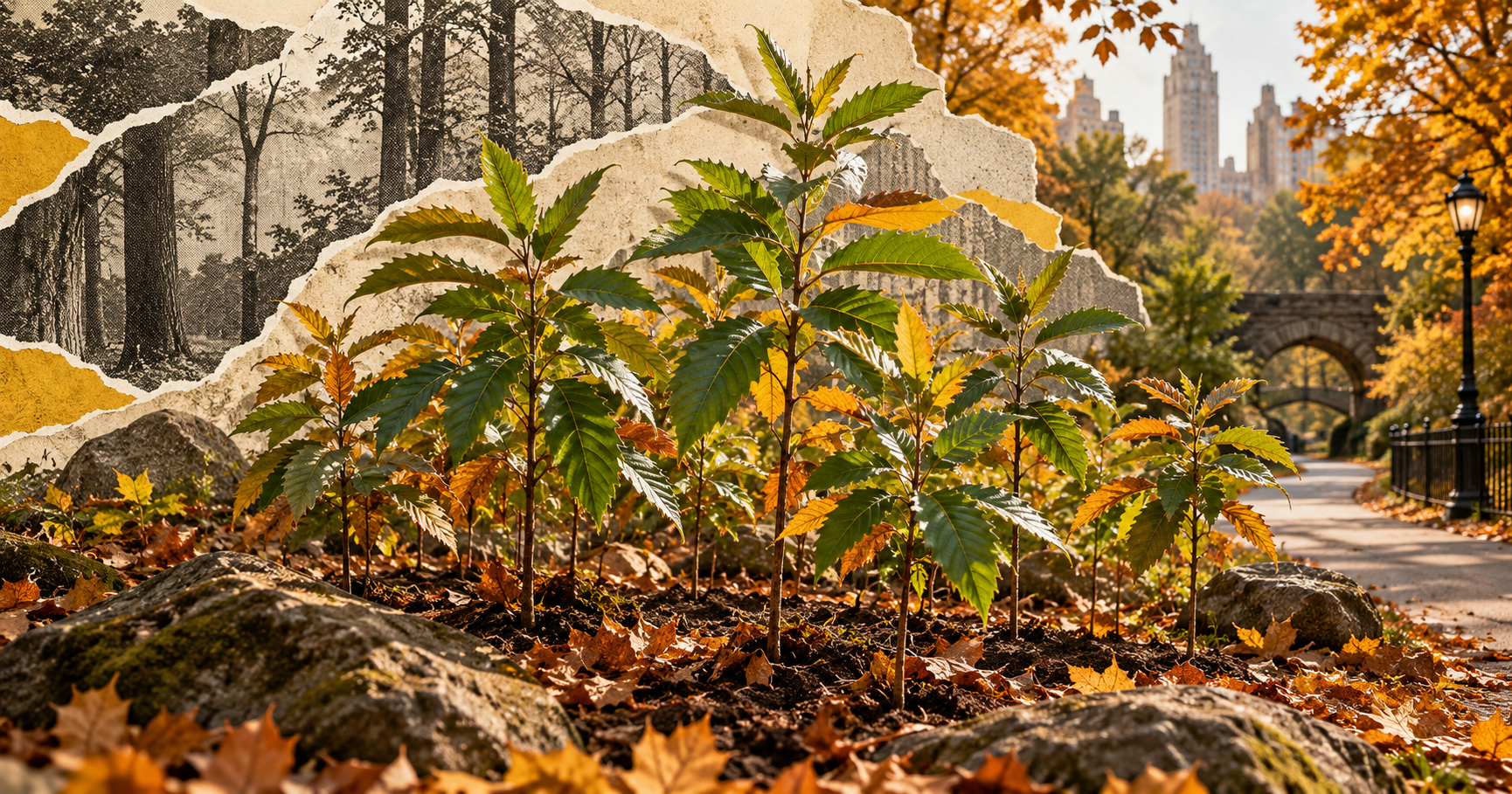
Twenty american chestnuts returned to the Bronx Zoo.

The blight was first documented here. Now a restoration network is taking root.

SOURCEWildlife Conservation Society / New York Restoration Project
—
NATURE

Norway created its largest marine protected area.

Andfjorden now protects 1,848.5 square kilometres.
SOURCENorwegian Ministry of Climate and Environment
—
SCIENCE

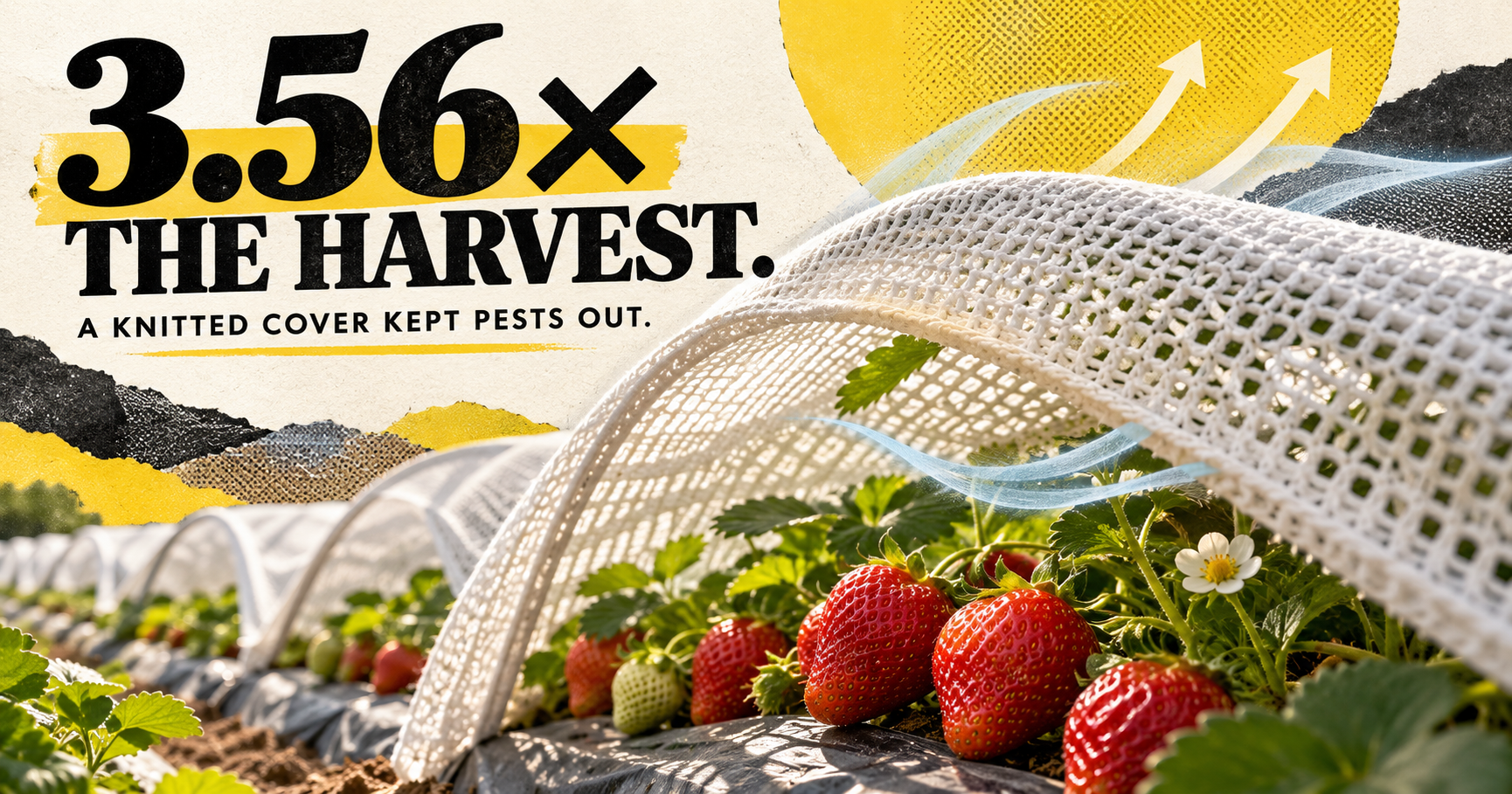
A knitted crop cover produced 3.56× the harvestable strawberries.

The fabric let light, rain and air through — while keeping insect mouths out.

SOURCENC State News
—
SCIENCE

A paper-thin robot swam through a maze on muscle cells.

Two fins. One layer of living muscle. A light to follow.
SOURCEMIT News
—
NATURE

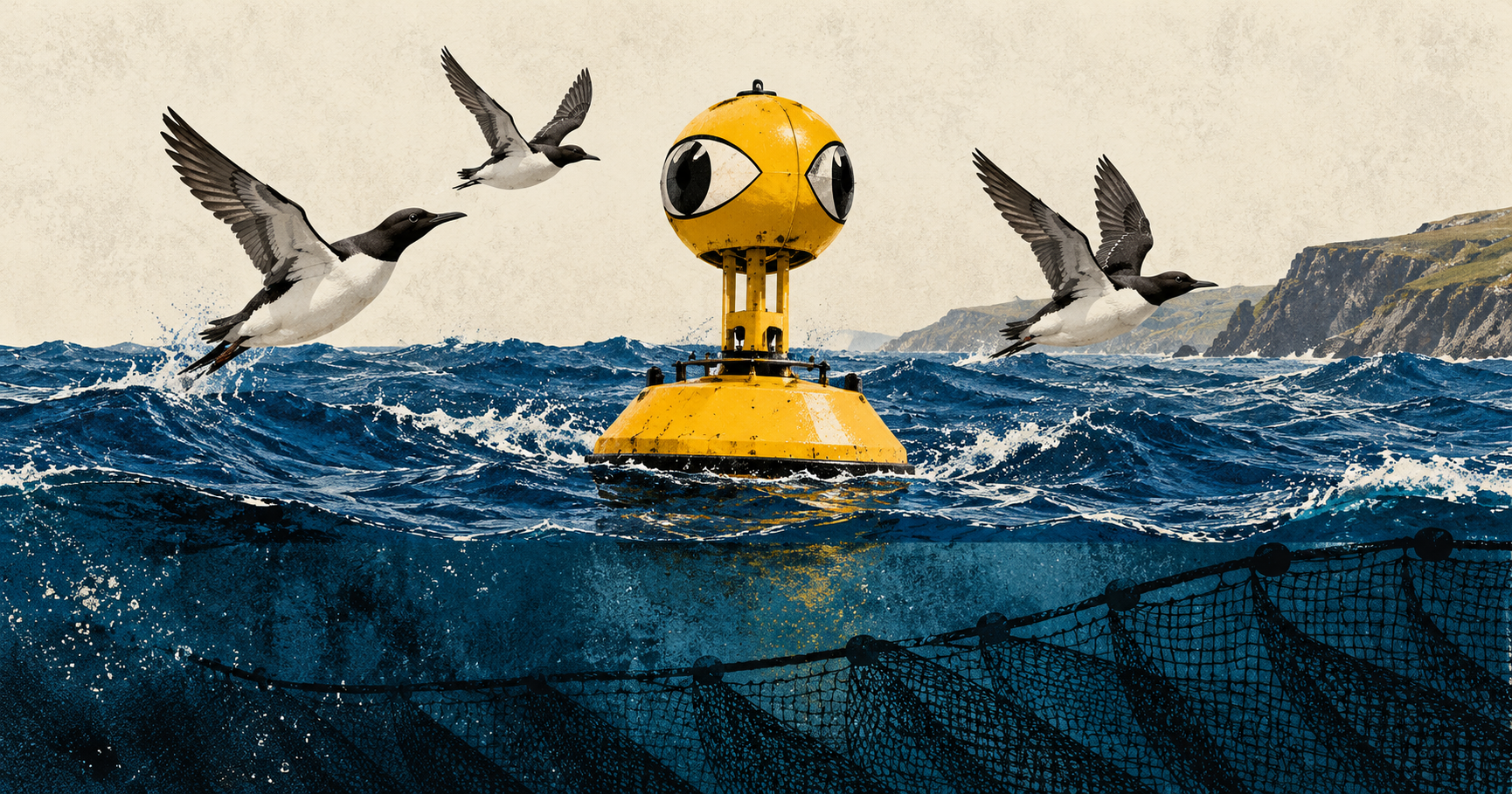
They put eyes on a buoy. Seabird bycatch risk fell 59%.

A pair of spinning eyes and a kite gave threatened seabirds a practical way around a deadly net.

SOURCEUniversity of Exeter
—
SCIENCE

A phone-and-telehealth program cut risky firearm behaviors 57%.

Three remote counseling sessions and a phone tool helped young people make safer decisions in a rigorous trial.
SOURCEUniversity of Michigan Institute for Healthcare Policy and Innovation
—
NATURE

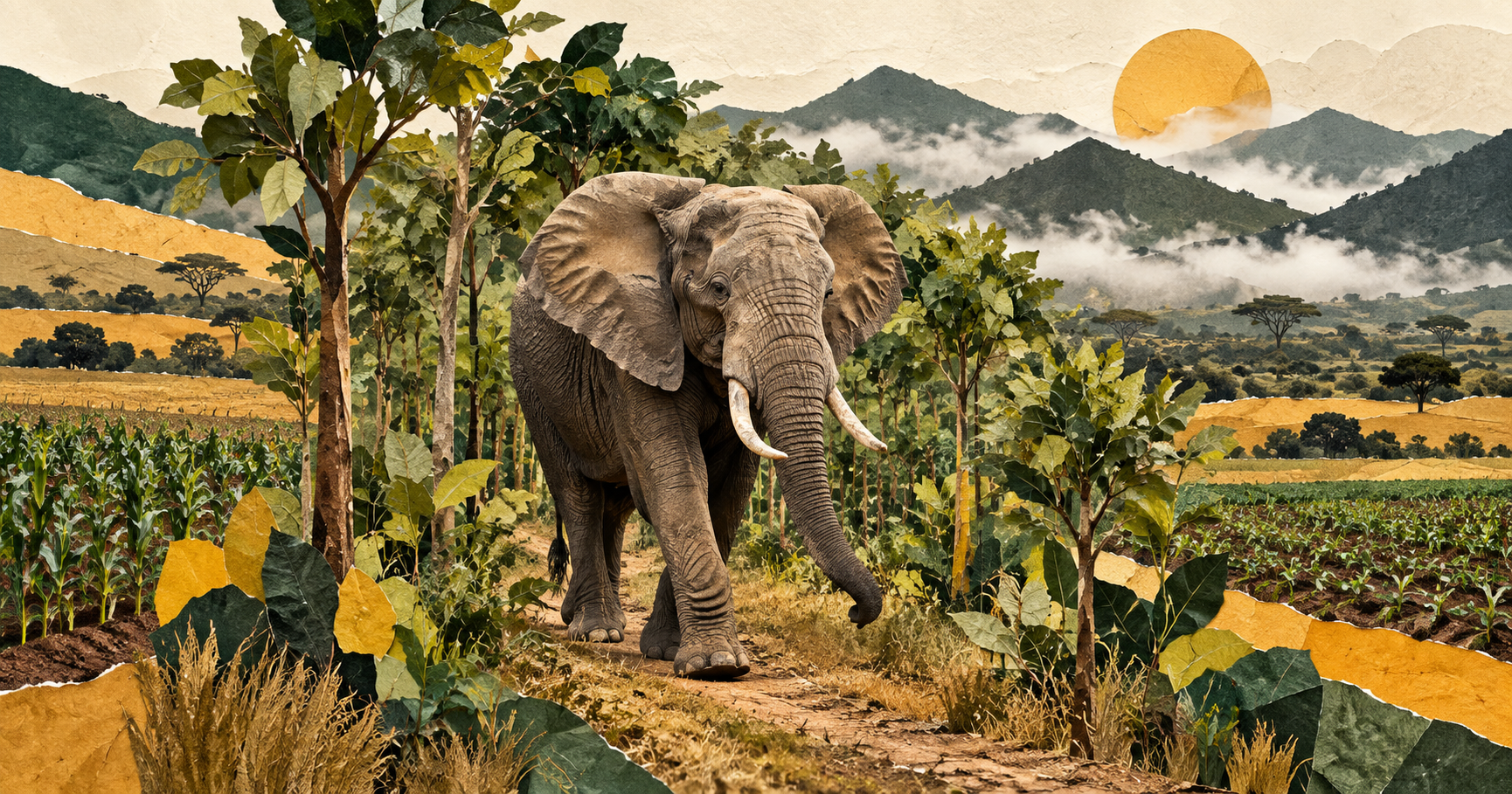
368 farmers made a hallway. 529 elephants have already used it.

A narrow strip through the Kilombero Valley is reconnecting savanna and rainforest — one elephant at a time.
SOURCESouthern Tanzania Elephant Program
—
NATURE

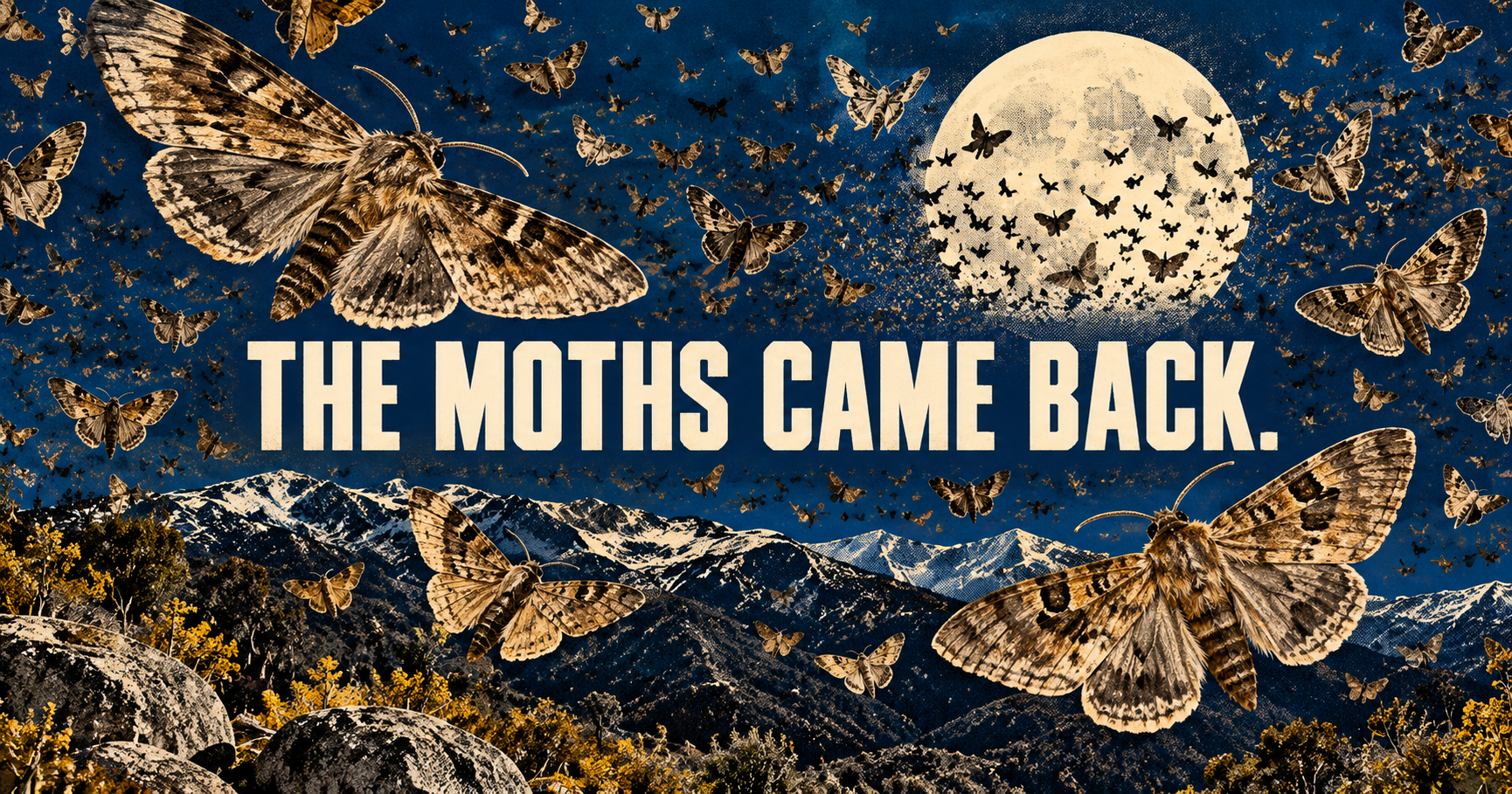
After a 99.5% crash, the Bogong moths are swarming again.

The sky is filling with a migration Australia feared it had lost.

SOURCEABC News
—
SCIENCE

A small headset trial found improvements in long-covid brain fog.

Four weeks of at-home magnetic-field sessions produced encouraging early signals for long-COVID cognitive impairment.

SOURCEMount Sinai
—
SCIENCE

A daily pill cut an average liter of volume from swollen legs.

A small trial suggests the first medication for lymphedema may be getting closer.

SOURCEStanford Medicine
—
SCIENCE

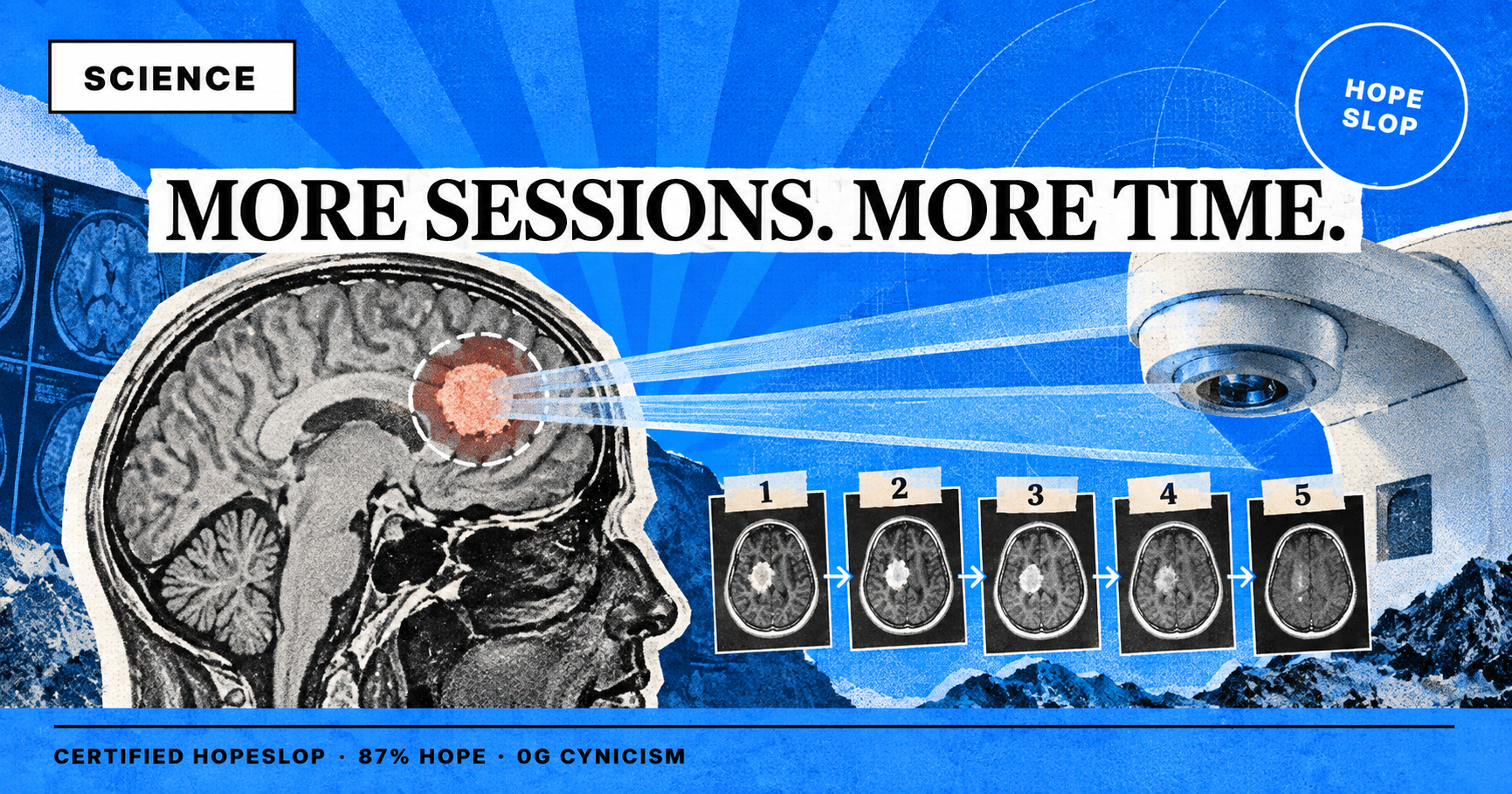
They lined the surgery cavity with radioactive tiles. Surgical-site recurrence fell to 1.3%.

A Phase 3 trial turned the walls of a surgical cavity into the radiation treatment.
SOURCEUT MD Anderson Cancer Center / Journal of Clinical Oncology
—
SCIENCE

After brain-metastasis surgery, three to five radiation sessions beat one.

A small scheduling change produced a surprisingly large clinical difference.

SOURCEAmerican Society for Radiation Oncology
—
SCIENCE

A urine-and-swab test ruled out womb cancer 98.8% of the time.

A painless test using urine and a vaginal swab showed it could accurately rule out womb cancer for most women with postmenopausal bleeding.

SOURCEUniversity of Manchester
—
NATURE

New York City planted 18,261 trees. It started with the hottest blocks.

New York City planted its most trees in a decade and prioritized neighborhoods where extreme heat hits hardest.
SOURCENew York City Mayor’s Office
—
SCIENCE

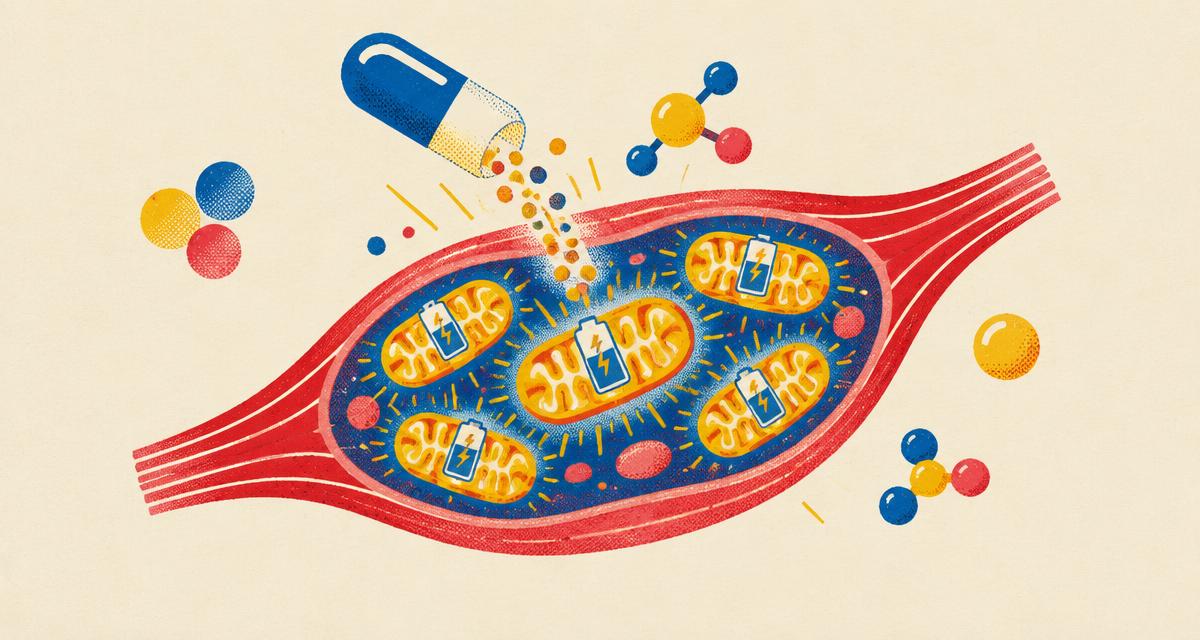
A vitamin-derived molecule reached its target in mitochondrial disease patients.

A Cambridge-led study gave nicotinamide riboside to eight people with mitochondrial DNA disease. It was well tolerated and showed early signs of working.

SOURCEGenome Medicine / University of Cambridge
—
HOPE
SLOP
NATURE

THE MEADOW GREW BACK.

CERTIFIED HOPESLOP · 87% HOPE · 0g CYNICISM
NATURE

They stopped dragging chains. The seagrass erased 94% of the scars.

Ten traditional chain moorings were replaced with eco-moorings that move with the tide instead of scraping circles through the seabed. Five years later, the damaged patches had shrunk by an average 93.6%.
SOURCENational Trust / Studland Bay Marine Partnership
—
SCIENCE

An experimental drug gave mice with MS-like disease their movement back.

In a mouse model of multiple sclerosis, the experimental drug K-9 restored function after paralysis and vision loss had already set in. It has not been tested in people with MS.
SOURCENational Institutes of Health / UVA Health
—
SCIENCE

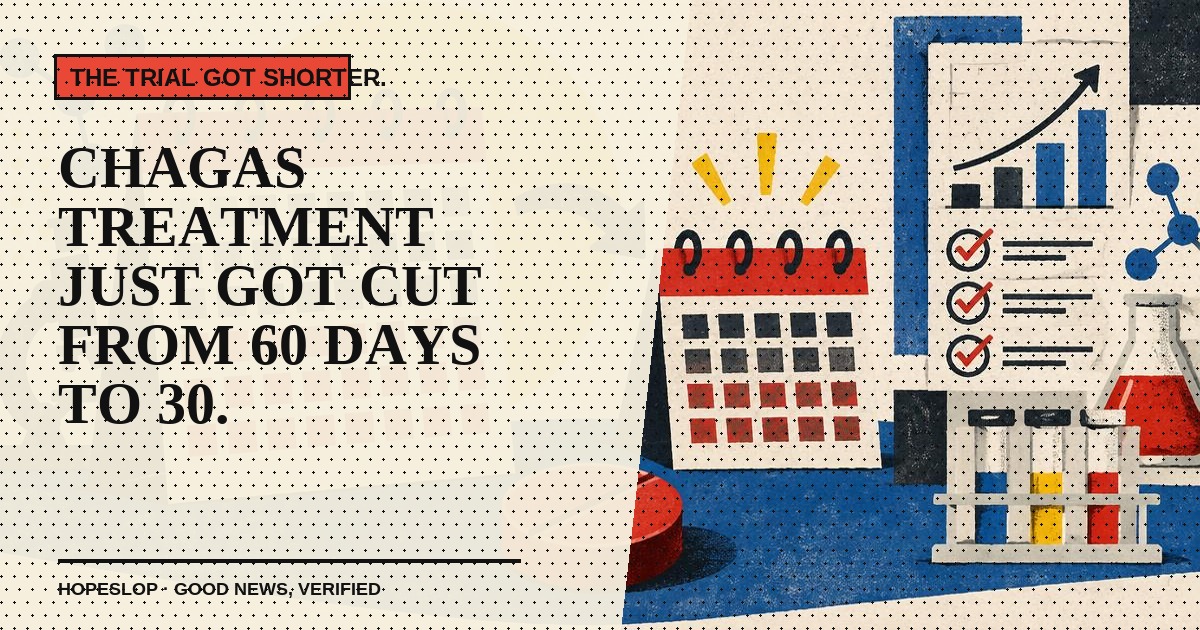
Chagas treatment just got cut from 60 days to 30.

In the TESEO trial, 450 adults received different benznidazole regimens. The 30-day, once-daily option matched the standard 60-day course in the trial and caused fewer side effects.

SOURCEUTEP
—
HOPE
SLOP
SCIENCE

THE SCAN CAME BACK EMPTY.

CERTIFIED HOPESLOP · 87% HOPE · 0g CYNICISM
SCIENCE

Two doses of a new immunotherapy cleared a child's liver cancer.

Researchers at Texas Children's, Baylor College of Medicine and Seattle Children's reported in the New England Journal of Medicine that a child with hepatoblastoma had complete regression of disease after a novel immunotherapy given as part of the CARE study.

SOURCETexas Children's Hospital
—
HOPE
SLOP
SCIENCE

THE HAND FELT BACK.

CERTIFIED HOPESLOP · 87% HOPE · 0g CYNICISM
SCIENCE

He lost his arm at 16. Now he can feel his wife's hand.

Seventeen years after an amputation, Alexander “Avi” Davidson became the first participant to take Utah's thought-controlled bionic arm home — with a nerve interface that gives it a sense of touch.

SOURCEUniversity of Utah Health
—
HOPE
SLOP
NATURE

NOBODY REINTRODUCED IT.

CERTIFIED HOPESLOP · 87% HOPE · 0g CYNICISM
NATURE

They stopped interfering. Forty years later, an anteater walked back in.

Mongabay reports a giant anteater turned up in an Argentine reserve on its own, decades after the species vanished locally — a case for letting recovering habitat do the work.

SOURCEMongabay
—
LOAD MORE SLOP
  • ← PREV
  • 1
  • 2
  • 3
  • 4
  • NEXT →
HOPESLOP OF THE DAY ARCHIVE →SUBMIT HOPESLOP
HOPESLOP.

Optimism, even when it’s embarrassing.

All the SlopHopeslop of the DayAboutOur editorSuggest a storySend FeedbackPrivacyContact
CERTIFIED
HOPESLOP
FOLLOW US@hopeslopofficial
THE WORLD MAY BE COOKED. THE JURY IS STILL OUT.