ANIMALS
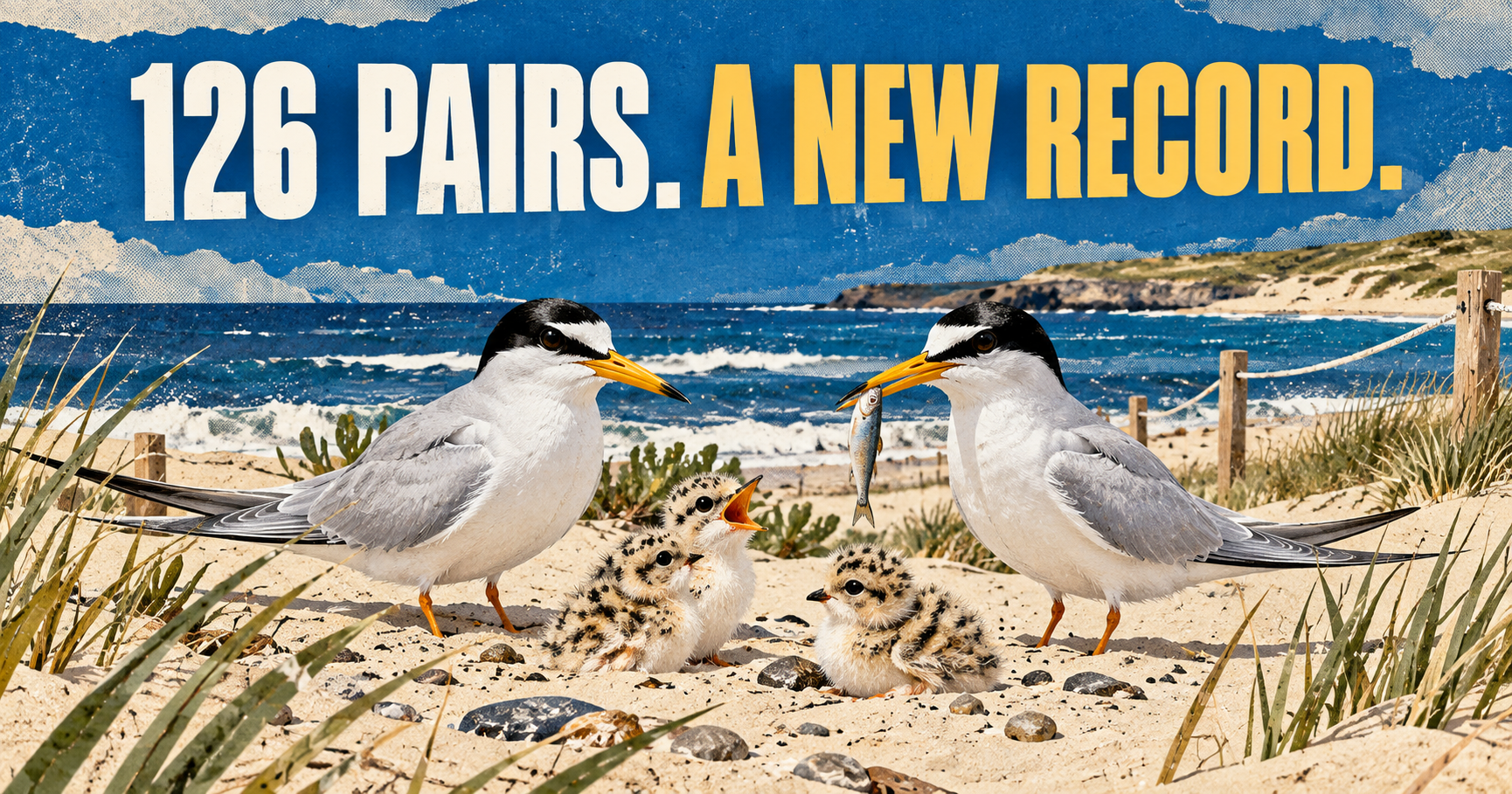
The little terns more than doubled their old nesting record.
After bird flu and flooded nests, Britain’s second-rarest breeding seabird had its best Long Nanny season on record.
SOURCENational Trust
—
Every serving. No expiration date. Page 2 of 3.
After bird flu and flooded nests, Britain’s second-rarest breeding seabird had its best Long Nanny season on record.
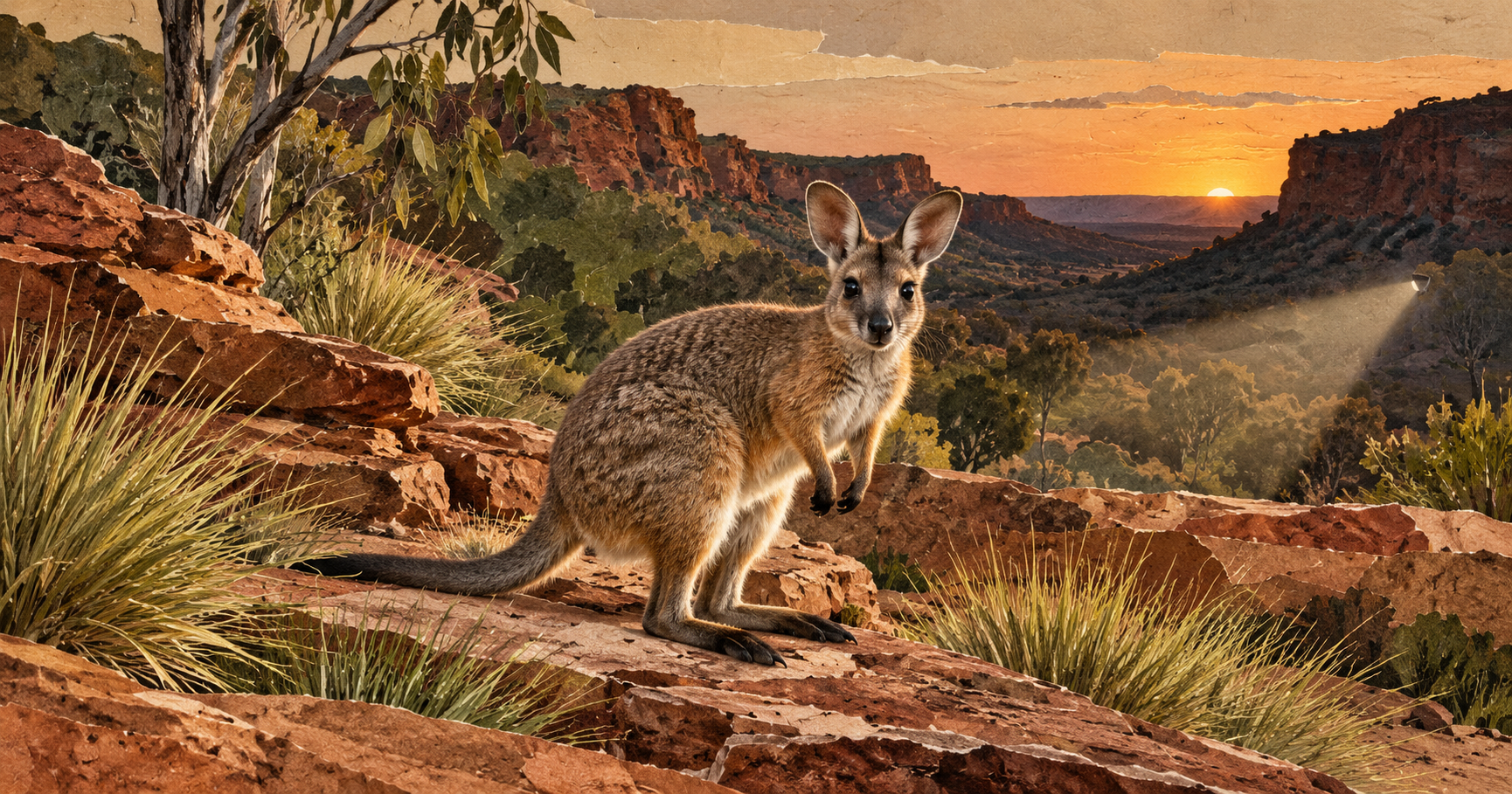
Conservationists confirmed endangered nabarleks at two mainland sites on Dambeemangaddee Country — the first detections there in more than 50 years. Turns out the tiny wallaby had not entirely left the building.
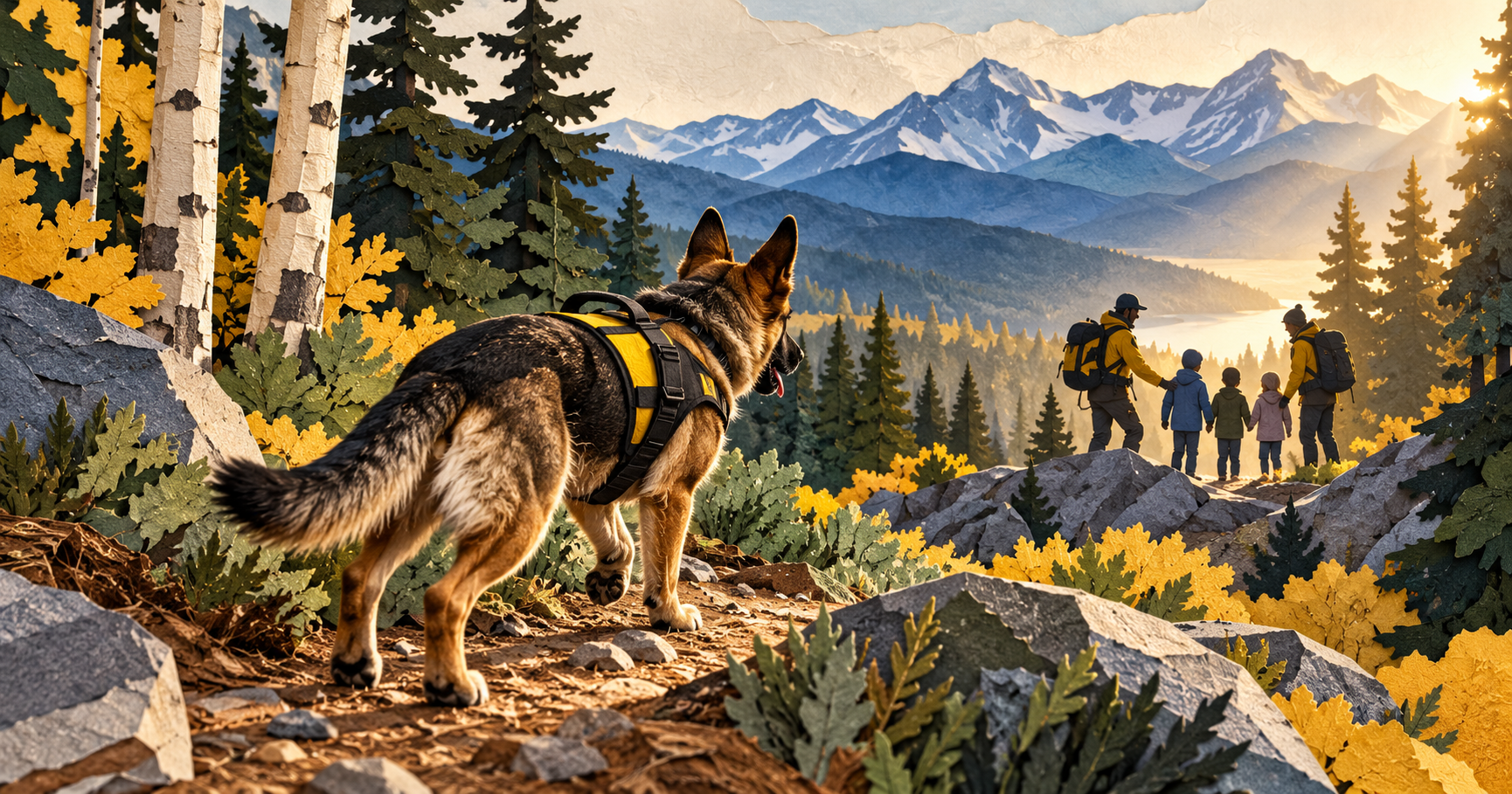
Arch caught the trail. Search teams followed it. Three families got the ending they needed.
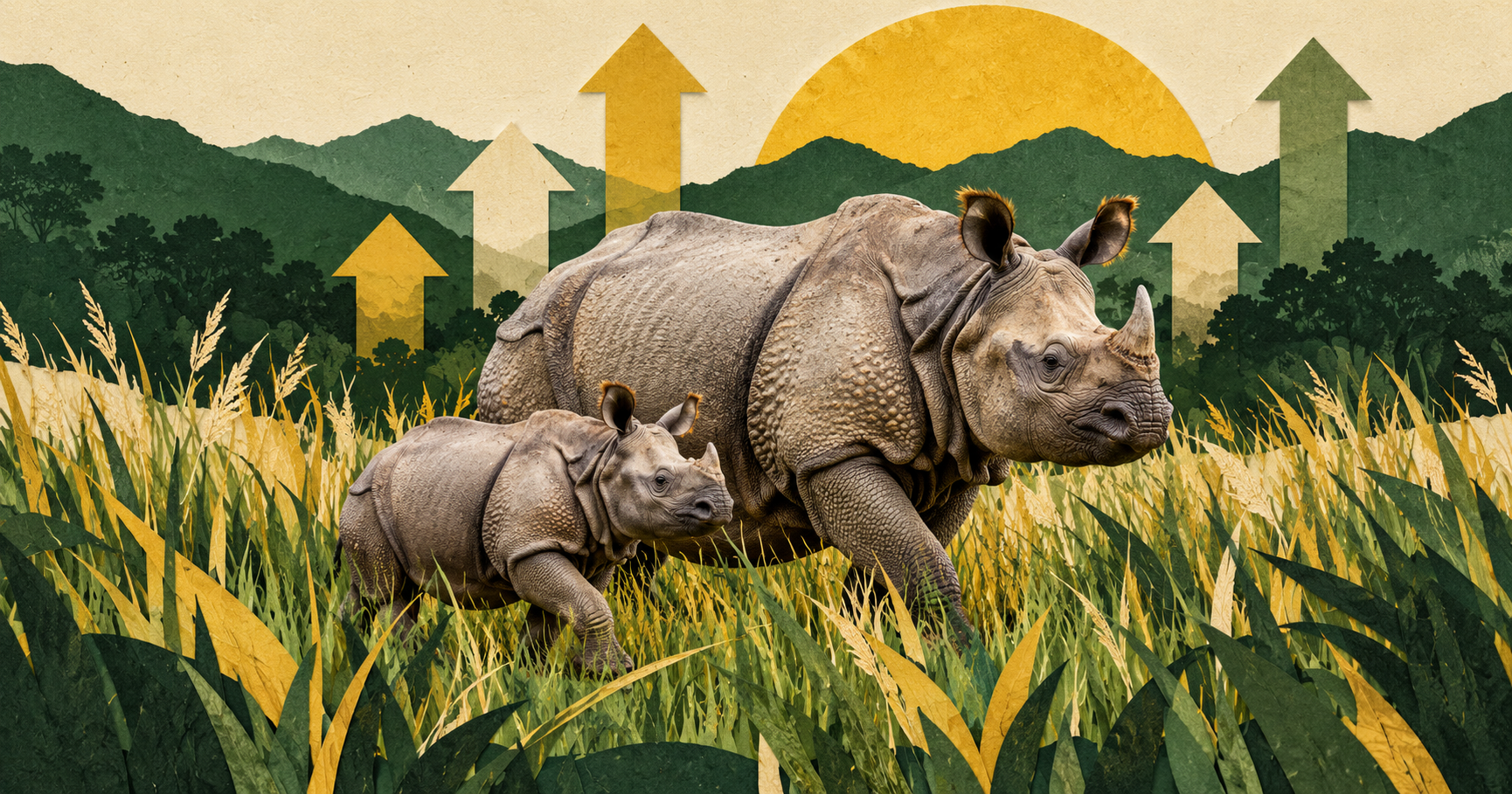
A species that once fell below 200 animals now numbers in the thousands.
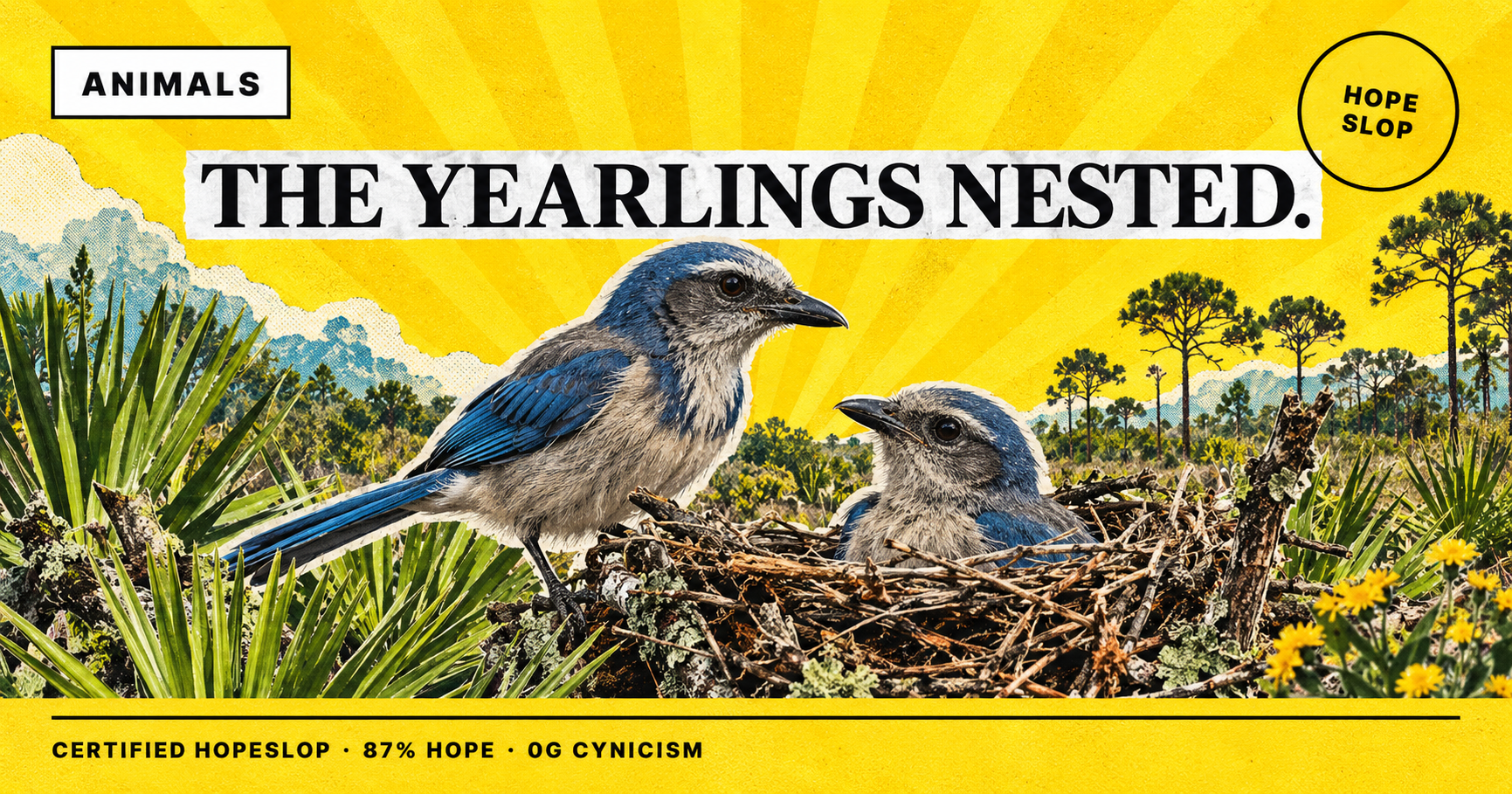
A genetic-rescue experiment got an unexpectedly ambitious first breeding season.
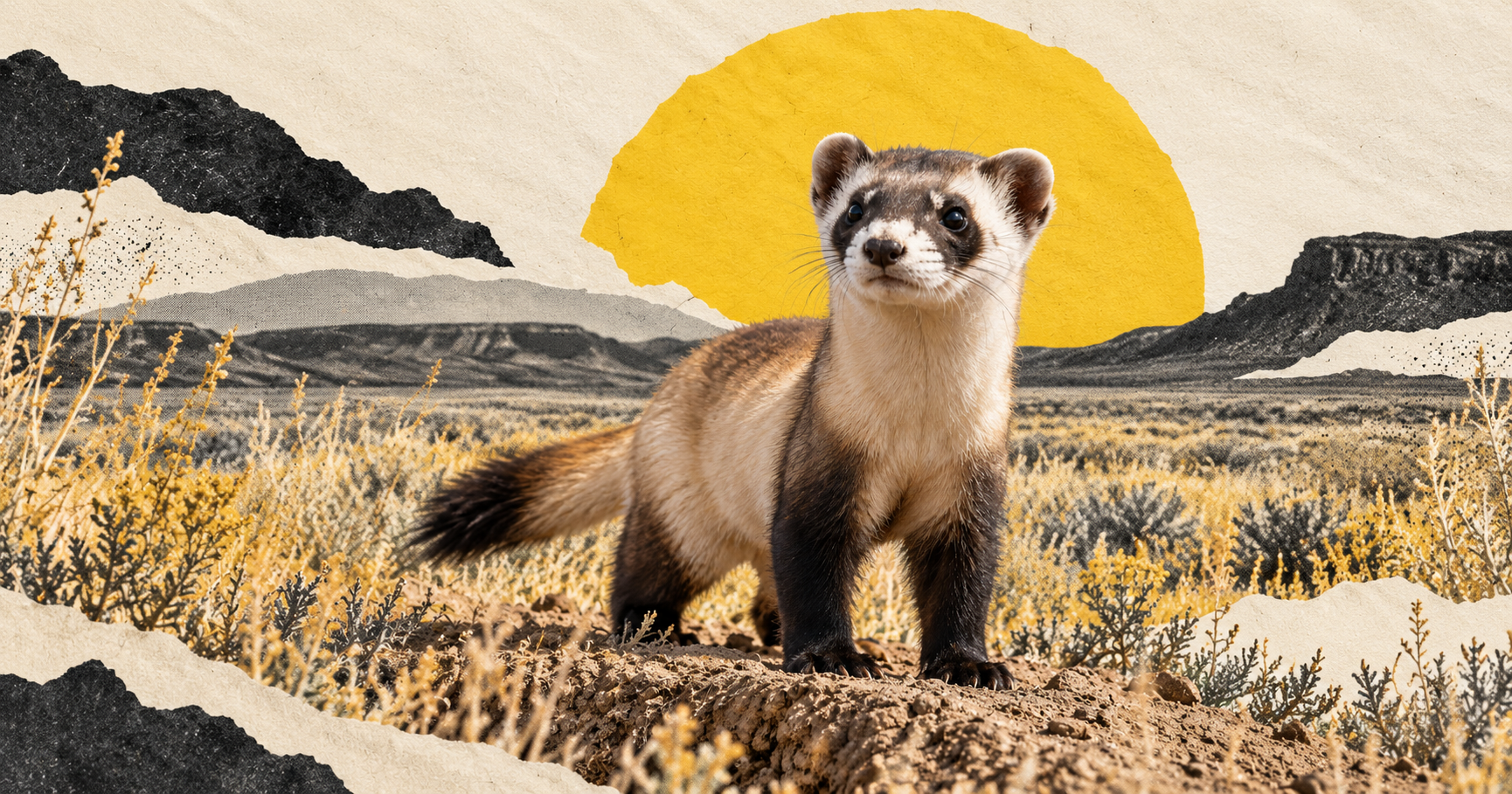
Seven litters. Thirty-four endangered kits. Phoenix Zoo’s best black-footed ferret breeding year since 1999.
THE RIVER DIDN'T GET TO KEEP IT.
A days-old elephant calf drifted roughly four kilometers down the Teesta. Five fishermen reached it by boat; forest officials reunited it with its mother.

Los Angeles got 395 shelter dogs out for a day. Twenty-three were adopted and 14 entered foster homes instead of returning to kennels.
SHE PICKED CALIFORNIA.
Lifeguards were called to an injured turtle near Seal Beach on 16 September. She was not injured. She was digging a nest — and three days later it happened again near the Huntington Beach Pier. NOAA Fisheries says it is the first recorded natural nesting of any sea turtle species on the U.S. West Coast. Both nests are now fenced, signed and monitored.
THE LINE HELD.
When flash flooding hit New Richland, Minnesota, players from the New Richland-Hartland-Ellendale-Geneva football team helped with a pontoon rescue instead of watching from the bank.
FIVE LEFT. STILL HERE.
Karure black robins fell to five birds in 1980. Decades of conservation brought them back to around 350 adults — and on September 21 the species won New Zealand’s 2026 Bird of the Year.
184 CHICKS. NEW RECORD.
99 pairs. 184 chicks. Best season since the 1986 endangered listing.
THE HERD GOT BIGGER.
Twenty-three became about 500. Now the herd is helping start other herds.
NAMED BY LOCALS FIRST.
Locals already had a name for it. Genomics gave science one.
LOUD AND INCREASING.
285 counted in a single day, almost 100 more than last year.
800 VILLAGERS. 350,000 OBSERVATIONS.
About 800 villagers across nine Borneo villages get paid for verified photos, video and audio of wildlife. Two villages have since banned hunting themselves.
$650 AND JEOPARDY AT 7.
Affordable rent, useful help, and Jeopardy at 7.
TWO WIRES, SWITCHED OFF.
The fix was two unpowered wires.
EIGHT POUNDS OF RARE CAT.
Eight pounds of extremely rare cat.
SHE WENT BACK. SHE STAYED.
Rescued at 18 months. Rewilded eight years later. Now Lulingu is raising a baby of her own in the forest.
SAME BLOOD DRIVE. DIFFERENT DOORS.
They started as new neighbors. Fifteen years later, the annual blood drive is still on the calendar.
653 FROGS, RELOCATED HOME.
653 endangered frogs. Two mountain-stream releases. One species getting a real shot at coming back.
THE BOAT ADAPTED.
Sometimes inclusion looks like a hoist, a custom boat and a wide-open sea.
A BRIDGE JUST FOR DEER.
Washington’s I-90 Snoqualmie Pass wildlife overcrossing recorded its 10,000th successful animal crossing in July. Add 11 undercrossings and the project is nearing 40,000 recorded crossings since 2014. Apparently the elk were just waiting for civil engineering.