SCIENCE
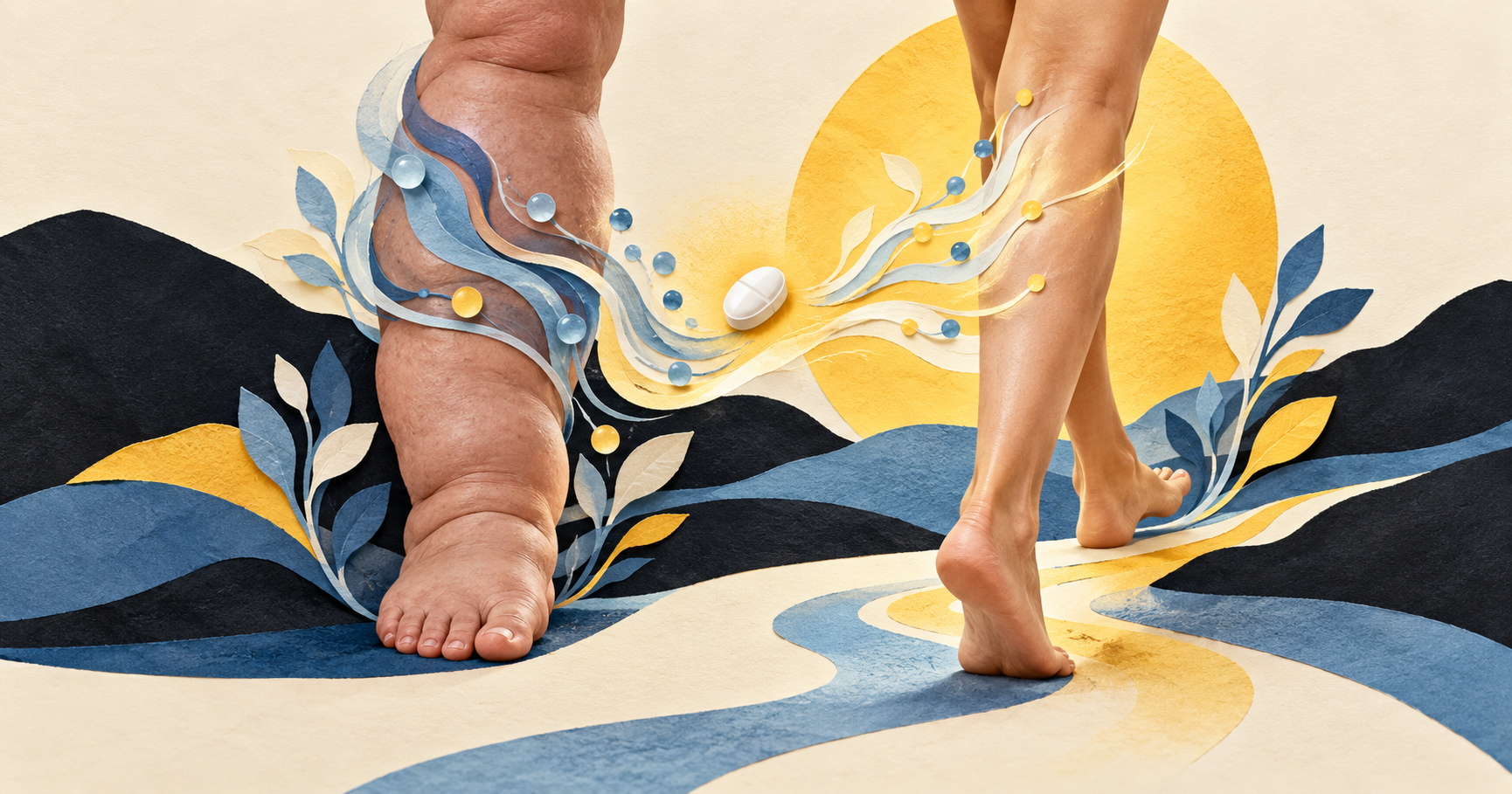
A daily pill cut an average liter of volume from swollen legs.
A small trial suggests the first medication for lymphedema may be getting closer.
SOURCEStanford Medicine
—
Every serving. No expiration date. Page 3 of 4.
A small trial suggests the first medication for lymphedema may be getting closer.
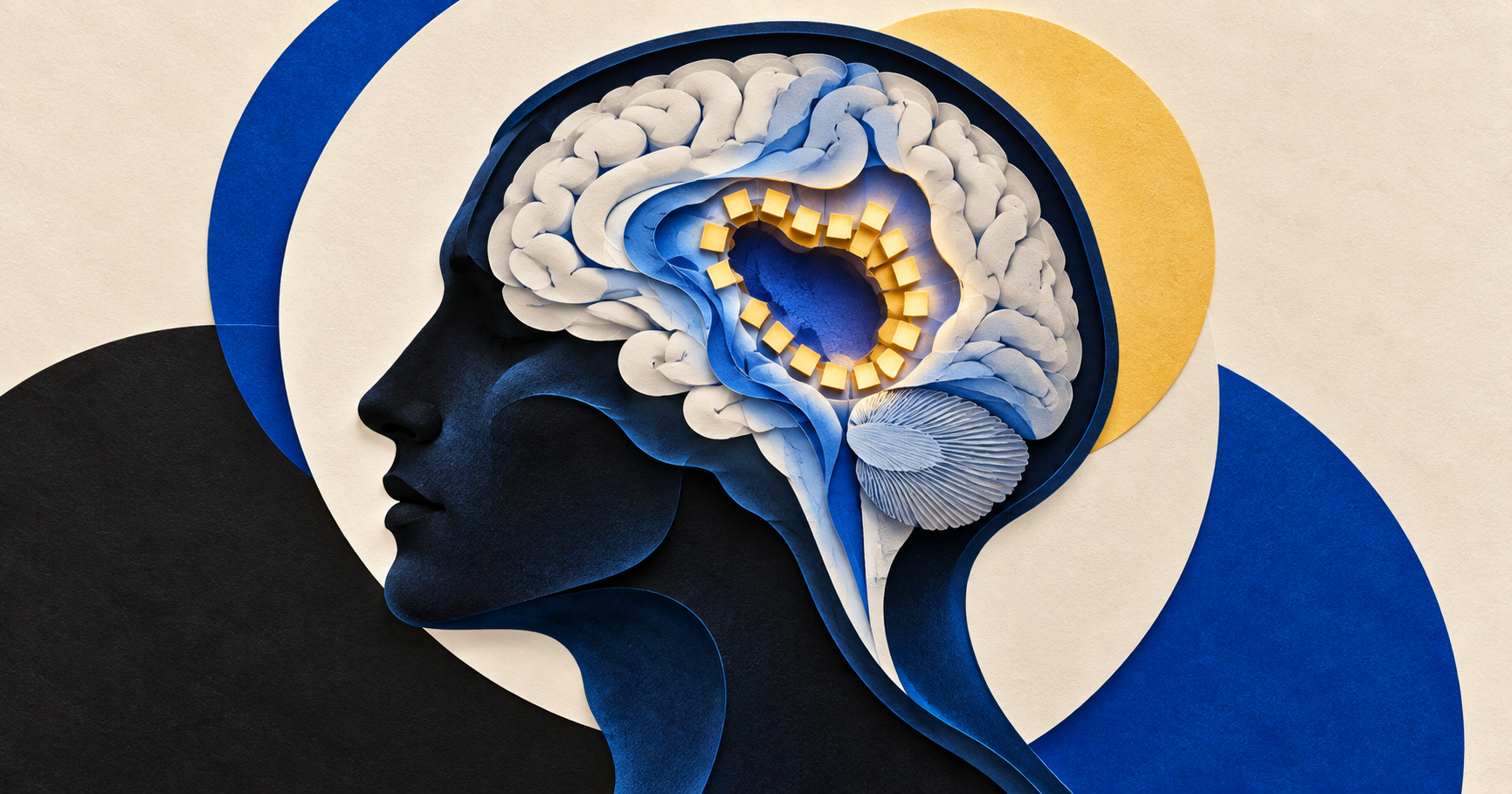
A Phase 3 trial turned the walls of a surgical cavity into the radiation treatment.
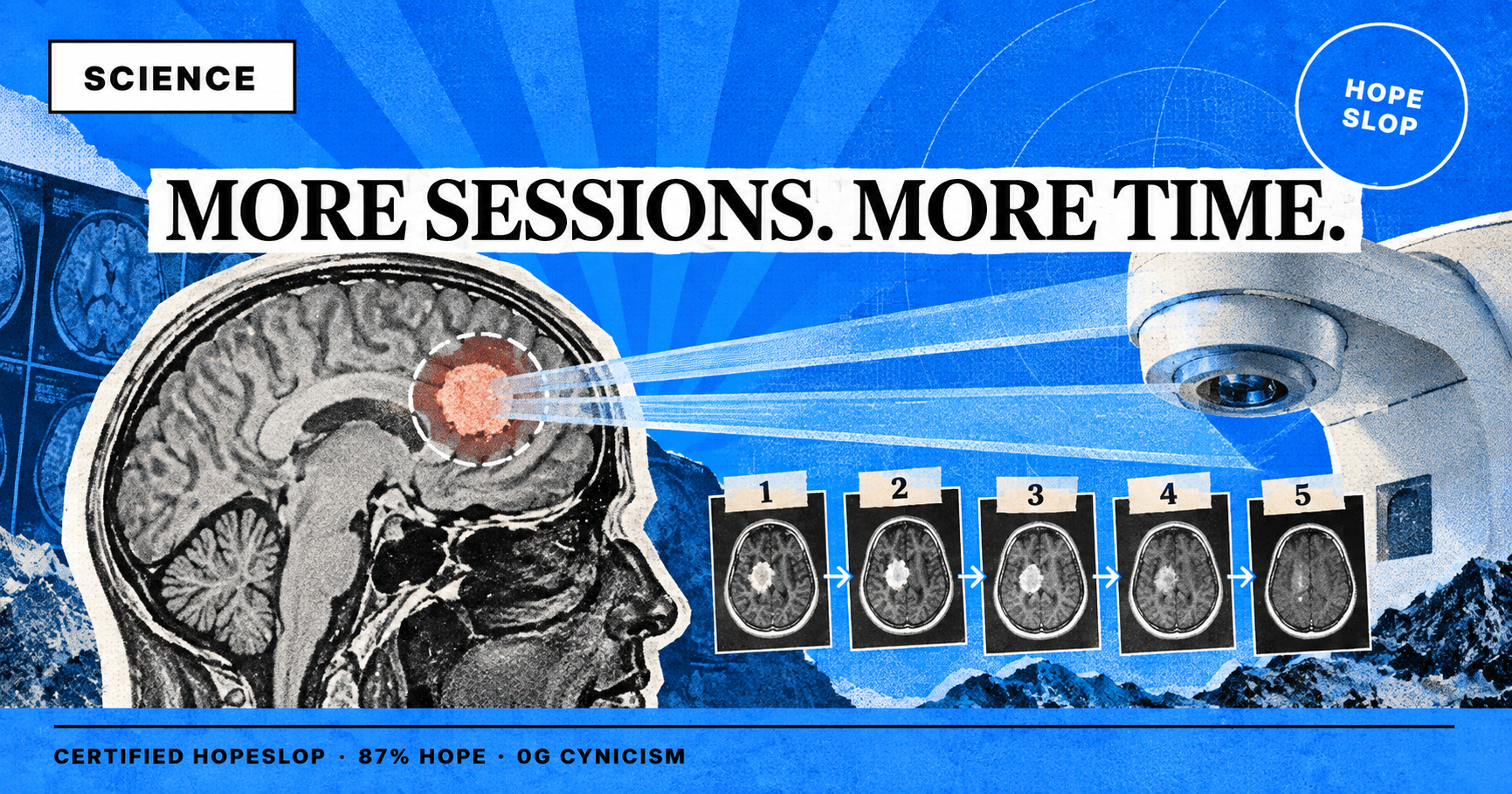
A small scheduling change produced a surprisingly large clinical difference.
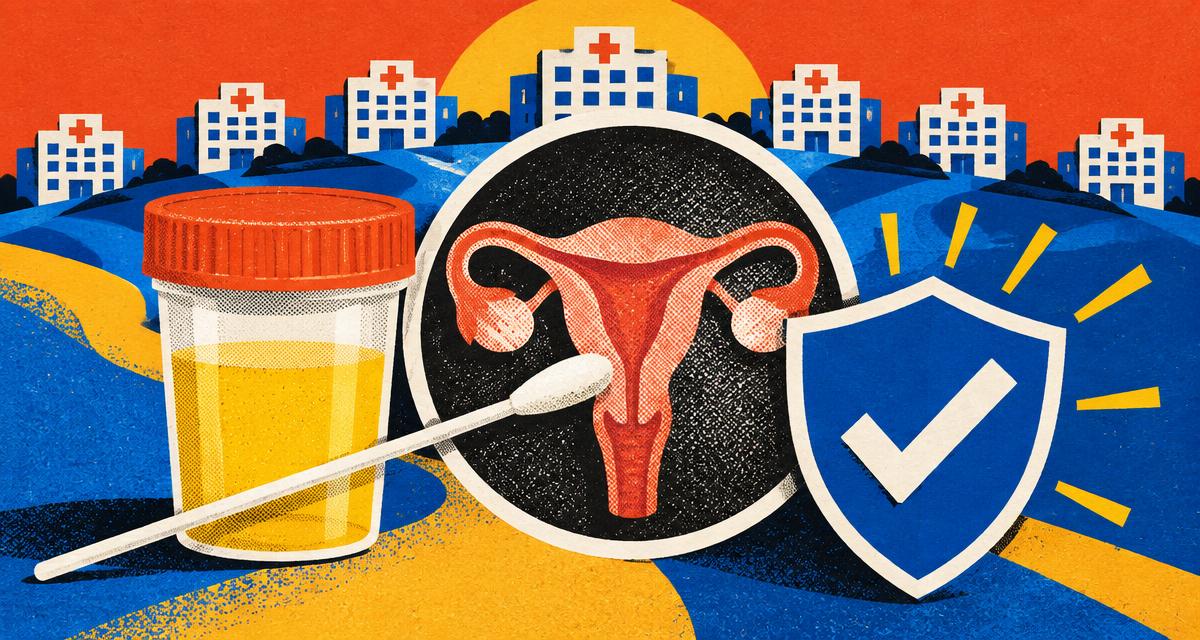
A painless test using urine and a vaginal swab showed it could accurately rule out womb cancer for most women with postmenopausal bleeding.
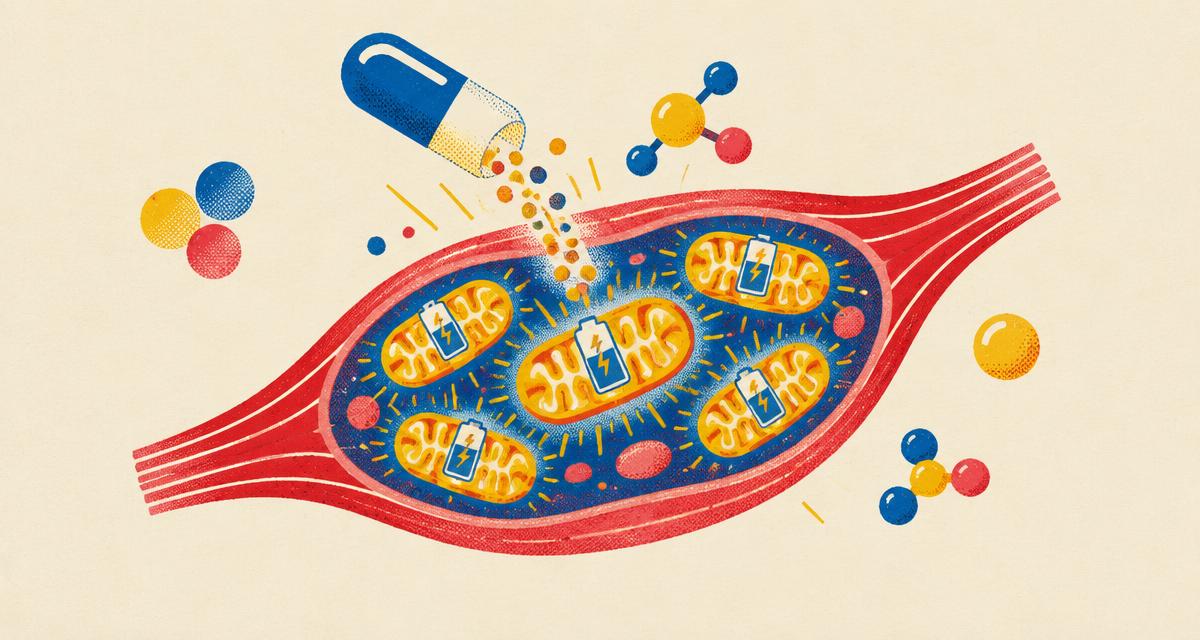
A Cambridge-led study gave nicotinamide riboside to eight people with mitochondrial DNA disease. It was well tolerated and showed early signs of working.
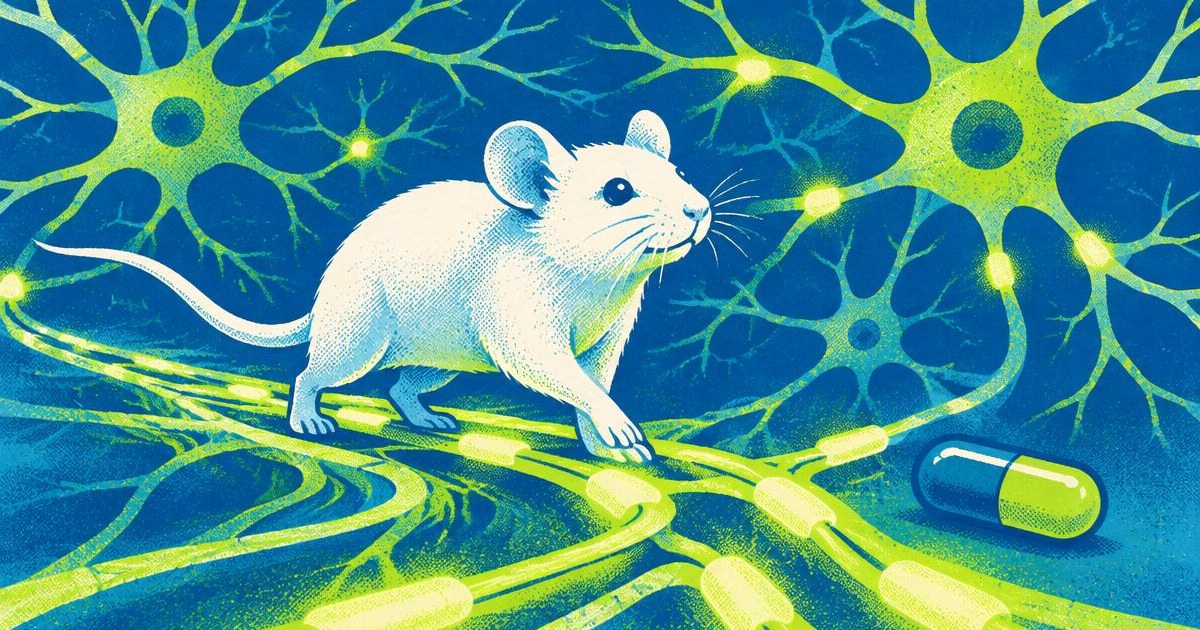
In a mouse model of multiple sclerosis, the experimental drug K-9 restored function after paralysis and vision loss had already set in. It has not been tested in people with MS.
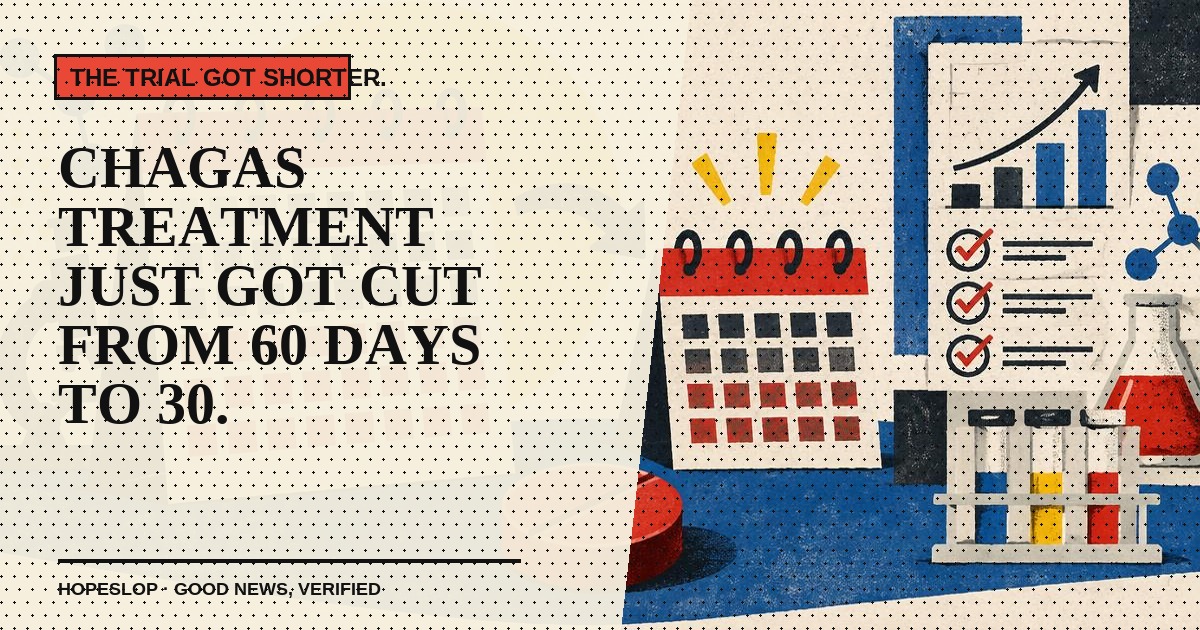
In the TESEO trial, 450 adults received different benznidazole regimens. The 30-day, once-daily option matched the standard 60-day course in the trial and caused fewer side effects.
THE LINE HELD.
When flash flooding hit New Richland, Minnesota, players from the New Richland-Hartland-Ellendale-Geneva football team helped with a pontoon rescue instead of watching from the bank.
THE SCAN CAME BACK EMPTY.
Researchers at Texas Children's, Baylor College of Medicine and Seattle Children's reported in the New England Journal of Medicine that a child with hepatoblastoma had complete regression of disease after a novel immunotherapy given as part of the CARE study.
THE HAND FELT BACK.
Seventeen years after an amputation, Alexander “Avi” Davidson became the first participant to take Utah's thought-controlled bionic arm home — with a nerve interface that gives it a sense of touch.
TWO ORIGINS. ONE BRAIN.
Stanford researchers found the forebrain/midbrain and hindbrain arise from distinct progenitor cell populations — and used that insight to grow functional human hindbrain motor neurons in the lab.
THE GENOME GOT A BIGGER TOOLBOX.
A new lab method can place gene-sized DNA at targeted sites in human cells. No patients yet.
LAB BENCH HOPE.
42 antibodies made. Two blocked the reaction. In a dish, for now.
STAGE 1 AND 2, CAUGHT ABOUT 87% OF THE TIME
An investigational blood test flagged stage 1 and 2 pancreatic cancer about 87% of the time in a study of roughly 1,800 people. Not FDA-cleared. Still a big deal.
800 VILLAGERS. 350,000 OBSERVATIONS.
About 800 villagers across nine Borneo villages get paid for verified photos, video and audio of wildlife. Two villages have since banned hunting themselves.
$650 AND JEOPARDY AT 7.
Affordable rent, useful help, and Jeopardy at 7.
18.5 MONTHS INSTEAD OF 10.
18.5 months vs. 10.0. Promising, not approved.
FOUR MILLION LAKES, WATCHED.
Four million Arctic lakes are now being watched in near real time for signs that frozen ground is giving way.
SAME BLOOD DRIVE. DIFFERENT DOORS.
They started as new neighbors. Fifteen years later, the annual blood drive is still on the calendar.
THE BOAT ADAPTED.
Sometimes inclusion looks like a hoist, a custom boat and a wide-open sea.
NINE MONTHS HE DIDN'T HAVE.
A genetically modified pig kidney kept Tim Andrews off dialysis for 271 days — the longest such stretch yet in a living person. He later received a human kidney, making this the first reported pig-kidney transplant to serve as a bridge to a human one.
YOUR TREE PHOTOS HAVE A JOB.
AI-generated images helped species-identification models when real photos were scarce — but actual photographs from people in the real world still performed better. Your random tree picture remains scientifically employed.
THE CLINIC RUNS ON SUN.
Twenty-three students built Stella Juva, a solar-powered mobile clinic that drove more than 800 km across Kenya and, while stationary, generated enough energy to power all its onboard medical equipment at once. It hasn’t treated real patients yet — this was field testing — but the sun appears to be doing rounds.
DINNER. YOUR PRICE.
A one-day idea from Mexico City restaurant Masala y Maíz grew into a global event with 100 restaurants in 14 countries signed on, while staff kept their normal wages and tips. The radical business innovation: trust people.