A blood test just got better at finding pancreatic cancer early.
An investigational blood test flagged stage 1 and 2 pancreatic cancer about 87% of the time in a study of roughly 1,800 people. Not FDA-cleared. Still a big deal.
STAGE 1 AND 2, CAUGHT ABOUT 87% OF THE TIME
Pancreatic cancer is usually found late, which is most of why it is so lethal. In Nature Medicine on Sep. 16, 2026, an international team reported that an investigational blood test called PANXEON identified stage 1 and 2 pancreatic cancer about 87% of the time in an observational study of roughly 1,800 people.
WHAT HAPPENED
The study was observational and international, and the test is investigational — not FDA-cleared, and not something a doctor can order as a screening check. In the reported results, the false-positive rate was about 3% in low-risk groups and about 16% in high-risk groups, and the test detected high-grade dysplasia — precancerous tissue change — more than 64% of the time. There is a disclosed conflict of interest worth naming: senior author Ajay Goel is a paid consultant to Biocartis, which has an option to acquire rights to PANXEON. Nothing here has yet shown that using the test saves lives; that takes prospective trials measuring outcomes, not detection rates.
WHY THIS IS HOPESLOP
Early detection is the whole ballgame for this particular cancer, and this is a real, peer-reviewed step toward it. Reported carefully, with the conflict disclosed and the FDA status stated plainly, it is still the most encouraging pancreatic-cancer sentence of the week.
ORIGINAL SOURCENature MedicineRead the original report
A DAILY ALLEGATION OF PROGRESS.
One good thing from the internet, every day. Nothing else.
MORE HOPESLOP

Ten more scarlet macaws are flying free near La Ceiba, Honduras.
The October 26 release brought the local 2026 total to 26 in a landscape where wild macaws had been absent for decades.
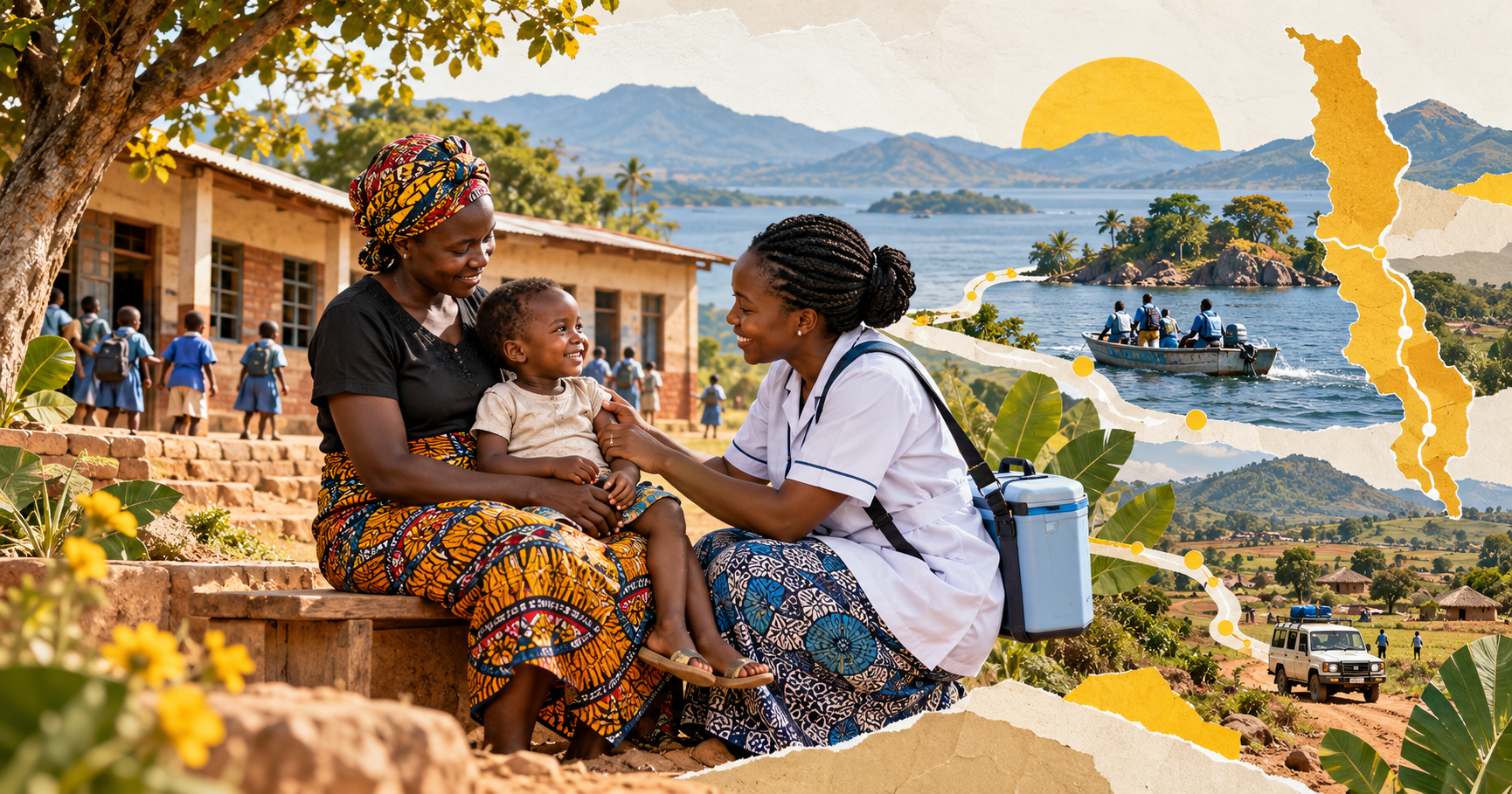
Malawi now reports its September measles-rubella campaign reached more than 5.8 million children.
The final WHO update says the nationwide drive met its target, including remote island and river communities.

South Korea's renewable-energy capacity surpassed coal for the first time.
Renewables reached 41,040 MW on October 21—283 MW more than coal.