A T. rex took four steps. 66.5 million years later, a teacher found them.
Four footprints. Twenty-three feet. One 66.5-million-year-old walk.
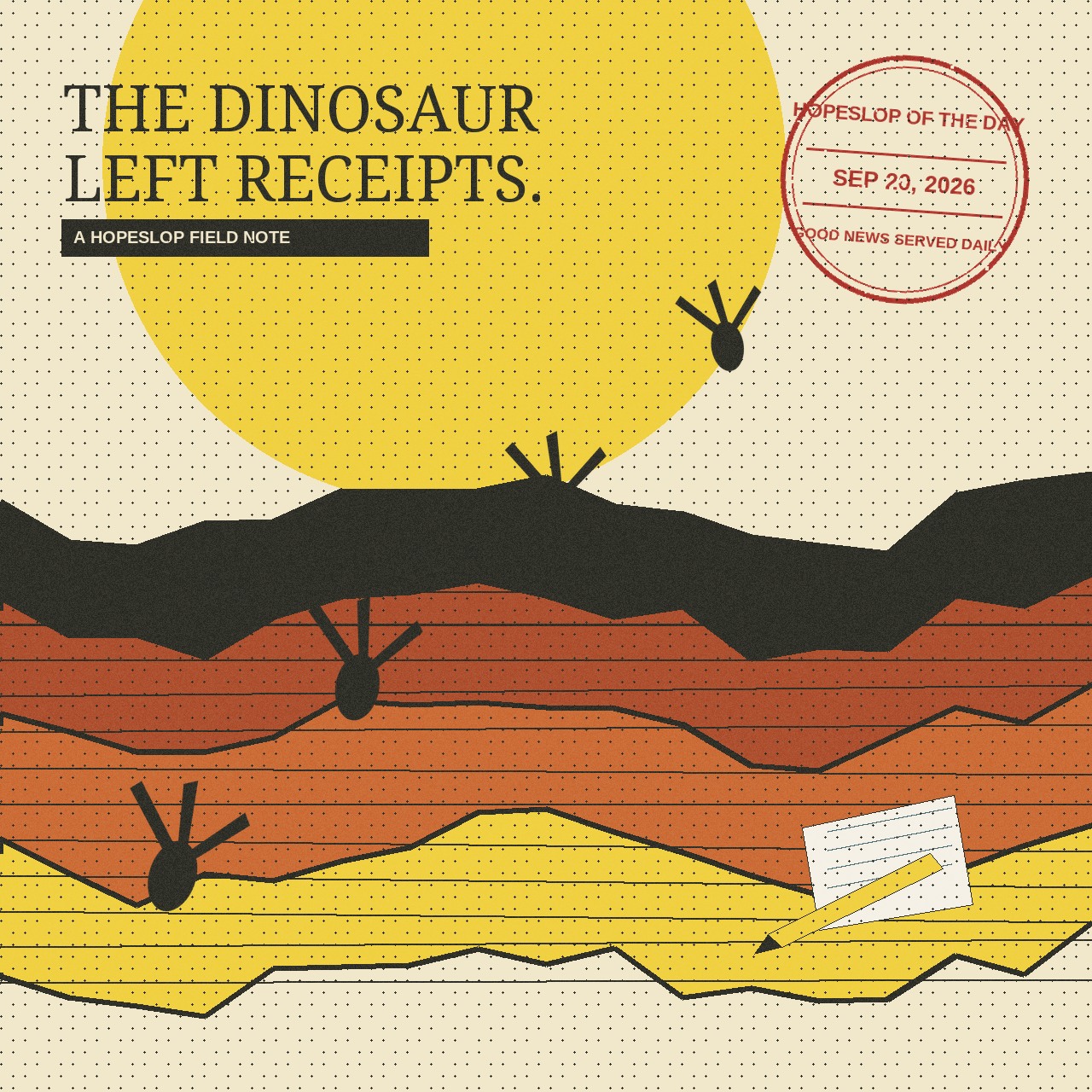
On federal land near Marmarth, North Dakota, high school teacher Kent Hups was volunteering with a Denver Museum fossil team when careful observation turned into a very large find: four three-toed footprints spanning about 23 feet. Researchers say an adult Tyrannosaurus rex is the most likely trackmaker. The prints date to about 66.5 million years ago, and 3D scans let the team estimate a walking speed of roughly 3.5–4.5 mph. Bones tell you what lived. Footprints let you briefly follow it.
WHAT HAPPENED
In 2025, Kent M. Hups — a Northglenn High School teacher, Denver Museum volunteer and now a study coauthor — noticed the trackway in the Hell Creek Formation near Marmarth, North Dakota, on federal land administered by the U.S. Forest Service. The roughly 7-meter, or 23-foot, sequence contains four large three-toed tracks: two left and two right, each about 0.9 to 1 meter long.
High-resolution 3D scanning documented the prints. Their size, shape, age, locality and the local T. rex skeletal record make an adult Tyrannosaurus rex the most likely trackmaker, but the attribution is not absolute proof. The approximately 4-meter stride points to walking at about 1.5–2 meters per second — roughly 3.5–4.5 mph — not running. It is the first reported trackway likely attributable to an adult T. rex, though isolated adult T. rex tracks were known before. Three footprints are expected to be recovered by helicopter and transported to the Denver Museum this fall; that work is planned, not completed.
WHY THIS IS HOPESLOP
A high-school teacher looked closely at a piece of ancient rock and turned four steps from 66.5 million years ago into new science. Curiosity remains an absurdly effective piece of equipment.
ORIGINAL SOURCEJournal of Vertebrate PaleontologyRead the original report
A DAILY ALLEGATION OF PROGRESS.
One good thing from the internet, every day. Nothing else.
MORE HOPESLOP
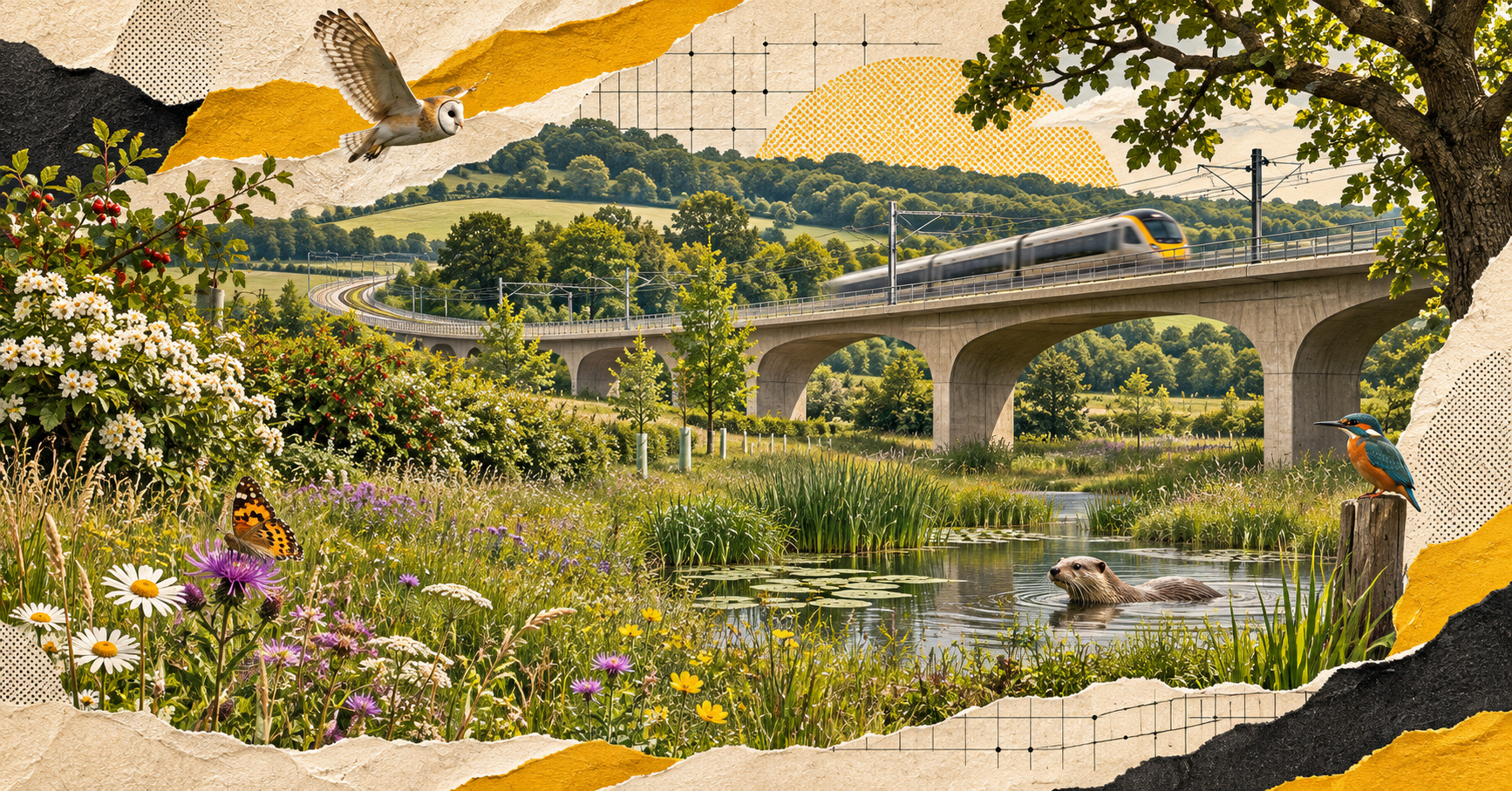
Major infrastructure proposals in England now have to deliver at least 10% biodiversity net gain.
The rule reaches projects such as major transport and energy proposals and requires significant gains to be secured for 30 years.
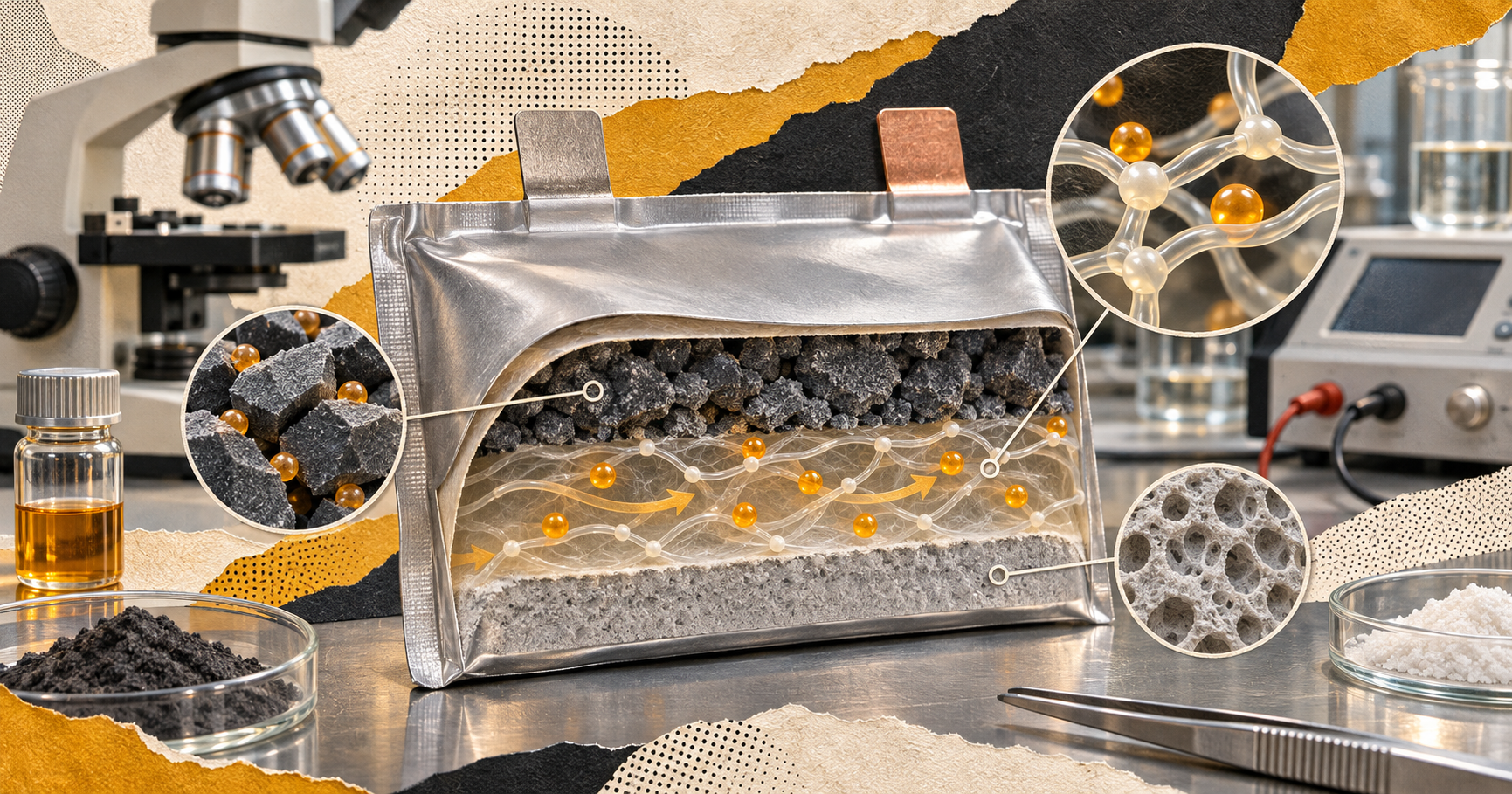
Anode-free sodium pouch cells retained about 80% capacity after 1,400 cycles in a lab study.
The research paired practical cathode loading with fast-rate, low-temperature and high-efficiency results—but it is not yet a commercial battery.
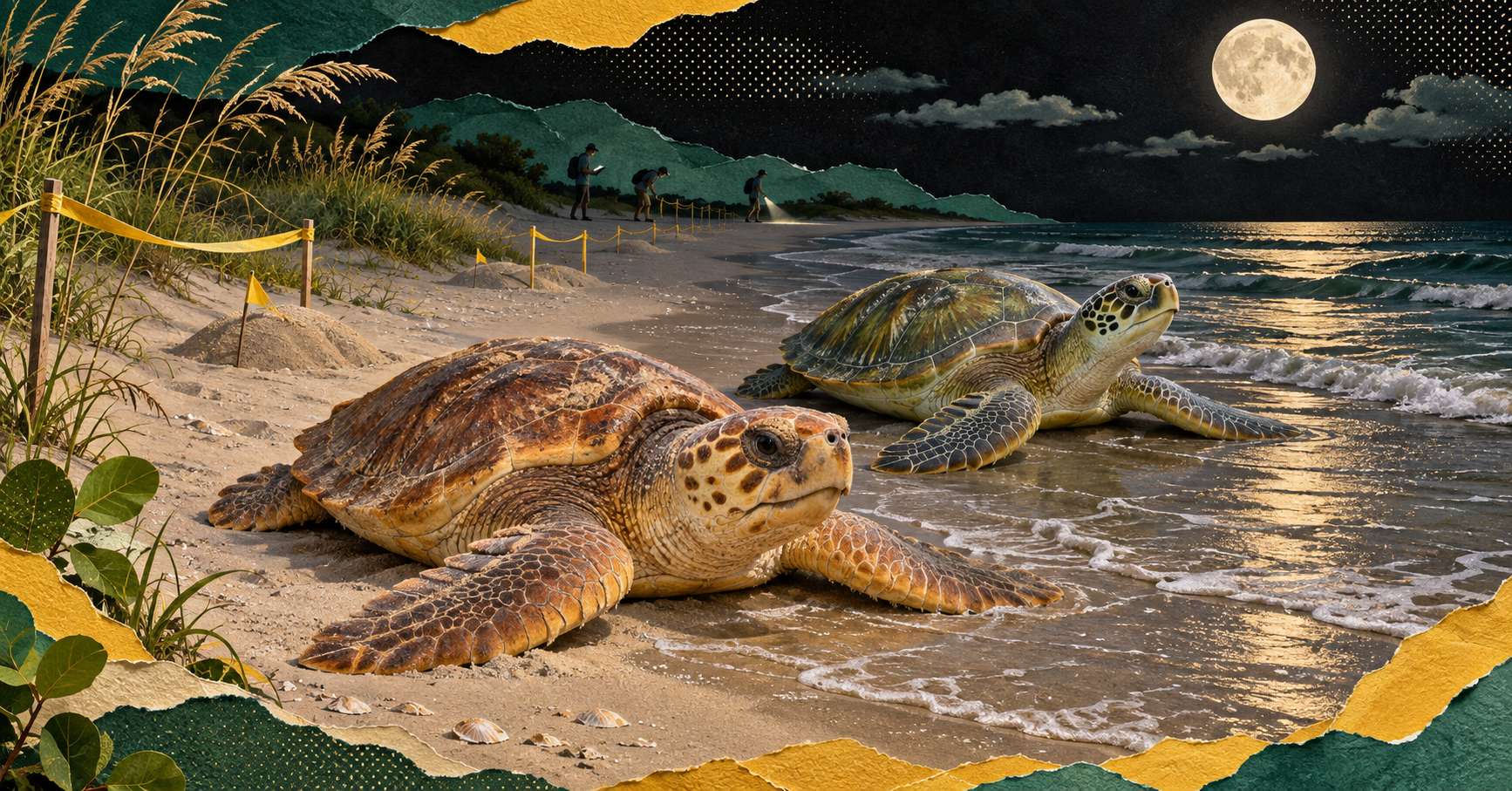
Mote's 2026 patrol documented 4,928 sea-turtle nests along 35 miles of Sarasota County beaches.
More than 300 volunteers helped survey the coast daily from mid-April through October, while 253 disorientation incidents showed the work still ahead.