Major infrastructure proposals in England now have to deliver at least 10% biodiversity net gain.
The rule reaches projects such as major transport and energy proposals and requires significant gains to be secured for 30 years.
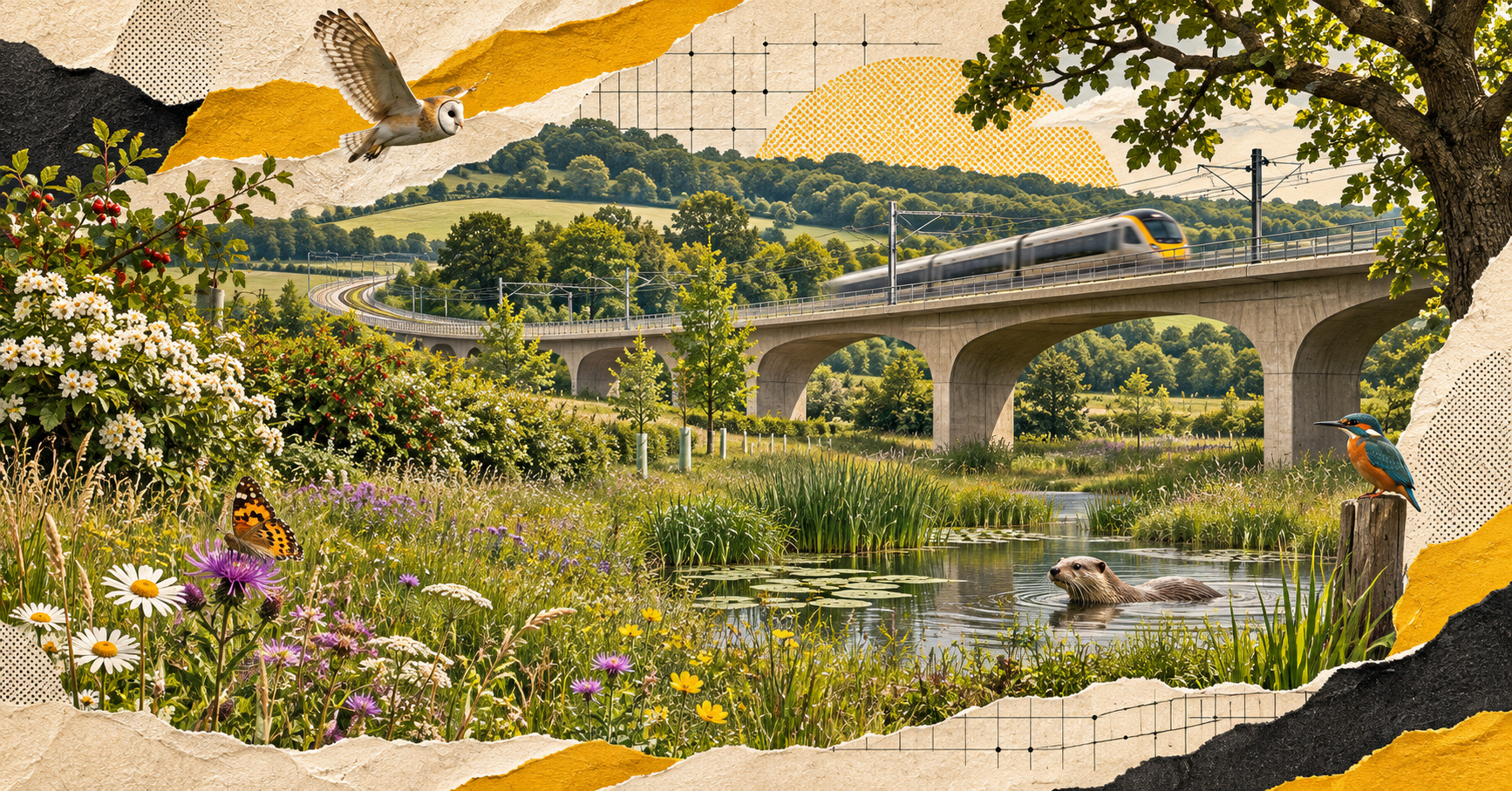
From November 2, new development-consent applications for nationally significant infrastructure projects in England must meet a statutory objective of at least 10% biodiversity net gain.
WHAT HAPPENED
Applicants must calculate a habitat baseline, follow the mitigation hierarchy and show how gains will be delivered on-site, off-site or, as a last resort, through statutory credits. Significant gains must be legally secured and managed for 30 years. The requirement covers qualifying projects in England, including intertidal areas down to the mean low-water mark, but not marine habitat beyond it or infrastructure consented through every other legislative route. Consent depends on an acceptable gain plan; the ecological results will still require long-term monitoring.
WHY THIS IS HOPESLOP
Large infrastructure decisions shape landscapes for decades. Requiring proposals to leave measurable habitat value above their starting point changes biodiversity from an optional appendix into a condition of consent. The metric cannot guarantee living ecosystems by itself, but the rule creates a durable legal obligation where there was previously a major-project gap.
ORIGINAL SOURCEUK GovernmentRead the original report
A DAILY ALLEGATION OF PROGRESS.
One good thing from the internet, every day. Nothing else.
MORE HOPESLOP

Anode-free sodium pouch cells retained about 80% capacity after 1,400 cycles in a lab study.
The research paired practical cathode loading with fast-rate, low-temperature and high-efficiency results—but it is not yet a commercial battery.
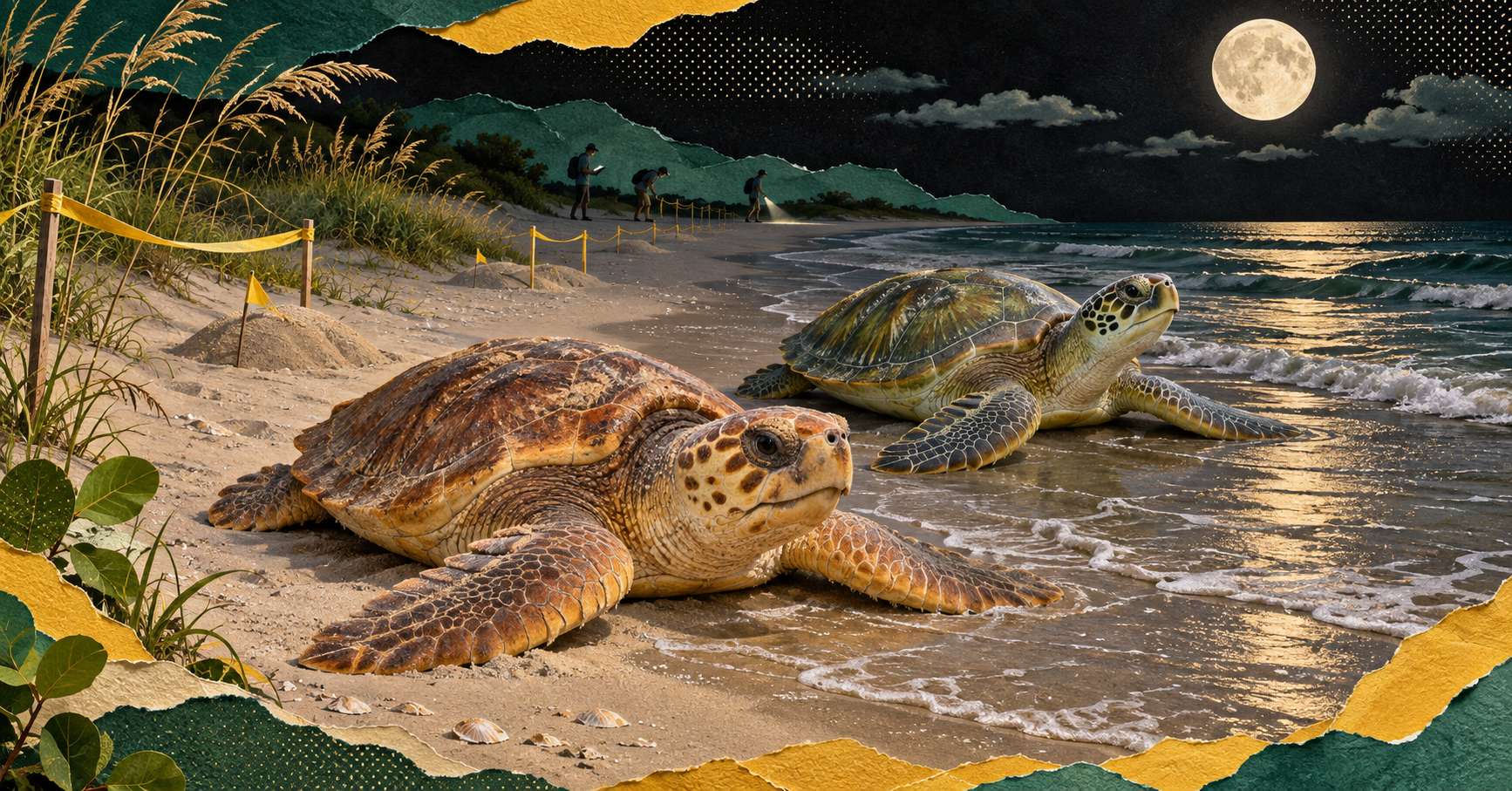
Mote's 2026 patrol documented 4,928 sea-turtle nests along 35 miles of Sarasota County beaches.
More than 300 volunteers helped survey the coast daily from mid-April through October, while 253 disorientation incidents showed the work still ahead.
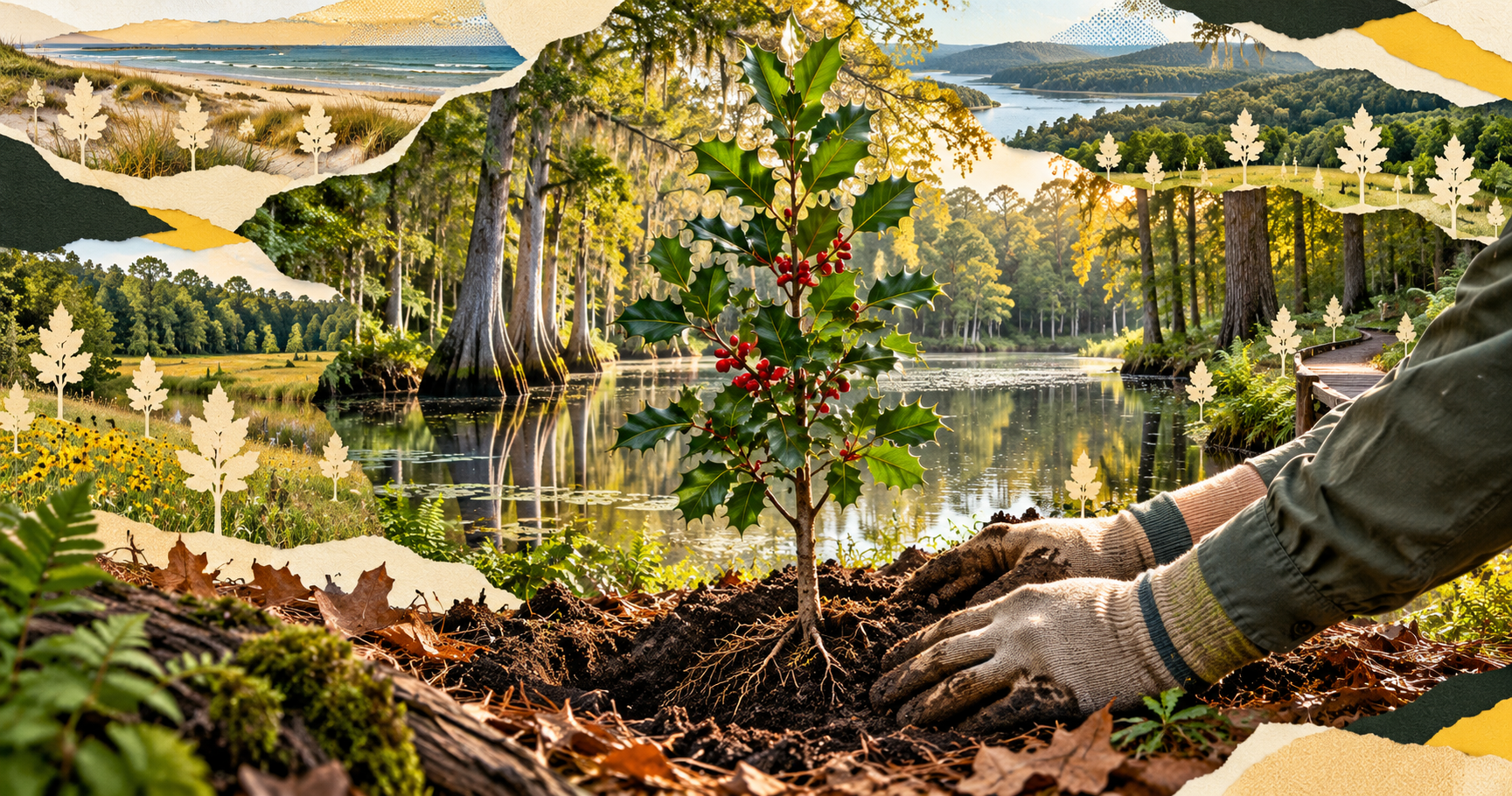
Delaware State Parks planted its 75,000th tree.
The final American holly completed a five-year goal spanning 17 parks, with trees placed for habitat, erosion control, riparian buffers and native succession.