Anode-free sodium pouch cells retained about 80% capacity after 1,400 cycles in a lab study.
The research paired practical cathode loading with fast-rate, low-temperature and high-efficiency results—but it is not yet a commercial battery.
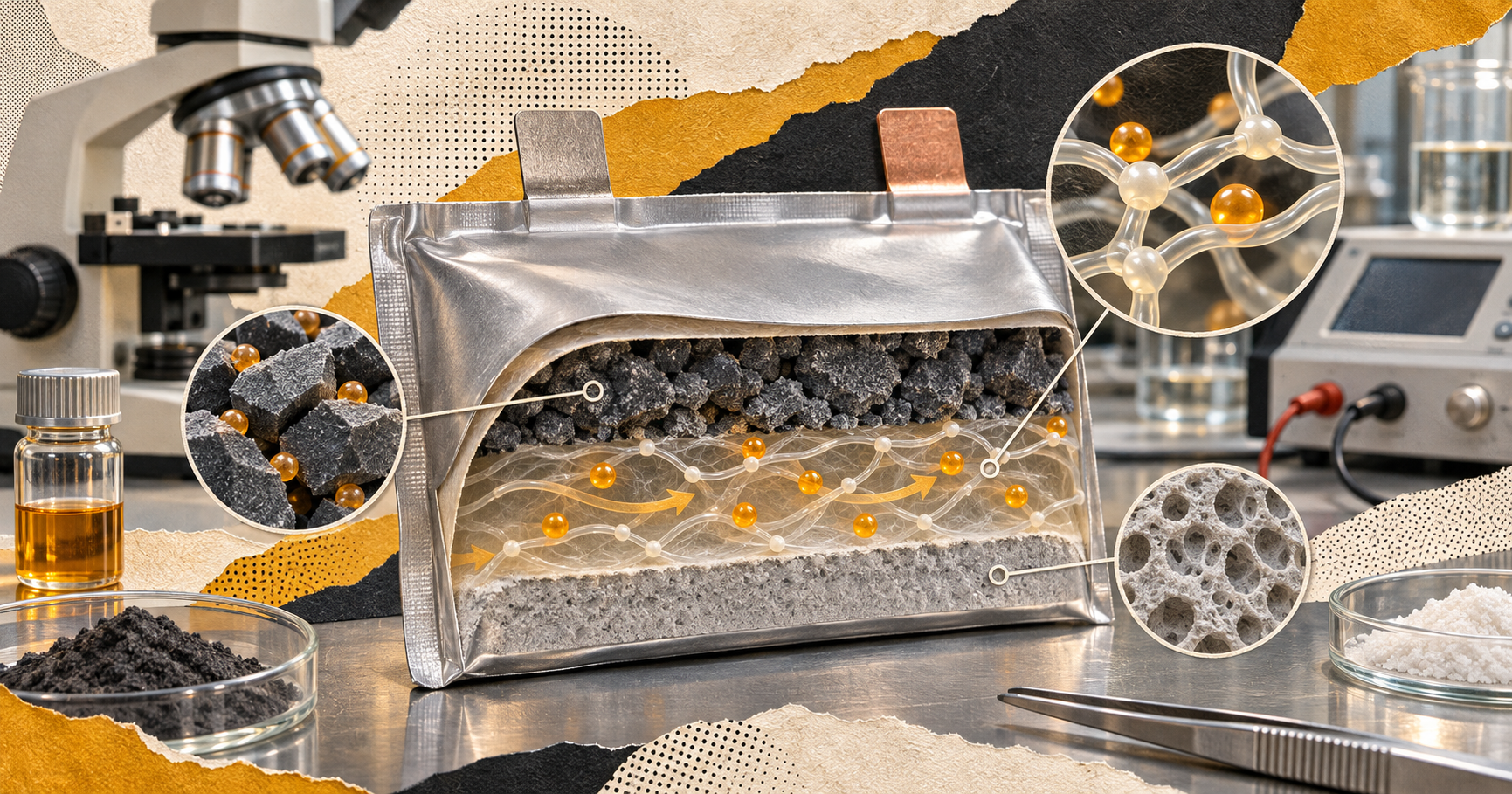
A Nature Energy paper reports an electrolyte design that stabilized anode-free sodium pouch cells at practical cathode loading, addressing a central obstacle for batteries that begin without a pre-installed anode.
WHAT HAPPENED
The researchers used controlled oligomerization to shape the electrolyte chemistry during cycling. Approximately 300-milliamp-hour pouch cells with cathode loading near 20 milligrams per square centimetre retained about 80% of their capacity after 1,400 cycles at a 1C rate. The paper also reports operation up to 3C, 88% capacity retention at minus 40 degrees Celsius and round-trip efficiency as high as about 98%. Those numbers describe controlled laboratory cells, not a product ready for homes, vehicles or the grid.
WHY THIS IS HOPESLOP
Sodium is abundant, and anode-free designs could reduce inactive material. The hopeful signal is a technically demanding combination—cycle life, practical loading, fast-rate operation and cold performance—appearing in one peer-reviewed cell design. Scaling, manufacturing yield, safety and real-world economics still have to earn their own evidence.
ORIGINAL SOURCENature EnergyRead the original report
A DAILY ALLEGATION OF PROGRESS.
One good thing from the internet, every day. Nothing else.
MORE HOPESLOP
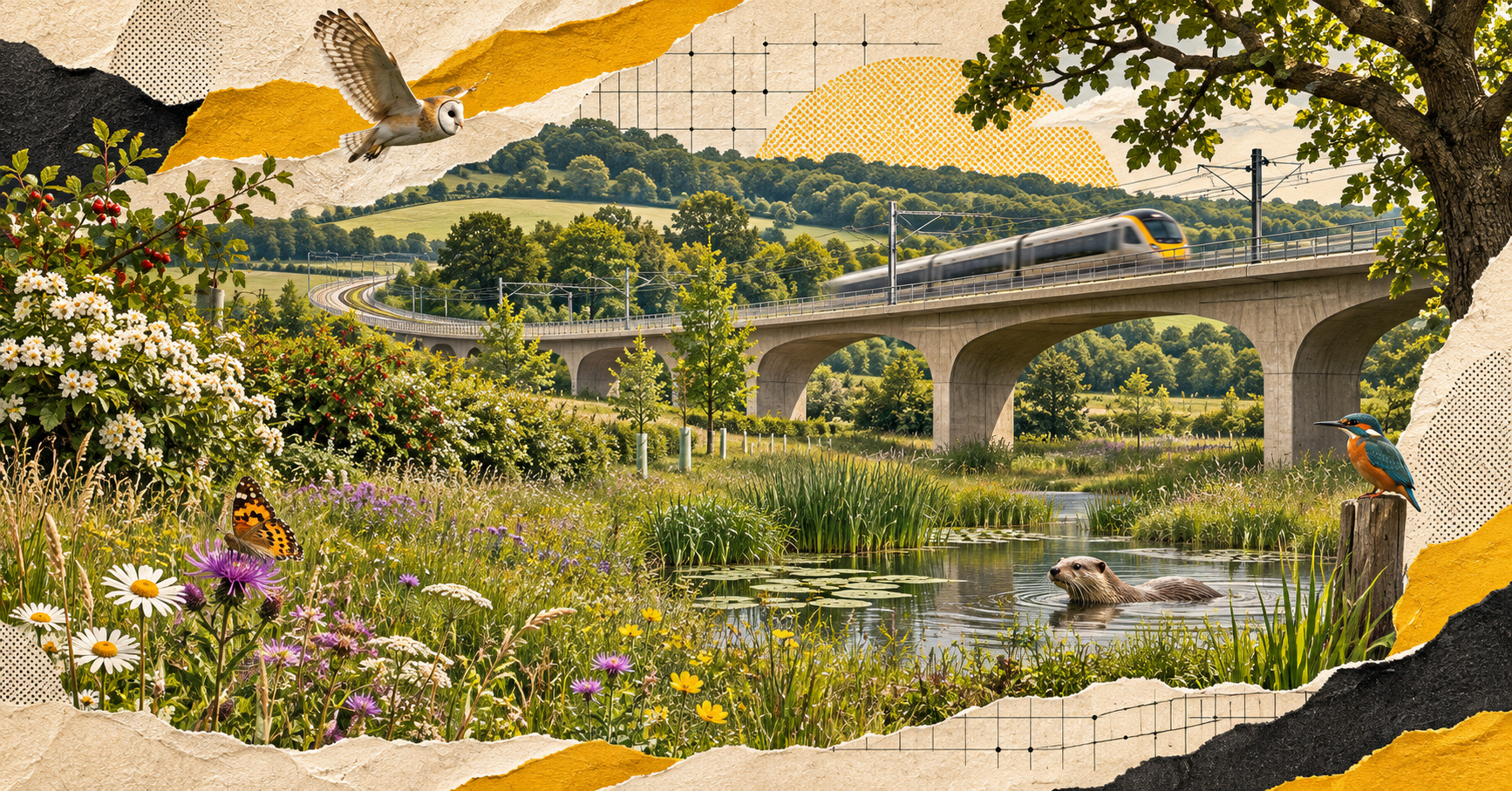
Major infrastructure proposals in England now have to deliver at least 10% biodiversity net gain.
The rule reaches projects such as major transport and energy proposals and requires significant gains to be secured for 30 years.
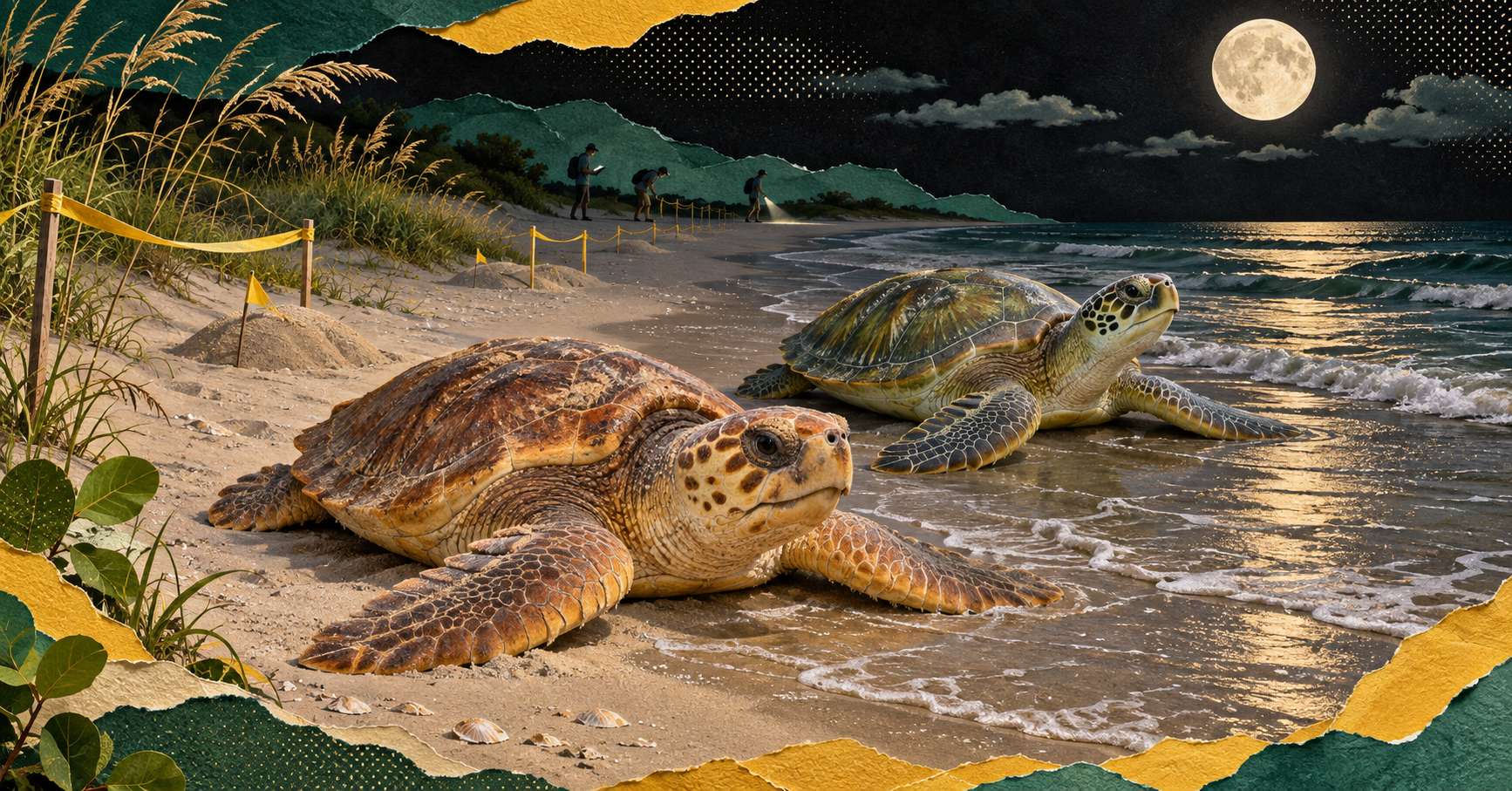
Mote's 2026 patrol documented 4,928 sea-turtle nests along 35 miles of Sarasota County beaches.
More than 300 volunteers helped survey the coast daily from mid-April through October, while 253 disorientation incidents showed the work still ahead.
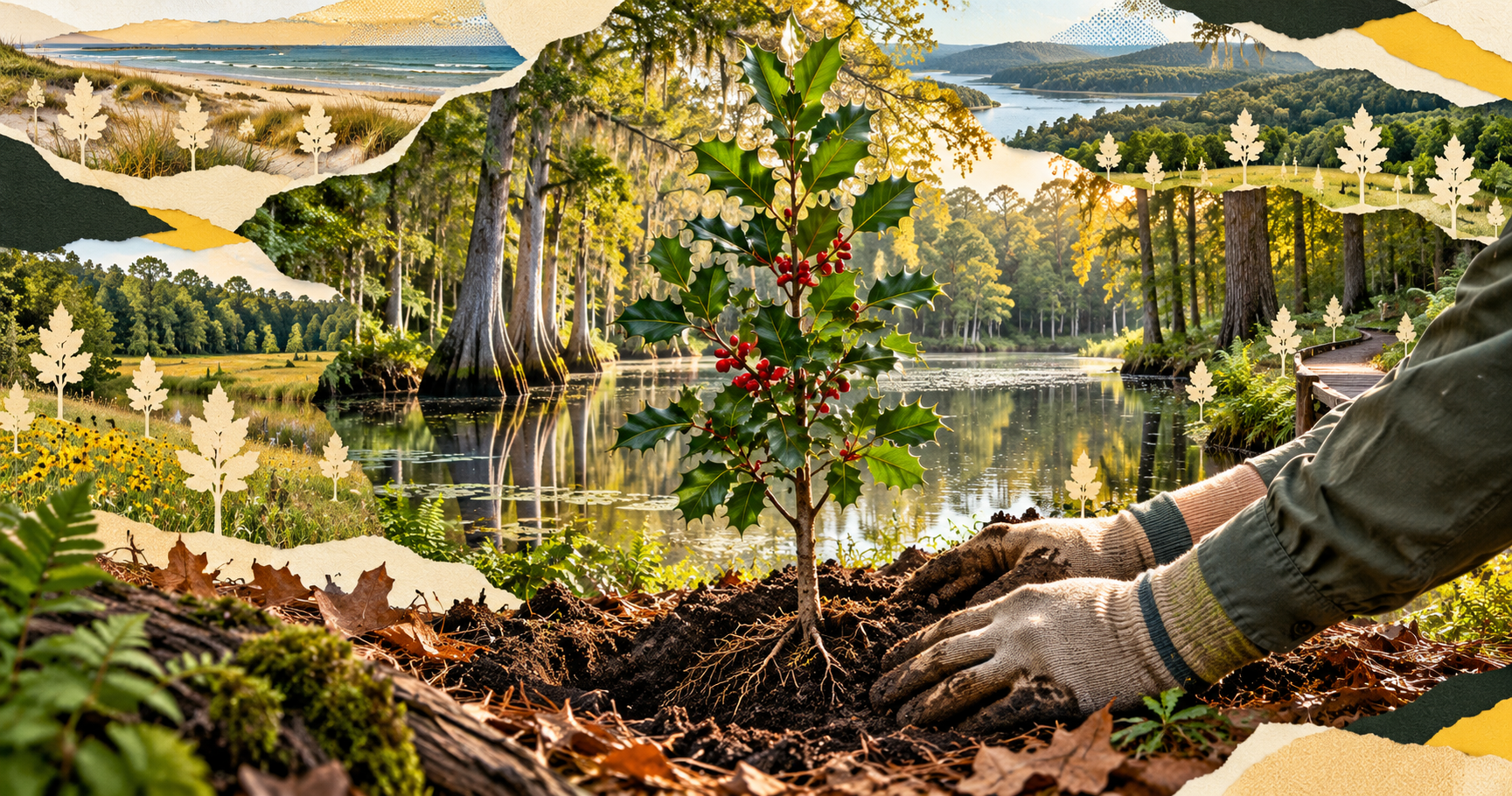
Delaware State Parks planted its 75,000th tree.
The final American holly completed a five-year goal spanning 17 parks, with trees placed for habitat, erosion control, riparian buffers and native succession.