Kindergarten PE now includes learning to ride a bike.
An eight-lesson learn-to-ride curriculum is now in nearly 2,000 US elementary schools. Balance bikes first, pedals when you are ready, gym class credit either way.
EIGHT LESSONS. NEARLY 2,000 SCHOOLS.
Learning to ride a bike used to be a driveway thing, dependent on somebody at home having a bike, time and patience. The Associated Press reported on Sep. 16, 2026 that All Kids Bike has now put an eight-lesson learn-to-ride curriculum into nearly 2,000 US elementary schools, as part of kindergarten PE.
WHAT HAPPENED
The curriculum starts children on balance bikes, then moves them to pedals once they can hold a line — the same progression a good parent improvises, except standardised and taught during the school day to everyone in the class. Schools receive equipment along with the lessons, and donor funding can cover the cost so that a district's budget is not the thing deciding which children learn. Rancho Cucamonga, for example, funded equipment and curriculum for five schools with $45,000. Program materials earlier in 2026 cited 1,800-plus schools and more than 180,000 children taught per year; AP's count is the fresher figure.
WHY THIS IS HOPESLOP
It is a small, unglamorous piece of infrastructure for childhood: the assumption that every kid gets to learn this, in school, for free, regardless of what is in the garage at home.
ORIGINAL SOURCEAssociated PressRead the original report
A DAILY ALLEGATION OF PROGRESS.
One good thing from the internet, every day. Nothing else.
MORE HOPESLOP
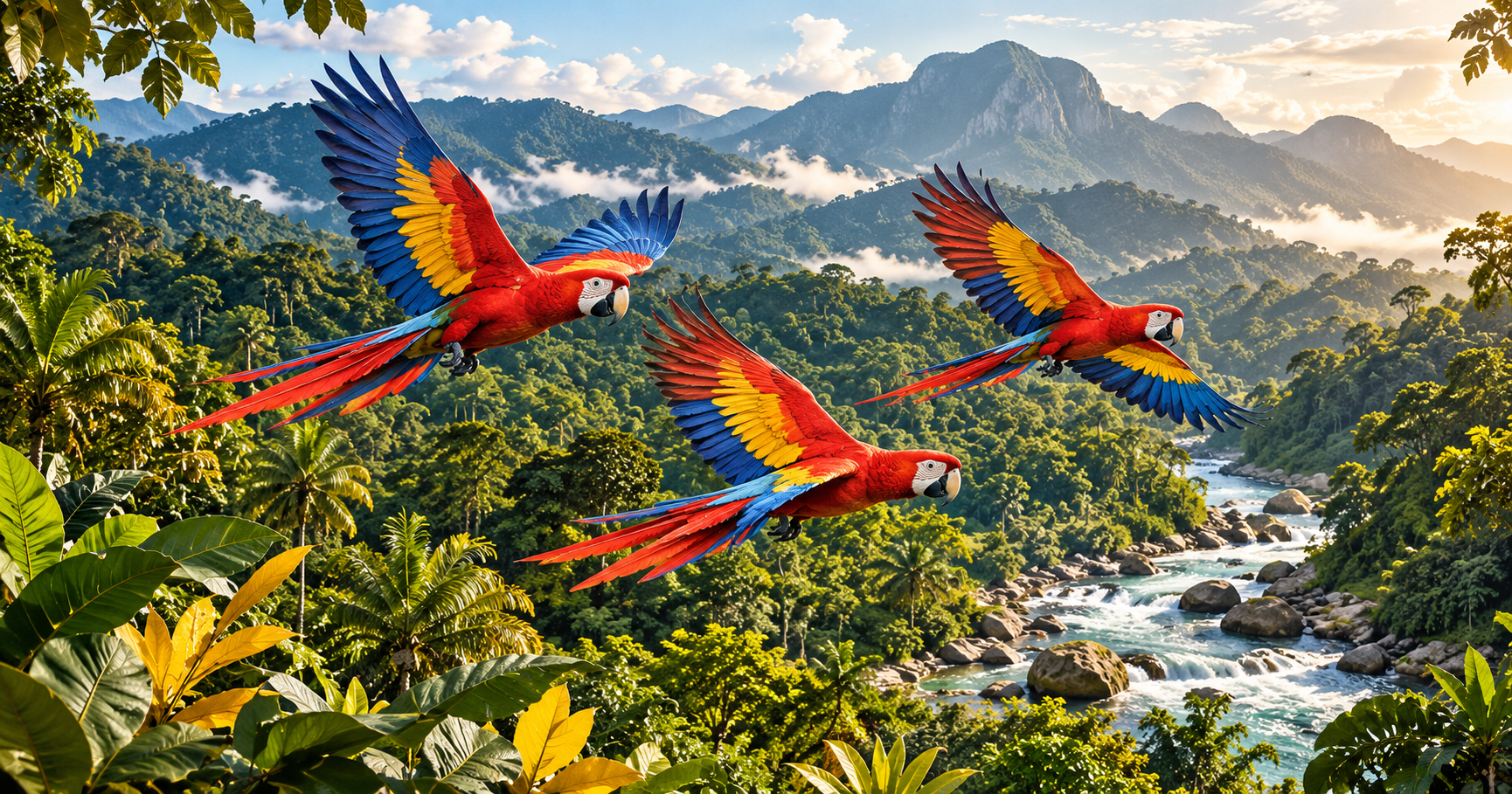
Ten more scarlet macaws are flying free near La Ceiba, Honduras.
The October 26 release brought the local 2026 total to 26 in a landscape where wild macaws had been absent for decades.
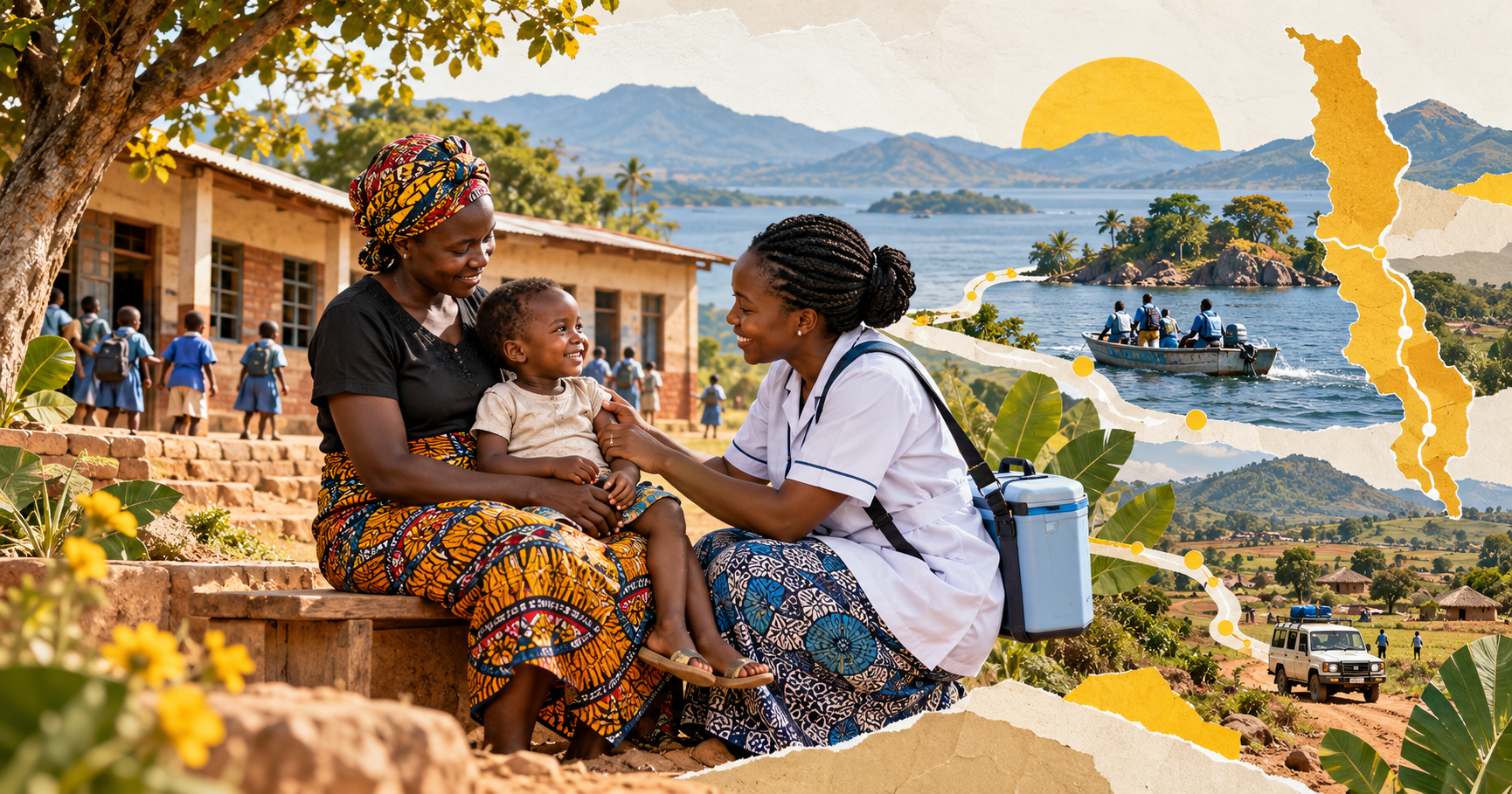
Malawi now reports its September measles-rubella campaign reached more than 5.8 million children.
The final WHO update says the nationwide drive met its target, including remote island and river communities.
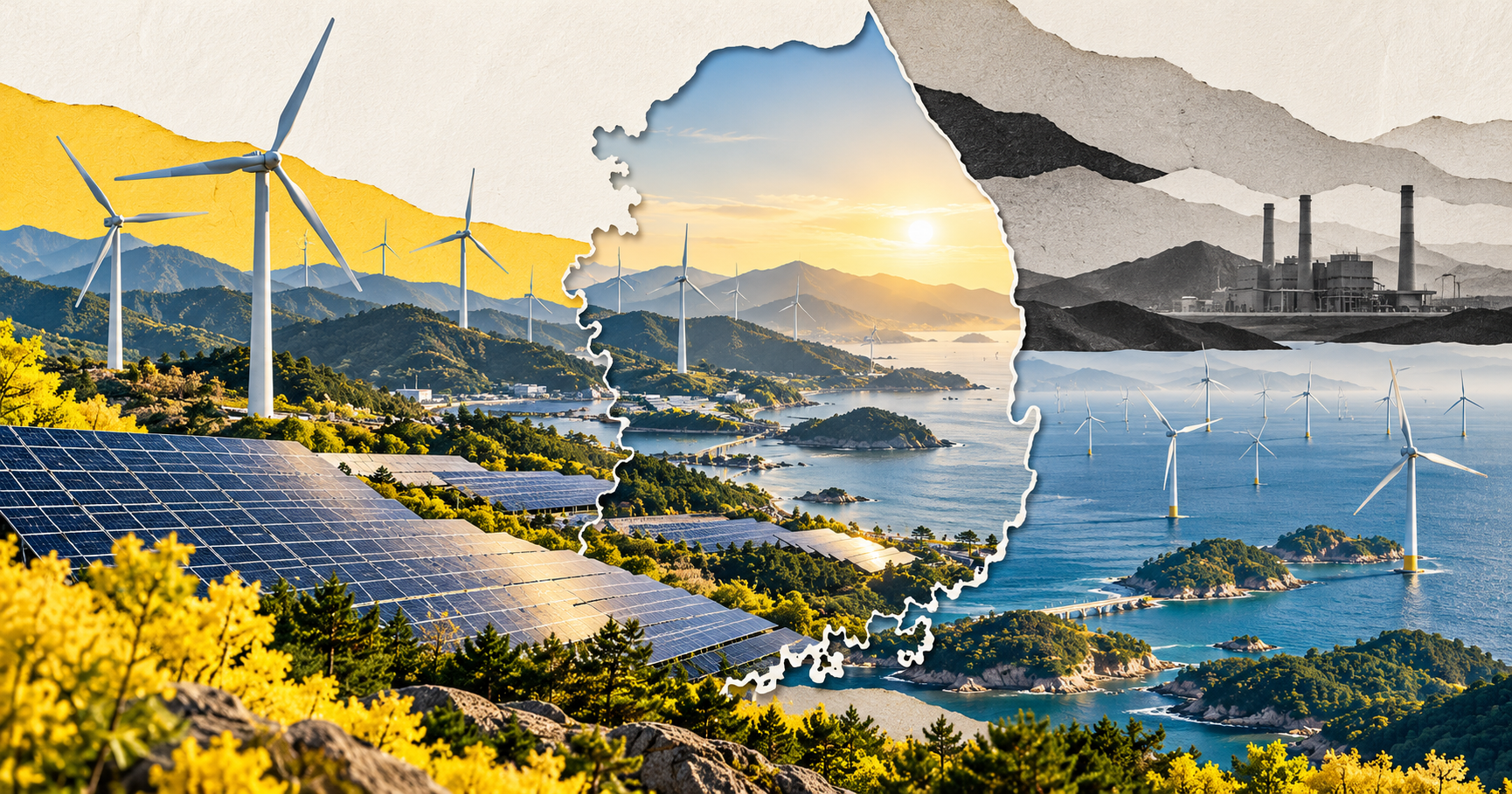
South Korea's renewable-energy capacity surpassed coal for the first time.
Renewables reached 41,040 MW on October 21—283 MW more than coal.