Mote's 2026 patrol documented 4,928 sea-turtle nests along 35 miles of Sarasota County beaches.
More than 300 volunteers helped survey the coast daily from mid-April through October, while 253 disorientation incidents showed the work still ahead.
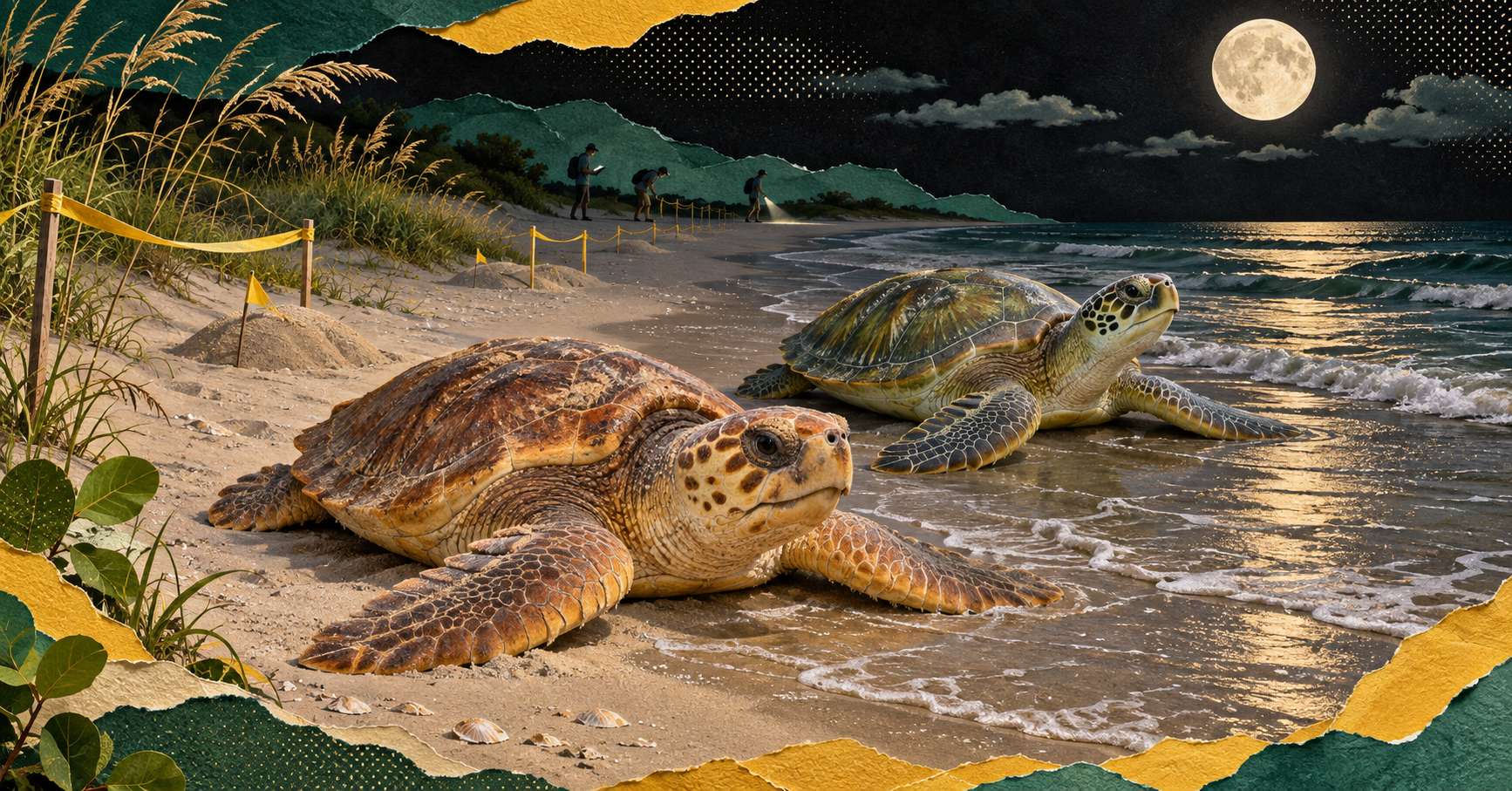
Mote Marine Laboratory's Sea Turtle Conservation and Research Program completed its 2026 season after daily patrols along 35 miles of Sarasota County beaches.
WHAT HAPPENED
The program documented 4,928 nests: 4,732 from threatened loggerheads and 196 from green sea turtles. More than 300 volunteers joined staff and interns in surveys from April 15 through October 31, marking nests and collecting long-term data on timing, density, hatching success and environmental conditions. The season also recorded 253 disorientation incidents, which occur when artificial light pulls hatchlings or nesting adults away from the ocean. The nest total is a monitoring result, not the same thing as successful hatchlings.
WHY THIS IS HOPESLOP
Forty-four years of consistent patrols have turned beach walks into one of the country's longest continuous sea-turtle datasets. The daily work protects nests now and improves the evidence used for conservation later. The disorientation count keeps the optimism honest: thousands of nests were documented, and human choices about light and beach clutter still matter every night.
ORIGINAL SOURCEMote Marine Laboratory & AquariumRead the original report
A DAILY ALLEGATION OF PROGRESS.
One good thing from the internet, every day. Nothing else.
MORE HOPESLOP
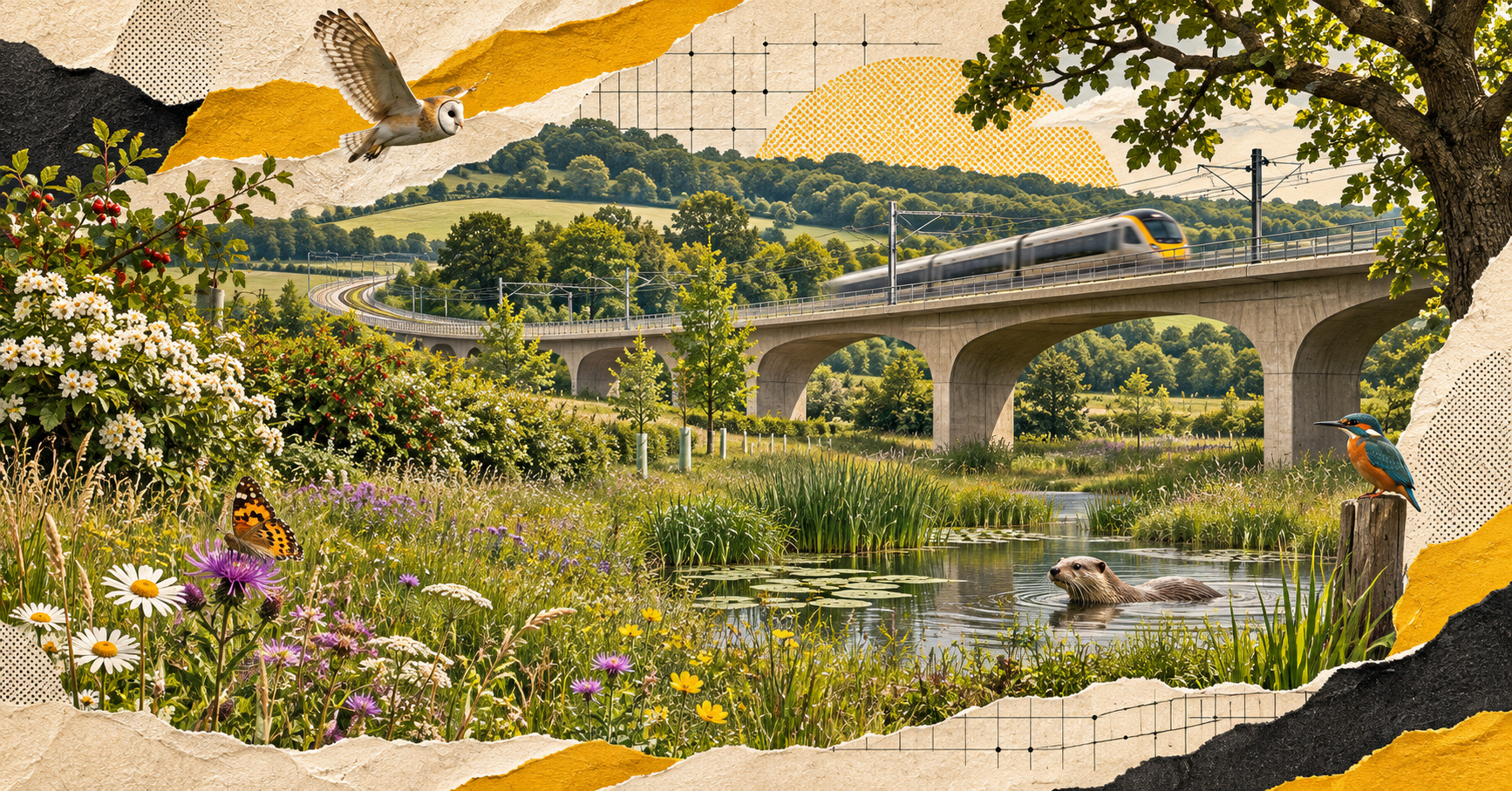
Major infrastructure proposals in England now have to deliver at least 10% biodiversity net gain.
The rule reaches projects such as major transport and energy proposals and requires significant gains to be secured for 30 years.
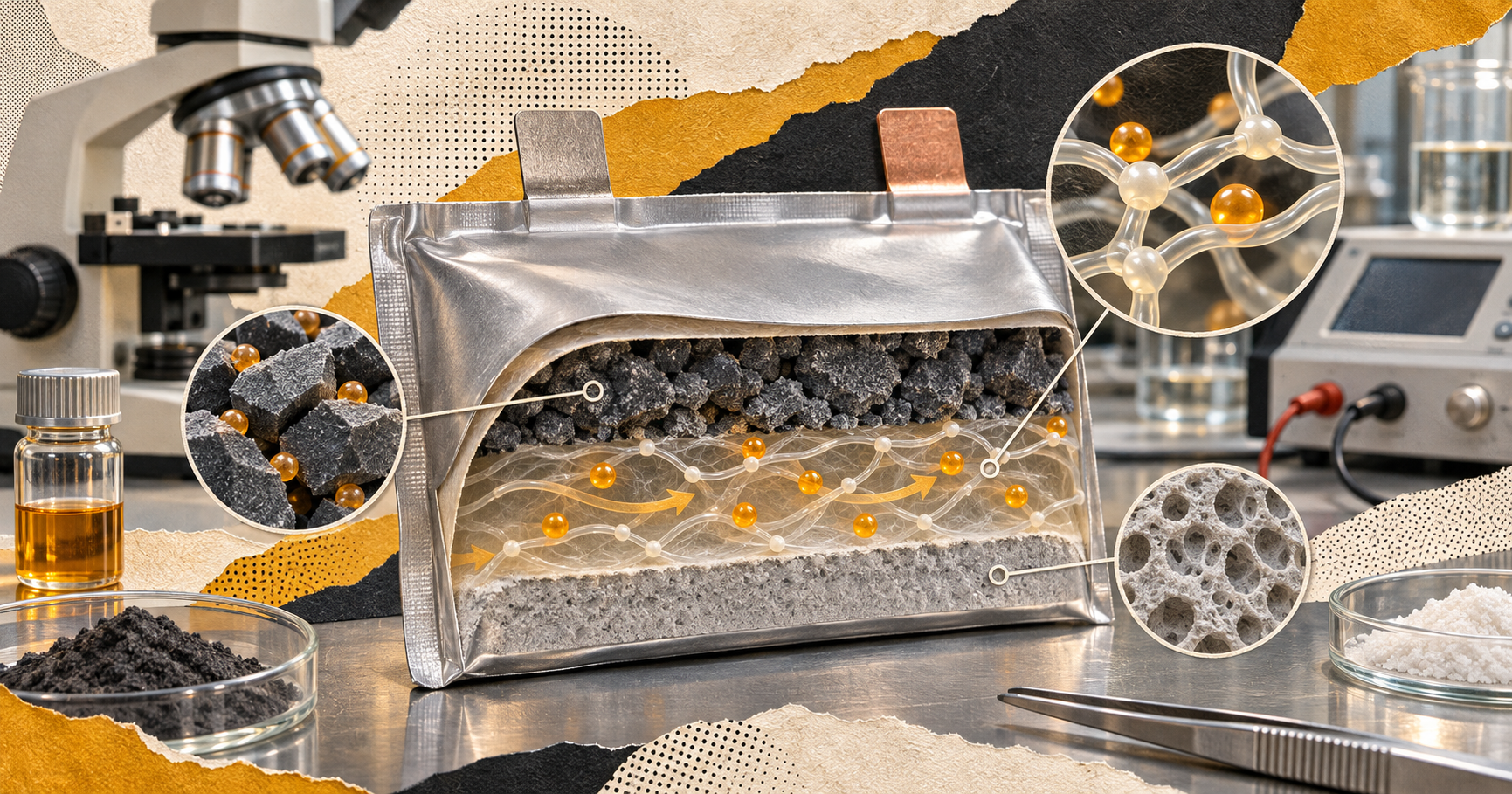
Anode-free sodium pouch cells retained about 80% capacity after 1,400 cycles in a lab study.
The research paired practical cathode loading with fast-rate, low-temperature and high-efficiency results—but it is not yet a commercial battery.
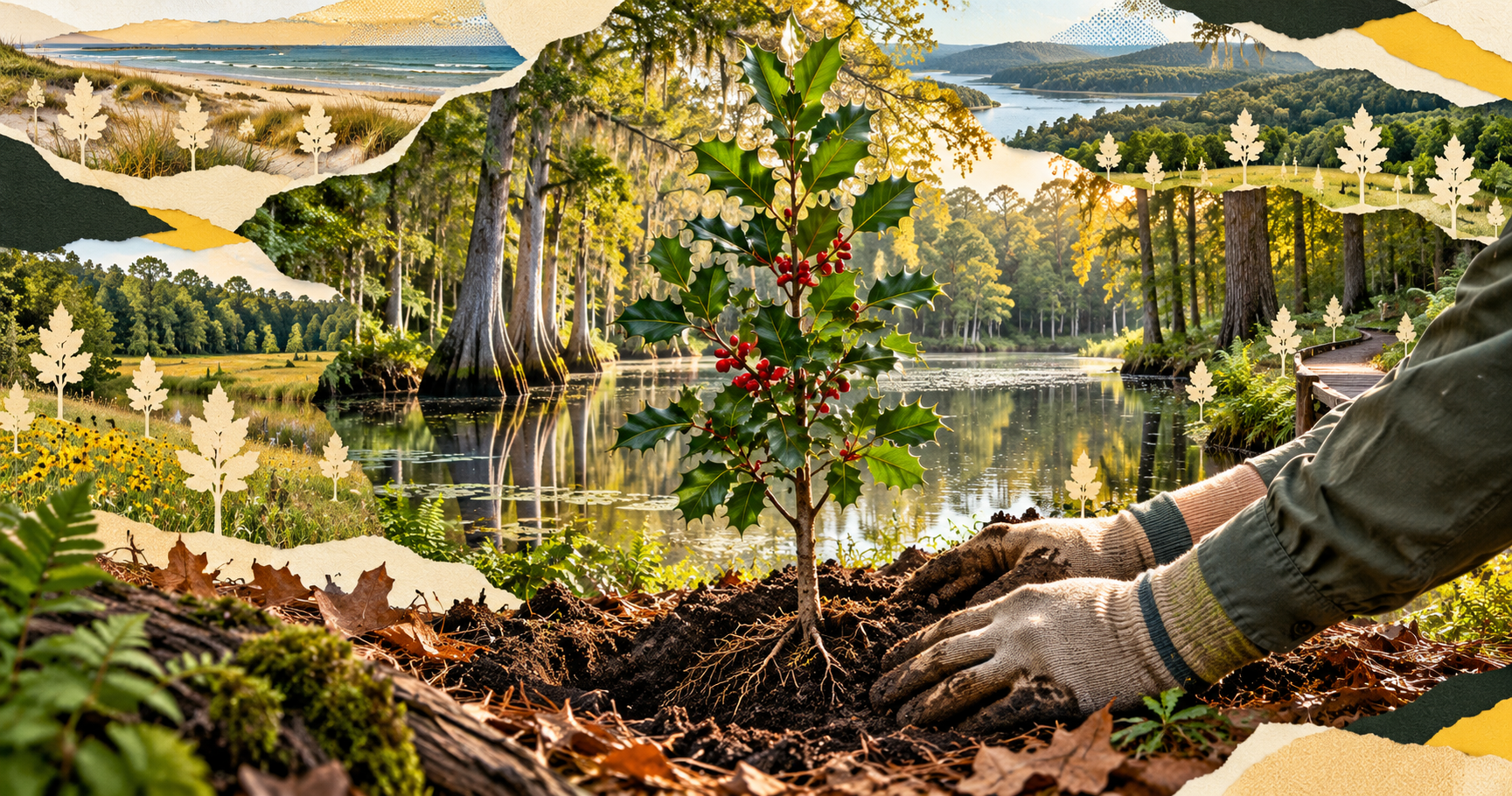
Delaware State Parks planted its 75,000th tree.
The final American holly completed a five-year goal spanning 17 parks, with trees placed for habitat, erosion control, riparian buffers and native succession.