Tiny solar trackers are revealing new monarch migration routes.
About 60 milligrams apiece, the tags can be detected by Motus receivers and participating smartphones without pretending to be continuous GPS trackers.

During the 2026 fall migration, researchers attached tiny solar-powered radio tags to roughly 1,800 monarch butterflies, creating a distributed record of movements that have been difficult to observe across a continent.
WHAT HAPPENED
Each tag weighs about 60 milligrams and broadcasts an identifier when a compatible receiver comes close. The Motus wildlife-tracking network and participating smartphones can register those encounters, producing a chain of detections rather than an exact, continuous GPS trail. Early 2026 findings include monarchs moving from Utah toward Mexico and down the eastern seaboard through Florida and the Gulf. The Associated Press reported about 175 detections in Mexico. Scientists are also testing whether carrying a tag changes flight or behavior; the method is promising, but those validation questions remain open.
WHY THIS IS HOPESLOP
A migration made of millions of fragile individual journeys is becoming legible through small solar tags, public phones and a shared scientific network. The hopeful part is not that every mystery is solved. It is that researchers can now see routes that conservation plans have mostly had to infer—and they are being unusually clear about what the technology still cannot tell them.
ORIGINAL SOURCEAssociated Press / Monarch Joint VentureRead the original report
A DAILY ALLEGATION OF PROGRESS.
One good thing from the internet, every day. Nothing else.
MORE HOPESLOP

Major infrastructure proposals in England now have to deliver at least 10% biodiversity net gain.
The rule reaches projects such as major transport and energy proposals and requires significant gains to be secured for 30 years.

Anode-free sodium pouch cells retained about 80% capacity after 1,400 cycles in a lab study.
The research paired practical cathode loading with fast-rate, low-temperature and high-efficiency results—but it is not yet a commercial battery.
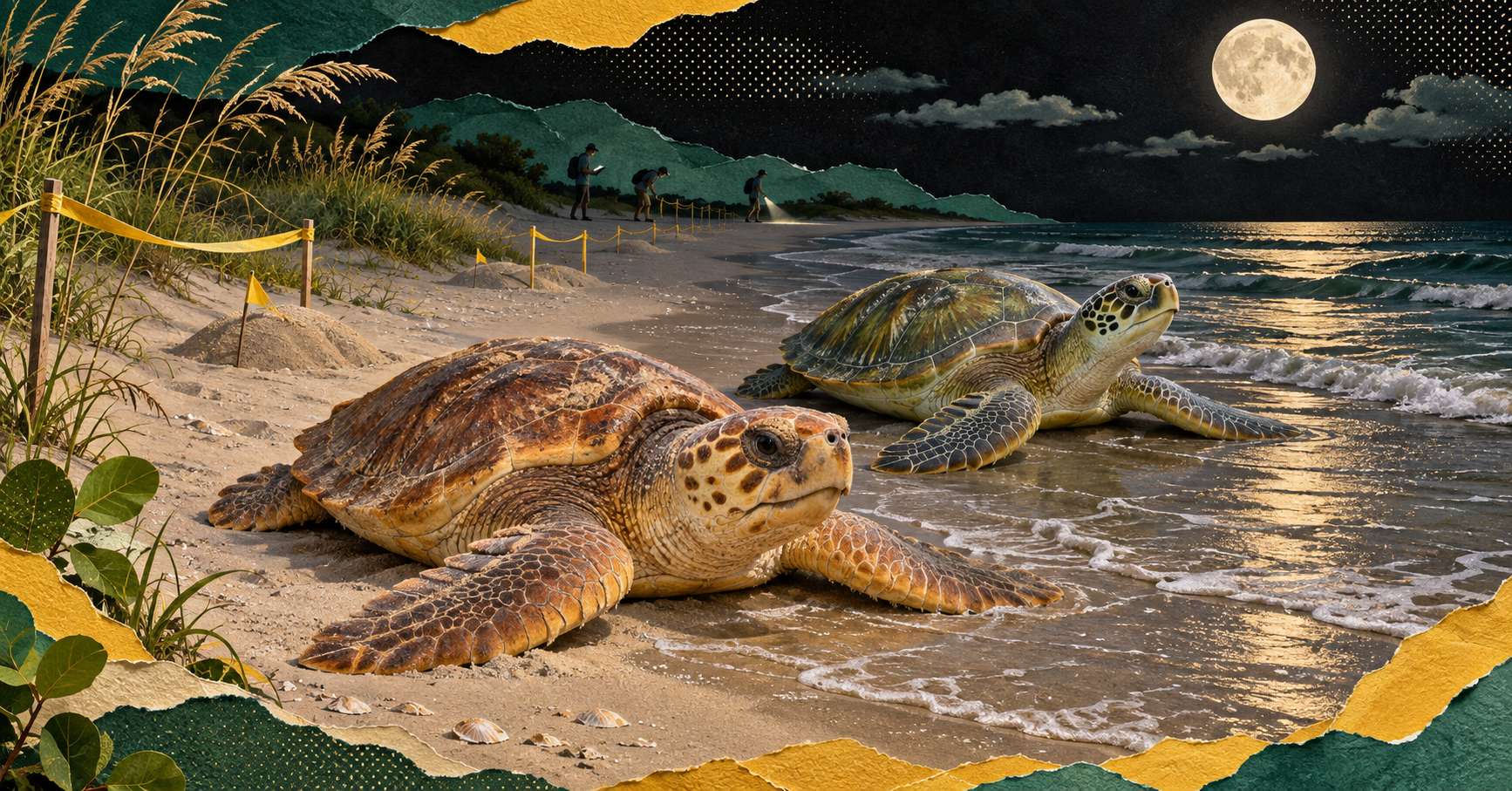
Mote's 2026 patrol documented 4,928 sea-turtle nests along 35 miles of Sarasota County beaches.
More than 300 volunteers helped survey the coast daily from mid-April through October, while 253 disorientation incidents showed the work still ahead.