Delaware State Parks planted its 75,000th tree.
The final American holly completed a five-year goal spanning 17 parks, with trees placed for habitat, erosion control, riparian buffers and native succession.
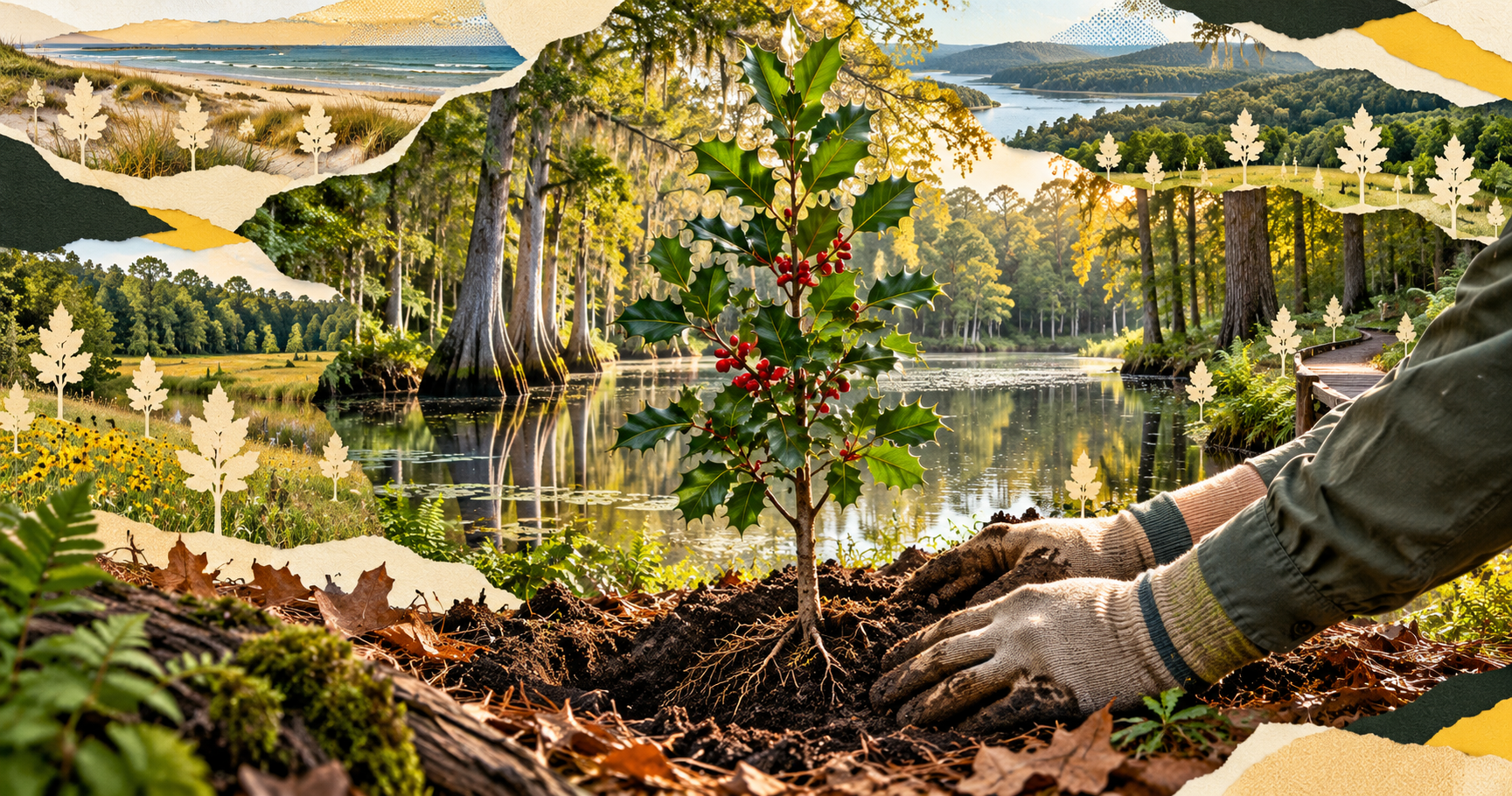
Delaware State Parks planted an American holly at Trap Pond State Park on October 19, completing a commitment to add 75,000 trees across the park system by the end of 2026.
WHAT HAPPENED
The five-year effort placed trees in all 17 state parks. The largest totals went to Killens Pond, Trap Pond and White Clay Creek. DNREC says the plantings were chosen to strengthen existing forests, improve wildlife habitat, create riparian buffers, control erosion, diversify understory and replace dead trees. The 75,000th tree also serves as a Liberty Tree marking both the park system's 75th anniversary and the United States' 250th anniversary. It contributes to Delaware's separate goal of one million new trees by 2030.
WHY THIS IS HOPESLOP
Seventy-five thousand is a celebratory number; the slower work comes after planting, as roots establish and habitats mature. Still, this was not a pledge announced at a podium. It was a five-year commitment carried through to its final tree.
ORIGINAL SOURCEState of Delaware / DNRECRead the original report
A DAILY ALLEGATION OF PROGRESS.
One good thing from the internet, every day. Nothing else.
MORE HOPESLOP
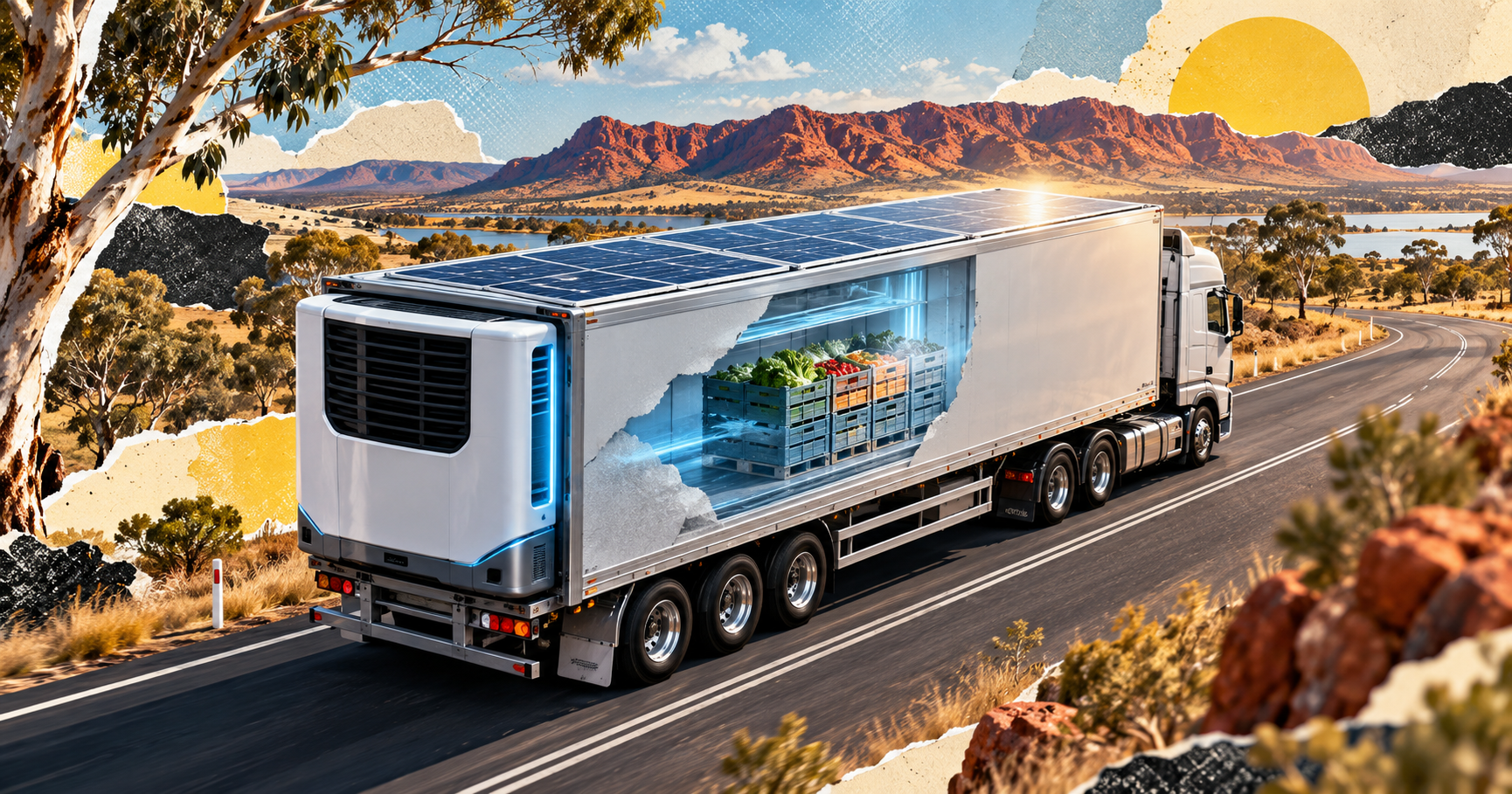
An Australian freight operator bought the country's first solar-electric refrigerated trailer unit.
Wickham Freight Lines adopted battery-powered refrigeration after an interstate test, removing the trailer's separate diesel engine without replacing the truck.
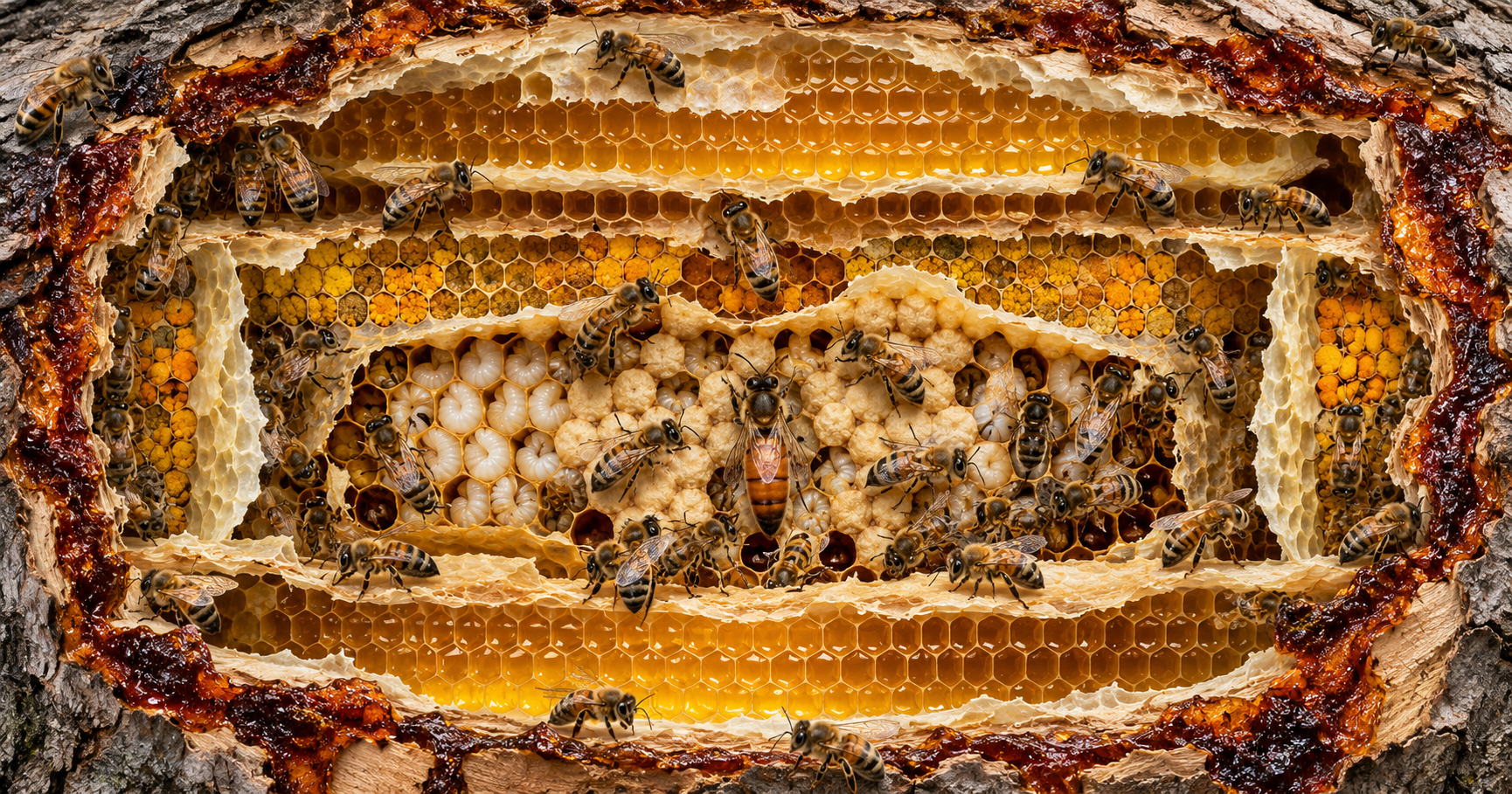
Honeybee hives organize antimicrobial materials into a colony-level defense system.
Honey, propolis, wax and fermented pollen form chemically distinct layers that help shape the microbes living inside a colony.
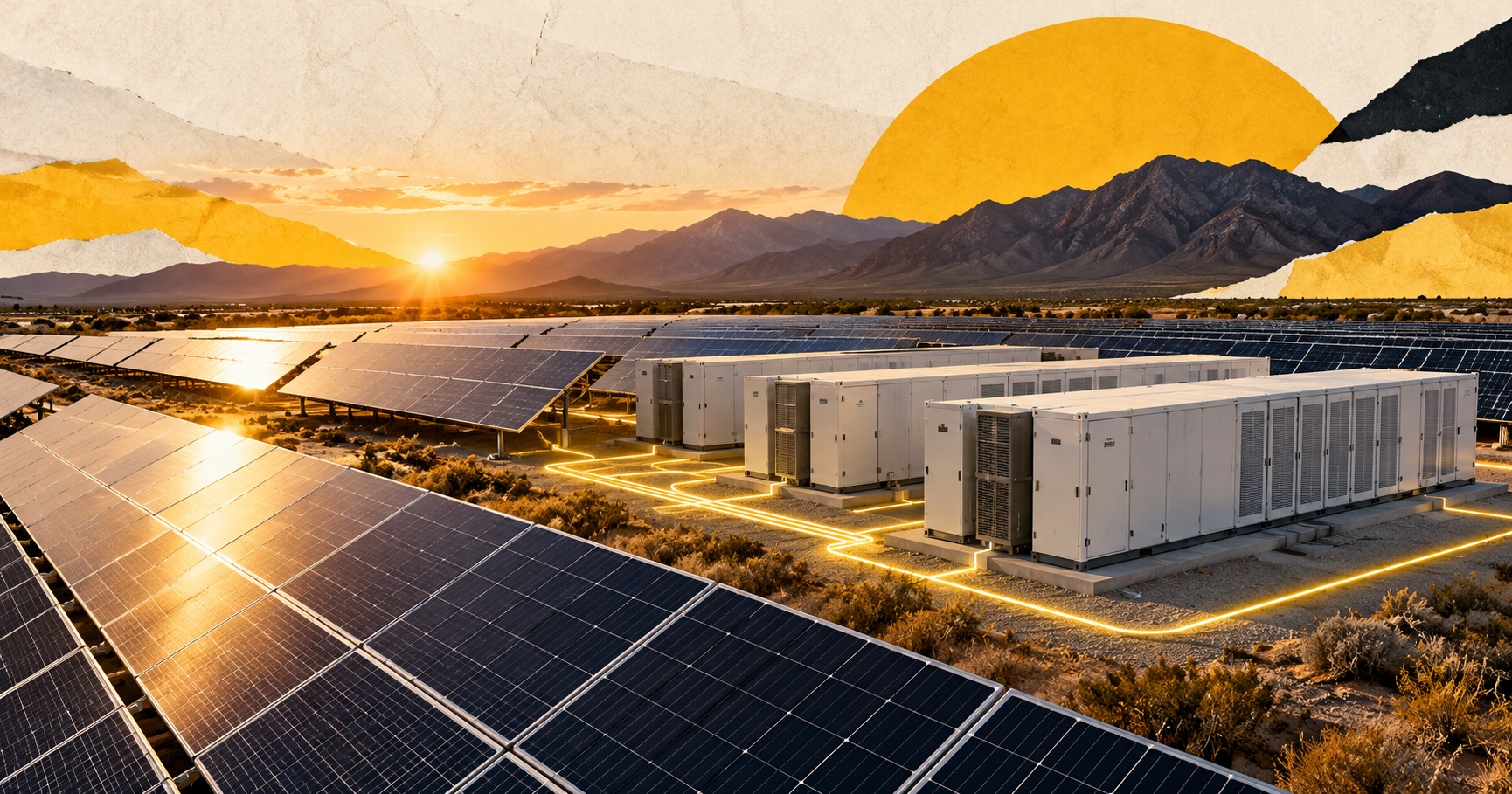
Sixteen percent of new U.S. utility-scale solar now arrives with battery storage.
That share was just 2% in 2017, and reported project plans put it above 30% for 2027 and 2028.