Plant waste made a biodegradable waterproof coating without fluorine.
The SLIP material repelled water, survived stress and UV exposure, and broke down in a wood-fungus test.
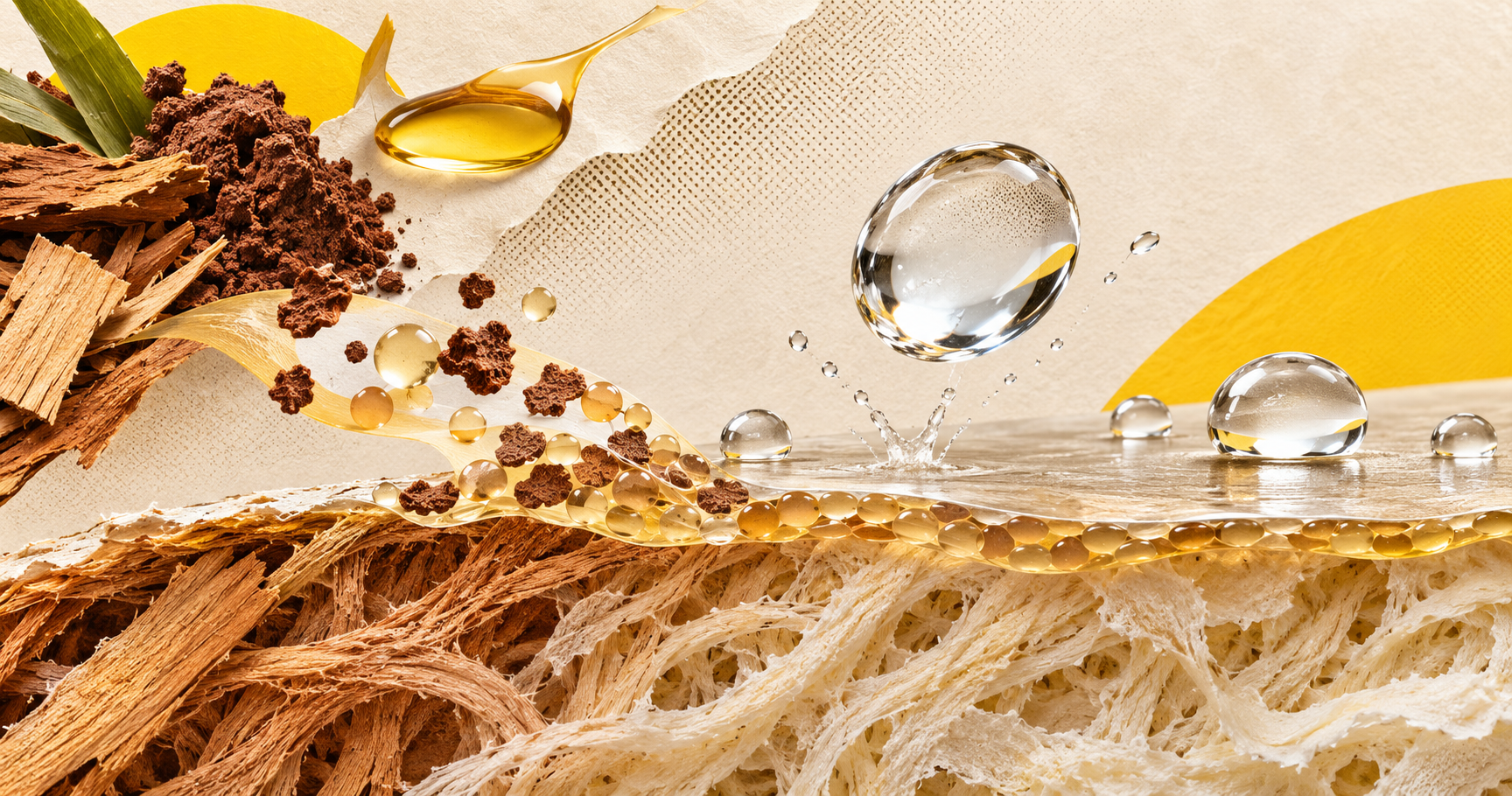
A Washington University team reported a plant-inspired coating that uses lignin from plant waste, fatty acids and a polylactic-acid binder to create a water-repellent surface without fluorinated chemistry.
WHAT HAPPENED
The team calls the material SLIP. In laboratory tests described in Matter, it was superhydrophobic, mechanically robust and stable under ultraviolet exposure. The researchers also exposed it to a wood-decay fungus as a biodegradation test. The ingredients and architecture point toward renewable coatings for some applications now served by persistent fluorinated chemicals, but the work has not yet established a mass-manufactured substitute for every PFAS function.
WHY THIS IS HOPESLOP
A good alternative material has to do more than avoid a harmful ingredient; it has to perform and eventually leave. SLIP is encouraging because the researchers tested both sides of that bargain—durability while useful and biological breakdown afterward—without pretending the scale-up work is finished.
ORIGINAL SOURCEWashington University in St. Louis / MatterRead the original report
A DAILY ALLEGATION OF PROGRESS.
One good thing from the internet, every day. Nothing else.
MORE HOPESLOP

Kazakhstan released its second Amur tiger into the wild.
The collared male follows Umit, released in July, in an experimental return to the Ile-Balkhash landscape.

India says its navy rescued all 20 crew from a hijacked fishing boat.
The November 2 operation used a warship, reconnaissance aircraft and marine commandos; an earlier head-count discrepancy remains unresolved.
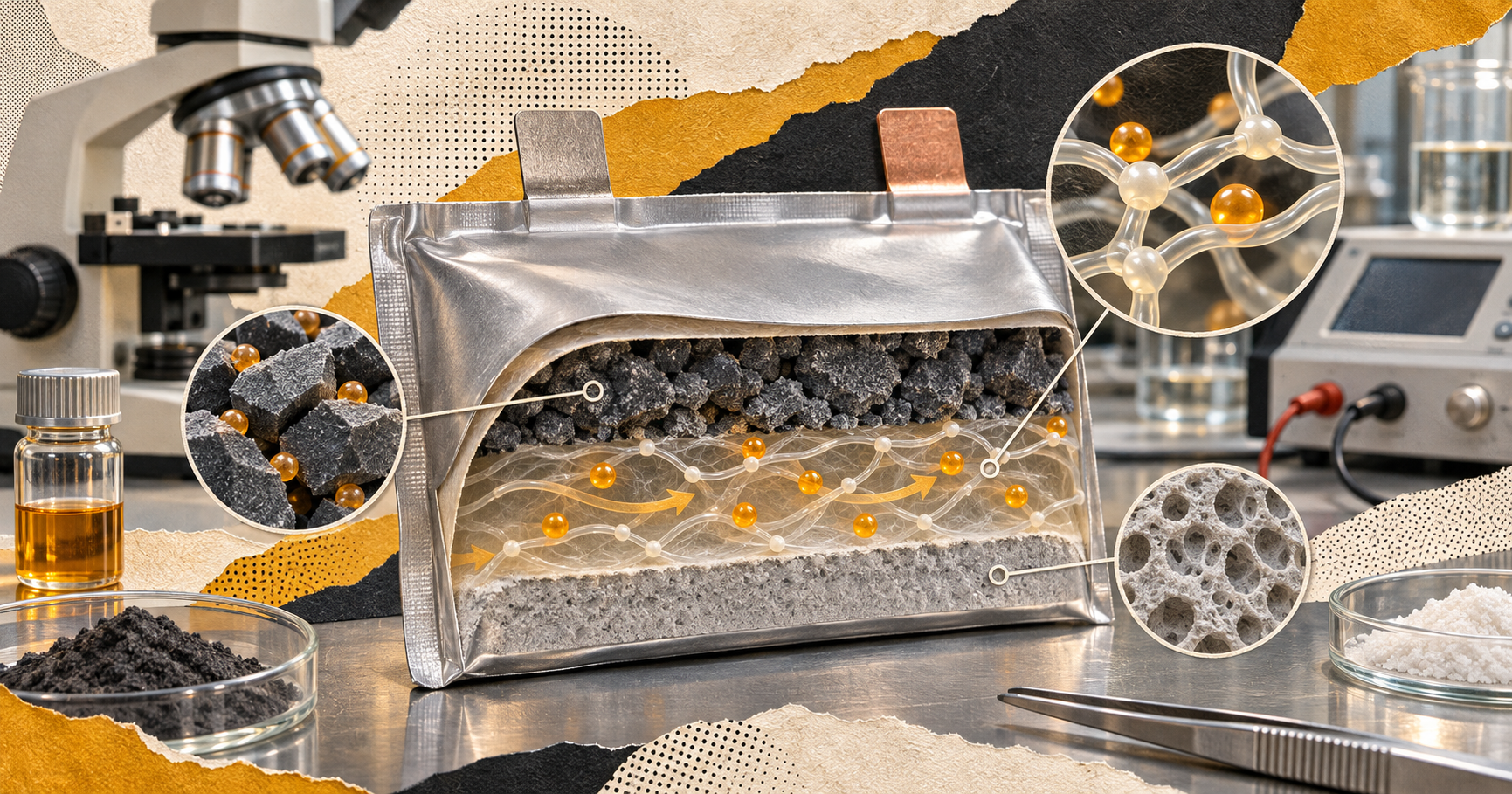
Anode-free sodium pouch cells retained about 80% capacity after 1,400 cycles in a lab study.
The research paired practical cathode loading with fast-rate, low-temperature and high-efficiency results—but it is not yet a commercial battery.