Kazakhstan released its second Amur tiger into the wild.
The collared male follows Umit, released in July, in an experimental return to the Ile-Balkhash landscape.
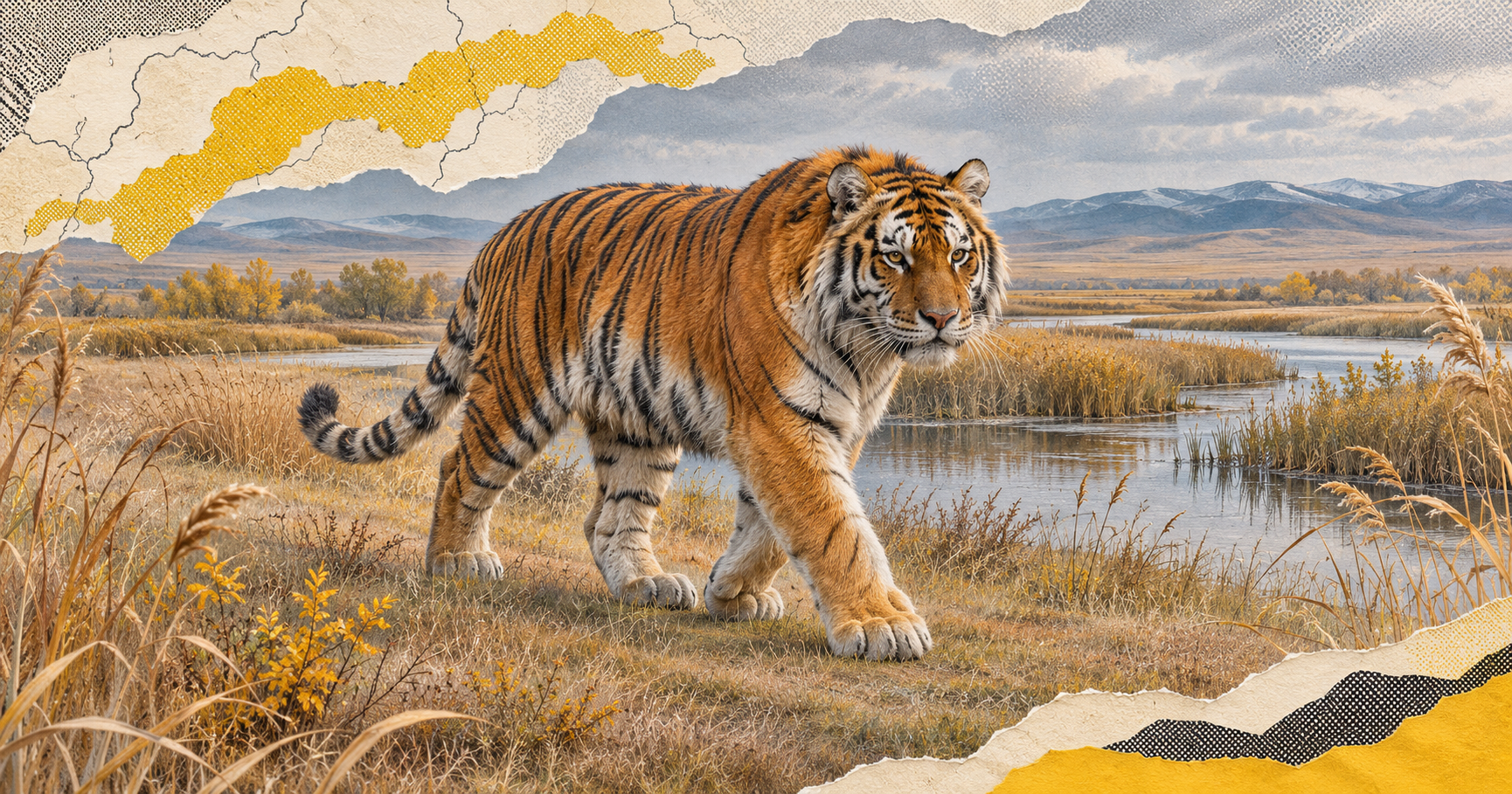
A male Amur tiger was released into Kazakhstan's Ile-Balkhash State Nature Reserve on October 31, becoming the second tiger returned to the country's wild under the current reintroduction program.
WHAT HAPPENED
Kazakhstan's ecology ministry says the tiger completed veterinary and behavioral checks and was fitted with a satellite collar. He follows Umit, a female released on July 31 who the ministry says has been hunting successfully. Two younger tigers remain under observation. Tigers disappeared from Kazakhstan more than 70 years ago; this staged return is designed to test whether the restored landscape can support them again.
WHY THIS IS HOPESLOP
Reintroductions are measured in years, not release-day applause. Still, a second carefully monitored animal turns a restoration plan into a living experiment: habitat, prey protection and cross-border conservation work are being asked to carry an apex predator again.
ORIGINAL SOURCEMinistry of Ecology and Natural Resources of KazakhstanRead the original report
A DAILY ALLEGATION OF PROGRESS.
One good thing from the internet, every day. Nothing else.
MORE HOPESLOP

Plant waste made a biodegradable waterproof coating without fluorine.
The SLIP material repelled water, survived stress and UV exposure, and broke down in a wood-fungus test.

India says its navy rescued all 20 crew from a hijacked fishing boat.
The November 2 operation used a warship, reconnaissance aircraft and marine commandos; an earlier head-count discrepancy remains unresolved.
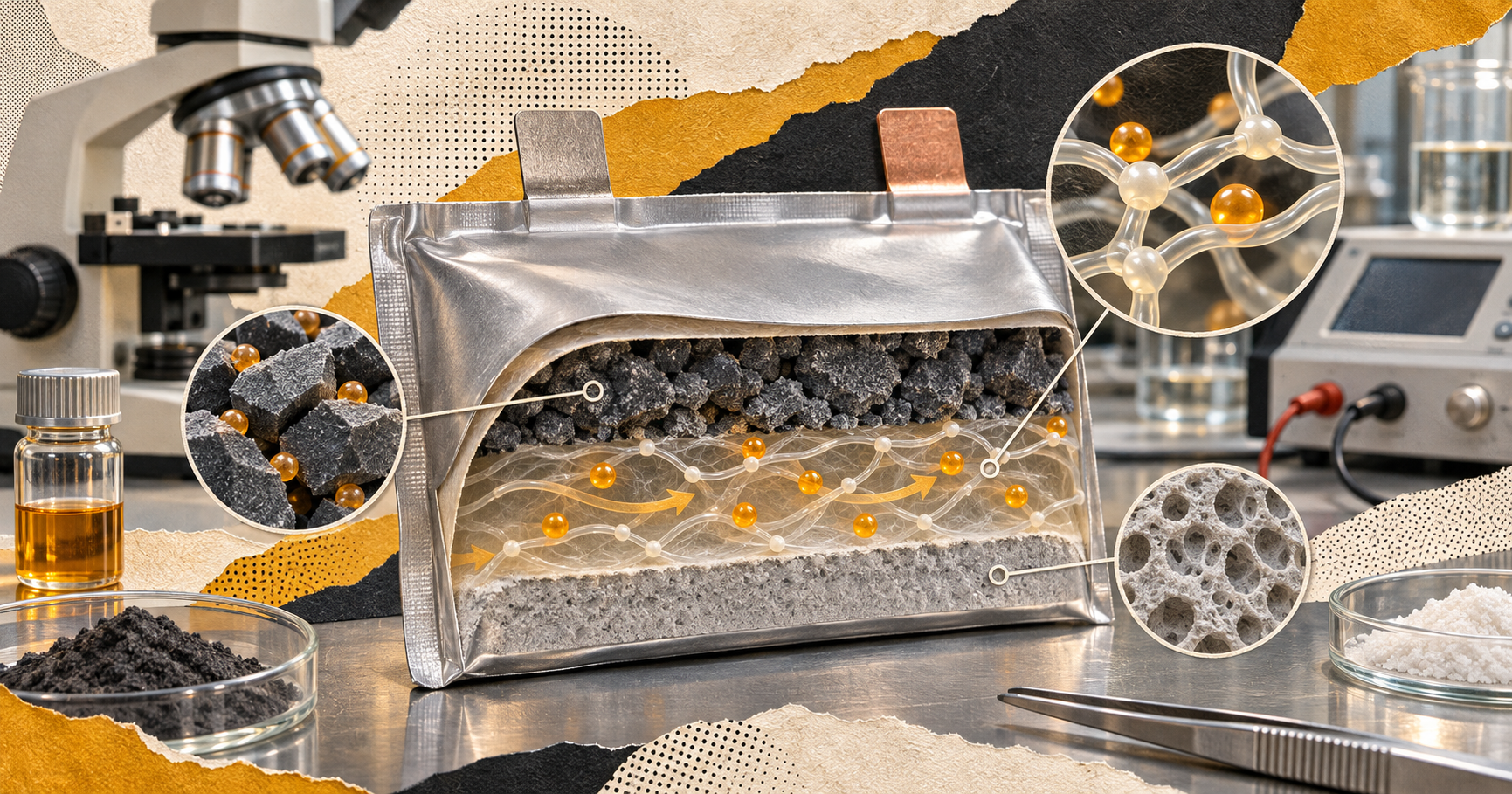
Anode-free sodium pouch cells retained about 80% capacity after 1,400 cycles in a lab study.
The research paired practical cathode loading with fast-rate, low-temperature and high-efficiency results—but it is not yet a commercial battery.