A review found 61% of tiny populations recovered past 100 with direct conservation action.
Among species receiving no direct support, 37% went extinct and only 2% recovered to at least 100.
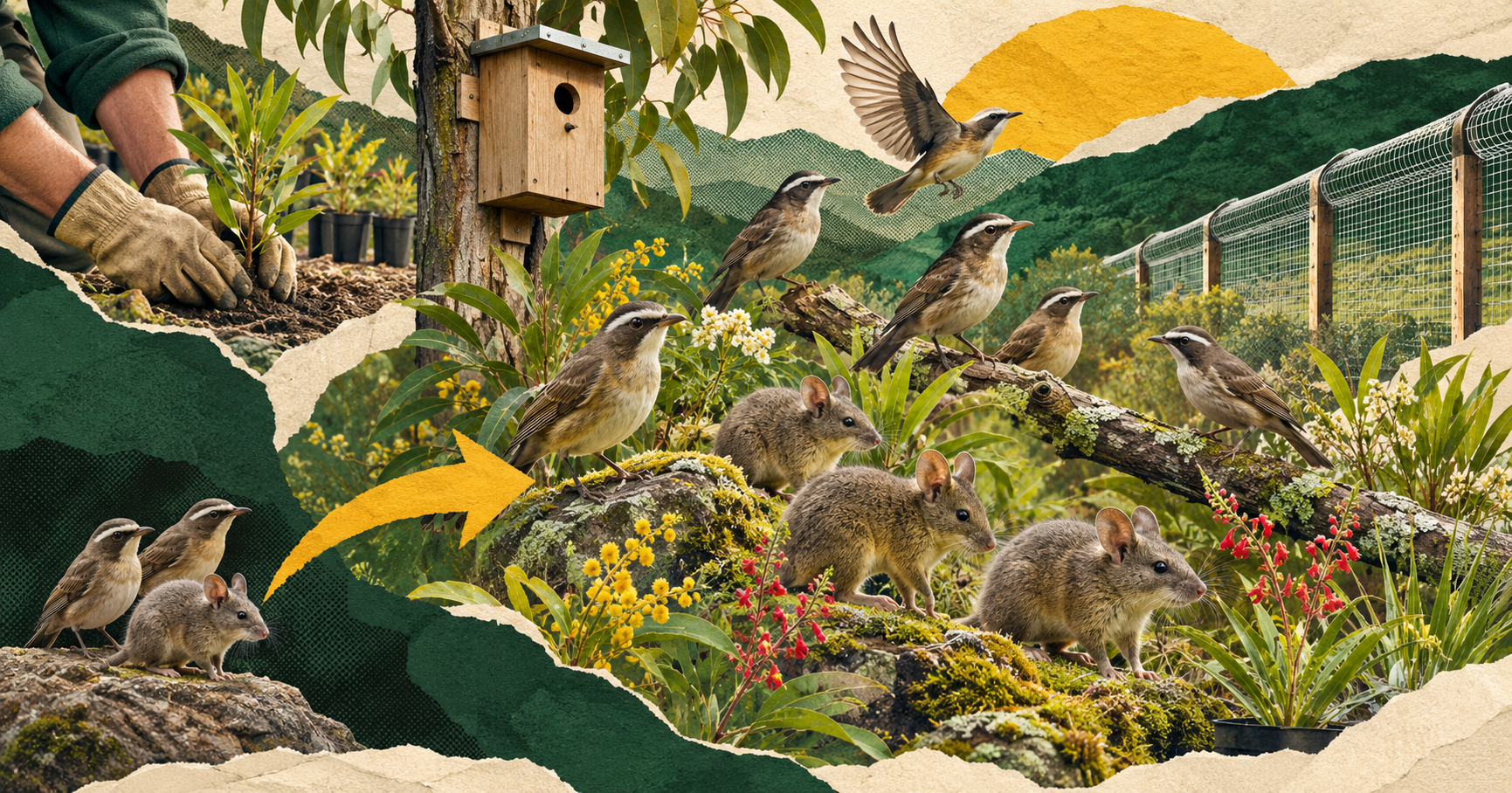
Researchers reviewed 141 bird and mammal species known to have fallen below 50 wild individuals since 1950. The outcomes challenge the idea that a very small population is automatically beyond help.
WHAT HAPPENED
Of 51 species that received direct action—such as predator control, habitat restoration, captive breeding or translocation—61% later reached at least 100 wild individuals. Among species without direct support, 37% went extinct and only 2% reached 100. The highest success came when managers combined action against the original threat with direct population management.
WHY THIS IS HOPESLOP
A population of 49 is not a verdict. The review shows that practical intervention can matter even after wildlife has been reduced to a number that fits in one room—and that giving up is itself a consequential conservation choice.
ORIGINAL SOURCEProceedings B / Monash UniversityRead the original report
A DAILY ALLEGATION OF PROGRESS.
One good thing from the internet, every day. Nothing else.
MORE HOPESLOP
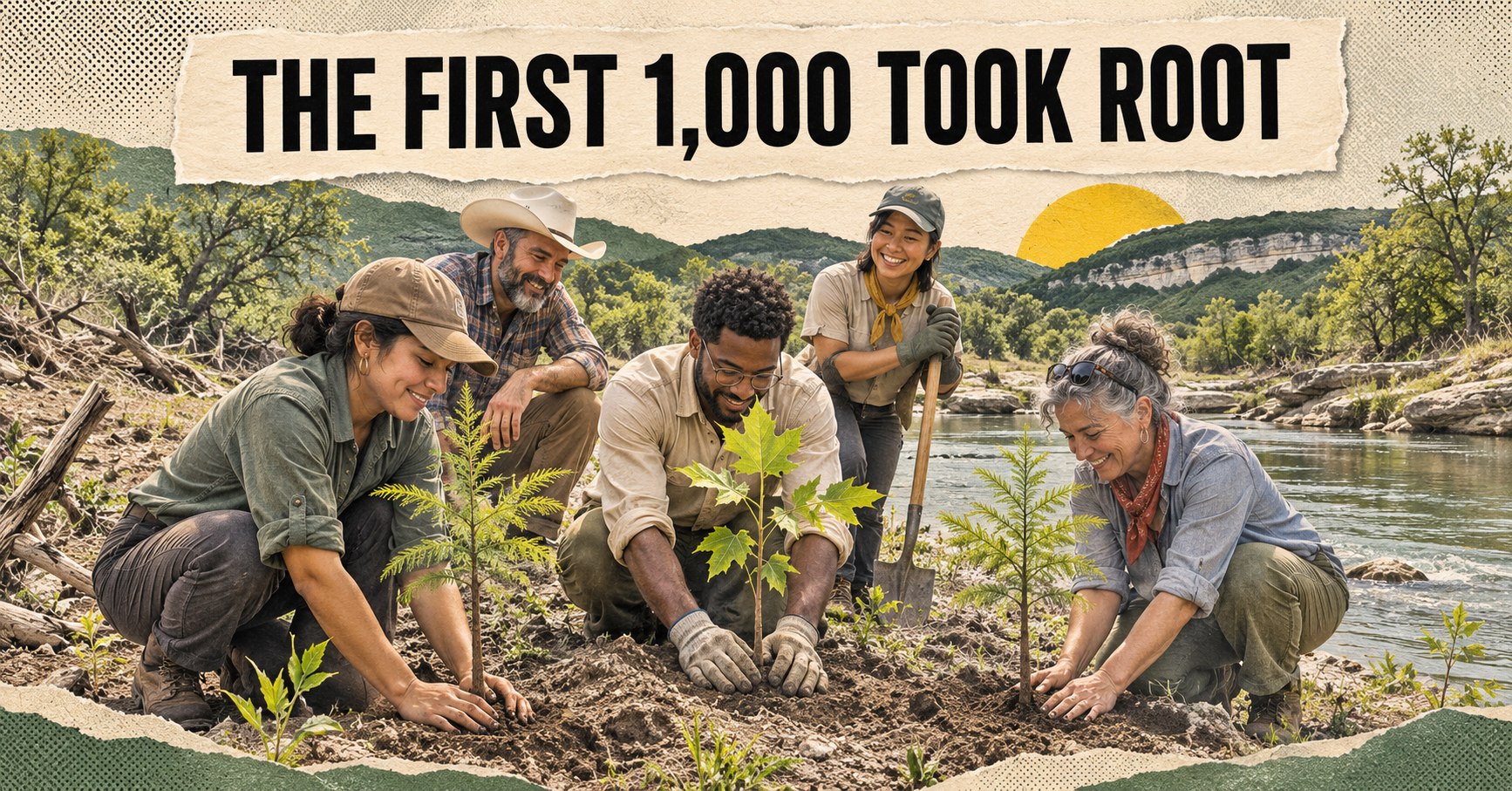
The first 1,000 native trees took root along the Guadalupe River.
The locally collected seedlings begin a five-year, 50,000-tree recovery plan.
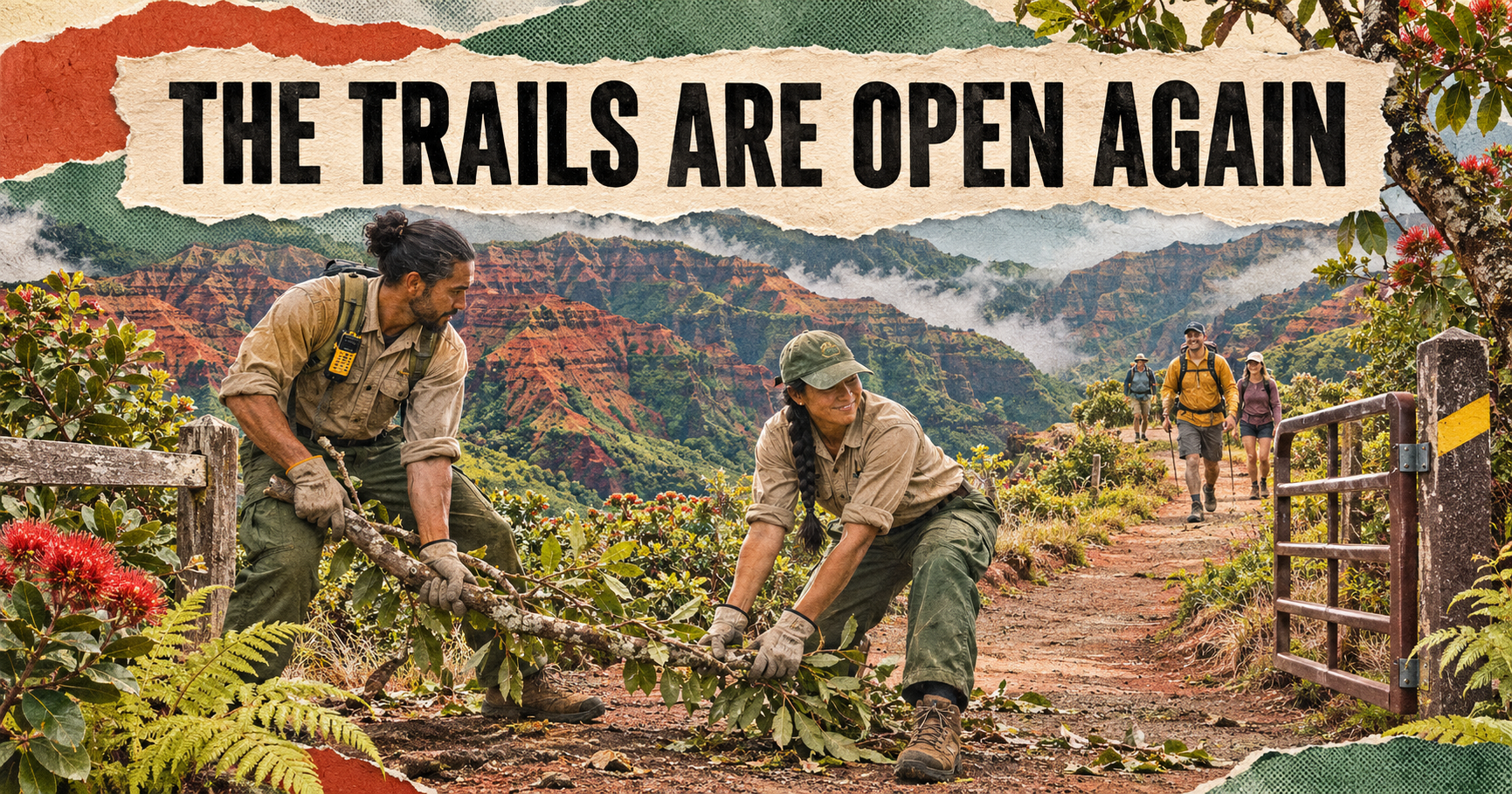
Two Kauaʻi state parks reopened after two months of hurricane repairs.
Major lookouts and several trails are open again, though repairs and closures continue.

Virginia voters approved an equal-marriage amendment.
The result reverses a 2006 state constitutional ban; certification is still pending.