Four little broad-headed snakes made it through their first months in the wild.
Six captive-bred juveniles went out beneath artificial rocks in May. At least four survived the critical first months.
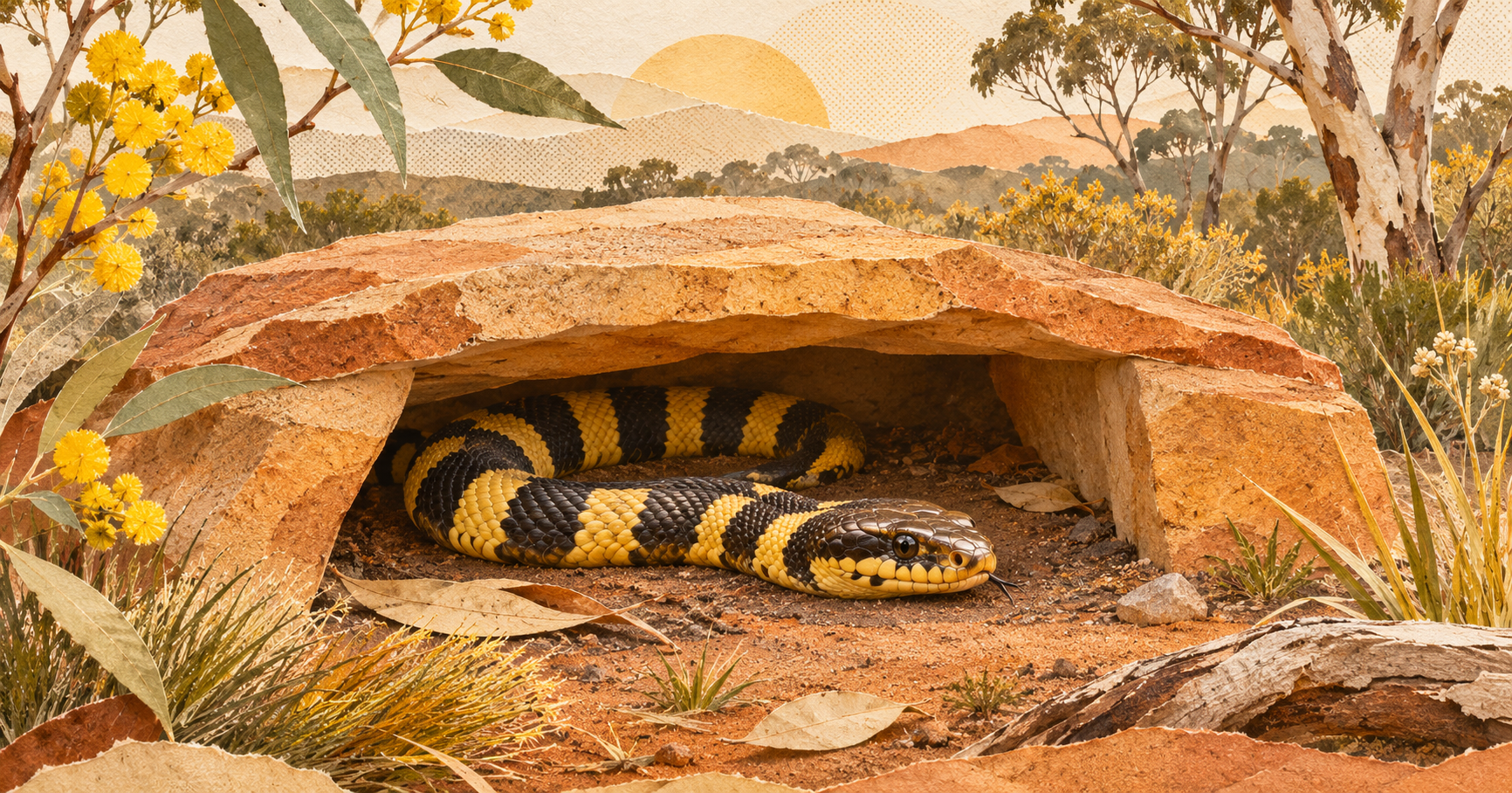
UTS wildlife ecologist Jonathan Webb and partners released six captive-bred juvenile broad-headed snakes into restored habitat in mid-May. After fortnightly surveys through their most vulnerable first months, at least four were still surviving.
WHAT HAPPENED
The snakes were placed beneath purpose-built artificial rocks that mimic the warmth and shelter of natural rock crevices. Habitat removal, drought and the 2020 bushfires have driven the endangered species down; Webb's long-running study recorded a roughly 64% decline by 2023. The pilot combines captive breeding, restored shelter, monitoring and Indigenous ranger involvement, with more releases planned if the approach keeps working.
WHY THIS IS HOPESLOP
It is a tiny result with enormous patience behind it: six juveniles, four known survivors, 34 years of field research and a shelter that looks like a rock but functions like a second chance.
ORIGINAL SOURCEUniversity of Technology Sydney / Aussie ArkRead the original report
A DAILY ALLEGATION OF PROGRESS.
One good thing from the internet, every day. Nothing else.
MORE HOPESLOP
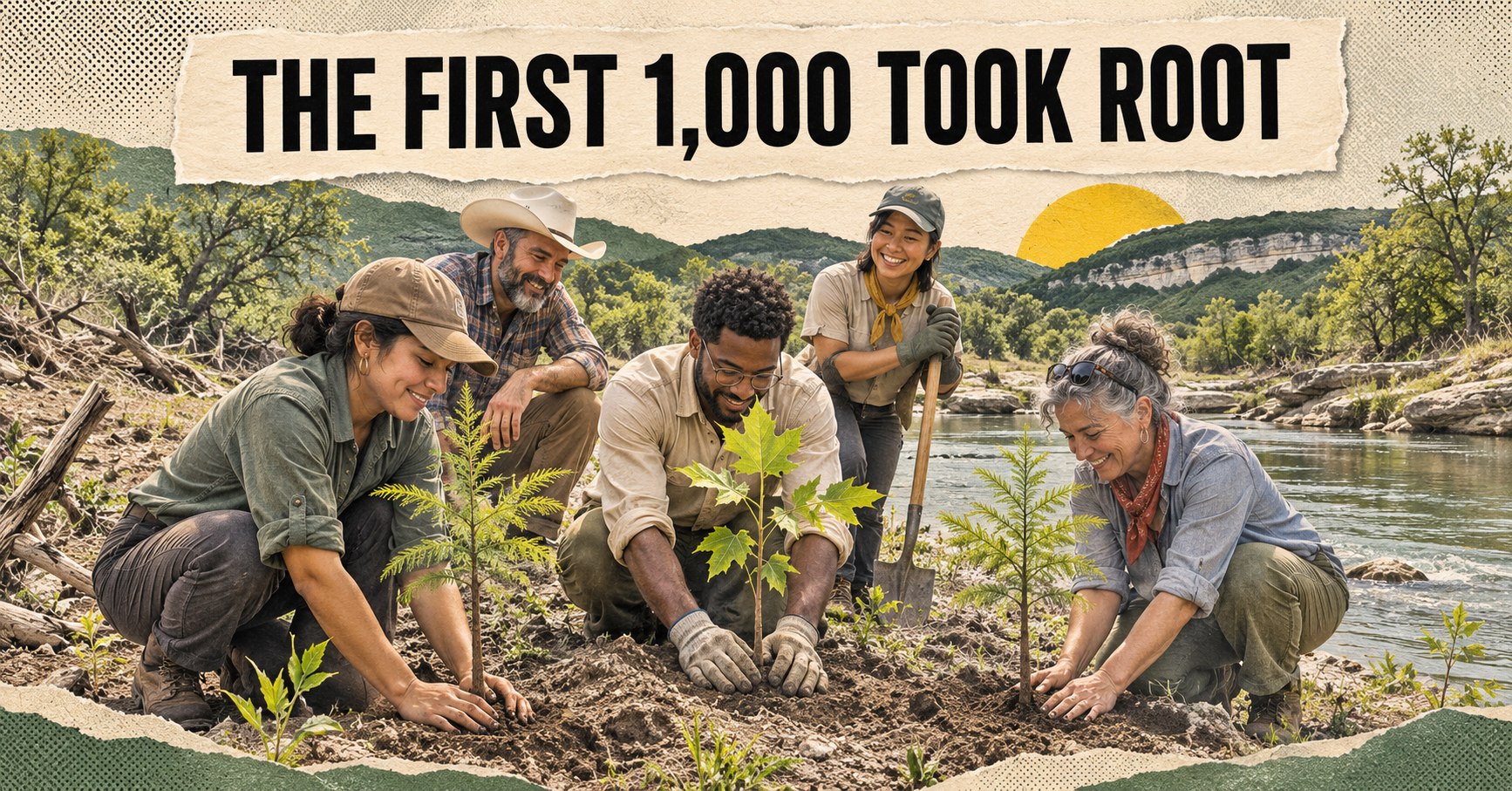
The first 1,000 native trees took root along the Guadalupe River.
The locally collected seedlings begin a five-year, 50,000-tree recovery plan.
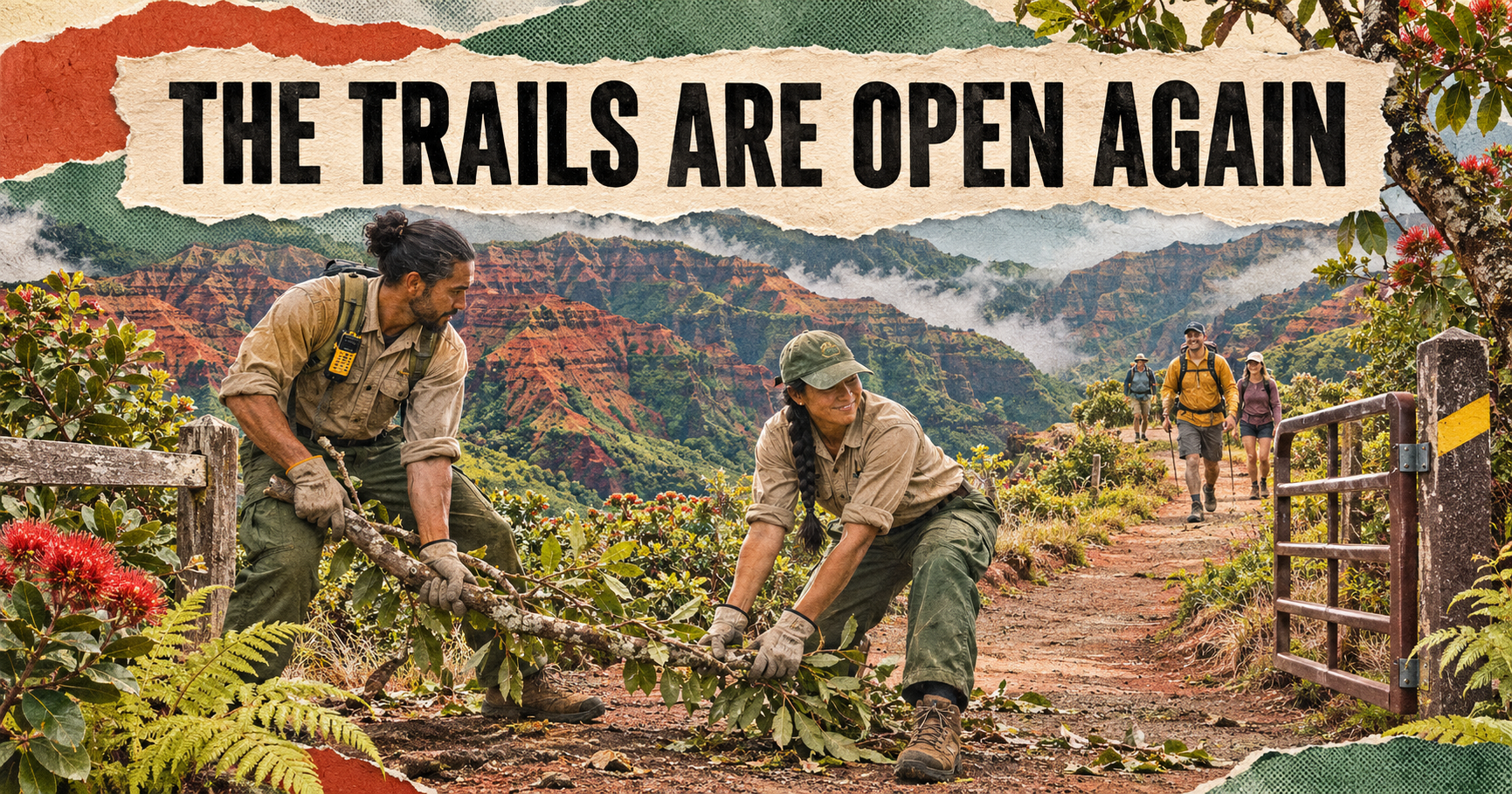
Two Kauaʻi state parks reopened after two months of hurricane repairs.
Major lookouts and several trails are open again, though repairs and closures continue.

Virginia voters approved an equal-marriage amendment.
The result reverses a 2006 state constitutional ban; certification is still pending.