Choros Island's Peruvian diving-petrels grew from about 12,000 to nearly 90,000 breeding pairs.
The 2024 census estimated 89,876 breeding pairs—7.5 times the 2013 estimate—after decades of protection and the removal of invasive rabbits.
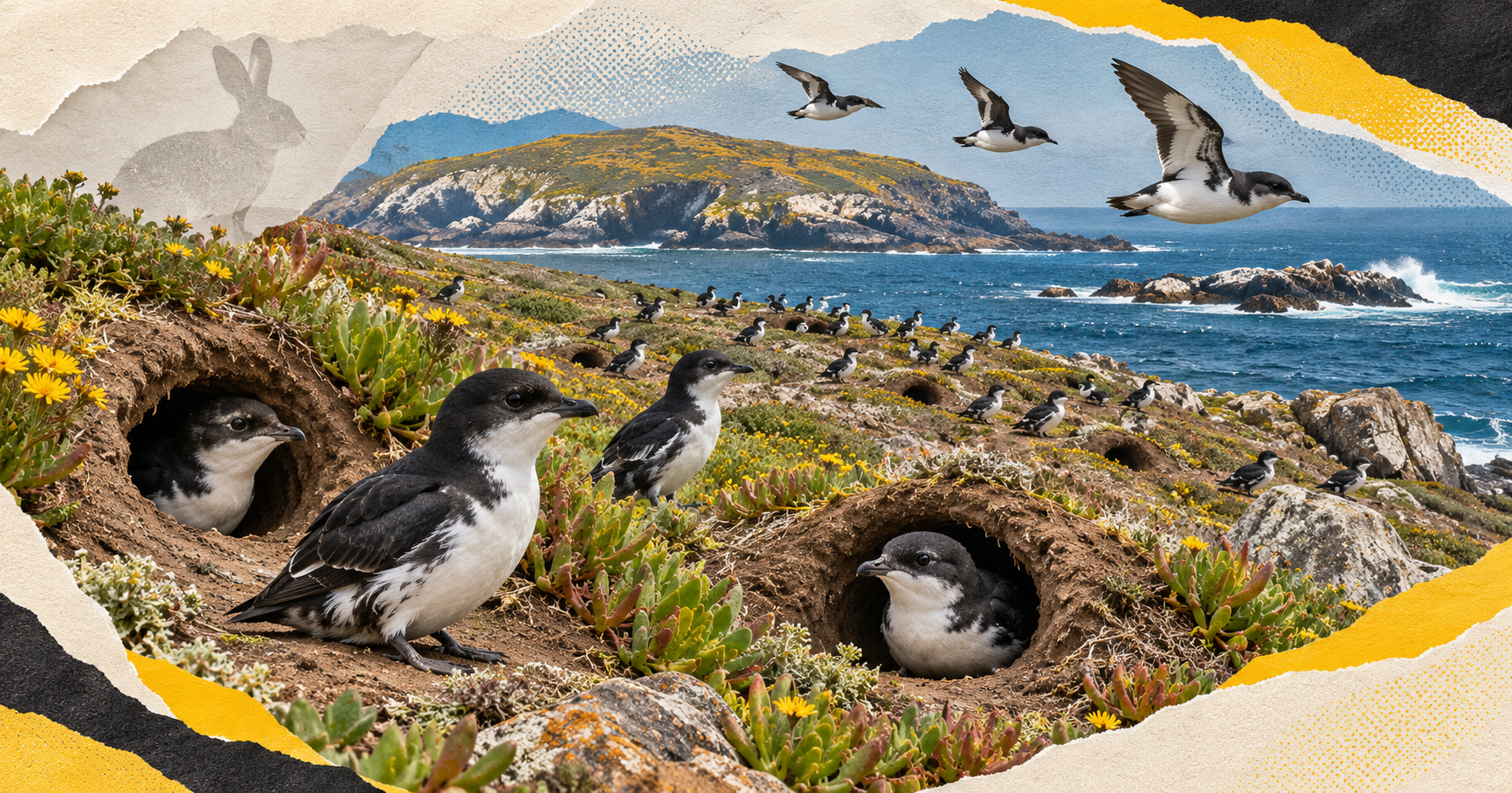
A 2024 census on Choros Island in northern Chile estimated 89,876 breeding pairs of Peruvian diving-petrels. That is roughly 7.5 times the 11,934-pair estimate from 2013 and about 300 times the island's 1980 estimate.
WHAT HAPPENED
Researchers report that occupied nesting area expanded from roughly 3.2 hectares in 2010 to more than 10 hectares in 2024. Long-term reserve protection began supporting recovery in the 1990s; invasive European rabbits, which damaged vegetation and burrows, were removed in 2013. The paper says habitat availability and consolidated nesting patches followed, while cautioning that the species remains concentrated at few breeding sites and that nearby mining and port proposals could reverse progress.
WHY THIS IS HOPESLOP
The useful unit here is not a dramatic rescue but a decade of burrows becoming usable again. Remove a pressure, protect the island, keep counting—and a colony that had nearly vanished can become crowded enough to rewrite the scale of recovery.
ORIGINAL SOURCEMarine Ornithology / Universidad Católica del NorteRead the original report
A DAILY ALLEGATION OF PROGRESS.
One good thing from the internet, every day. Nothing else.
MORE HOPESLOP
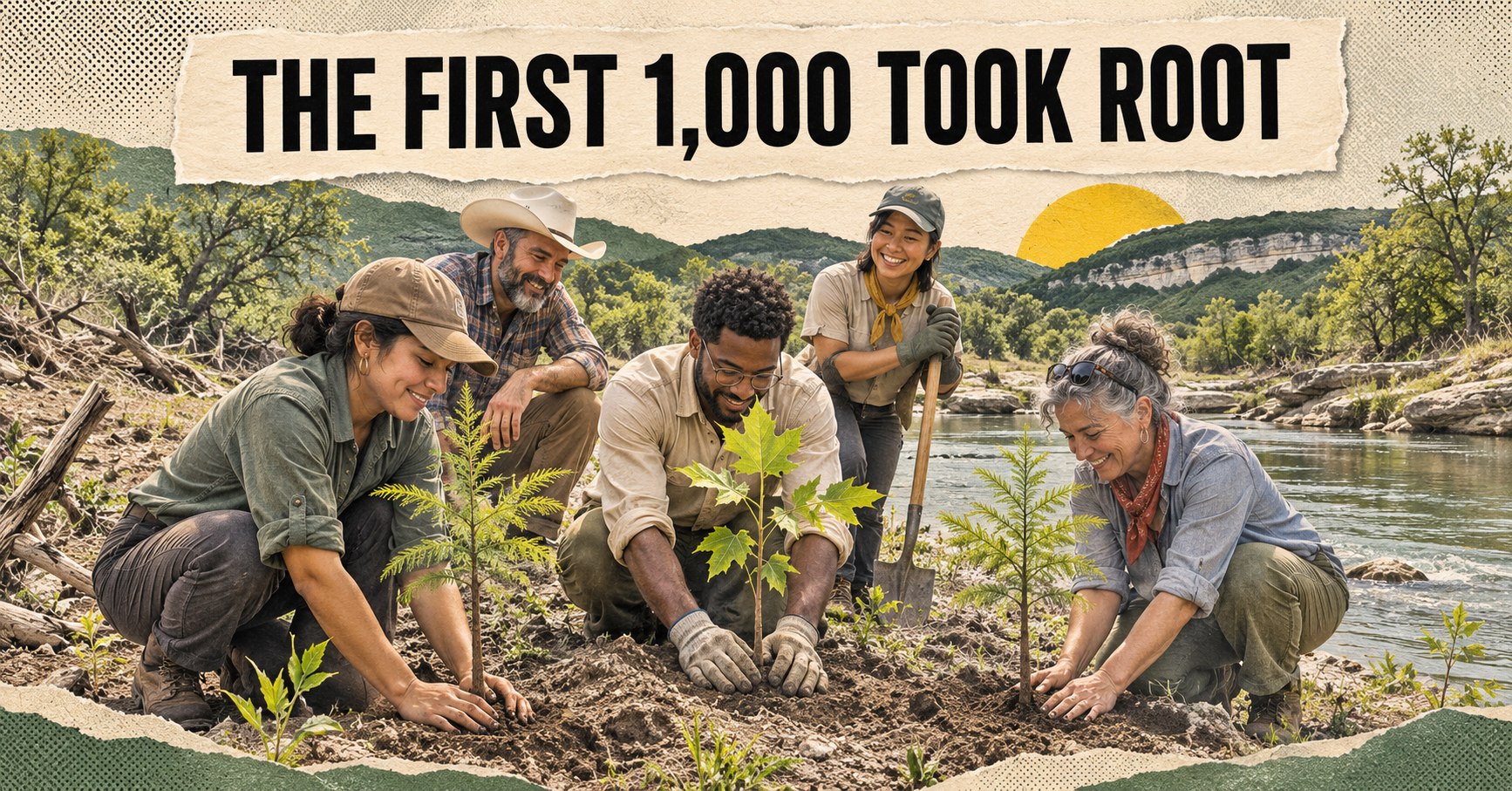
The first 1,000 native trees took root along the Guadalupe River.
The locally collected seedlings begin a five-year, 50,000-tree recovery plan.

Two Kauaʻi state parks reopened after two months of hurricane repairs.
Major lookouts and several trails are open again, though repairs and closures continue.

Virginia voters approved an equal-marriage amendment.
The result reverses a 2006 state constitutional ban; certification is still pending.